
River Bend Repair: A Renovation Project Embracing Heritage and Ecological Restoration
River Bend Repair is a renovation project that restores heritage architecture while embracing cultural and ecological regeneration, creating a healing space.


Introduction to River Bend Repair
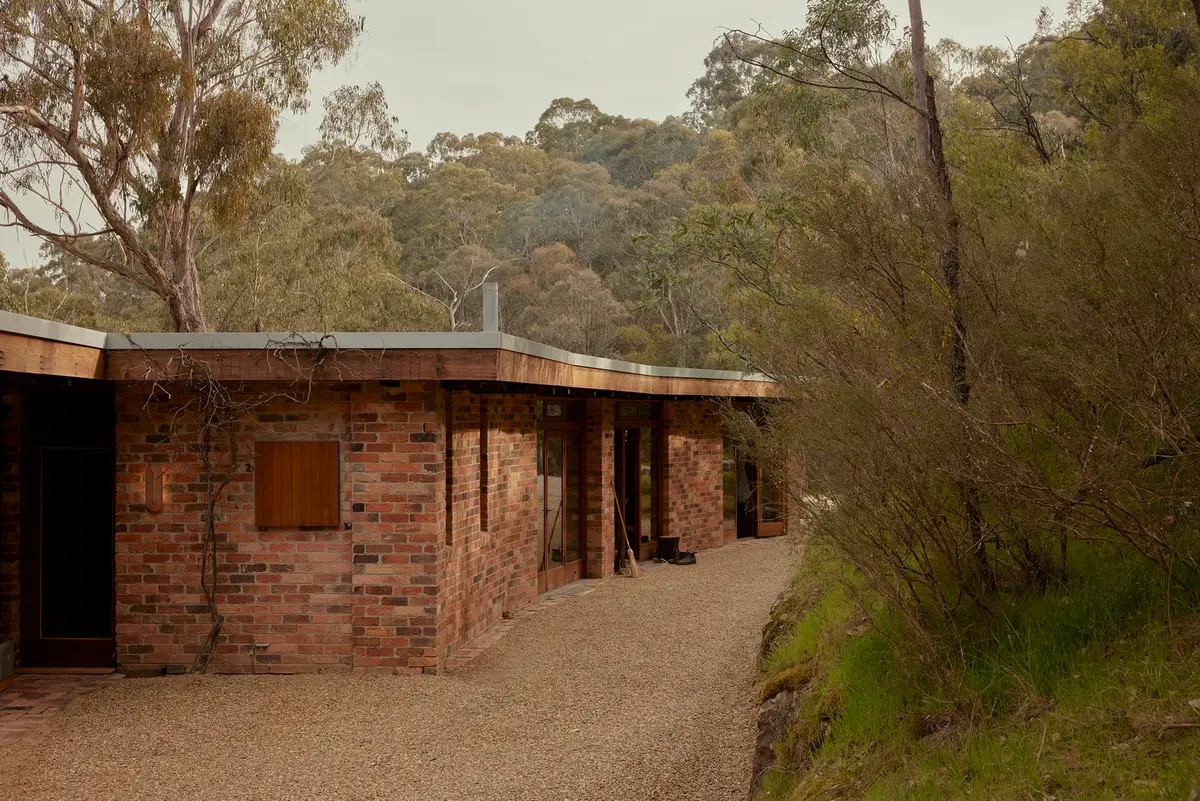
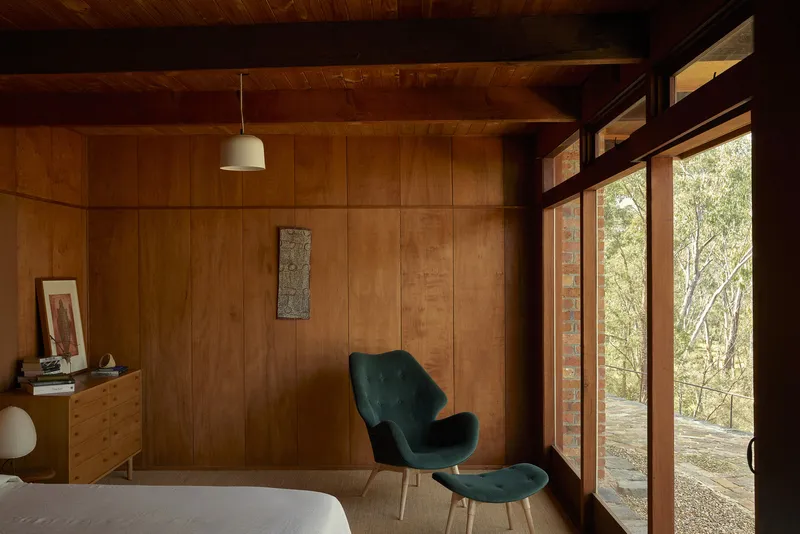
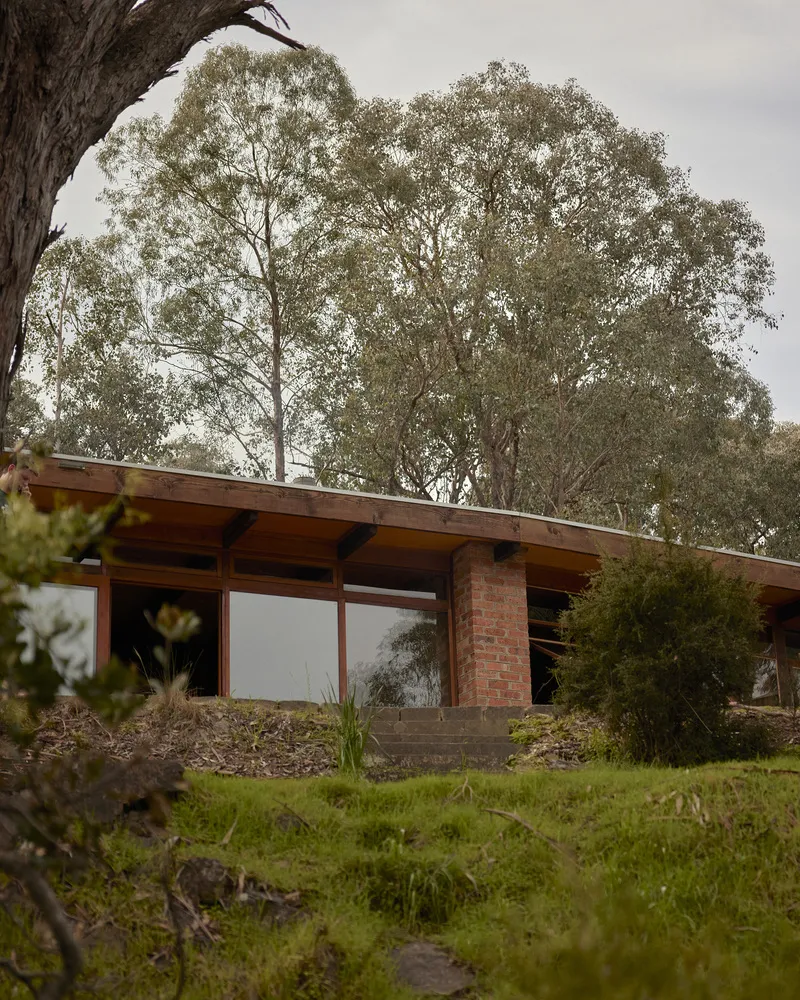
The River Bend house, once known as Cuming House, has stood as a remarkable piece of architecture, reflecting the cultural and historical significance of the land on which it was built. Situated in Eltham, Australia, within the vast Yarra Valley floodplains, River Bend House is a prominent example of mid-20th-century architecture designed by Alistair Knox. The building stands on Laughing Waters Road, a location rich in cultural heritage and environmental history. This article delves into the process of architectural renovation, celebrating the revitalization of this heritage building while highlighting ecological restoration efforts and the cultural repair that accompanies the project.
The Importance of River Bend's Heritage and the Cultural Context
The area surrounding River Bend House holds deep cultural and social significance, particularly for the Wurundjeri woi wurrung people of the Kulin Nations. The region's significance is reflected through the Wurundjeri people's cultural practices, such as the re-scarring of trees and the preservation of the last remaining Wurundjeri stone eel trap along the Birrarung River. These cultural connections made it clear that River Bend House was more than just a structure; it was an integral part of the landscape and community.
InPlace, a not-for-profit arts organization, played a pivotal role in preserving the house. Partnering with Parks Victoria and the Wurundjeri Corporation, InPlace worked to not only protect the building but also to facilitate cultural practices and workshops aimed at fostering a connection to lost cultural traditions. These efforts culminated in the establishment of the Garambi Baan Cultural Precinct, a space where art, heritage, and community intertwine.
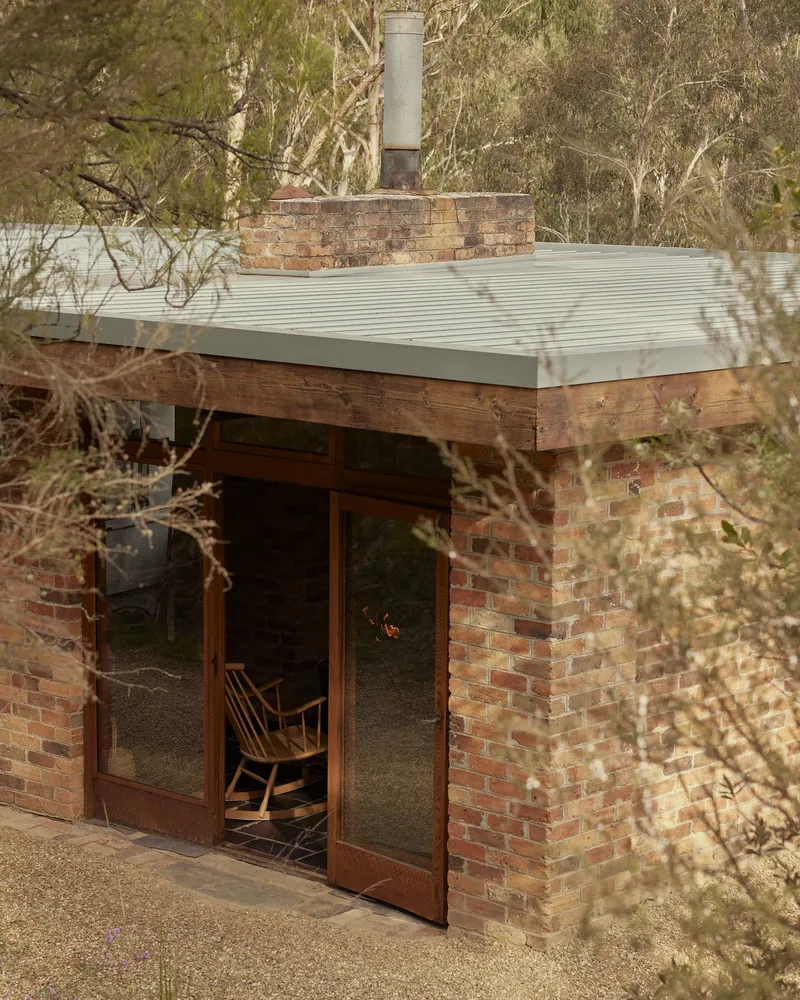
Architectural Renovation: Repairing and Reimagining River Bend House
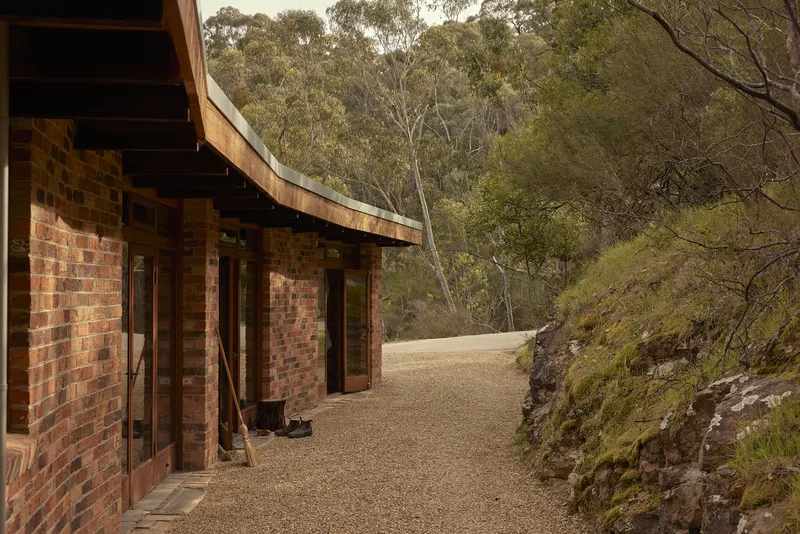
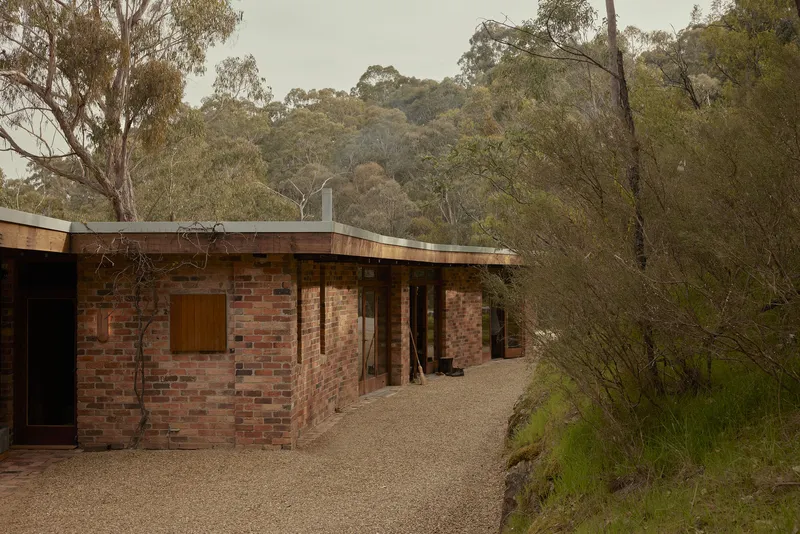
When the renovation project began, the concept of "repair" was central to its execution. The idea of repair encompassed more than just fixing a building; it extended to repairing the landscape, culture, and community ties. The house itself, with its robust masonry pillars and timber window-walls, had aged significantly by 2015, and its preservation became a race against time.
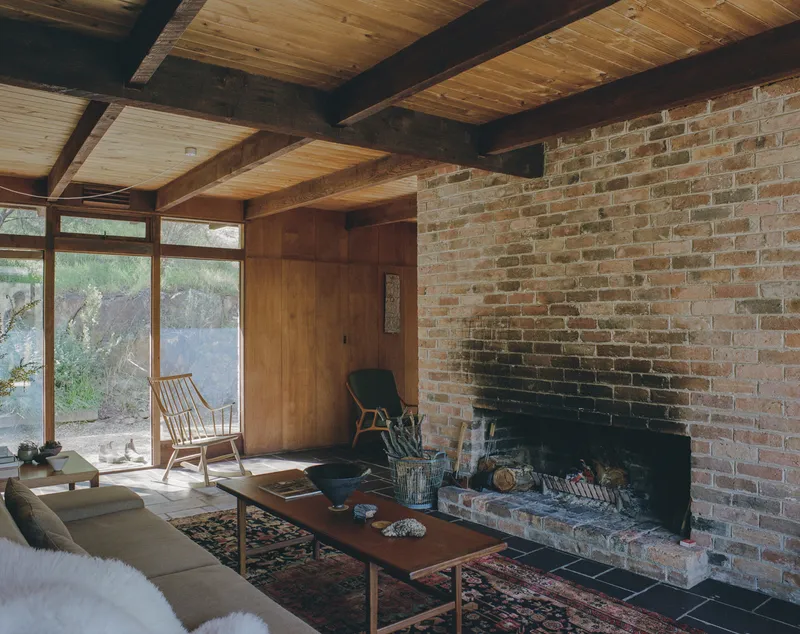
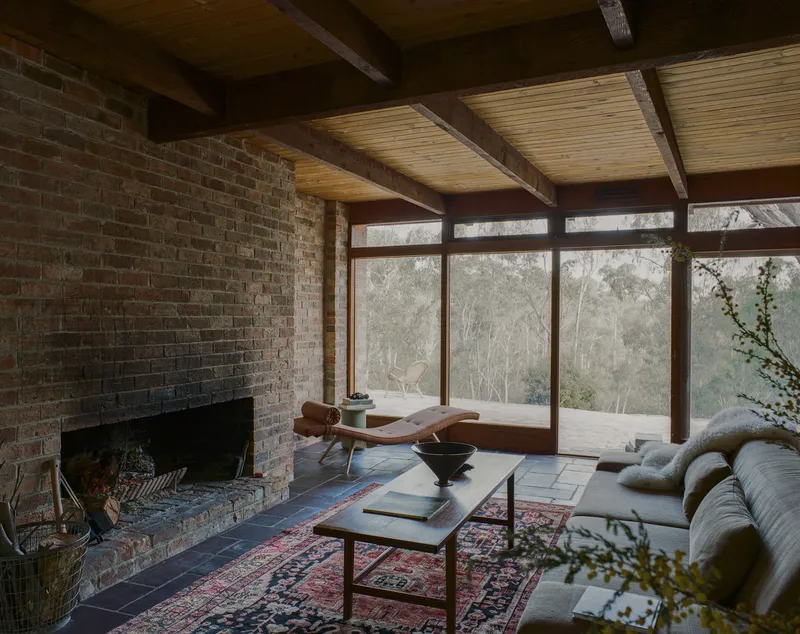
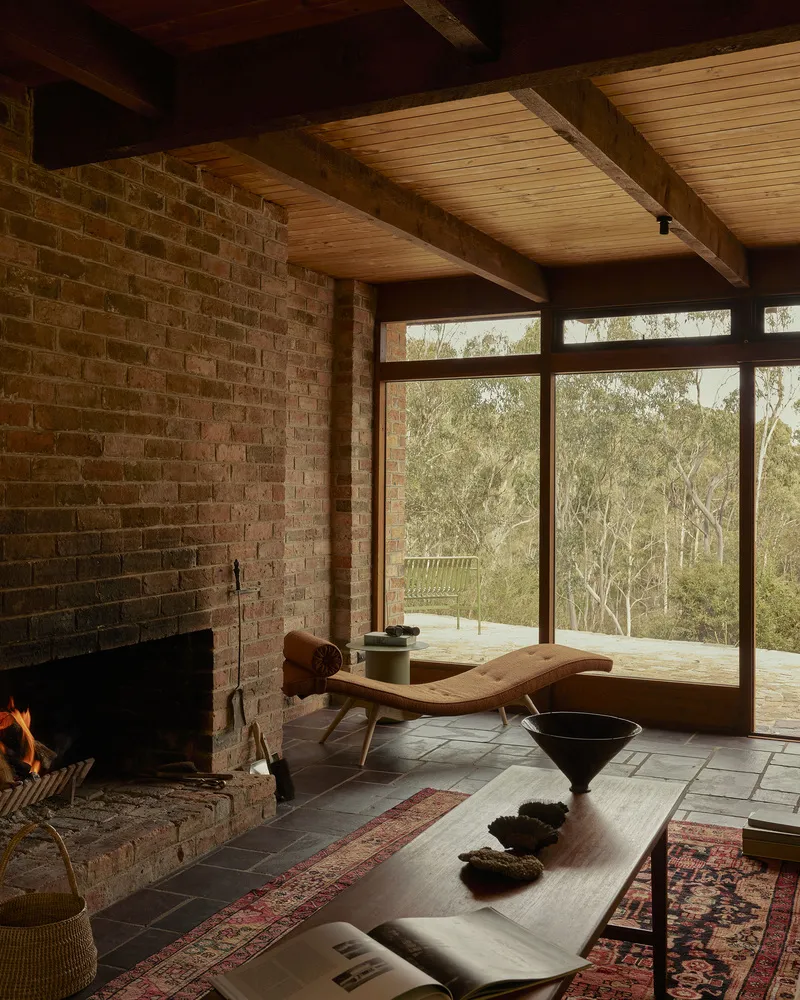
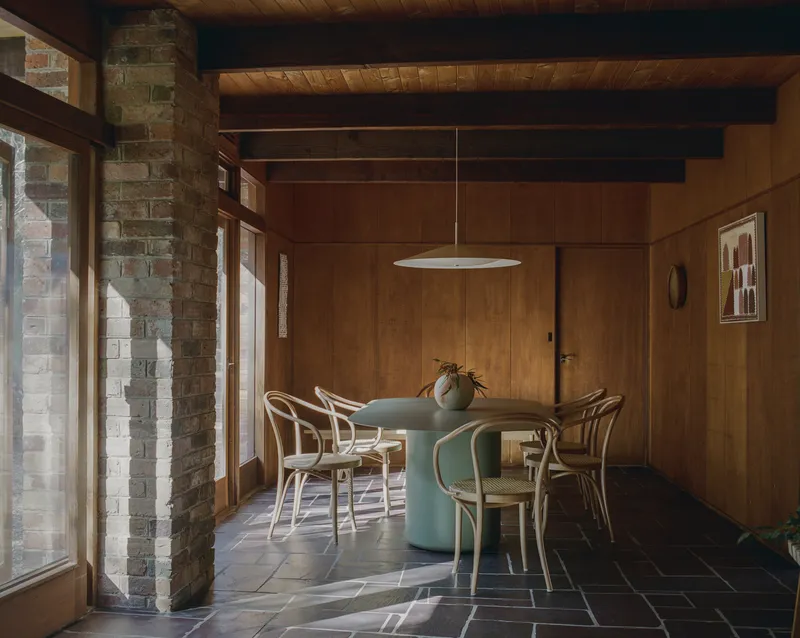
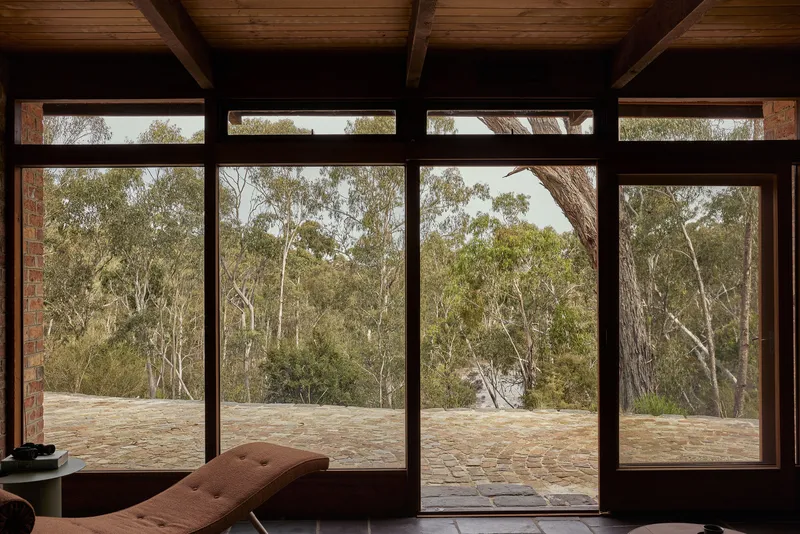
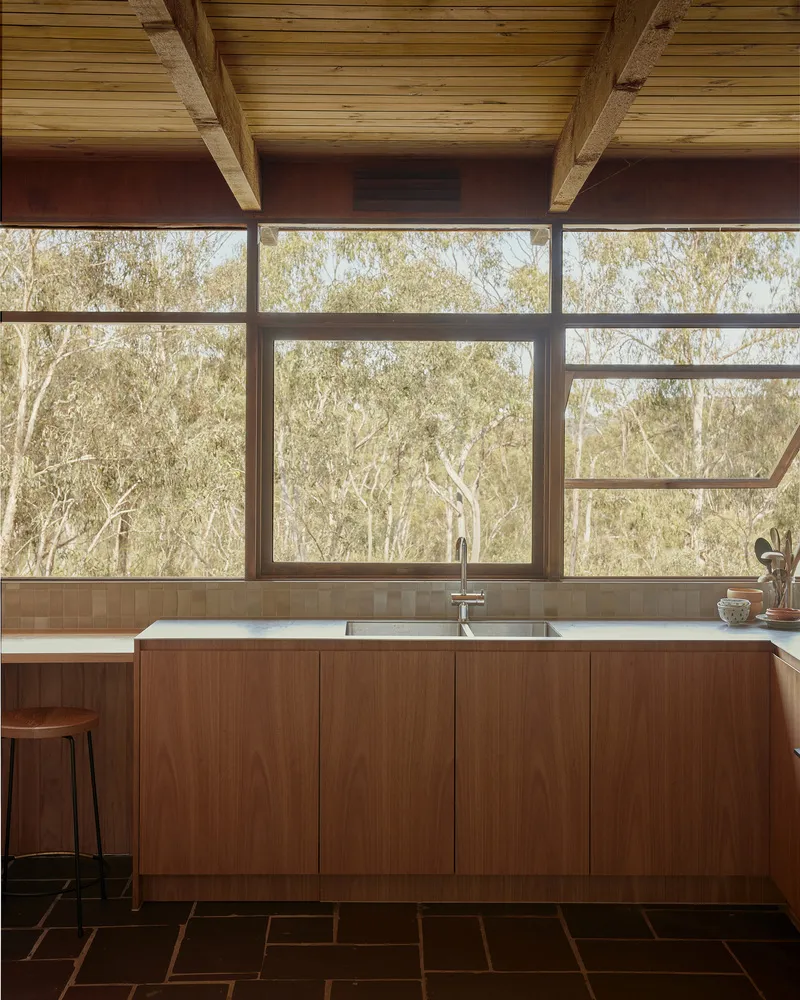
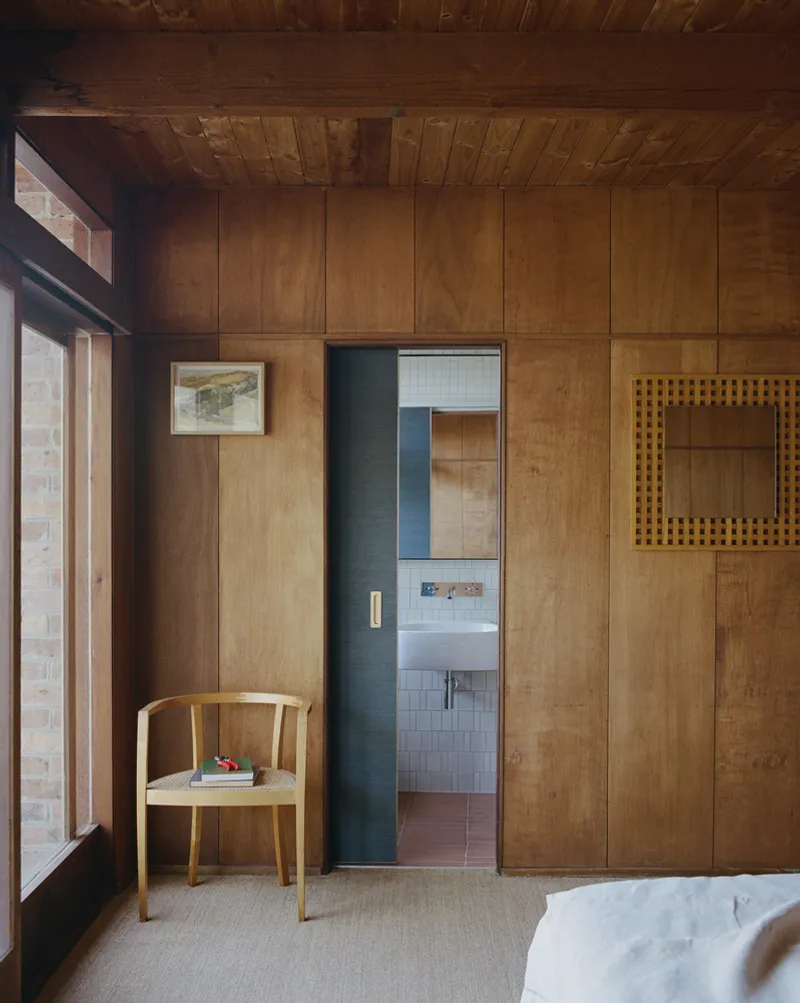
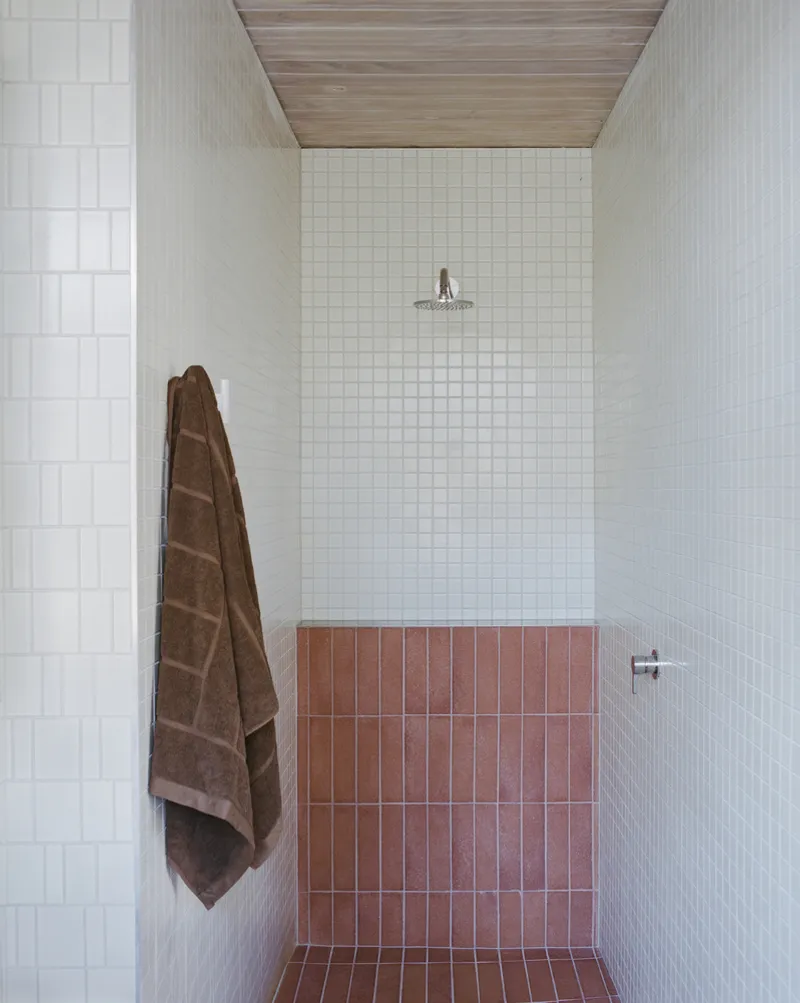
The primary intervention during the renovation was the removal of a wall between the dining room and the kitchen, opening up the house to expansive views of the surrounding river and valley. This shift not only improved the spatial flow but also emphasized the connection between the interior and the natural landscape. Additionally, the kitchen and ensuite were redesigned to be more accessible and functional, with careful attention to the materials used.
Materiality: Linking Architecture to Landscape
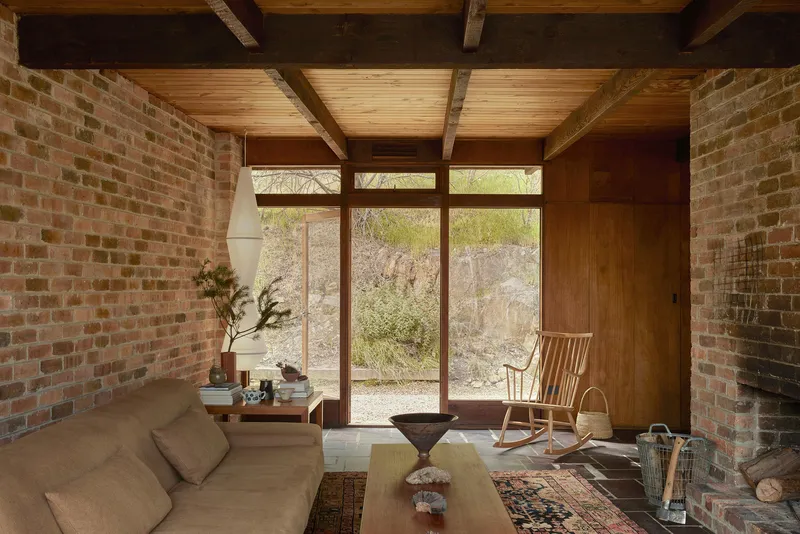
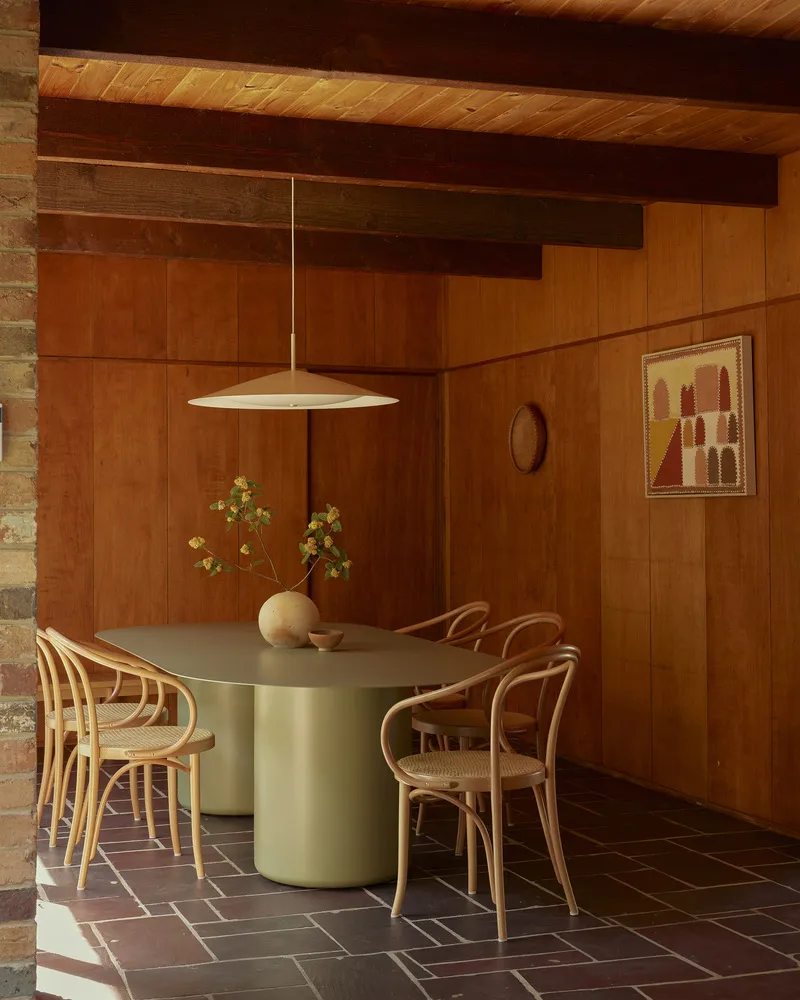
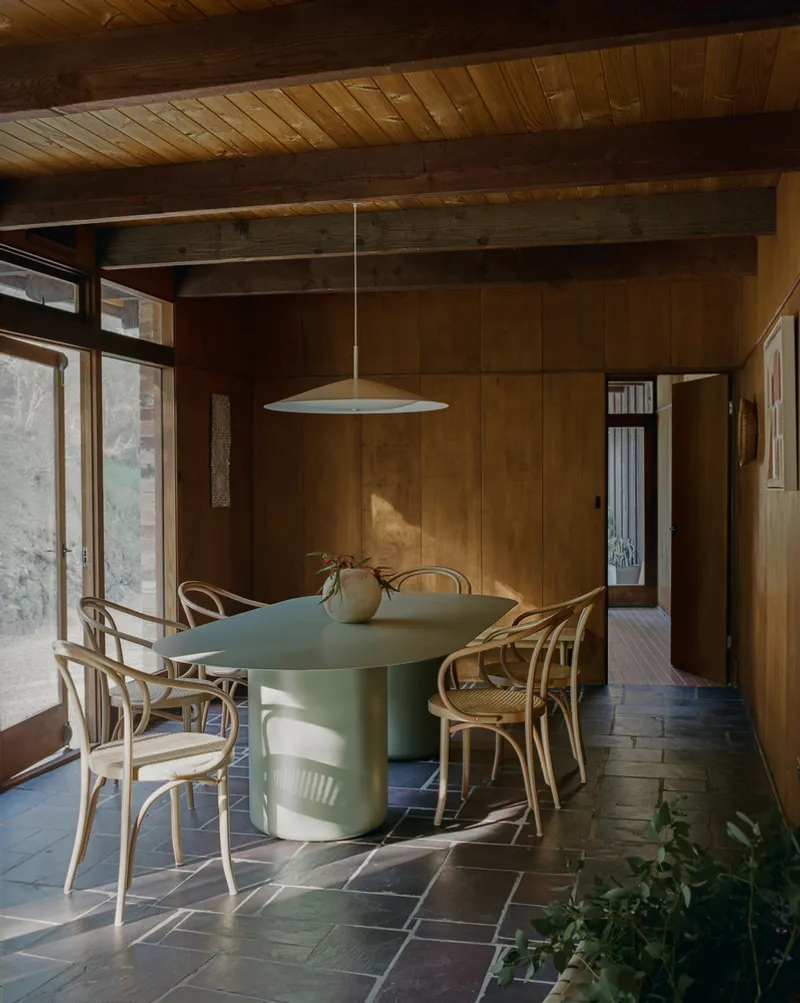
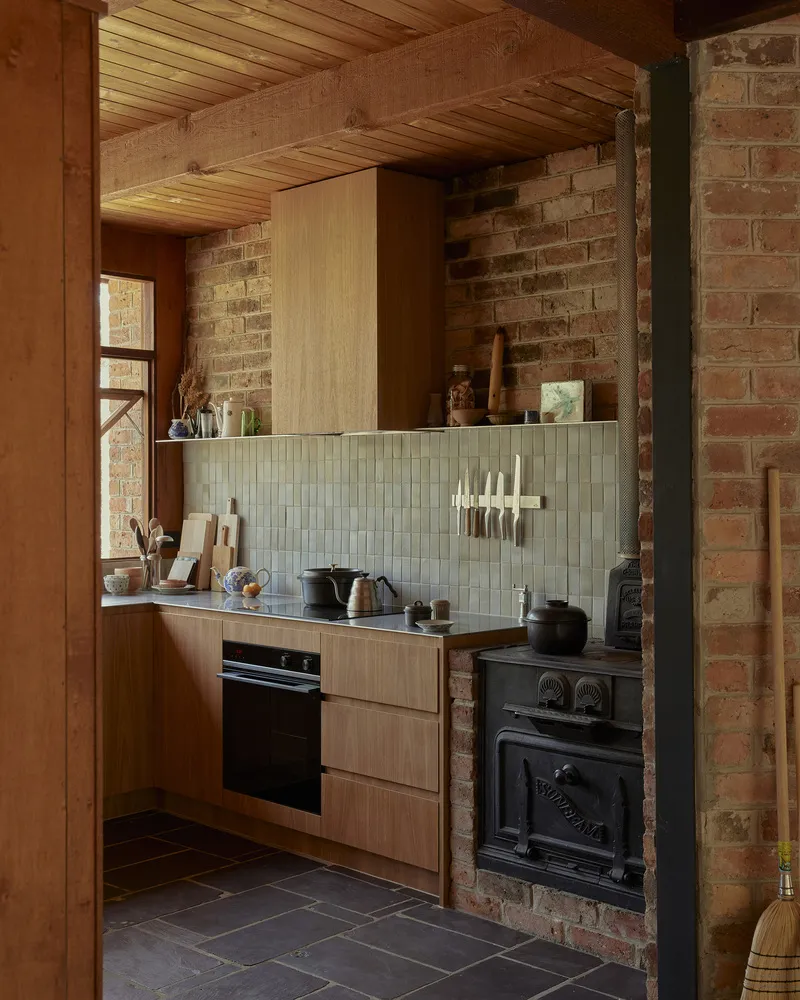
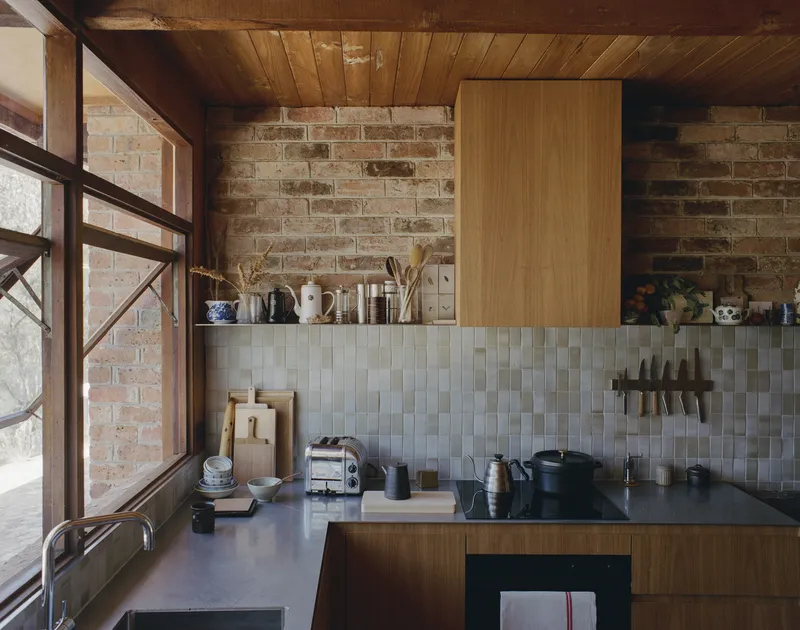
One of the standout features of the renovation was the thoughtful selection of materials. Instead of replicating the original materials from the house's era, the architects chose to enhance the experience of the landscape. For instance, handmade gray-green tiles by Anchor Ceramics were selected for the kitchen, echoing the colors of the Eucalyptus Meliadora trees that surround the site. The cold-rolled, unpolished stainless steel used for the benchtop reflected the river's fluidity, while a timber writer's desk by the window allowed the residents to engage with the landscape in a personal way.
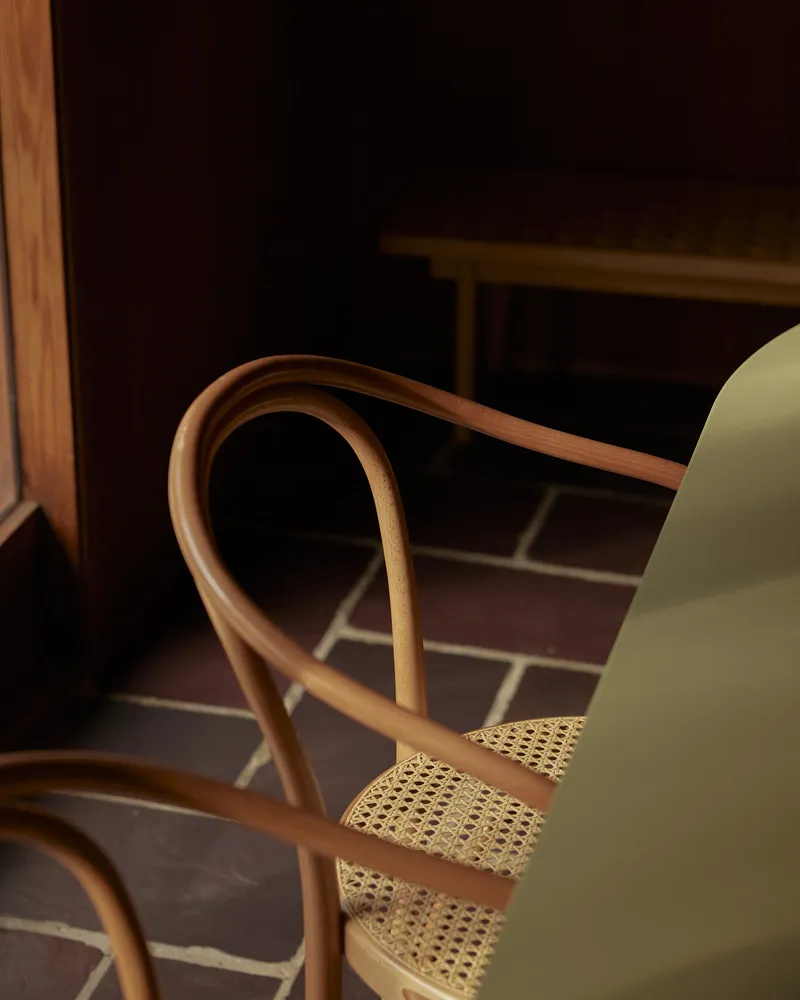
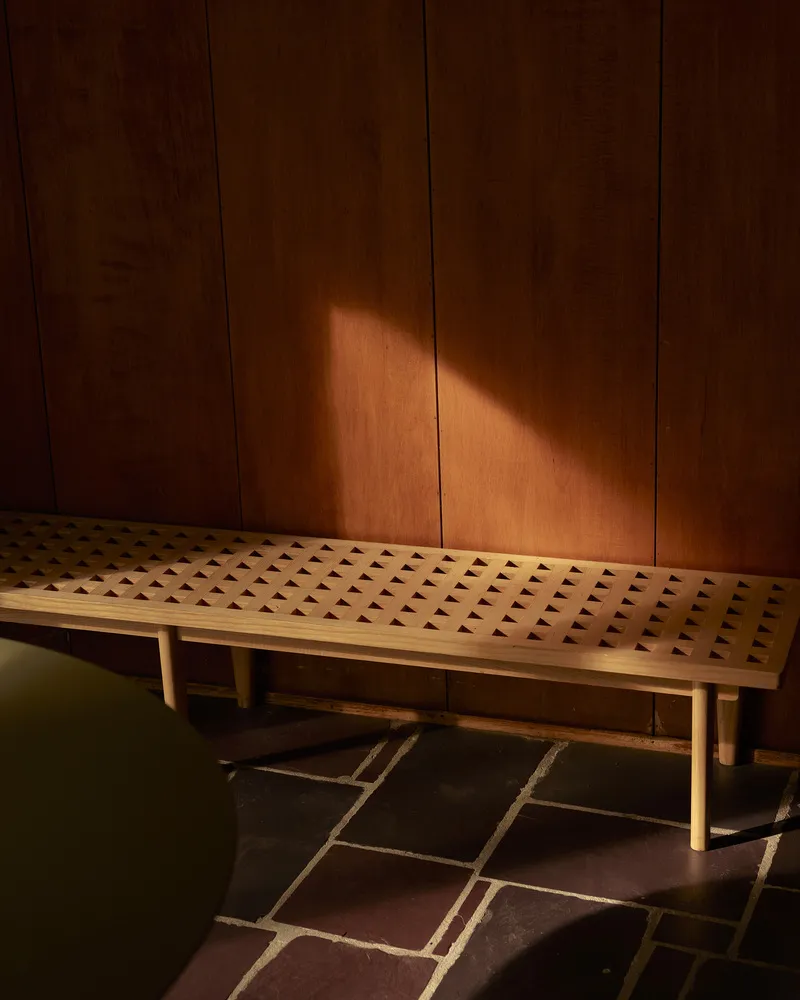
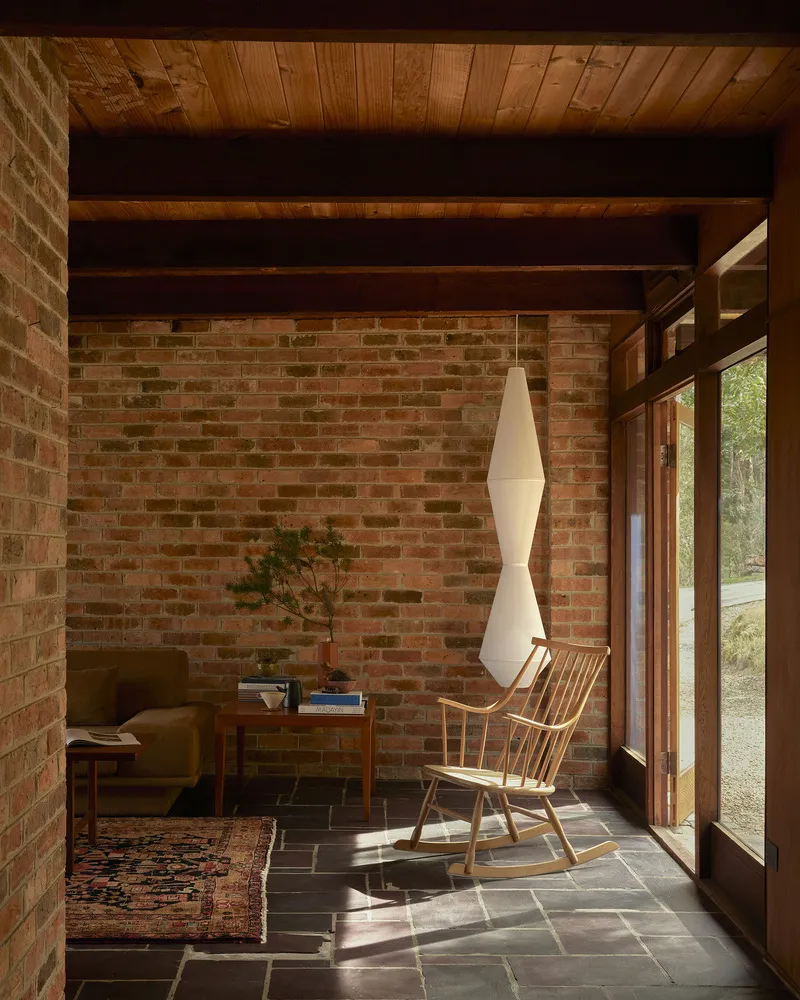
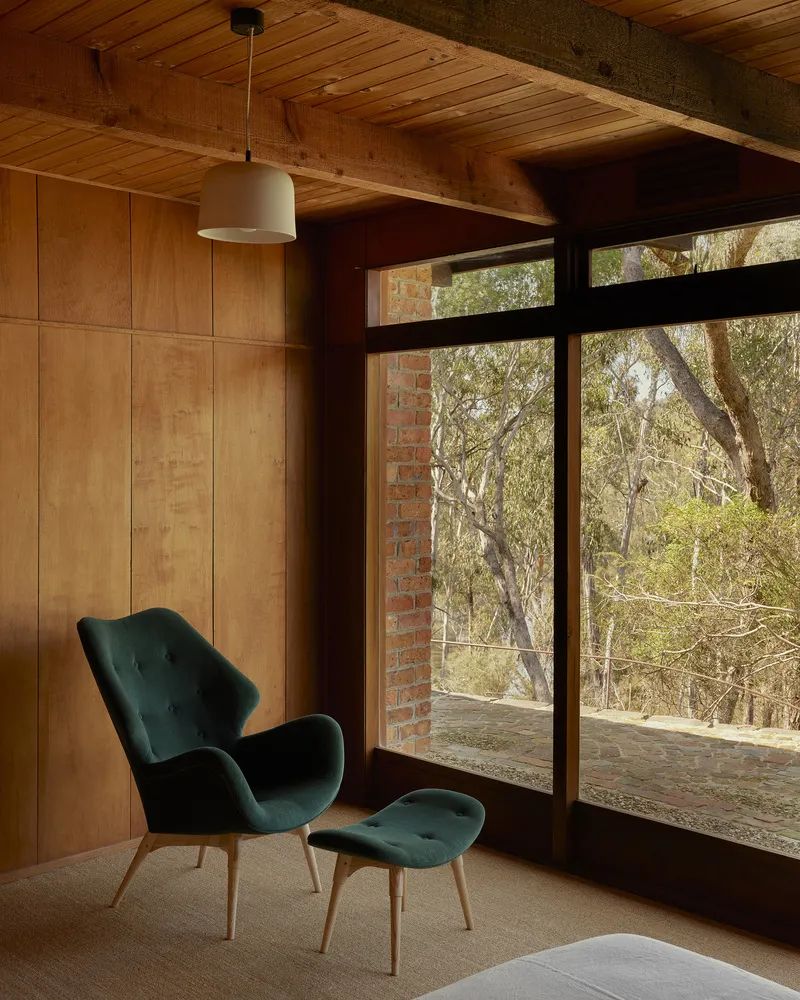
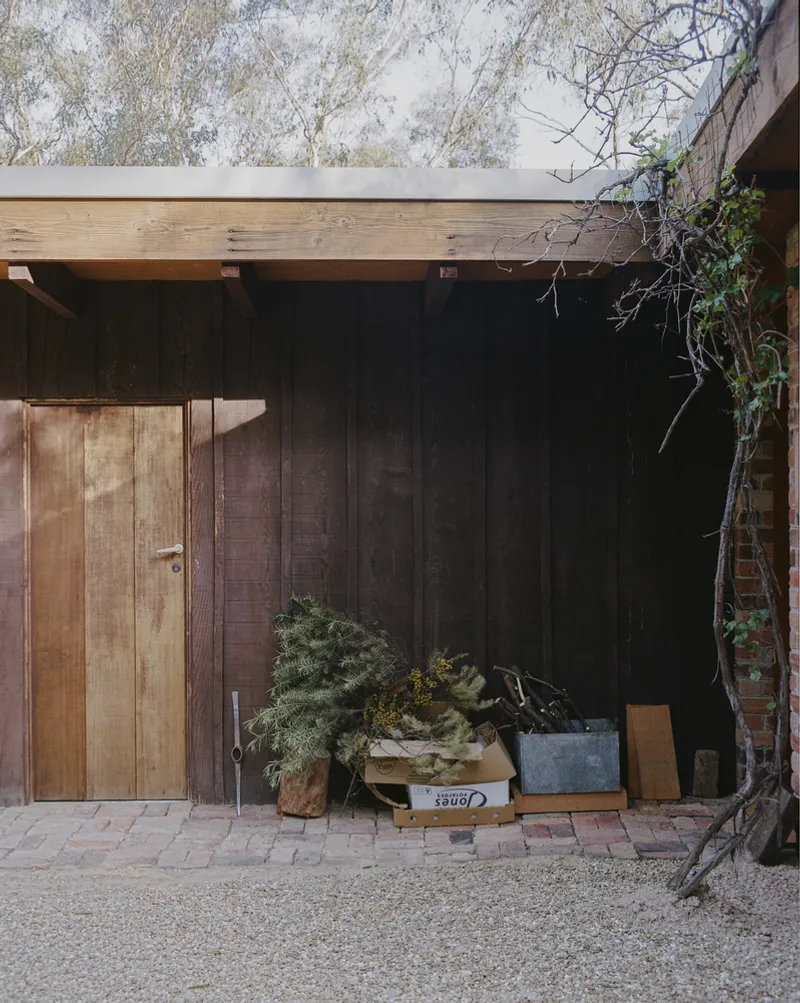
The renovation also focused on restoring existing materials. The Welsh slate floors were carefully stripped and resealed with natural linseed oil, while the original window frames were re-sanded and oiled, ensuring the building maintained its historical integrity. Every material choice, from leather cupboard pulls to locally crafted furniture, was made to harmonize with the natural environment, fostering a deep connection between the architecture and the land.
Healing Through Architecture: The Emotional Impact of the Renovation
River Bend House is more than just a renovated building; it has become a space of healing. The site's ability to foster a sense of peace and reconnection is palpable. The integration of local design elements, like the handmade pendant and dining table by local artist Kate Stokes, further reinforces the connection between the space and the surrounding community.
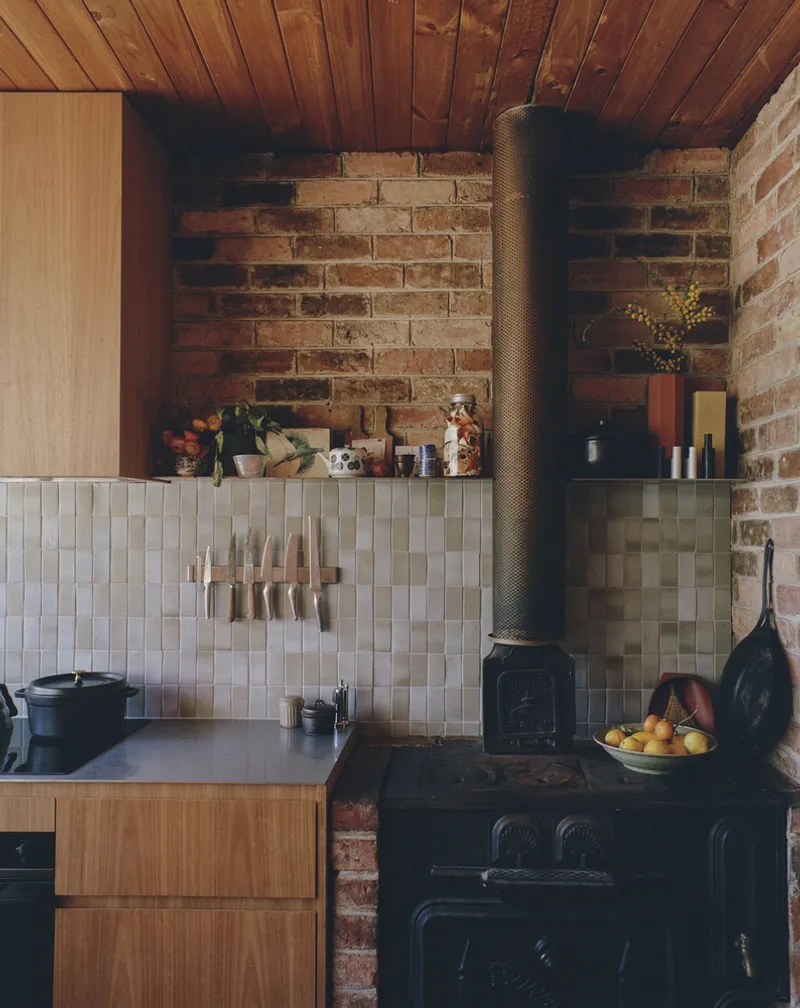
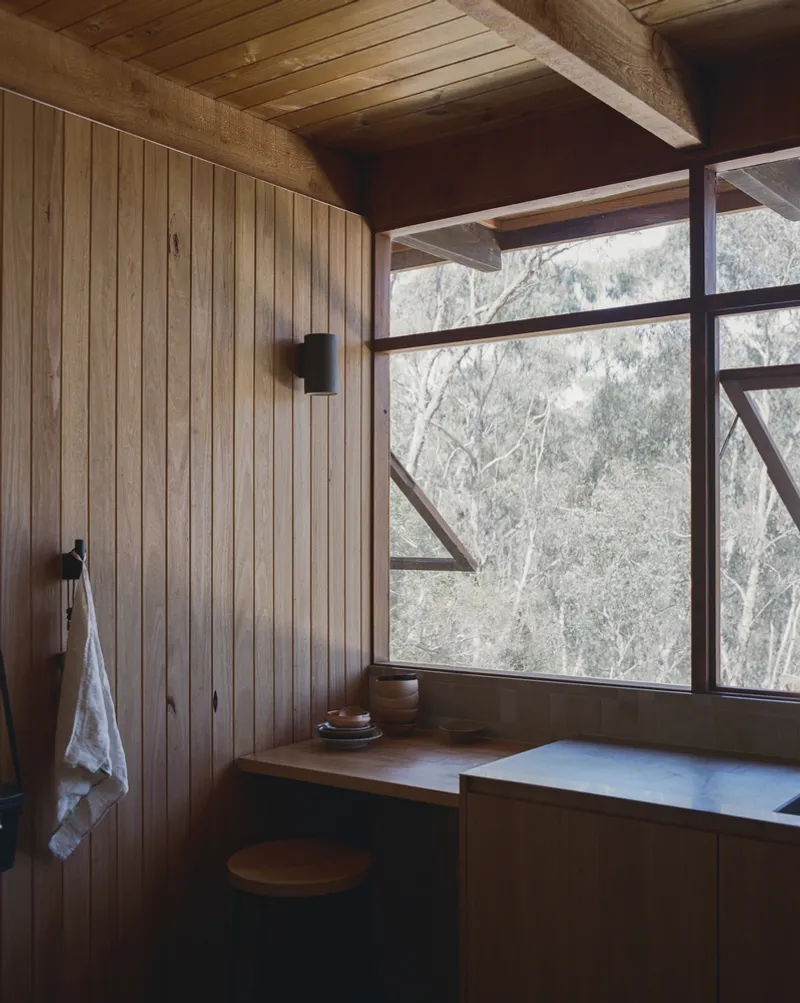
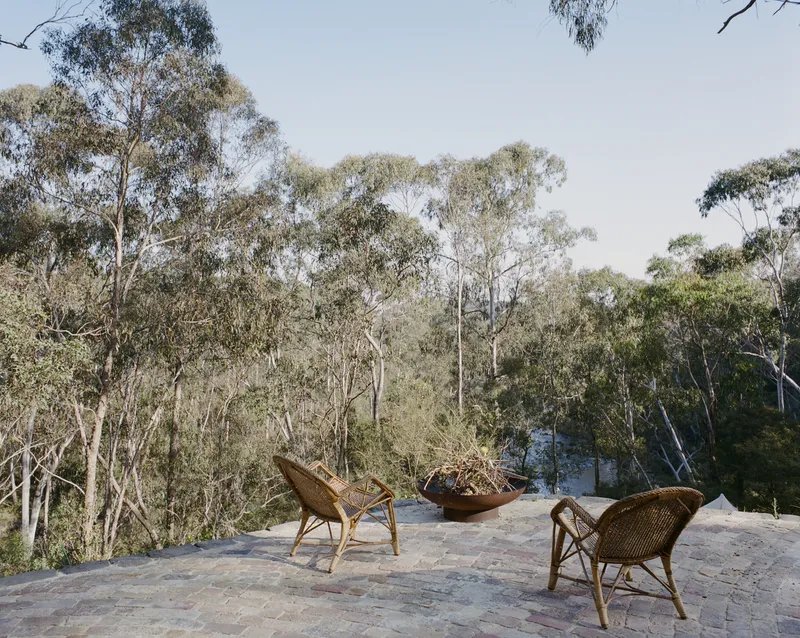
The addition of a restored terrace overlooking the river serves as a tranquil space for reflection, a place where people can gather and feel the spiritual significance of the land. The meticulous restoration work, including the replacement of the roof and fascias, ensures that the building will continue to serve its purpose for generations to come.
Ecological and Cultural Regeneration
As part of the renovation, InPlace has also spearheaded efforts to regenerate the landscape, ensuring that the cultural practices of the Wurundjeri people are respected. This includes the reintroduction of traditional land management techniques such as cultural burning and ecological restoration. These efforts have led to the indigenization of the surrounding landscape, with native plants being introduced to enhance the site's environmental health.
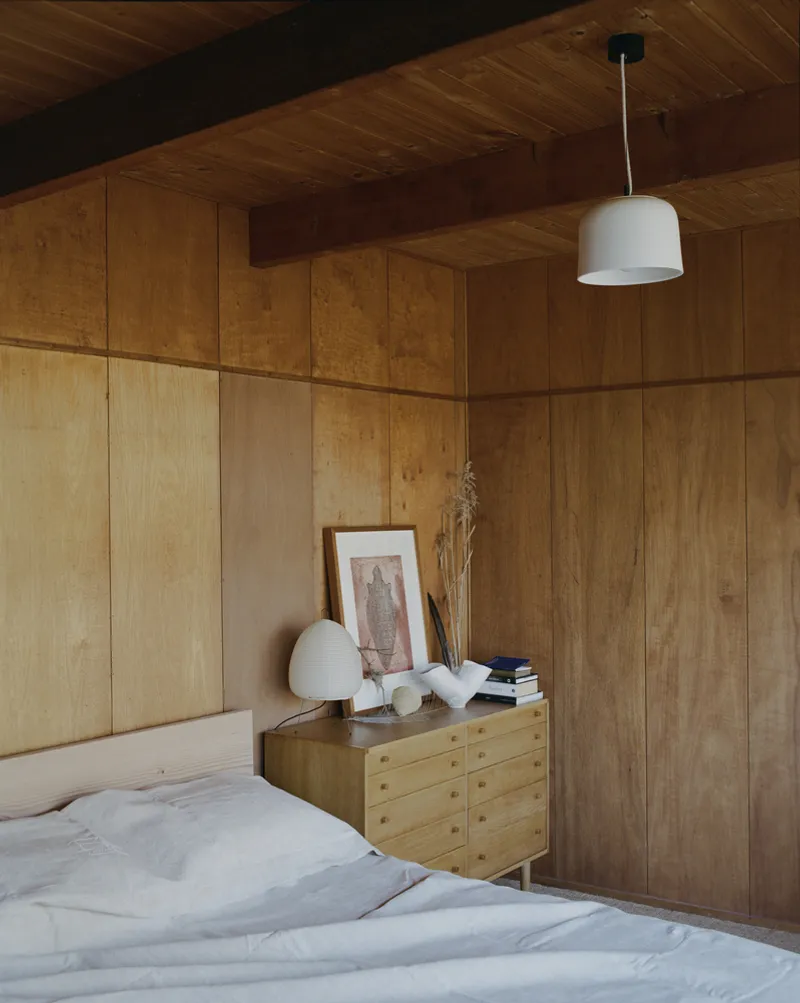
Since the completion of the renovation, River Bend has become a site for artists in residence, with 24 artists participating in the Garambi Baan program. Many of these artists come from First Nations or diaspora communities, contributing to a broader cultural dialogue that bridges the past and the present.
River Bend's Legacy as a Healing Space
River Bend's renovation has successfully transformed the house into a vibrant, multi-functional space that fosters both creative expression and cultural restoration. Through a thoughtful and respectful approach to heritage architecture and ecological repair, the project highlights the power of architecture to heal and connect communities. As River Bend continues to serve as a hub for artistic and cultural initiatives, it stands as a testament to the enduring value of preserving architectural heritage while honoring the deep connections people have with the land.
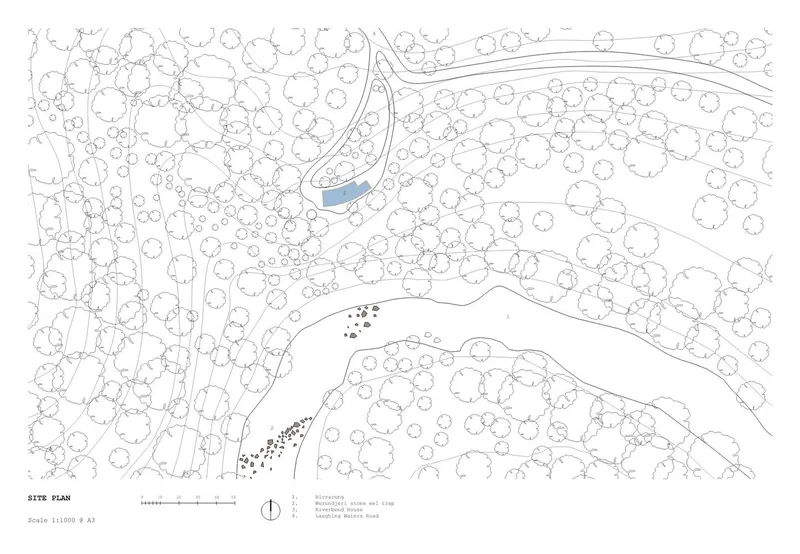
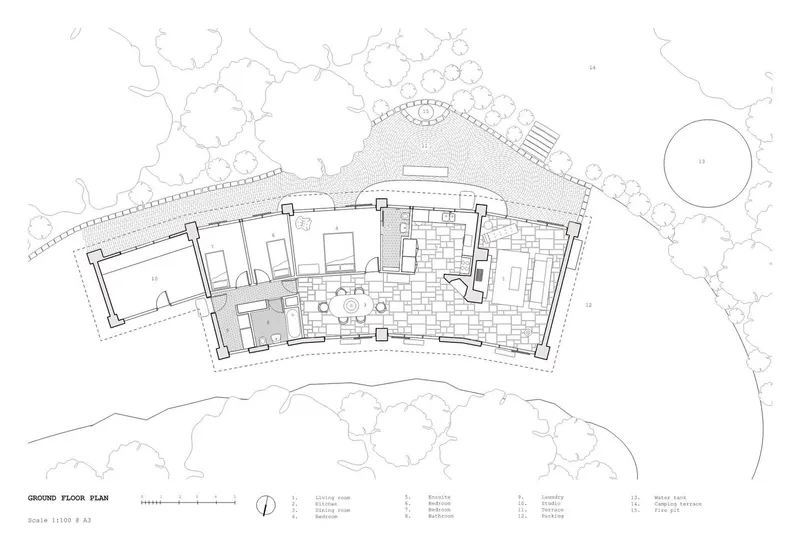
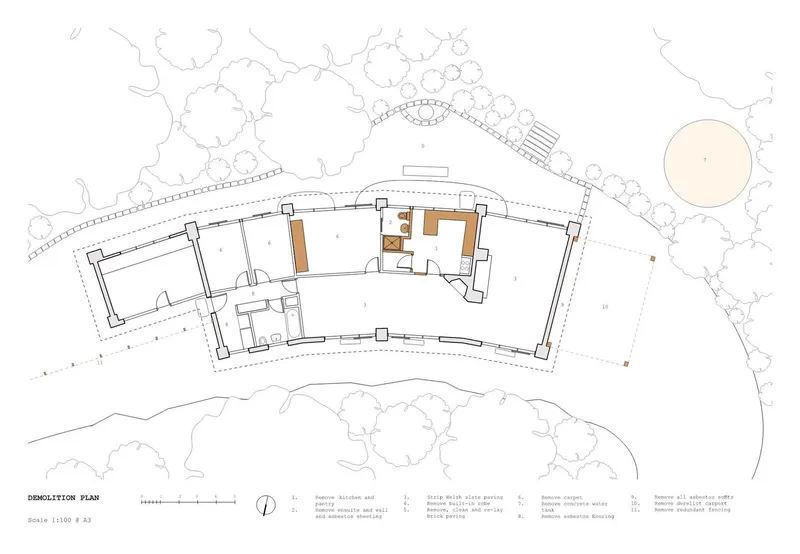
All photographs are works of Sean Fennessy, Derek Swalwell


Popular Articles
Popular articles from the community


Architekt Andreas Gruber Scatters 23 Dark Timber Chalets Across a South Tyrolean Forest Edge
In Molini di Tures, Amonti Chalets breaks a resort into a hamlet of gabled timber houses, with parking, storage and services pushed into the slope.

GROUP A Strips a 1969 Rotterdam Harbor Headquarters to Its Frame and Wraps It in Timber Louvers
In Rotterdam's M4H harbor district, Ferro Offices reuses a 1969 frame, adds one timber storey and reaches BREEAM-NL Outstanding.

David Macias Steps a Doorless Stone and Plaster House Down a Tropical Colombian Hillside
In the humid hills of Colombia, Threshold House replaces the front door with an open void and terraces its 850 m² down the slope instead of fighting it.

LT2A and OPEN Architectes Thread a Brick and Glass High School Through a Wooded Belgian Campus
In Braine-l'Alleud, a 3,000 m² wing for Collège Cardinal Mercier pairs pale brick with a glazed colonnade, deferring to a small chapel and a dense wood.

Similar Reads
You might also enjoy these articles

Bamboo Housing Challenge 2026: Design Affordable, Sustainable Homes Using Bamboo
An international design competition by Bamboo U and IBUKU inviting architects and designers to reimagine affordable housing using bamboo — with the winning design built full-scale in Bali.

Computational Design & Education: Beegraphy Design Awards Introduces 7th Category (Featuring Jiyun's Innovative Approach)
Dive into Beegraphy’s 7th Design Awards category, where computational design meets education to create immersive, interactive learning tools, inspired by Jiyun’s work.
From Parametric Lighting to Urban Furniture: Join the 2nd Workshop in Beegraphy’s Computational Design Series
Dive into Cutting-Edge Design Techniques and Practical Applications with Industry Experts

Last Call: Unleash Your Architectural Genius in SHAK's Kindergarten Design Competition
Urgent call for architects to join SHAK's kindergarten design competition before the looming deadline

Explore Renovation Competitions
Discover active competitions in this discipline

Challenge to reimagine the Iron Throne

Photograph architecture without architects

Illustrate the lost glory of Angkor Wat - Render Challenge

Design challenge to reuse E-waste
Comments (0)
Please login or sign up to add comments
No comments yet. Be the first to comment!