
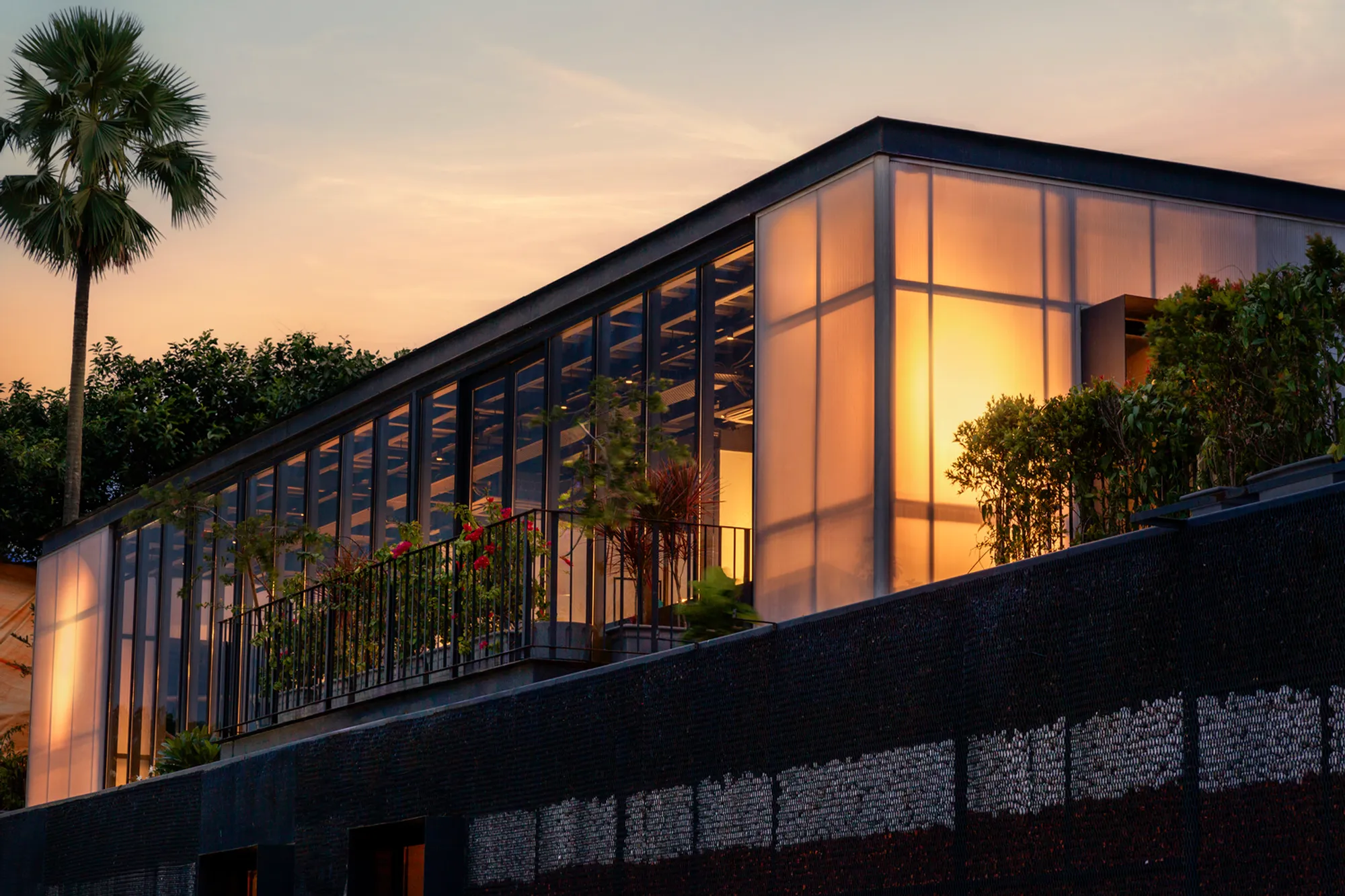
Sanctuary Experience Center: A Model of Sustainable Architectural Reuse by Abin Design Studio
The Sanctuary Experience Center by Abin Design Studio is a sustainable, adaptive reuse project that integrates natural elements and repurposed materials to create a lasting impact.


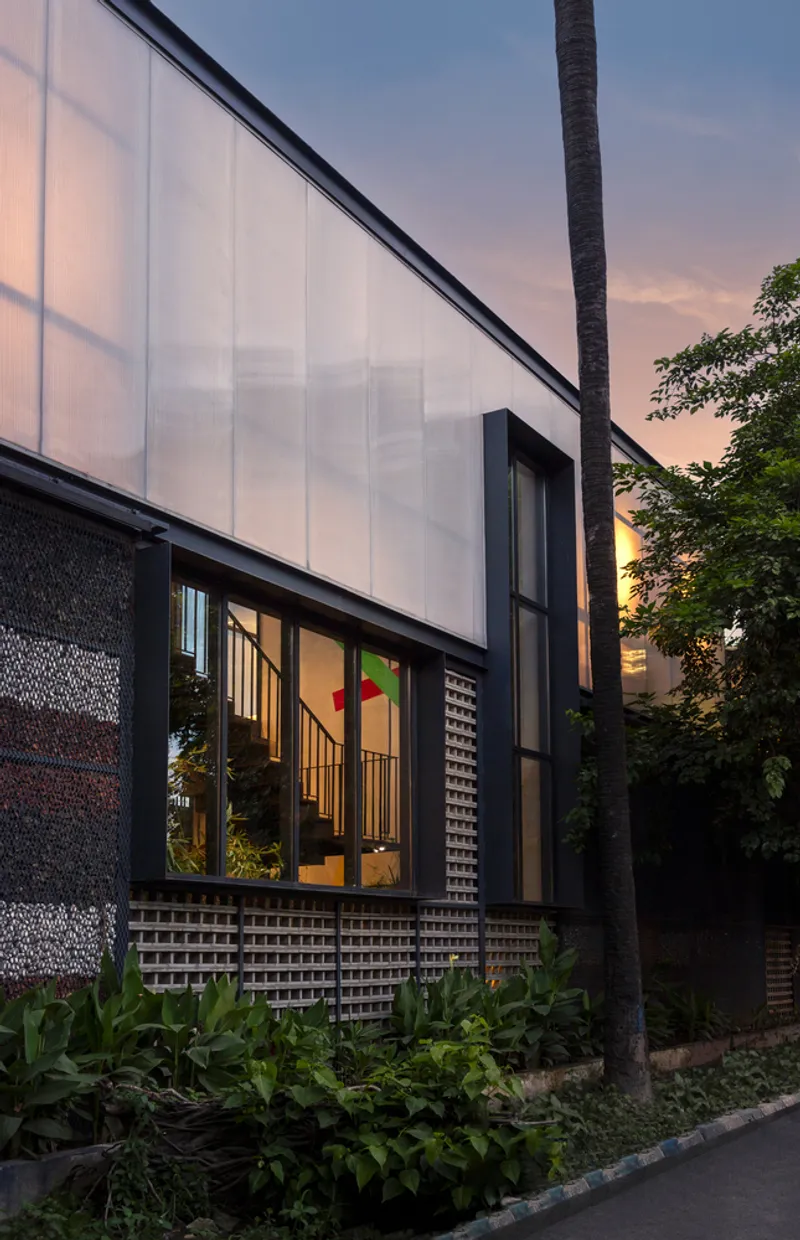
The Sanctuary Experience Center, designed by Abin Design Studio, stands as a prime example of sustainable adaptive reuse in architecture. Located in Kolkata, India, this 410 m² space was conceived to reflect the core values of The Sanctuary—a project that emphasizes sustainability and ecological preservation. By thoughtfully integrating natural elements and prioritizing resource efficiency, the Experience Center sets a new benchmark in adaptive architecture.


Design Philosophy: Sustainability at its Core
The Sanctuary Experience Center is not just a temporary structure but a sustainable architectural solution. It was designed with a clear focus on:
- Minimizing material waste: From its conceptualization, the project has aimed to reduce environmental impact by repurposing materials and structures.
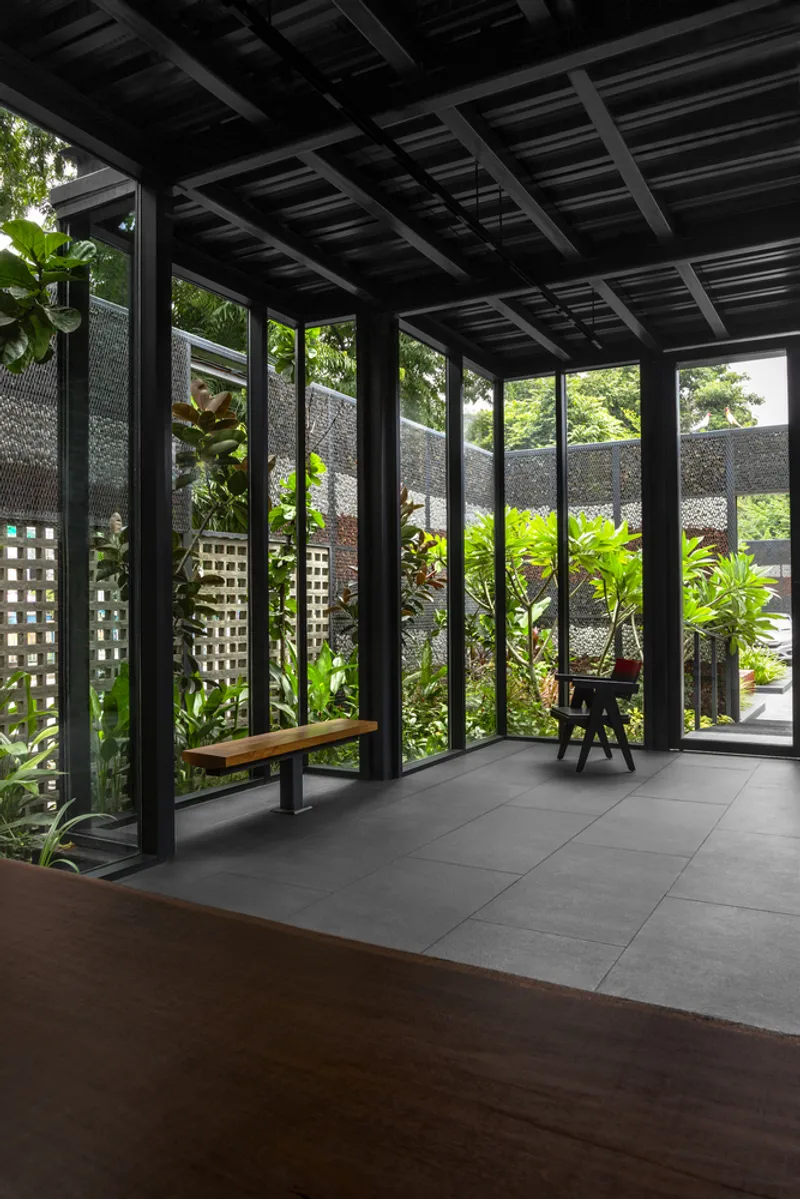
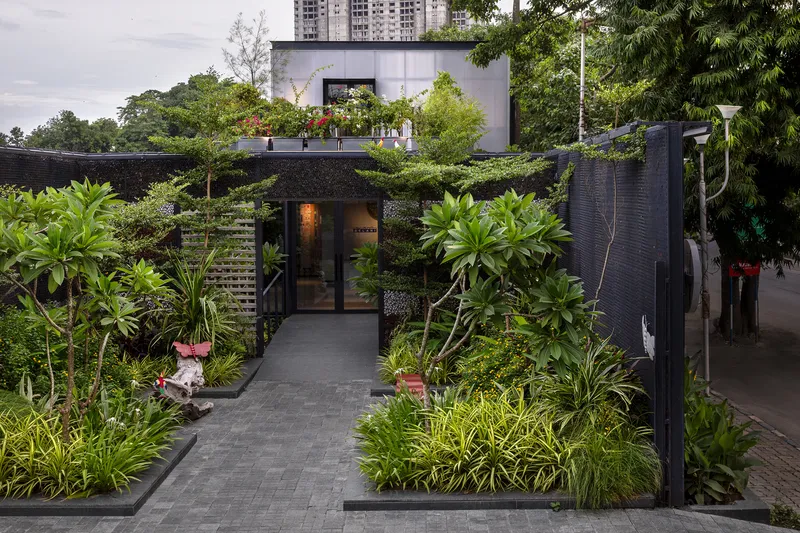
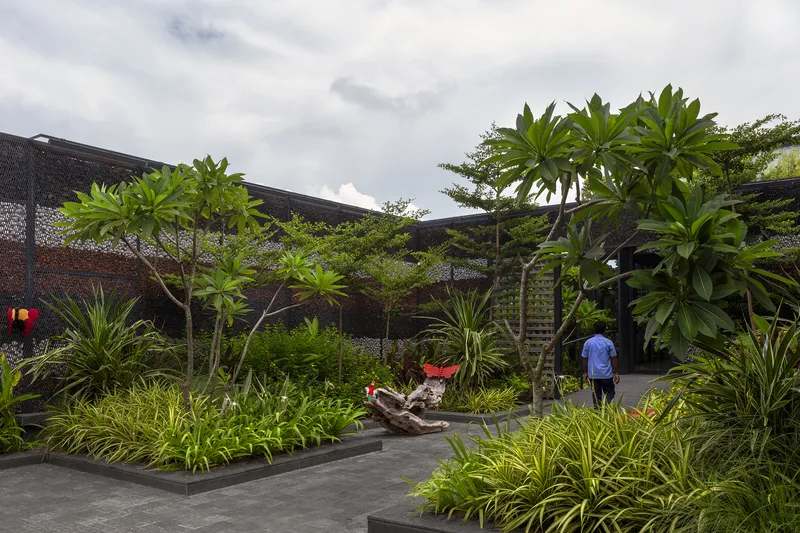
- Ecological sensitivity: The design actively incorporates elements like light, greenery, and water to foster a sanctuary-like atmosphere while maintaining respect for the surrounding natural environment.
Architectural Approach
Bridging the Ephemeral and Permanent
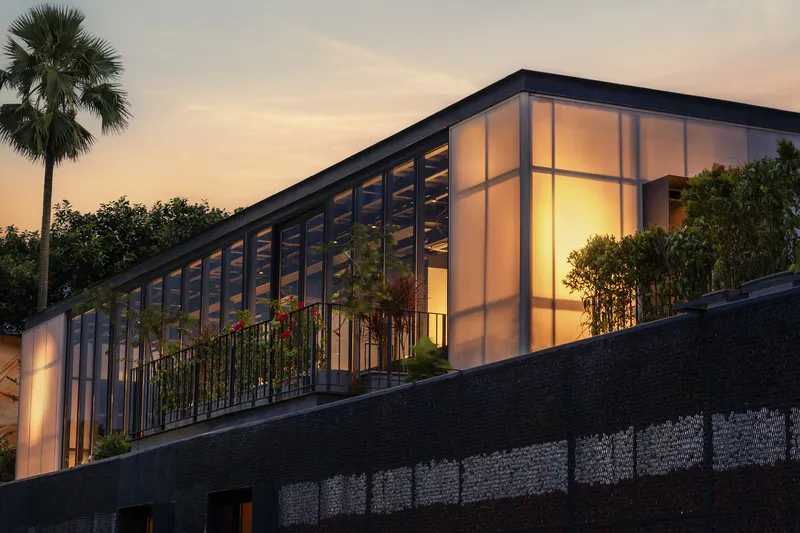
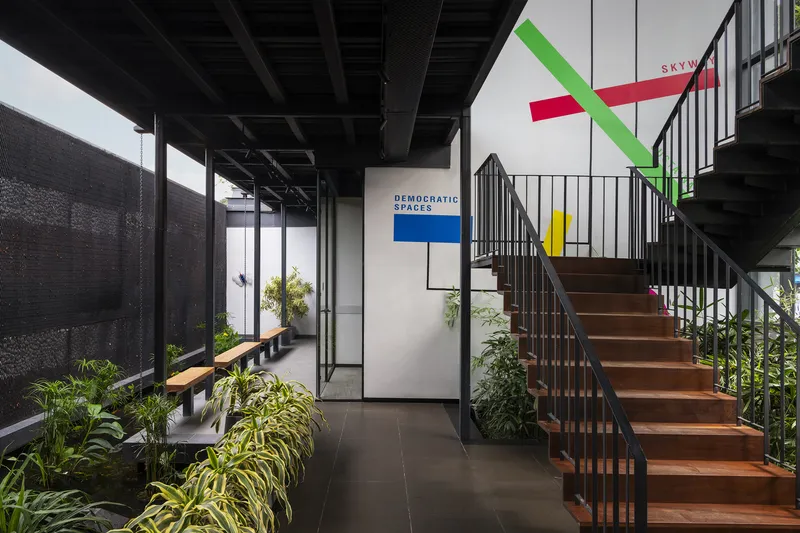
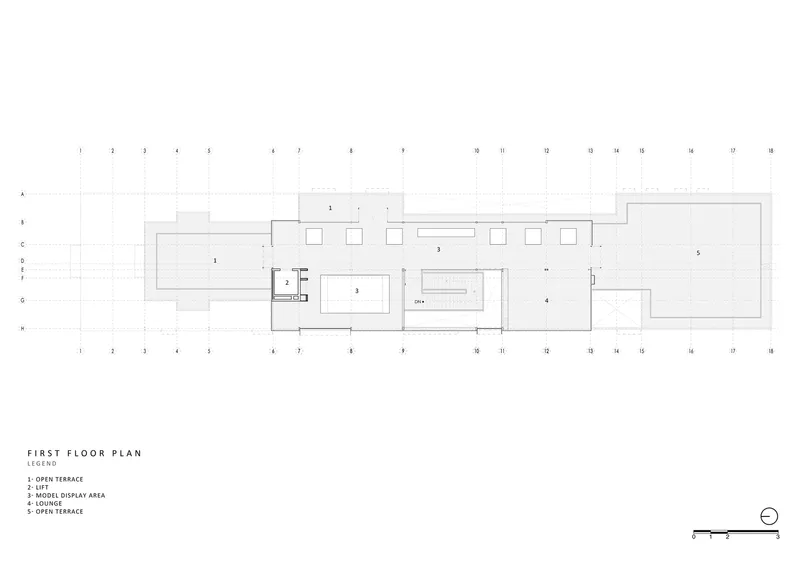
The design follows a linear spatial layout, optimizing the use of the site’s residual spaces while making a smooth transition from temporary installations to more permanent structures. Key architectural features are planned for future integration within The Sanctuary housing project, ensuring the experience center continues contributing to the community’s growth.


Material Reuse
Thoughtful material reuse plays a significant role in the design:
- M.S. slabs from the center will later be repurposed as a bridge in the butterfly garden.
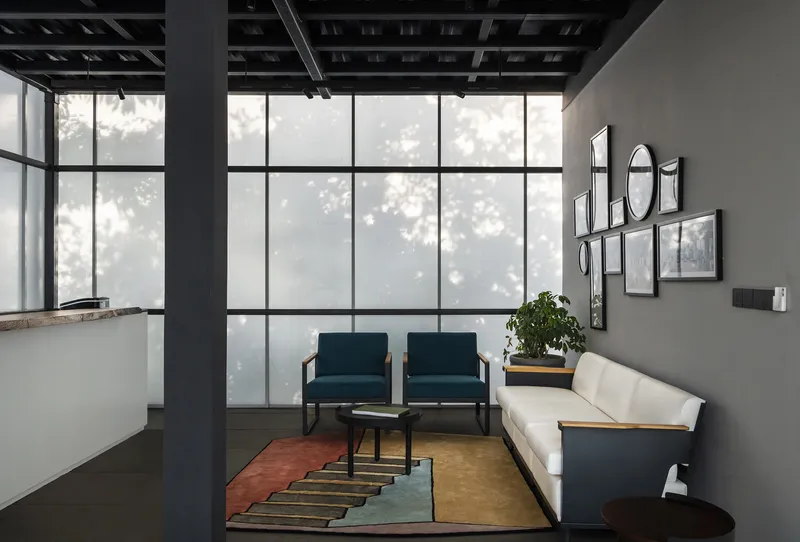
- Glass panels will be integrated into the future banquet hall, and gabion wall infills will support landscaping.
- Existing vegetation is preserved and relocated to the sky-walk deck, enhancing the natural environment.

Connection to Nature
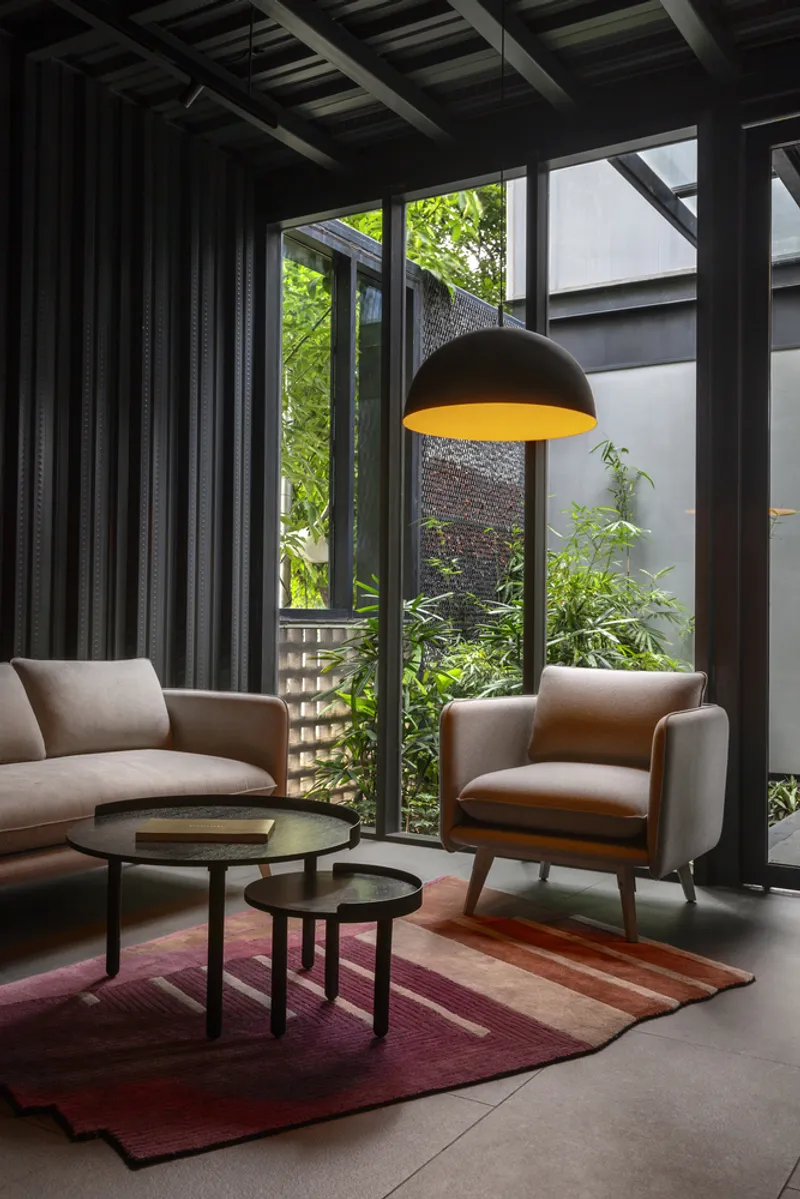
Nature plays a crucial role in the design of the Sanctuary Experience Center. The space incorporates:
- Greenery: Extensive plant life is integrated throughout, providing a lush, natural atmosphere.
- Water: Water features are strategically placed to enhance the feeling of tranquility and connect visitors with the essence of the sanctuary.
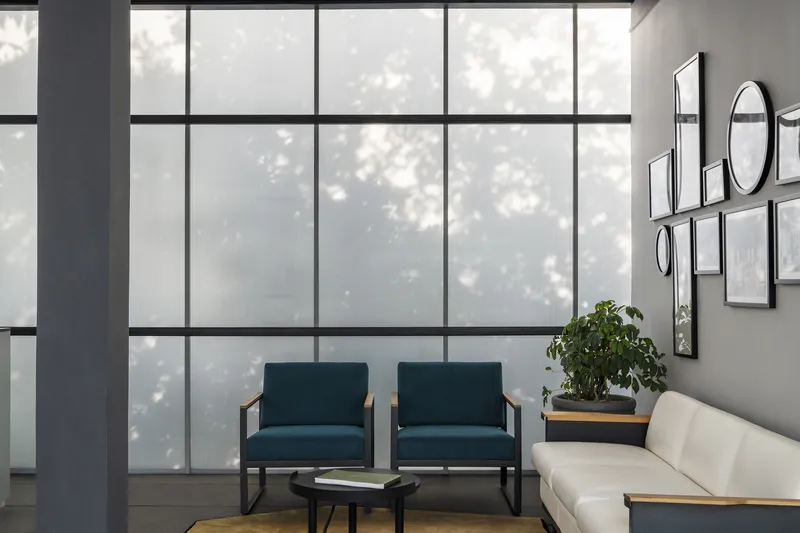
- Light: Natural light is used to enhance the mood of the space, promoting a serene environment.


Sustainable Legacy
The Sanctuary Experience Center is a powerful model of how temporary architecture can leave a lasting impact. By creating spaces that are adaptable and respectful of the environment, the project showcases:
- Resource efficiency: Every element of the building is designed with future sustainability in mind.
- Ecological preservation: The project supports the surrounding natural environment while maintaining a seamless relationship between built and natural spaces.

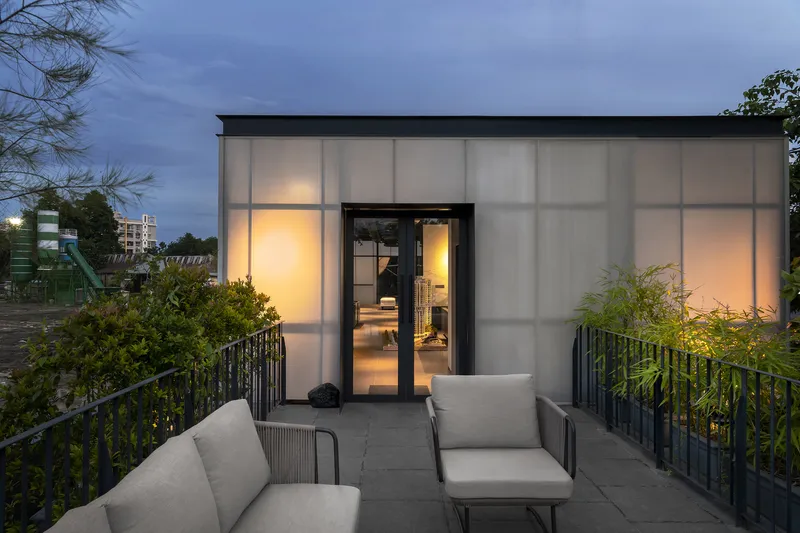

Abin Design Studio’s Sanctuary Experience Center demonstrates that architecture can evolve and adapt with respect to both nature and human needs. With a focus on sustainability, resource reuse, and ecological preservation, this project sets a new standard for future architecture, illustrating how temporary structures can have lasting value.



All Photographs are work of Suryan // Dang




Popular Articles
Popular articles from the community


The Ocean Hive: Sustainable Architecture for a Self-Sufficient Civilization at Sea
The Ocean Hive imagines sustainable architecture at sea, where modular habitats, algae, wave power and ocean waste sustain a growing colony.

Hill & Cross Opera: Sculptural Opera House Architecture Shaped by Tallinn’s Landscape and Identity
Hill & Cross Opera reimagines opera house architecture in Tallinn through its sculptural hill, civic plaza, glass wave and a luminous cross.

Conexión: Biophilic Design Reimagines High-Rise Living in Hong Kong
Conexión reimagines high-rise living in Hong Kong through biophilic design, green facades, shared spaces, daylight, water and nature within.
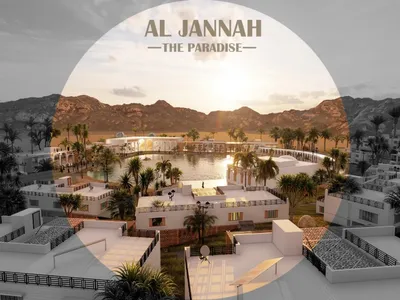
AL-JANNAH: Sustainable Architecture and Permaculture for Afghan Widows
AL-JANNAH uses sustainable architecture and permaculture to create resilient oasis of housing, learning, work and renewal for Afghan widows.

Similar Reads
You might also enjoy these articles


Hodi-Mandai Geram
Project Function: Preservation and revitalization of the Intangible heritage and socio-spatial identity of the Hodi by Housing, Cultural Memory Center, Sacred Grove, landscape, local tourism economy


Olio Towers: A Mid-Rise for Performers That Fuses Housing, Rehearsal, and Stage
Located blocks from Houston's Theater District, this modular tower stacks living units around a central performance atrium.

Oasis: Modular Green Housing Carved into Dhaka's Urban Fabric
A shortlisted Plugin Housing entry reclaims unauthorized settlements in Dhaka with stepped concrete volumes, green roofs, and ventilation-driven design.

Black Hole: A Floating Megastructure for the Post-Physical Era
Emiliano Mazzarotto envisions a spherical, self-scaling arena where e-sports, digital hotels, and holographic stadiums replace traditional public space.

Explore Sacralized Architecture Competitions
Discover active competitions in this discipline



Challenge to reimagine the Iron Throne


Photograph architecture without architects


Illustrate the lost glory of Angkor Wat - Render Challenge


Design challenge to reuse E-waste
Comments (0)
Please login or sign up to add comments
No comments yet. Be the first to comment!