
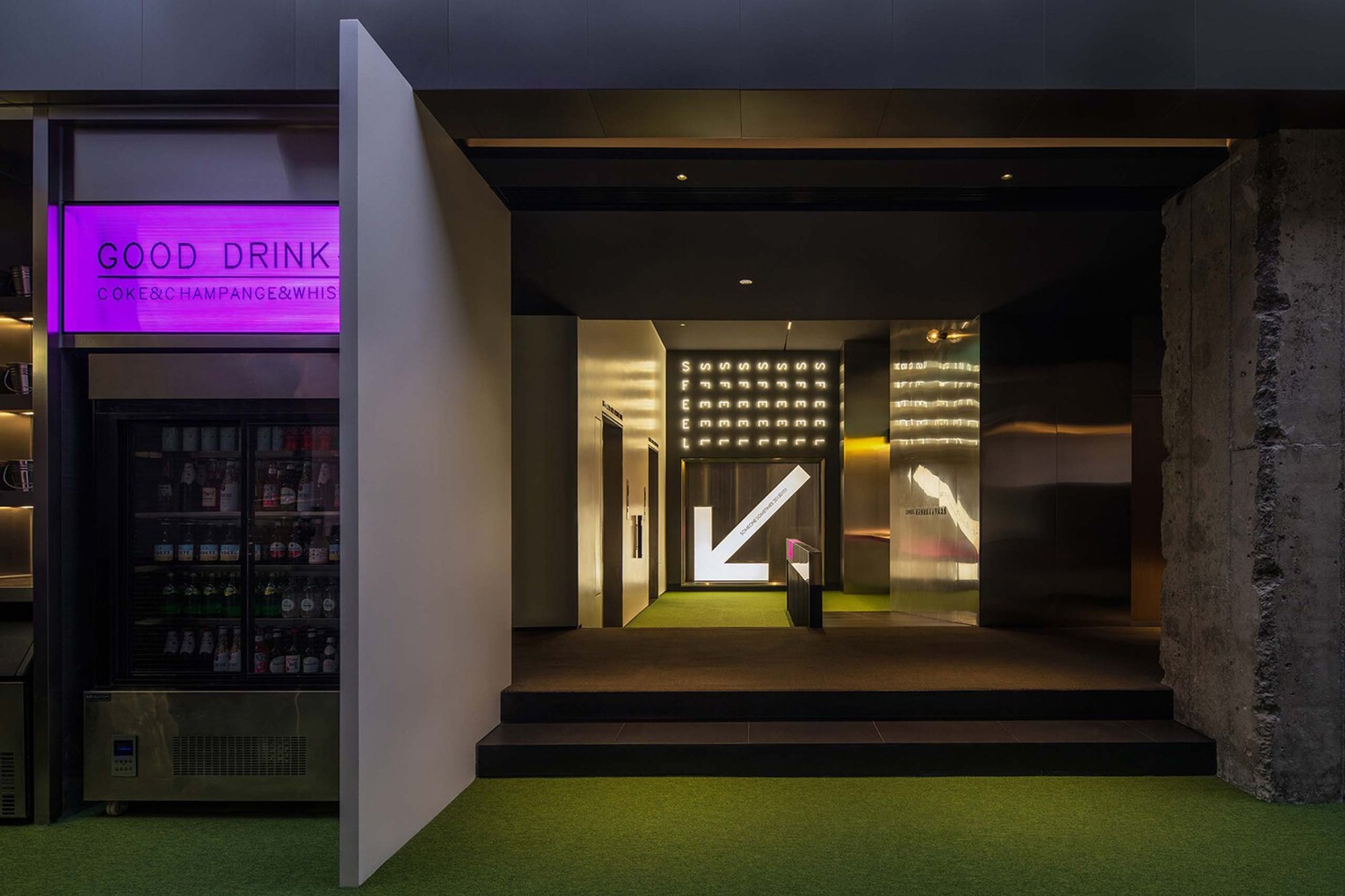
SFEEL Designer Hotel Chengdu: A Contemporary Hospitality Design Blending Urban Memory and Modern Aesthetics
Contemporary Chengdu hotel blending urban heritage with modern design through fragmented spaces, reflective interiors, and nature-integrated guest experiences.

The SFEEL Designer Hotel by HARMO Design is a compelling example of contemporary hospitality architecture rooted in urban memory and cultural transformation. Located in Chengdu’s evolving TaiKoo Li district, the project reflects the dynamic coexistence of old and new—an architectural narrative shaped by the city’s rapid modernization and lingering historical identity.
Urban Context and Cultural Transformation
Situated along Dong’an South Road, the hotel occupies a site once rich in traditional Chengdu character. Historically surrounded by iconic neighborhoods such as Chunxi Road and Shuijingfang, the area has undergone extensive redevelopment over the past two decades. Today, modern commercial hubs and lifestyle destinations dominate the landscape, yet fragments of the past remain embedded within the urban fabric.
HARMO Design embraces this duality by translating the tension between tradition and modernity into spatial and visual language. The hotel becomes more than a place of stay—it acts as a curated experience of Chengdu’s evolving identity.
Concept and Design Strategy
A key design inspiration is derived from the decorative flower walls of old Chengdu residential buildings. These elements, rich in nostalgia and craftsmanship, are deconstructed and reinterpreted into contemporary architectural forms. Rather than preserving them literally, the architects abstract their essence to generate new spatial divisions and compositional frameworks.
This approach introduces a layered narrative—where memory is not replicated but transformed—creating a dialogue between historical references and modern design principles.
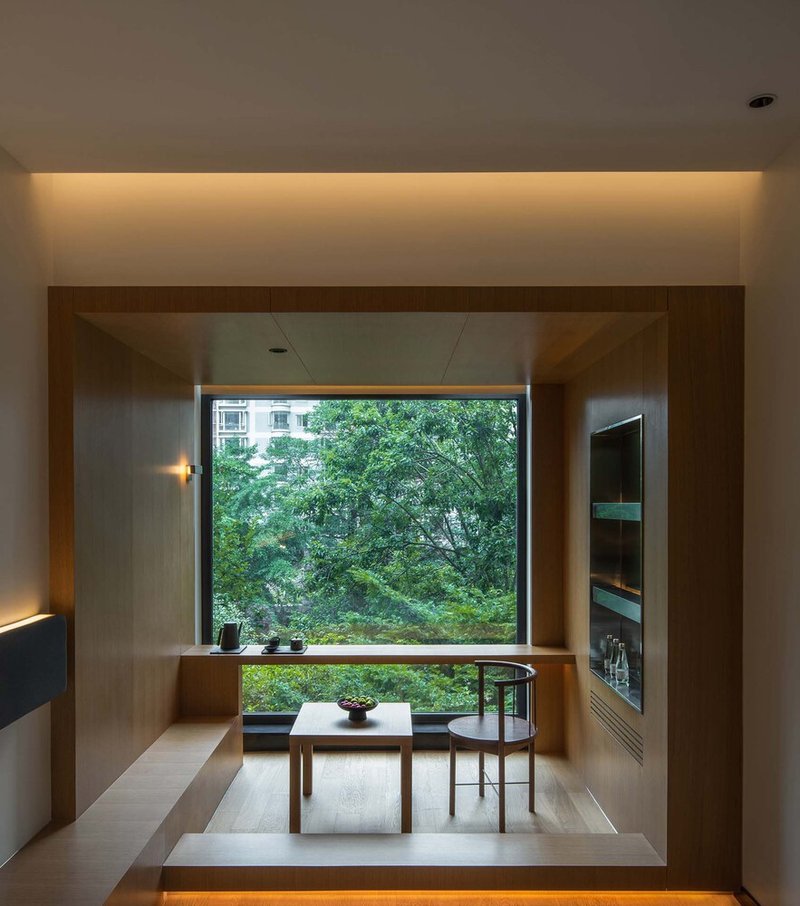
Spatial Experience and Interior Architecture
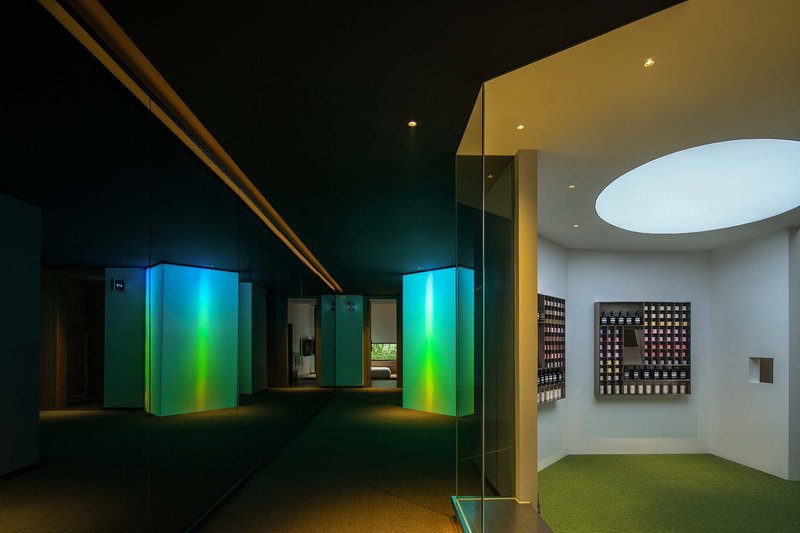
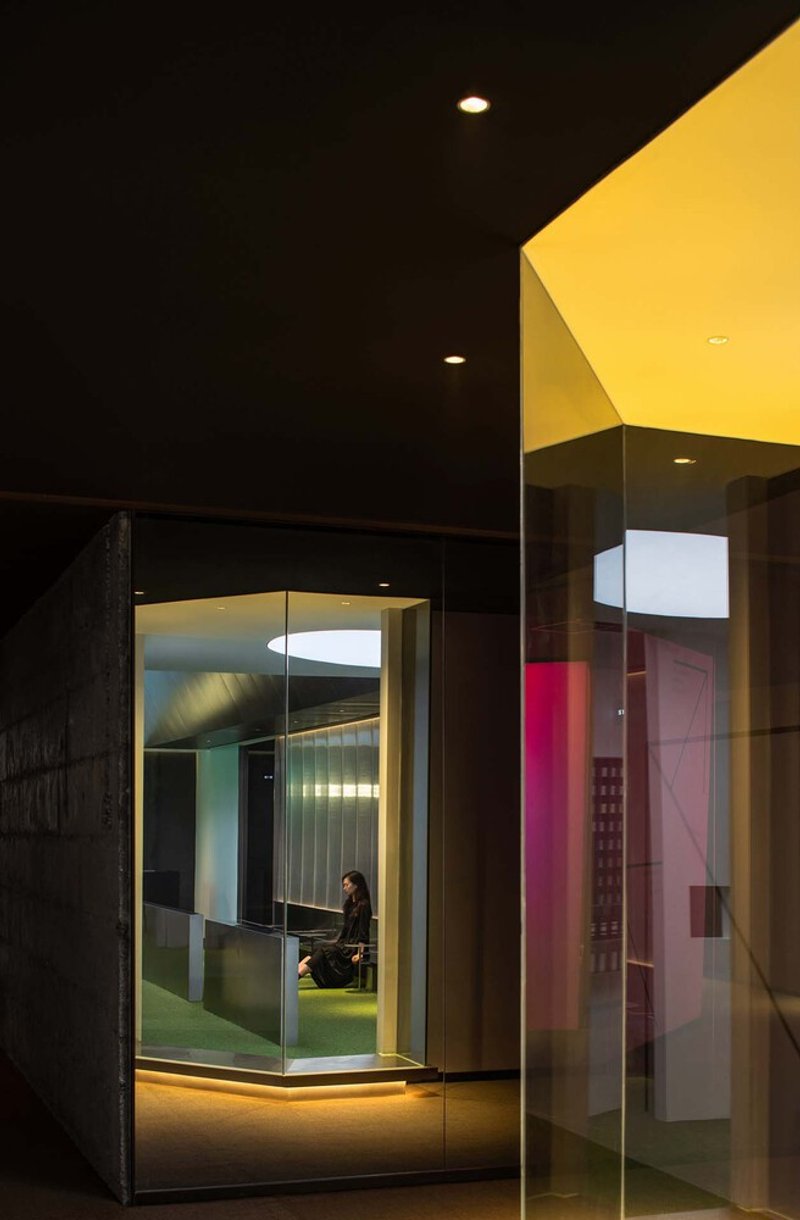
The hotel’s interior is defined by a carefully orchestrated sequence of spaces that blur boundaries between reality and perception. Glass partitions and horizontal windows establish visual connections between guest rooms and corridors, particularly around the atrium. These transparent interfaces encourage interaction while maintaining privacy.
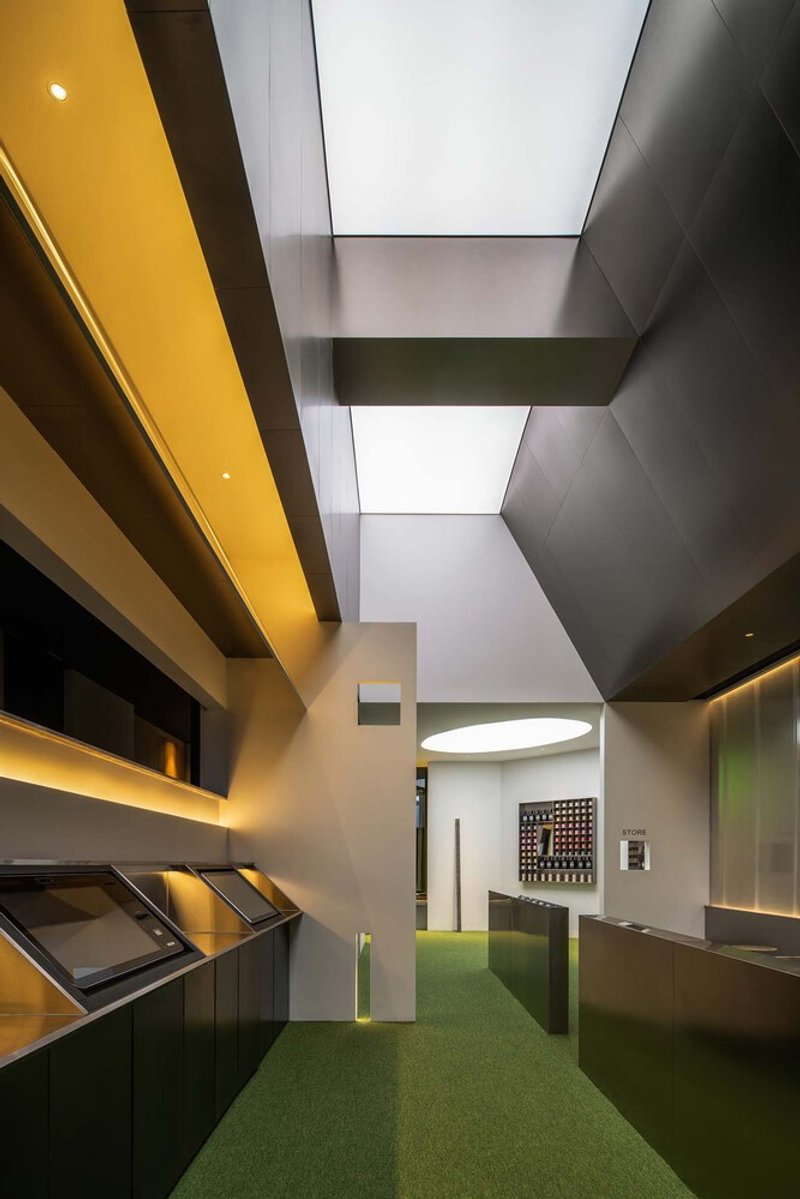
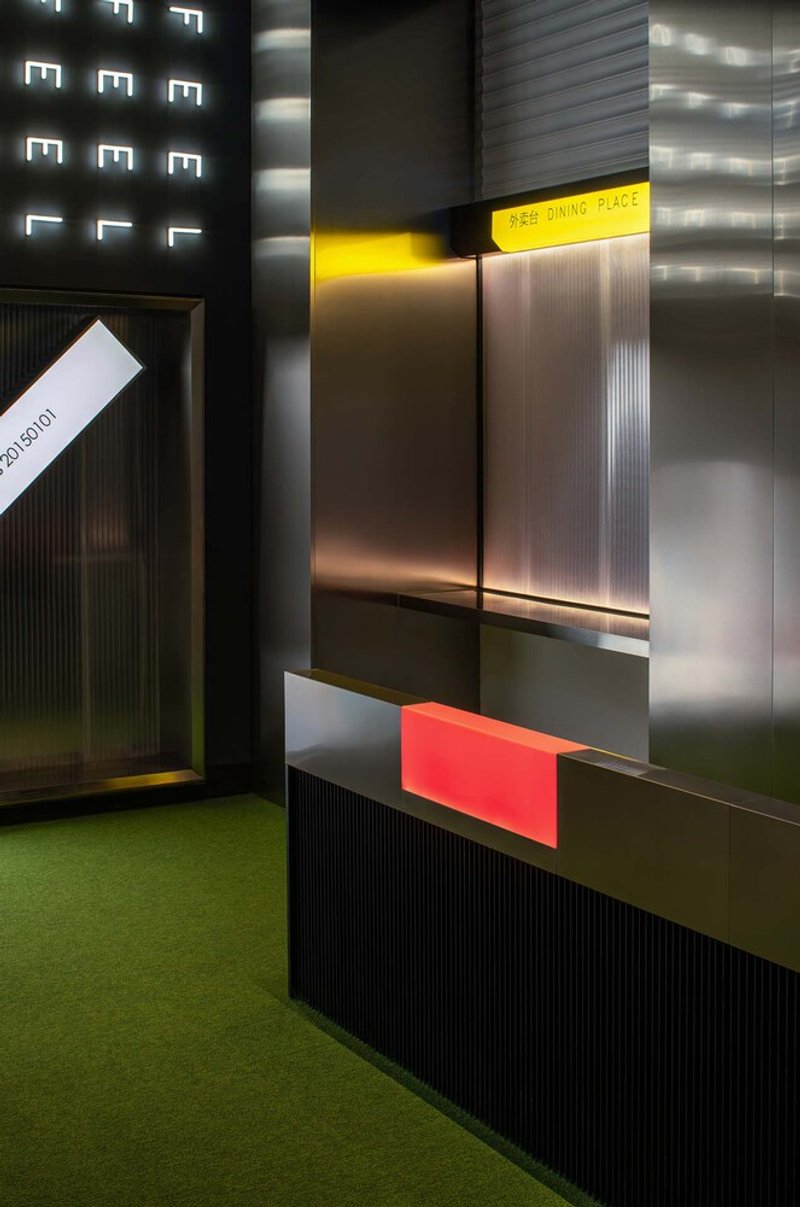
Angular cuts and oblique geometries soften transitions between spaces, reducing rigidity and enhancing fluidity. Reflective black mirrored walls further amplify spatial depth, creating illusions of continuity and an almost surreal environment. This interplay of reflection and fragmentation contributes to a unique sensory experience.
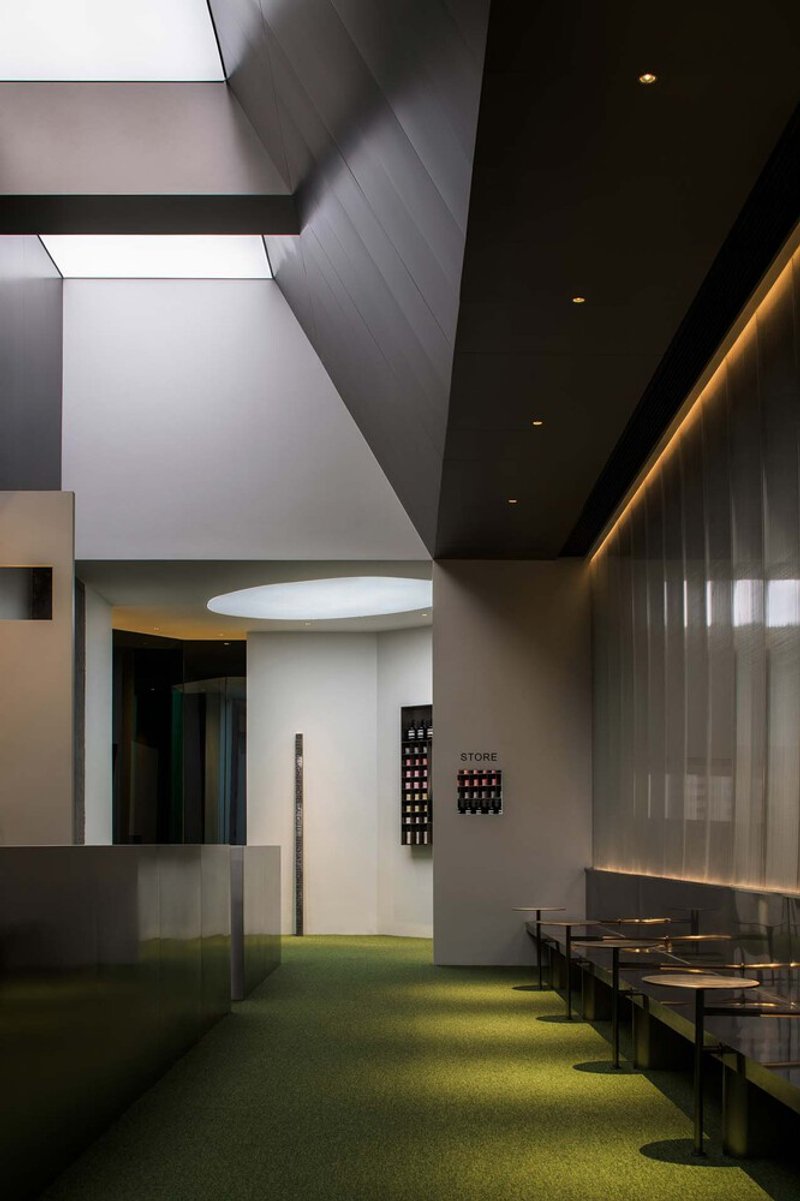
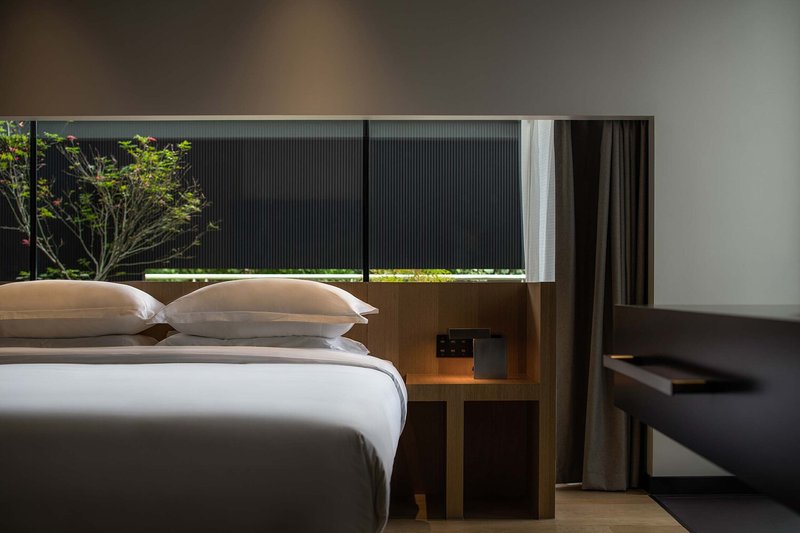
Atrium Design and Architectural Expression
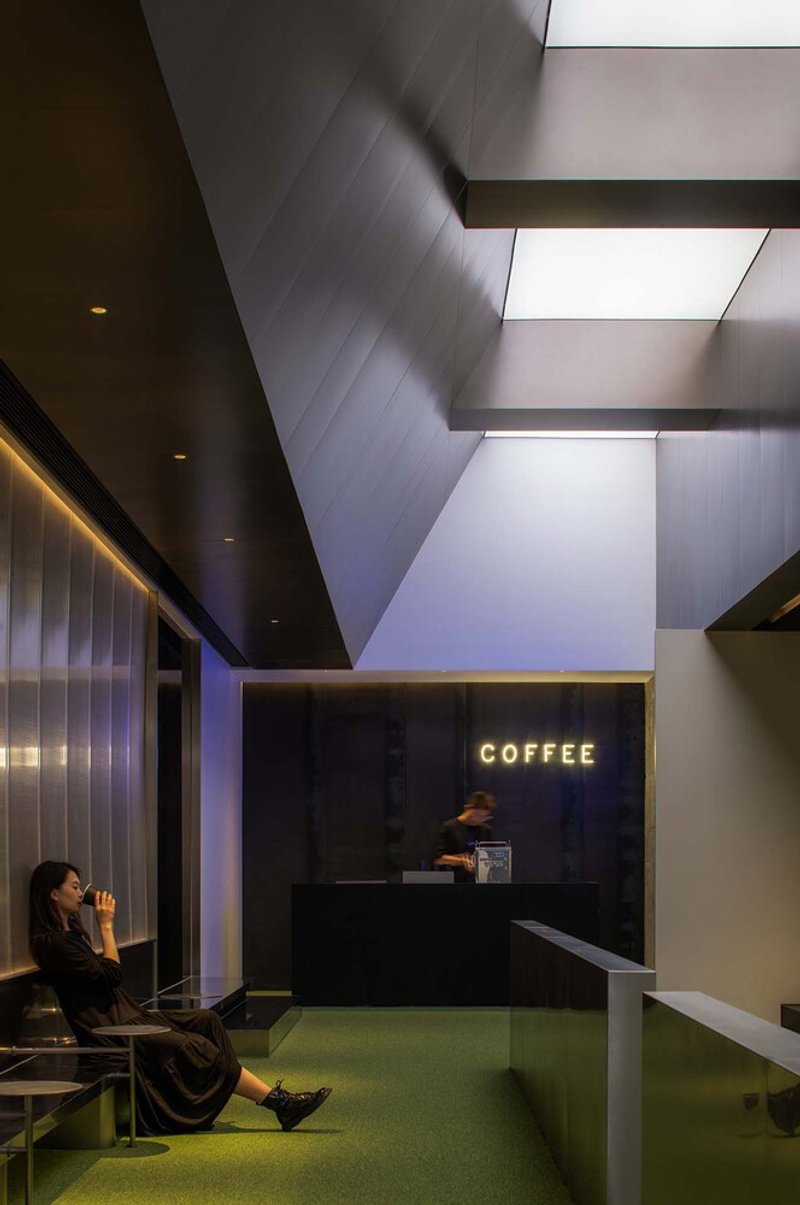
At the heart of the hotel lies a striking atrium that disrupts conventional spatial continuity. Through techniques such as cutting, hollowing, and separating volumes, HARMO Design creates an intentionally fragmented composition. Each architectural element appears independent yet interconnected, forming a visually dynamic and incomplete whole.
This “incompleteness” metaphorically reflects the fractured yet evolving nature of the surrounding cityscape—capturing the tension at the intersection of heritage and modernization.
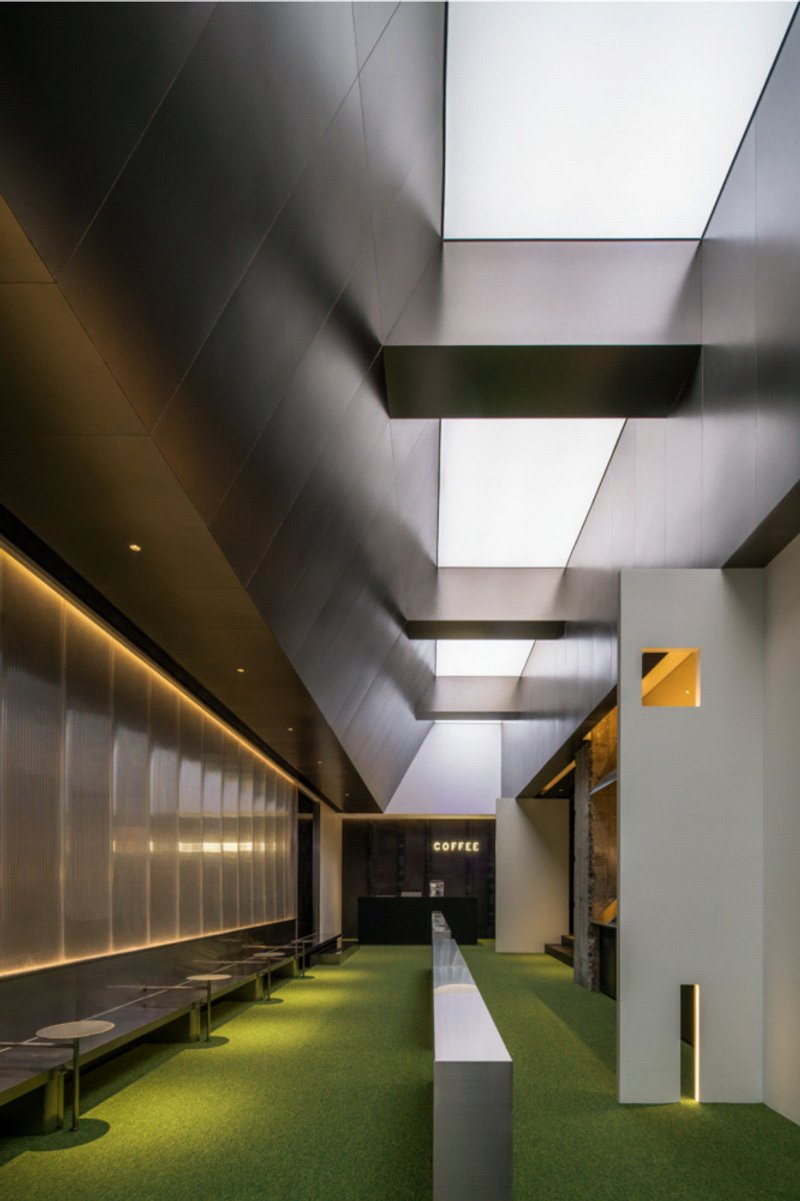
Guest Room Typologies and Spatial Diversity
The hotel offers three distinct room types, each designed to respond to its immediate context:
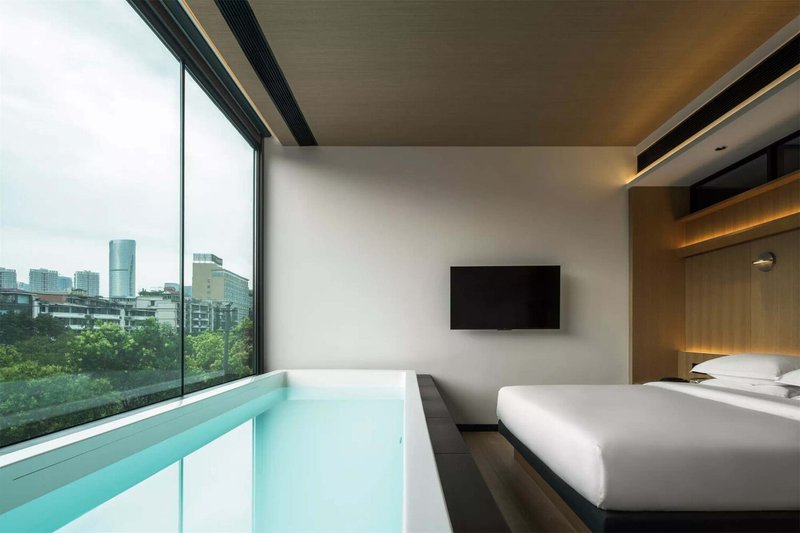
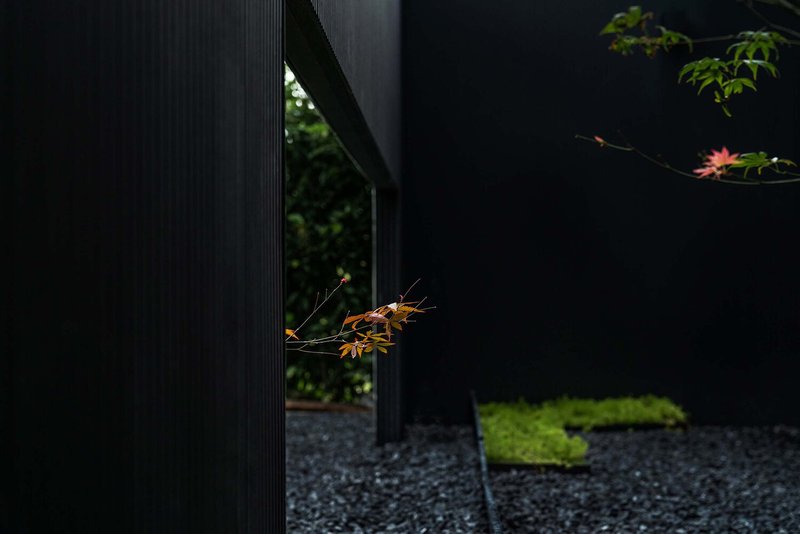
- Riverfront Swimming Pool Rooms: Positioned to maximize panoramic views of the Jinjiang River, these rooms integrate water elements and soft filtered lighting to create a tranquil retreat.
- Garden View Rooms: Overlooking the inner courtyard, these rooms emphasize visual connection with greenery through framed views, enhancing calmness and focus.
- Terrace Garden Rooms: Adjacent to outdoor terraces, these spaces extend the interior experience into semi-open environments, reinforcing indoor-outdoor continuity.
Each typology demonstrates a thoughtful balance between privacy, openness, and environmental integration—key principles in contemporary hotel design.
Light, Materiality, and Atmosphere
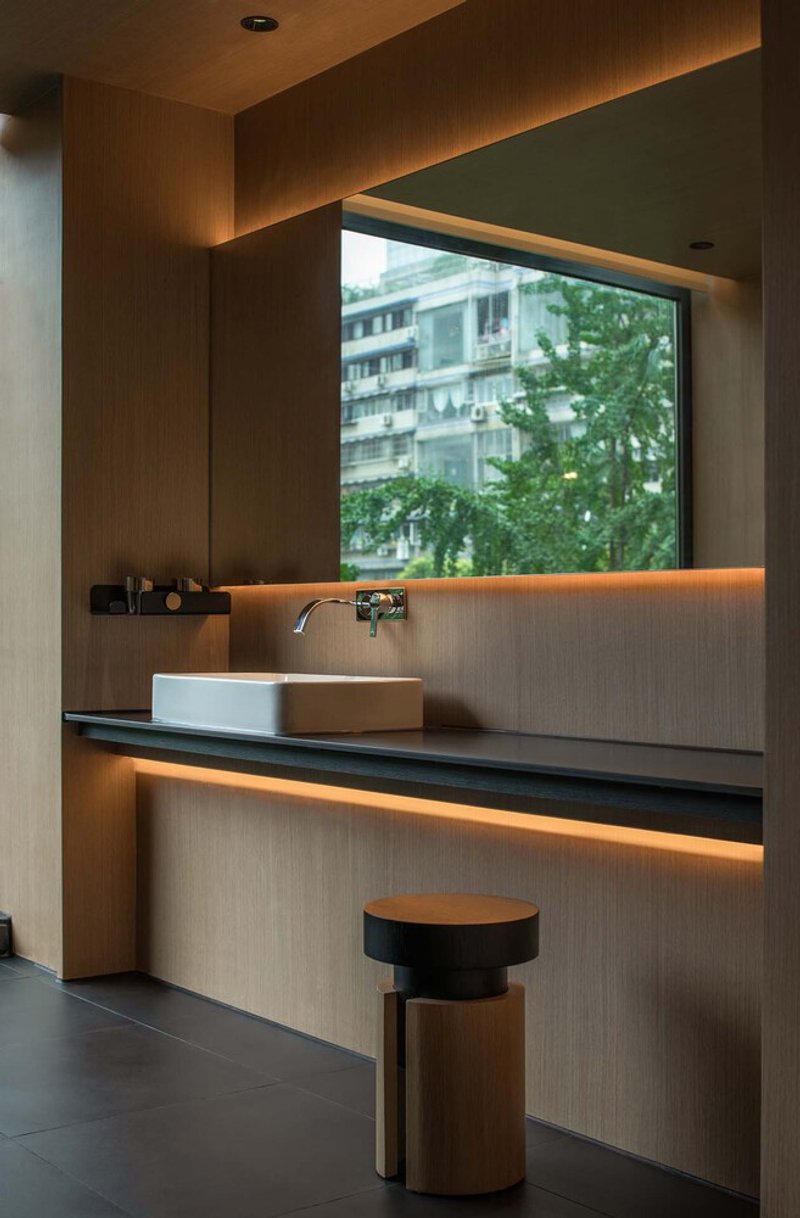
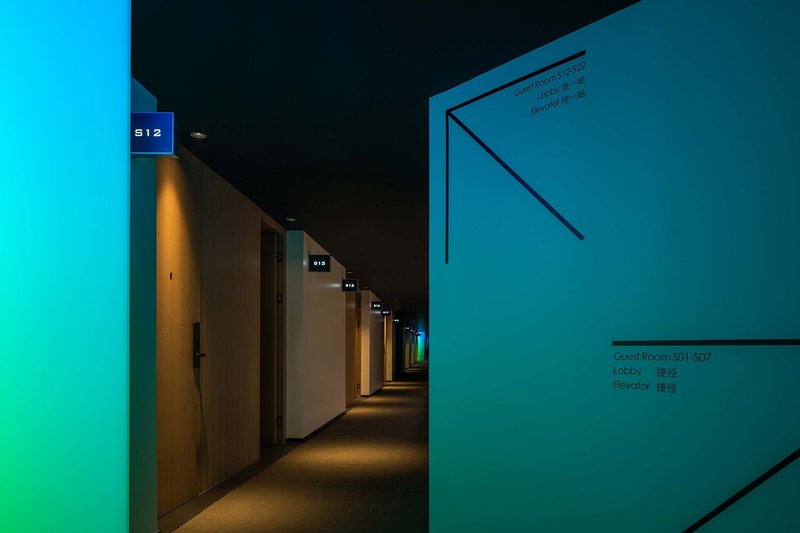
Natural light plays a crucial role in shaping the hotel’s ambiance. Carefully positioned openings filter daylight, while soft materials and muted tones create a serene and immersive environment. The use of reflective surfaces, wood textures, and subtle contrasts enhances depth and tactility.
The design prioritizes sensory experience—where light, material, and form converge to create a cohesive and emotionally engaging atmosphere.
SFEEL Designer Hotel stands as a refined example of adaptive architectural thinking within a rapidly transforming urban context. By reinterpreting traditional elements and integrating them with contemporary spatial strategies, HARMO Design creates a hotel that is both contextually grounded and forward-looking.
This project highlights the potential of hospitality architecture to act as a bridge between past and present, offering guests not just accommodation, but a meaningful spatial narrative rooted in place, culture, and design innovation.
All photographs are works of
Chuan He




Popular Articles
Popular articles from the community

Atelier Macri Concept Store Interior Design by CASE-REAL
Atelier Macri store features a "ko" counter, walnut wood details, cork displays, blending retail, gallery, and seamless customer experiences.


The Ken Roberts Memorial Delineation Competition (Krob)
As the most senior architectural drawing competition currently in operation anywhere in the world, it draws hundreds of entries each year, awarding the very best submissions in a series of medium-based categories.
An Miên Lumière Cafe by xưởng xép, Ho Chi Minh City, Vietnam
An industrial-inspired café where layered steel and warm light create a dynamic, immersive environment shaped by reflection, depth, and perception.
On the Brooks House by Monsoon Collective – A Contemporary Kerala Home Rooted in Tradition
Kerala home blending tradition and modernity with water-inspired design, brick architecture, courtyard planning, and sustainable rainwater harvesting strategies.

Similar Reads
You might also enjoy these articles

Top 15 Architecture Competitions to Enter in 2026
From student-friendly idea competitions to prestigious international awards, here are the best architecture competitions open for entries in 2026. Updated regularly.

DIY & Engineering in Computational Design : Enter the BeeGraphy Design Awards
Showcase Your Creativity with Computational Design and Open Source Projects
Innovative Design Solutions: Award-Winning Projects from Recent Architecture Competitions
Exploring award-winning architectural projects shaping the future of design, sustainability, and community.



Explore Architecture Competitions
Discover active competitions in this discipline




The International Standard for Design Portfolios


The Global Benchmark for Architecture Dissertation Awards


The Global Benchmark for Graduation Excellence


Challenge to reimagine the Iron Throne
Comments (0)
Please login or sign up to add comments
No comments yet. Be the first to comment!