
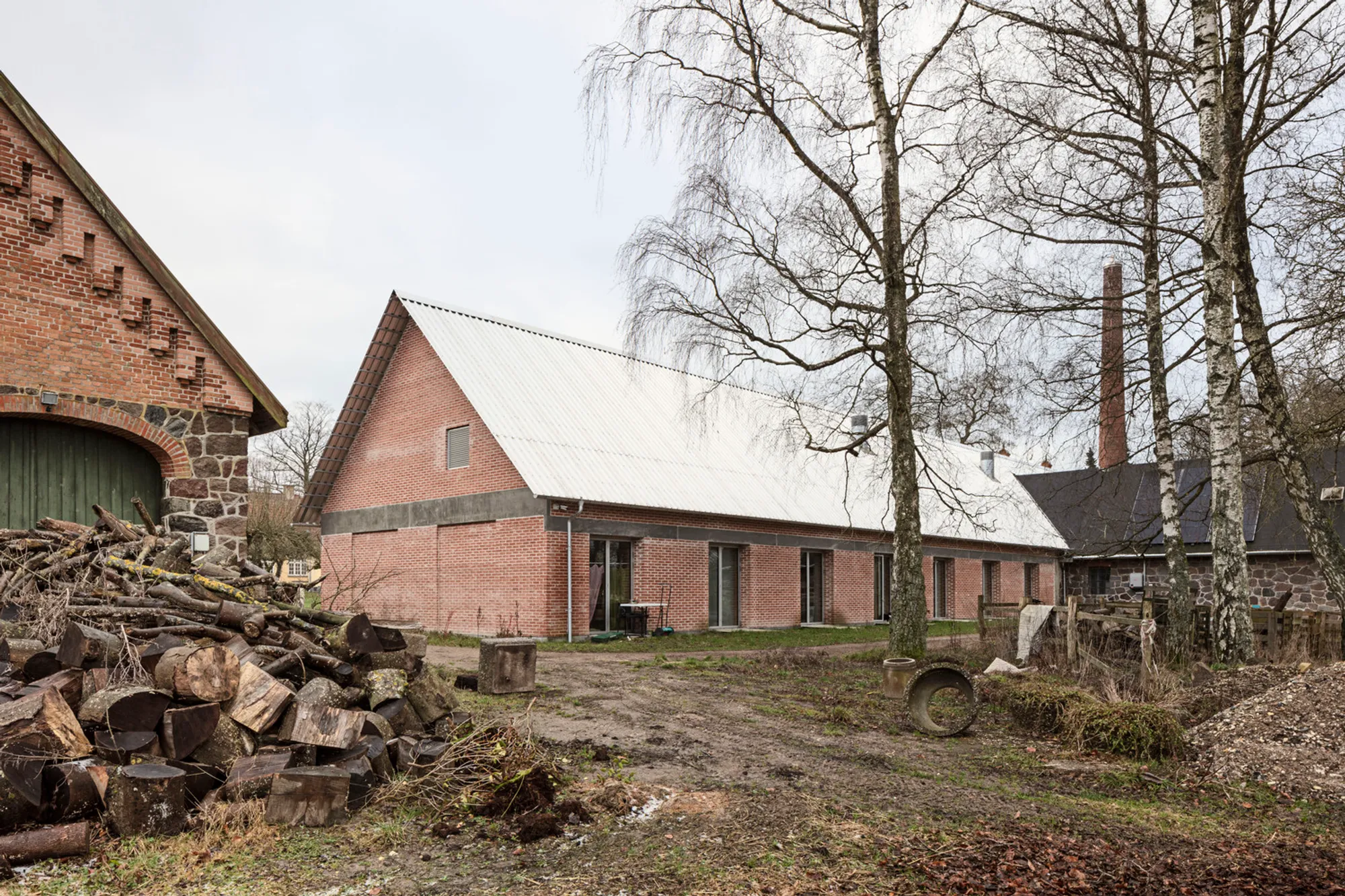
Stubberupgaard Supportive Housing by Leth & Gori
Stubberupgaard Supportive Housing by Leth & Gori transforms historic farm buildings into 44 sheltered apartments, emphasizing community, daylight, sustainability, and mental health.


Transforming Mental Health Housing with Care and Community
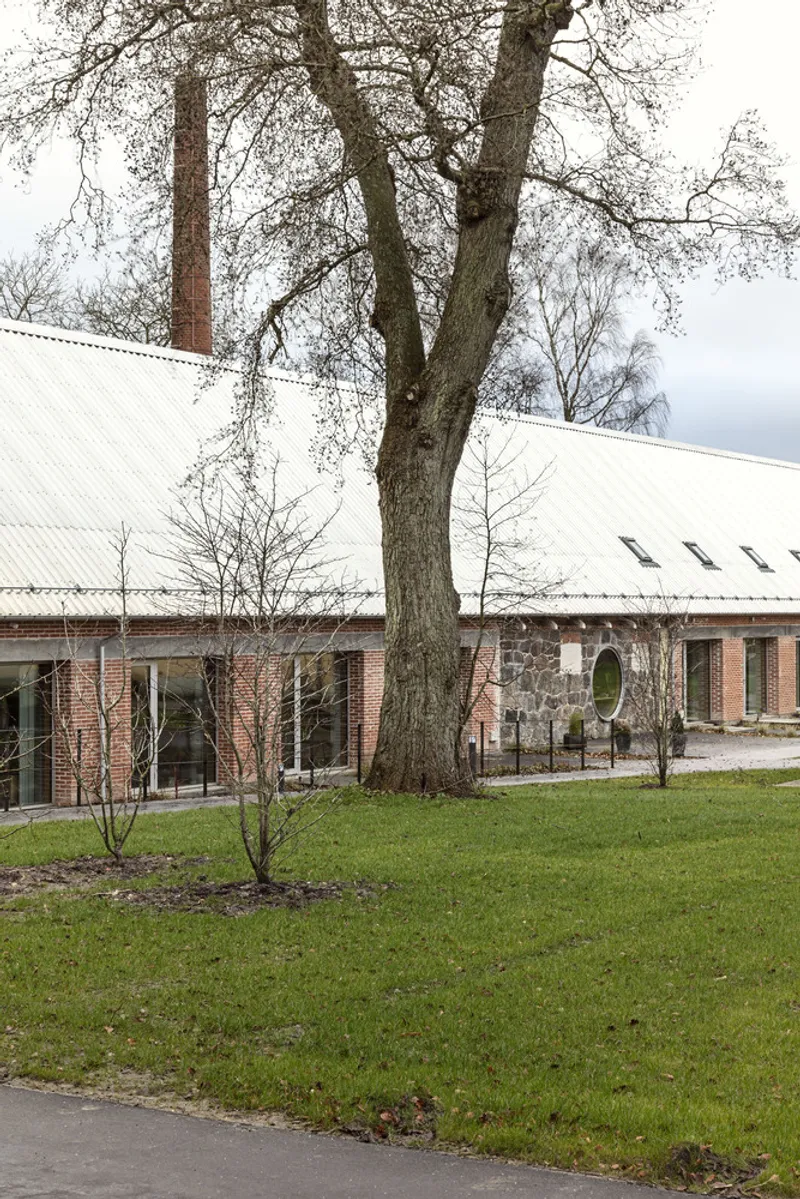
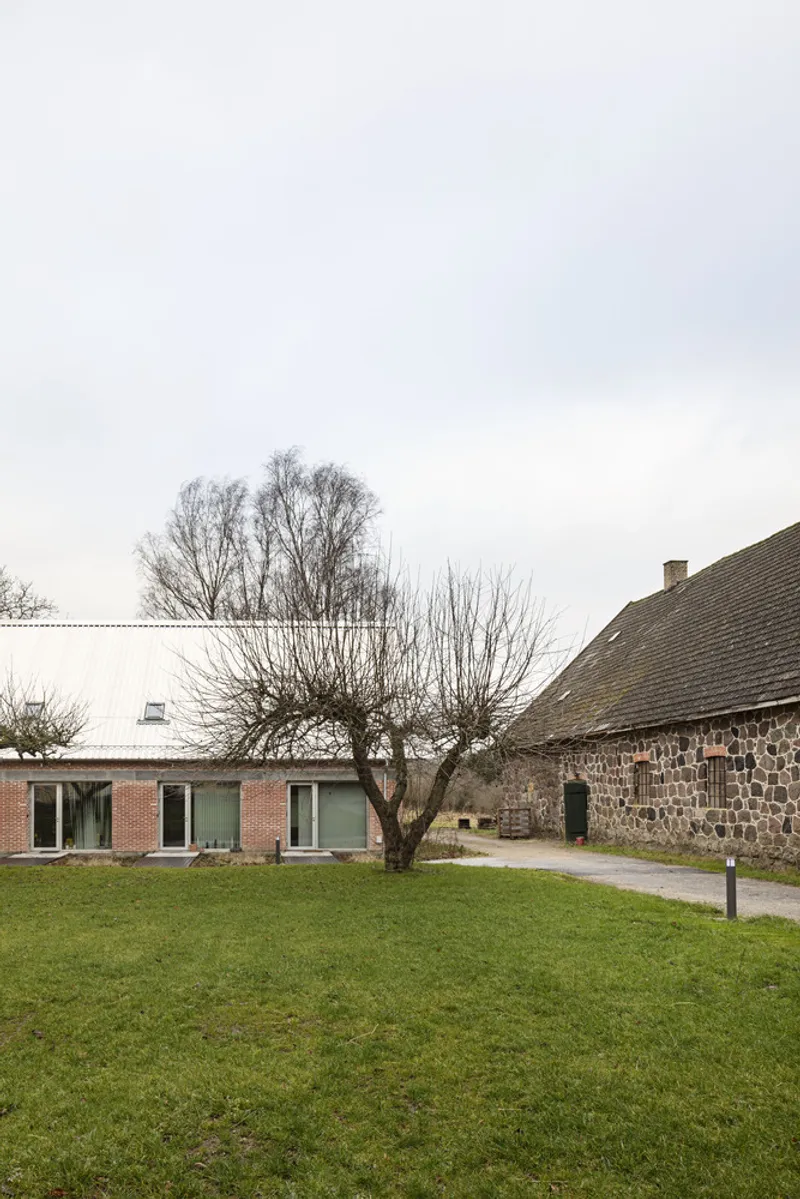
The Stubberupgaard Supportive Housing project by LETH & GORI is a landmark example of compassionate and community-focused residential architecture. This project involved the renovation, transformation, and new construction of 44 sheltered apartments for individuals with mental health conditions, thoughtfully integrated into landscaped courtyards and gardens. The design carefully reinterprets the historical complex of stables, cowsheds, coaches, and guest houses, creating a harmonious new master plan that strengthens spatial connections between existing buildings, gardens, and new housing units.

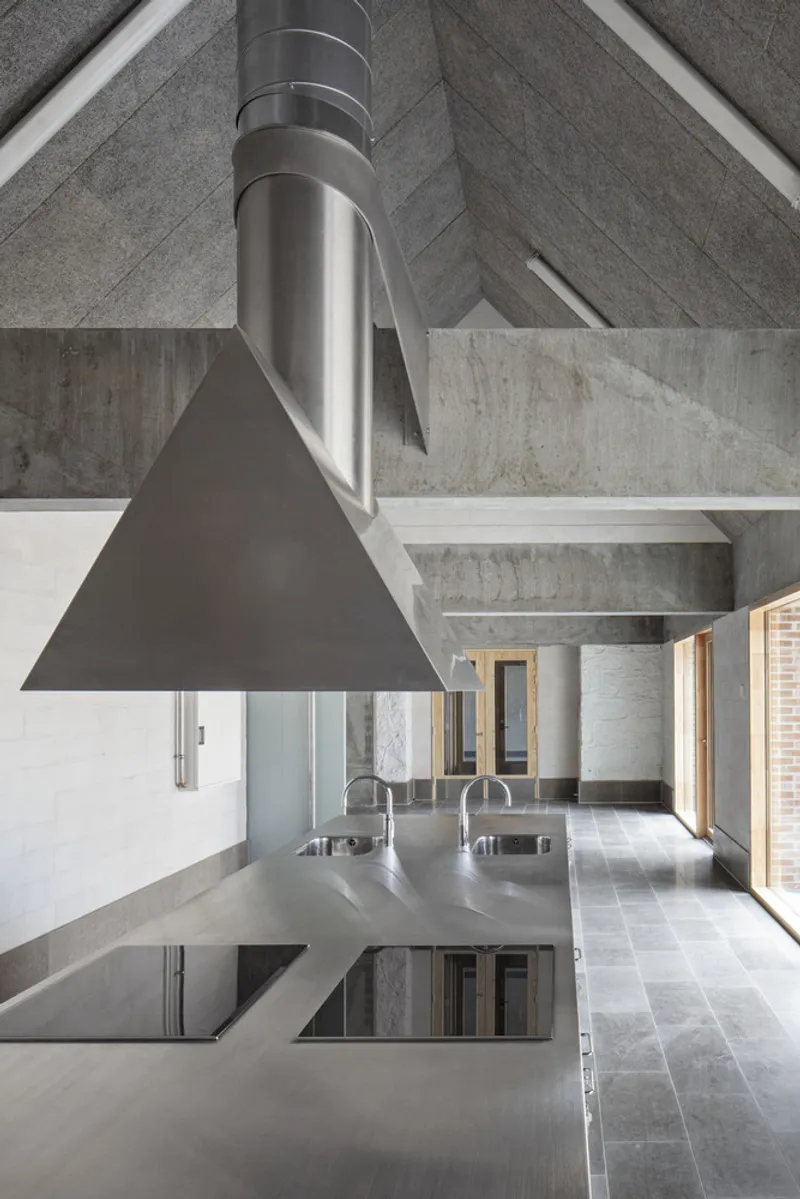
The architects approached the new additions by respecting and transforming the existing farmhouse typology, ensuring that the architectural language complements the historical context. According to Karsten Gori and Uffe Leth, “We wanted to create a community of buildings and generate thoughtful spaces designed with residents in mind.” The careful arrangement of buildings and functions fosters neighborly interactions, a sense of belonging, and social cohesion within the complex.
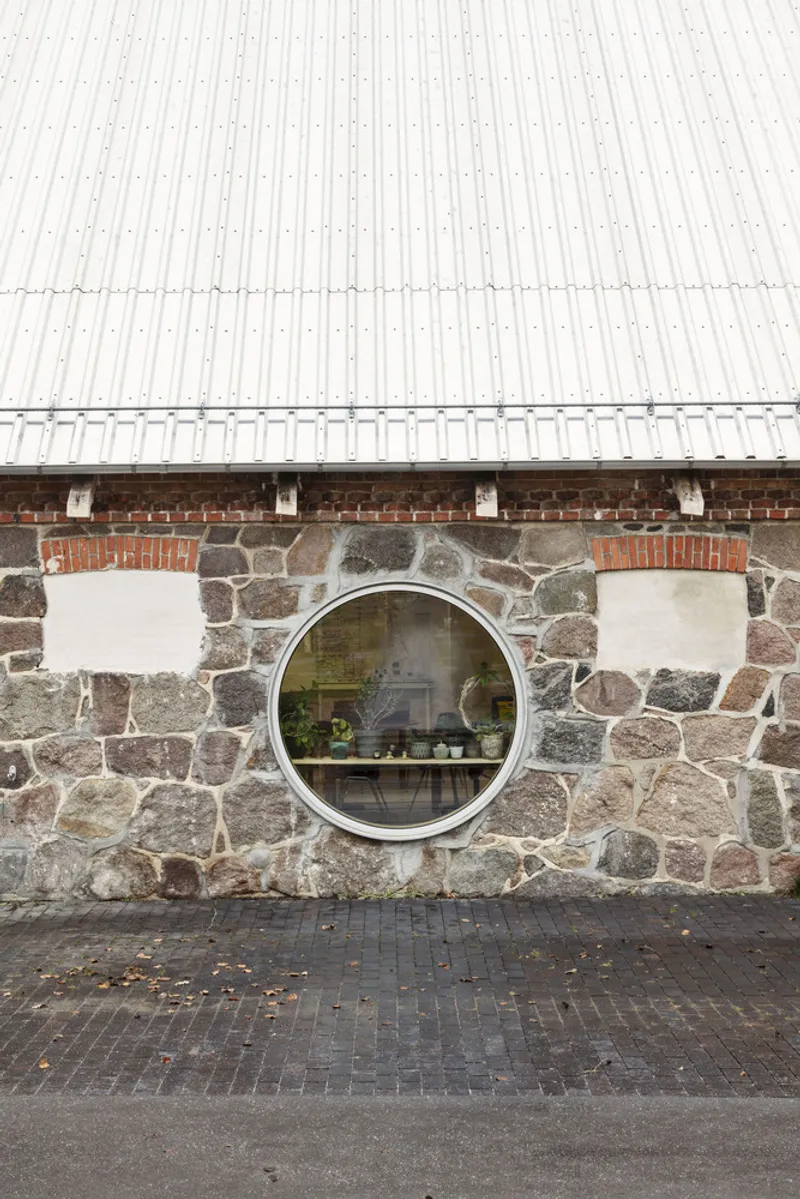

Holistic Interior Design and Shared Facilities
Stubberupgaard’s interiors were designed with homeliness, daylight, and authentic materials as core principles. Shared facilities include:
- A common kitchen and dining area
- A resident-run café
- Fitness and workshop spaces
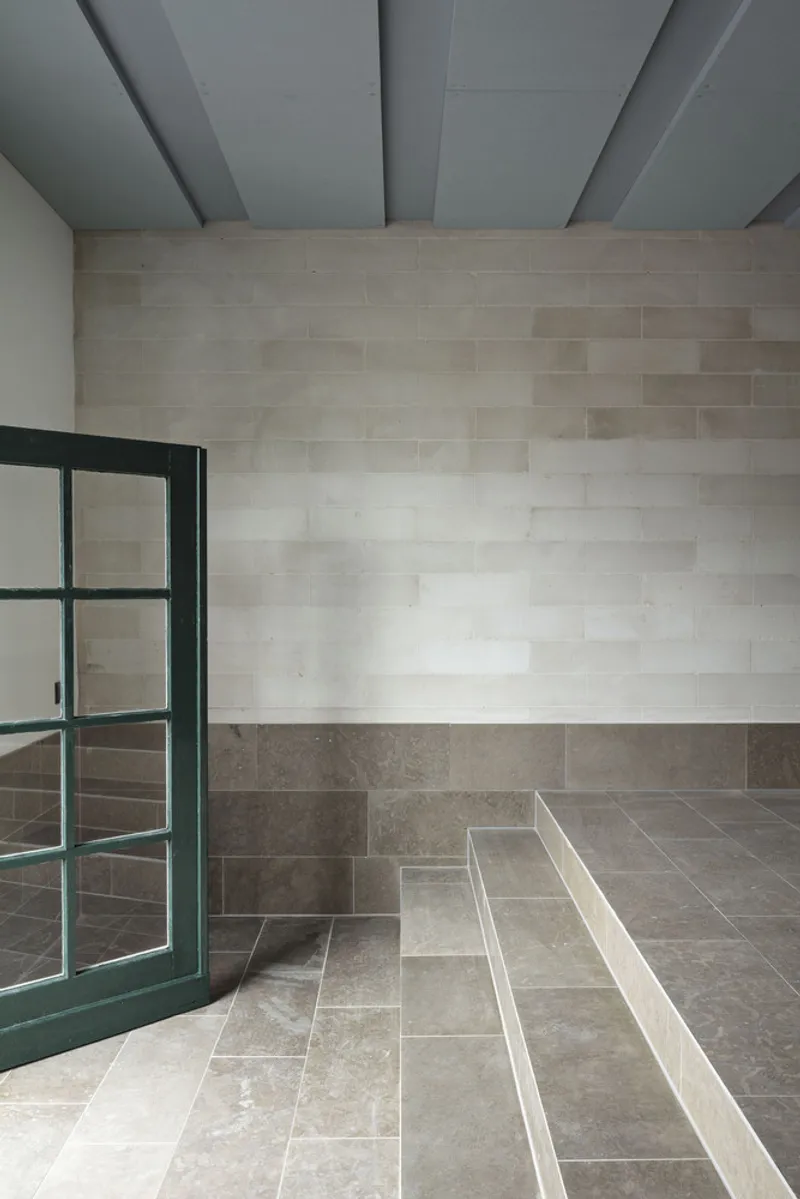
The interiors emphasize warmth, natural light, and thoughtful detailing, creating a healing environment that addresses both functional and emotional needs. Every space is crafted to support vulnerable residents, blending comfort and usability with architectural elegance.

Sustainable Design and Materiality
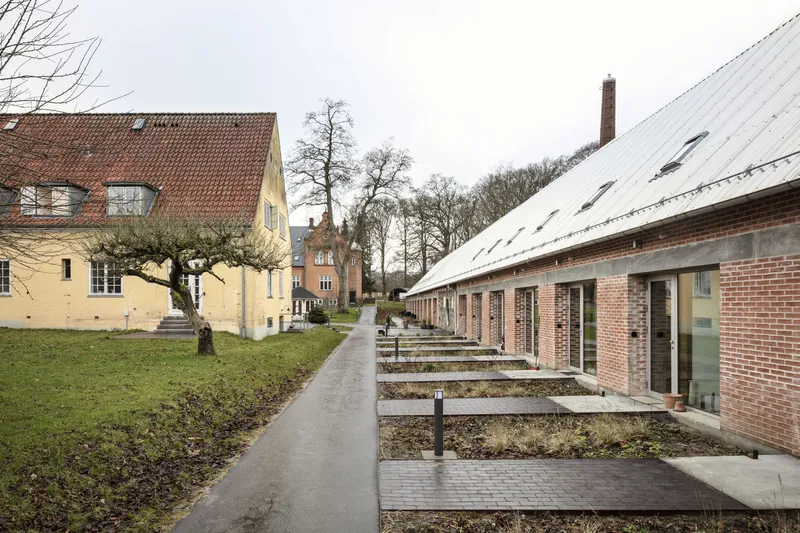
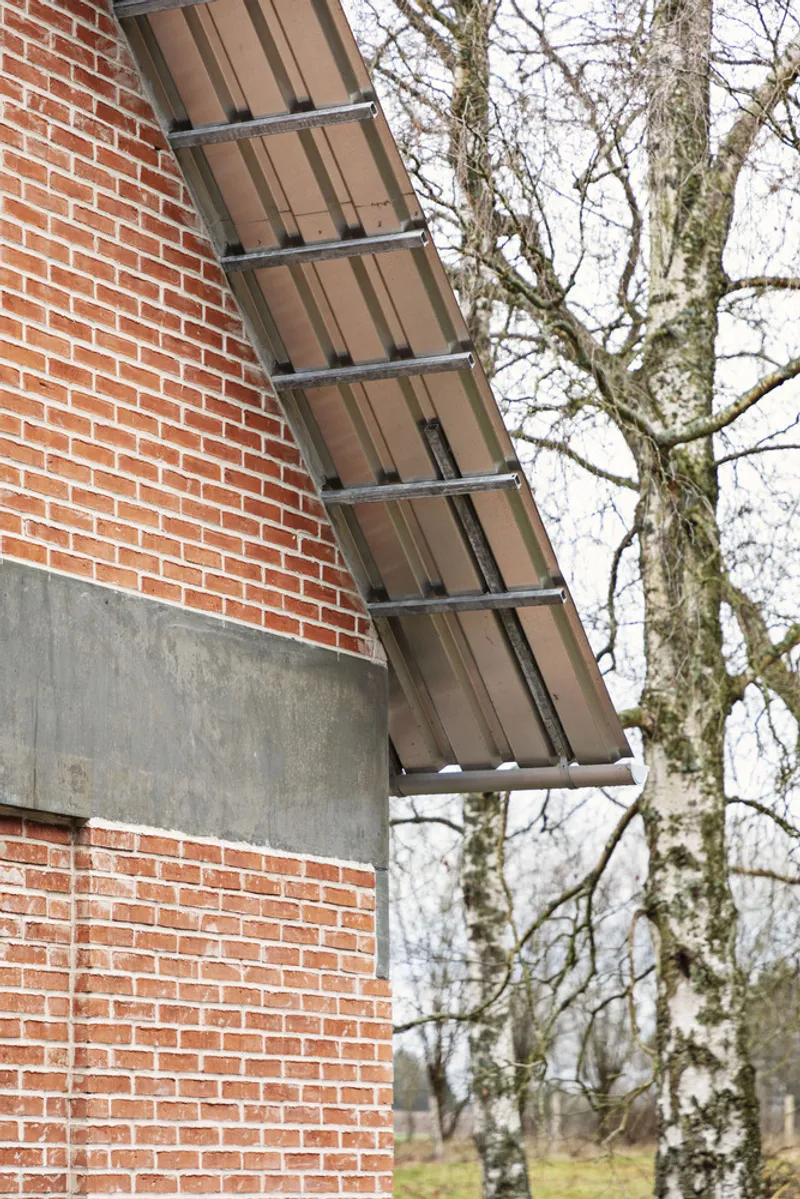
Sustainability played a central role in the design. The project combines elegant, durable materials with historically inspired architectural forms, resulting in a cohesive complex where various building typologies, gardens, and social spaces interconnect. Different window types, daylight strategies, and artificial lighting solutions were incorporated to enhance the therapeutic quality of the environment while maintaining energy efficiency and sustainability.
Strategic Collaboration and Execution
Stubberupgaard was executed under a strategic partnership between Copenhagen Municipality / ByK and DSP PLUS, involving:
- Lead Contractor: Jakon A/S
- Architects: LETH & GORI A/S
- Project Management: Rørbæk og Møller Architects
- Engineering: EKJ Consulting Engineers AS
- Landscape Design: Schul Landscape Architects
This collaborative model enabled seamless design integration across all stages, ensuring that the project meets both architectural and social objectives.
Stubberupgaard Supportive Housing demonstrates how sensitive architecture, thoughtful planning, and community-focused design can create spaces that truly support mental health and well-being. By blending historical typologies, sustainable materials, and careful spatial design, the project sets a benchmark for supportive housing architecture globally.


All Photographs are works of Laura Stamer



Popular Articles
Popular articles from the community


Riyadh For All: Intergenerational Urban Design for Active Aging in Rabat
Riyadh For All reimagines urban design in Rabat with intergenerational co-living, adaptive courtyards, and Moroccan cultural exchange today.

AL-JANNAH: Sustainable Architecture and Permaculture for Afghan Widows
AL-JANNAH uses sustainable architecture and permaculture to create resilient oasis of housing, learning, work and renewal for Afghan widows.

Pangolin Can Help Mining: Biomimicry Architecture for an Asteroid Mining Habitat
Pangolin Can Help Mining explores biomimicry architecture through a modular 3D-printed habitat designed for asteroid mining and future life.
Garden of Hope: Sustainable Architecture for a Resilient Community in Qandahar
Garden of Hope reimagines sustainable architecture as secure, organic community where women rebuild lives through housing, work, and nature.


Similar Reads
You might also enjoy these articles


Hodi-Mandai Geram
Project Function: Preservation and revitalization of the Intangible heritage and socio-spatial identity of the Hodi by Housing, Cultural Memory Center, Sacred Grove, landscape, local tourism economy


Olio Towers: A Mid-Rise for Performers That Fuses Housing, Rehearsal, and Stage
Located blocks from Houston's Theater District, this modular tower stacks living units around a central performance atrium.

Oasis: Modular Green Housing Carved into Dhaka's Urban Fabric
A shortlisted Plugin Housing entry reclaims unauthorized settlements in Dhaka with stepped concrete volumes, green roofs, and ventilation-driven design.

Black Hole: A Floating Megastructure for the Post-Physical Era
Emiliano Mazzarotto envisions a spherical, self-scaling arena where e-sports, digital hotels, and holographic stadiums replace traditional public space.

Explore Housing Competitions
Discover active competitions in this discipline



The International Standard for Design Portfolios


The Global Benchmark for Architecture Dissertation Awards


The Global Benchmark for Graduation Excellence


Challenge to reimagine the Iron Throne
Comments (0)
Please login or sign up to add comments
No comments yet. Be the first to comment!