
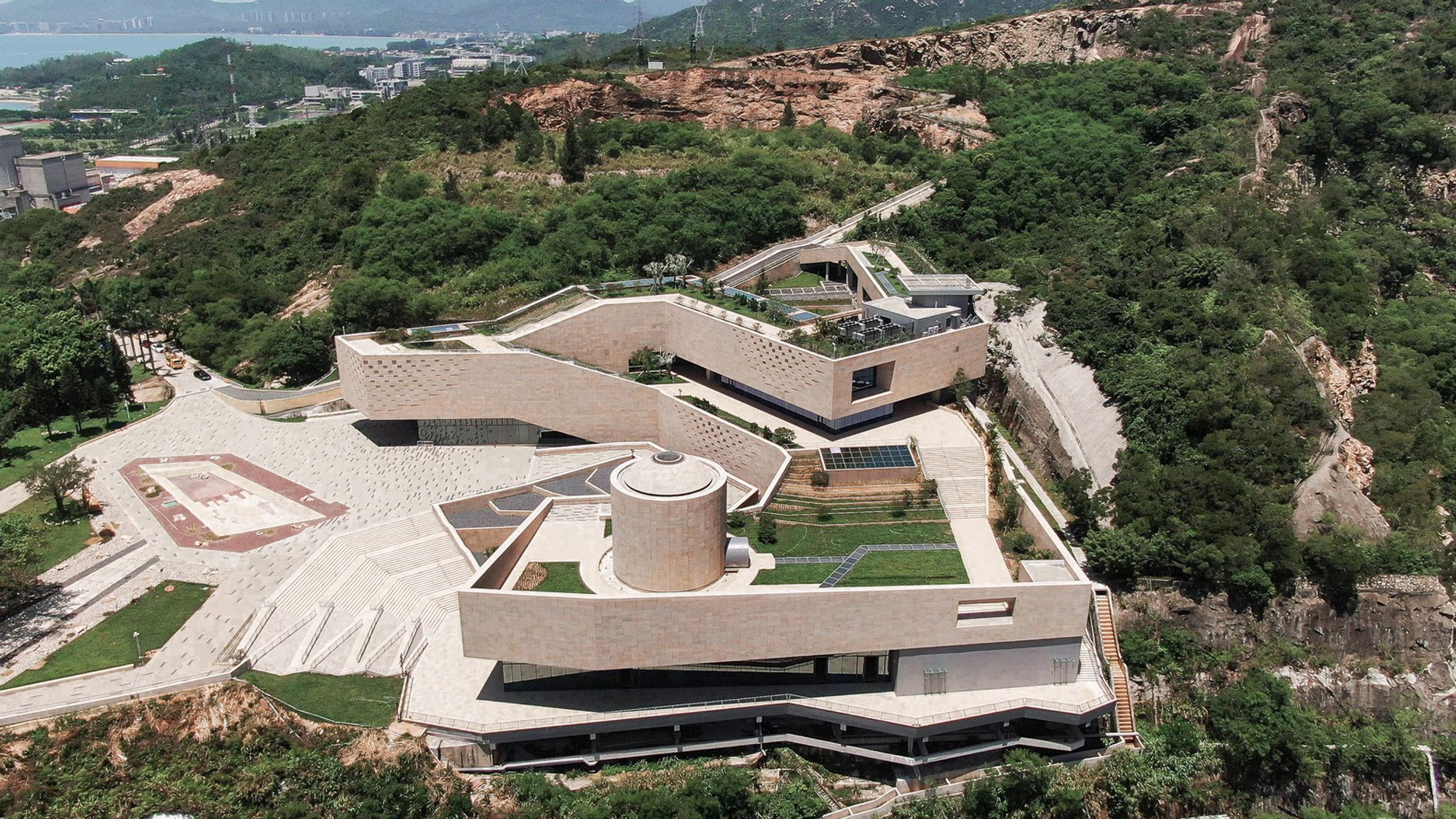
Sustainable Architectural Design: Daya Bay Nuclear Power Science and Technology Museum
This article explores the Daya Bay Nuclear Power Science and Technology Museum's sustainable architectural design in harmony with its historical and natural context.

In the realm of modern architecture, sustainability has become a paramount concern. The Daya Bay Nuclear Power Science and Technology Museum, crafted by E+UV Architecture and Huayi Design, exemplifies how architectural projects can embrace sustainability while serving educational and community purposes.
The Concept Behind the Museum's Design
Harmonizing with History and Nature
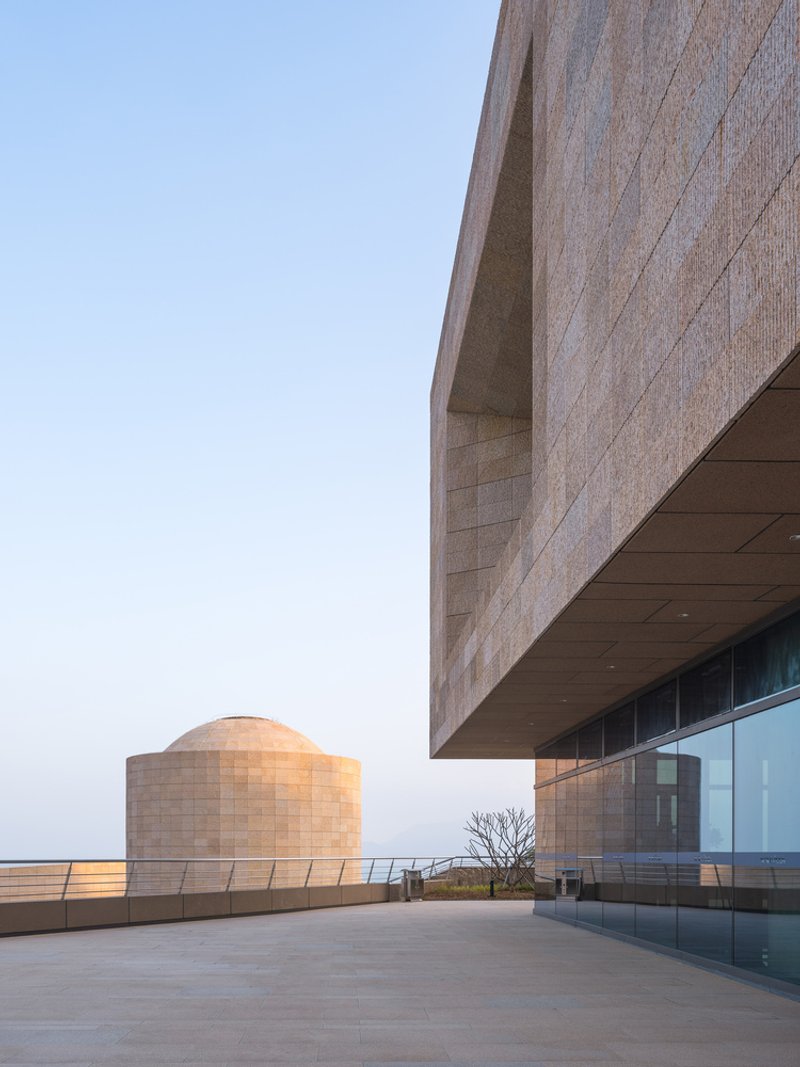
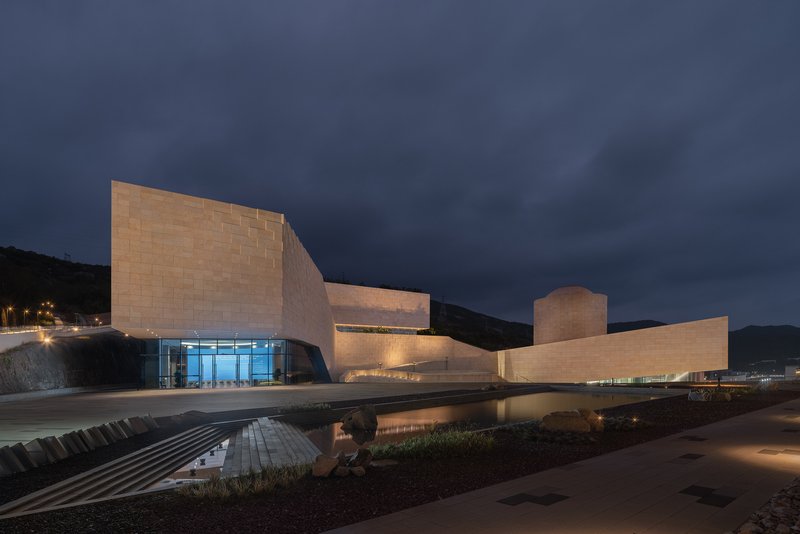
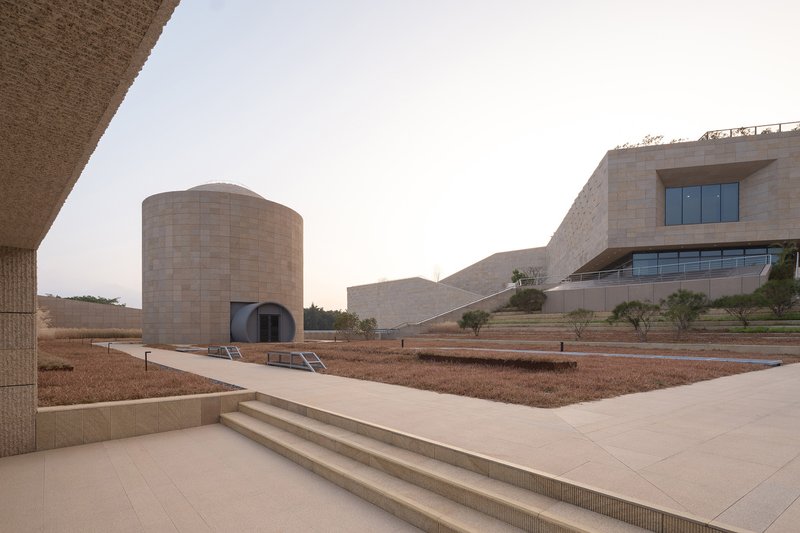
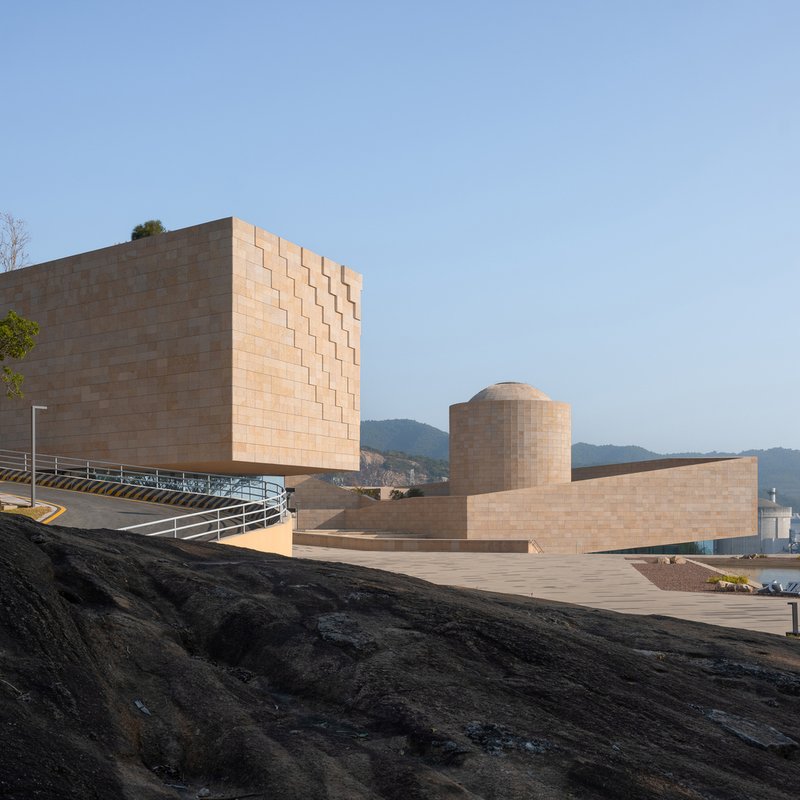
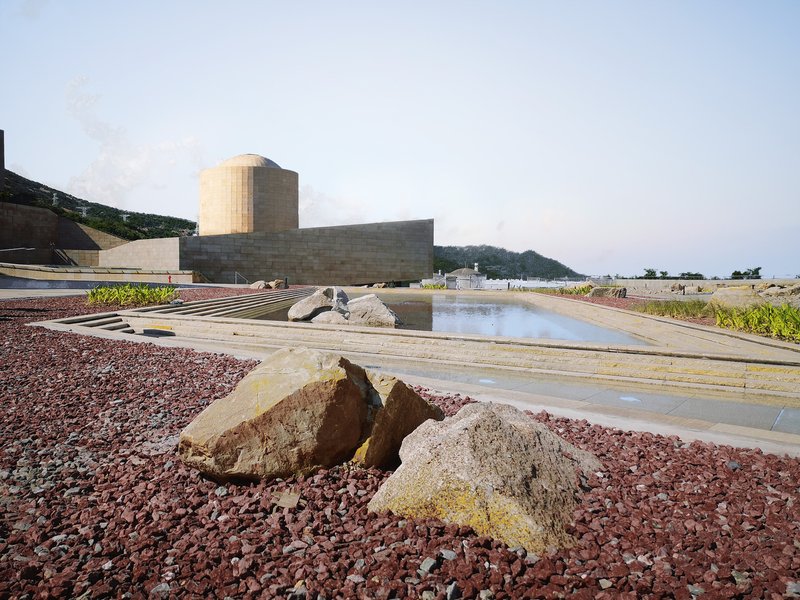
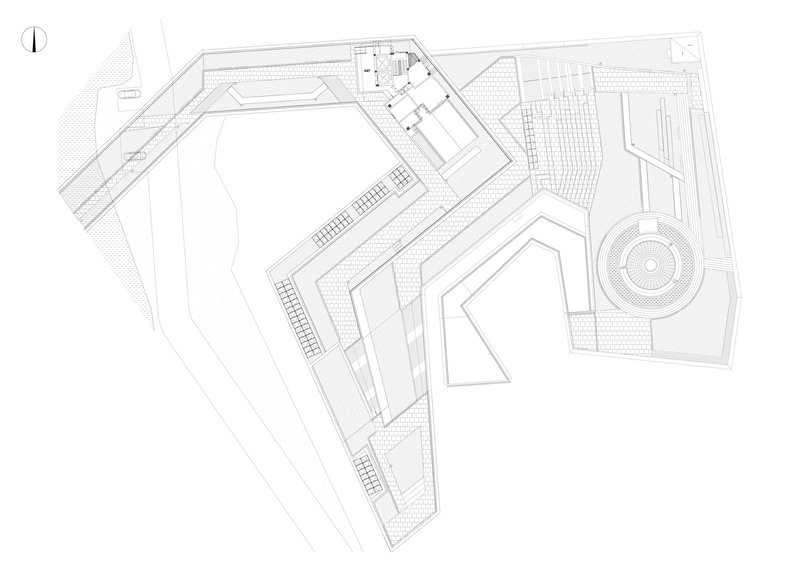
The museum is situated in Shenzhen, China, on a site rich in both historical and geological significance. Its design pays homage to the area's history of nuclear power development and its natural granite bedrock foundation. This approach reflects a deep respect for the site's past and a commitment to sustainable design principles.
Integrating the Building with the Mountain
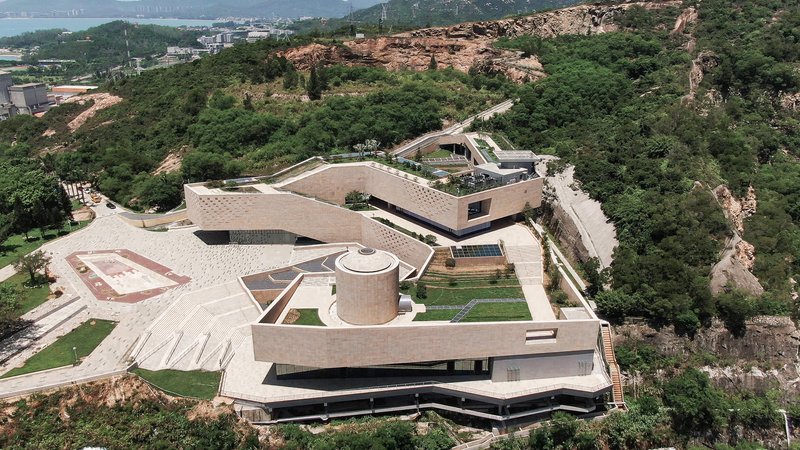
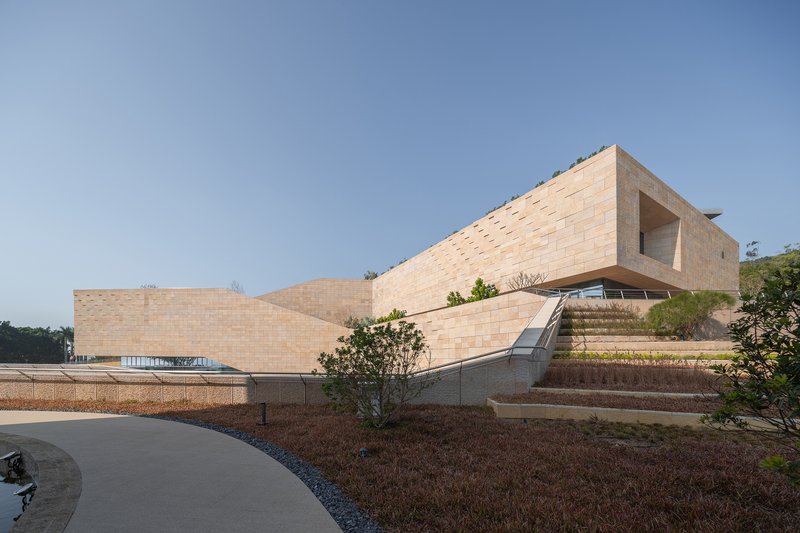
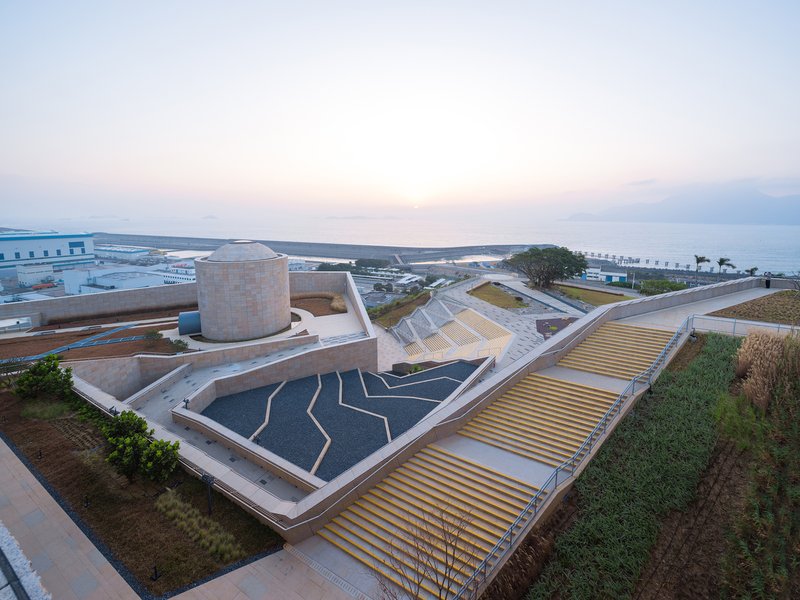
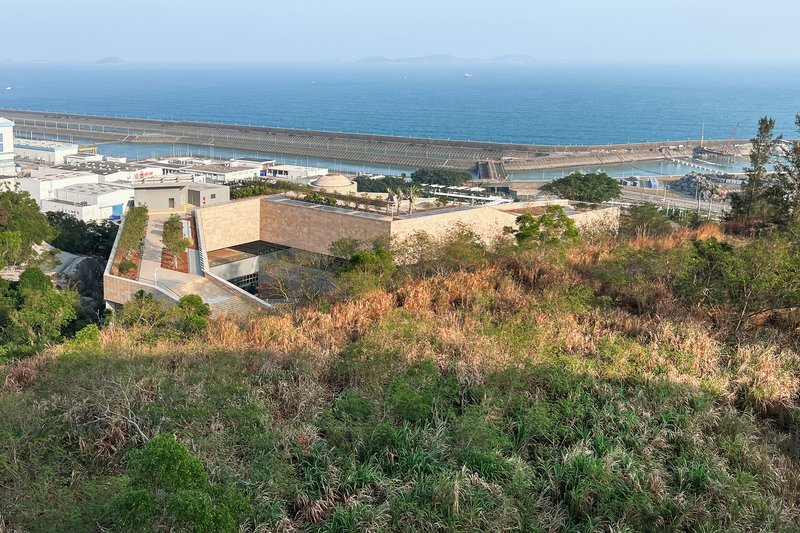
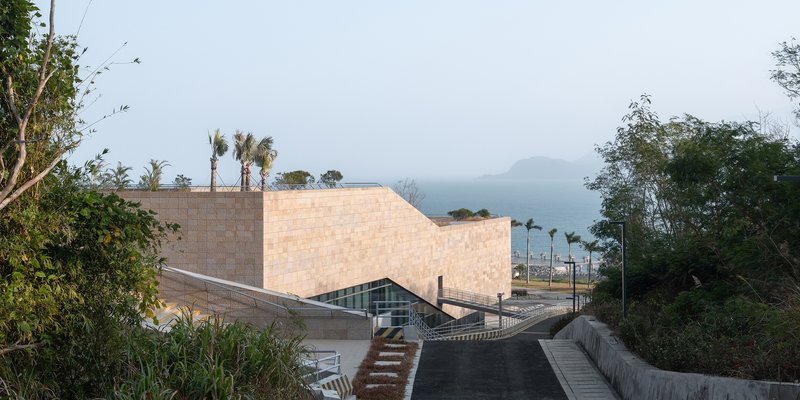
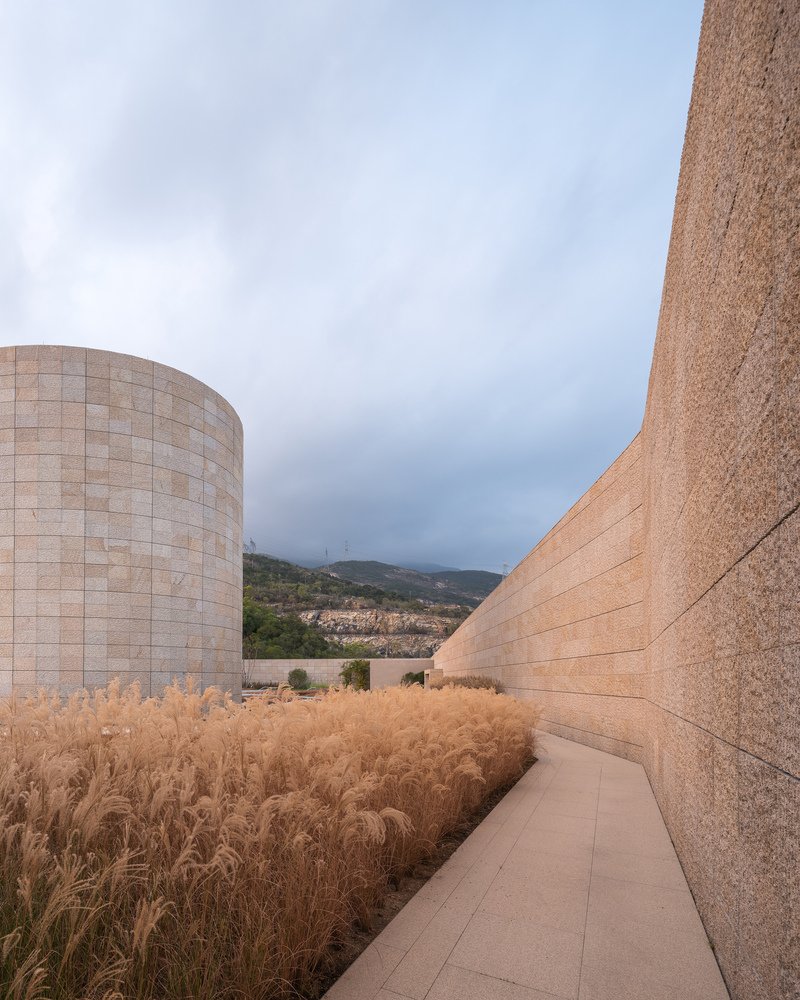
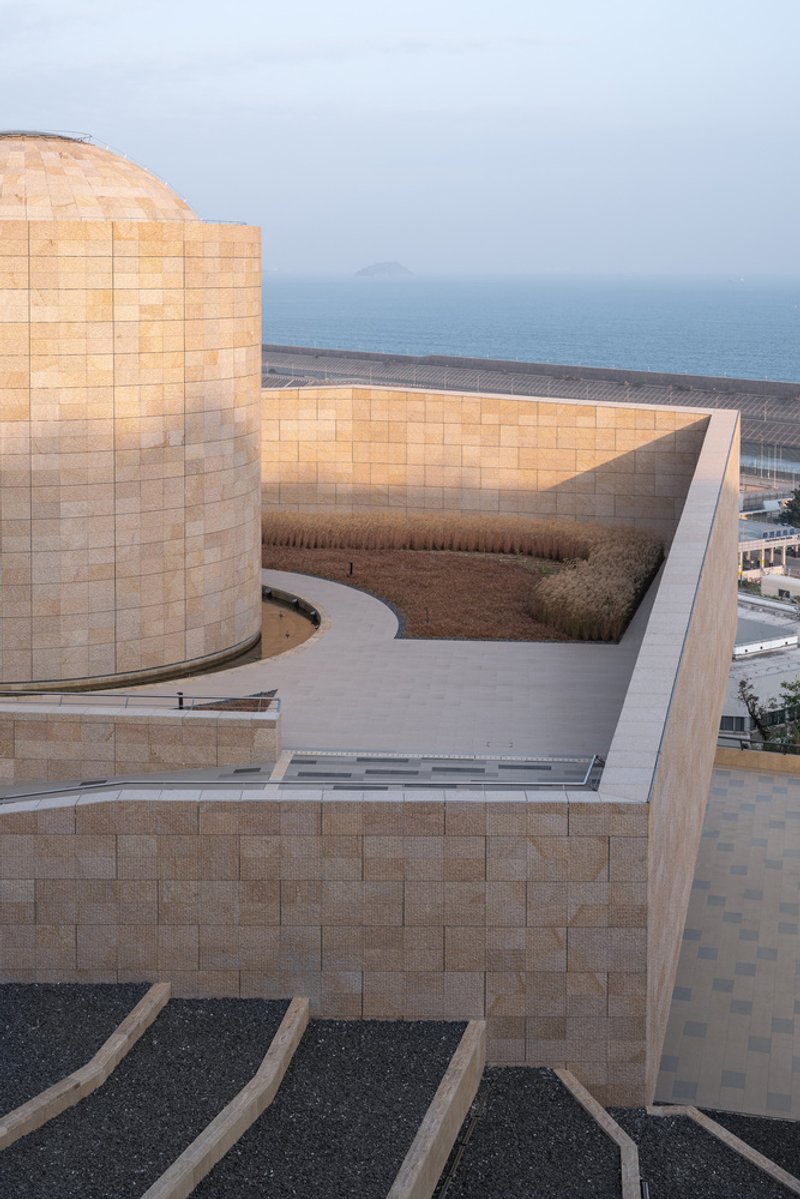
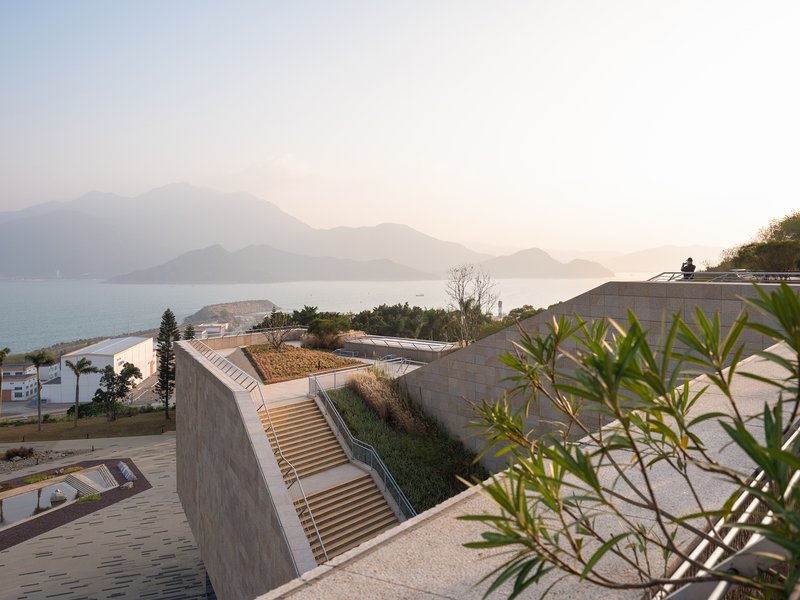
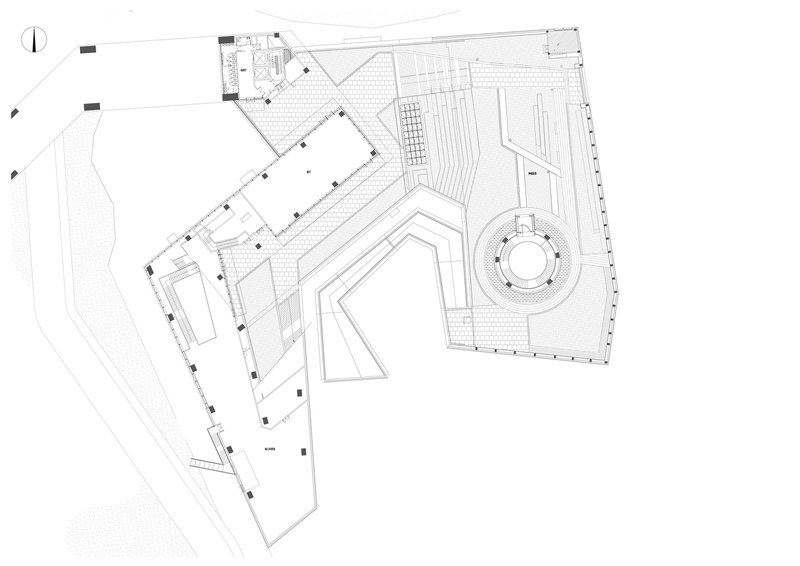
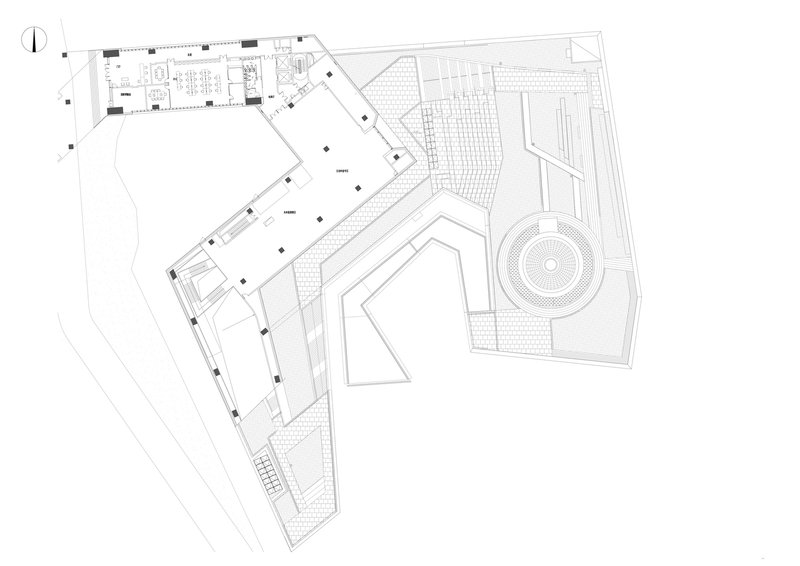
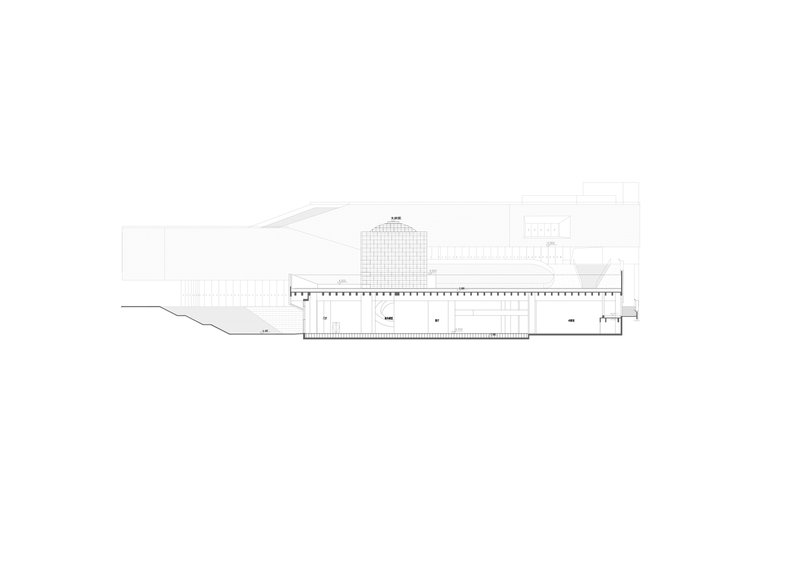
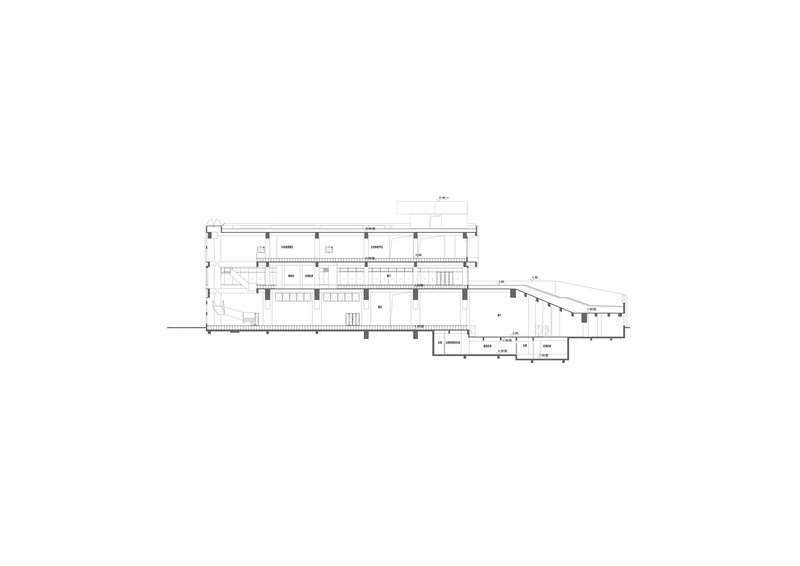
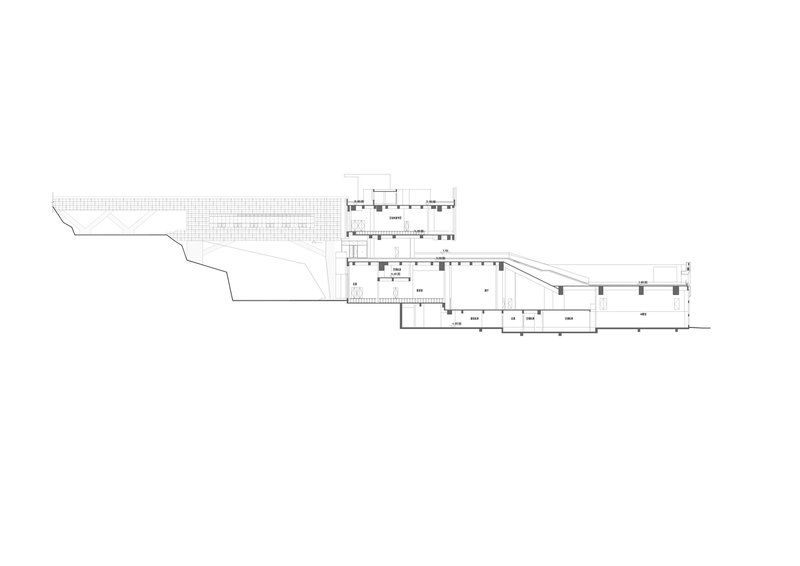
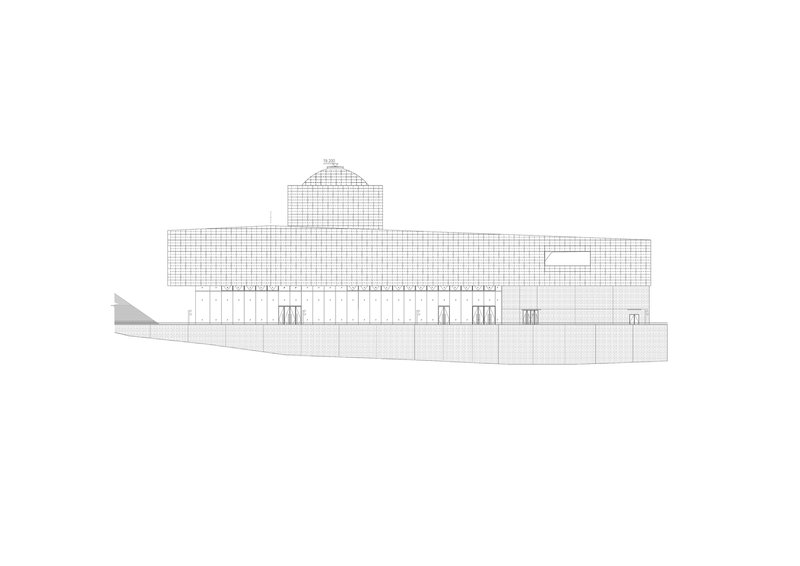
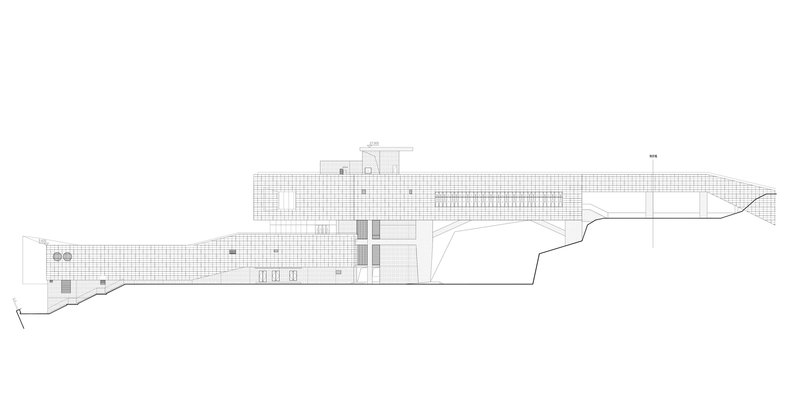
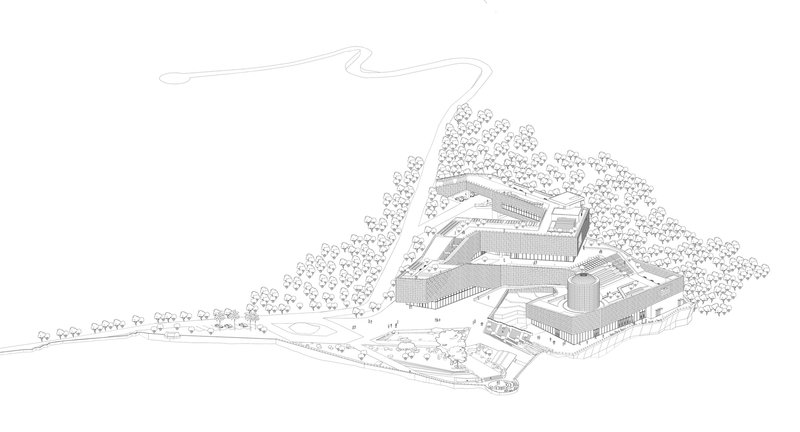
One of the museum's standout features is its integration into the surrounding mountainous landscape. This design choice minimizes the visual impact on the environment and exemplifies sustainable architectural practices by blending the structure with its natural setting, rather than imposing upon it.
Key Features of Sustainable Design
Utilizing Local Materials
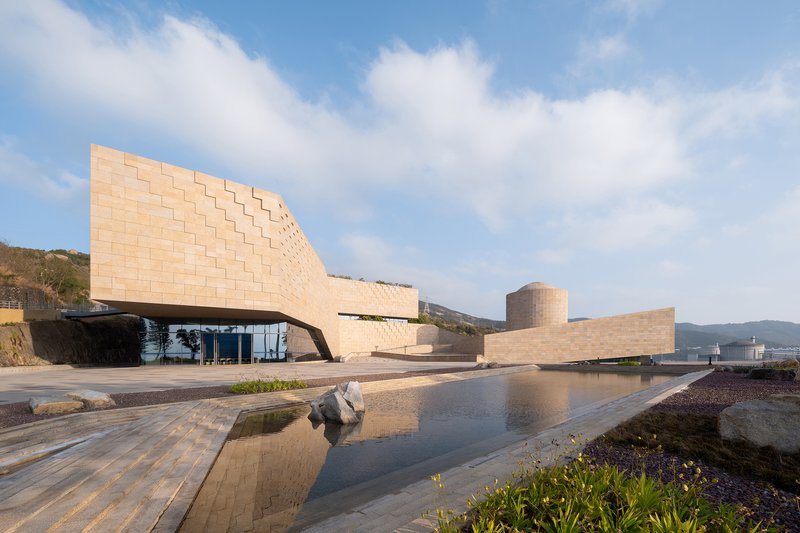
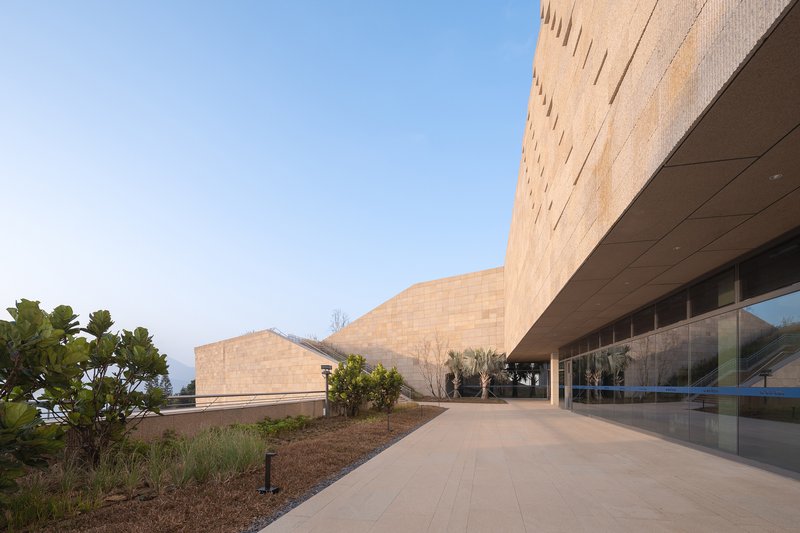
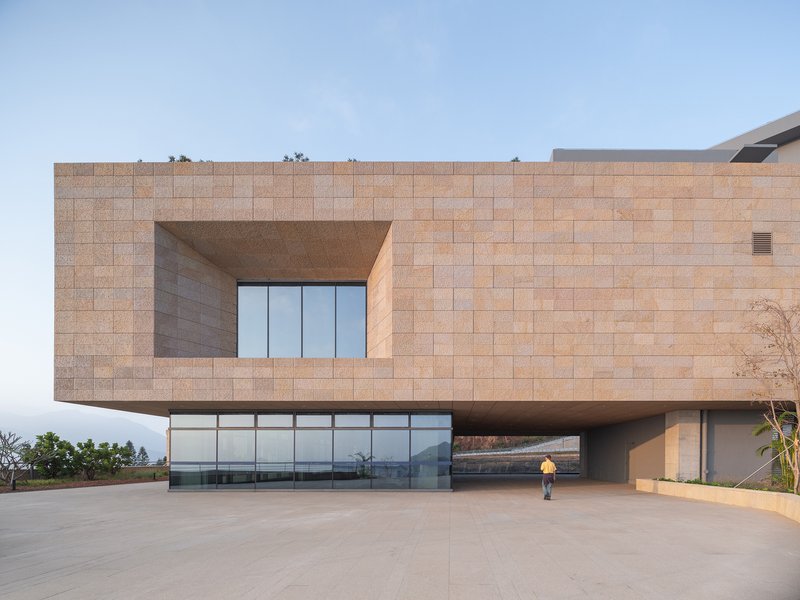
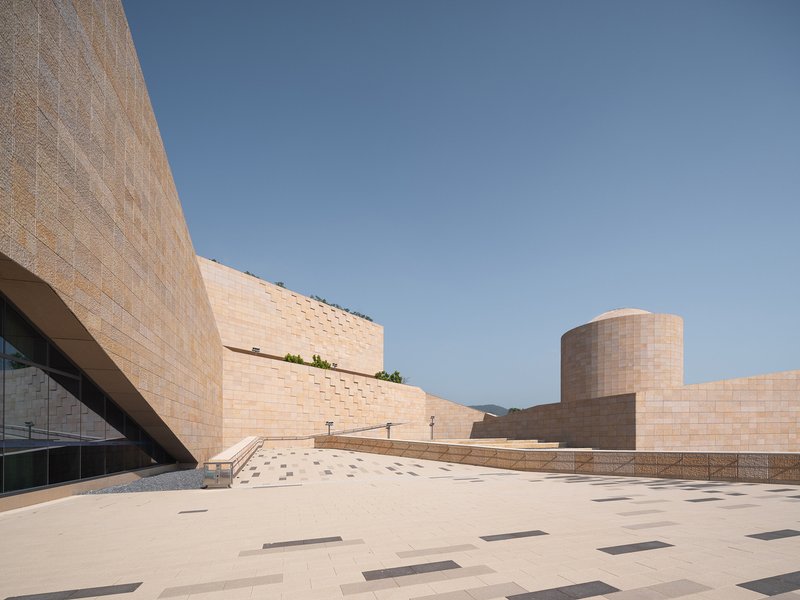
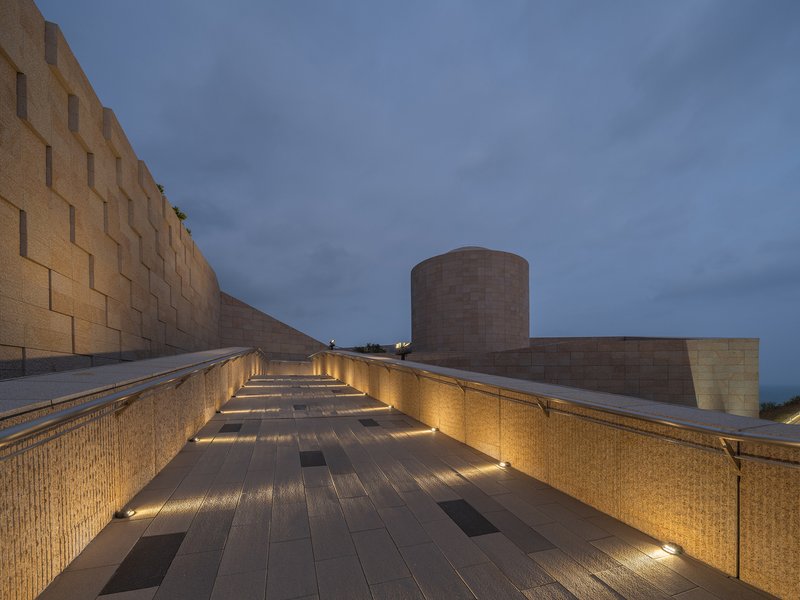
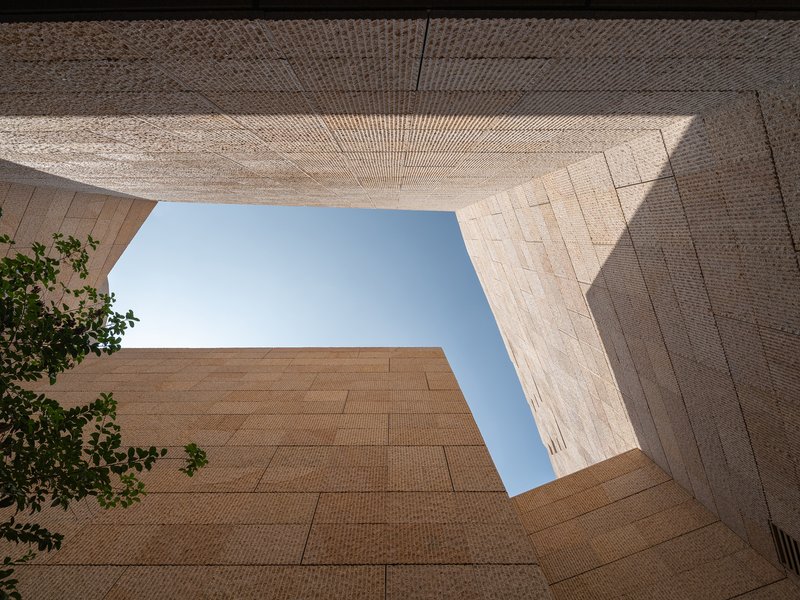
The façade of the museum is constructed from local granite, chosen for its durability and natural appearance. This decision supports local economies and reduces the carbon footprint associated with transporting materials over long distances.
Energy Efficiency and Environmental Harmony
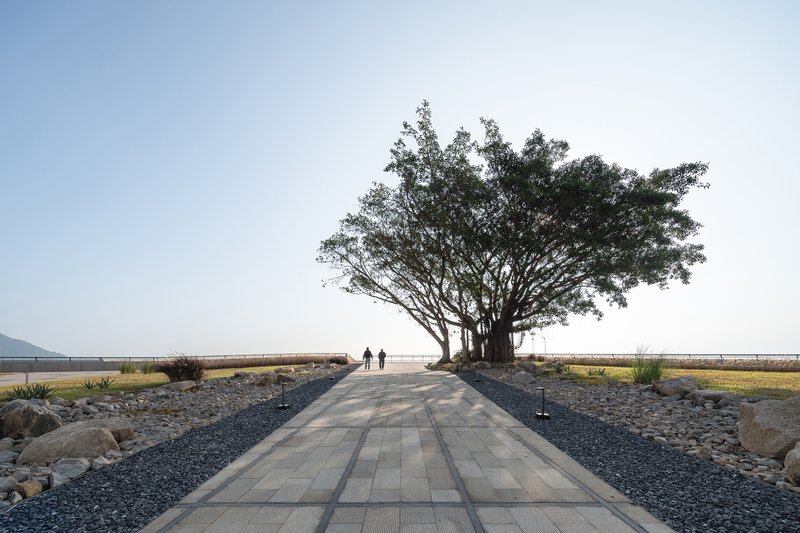
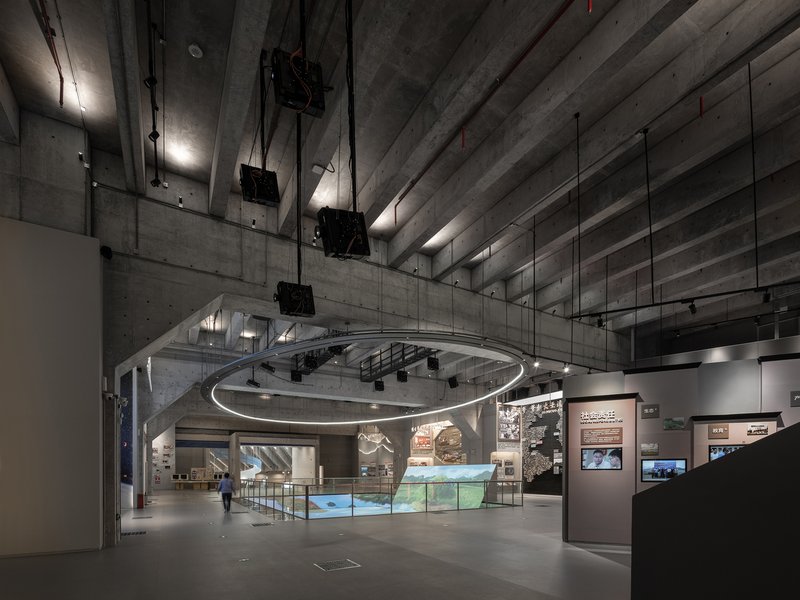
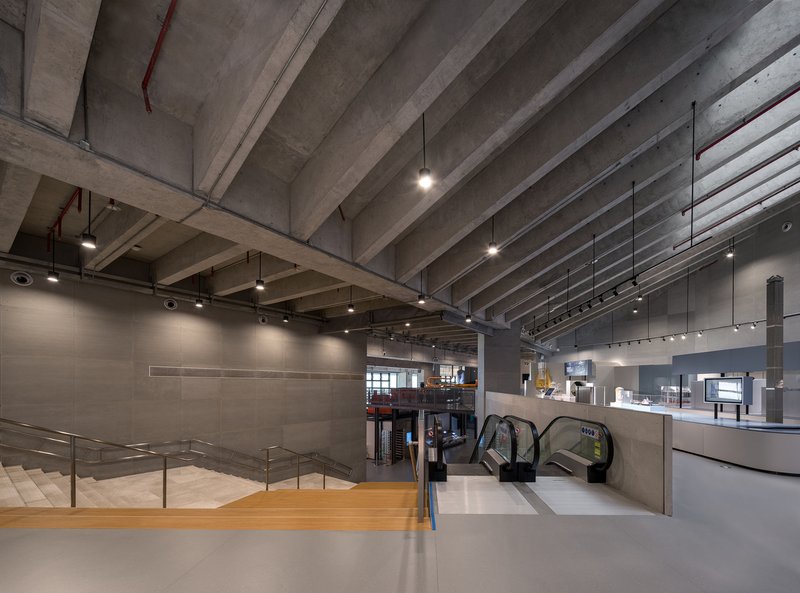
The museum's layout and structure are meticulously planned to optimize natural lighting and ventilation, reducing the need for artificial lighting and air conditioning. The entrance plaza and rooftop garden, featuring indigenous plants and a preserved banyan tree, symbolize the project's commitment to environmental sustainability.
The Role of the Museum in Promoting Nuclear Energy
Education and Transparency
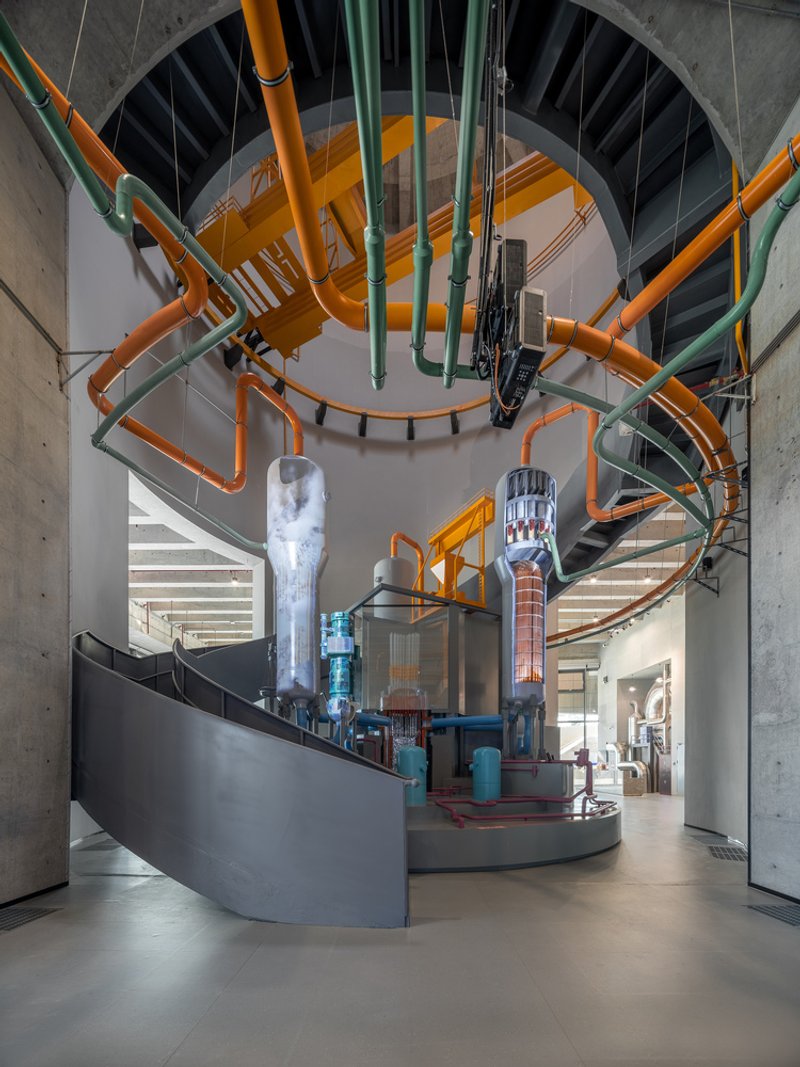
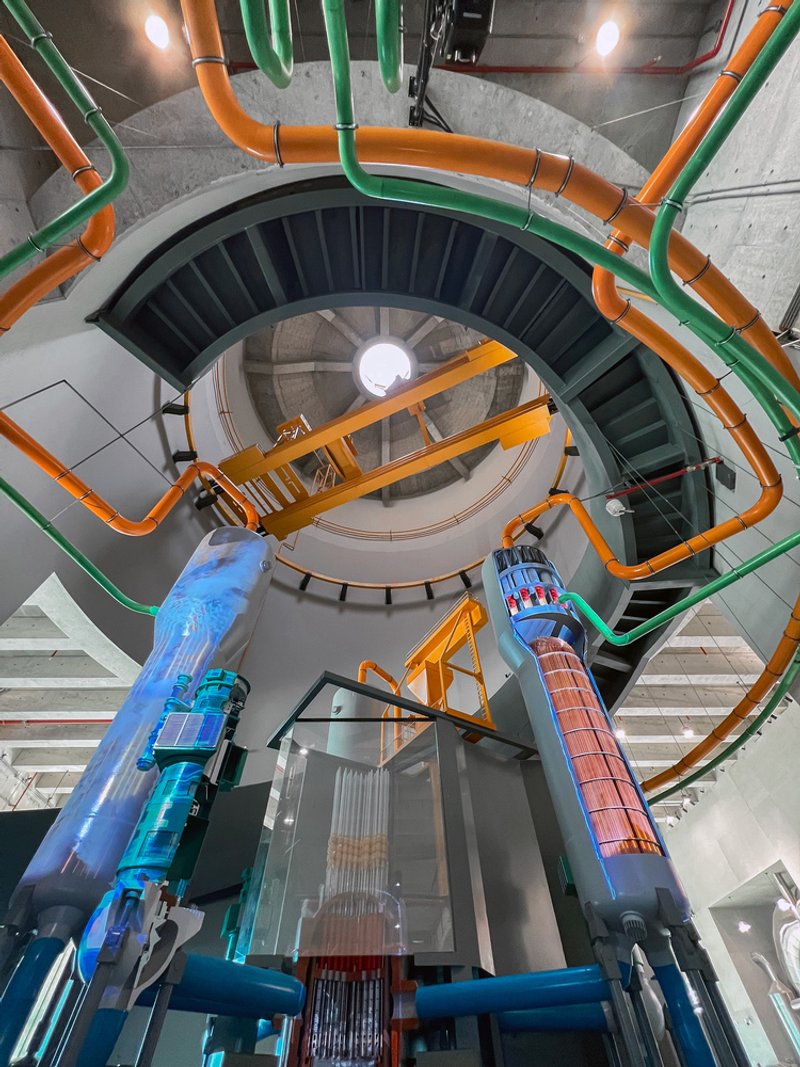
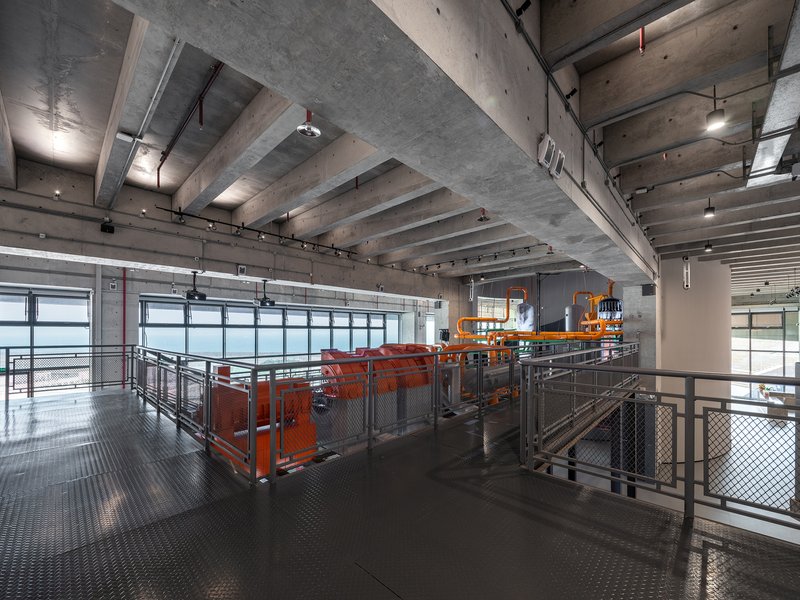
As a hub for science and technology education, the museum plays a crucial role in informing the public about the benefits and safety of nuclear energy. Its design embodies the principles of openness and transparency, inviting visitors to explore and learn about sustainable energy solutions.
A Symbol of Sustainable Progress
The museum not only educates but also serves as a symbol of China's commitment to using nuclear energy as a means to address climate change. Its architectural design reinforces the message that technological advancement and environmental stewardship can go hand in hand.
The Future of Sustainable Architecture
The Daya Bay Nuclear Power Science and Technology Museum stands as a beacon of sustainable architectural design. It demonstrates how buildings can respect and enhance their natural surroundings, support educational goals, and promote sustainability. As we look toward the future, the principles exemplified by this project will undoubtedly influence the next generation of architects to create spaces that honor our planet and its history.
All the photographs are work of Zhengyong Liu, Fu Li, Ye Fan, Chao Zhang




Popular Articles
Popular articles from the community

BAUEN Builds Two Rammed Earth Volumes in Paraguay Inspired by the Ovenbird's Nest
In San Bernardino, a house of compacted earth channels the instinct of a constructive bird to shelter life from the Paraguayan summer.
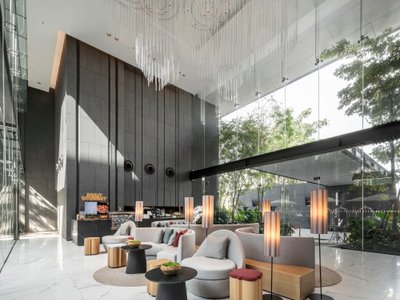
IDIN Architects Wraps a Hua Hin Hotel Around a Private Courtyard to Escape the City
Dusit D2 Hua Hin turns an urban infill site in Thailand's family vacation heartland into a self-contained resort through courtyard planning.
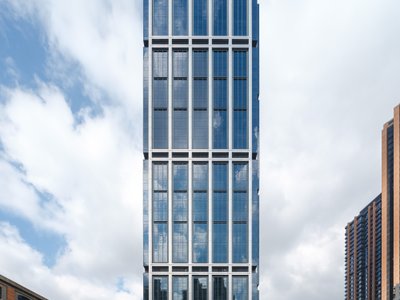
Foster + Partners Wraps a 200-Meter Shanghai Tower in Stainless Steel and Industrial Memory
The Suhe Centre Office Tower anchors a regenerated waterfront district in Shanghai with an all-steel structure that nods to local warehouse heritage.
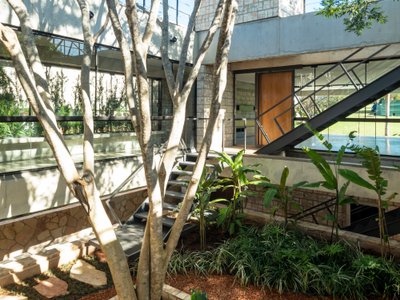
OMCM arquitectos Builds a Summer House in Paraguay from Quarry Waste Blocks and Three Sacred Trees
In the young hillside neighborhood of Altos, a 696-square-meter concrete volume hovers on six pillars around three preserved native Yvyraju trees.


Similar Reads
You might also enjoy these articles

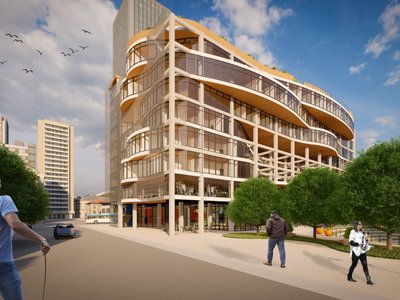
Olio Towers: A Mid-Rise for Performers That Fuses Housing, Rehearsal, and Stage
Located blocks from Houston's Theater District, this modular tower stacks living units around a central performance atrium.

Oasis: Modular Green Housing Carved into Dhaka's Urban Fabric
A shortlisted Plugin Housing entry reclaims unauthorized settlements in Dhaka with stepped concrete volumes, green roofs, and ventilation-driven design.

Black Hole: A Floating Megastructure for the Post-Physical Era
Emiliano Mazzarotto envisions a spherical, self-scaling arena where e-sports, digital hotels, and holographic stadiums replace traditional public space.
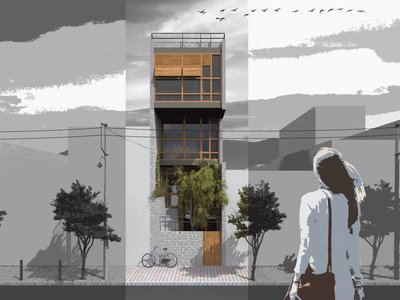
Compact & Sustainable Living in Piraeus: A Four-Level Family Home Built Around Light and Air
A narrow townhouse in one of Greece's densest port cities uses a central atrium and passive strategies to house three generations under one roof.

Explore Architecture Competitions
Discover active competitions in this discipline




The International Standard for Design Portfolios


The Global Benchmark for Architecture Dissertation Awards


The Global Benchmark for Graduation Excellence


Challenge to reimagine the Iron Throne
Comments (0)
Please login or sign up to add comments
No comments yet. Be the first to comment!