
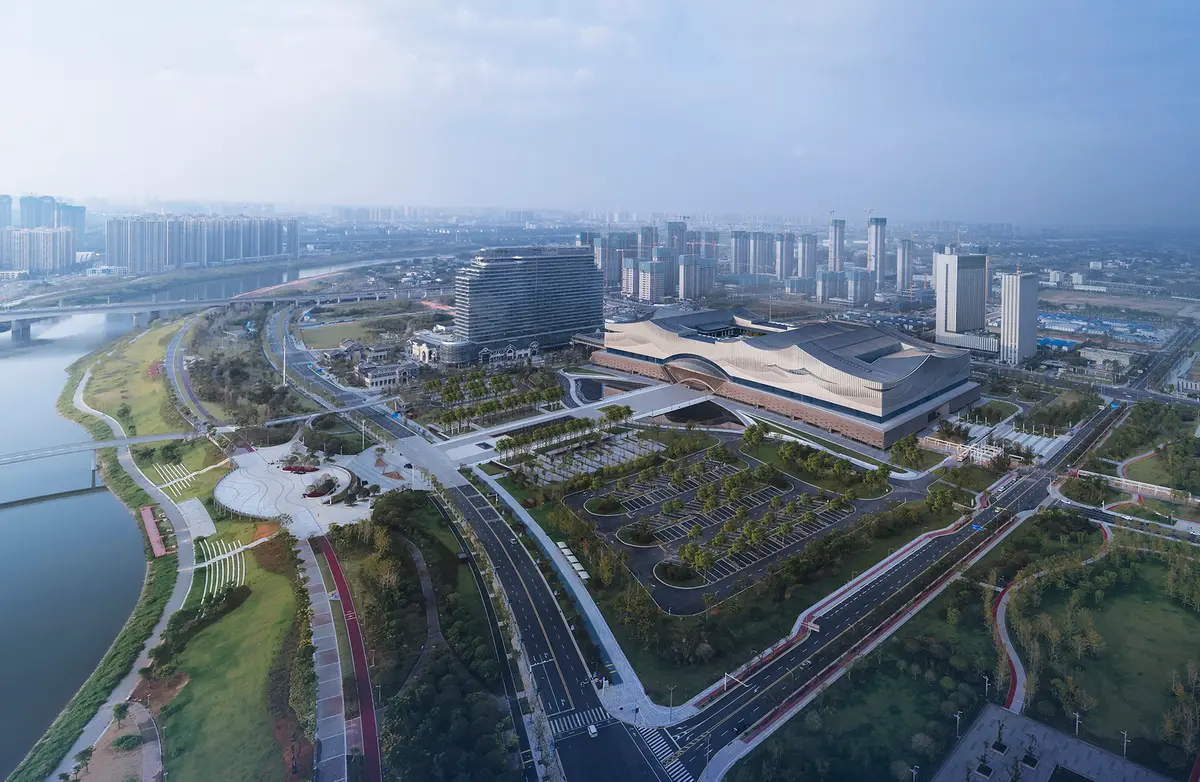
Sustainable Architecture Design: Changsha International Conference Center
The article details the design, functionality, and sustainability aspects of the Changsha International Conference Center in China.


The Changsha International Conference Center, a masterpiece of sustainable architecture design, stands as a beacon of innovation and cultural heritage in Changsha, China. Designed by the Architectural Design and Research Institution of SCUT, this edifice not only serves as the largest conference center in central China but also as a symbol of environmental stewardship and cultural respect.
Design Philosophy Behind the Changsha International Conference Center
Embracing Traditional Chinese Aesthetics with Modern Sustainability
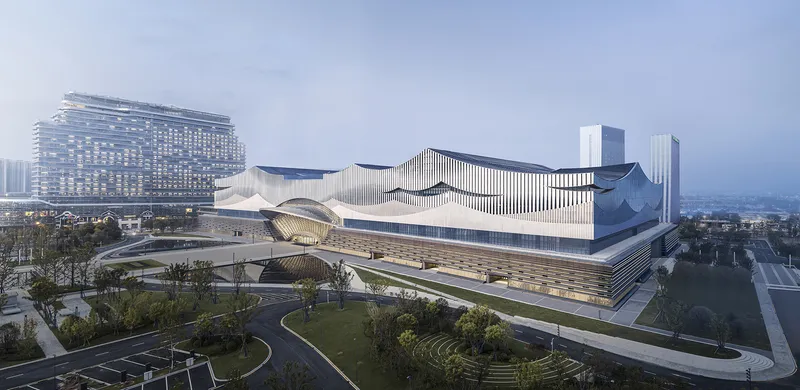
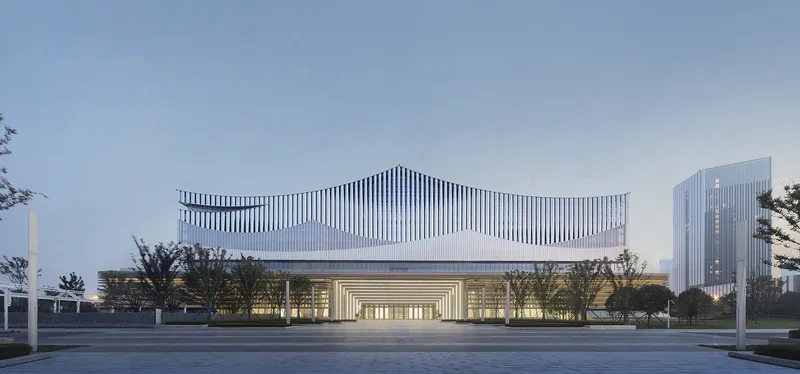
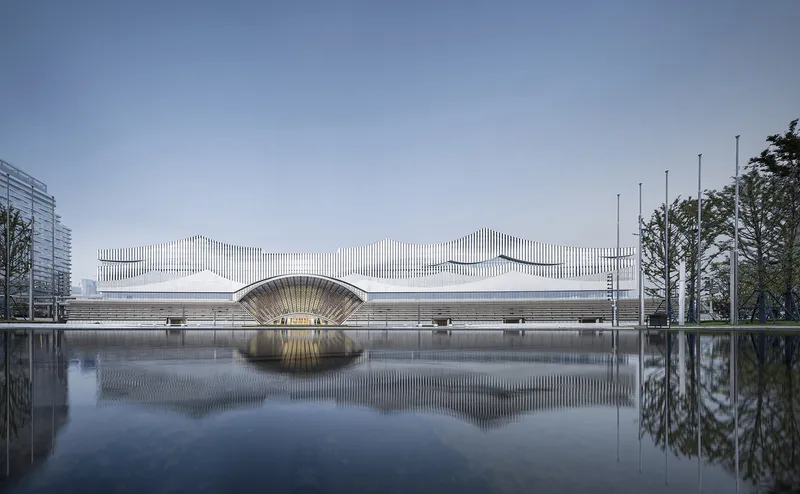
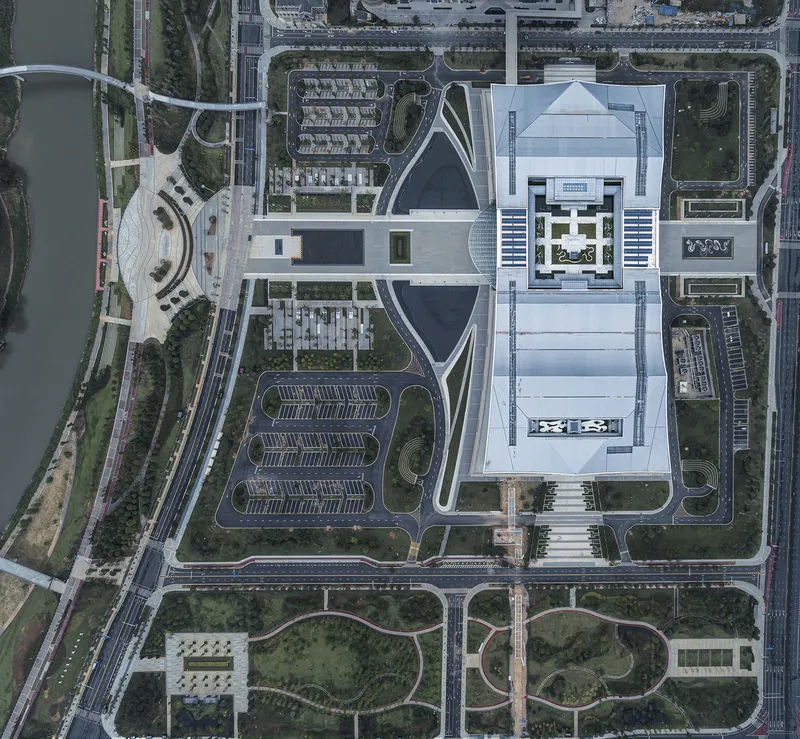
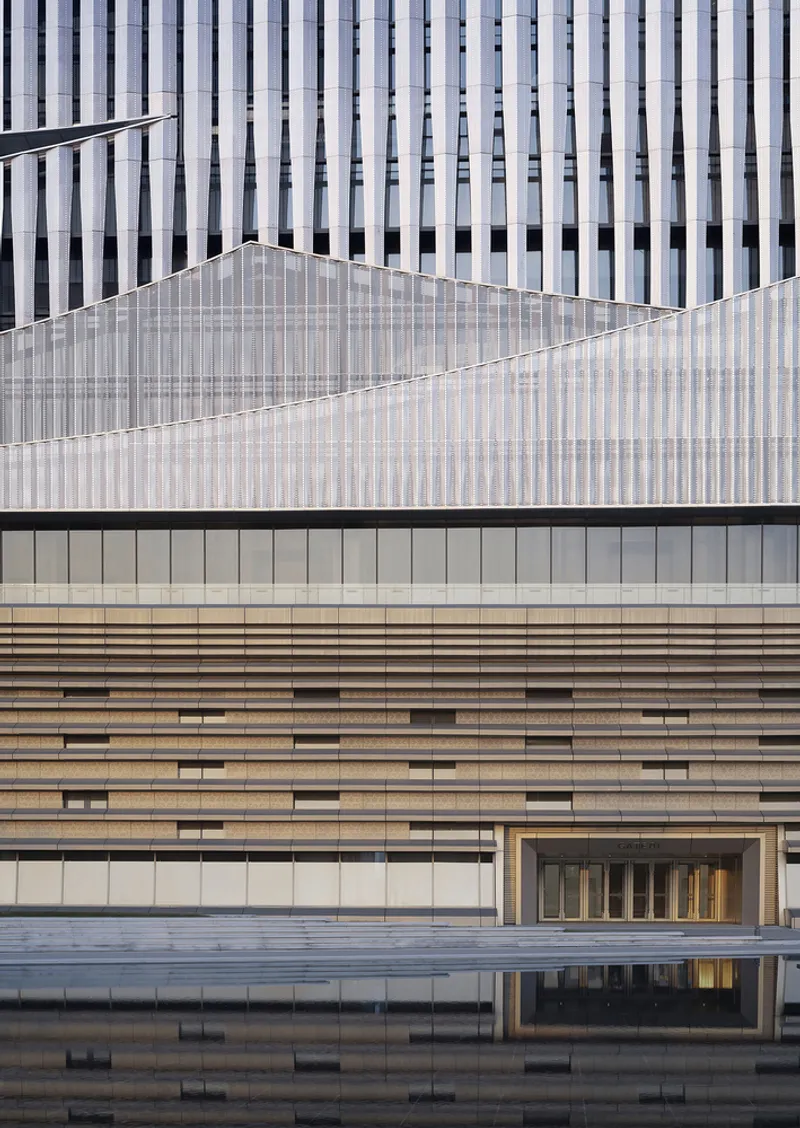
The design of the Changsha International Conference Center is a perfect example of sustainable architecture design. It draws inspiration from traditional Chinese aesthetics, such as the contours of mountains and the pattern of unfolded Chinese folding fans, while incorporating modern green building strategies. This harmonious blend of old and new underscores the project's commitment to sustaining cultural values while addressing contemporary environmental challenges.
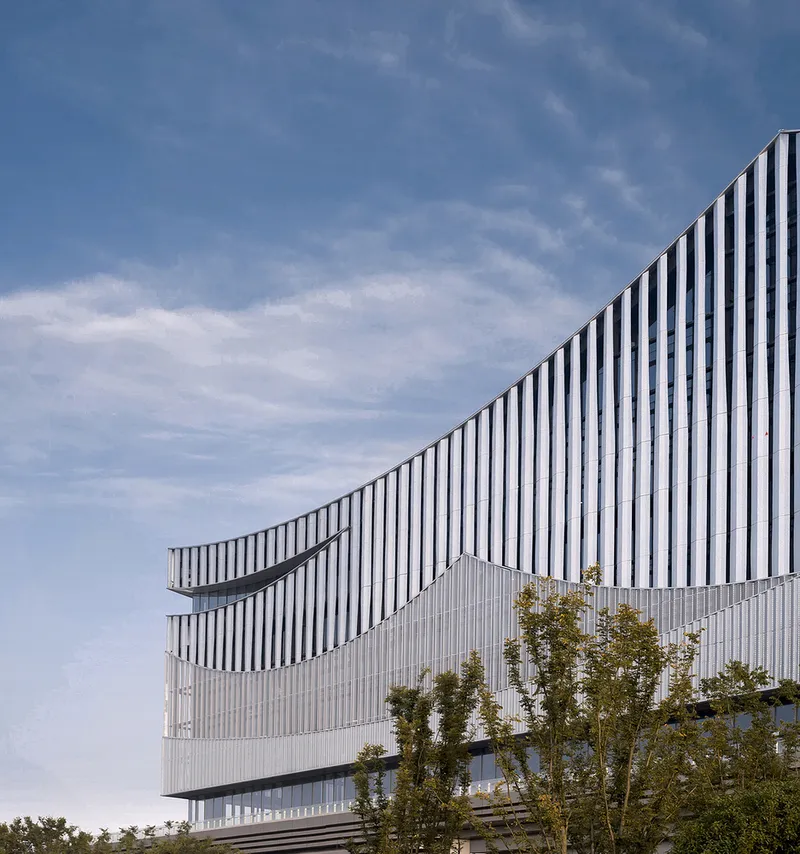
The Role of Nature and Sustainability in Design
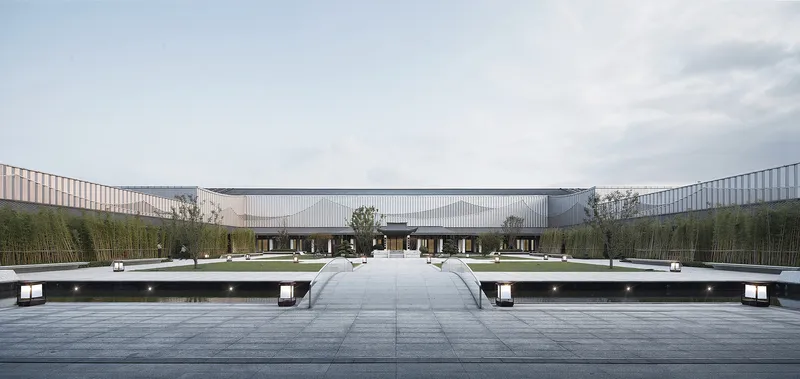
Central to the design concept is the integration of natural elements and sustainable architectural practices. The project showcases how modern buildings can respect and reflect natural surroundings while achieving high standards of energy efficiency and environmental friendliness.
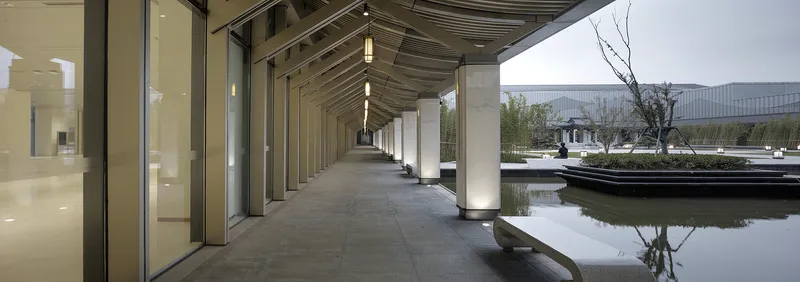
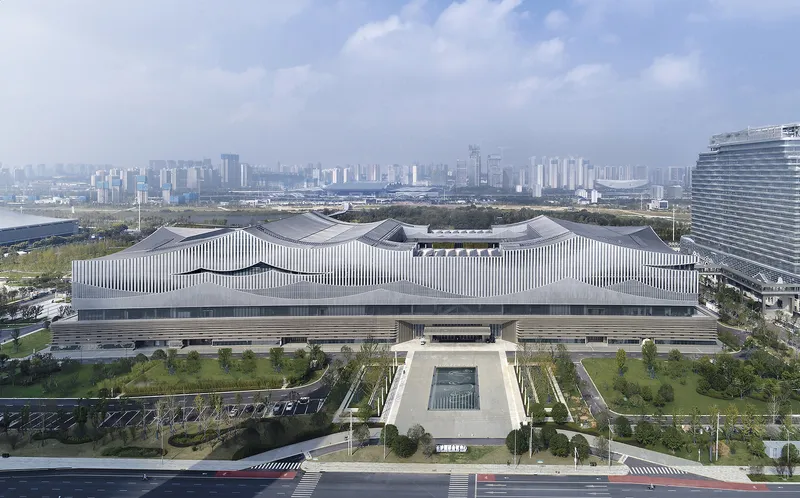
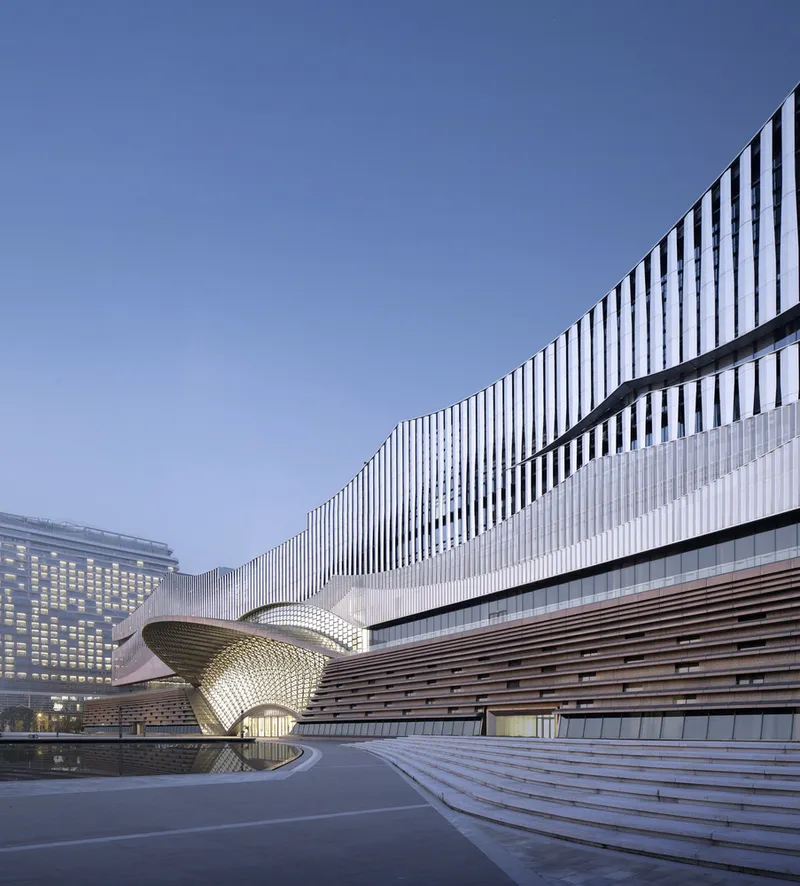
Sustainable Features and Green Technologies
Passive Energy-Saving Techniques and Active Green Solutions
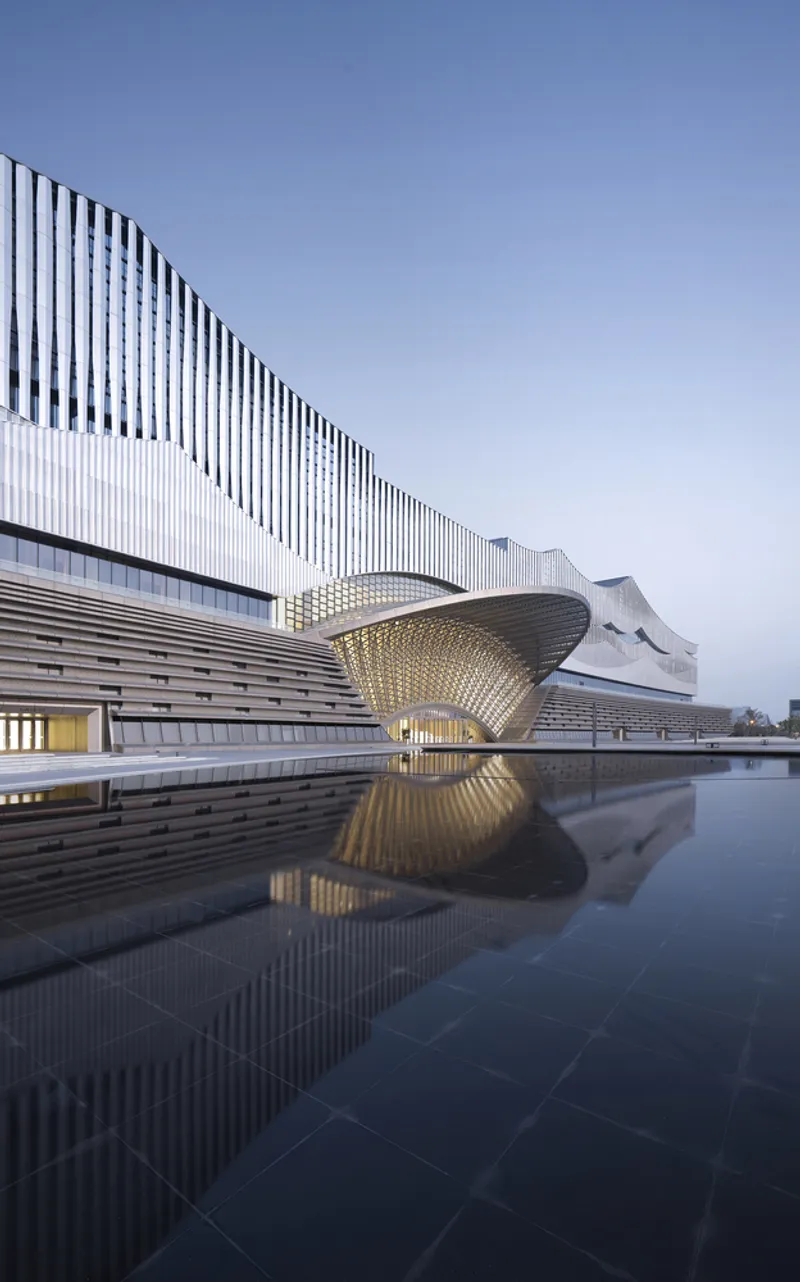
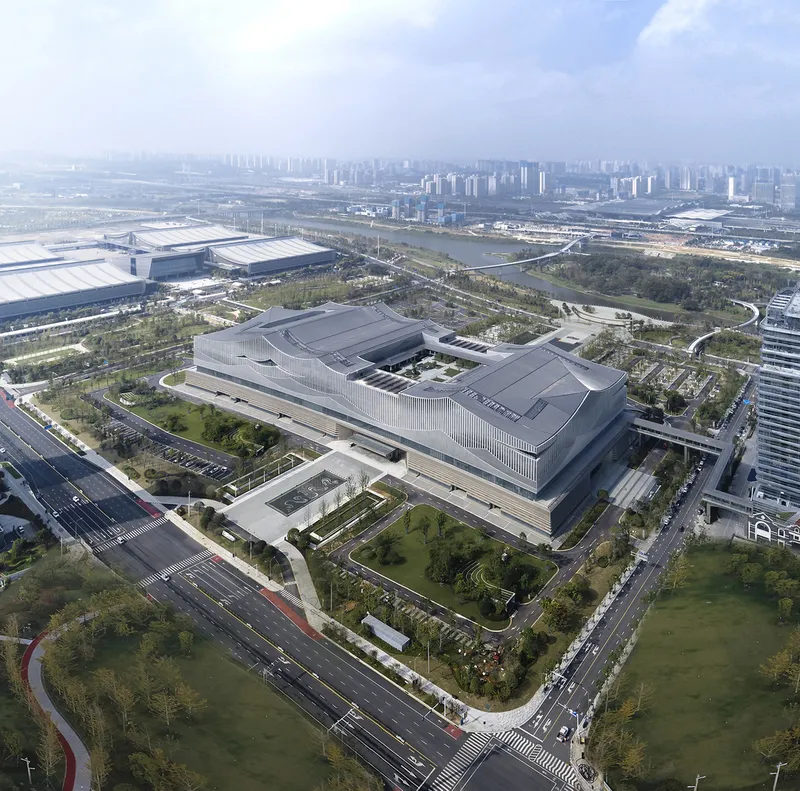
The Changsha International Conference Center is a paragon of sustainable architecture design, employing passive energy-saving techniques alongside active green solutions. From the high-performance sunshades to the comprehensive use of solar photovoltaic panels, every element is aimed at reducing the carbon footprint and enhancing the building's overall sustainability.
Green Building Standards and Environmental Impact
This project not only meets but exceeds two-star green building standards, illustrating a significant leap forward in sustainable architecture design. The thoughtful selection of materials, energy-efficient systems, and water-saving measures all contribute to a building that is both environmentally responsible and economically viable.
Impact of Sustainable Architecture on Changsha
Elevating Changsha's Global Presence Through Sustainable Design
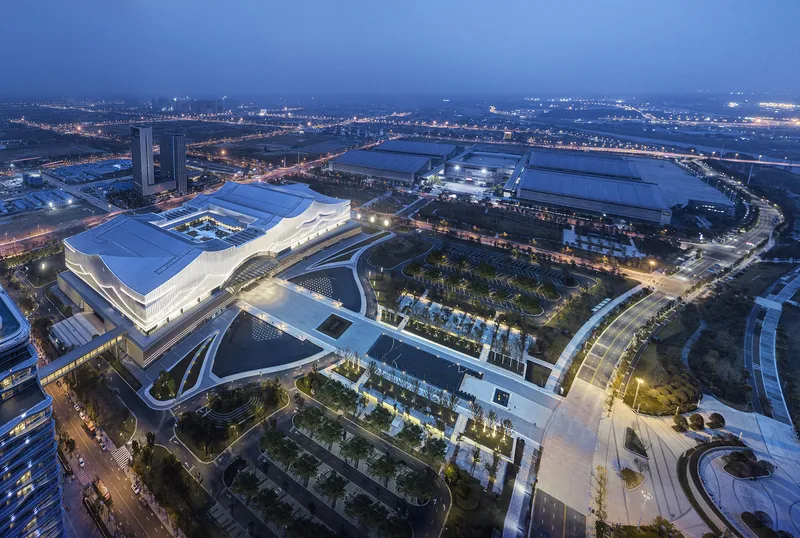
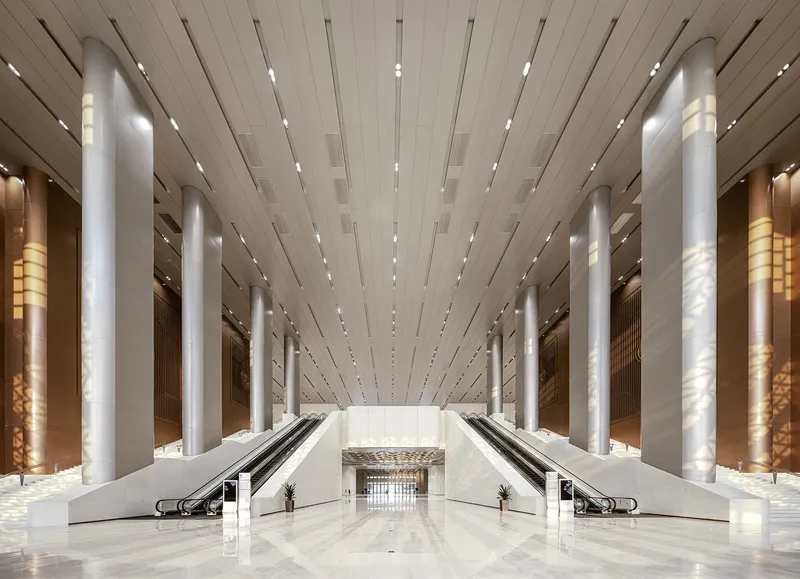
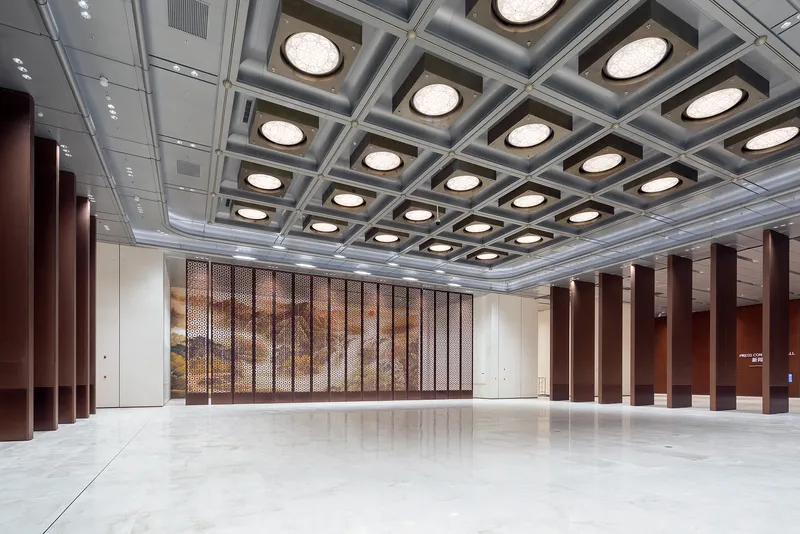
The Changsha International Conference Center has significantly augmented Changsha's global connectivity and influence, showcasing the city's commitment to sustainable development and modern architectural practices. This landmark serves as a central hub for international events, driving forward the city's vision of becoming a conference and exhibition hub in central China.
Contribution to Local Economy and Urban Development
Beyond its architectural achievements, the center plays a crucial role in boosting local economy and urban development. It stands as a new emblem of the city, enhancing Changsha's identity and attractiveness, and promoting economic and trade cooperation.
The Future of Architecture and Sustainability
The Changsha International Conference Center is more than just a building; it is a testament to the future of sustainable architecture design. It represents a shift towards integrating cultural heritage with modern environmental practices, setting a new standard for public buildings around the world.
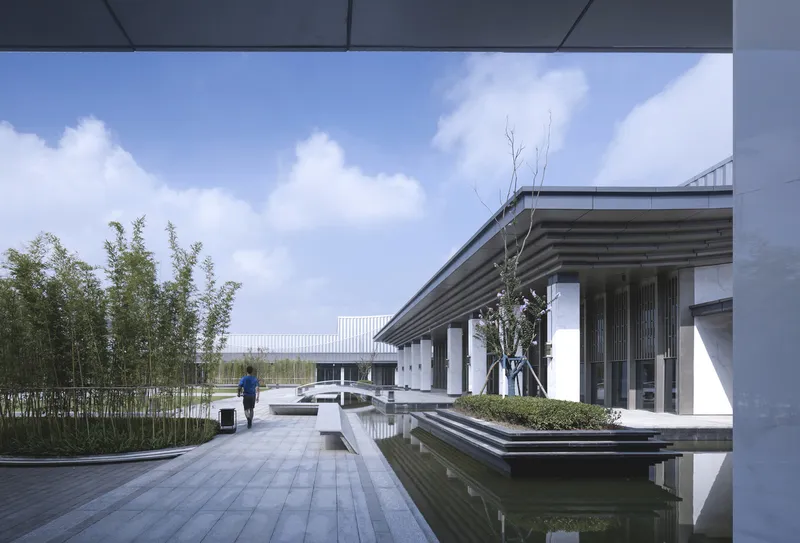
All photographs are work of Yao Li


Popular Articles
Popular articles from the community


Cube Design Draws an Ecological Corridor Between Two Shenzhen Hills with the Nankai Building
Beside Shenzhen's container docks, the Nankai Building pairs stacked balconies with a climbing green screen to connect two hillsides across its height.

Architekt Andreas Gruber Scatters 23 Dark Timber Chalets Across a South Tyrolean Forest Edge
In Molini di Tures, Amonti Chalets breaks a resort into a hamlet of gabled timber houses, with parking, storage and services pushed into the slope.

GROUP A Strips a 1969 Rotterdam Harbor Headquarters to Its Frame and Wraps It in Timber Louvers
In Rotterdam's M4H harbor district, Ferro Offices reuses a 1969 frame, adds one timber storey and reaches BREEAM-NL Outstanding.

Jaramillo Van Sluys Arquitectura and Urbanismo Turn a Demolished Registry Lot in Quito into an Orchard Plaza
In Quito's Centro Histórico, a 2,800 m² plaza exposes the San Agustín convent wall and redraws its lost Augustinian orchard in volcanic stone.

Similar Reads
You might also enjoy these articles

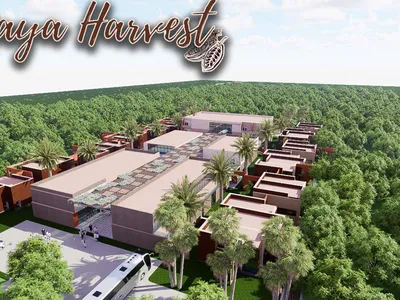
Maya Harvest: A Cacao Resort Village Rooted in Mayan Tradition and Local Craft
Situated within a Tabasco cacao plantation, this shortlisted resort proposal merges vernacular materials with hands-on cultural immersion.
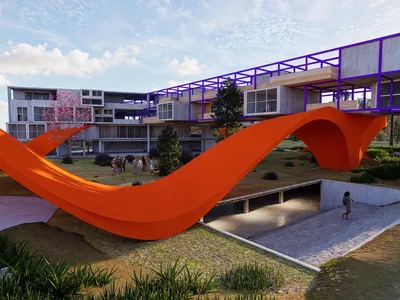
Harmonia: A River-Shaped Community That Grows Over Decades in Boa Vista
Curved pathways and modular grid structures along the Branco River create a phased settlement designed to evolve from 2030 to 2050.

The Architecture of Bathing: A Mughal Hammam Reimagined Across the Yamuna
Charlotte May's honorable mention entry for The Black Taj reinterprets Agra's bathing rituals through red sandstone, water, and framed views of the Taj Mah
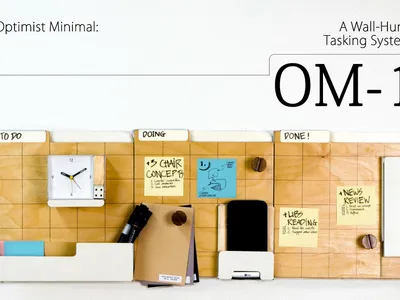
Om-1: A Wall-Hung System That Moves Your Workspace Off the Desk
Modular plywood boards, magnetic pegs, and utility elements migrate clutter from the horizontal surface to the vertical plane.

Explore World Capital of Architecture Competitions
Discover active competitions in this discipline

Challenge to design a shop stop sunk in the city

Challenge to reimagine the Iron Throne

Photograph architecture without architects

Illustrate the lost glory of Angkor Wat - Render Challenge
Comments (0)
Please login or sign up to add comments
No comments yet. Be the first to comment!