
Sustainable Community Architecture: Lakehouse Wendelstrand by Snøhetta in Sweden
Lakehouse Wendelstrand by Snøhetta exemplifies sustainable community architecture, blending nature, culture, and design to create a vibrant eco-conscious neighborhood.


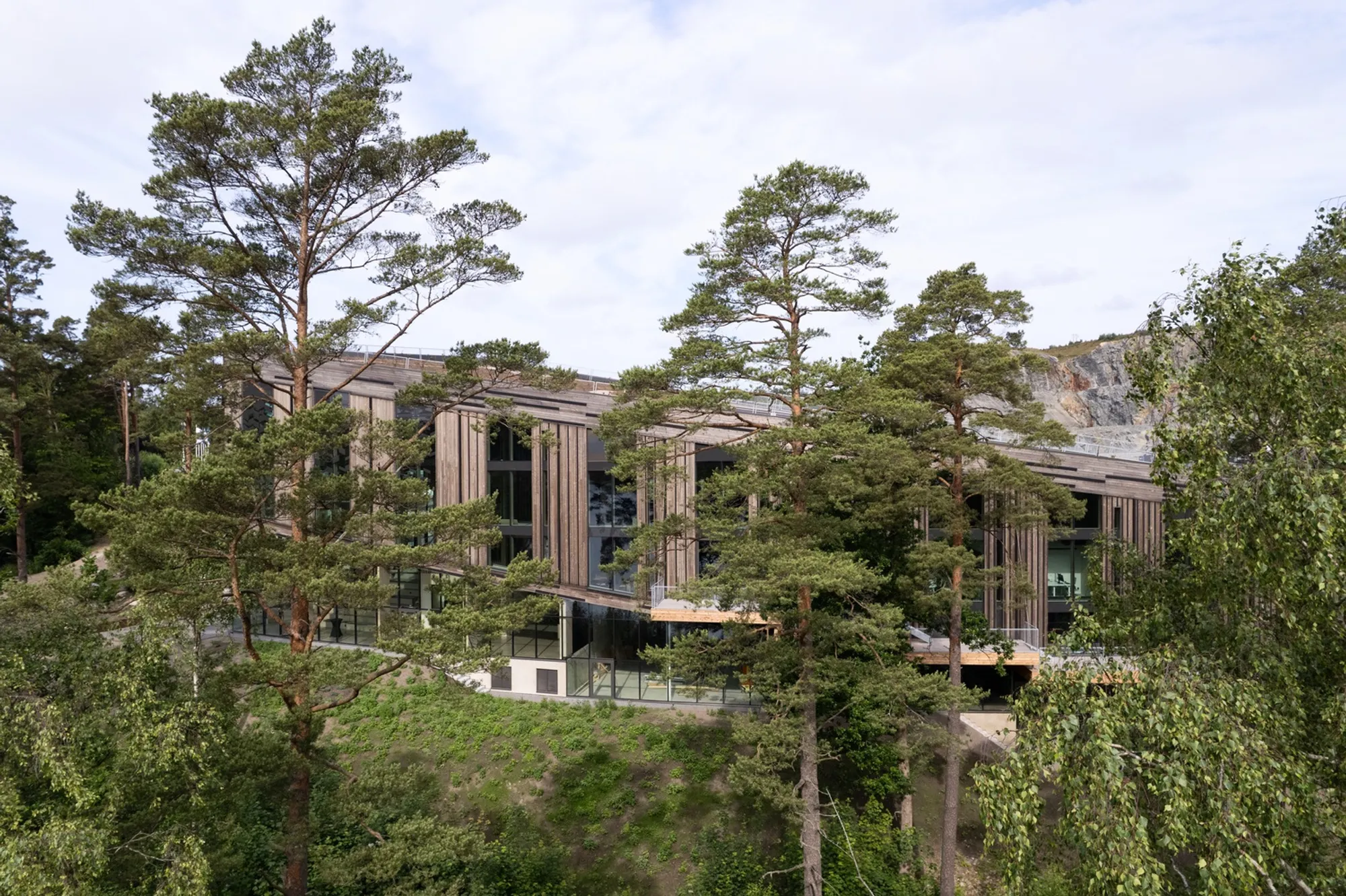
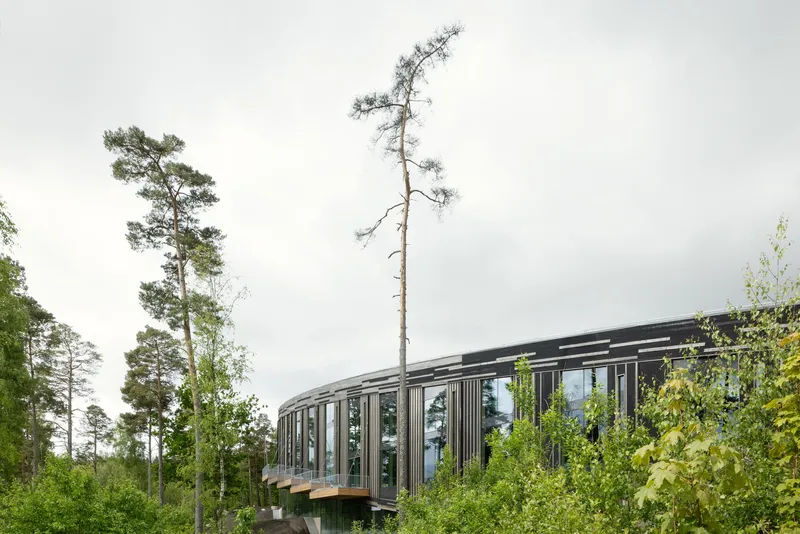
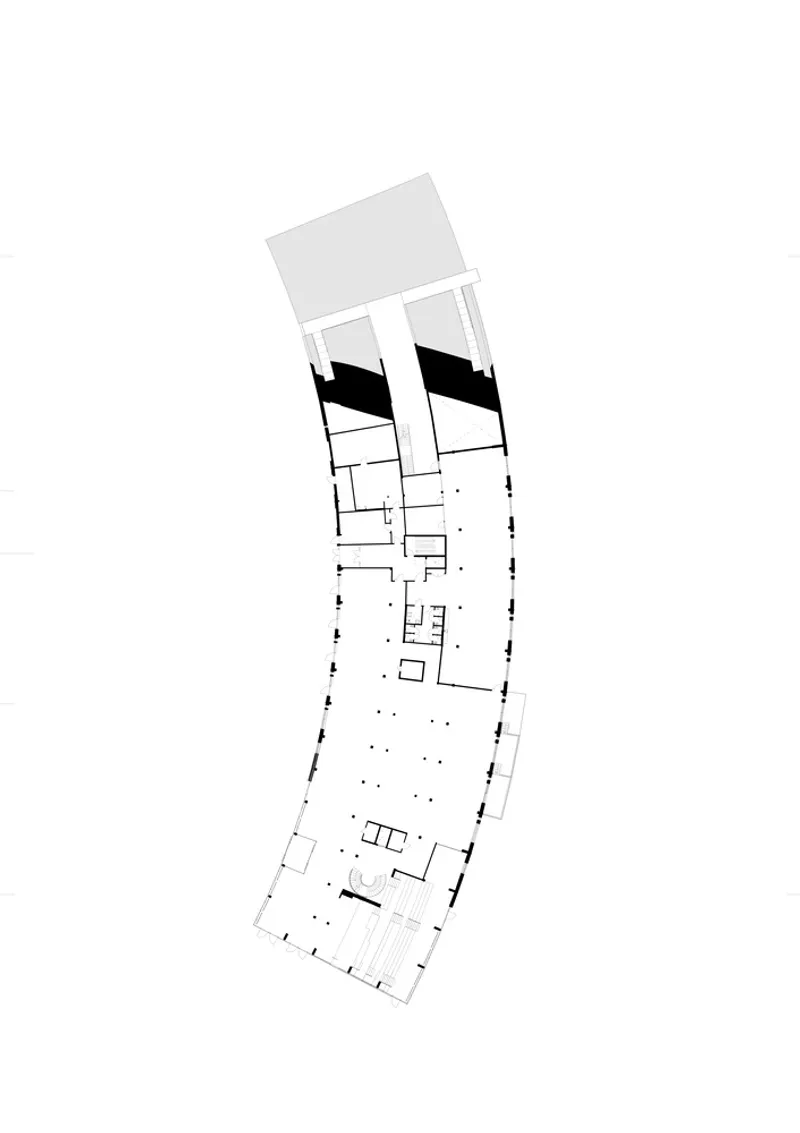
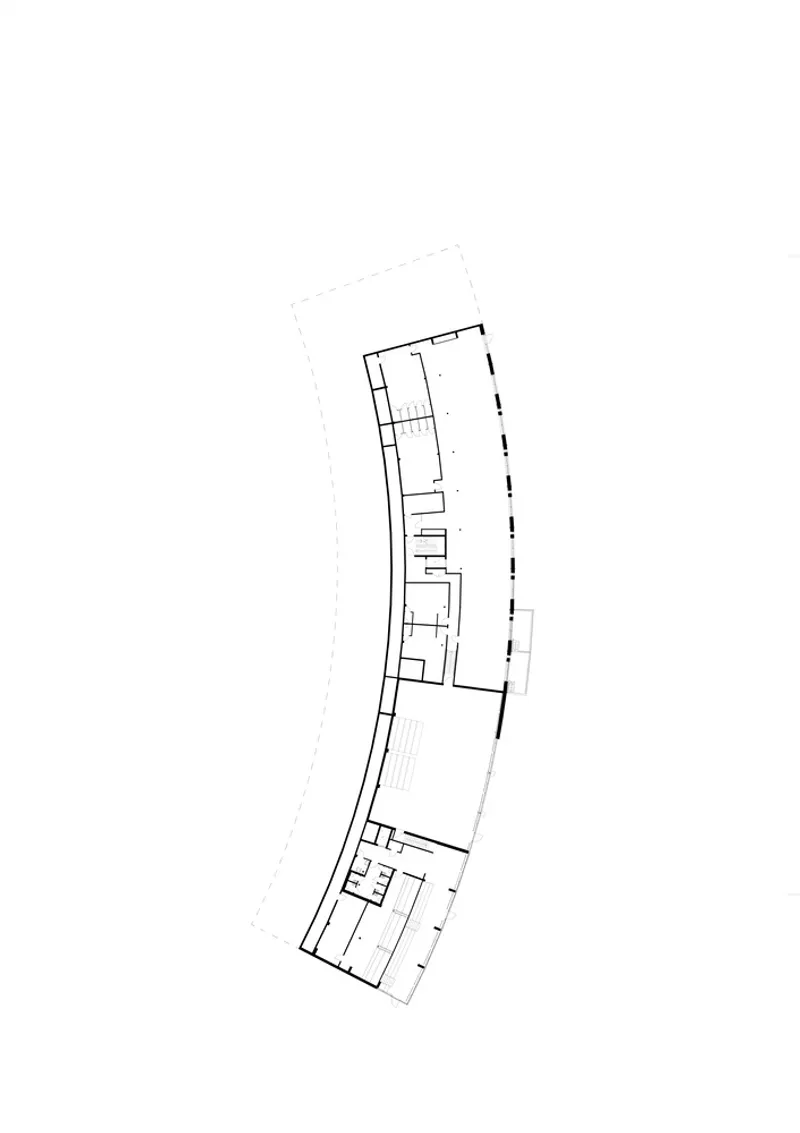
In Mölnlycke, just outside Gothenburg, Snøhetta has created a pioneering model of sustainable community architecture with Lakehouse Wendelstrand. Completed in 2025, the project transforms a former quarry into a vibrant, eco-conscious neighborhood where architecture, nature, and community coexist. Spanning 6,264 m², the Lakehouse is the social heart of Wendelstrand, offering cultural, recreational, and communal spaces that set the tone for the 1,000 homes that will surround it.
From Quarry to Sustainable Neighborhood
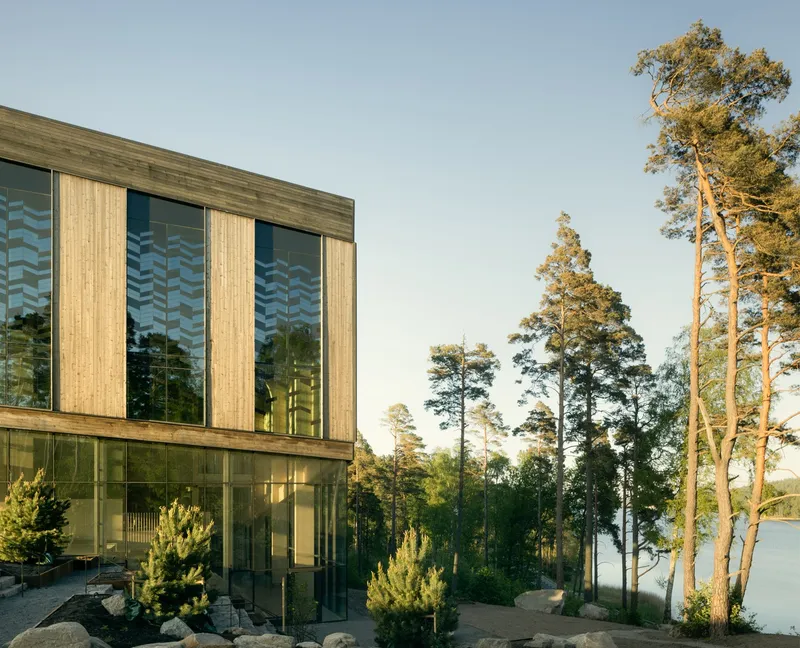
The story of Wendelstrand began with the regeneration of an old quarry scarred into the landscape. Instead of building housing first, developers prioritized community and sustainability by constructing the Lakehouse—a central gathering point. The project reimagines how neighborhoods can evolve, ensuring residents feel connected through shared experiences while living amid forests, lakes, and expansive open spaces.
Lakehouse as a Community Anchor
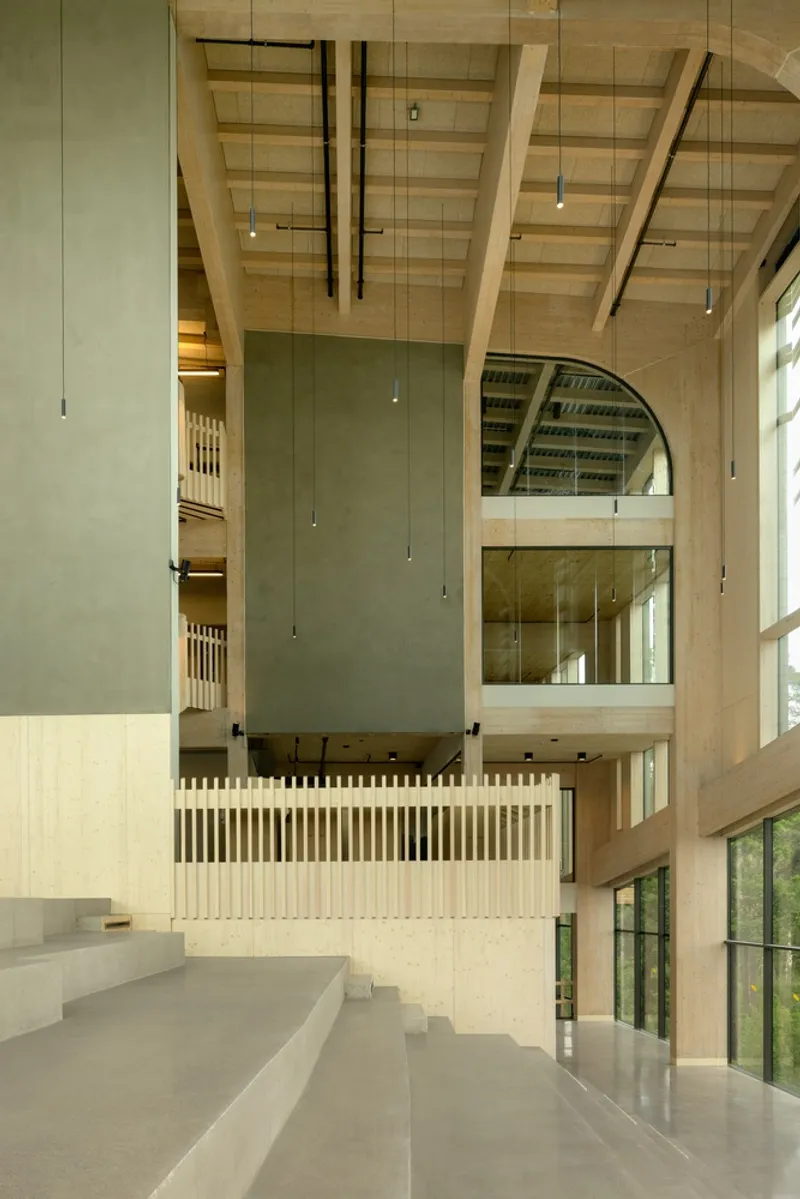
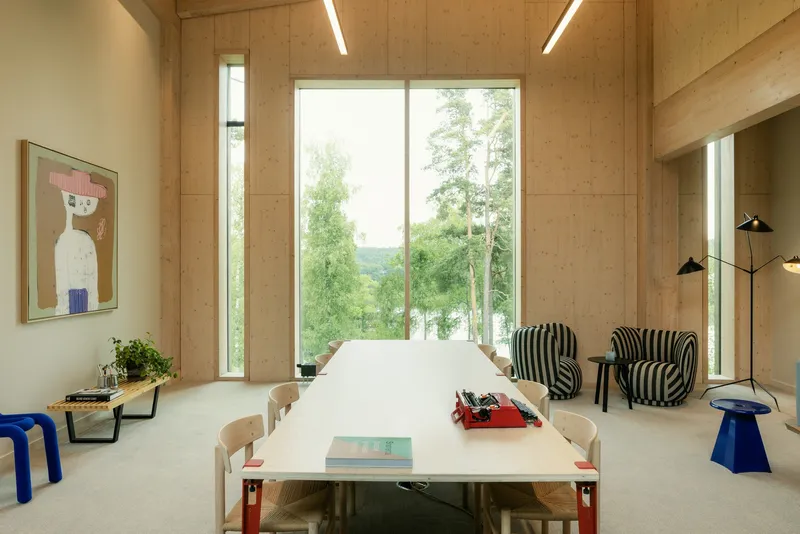
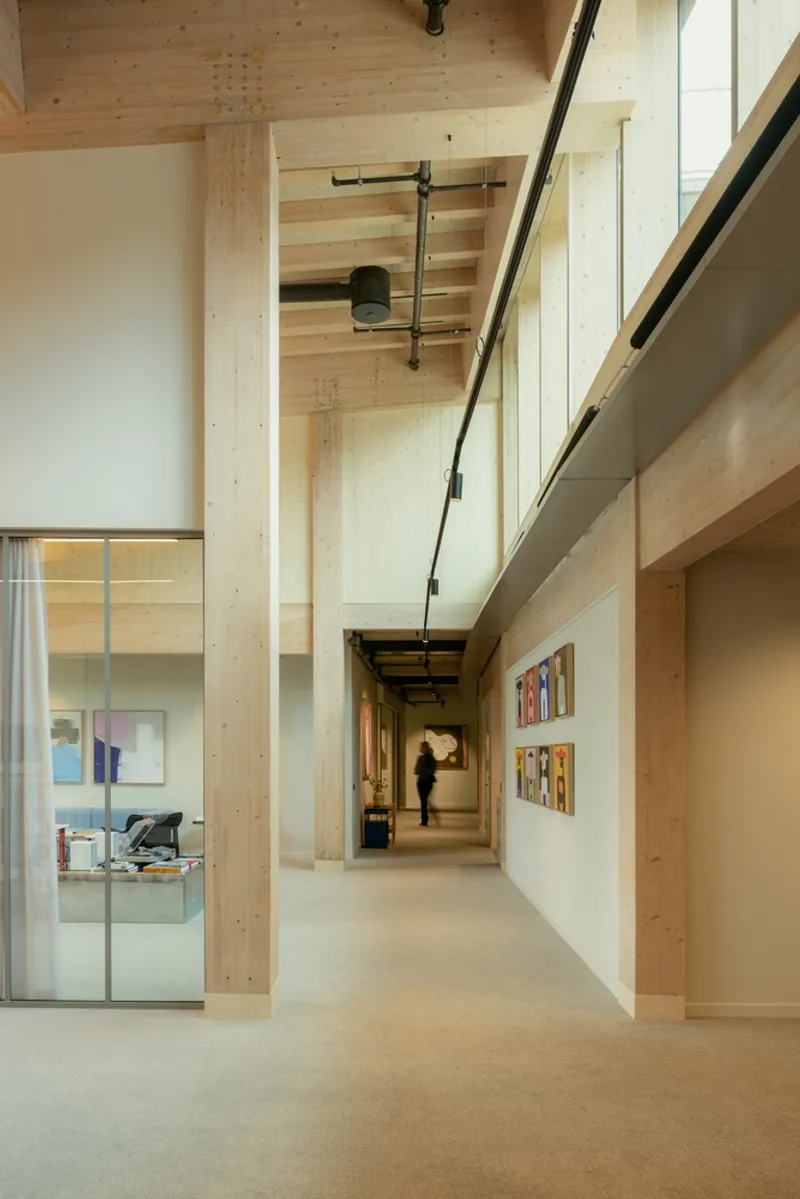
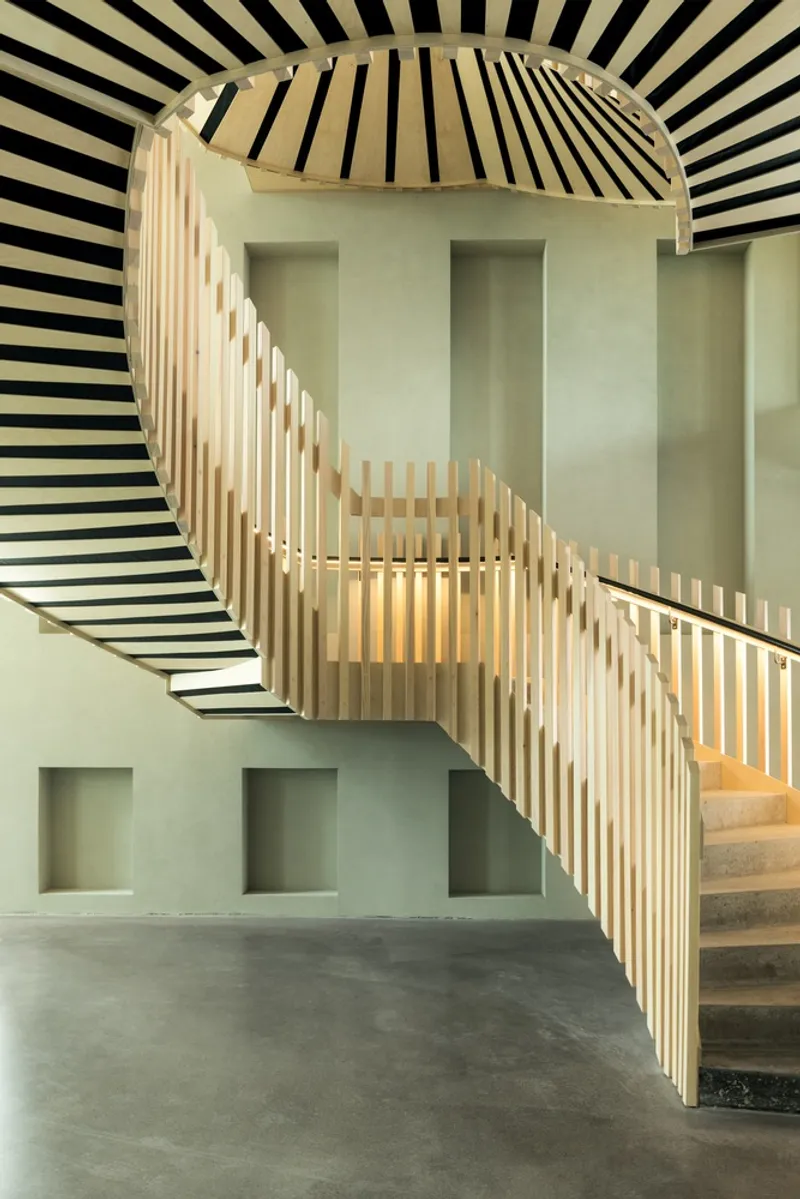
The Lakehouse Wendelstrand is more than just a building; it is a shared hub where work, leisure, and culture merge. Housing office spaces, dining venues, and a fitness center, the structure provides daily functionality while doubling as a venue for concerts, performances, and private events. Its open atrium and outdoor amphitheater create spaces for interaction, dialogue, and relaxation—making it the beating heart of this new sustainable district.
Architectural Form and Materiality
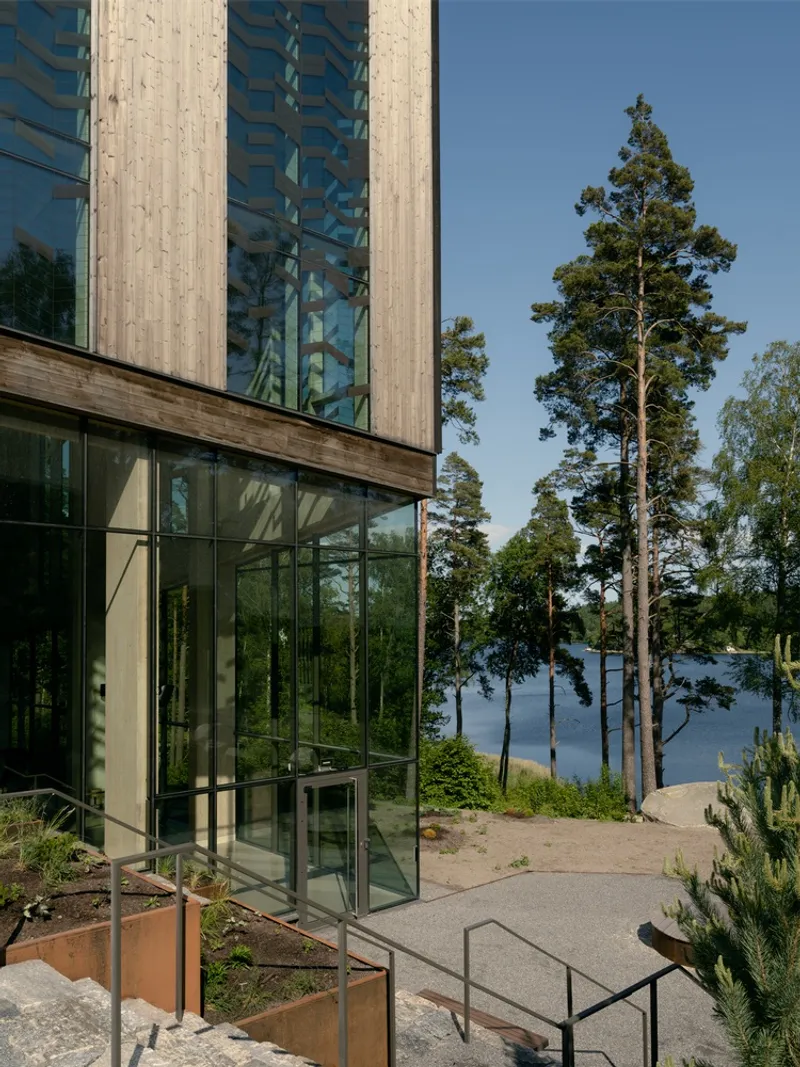
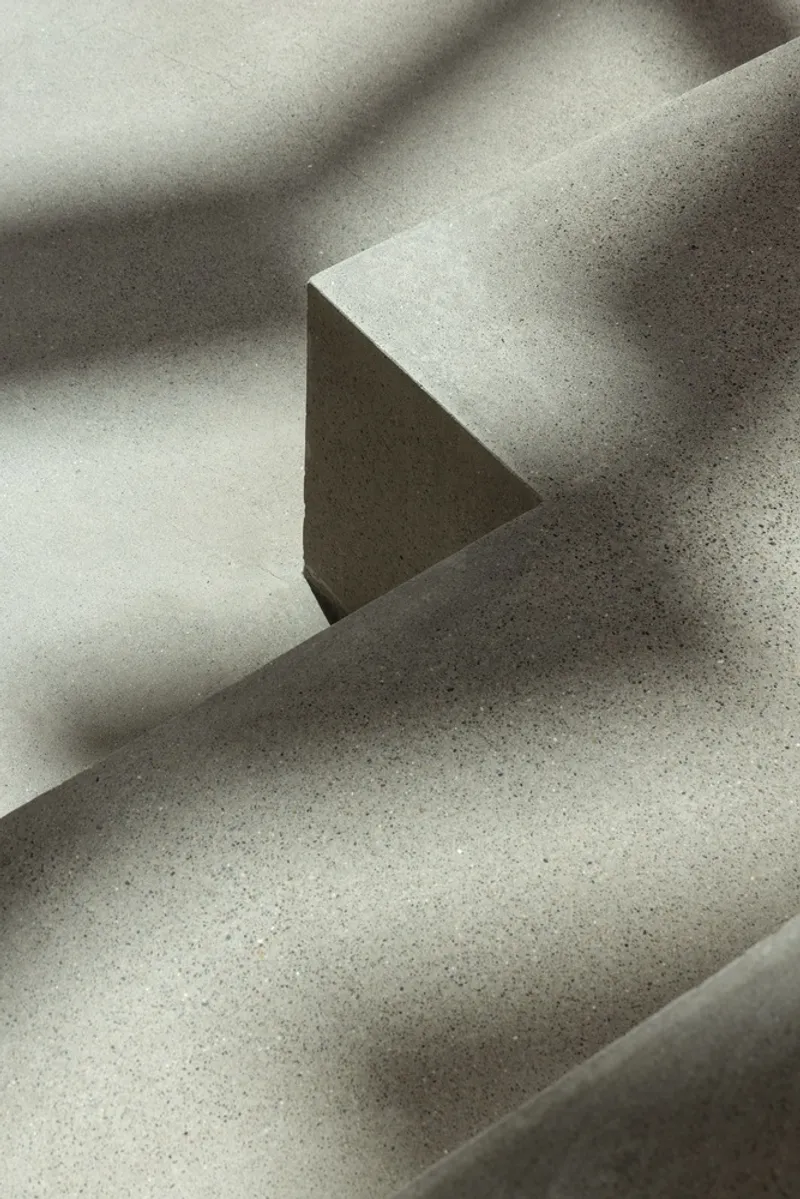
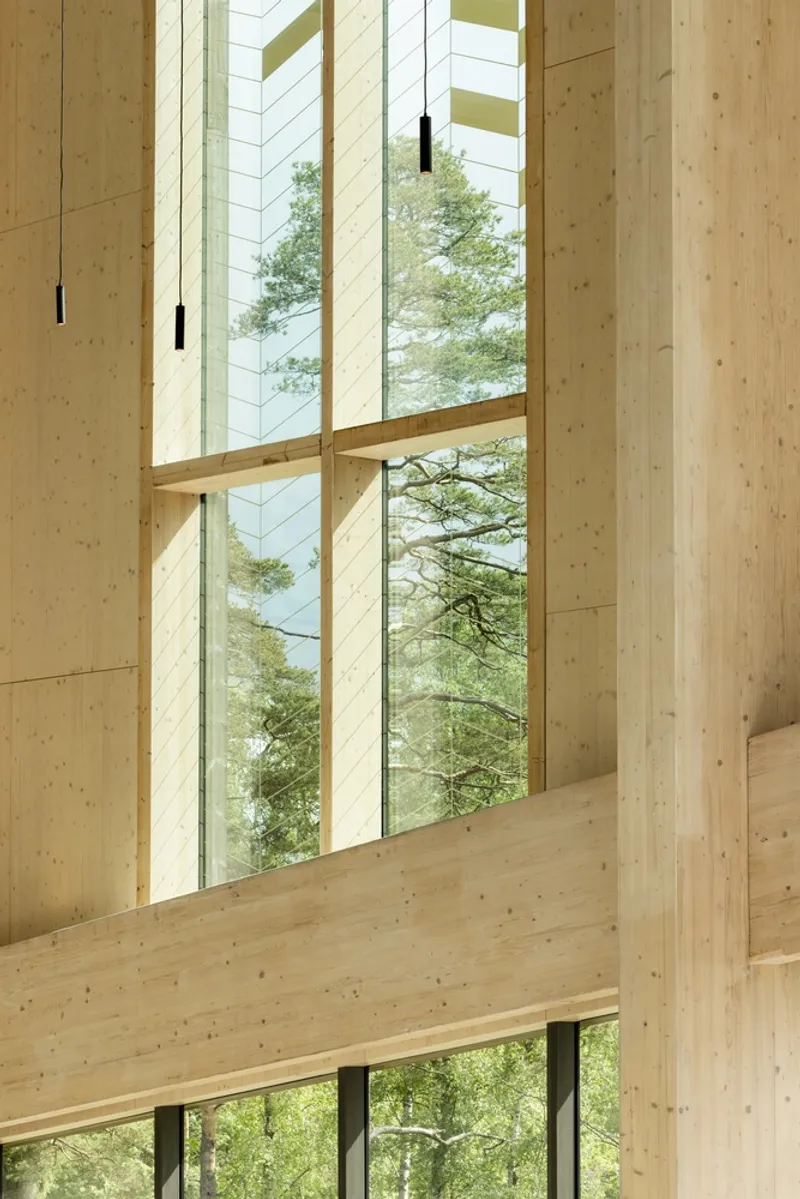
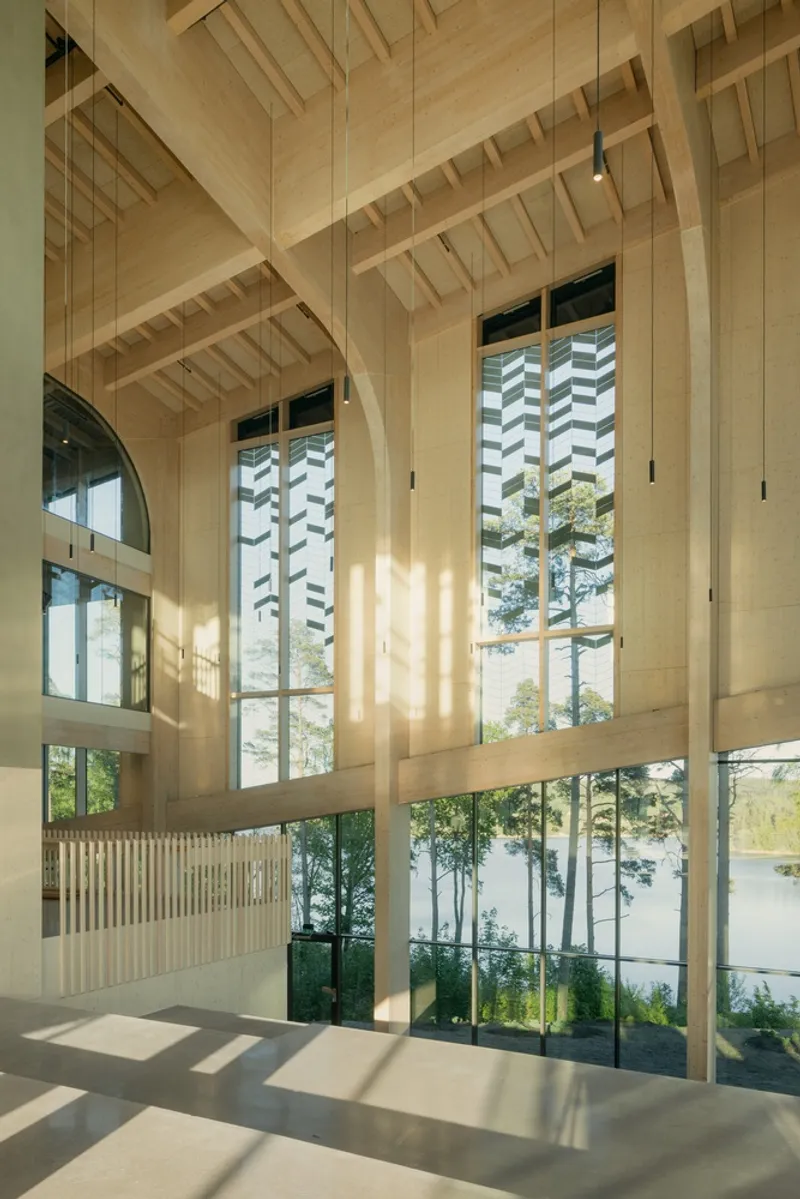
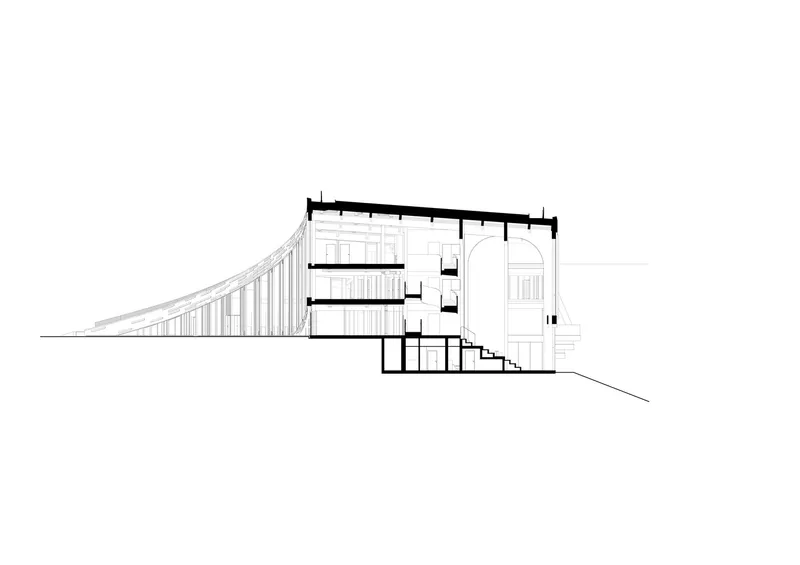
The elongated structure rises like a spine in the landscape, bridging the existing and the new, the indoors and outdoors. Inspired by the site’s quarry past, the two lower floors are built with concrete and stone, anchoring the Lakehouse into its bedrock setting. In contrast, the upper levels embrace glulam and laminated timber sourced from Swedish and Norwegian pine and spruce, reflecting the surrounding forest.
Large glass panels wrap the building, with patterned detailing that recalls dappled sunlight through treetops while minimizing solar heat gain. This architectural dialogue between stone, timber, and glass highlights the layered approach of sustainable community architecture, balancing resilience with warmth and transparency.
Green Roofscape and Biodiversity
Perhaps the most striking feature of the Lakehouse is its living roofscape. Designed as a continuation of the natural environment, the rooftop gardens are covered with moss, wildflowers, grasses, blueberries, and heather. These elements enhance biodiversity, absorb rainwater, and reduce heat while offering residents walkways, terraces, and spaces to enjoy panoramic lake views. The building’s top mimics a treetop canopy, blending seamlessly with the surrounding forest.
A Vision for Sustainable Living
Wendelstrand is more than a residential development; it is a model of sustainable living. The district prioritizes pedestrian- and bike-friendly streets, efficient public transport, and shared services such as electric car pools. Energy-conscious building practices and material choices reduce the carbon footprint, while thoughtful planning integrates opportunities for outdoor activities—forest walks, lake swims, and mushroom picking—all within walking distance.
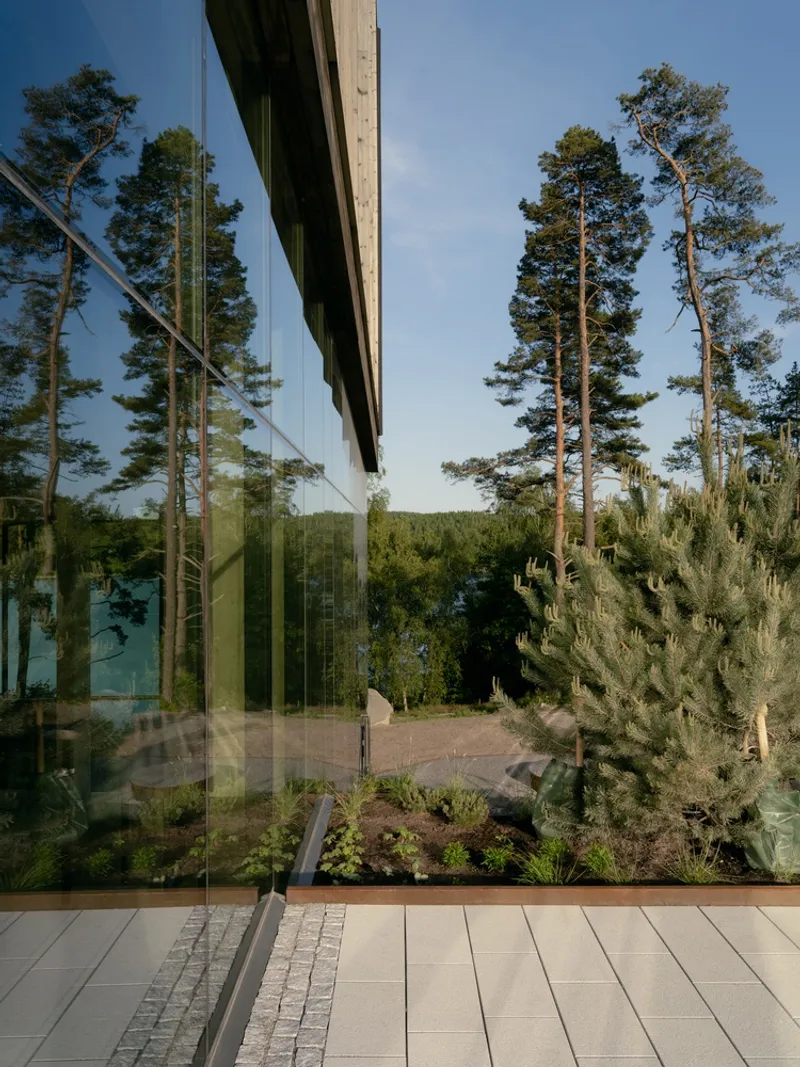
The Lakehouse ensures that sustainability extends beyond ecology into social life. It fosters connections, encourages collaboration, and provides cultural opportunities that transform a commuter town into a thriving, sustainable community.
Lakehouse Wendelstrand by Snøhetta exemplifies sustainable community architecture, demonstrating how design can regenerate landscapes, nurture biodiversity, and strengthen social bonds. By placing community and sustainability at the core, this project redefines what it means to live in harmony with nature while offering the cultural and social infrastructure of a modern neighborhood.
All photographs are works of Kalle Sanner



Popular Articles
Popular articles from the community


Play: Fragments of Their World
Familiar architecture becomes modular playground design, creating safe spaces where displaced children can learn, connect, imagine and play.

Riyadh For All: Intergenerational Urban Design for Active Aging in Rabat
Riyadh For All reimagines urban design in Rabat with intergenerational co-living, adaptive courtyards, and Moroccan cultural exchange today.

The Ocean Hive: Sustainable Architecture for a Self-Sufficient Civilization at Sea
The Ocean Hive imagines sustainable architecture at sea, where modular habitats, algae, wave power and ocean waste sustain a growing colony.

The Earth Pod: 3D Printed Homes for Resilient Refugee Communities
The Earth Pod reimagines refugee housing through 3D printed homes made from clay, combining resilience, self-sufficiency, and rapid shelter.


Similar Reads
You might also enjoy these articles

Bamboo Housing Challenge 2026: Design Affordable, Sustainable Homes Using Bamboo
An international design competition by Bamboo U and IBUKU inviting architects and designers to reimagine affordable housing using bamboo — with the winning design built full-scale in Bali.

Computational Design & Education: Beegraphy Design Awards Introduces 7th Category (Featuring Jiyun's Innovative Approach)
Dive into Beegraphy’s 7th Design Awards category, where computational design meets education to create immersive, interactive learning tools, inspired by Jiyun’s work.

From Parametric Lighting to Urban Furniture: Join the 2nd Workshop in Beegraphy’s Computational Design Series
Dive into Cutting-Edge Design Techniques and Practical Applications with Industry Experts

Last Call: Unleash Your Architectural Genius in SHAK's Kindergarten Design Competition
Urgent call for architects to join SHAK's kindergarten design competition before the looming deadline


Explore Nordic Sustainable Architecture Competitions
Discover active competitions in this discipline



Challenge to reimagine the Iron Throne


Photograph architecture without architects


Illustrate the lost glory of Angkor Wat - Render Challenge


Design challenge to reuse E-waste
Comments (0)
Please login or sign up to add comments
No comments yet. Be the first to comment!