

Sustainable Office Design in Historic Gardens: Hannibal Advertising by ROHM
The article explores Hannibal Advertising Offices, showcasing sustainable office design blending modern architecture with a preserved historic garden.


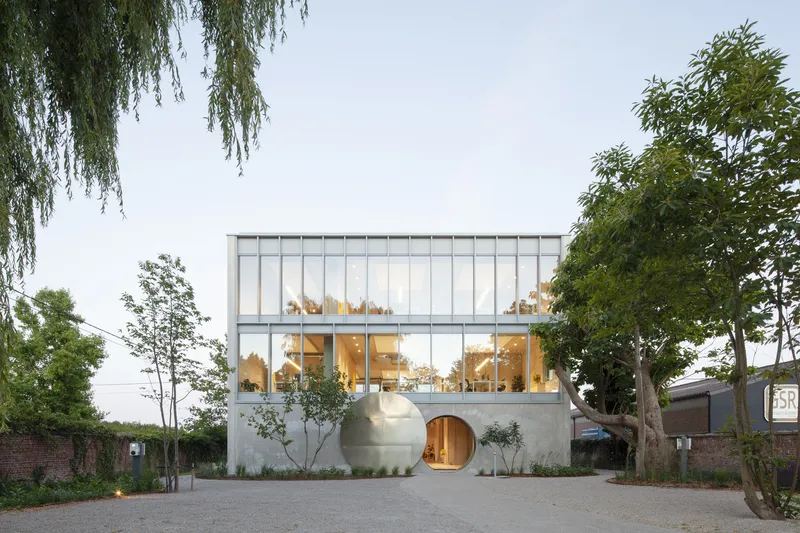
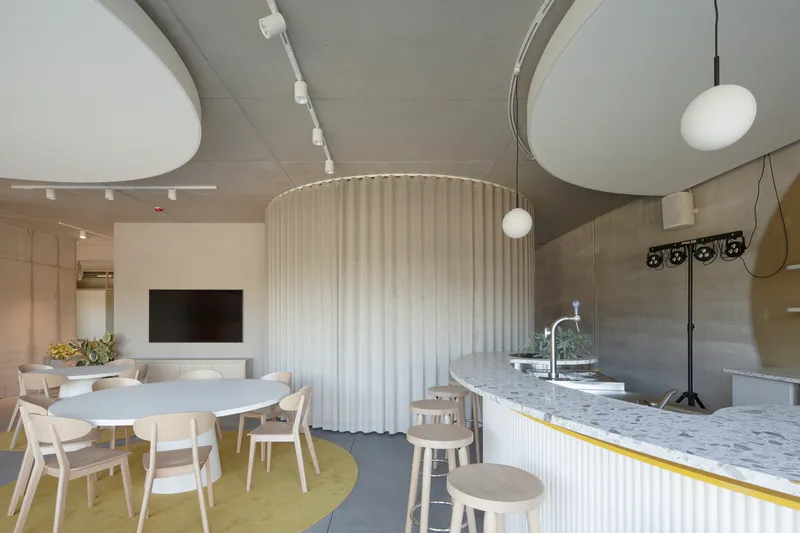
Located on the edge of Roeselare’s port in Belgium, the Hannibal Advertising Offices is a brilliant example of how modern architecture can integrate with nature and history. Designed by ROHM, this 850 m² office building combines innovative techniques, compact planning, and a preserved historic garden to deliver a space that is both functional and environmentally conscious.
A Historic Garden Restored
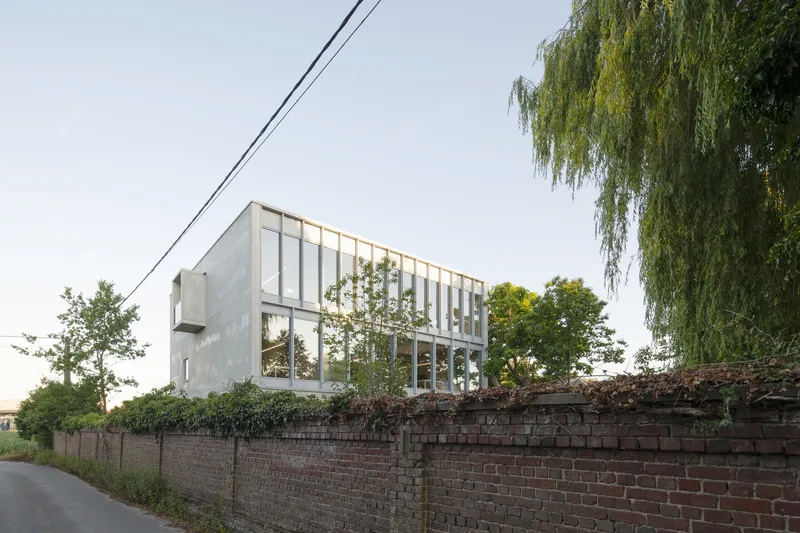
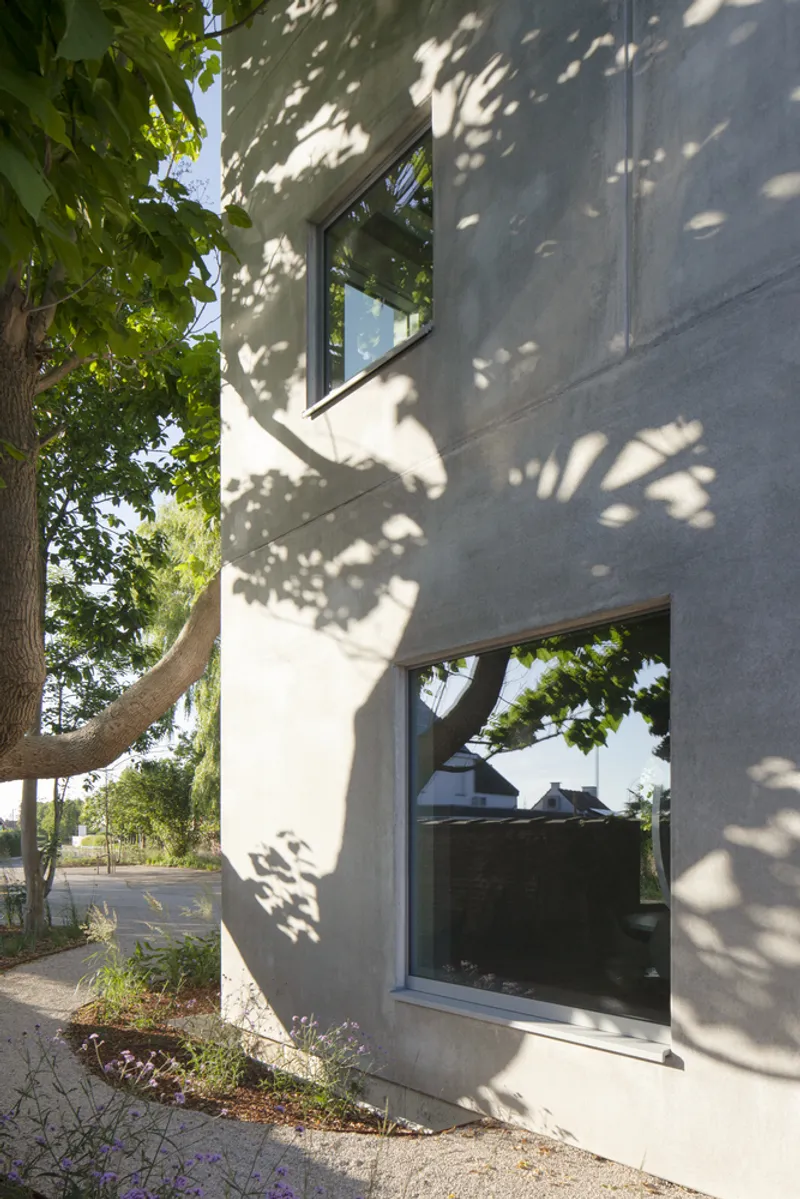
The site of the Hannibal Advertising Offices is marked by a forgotten summer garden, a rare find in its industrial surroundings. The architects retained the garden's wild charm, planting additional trees and introducing thoughtful landscaping. Activities such as petanque, live music, hammock lounging, and outdoor conferencing highlight the multipurpose nature of the garden.
This preservation enhances biodiversity and creates a serene buffer between the building and its urban context.


A Compact and Balanced Design
To maintain harmony with the surrounding landscape, the building occupies a compact footprint. The program is stacked across three floors, ensuring that the structure integrates seamlessly with the garden and retains the site's iconic walled boundary.
Key features of the design include:
- Stacked Layout: Ensuring optimal space utilization for offices and parking without encroaching on green areas.
- Compact Volume: Balancing modern architecture with natural surroundings.


Functional Spaces for Creativity and Collaboration
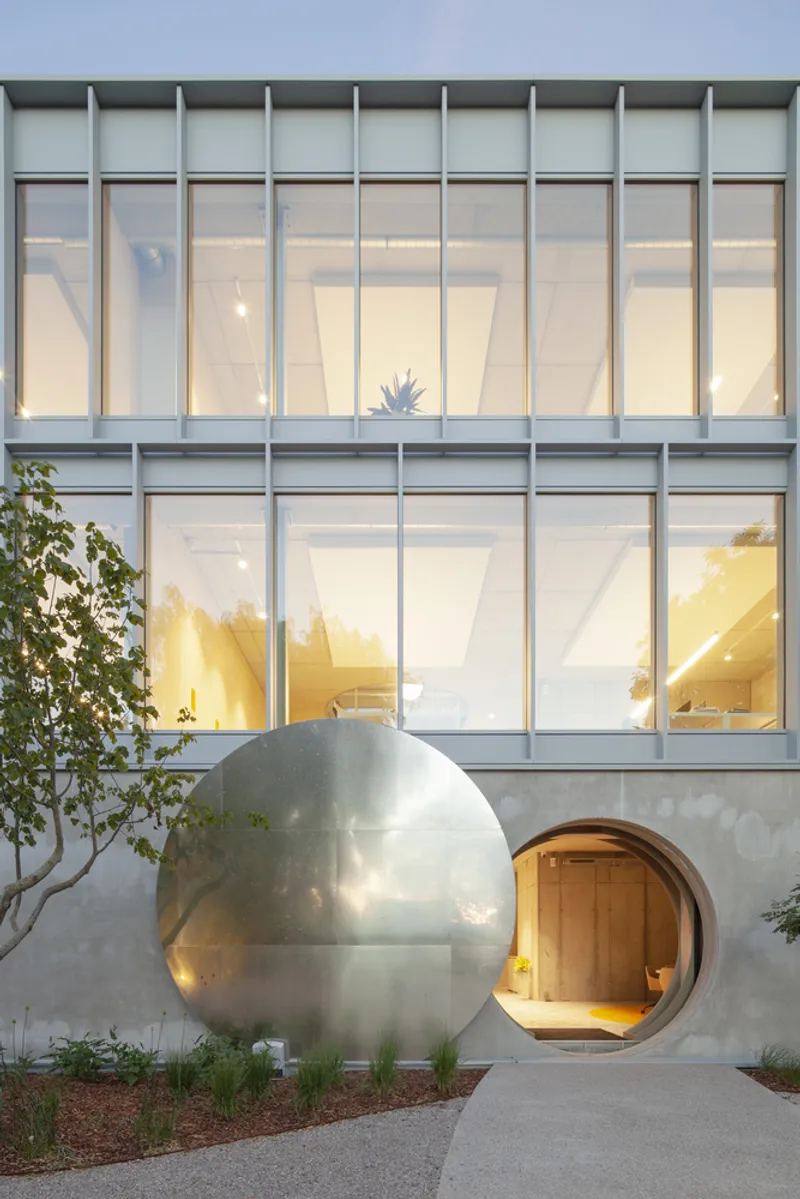
The building prioritizes functionality, particularly on the ground floor, which houses shared spaces like the lunchroom, studio, and meeting rooms. Designed as the creative hub, this floor doubles as a bar for informal gatherings and customer meetings.
The upper floors accommodate:
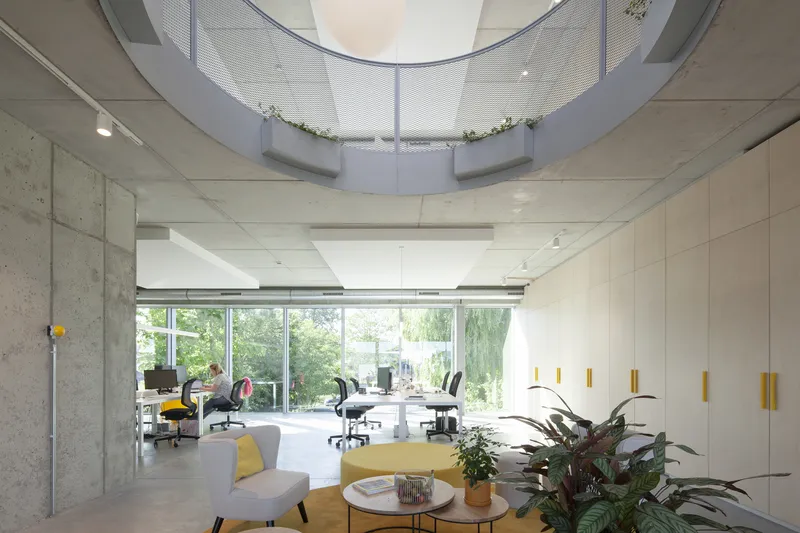
- Office spaces for 32 employees.
- Meeting rooms.
- Quiet zones for focused work.
A vertical void connects the two upper floors, creating visual and spatial continuity while offering panoramic views of the city skyline.

Integration of Sustainability
The Hannibal Advertising Offices embodies sustainable office design, incorporating strategies to reduce its environmental impact:
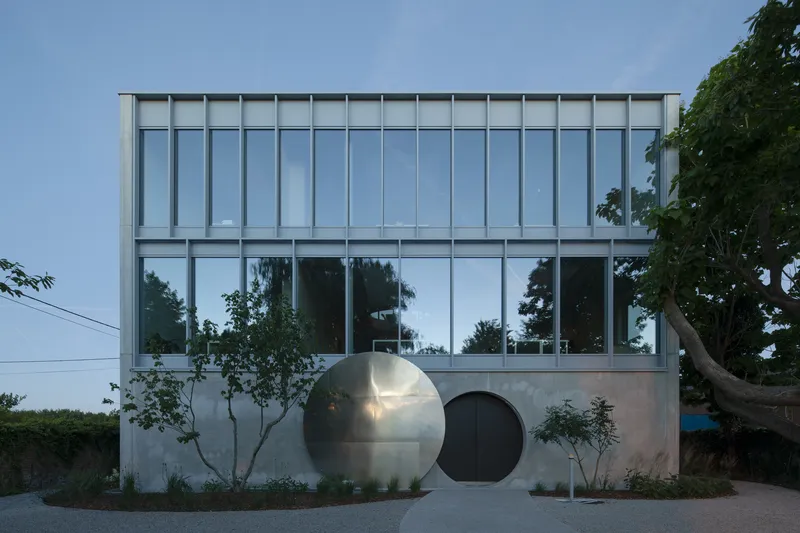
- Shading: The compact building enjoys the natural shade provided by surrounding trees, reducing energy consumption.
- Minimized Heat Load: Blind end facades limit heat gain.
- Concrete Core Activation: An innovative cooling technique that uses ventilated, slightly dried air to climatize the building efficiently.
These methods not only enhance energy efficiency but also promote a comfortable indoor environment.

Architectural Techniques and Structural Details
Designed by lead architects Sander Vrhanneman and Dirk Liekens, with BM Engineering handling structural and HVAC aspects, the Hannibal Advertising Offices stands as a beacon of technical prowess. Its ventilation and climate control systems demonstrate how architecture can adapt to environmental challenges while prioritizing user comfort.
The Hannibal Advertising Offices by ROHM exemplifies the future of sustainable office design, merging historic preservation with modern functionality. By creating a space that fosters collaboration, supports creativity, and respects its natural and historical context, it sets a new standard for architecture.
For businesses and architects seeking inspiration, this project demonstrates how sustainability, history, and innovation can coalesce to produce timeless designs.


All photographs are work of Johnny Umans


Popular Articles
Popular articles from the community


Jaramillo Van Sluys Arquitectura and Urbanismo Turn a Demolished Registry Lot in Quito into an Orchard Plaza
In Quito's Centro Histórico, a 2,800 m² plaza exposes the San Agustín convent wall and redraws its lost Augustinian orchard in volcanic stone.

GROUP A Strips a 1969 Rotterdam Harbor Headquarters to Its Frame and Wraps It in Timber Louvers
In Rotterdam's M4H harbor district, Ferro Offices reuses a 1969 frame, adds one timber storey and reaches BREEAM-NL Outstanding.

Architekt Andreas Gruber Scatters 23 Dark Timber Chalets Across a South Tyrolean Forest Edge
In Molini di Tures, Amonti Chalets breaks a resort into a hamlet of gabled timber houses, with parking, storage and services pushed into the slope.

David Ortega Stacks a Two-Story Mexico City Penthouse Around a Steel Stair and a Pergola-Shaded Roof Terrace
In Colonia Roma, a 300 m² penthouse uses oak joinery, a planted steel stair and a slatted roof pergola to make a new-build apartment feel like a house.

Similar Reads
You might also enjoy these articles


Hodi-Mandai Geram
Project Function: Preservation and revitalization of the Intangible heritage and socio-spatial identity of the Hodi by Housing, Cultural Memory Center, Sacred Grove, landscape, local tourism economy


Olio Towers: A Mid-Rise for Performers That Fuses Housing, Rehearsal, and Stage
Located blocks from Houston's Theater District, this modular tower stacks living units around a central performance atrium.

Oasis: Modular Green Housing Carved into Dhaka's Urban Fabric
A shortlisted Plugin Housing entry reclaims unauthorized settlements in Dhaka with stepped concrete volumes, green roofs, and ventilation-driven design.

Black Hole: A Floating Megastructure for the Post-Physical Era
Emiliano Mazzarotto envisions a spherical, self-scaling arena where e-sports, digital hotels, and holographic stadiums replace traditional public space.

Explore Office De Architects Competitions
Discover active competitions in this discipline

Challenge to reimagine the Iron Throne

Photograph architecture without architects

Illustrate the lost glory of Angkor Wat - Render Challenge

Design challenge to reuse E-waste
Comments (0)
Please login or sign up to add comments
No comments yet. Be the first to comment!