

Sustainable Research Facility Architecture: Science Research Center at University of Connecticut by Payette
The Science Research Center at UConn by Payette sets a new benchmark in sustainable research facility architecture with integrated landscape and energy-efficient design.


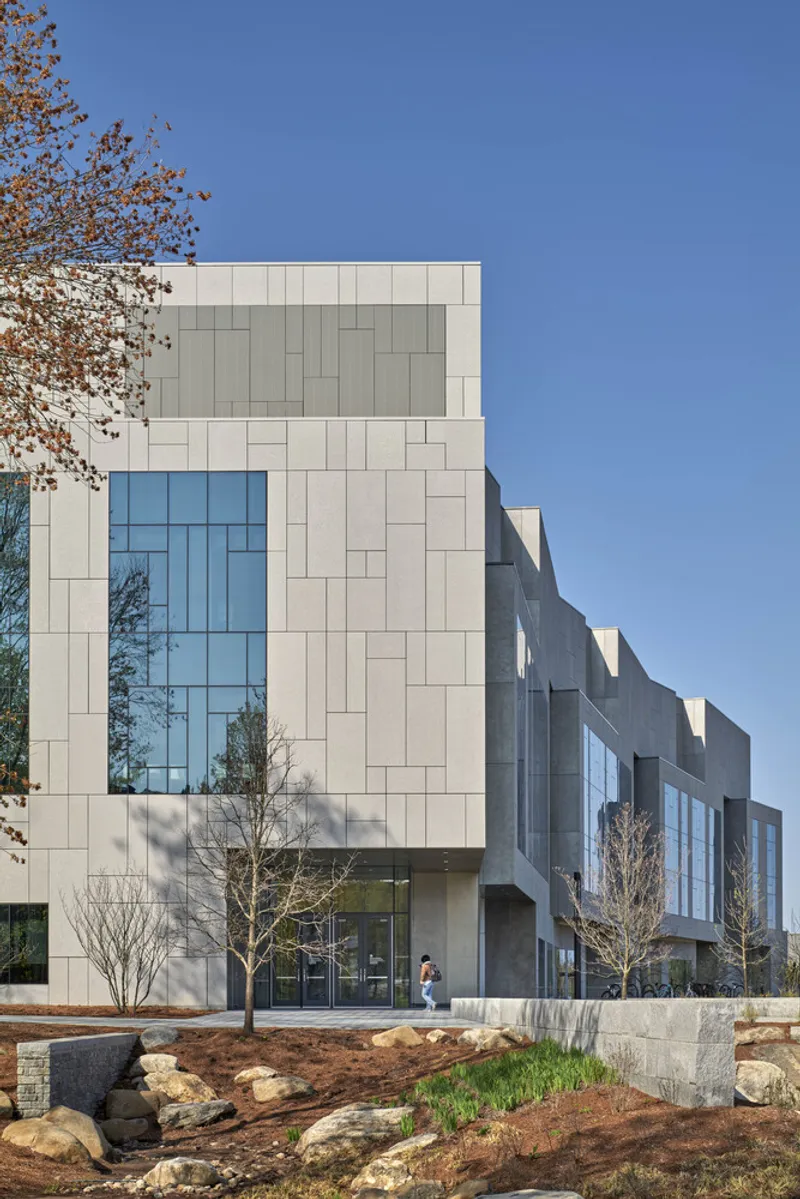
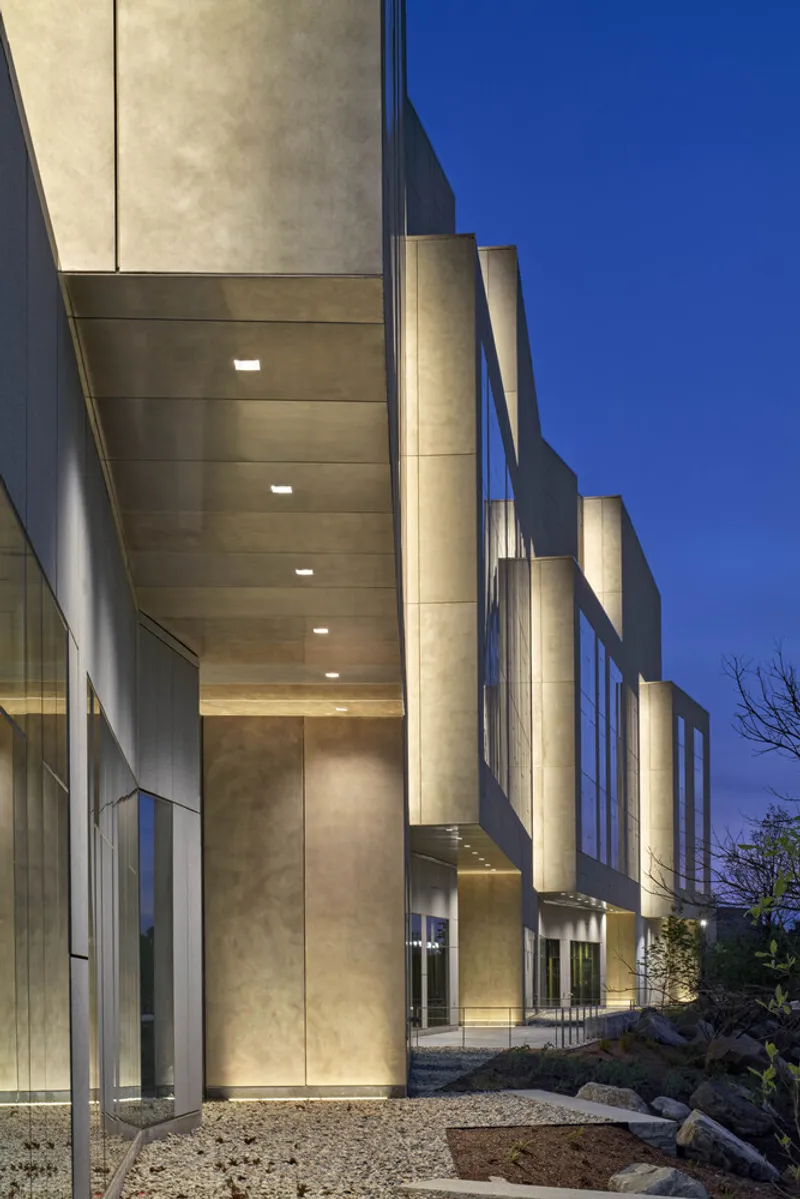
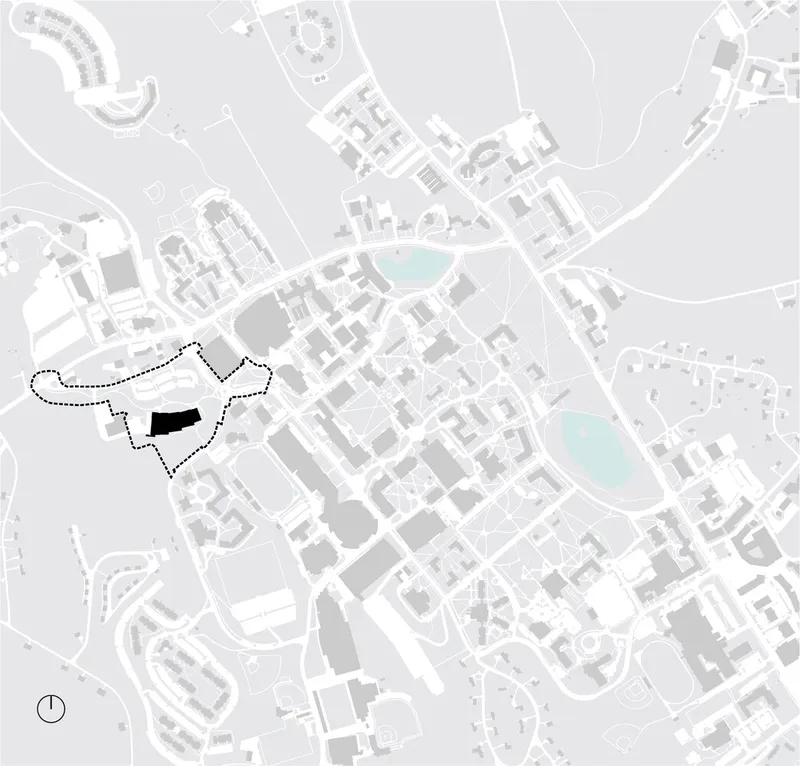
The Science Research Center at the University of Connecticut, designed by Payette in 2023, is a landmark in sustainable research facility architecture. Known as Science 1, this 198,000-square-foot academic building is the centerpiece of the University’s new 22-acre Northwest Science Quad District. Dedicated to interdisciplinary research in materials science and engineering, the facility is the first large-scale realization of the campus master plan’s vision for integrated stormwater capture and treatment.
Integrating Building and Landscape
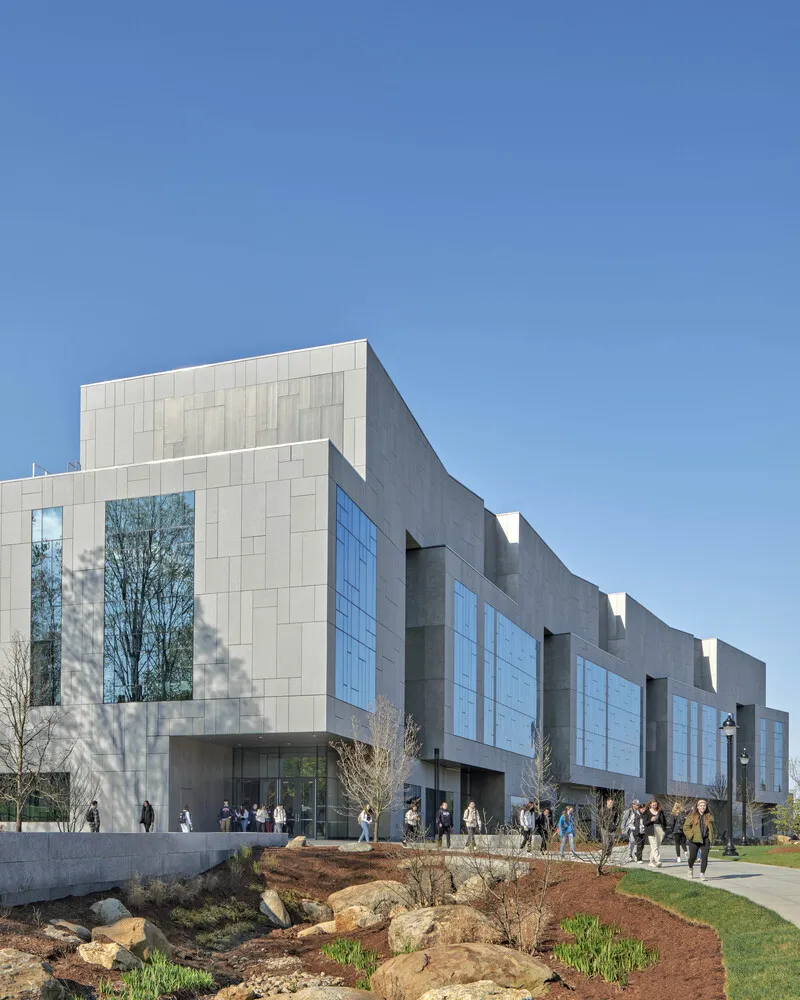
From the project’s inception, the site and building were conceived as a unified whole. Science 1 sits within a thoughtfully designed landscape framework, featuring interconnected cascading bioretention areas and a meandering footpath. This holistic approach enhances both environmental performance and campus identity, reflecting the University’s dual commitment to STEM excellence and environmental stewardship. The integration of site and architecture has earned the building LEED Gold and SITES Silver certifications.
Functional Zoning and Design Strategy
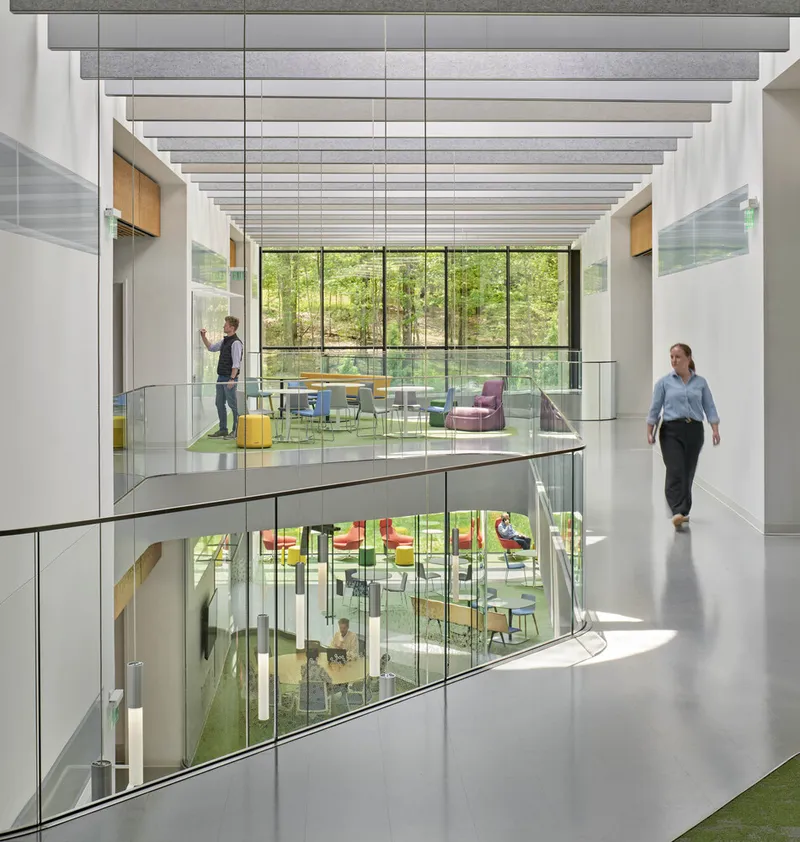
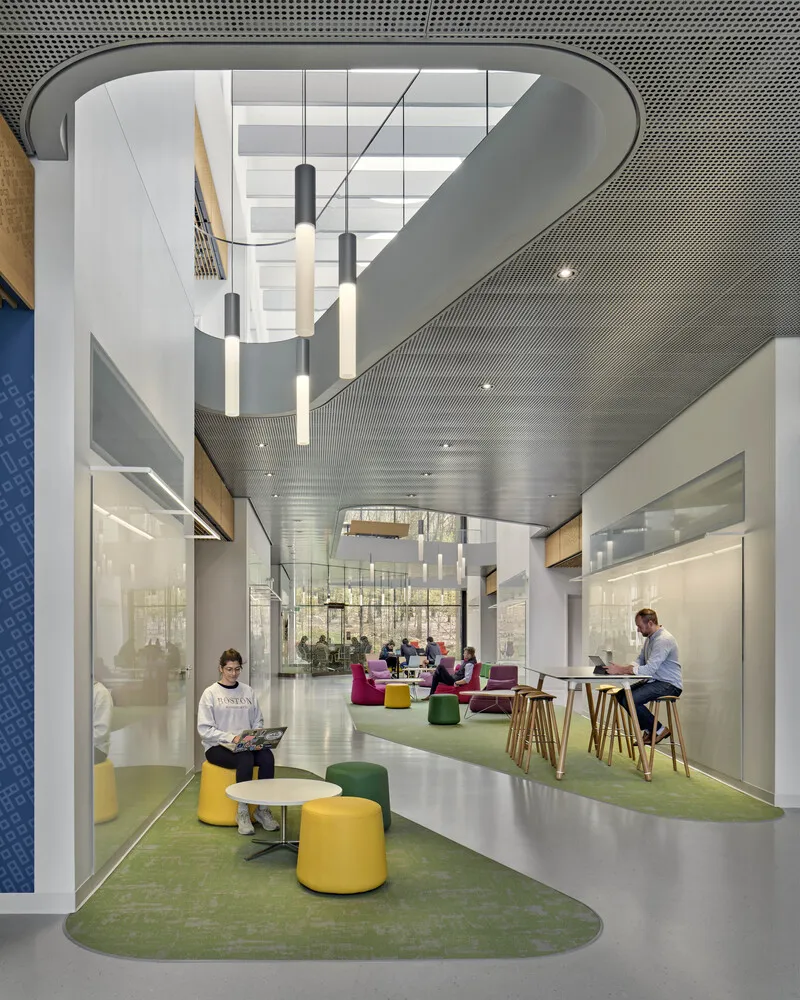
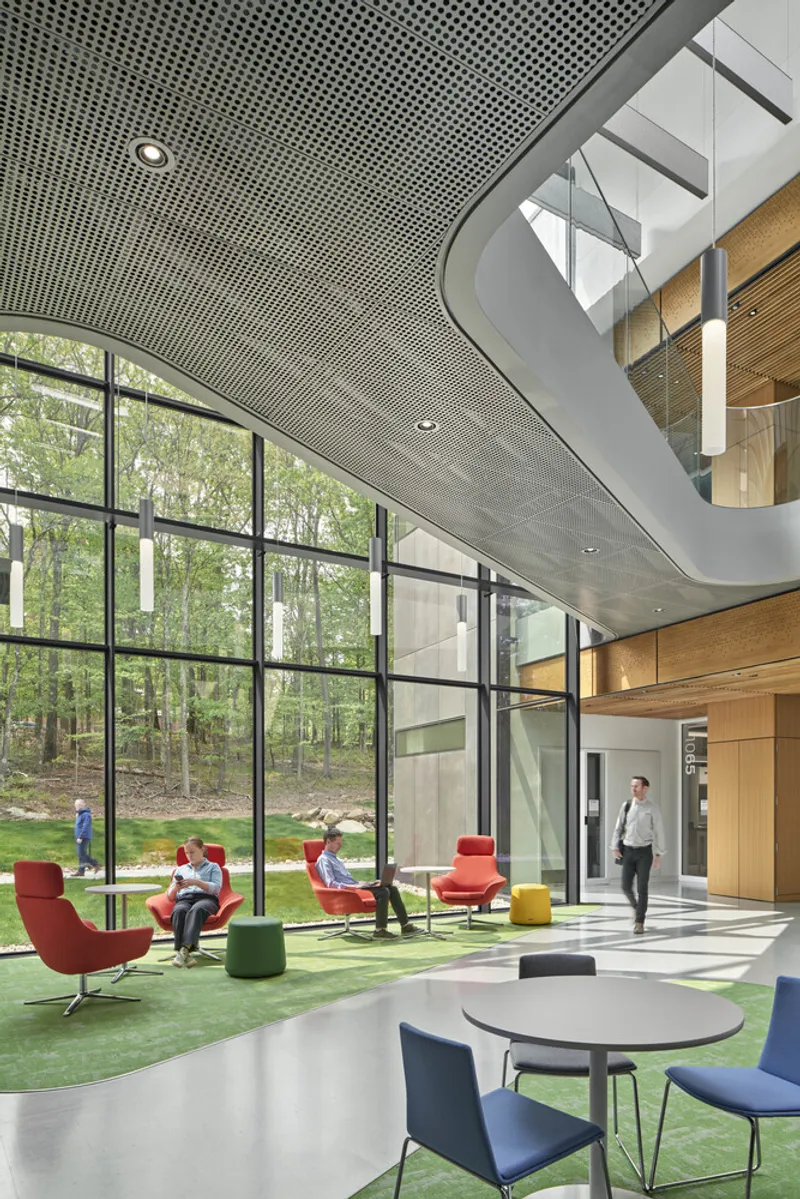
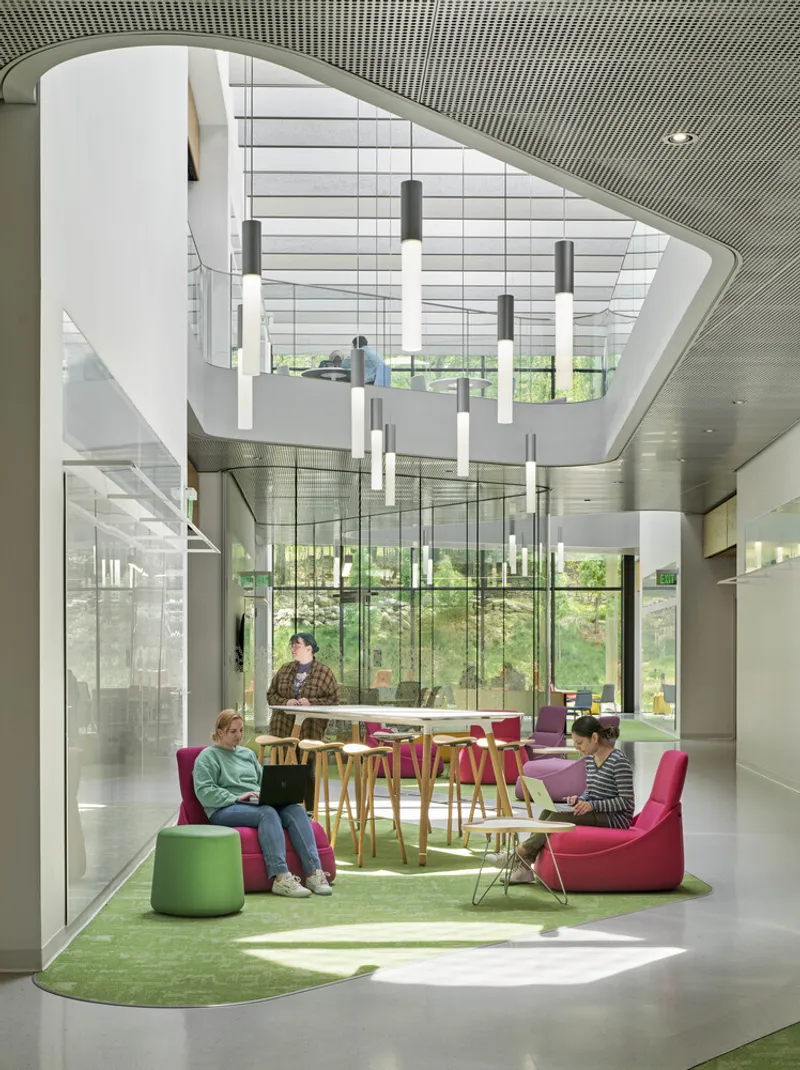
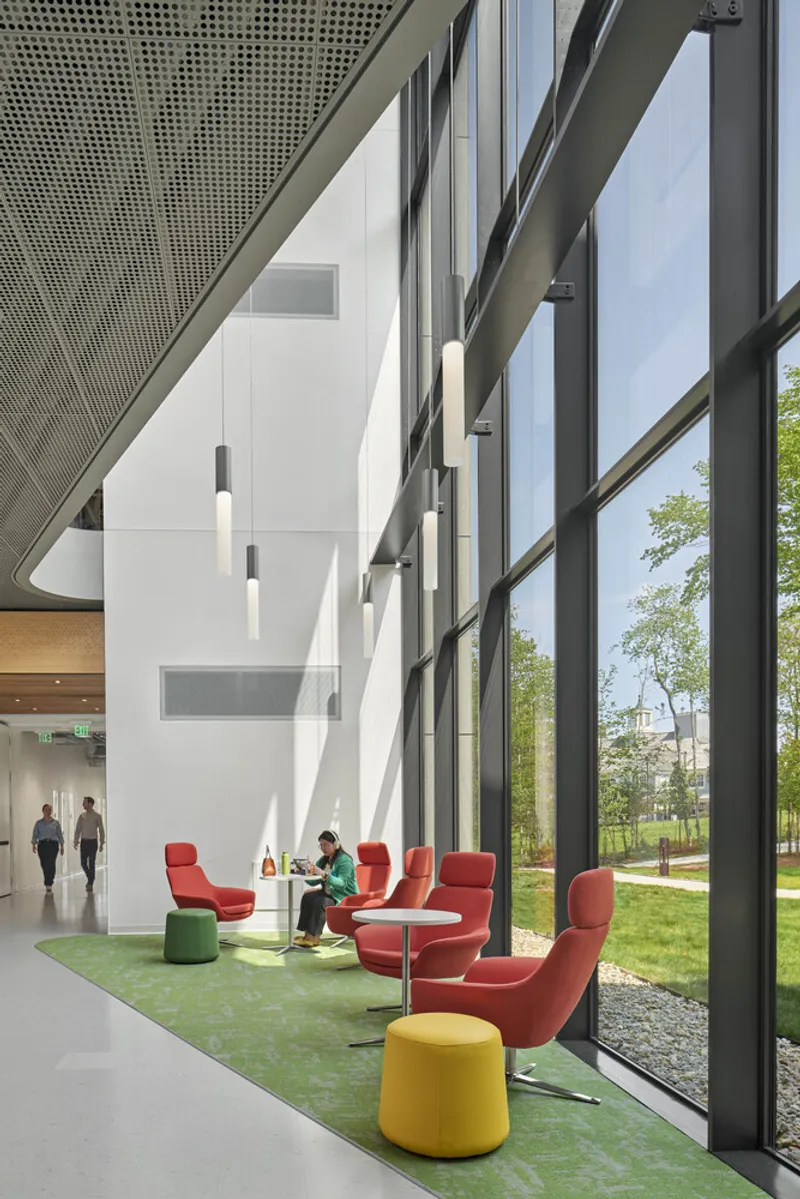
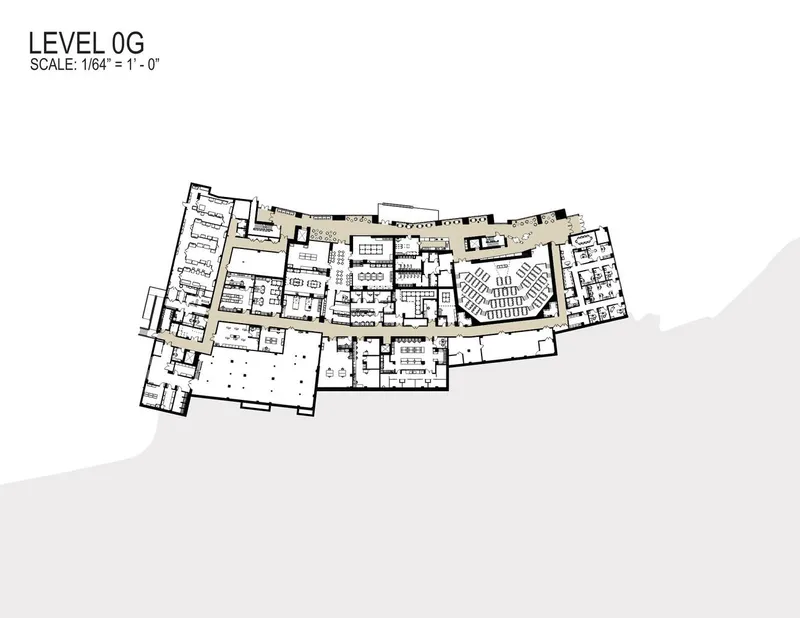
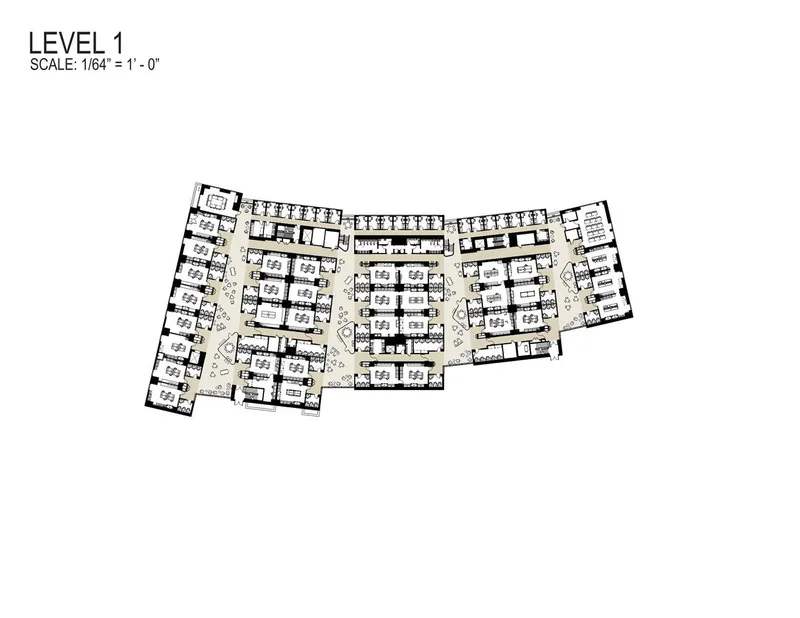
Partially embedded into a hillside, the building’s public spaces occupy the ground floor, offering views over stormwater gardens. The upper floors house advanced research laboratories that overlook undisturbed forest, balancing functionality with a connection to nature. Recognizing that traditional laboratories can feel isolating, the design incorporates a social framework where collaboration is actively encouraged.
Innovative Research Neighborhoods
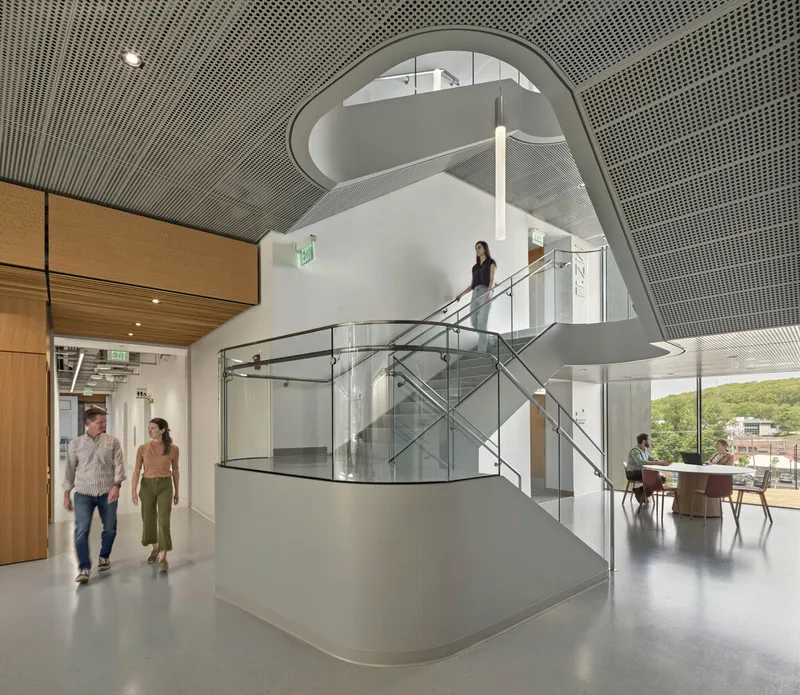
Science 1’s laboratories are organized into four double-height skylit neighborhoods, each with panoramic views of native woodland. Every lab is paired with a semi-private desk room, functioning like a “front porch” where informal interaction can occur. Bridges and pathways weave between these neighborhoods, creating natural meeting points for collaboration and social exchange.
Light, Materiality, and Atmosphere
Natural daylight shapes the experience of the building, streaming through skylights and sliding along tall interior walls. Views of the surrounding landscape serve as a constant reminder of time and season. The material palette—green tones, warm woods, and organic forms—creates a calming atmosphere, punctuated with bursts of color that evoke scientific specimens.
Sustainability and Energy Efficiency
The Science Research Center employs a wide range of passive and renewable strategies, achieving a 79% reduction in overall energy use. Dedicated outside air systems ensure optimal indoor air quality, while hydronic systems—radiant ceiling panels in offices and active chilled beams in labs—maximize efficiency. The building features high-efficiency fume hoods, a heat-pump chiller to reuse waste heat, and a glycol heat recovery system. A 521 kW rooftop photovoltaic array offsets roughly 14% of the building’s energy demand. The triple-pane glazed envelope further enhances thermal performance.
A Model for Future Academic Facilities
Science 1 at the University of Connecticut demonstrates how sustainable research facility architecture can balance cutting-edge scientific needs with environmental responsibility. By merging innovative lab design, daylight-rich interiors, and landscape-integrated stormwater systems, Payette has created a model for future academic research environments.
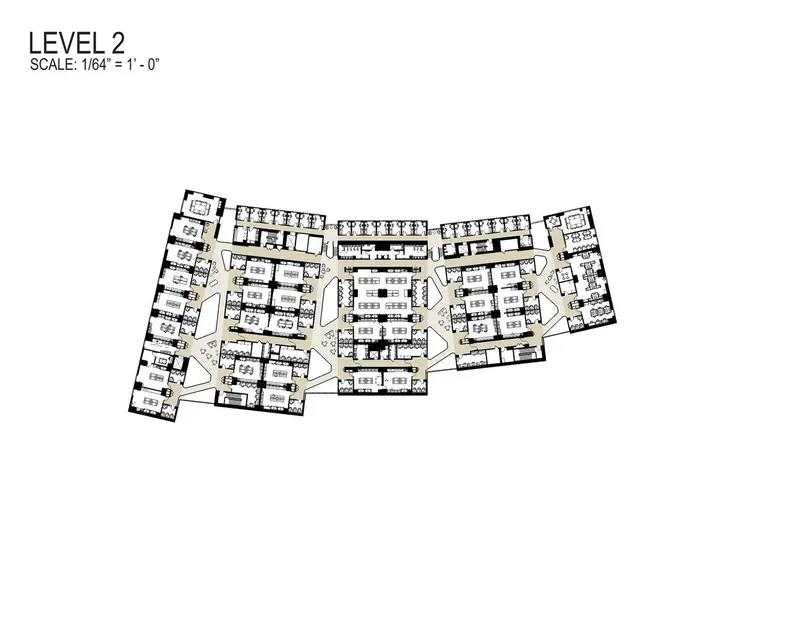
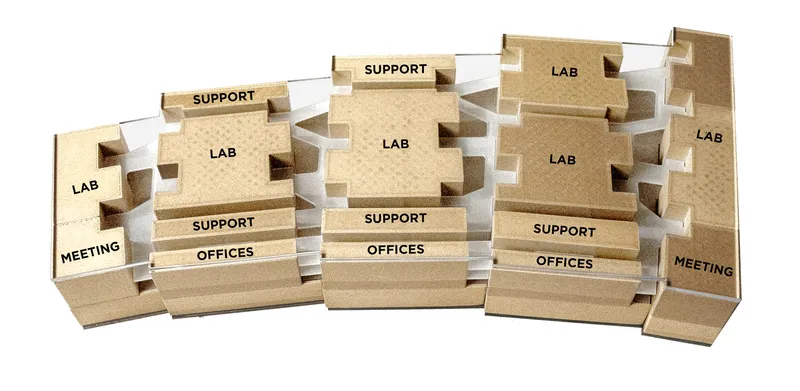
All photographs are works of Robert Benson


Popular Articles
Popular articles from the community


Architekt Andreas Gruber Scatters 23 Dark Timber Chalets Across a South Tyrolean Forest Edge
In Molini di Tures, Amonti Chalets breaks a resort into a hamlet of gabled timber houses, with parking, storage and services pushed into the slope.

Jaramillo Van Sluys Arquitectura and Urbanismo Turn a Demolished Registry Lot in Quito into an Orchard Plaza
In Quito's Centro Histórico, a 2,800 m² plaza exposes the San Agustín convent wall and redraws its lost Augustinian orchard in volcanic stone.

Cube Design Draws an Ecological Corridor Between Two Shenzhen Hills with the Nankai Building
Beside Shenzhen's container docks, the Nankai Building pairs stacked balconies with a climbing green screen to connect two hillsides across its height.

U.GA Architects Wraps an Oval Rooftop Pool in Curved Board-Formed Concrete on Busan's Jeollidan-gil
In Busan's Jeonpo-dong, a 454 m² mixed-use block stacks a neighborhood facility, guest rooms and an oval rooftop pool inside spiraling concrete walls.

Similar Reads
You might also enjoy these articles

Bamboo Housing Challenge 2026: Design Affordable, Sustainable Homes Using Bamboo
An international design competition by Bamboo U and IBUKU inviting architects and designers to reimagine affordable housing using bamboo — with the winning design built full-scale in Bali.

Computational Design & Education: Beegraphy Design Awards Introduces 7th Category (Featuring Jiyun's Innovative Approach)
Dive into Beegraphy’s 7th Design Awards category, where computational design meets education to create immersive, interactive learning tools, inspired by Jiyun’s work.

From Parametric Lighting to Urban Furniture: Join the 2nd Workshop in Beegraphy’s Computational Design Series
Dive into Cutting-Edge Design Techniques and Practical Applications with Industry Experts

Last Call: Unleash Your Architectural Genius in SHAK's Kindergarten Design Competition
Urgent call for architects to join SHAK's kindergarten design competition before the looming deadline

Explore Architecture Competitions
Discover active competitions in this discipline

Challenge to reimagine the Iron Throne

Photograph architecture without architects

Illustrate the lost glory of Angkor Wat - Render Challenge

Design challenge to reuse E-waste
Comments (0)
Please login or sign up to add comments
No comments yet. Be the first to comment!