
Sustainable Urban Architecture in Argentina: A Case Study of Morphosis House by Estudio PK
Exploring the Morphosis House by Estudio PK in Argentina, a model of sustainable urban architecture blending innovation with environmental harmony.


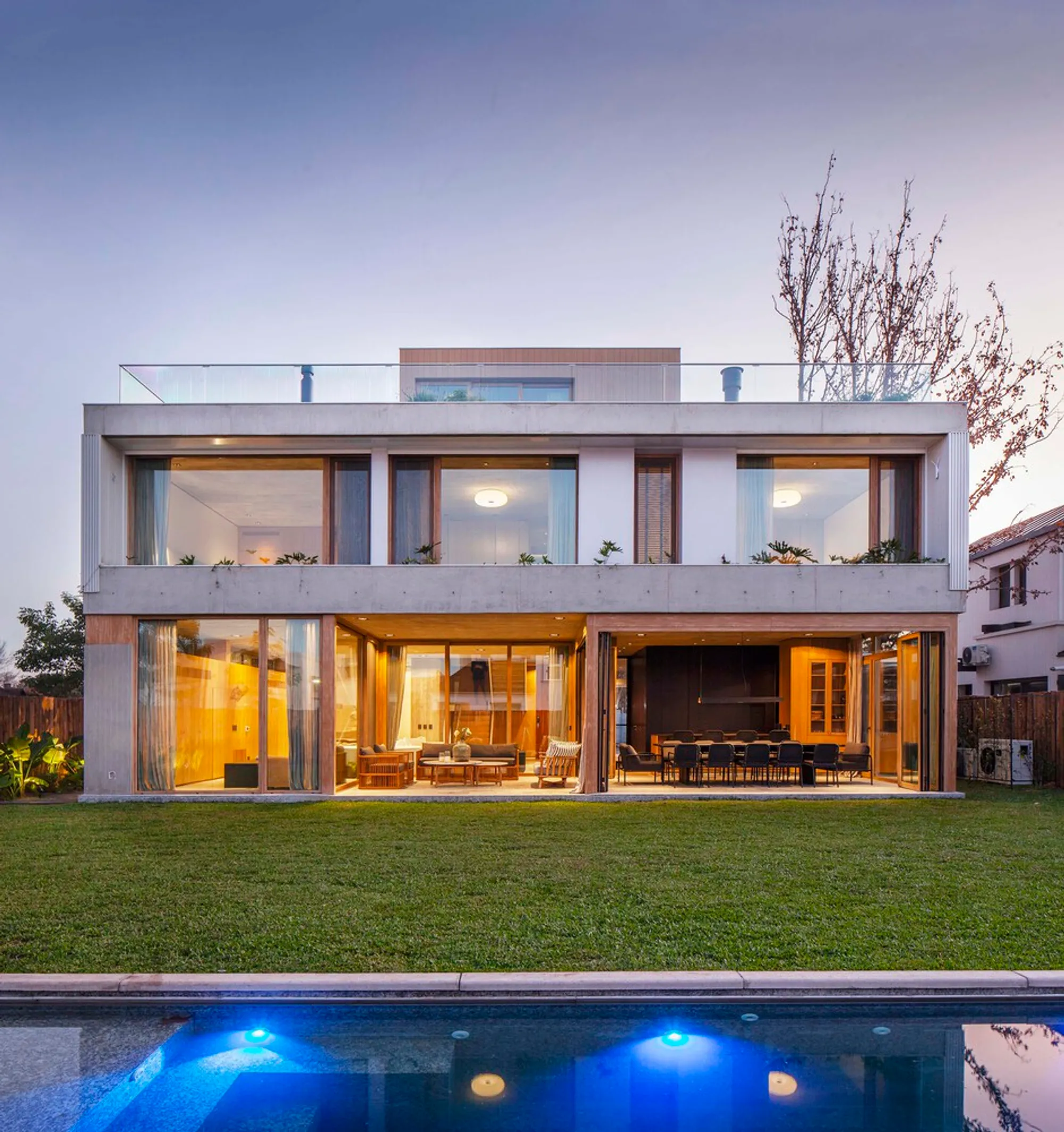
In the heart of San Isidro, Argentina, lies a beacon of sustainable urban living - the Morphosis House, designed by the renowned Estudio PK. This architectural masterpiece not only exemplifies modern design but also integrates sustainability into its core, setting a precedent for future urban dwellings. Through this article, we explore how the Morphosis House embodies the principles of sustainable urban architecture in Argentina.

The Vision Behind Morphosis House
A Blend of Innovation and Sustainability
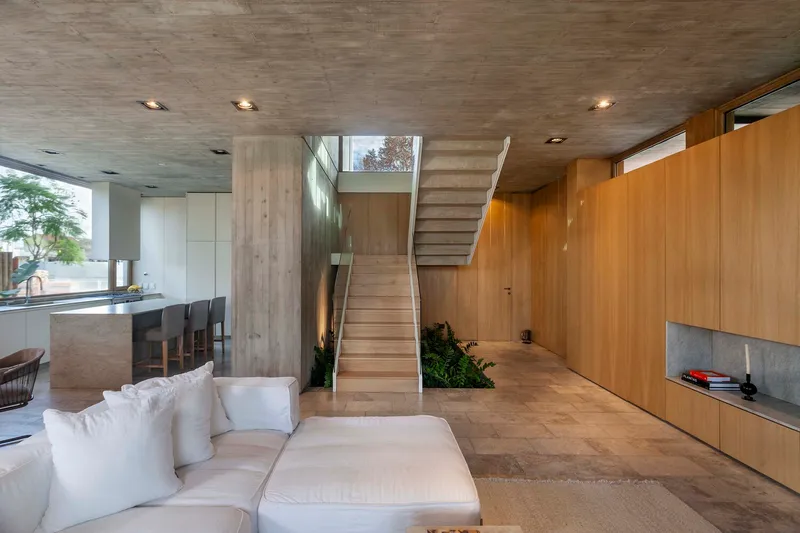
The Morphosis House, crafted by the visionary minds of Ignacio Pessagno and Lilian Kandus at Estudio PK, emerges as a model of sustainable urban architecture. With a total area of 469 m², the project was completed in 2022, capturing the essence of innovative design while adhering to sustainable practices. The architects' dedication to low-maintenance and noble materials is evident in every aspect of the house, from its concrete structure to its white sheet metal cladding and grey tundra floors.

Harmonizing with Nature
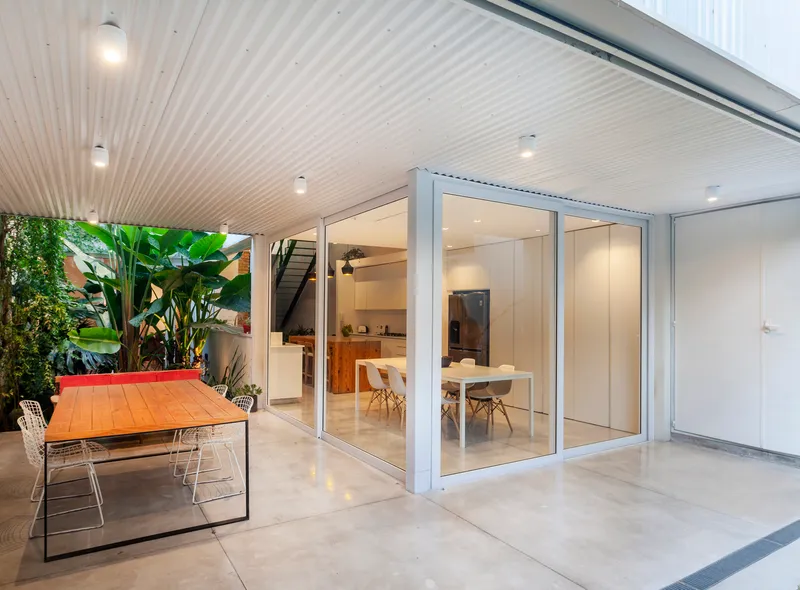
Nestled in "La Clementina" neighborhood, the Morphosis House is designed with respect for its natural surroundings. A standout feature is the courtyard created around an existing tree, emphasizing the project's commitment to preserving nature. This thoughtful integration of the outdoor and indoor spaces underscores the potential of sustainable urban architecture to enhance living conditions while maintaining harmony with the environment.
Architectural Features and Design Philosophy
Maximizing Space and Functionality
Despite the spatial constraints typical of urban settings, the Morphosis House offers a compact yet comprehensive program spread over three levels. The ground floor hosts the living-dining-playroom area, seamlessly connected to the kitchen, promoting an open and interactive living environment. This level also features a closed gathering space, embodying the clients' desire for a home that encourages both coexistence and shared experiences.


Private and Social Spaces
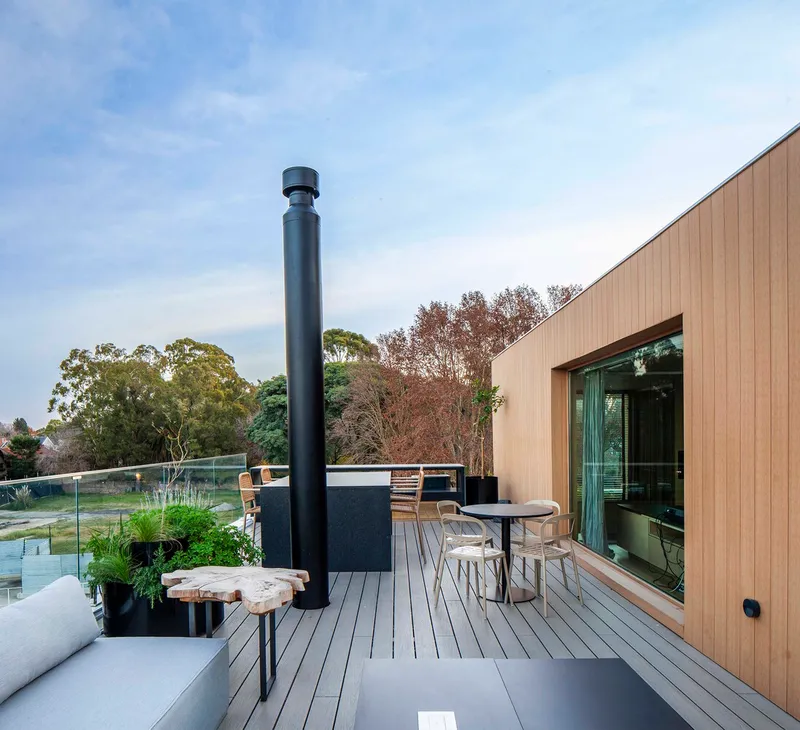
The first floor is dedicated to the private realm of the house, housing the suite and bedrooms, linked by a common intimate space for family interactions. The design culminates in a main playroom on the third level, extending to a terrace that offers expansive views and a venue for social gatherings. This strategic distribution of spaces fosters a balance between private retreats and areas designed for entertainment and social activities.

Embracing Sustainable Materials
A fundamental aspect of the Morphosis House is its use of sustainable materials and construction techniques. The project showcases a preference for low-maintenance materials that are both durable and environmentally friendly, including PVC wood-like carpentry and Lapacho and WPC wood cladding. These choices reflect a broader trend in sustainable urban architecture, where the environmental impact is considered alongside aesthetic and functional requirements.

The Morphosis House by Estudio PK stands as a testament to the possibilities of sustainable urban architecture in Argentina. Through its innovative design, thoughtful integration with nature, and commitment to sustainable materials, the project offers insights into how contemporary architecture can respond to the challenges of urban living. As we move forward, the principles demonstrated by the Morphosis House will undoubtedly inspire future projects in Argentina and beyond, paving the way for more sustainable and livable urban environments.

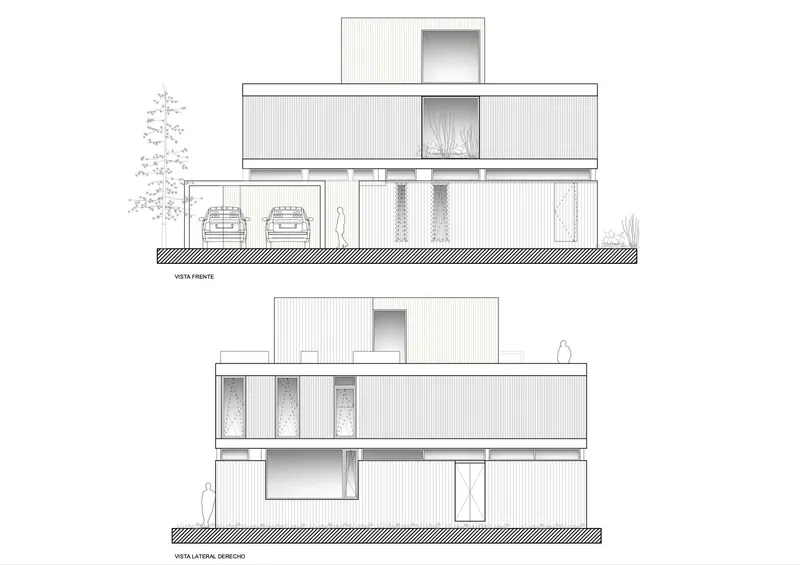
All the photographs are work of Alejandro Peral



Popular Articles
Popular articles from the community


The Musturak Paradise: Senior Living Architecture for a Connected Future in Temara, Morocco
The Musturak Paradise reimagines senior living architecture in Temara via private homes, social spaces, culture, community, and shared care.

The Earth Pod: 3D Printed Homes for Resilient Refugee Communities
The Earth Pod reimagines refugee housing through 3D printed homes made from clay, combining resilience, self-sufficiency, and rapid shelter.

Co-life: Sustainable Architecture for Age-Friendly Community Living
Co-life reimagines sustainable architecture for seniors through courtyards, rammed earth, shared gardens, and spaces designed for belonging.

Co-Life: Senior Housing Design That Reconnects Older Adults With the City
Co-Life reimagines senior housing design through healing gardens, shared streets, workshops, and a sustainable community across generations.


Similar Reads
You might also enjoy these articles

Maya Harvest: A Cacao Resort Village Rooted in Mayan Tradition and Local Craft
Situated within a Tabasco cacao plantation, this shortlisted resort proposal merges vernacular materials with hands-on cultural immersion.
Harmonia: A River-Shaped Community That Grows Over Decades in Boa Vista
Curved pathways and modular grid structures along the Branco River create a phased settlement designed to evolve from 2030 to 2050.
The Architecture of Bathing: A Mughal Hammam Reimagined Across the Yamuna
Charlotte May's honorable mention entry for The Black Taj reinterprets Agra's bathing rituals through red sandstone, water, and framed views of the Taj Mah
Om-1: A Wall-Hung System That Moves Your Workspace Off the Desk
Modular plywood boards, magnetic pegs, and utility elements migrate clutter from the horizontal surface to the vertical plane.


Explore Architecture Competitions
Discover active competitions in this discipline



Challenge to reimagine the Iron Throne


Photograph architecture without architects


Illustrate the lost glory of Angkor Wat - Render Challenge


Design challenge to reuse E-waste
Comments (0)
Please login or sign up to add comments
No comments yet. Be the first to comment!