
Taş Mektep Historic Restoration: A Landmark Revival by Novos Architecture Studio
The article highlights the Taş Mektep Historic Restoration, blending preservation with modern design for cultural engagement in Istanbul.

Taş Mektep
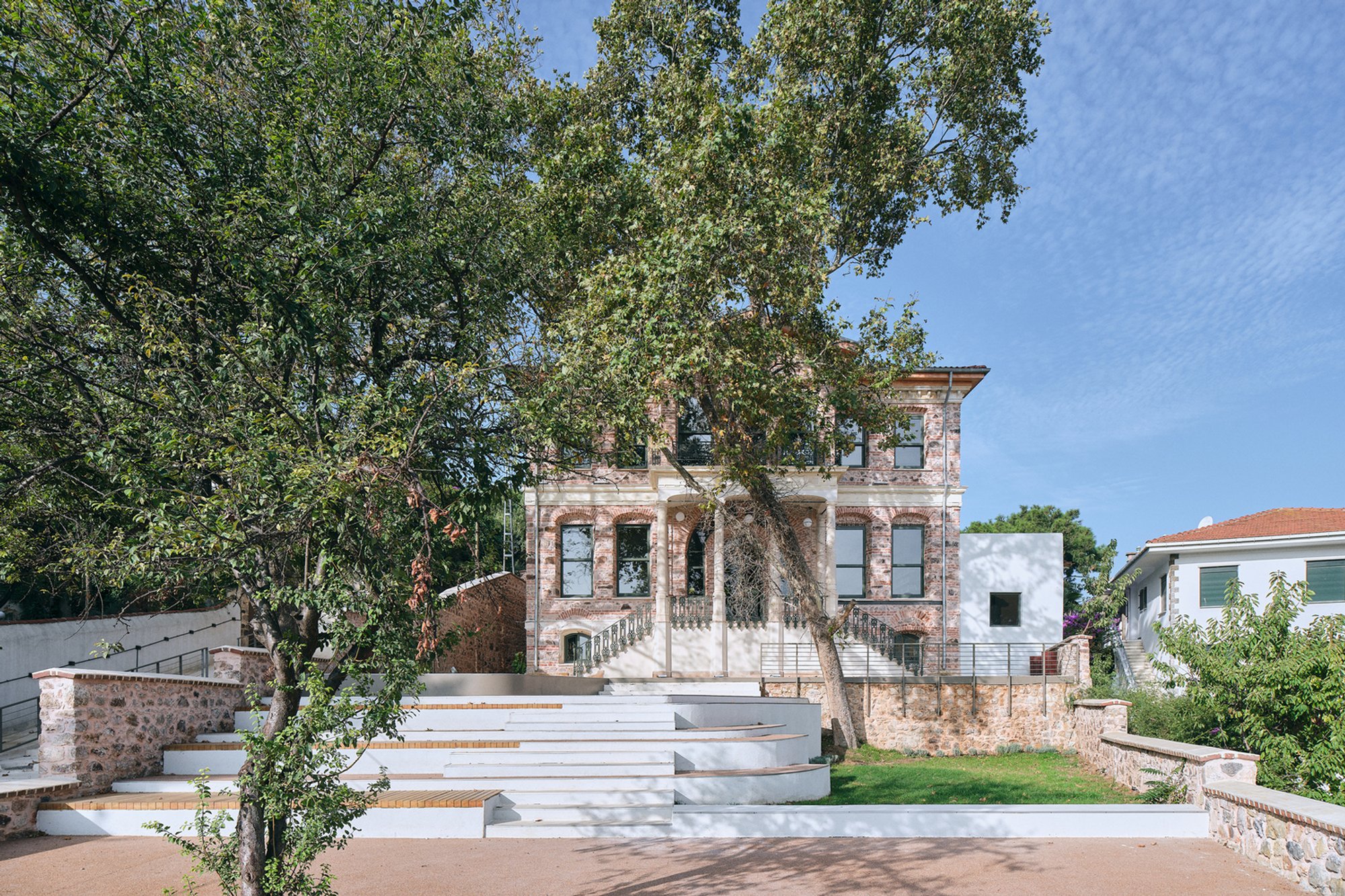
Taş Mektep, a historic 19th-century structure located on Büyükada, Istanbul's largest island, is a shining example of adaptive reuse and historic preservation. Originally constructed by Greek Orthodox Patriarch Sophronius, this iconic stone building has undergone a transformative restoration by Novos Architecture Studio. Completed in 2023, the project not only preserves its rich architectural heritage but also adapts it for modern functionality, creating a space for cultural engagement and community interaction.
Reviving History with a Modern Touch
Preservation Meets Modern Adaptation
Novos Architecture Studio, led by architects Hande Ciğerli and Mert Üçer, approached the restoration with a dual objective:
- Preserve Historic Integrity: Retain the building’s original architectural elements, including stone walls, wooden frames, sloping tile roofs, and wrought iron details.
- Integrate Modern Functionality: Introduce contemporary design features that enhance the building's usability while respecting its historic character.
This balance between preservation and adaptation exemplifies the potential of sustainable architecture in historic restoration.
Key Features of the Taş Mektep Restoration
Exterior Design
The façade restoration was meticulous, highlighting:
- Restored stone walls that echo the building’s historic charm.
- Timber window frames and sloping tile roofs that align with its original design.
- Wrought iron detailing that enhances the structure’s historic aesthetic.
The exterior seamlessly merges traditional materials with modern landscaping to create inviting public spaces.
Interior Spaces: Blending Old and New
Ground Floor: A Space for Connection
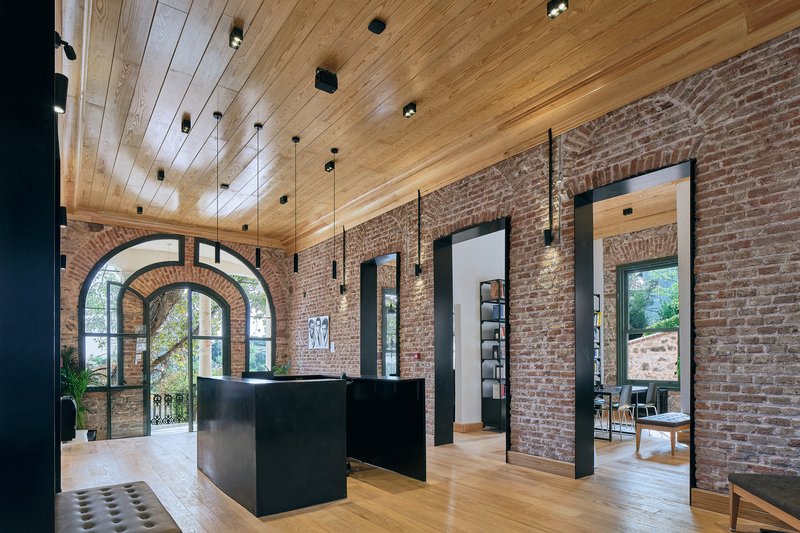
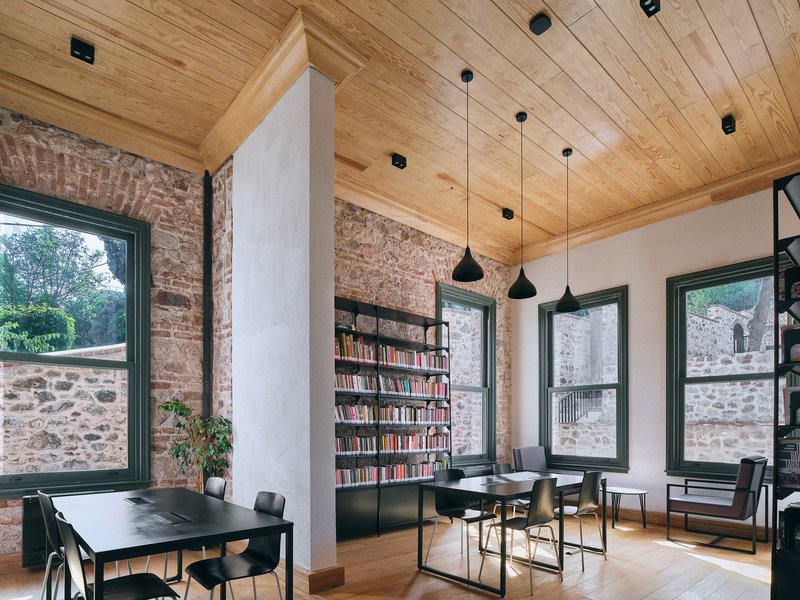
The ground floor retained its original layout while removing internal doors to create an open and inviting atmosphere. Key design features include:
- Material Palette: Exposed stone walls juxtaposed with plaster ceilings.
- Contemporary Details: Black sheet metal accents for doorways add modern flair to the rustic wooden elements.
- Furnishings: Minimalist furniture in black wood and sheet metal enhances the interior’s texture and detail.
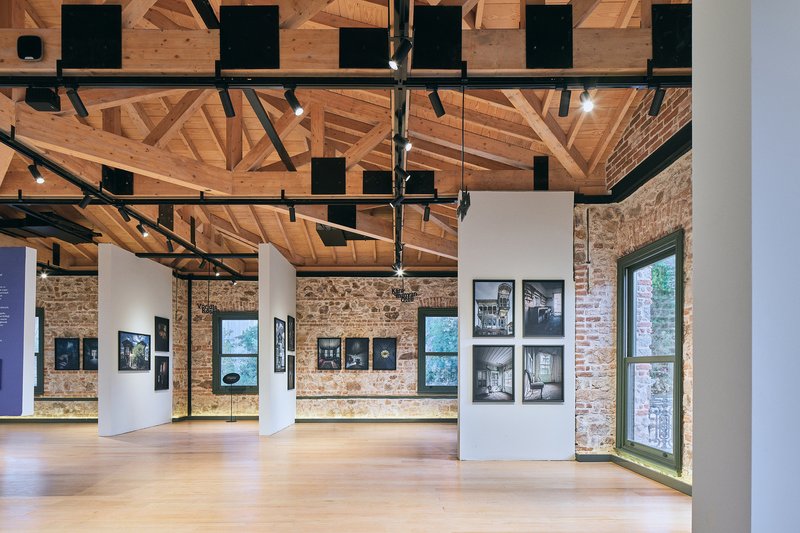
Upper Floor: Exhibition and Event Space
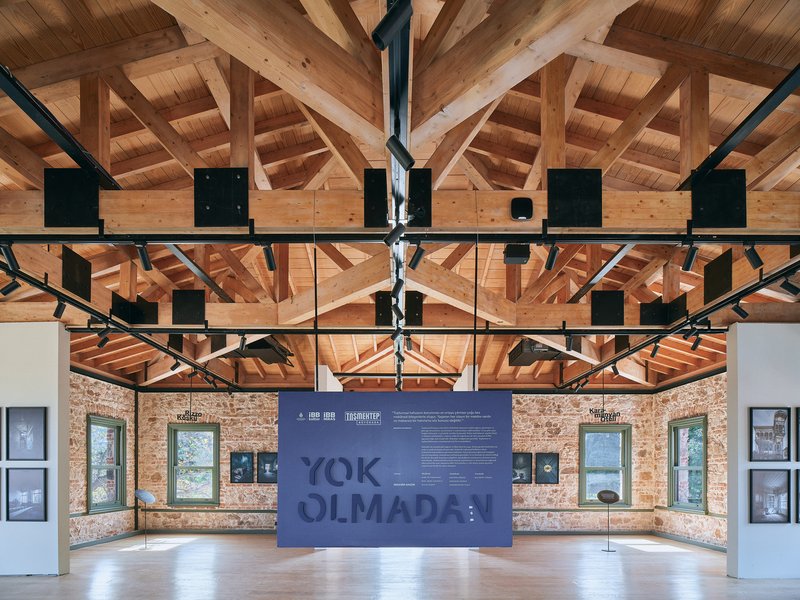
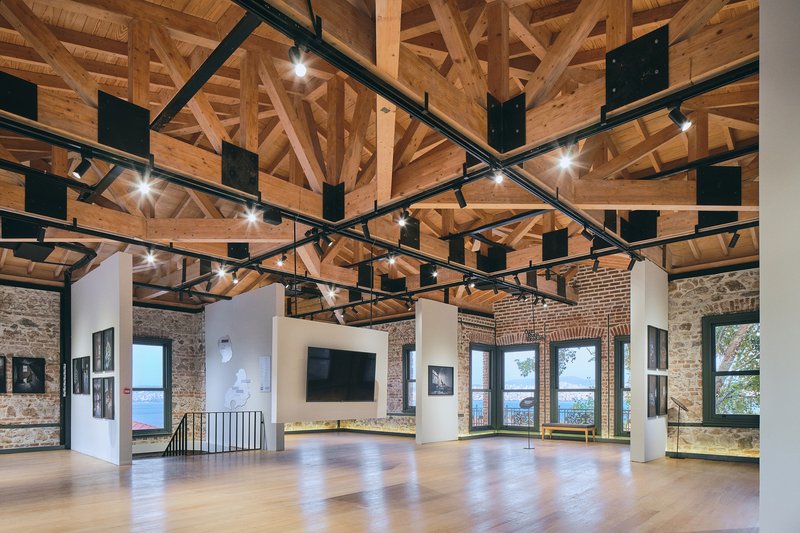
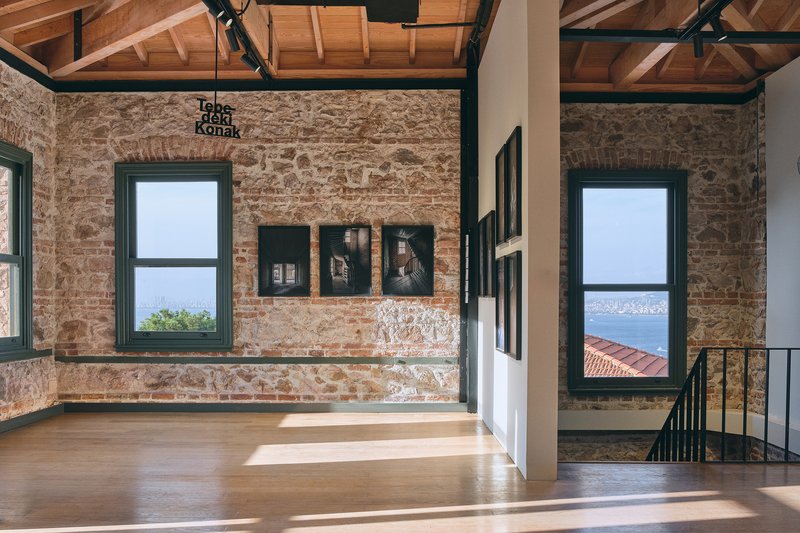
The upper floor was transformed into a flexible space for exhibitions and cultural events, characterized by:
- White Walls: Traces of past room divisions remain visible, preserving historical narratives.
- Exposed Roof Trusses: Wooden trusses paired with a black metal grid system under the ceiling create a striking aesthetic while offering flexible lighting for various events.
Basement: Functional Utility
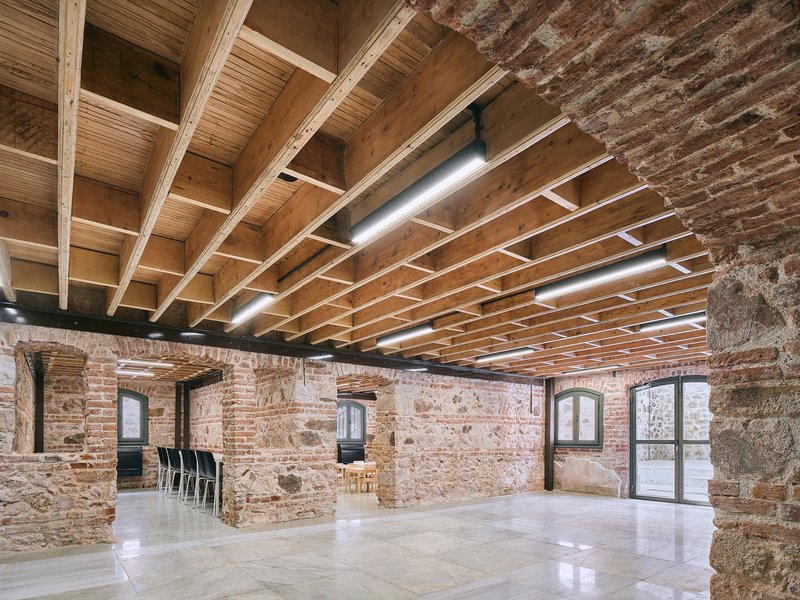
The basement houses technical spaces and a children’s library. Key features include:
- Preserved marble flooring in the library.
- Micro-concrete flooring in other areas, adding a contemporary edge.
- Flexible spaces delineated by a curtain system.
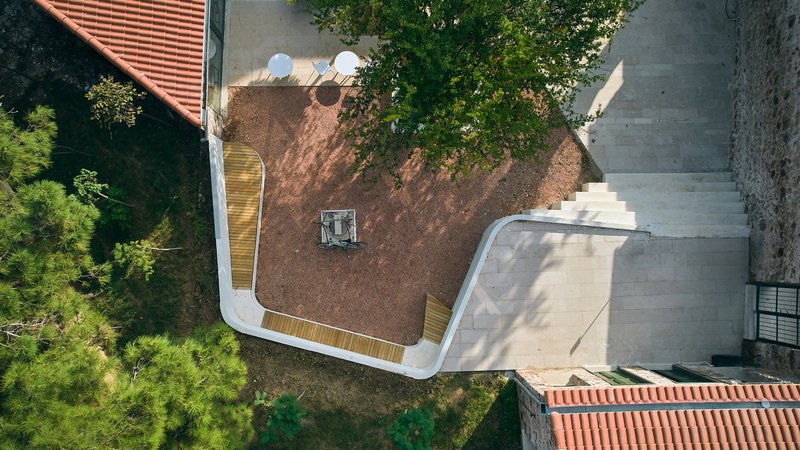
Outdoor Landscaping: Designed for Community Engagement
Front Garden
The terraced front garden takes advantage of the building’s hillside location, offering:
- Amphitheater Design: An outdoor space for events such as open-air cinema and theater performances.
Rear Garden
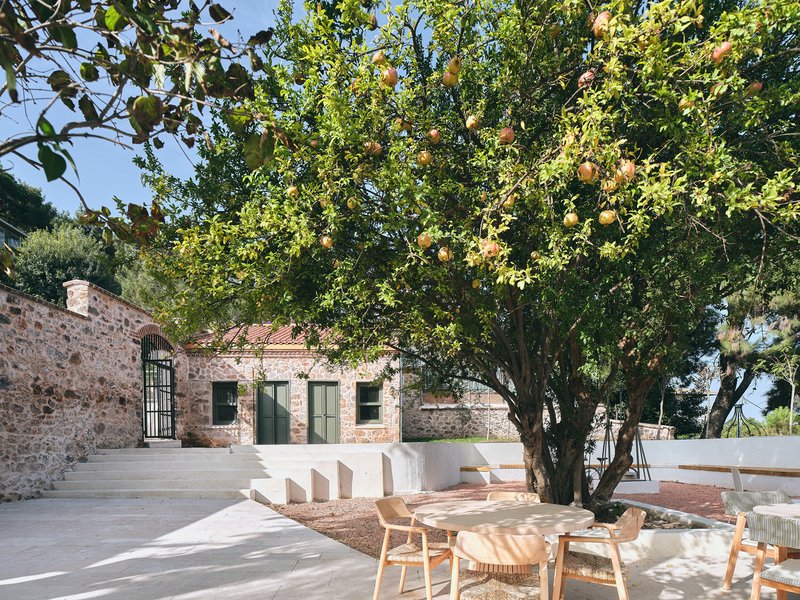
The rear garden was transformed into a multifunctional space featuring:
- The Istanbul Bookstore and a cafeteria, providing cultural and social amenities.
- Elevated Seating Areas: Designed to optimize views of the Bosphorus, creating a serene setting for relaxation.
A Symbol of Adaptive Reuse and Cultural Preservation
Taş Mektep’s restoration represents a masterful integration of historic preservation with contemporary design principles. The project balances public functionality with private contemplation, fostering a dynamic environment that invites community participation and cultural engagement.
Key Highlights of the Restoration
- Emphasis on retaining original materials and architectural elements.
- Seamless blending of historic features with modern interventions.
- Strategic use of landscaping to enhance functionality and aesthetic appeal.
A Model for Sustainable Restoration
Taş Mektep Historic Restoration by Novos Architecture Studio sets a benchmark in adaptive reuse and sustainable design. By preserving its architectural heritage while introducing modern elements, the project creates a vibrant cultural hub that honors the past and embraces the future.
This iconic restoration on Büyükada is more than just a building; it is a testament to the power of design to connect communities, celebrate history, and inspire innovation.




Popular Articles
Popular articles from the community

Atelier Macri Concept Store Interior Design by CASE-REAL
Atelier Macri store features a "ko" counter, walnut wood details, cork displays, blending retail, gallery, and seamless customer experiences.
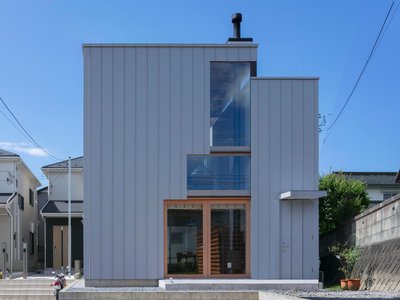
Split House: A Compact Urban Home Blending Privacy, Light, and Flexible Living in Japan
Compact Japanese home featuring DOMA space, flexible café potential, passive lighting, privacy zoning, and sustainable urban living design.
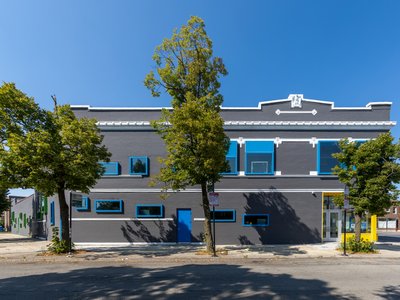
Gads Hill Early Learning Center by JGMA: Adaptive Reuse Shaping Community-Focused Educational Architecture
Adaptive reuse transforms fragmented structure into vibrant early learning center with playful façade, natural light, and community-focused sustainable design.




Similar Reads
You might also enjoy these articles


The Ken Roberts Memorial Delineation Competition (Krob)
As the most senior architectural drawing competition currently in operation anywhere in the world, it draws hundreds of entries each year, awarding the very best submissions in a series of medium-based categories.


Waterfront Redevelopment and Urban Revitalization in Mumbai: Forging a New Dawn for Darukhana
A transformative waterfront redevelopment project reimagining Darukhana’s shipbreaking heritage into an inclusive urban future.

OUT-OF-MAP: A Call for Postcards on Feminist Narratives of Public Space
Rhizoma Design and Research Lab invites artists, designers, architects, researchers, and students to reflect on how feminist perspectives can reshape public space. Selected works will be exhibited in Barcelona, October 2026. Submissions open until 15 April 2026.

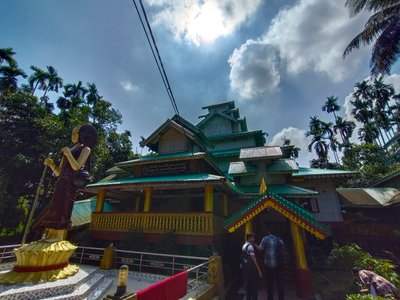
Documentation Work on Buddhist Wooden Temple
Architectural syncretism and cultural hybridity: A comparative study of the Buddhist temples in Chattogram Hill tracks


Explore Architecture Competitions
Discover active competitions in this discipline




The International Standard for Design Portfolios


The Global Benchmark for Architecture Dissertation Awards


The Global Benchmark for Graduation Excellence


Challenge to design an urban locus of culture and heritage
Comments (0)
Please login or sign up to add comments
No comments yet. Be the first to comment!