

The Athletes' Village: PE2 Student Housing by EGA Erik Giudice Architects: Modular, Sustainable, and Future-Ready Living in L'Île-Saint-Denis
The Athletes’ Village PE2 features modular wooden construction, flexible post-Olympic student housing, sustainable design, and adaptive spaces supporting community, comfort, and low-carbon living.


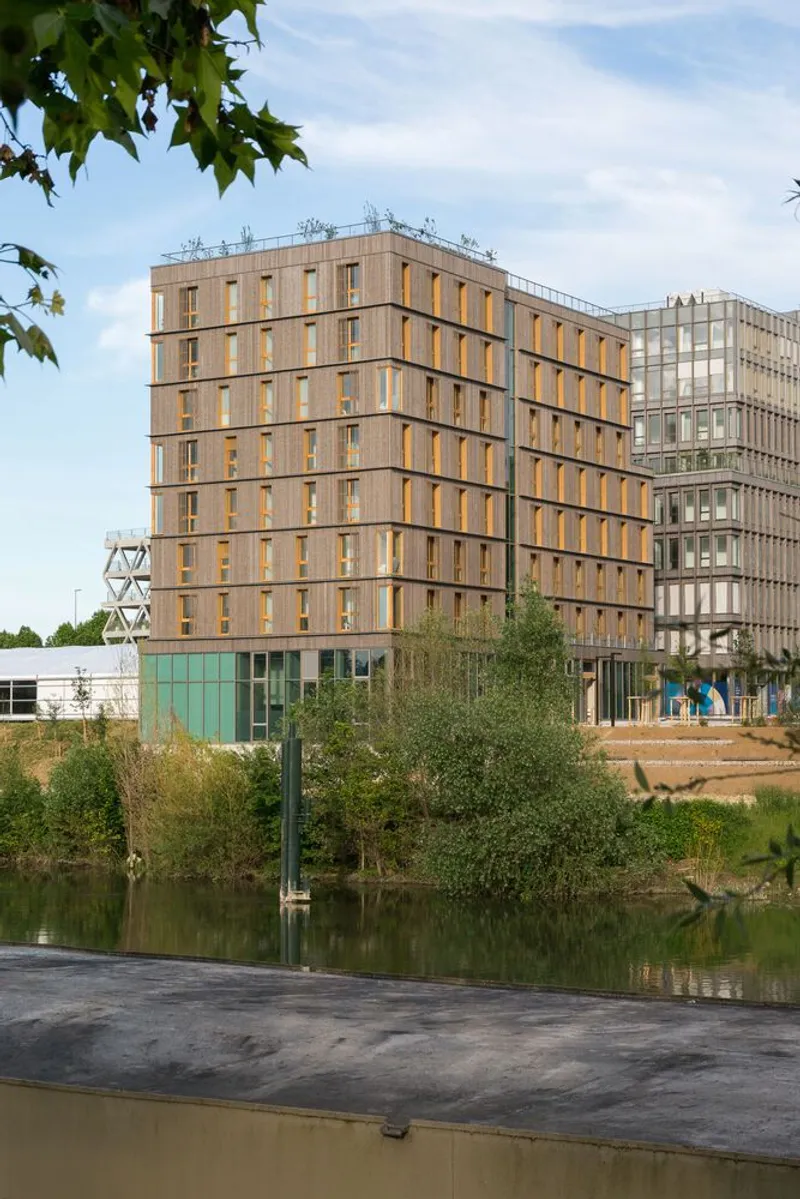
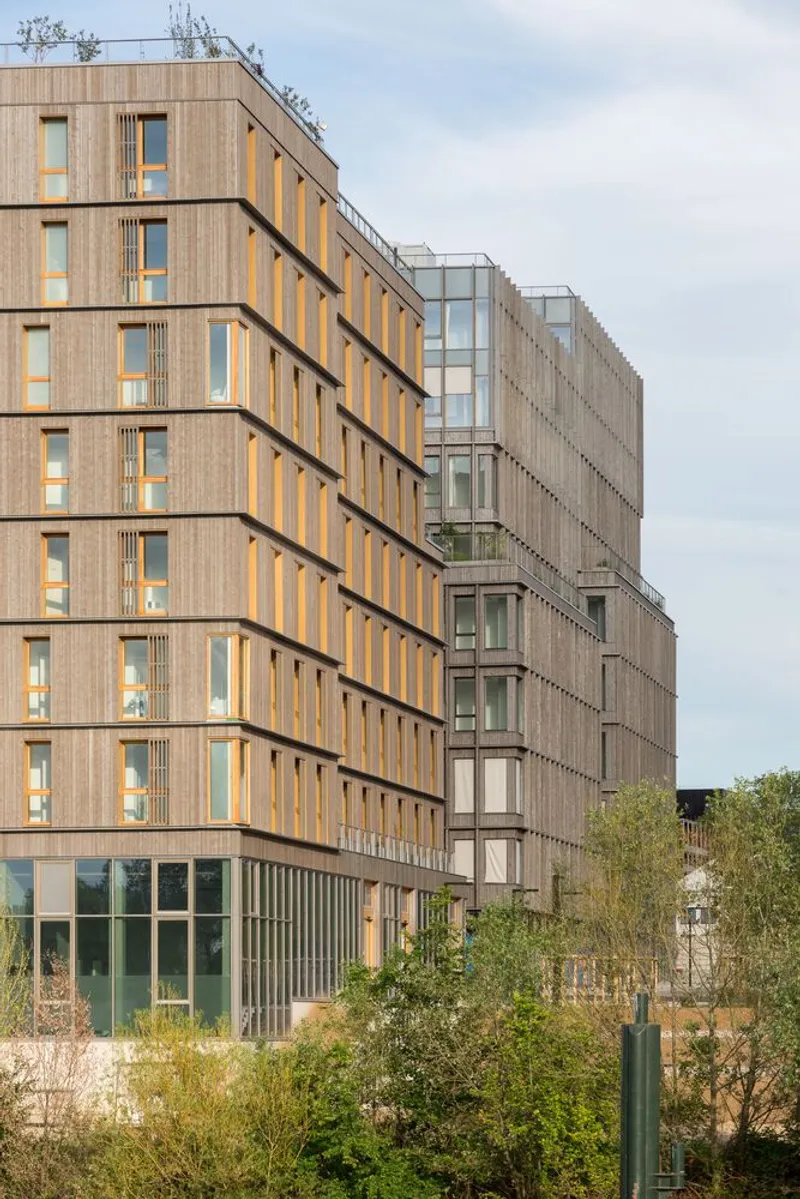
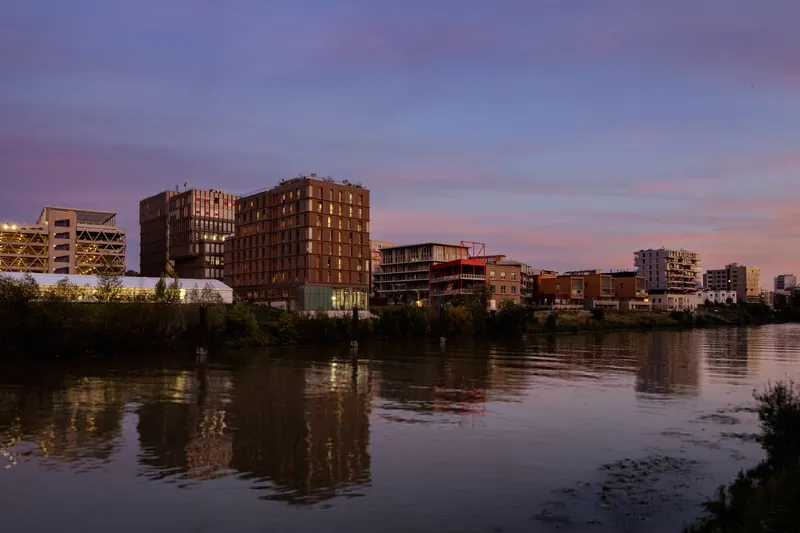
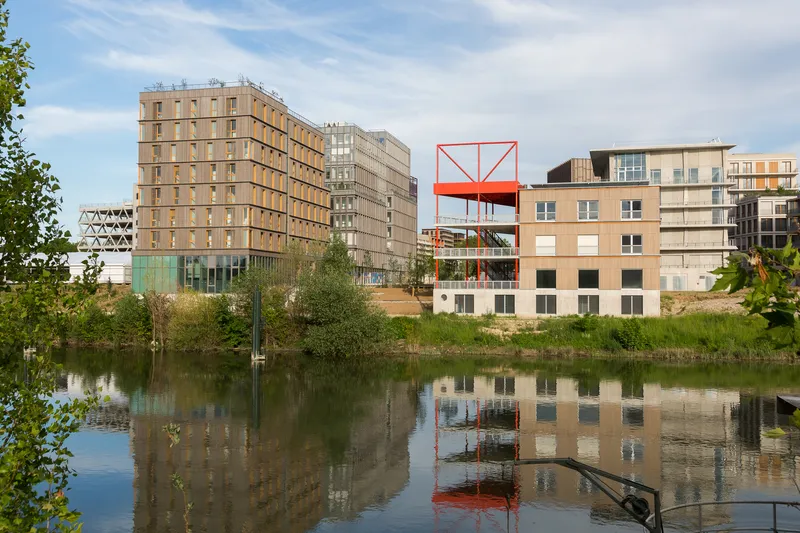
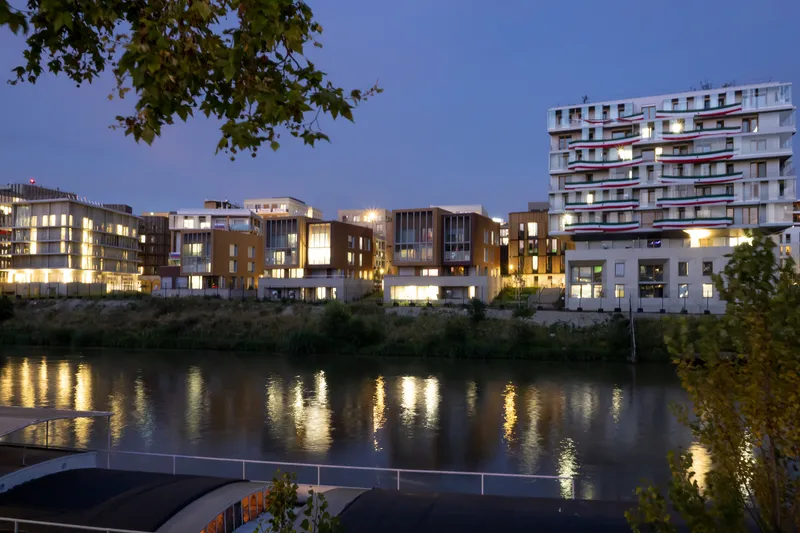
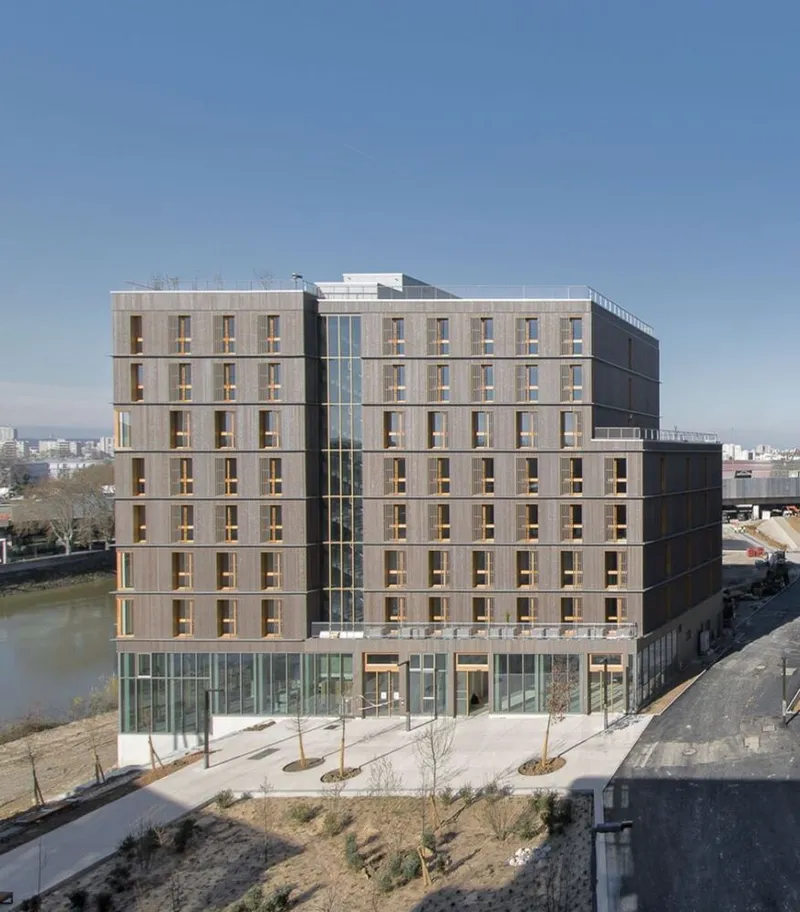
The Athletes’ Village: PE2 Student Housing, designed by EGA Erik Giudice Architects, stands as a pioneering example of modular architecture, circular construction, and adaptive urban transformation in L’Île-Saint-Denis, France. Completed in 2024, the 3,941 m² building is part of the Olympic Village development, where EGA not only designed the PE2 building but also led the coordination of the surrounding PE district. This dual role demonstrates the firm’s commitment to delivering a cohesive architectural and urban vision rooted in sustainability and long-term community value.
A Dual-Purpose Architectural Model for the Paris 2024 Olympics and Beyond
During the 2024 Olympic Games, the PE2 building accommodates 266 beds and houses essential operations of the Olympic Committee on the ground floor. Its design reflects a forward-looking strategy: spaces serving athletes during the Olympics are seamlessly transitionable to student housing and commercial functions after the event.
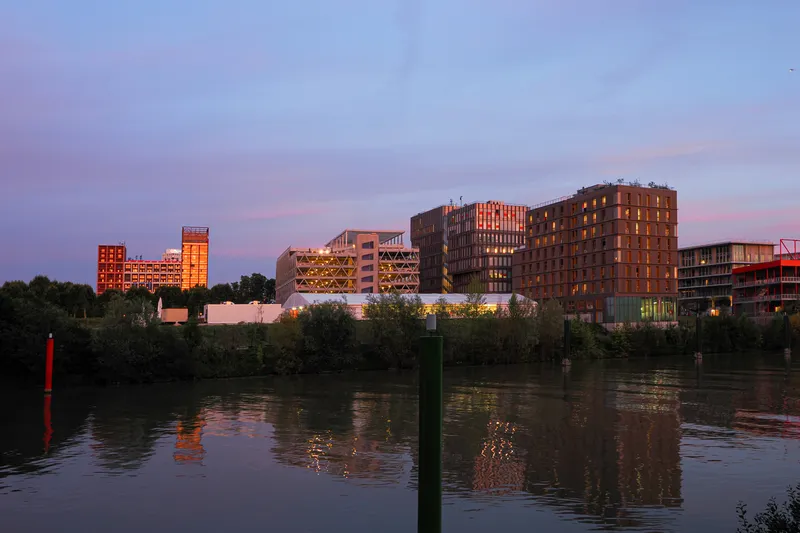
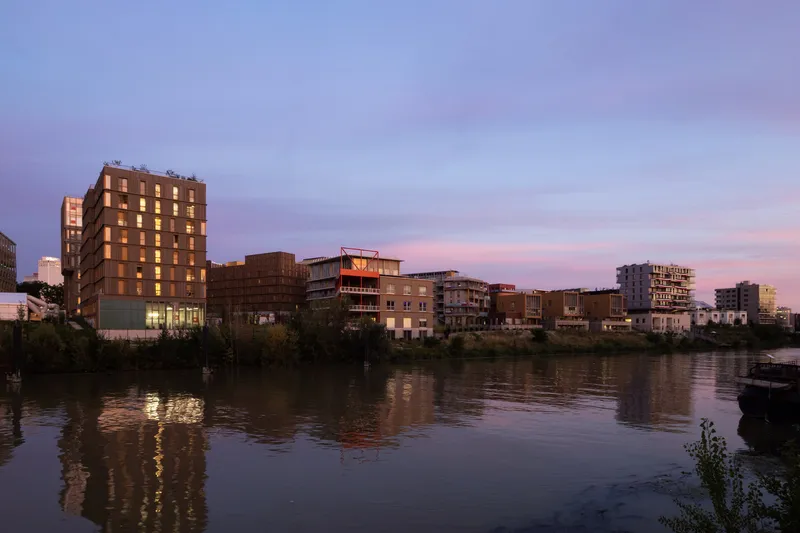
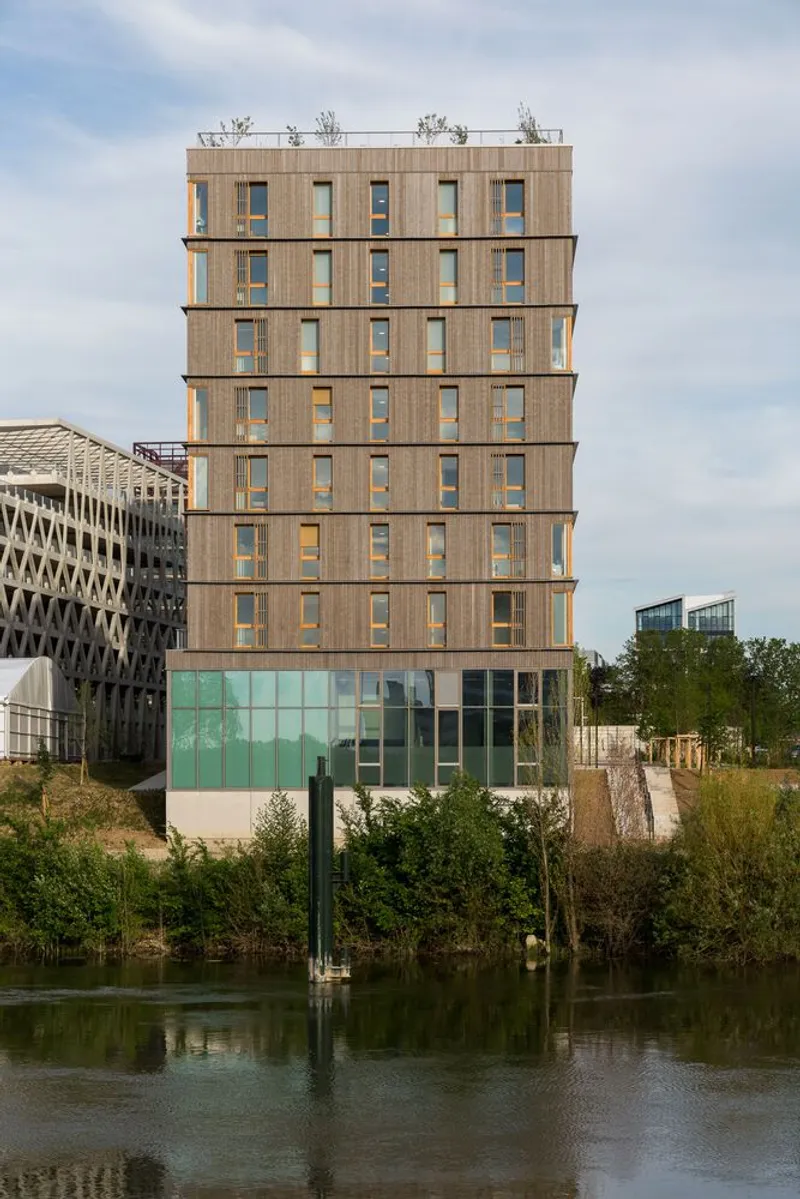
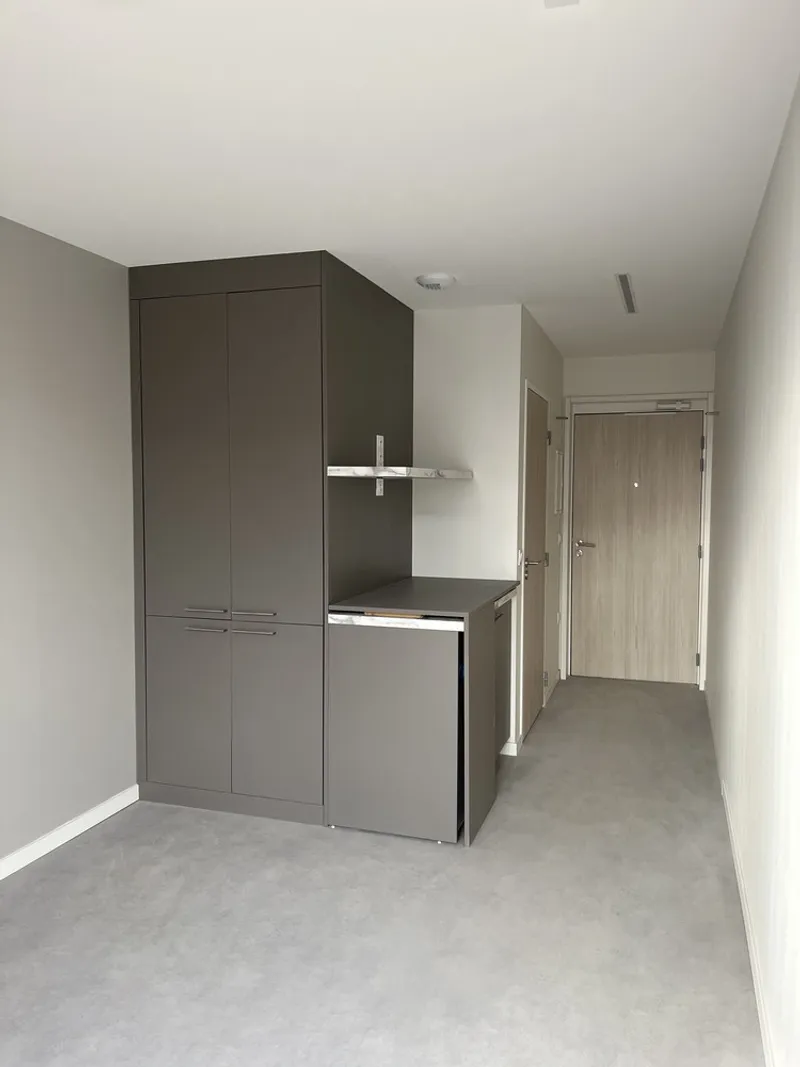
Post-games, the ground floor evolves into generous communal spaces, fostering social interaction and student well-being while also hosting commercial activities that contribute to a vibrant, mixed-use environment. Across its seven floors, the building offers 134 compact studios and eight two-room apartments, each designed to maximize comfort, efficiency, and natural light. These residences emphasize functionality and inclusivity, supporting a strong sense of community among students.
Sustainable Modular Construction with a Circular Vision
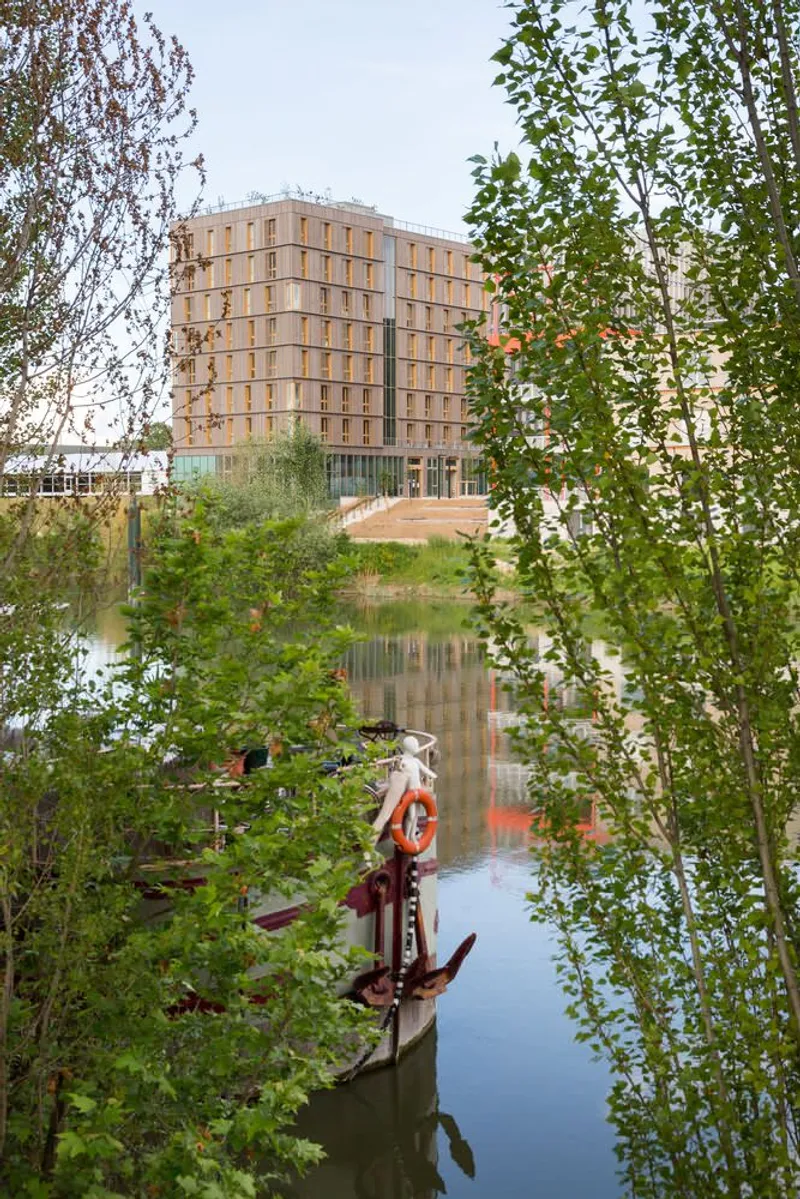
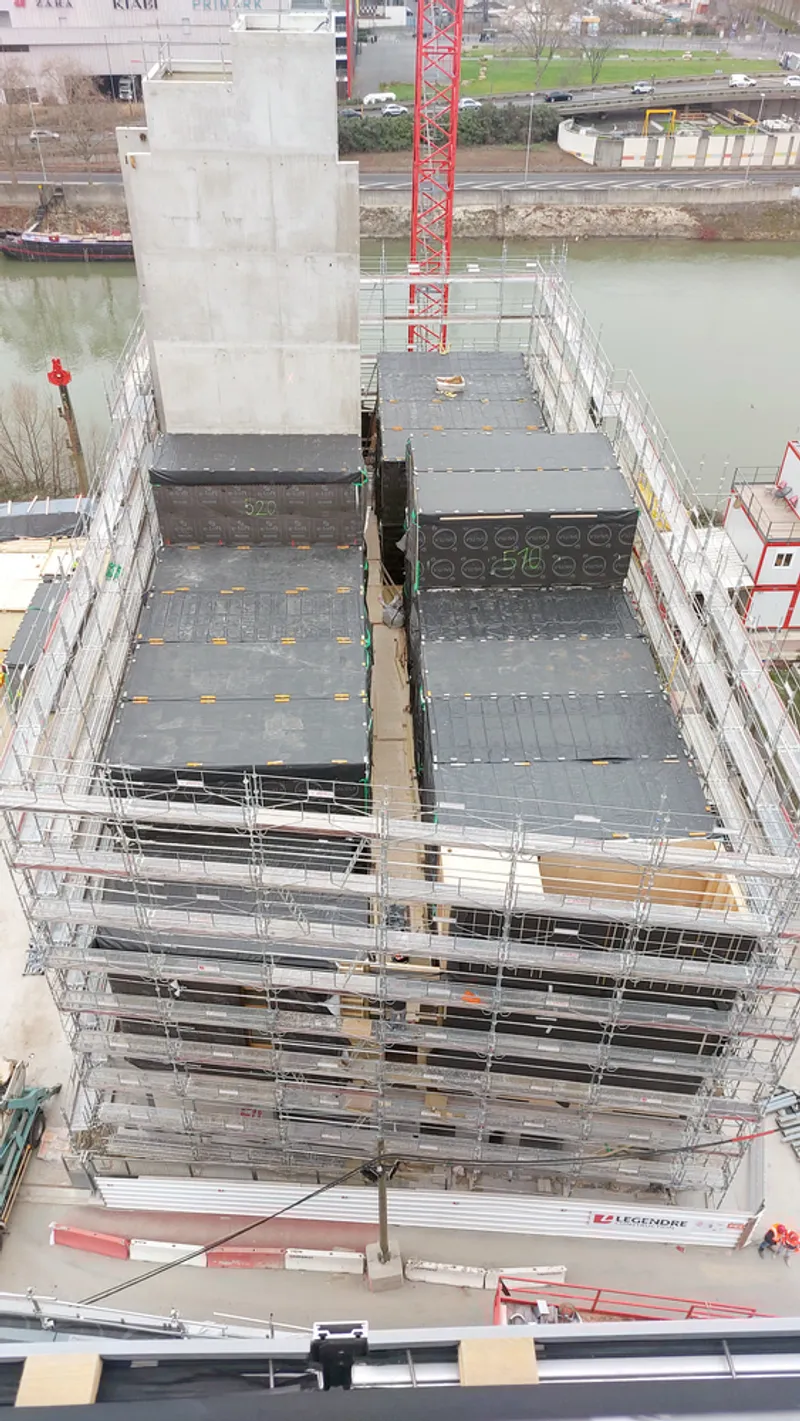
PE2 exemplifies EGA’s dedication to circular and low-carbon architecture through its fully modular wooden construction. Each module is prefabricated and transported via the Seine River: an innovative logistical solution that reduces carbon emissions, streamlines transportation, and minimizes disruption to the urban environment.
The wooden modules are not only sustainable but also fully disassemblable and reusable, offering a high degree of flexibility for future repurposing or relocation. This design philosophy aligns with the broader goals of the Olympic Village: buildings should remain adaptable, extend their lifespan, and serve evolving community needs long after the games conclude.
By leveraging a “double planning permit,” the architecture enables a dynamic shift from Olympic housing to long-term residential use. This approach highlights how planning frameworks can strategically support sustainable urban evolution, demonstrating that architectural solutions extend beyond material choices, they also involve policy innovation and long-term stewardship.
A Model for Future Urban Development
The Athletes’ Village: PE2 Student Housing stands as a compelling architectural model for cities seeking resilient, climate-conscious, and multifunctional development strategies. Through modular design, renewable materials, and an adaptable layout, the project illustrates how temporary event infrastructure can become a lasting asset for local communities.
The building not only addresses the immediate needs of large-scale international events but also contributes to lasting social infrastructure by providing high-quality student housing. Its integration of communal spaces, sustainable construction methods, and policy-backed flexibility positions PE2 as a blueprint for future urban districts aiming to balance density, livability, and environmental responsibility.
All photographs are works of Archi-Drone, EGA Erik Giudice Architects, Fabrice Commercon




Popular Articles
Popular articles from the community


Riyadh For All: Intergenerational Urban Design for Active Aging in Rabat
Riyadh For All reimagines urban design in Rabat with intergenerational co-living, adaptive courtyards, and Moroccan cultural exchange today.

Conexión: Biophilic Design Reimagines High-Rise Living in Hong Kong
Conexión reimagines high-rise living in Hong Kong through biophilic design, green facades, shared spaces, daylight, water and nature within.

Co-life: Sustainable Architecture for Age-Friendly Community Living
Co-life reimagines sustainable architecture for seniors through courtyards, rammed earth, shared gardens, and spaces designed for belonging.

The Earth Pod: 3D Printed Homes for Resilient Refugee Communities
The Earth Pod reimagines refugee housing through 3D printed homes made from clay, combining resilience, self-sufficiency, and rapid shelter.

Similar Reads
You might also enjoy these articles


Hodi-Mandai Geram
Project Function: Preservation and revitalization of the Intangible heritage and socio-spatial identity of the Hodi by Housing, Cultural Memory Center, Sacred Grove, landscape, local tourism economy


Olio Towers: A Mid-Rise for Performers That Fuses Housing, Rehearsal, and Stage
Located blocks from Houston's Theater District, this modular tower stacks living units around a central performance atrium.

Oasis: Modular Green Housing Carved into Dhaka's Urban Fabric
A shortlisted Plugin Housing entry reclaims unauthorized settlements in Dhaka with stepped concrete volumes, green roofs, and ventilation-driven design.

Black Hole: A Floating Megastructure for the Post-Physical Era
Emiliano Mazzarotto envisions a spherical, self-scaling arena where e-sports, digital hotels, and holographic stadiums replace traditional public space.

Explore Residential Building Competitions
Discover active competitions in this discipline


Challenge to design mud housing for contemporary communities


Challenge to reimagine the Iron Throne


Photograph architecture without architects


Illustrate the lost glory of Angkor Wat - Render Challenge
Comments (0)
Please login or sign up to add comments
No comments yet. Be the first to comment!