
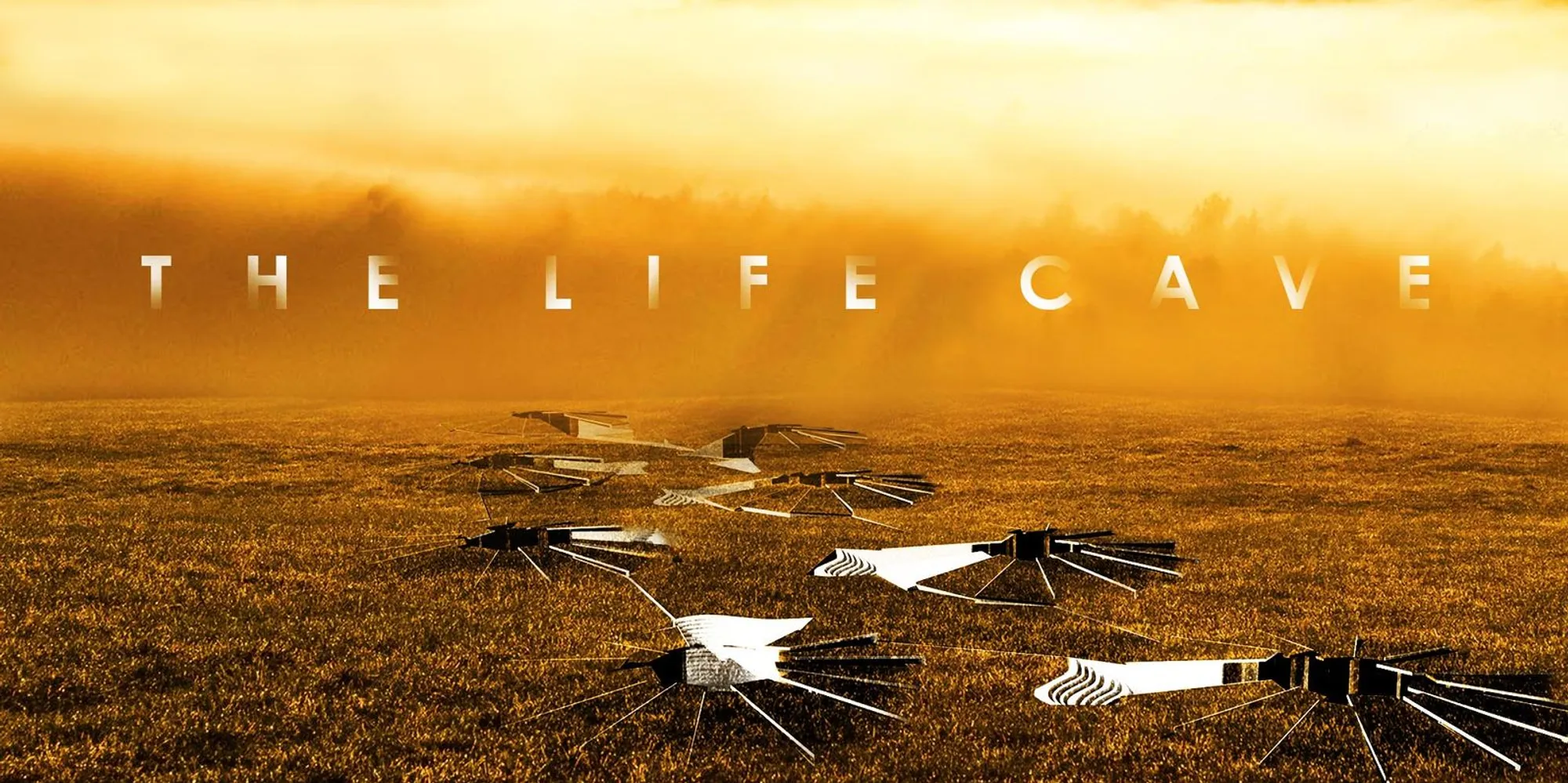
The Life Cave | Climate-Responsive Vernacular Architecture in Sanlıurfa, Turkey
Climate-responsive underground housing in Sanlıurfa reimagines courtyard living for migrant workers through passive cooling and spatial dignity.


The Life Cave is a speculative architectural proposal located in Sanlıurfa, Turkey, envisioned as a model of climate-responsive housing for migrant seasonal agricultural workers. Designed by EsmaNur Sert and Aylin Toprak, the project investigates how high-quality living environments can be created within limited spatial and economic conditions, while remaining deeply rooted in local climate, culture, and spatial traditions.
Sanlıurfa is characterized by extreme summer temperatures, strong solar exposure, and a long-standing courtyard-based urban fabric. Rather than imposing conventional housing typologies, The Life Cave reinterprets vernacular principles through contemporary architectural strategies, offering an adaptive, humane, and sustainable living model for a vulnerable population.
Site and Climatic Analysis
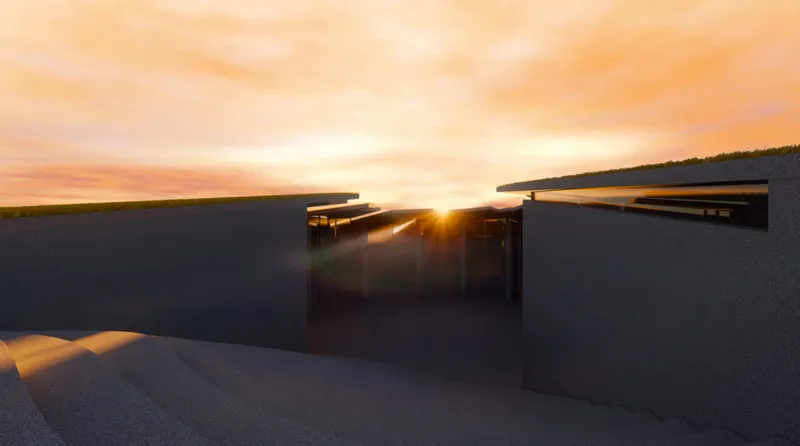
The project emerges from a detailed site analysis that considers Sanlıurfa’s urban morphology, rural-agricultural interface, and environmental constraints. High surface temperatures dominate the region for most of the year, making conventional above-ground housing inefficient and uncomfortable. In contrast, underground and semi-buried spaces benefit from naturally moderated temperatures.
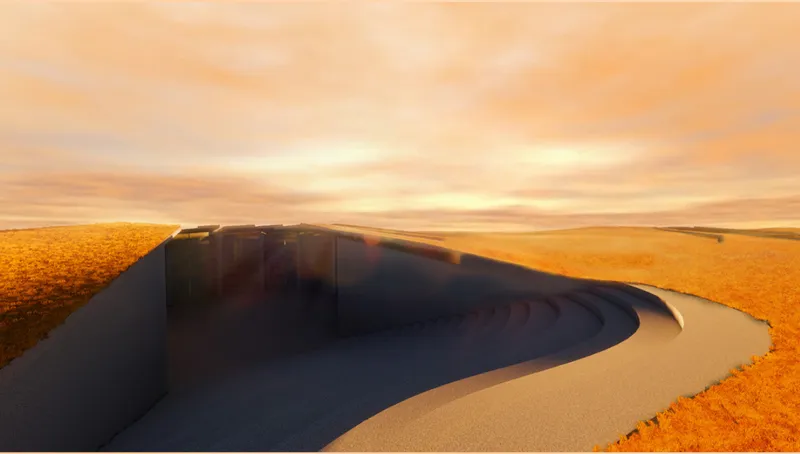
The Life Cave leverages this climatic advantage by embedding living units partially into the ground, reducing heat gain while improving thermal comfort. This passive strategy minimizes dependency on mechanical cooling systems, aligning the proposal with sustainable and climate-conscious architectural practices.
Courtyard Culture and Urban Fabric
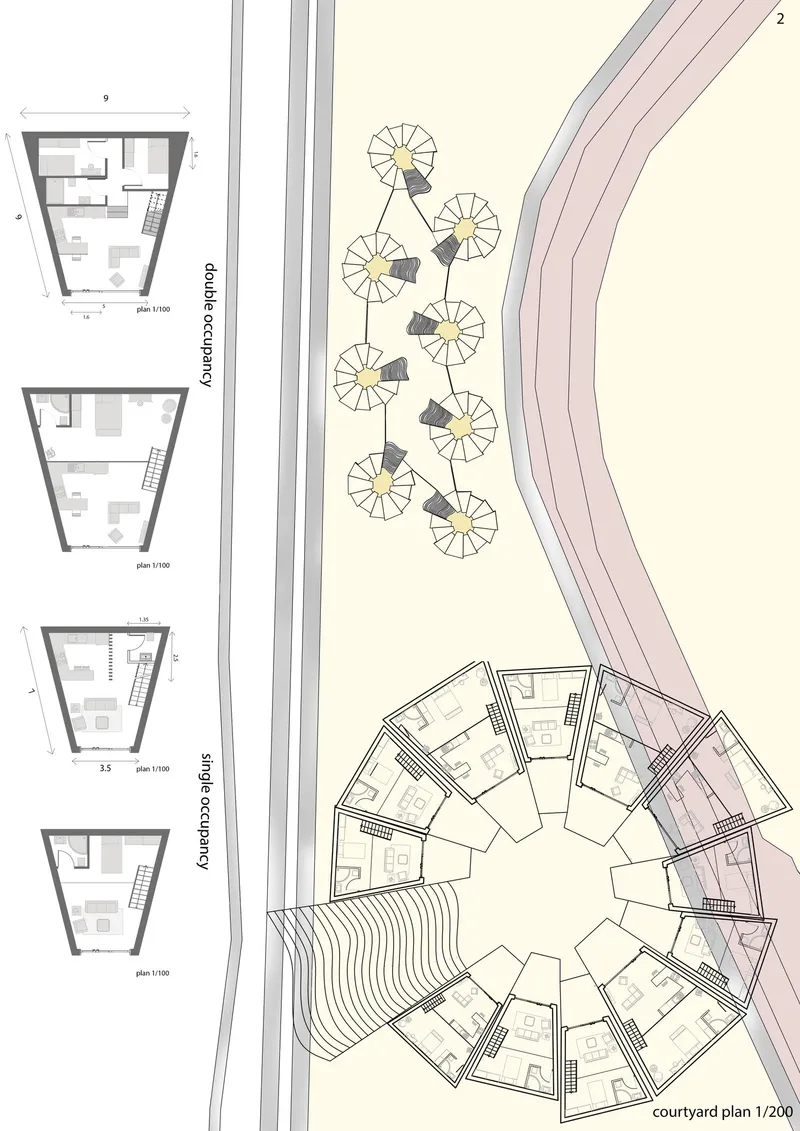
Sanlıurfa’s traditional urban fabric is largely organized around courtyards, which function as social condensers, climatic buffers, and spatial organizers. The Life Cave adapts this logic into a modular courtyard-based housing system. Each cluster of units is arranged around shared courtyards that mediate between public, semi-private, and private realms.
This spatial hierarchy allows residents to maintain privacy while still fostering community interaction, an essential aspect of migrant living environments. The courtyards also enhance natural ventilation, daylight penetration, and shaded outdoor activity areas, reinforcing the project’s climate-responsive intent.
Spatial Hierarchy and Living Units
The housing units are designed with varying occupancy types, including single, double, and family-based configurations. This flexibility responds directly to the diverse social structures of seasonal agricultural workers. Plug-in housing modules allow incremental expansion and adaptation over time, ensuring the system remains resilient and scalable.
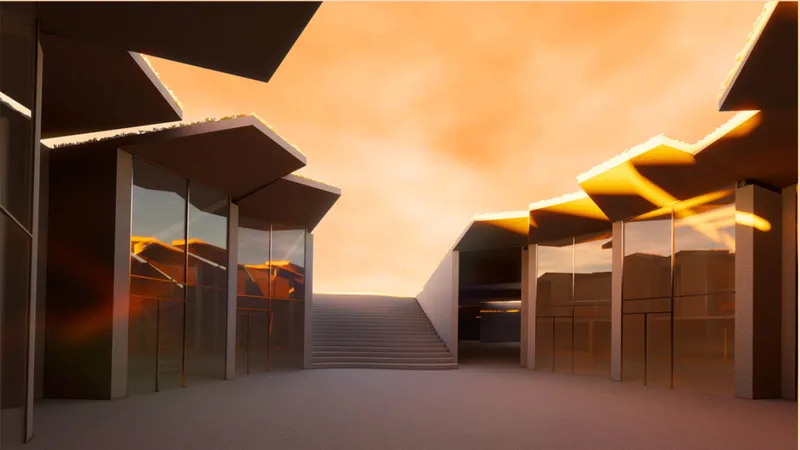
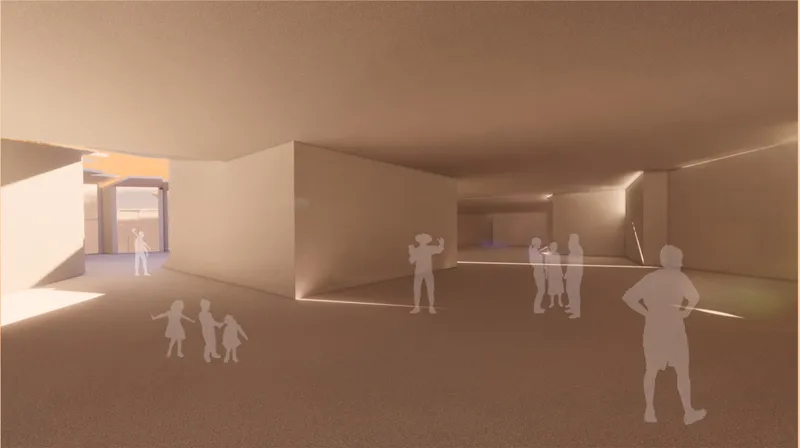
Interior spaces are compact yet efficient, with carefully considered sectional relationships. Extended eaves, recessed openings, and filtered light conditions create semi-private transitional zones between interior living spaces and shared courtyards. These shaded zones reduce direct solar exposure while encouraging social engagement.
Sectional Strategy and Environmental Performance
Sectional design plays a critical role in The Life Cave’s architectural language. Sloped roofs, deep eaves, and layered sections are employed to control sunlight, airflow, and thermal performance. Openings are strategically positioned to enable cross-ventilation, while glazed façades introduce controlled daylight into subterranean spaces.
The underground temperature gradient is used as a passive cooling mechanism, significantly improving indoor comfort levels during peak summer months. By working with the natural properties of the earth rather than against them, the project demonstrates a low-energy approach to housing in extreme climates.
Landscape and Collective Living
The Life Cave is not conceived as an isolated housing block but as a continuous landscape-integrated settlement. The built form blends into the terrain, minimizing visual impact while reinforcing a sense of belonging to the land. Circulation paths, courtyards, and communal spaces are woven together to support collective living without sacrificing individual dignity.
This approach redefines migrant worker housing from temporary shelters into dignified, context-sensitive living environments. The architecture supports daily routines, social cohesion, and long-term adaptability, key aspects often overlooked in similar housing typologies.
Architectural Significance
The Life Cave stands as an exploration of how climate-responsive housing can address social equity, environmental sustainability, and cultural continuity simultaneously. By synthesizing vernacular courtyard traditions with contemporary spatial strategies, the project offers a compelling alternative to generic low-cost housing models.
Rather than treating climate as a constraint, The Life Cave positions it as a design generator: demonstrating how architecture can respond intelligently to place, people, and environmental realities.
Project Credits
Project Name: The Life Cave
Location: Sanlıurfa, Turkey
Architects: EsmaNur Sert, Aylin Toprak




Popular Articles
Popular articles from the community


Play: Fragments of Their World
Familiar architecture becomes modular playground design, creating safe spaces where displaced children can learn, connect, imagine and play.

Hill & Cross Opera: Sculptural Opera House Architecture Shaped by Tallinn’s Landscape and Identity
Hill & Cross Opera reimagines opera house architecture in Tallinn through its sculptural hill, civic plaza, glass wave and a luminous cross.

Co-life: Sustainable Architecture for Age-Friendly Community Living
Co-life reimagines sustainable architecture for seniors through courtyards, rammed earth, shared gardens, and spaces designed for belonging.

Conexión: Biophilic Design Reimagines High-Rise Living in Hong Kong
Conexión reimagines high-rise living in Hong Kong through biophilic design, green facades, shared spaces, daylight, water and nature within.


Similar Reads
You might also enjoy these articles

Maya Harvest: A Cacao Resort Village Rooted in Mayan Tradition and Local Craft
Situated within a Tabasco cacao plantation, this shortlisted resort proposal merges vernacular materials with hands-on cultural immersion.
Harmonia: A River-Shaped Community That Grows Over Decades in Boa Vista
Curved pathways and modular grid structures along the Branco River create a phased settlement designed to evolve from 2030 to 2050.
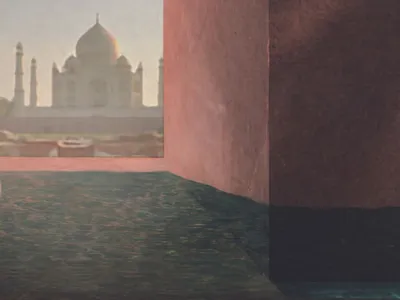
The Architecture of Bathing: A Mughal Hammam Reimagined Across the Yamuna
Charlotte May's honorable mention entry for The Black Taj reinterprets Agra's bathing rituals through red sandstone, water, and framed views of the Taj Mah
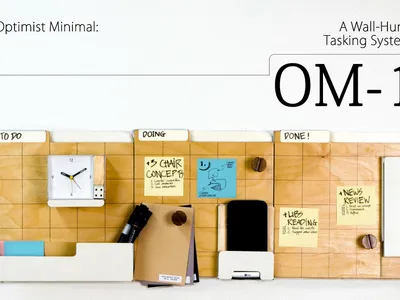
Om-1: A Wall-Hung System That Moves Your Workspace Off the Desk
Modular plywood boards, magnetic pegs, and utility elements migrate clutter from the horizontal surface to the vertical plane.


Explore Cave Competitions
Discover active competitions in this discipline



Challenge to reimagine the Iron Throne


Photograph architecture without architects


Illustrate the lost glory of Angkor Wat - Render Challenge


Design challenge to reuse E-waste
Comments (0)
Please login or sign up to add comments
No comments yet. Be the first to comment!