

THE RESONANT PAUSE : DISCONNECT TO RECONNECT
Reclaiming Human Connection Through Architecture

In an era where digital technology permeates nearly every aspect of daily life, the boundary between the physical and virtual worlds has become increasingly blurred. Smartphones, social media platforms, wearable devices, and constant internet connectivity have transformed how people work, communicate, and experience their surroundings. While these technological advancements have undoubtedly improved convenience and productivity, they have also contributed to rising levels of stress, anxiety, digital fatigue, and social isolation. The growing dependence on screens has created a pressing need for environments that encourage individuals to disconnect from technology and reconnect with themselves, nature, and meaningful human interaction.
A digital detox is more than simply reducing screen time it represents a conscious effort to restore balance between technology and everyday life. It provides an opportunity to step away from constant notifications, endless streams of information, and the pressures of digital engagement. By temporarily disconnecting from electronic devices, individuals can experience improved mental clarity, enhanced creativity, better sleep quality, and stronger interpersonal relationships. Increasingly, digital detox retreats are emerging as dedicated spaces designed to facilitate this process through carefully curated environments that promote mindfulness, relaxation, and holistic well-being.
Architecture plays a significant role in shaping human behaviour and emotional experiences. Every space influences how people think, interact, and perceive their surroundings. A well-designed environment can reduce stress, encourage reflection, and foster meaningful social engagement. In the context of a digital detox retreat, architecture becomes more than a physical enclosure it becomes an active participant in the healing process.
The design of a digital detox retreat prioritizes sensory experiences that are often diminished in digitally dominated lifestyles. Natural light, fresh air, flowing water, vegetation, and tactile materials stimulate the senses and encourage individuals to become more aware of the present moment. Instead of relying on digital stimulation, users engage with changing daylight, seasonal landscapes, natural sounds, and physical movement through space. Such experiences contribute to reduced cognitive overload while strengthening the connection between people and their environment.Nature has long been recognized as a powerful contributor to psychological and physiological well-being. Research consistently demonstrates that exposure to natural environments lowers cortisol levels, reduces anxiety, improves concentration, and enhances emotional resilience. Integrating biophilic design principles into architecture allows built spaces to harness these restorative qualities. Courtyards, meditation gardens, walking trails, water bodies, and carefully framed views become essential components of the architectural experience rather than decorative additions.
Spatial sequencing also plays a critical role in supporting digital detox. Rather than creating abrupt transitions, thoughtfully designed circulation gradually guides visitors away from the distractions of everyday life. Arrival spaces can symbolically mark the transition from a digitally connected environment to one centred on mindfulness and presence. Semi-private spaces encourage reflection, while communal gathering areas facilitate face-to-face conversations, collaborative activities, and shared experiences that strengthen social bonds.
Silence has become an increasingly rare commodity in contemporary society. Constant notifications, media consumption, and urban noise contribute to continuous mental stimulation, leaving little opportunity for reflection. Architectural acoustics therefore become an important design consideration. Quiet meditation spaces, sound-buffering landscapes, water features, and vegetation can create calming soundscapes that replace technological noise with natural ambience. These subtle environmental qualities significantly enhance the restorative potential of the retreat.
The success of a digital detox retreat depends not only on restricting technology but also on providing meaningful alternatives that enrich everyday experiences. Spaces for yoga, meditation, reading, creative arts, gardening, cooking, outdoor recreation, and community workshops offer opportunities for self-expression and personal growth. Rather than perceiving disconnection as deprivation, visitors experience it as an opportunity to rediscover forgotten interests and cultivate healthier habits.Sustainability naturally aligns with the philosophy of digital detox. Both advocate conscious living, responsible resource consumption, and long-term well-being. Passive design strategies, renewable energy systems, rainwater harvesting, natural ventilation, and locally sourced materials reduce environmental impact while strengthening the relationship between architecture and its surrounding ecosystem. Such sustainable interventions create environments that are both ecologically responsible and psychologically restorative.
As technology continues to evolve, complete disconnection may neither be practical nor desirable. Instead, the objective is to cultivate a healthier relationship with digital devices by creating environments that remind people of the value of human interaction, natural landscapes, and mindful living. In this context, architecture emerges as a catalyst for behavioural change, offering spaces that restore balance between innovation and humanity. A digital detox retreat therefore represents not merely a destination but a vision for designing healthier, more resilient, and more connected communities in an increasingly connected world.

Popular Articles
Popular articles from the community


Cloaked Colonization: A Mobile Underwater Habitat That Moves Like a Fish
Micah Abaya's shortlisted EHC Pacific entry reimagines ocean settlement as a dispersed network of self-sustaining architectural organisms.
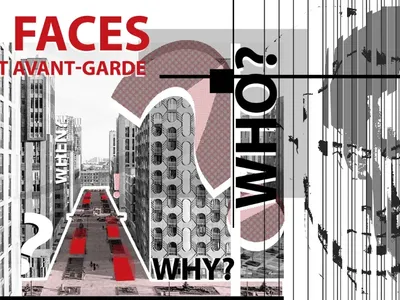
Faces of the Soviet Avant-Garde: Turning Moscow's Street Names into an Open-Air Museum
A network of sculptural installations across a Moscow residential district transforms forgotten architect names into spatial encounters with cultural memor

Opera by the Sea Estonia: Three Shells Dissolving Architecture into Tallinn's Coastline
A winning opera house proposal replaces monumental form with interconnected shells that blur the boundary between building, park and Baltic Sea.

Singing Woman: Contemporary Architecture Inspired by Estonia’s Voice and the Sea
Singing Woman turns Estonia’s song culture into flowing opera house architecture, blending public life, landscape, sea, and national memory.

Similar Reads
You might also enjoy these articles

Day and Night Park: A Time-Based Urban Newsstand in Beijing
A temporary urban newsstand in Beijing blending travel, light, and reading through poetic colors, compact form, and community-focused design.

Modernist Patio Renovation in El Masnou, Barcelona by Oliver Segura Arquitectura + Cebrià Arquitectura
Modernist patio renovation blending tradition and innovation with a movable pool, leveled floors, and Catalan materials in El Masnou.

Alto Residencial Coop: Cooperative Housing Development in Santiago de Compostela by Carbajo Barrios Arquitectos
A linear cooperative housing complex blending white volumes and perforated metal façades, enhancing community living, natural light, privacy, and urban integration.

Vil Genis School by BPA ARCHITECTURE – Massy, France
Vil Genis School in Massy, France, features sustainable design, south-facing classrooms, community integration, accessible spaces, and modern educational architecture.

Explore Architecture Competitions
Discover active competitions in this discipline


Challenge to reimagine the Iron Throne

Photograph architecture without architects

Illustrate the lost glory of Angkor Wat - Render Challenge

Design challenge to reuse E-waste
Comments (0)
Please login or sign up to add comments
No comments yet. Be the first to comment!