

The Rose Apartments: Courtyard Housing as Social Infrastructure in Venice, Los Angeles
A LEED Gold courtyard apartment in Venice providing dignified, walkable, affordable housing for transitional youth through community-centered architectural design.


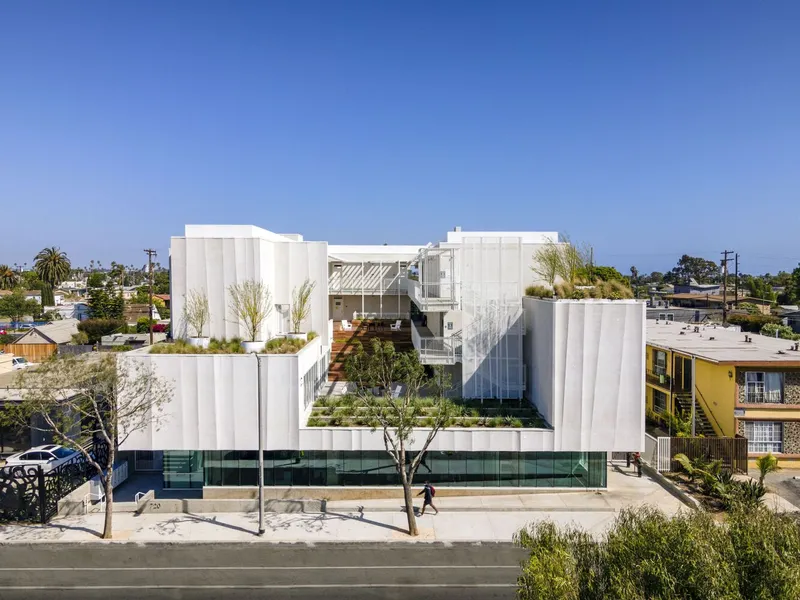
Designed by Brooks + Scarpa, The Rose Apartments is a four-story, LEED Gold, certified mixed-use housing project located in Los Angeles. Completed in 2021, the project delivers 35 units of 100% affordable housing specifically dedicated to transitional-aged youth, young adults aging out of foster care or youth facilities who are at high risk of homelessness. More than a residential building, The Rose Apartments functions as a piece of social infrastructure, addressing housing insecurity within one of the city’s most affluent and resource-rich neighborhoods.
Housing Equity in a High-Opportunity Urban Context
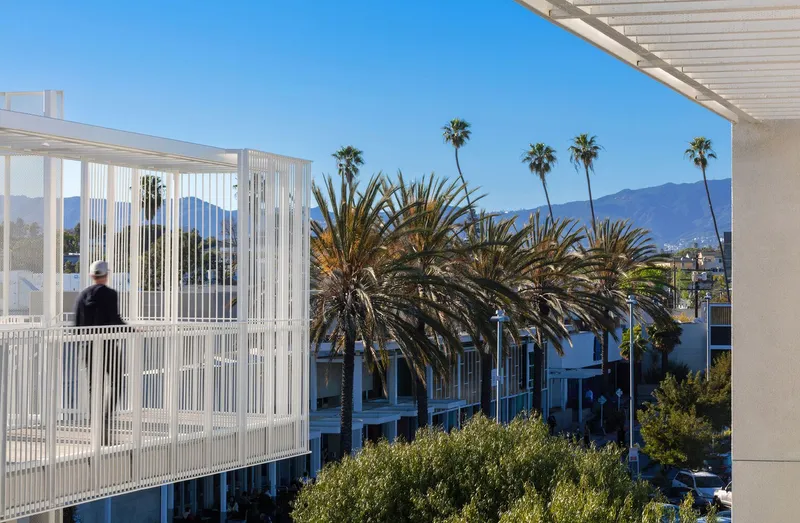
Situated on Rose Avenue in Venice, the building occupies a walkable, transit-oriented site that minimizes reliance on cars. Everyday amenities: including grocery stores, laundromats, retail, and services, are directly across the street, while the Pacific coastline lies just seven blocks away. By embedding affordable housing within a desirable urban fabric, the project challenges patterns of socio-spatial segregation and allows low-income residents to remain close to jobs, services, and community life.
Reinterpreting the Los Angeles Courtyard Typology
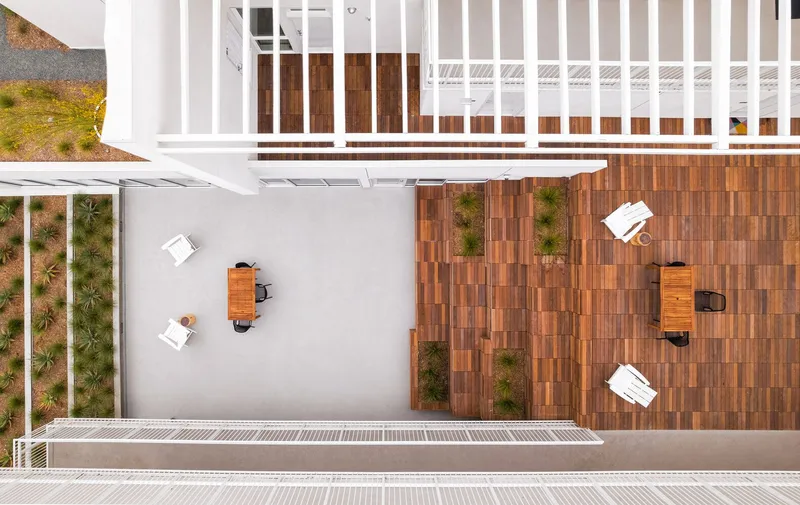
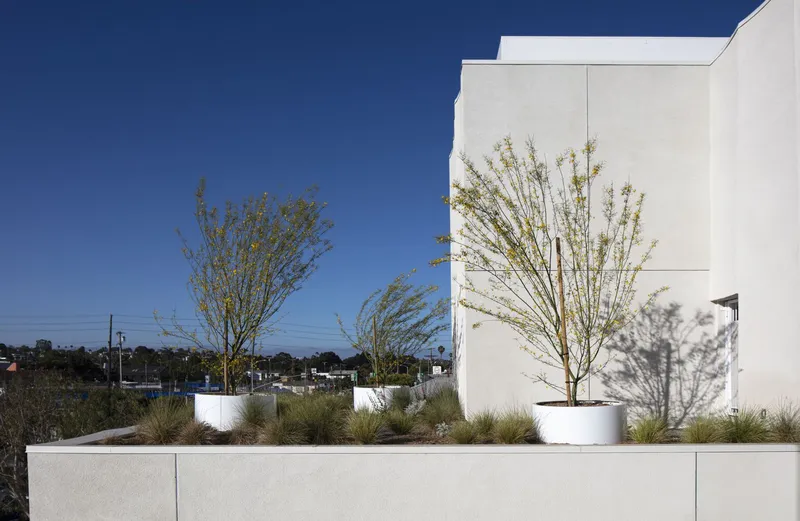
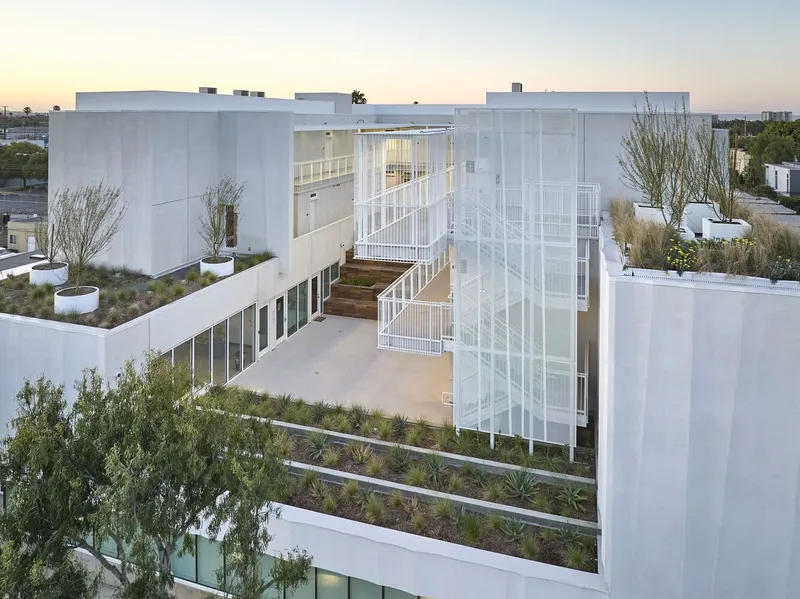
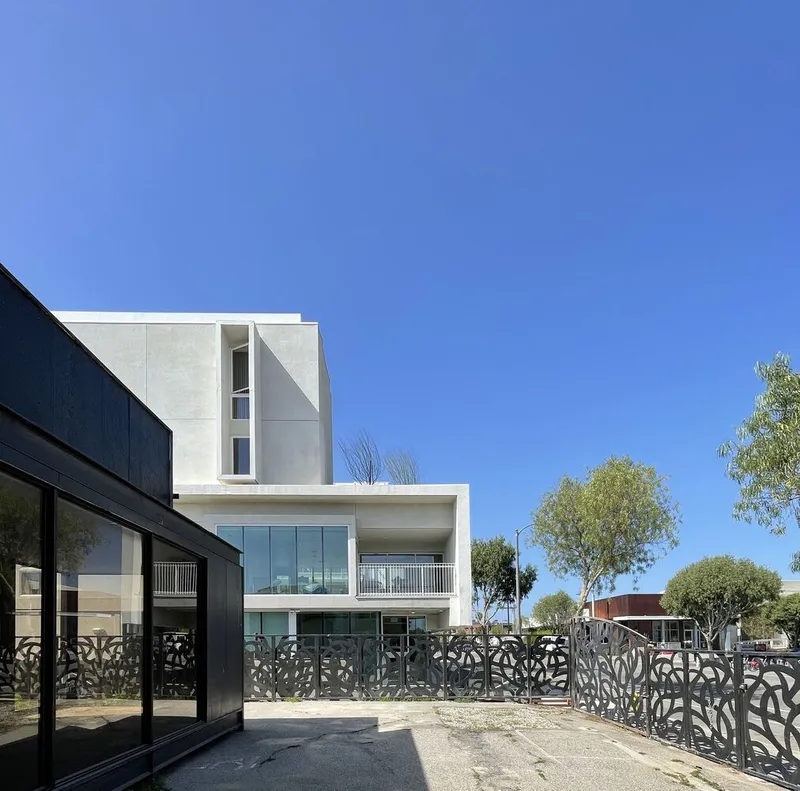
The architectural concept draws inspiration from Southern California’s historic courtyard housing, notably Horatio Court (1919) by Irving Gill. Rather than placing residual outdoor space around the building perimeter, The Rose Apartments organizes life around a raised central courtyard positioned above ground-level commercial space. This elevated courtyard acts as a semi-public social heart, mediating between private living spaces and the surrounding neighborhood.
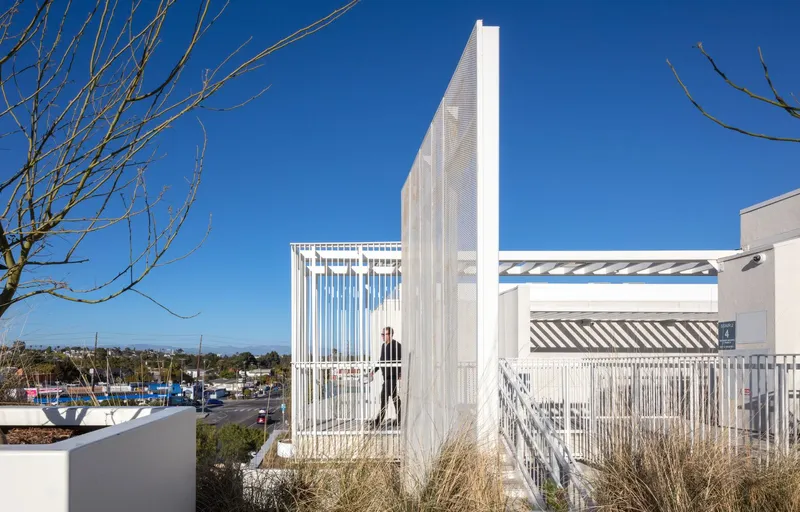
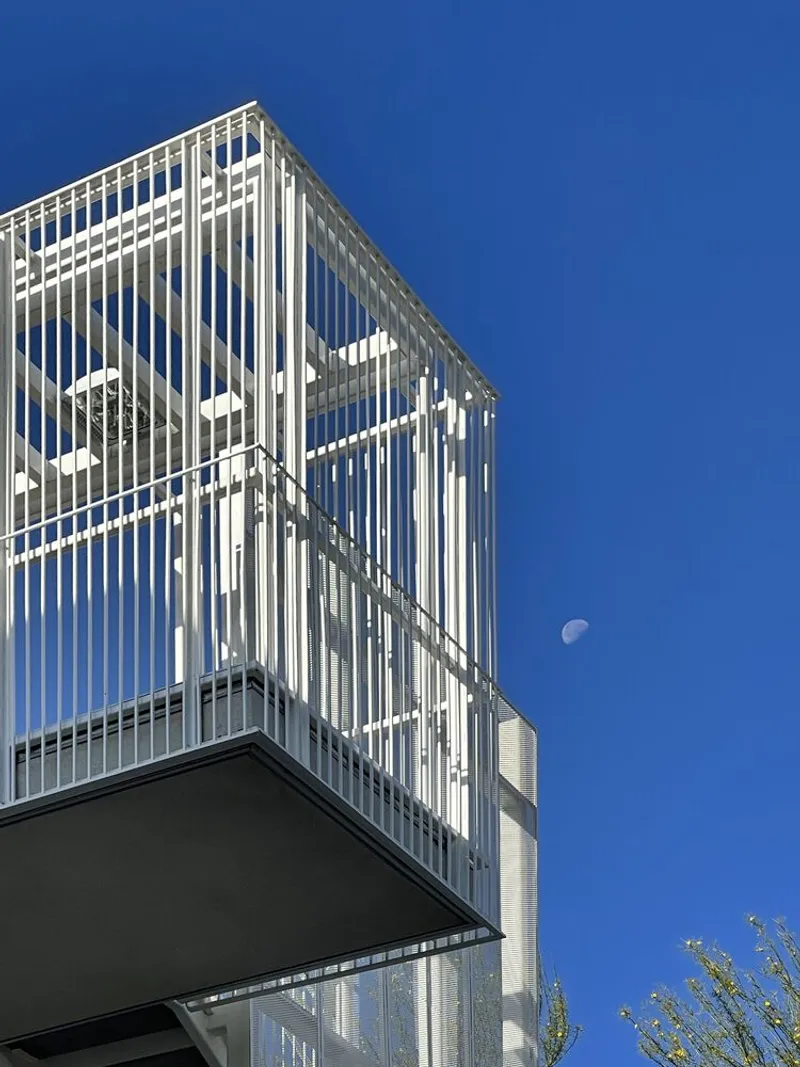
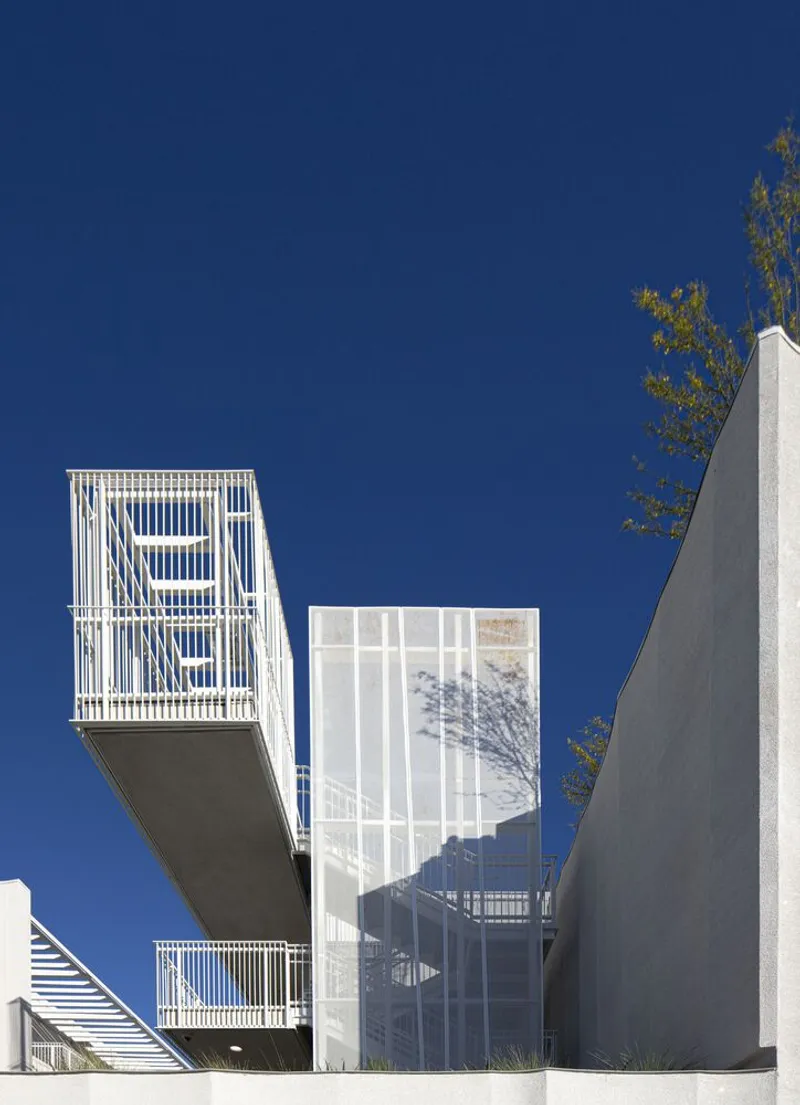
Historically prevalent throughout Los Angeles, courtyard apartments foster neighborliness, safety, and belonging. At The Rose Apartments, this typology is reimagined to meet contemporary needs: enhancing security and privacy while remaining visually and socially connected to the street. Purposeful exterior circulation, carefully placed windows, and apartment units wrapping the site’s edges orient residents toward shared spaces without sacrificing dignity or autonomy.
Architecture That Prioritizes Community Over Defensiveness
Unlike many affordable housing developments that rely on fences, blank walls, or defensive postures, The Rose Apartments embraces openness and visibility. The carved-out courtyard becomes a beacon within the neighborhood, an architectural gesture that celebrates collective life while subtly de-emphasizing private space. Residents experience both separation and connection: spatial distance that ensures privacy, paired with visual links that encourage interaction and mutual awareness.
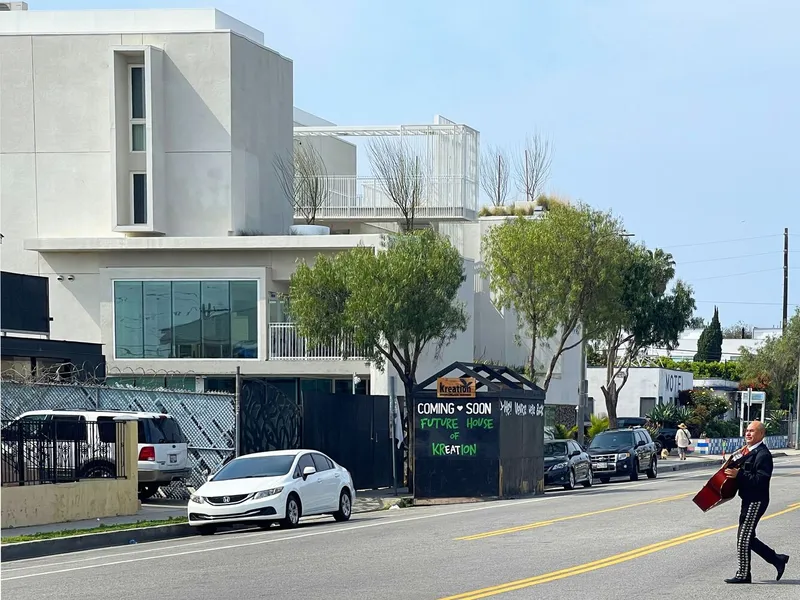
Density as a Tool for Social Impact
By dedicating the project to transitional-aged youth, the development qualified for increased height and density under California Assembly Bill AB 763. This policy mechanism allowed the density to increase dramatically, from an area average of approximately 12 dwelling units per acre to over 110 units per acre. The result is a compact, efficient building that maximizes land use while delivering urgently needed affordable housing in a neighborhood where such opportunities are rare.
Material Expression and Environmental Performance
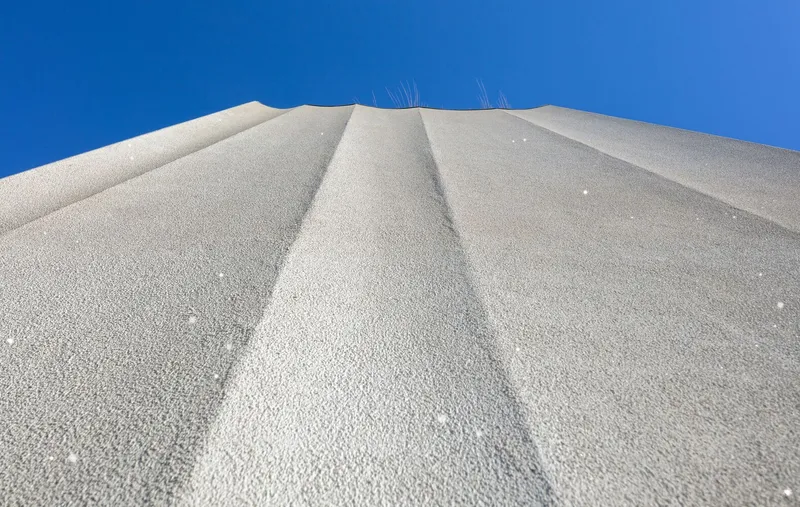
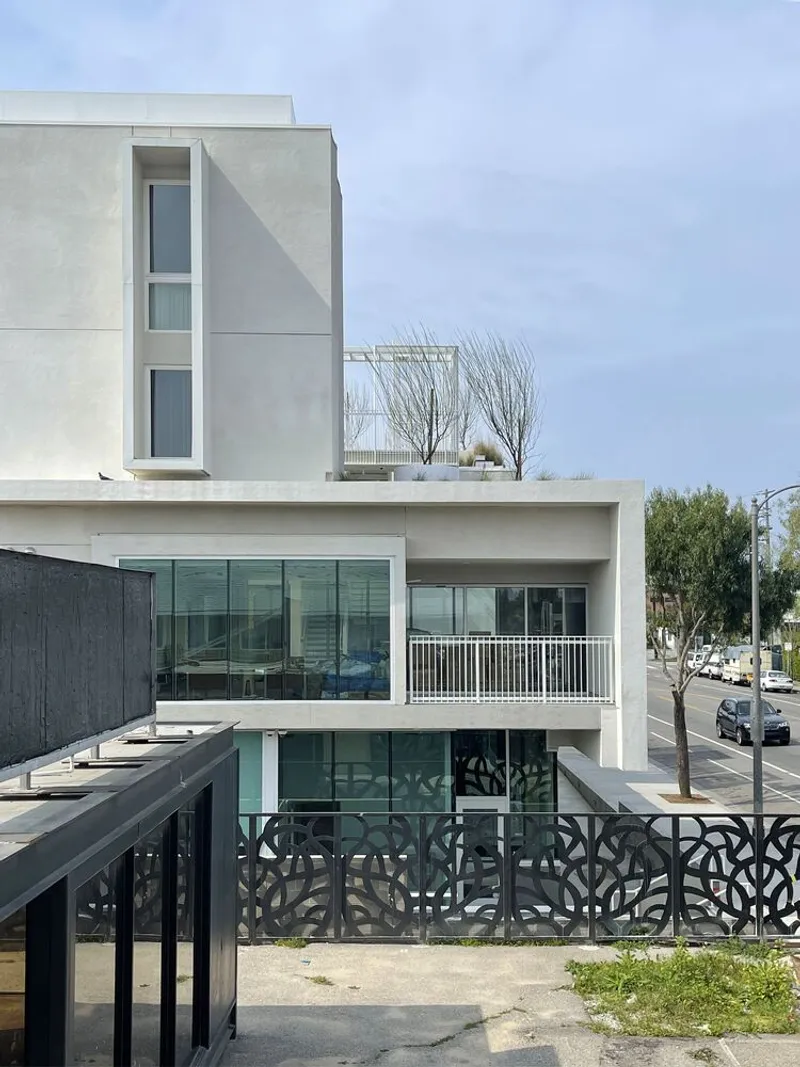
The Rose Apartments employs a familiar material palette rooted in Los Angeles construction traditions, most notably cement plaster façades. However, Brooks + Scarpa transform this economical material through scalloped wall profiles, adding depth, shadow, and tactile richness, qualities often absent in cost-constrained housing projects. A surface-applied sparkle grain finish animates the façade, causing it to shimmer and shift between silver and soft matte tones as sunlight changes throughout the day.
This subtle dynamism allows the building to respond to its environment, bending light and casting evolving shadows that enrich the pedestrian experience. Combined with high-performance building systems and sustainable design strategies, these material choices support the project’s LEED Gold certification while reinforcing architectural identity.
A Model for Inclusive Urban Housing
The Rose Apartments demonstrates how thoughtful design, policy alignment, and social commitment can converge to create equitable, community-oriented housing. By reviving a historic courtyard typology and adapting it to contemporary urban realities, the project offers a replicable model for affordable housing in high-cost cities: one that prioritizes dignity, sustainability, and a genuine sense of belonging.
All photographs are works of
Jeff Durkin, Brooks + Scarpa



Popular Articles
Popular articles from the community


The Musturak Paradise: Senior Living Architecture for a Connected Future in Temara, Morocco
The Musturak Paradise reimagines senior living architecture in Temara via private homes, social spaces, culture, community, and shared care.

Conexión: Biophilic Design Reimagines High-Rise Living in Hong Kong
Conexión reimagines high-rise living in Hong Kong through biophilic design, green facades, shared spaces, daylight, water and nature within.

Co-Life: Senior Housing Design That Reconnects Older Adults With the City
Co-Life reimagines senior housing design through healing gardens, shared streets, workshops, and a sustainable community across generations.

Riyadh For All: Intergenerational Urban Design for Active Aging in Rabat
Riyadh For All reimagines urban design in Rabat with intergenerational co-living, adaptive courtyards, and Moroccan cultural exchange today.


Similar Reads
You might also enjoy these articles

FAMM Arquitectura Organizes Ten Villas Around Courtyards and Jungle in Nosara, Costa Rica
El Molino pairs two elongated volumes with deep overhangs and timber louvers to build a compact coastal community five minutes from the beach.
Oscar Niemeyer's Ibirapuera Park Pavilions Define São Paulo's Cultural Identity in Concrete and Curve
A constellation of modernist volumes set within São Paulo's most important urban park, conceived for the city's 400th anniversary in 1954.
How Henri Picq's 1889 Paris Pavilion Traveled 11,000 Kilometers to Become Santiago's Artequín Museum
A prefabricated iron and glass pavilion built for the Paris Universal Exposition found a second life as a children's art museum in Chile.
Sanjay Puri Architects Wraps a Jaipur Office Tower in Capsule-Shaped Green Buffers
A nine-level climate-responsive workplace near Jaipur Airport uses stacked planter terraces and aluminium screens to fight 40°C heat.


Explore Youth housing Competitions
Discover active competitions in this discipline


Challenge to design mud housing for contemporary communities


Challenge to reimagine the Iron Throne


Photograph architecture without architects


Illustrate the lost glory of Angkor Wat - Render Challenge
Comments (0)
Please login or sign up to add comments
No comments yet. Be the first to comment!