
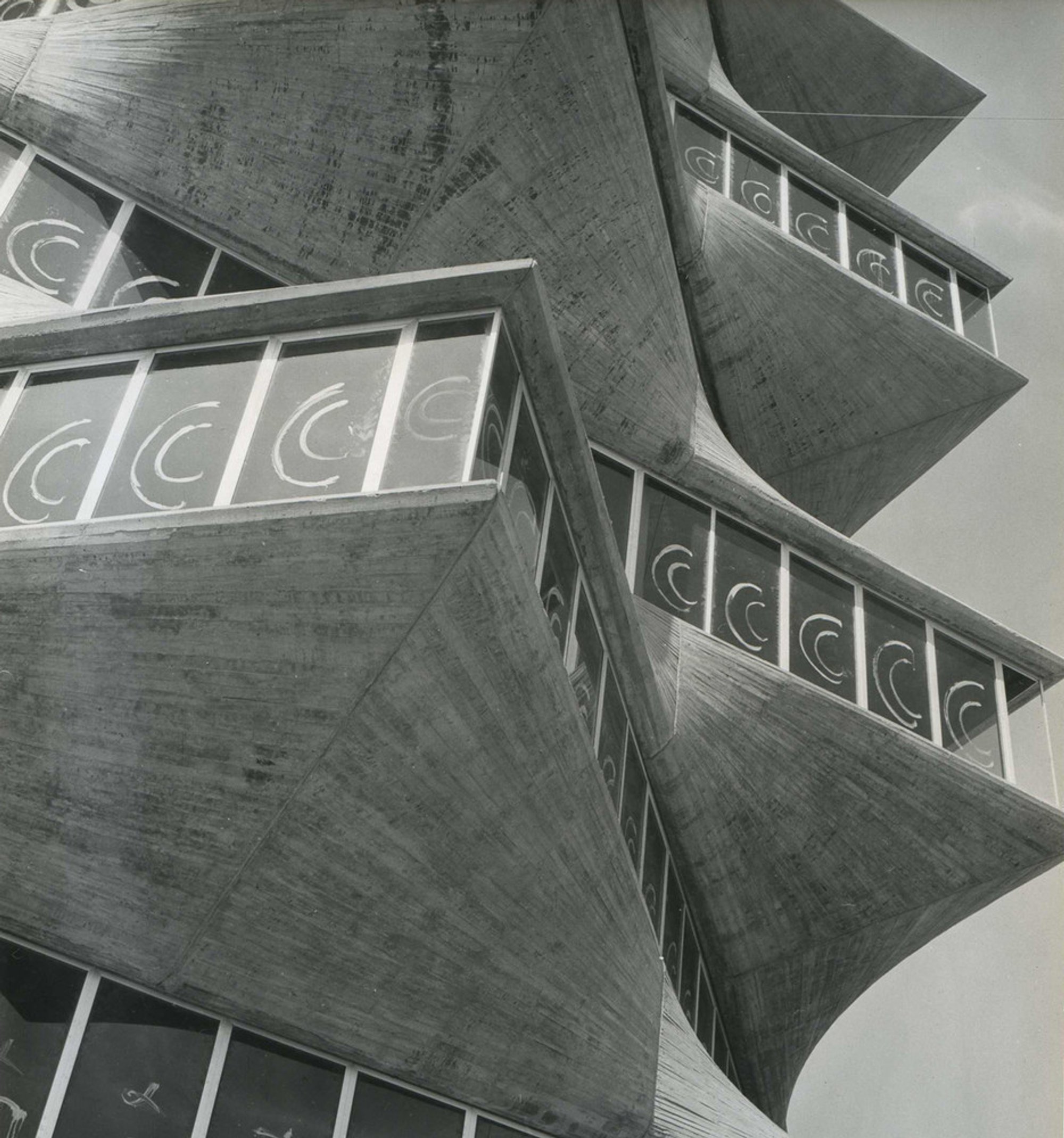
The Tale of La Pagoda: A Lost Jewel of Iconic Spanish Architecture
This article explores the architectural significance and controversial demolition of Miguel Fisac's 'Pagoda,' a lost icon of Spanish architecture.

The Mythification of an Architectural Marvel
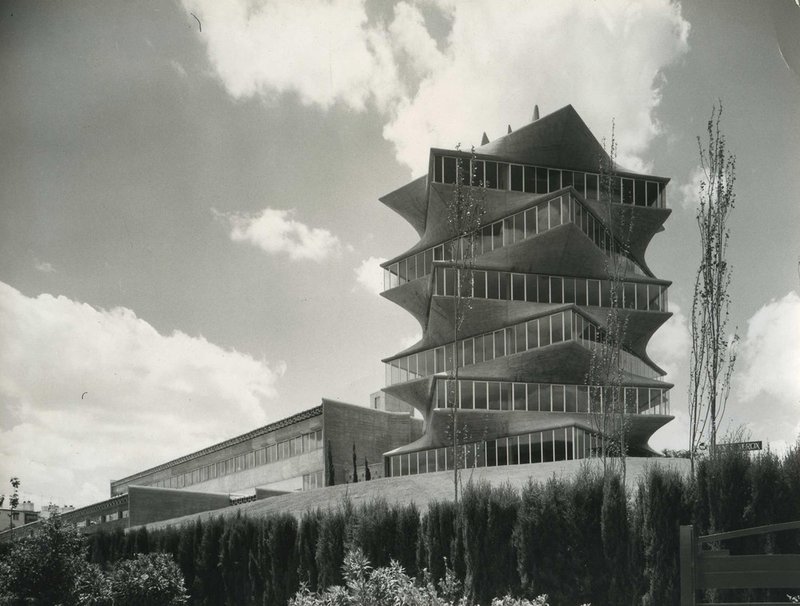
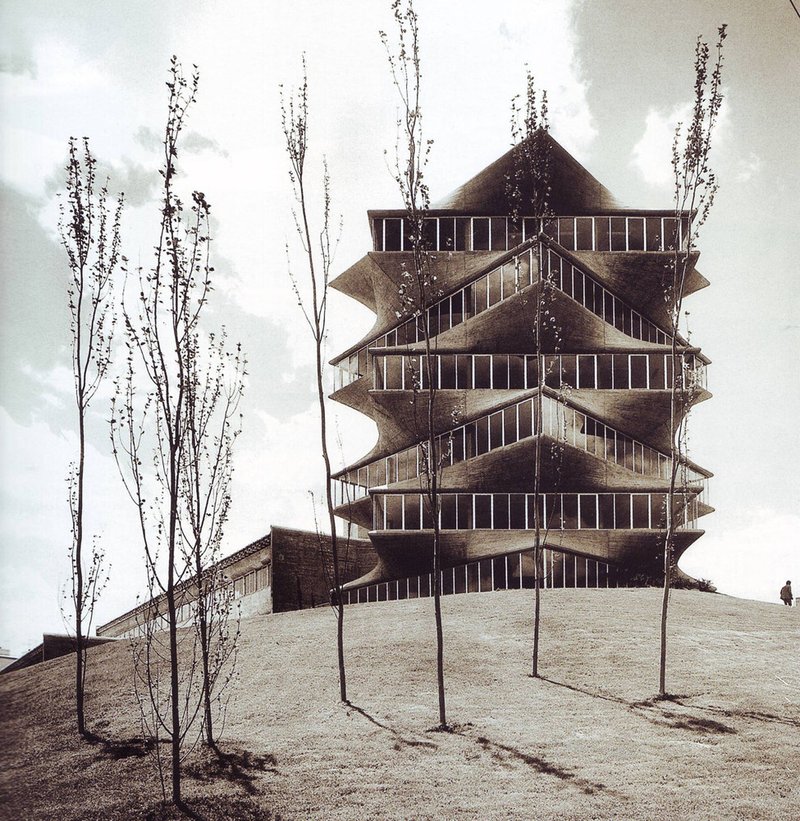
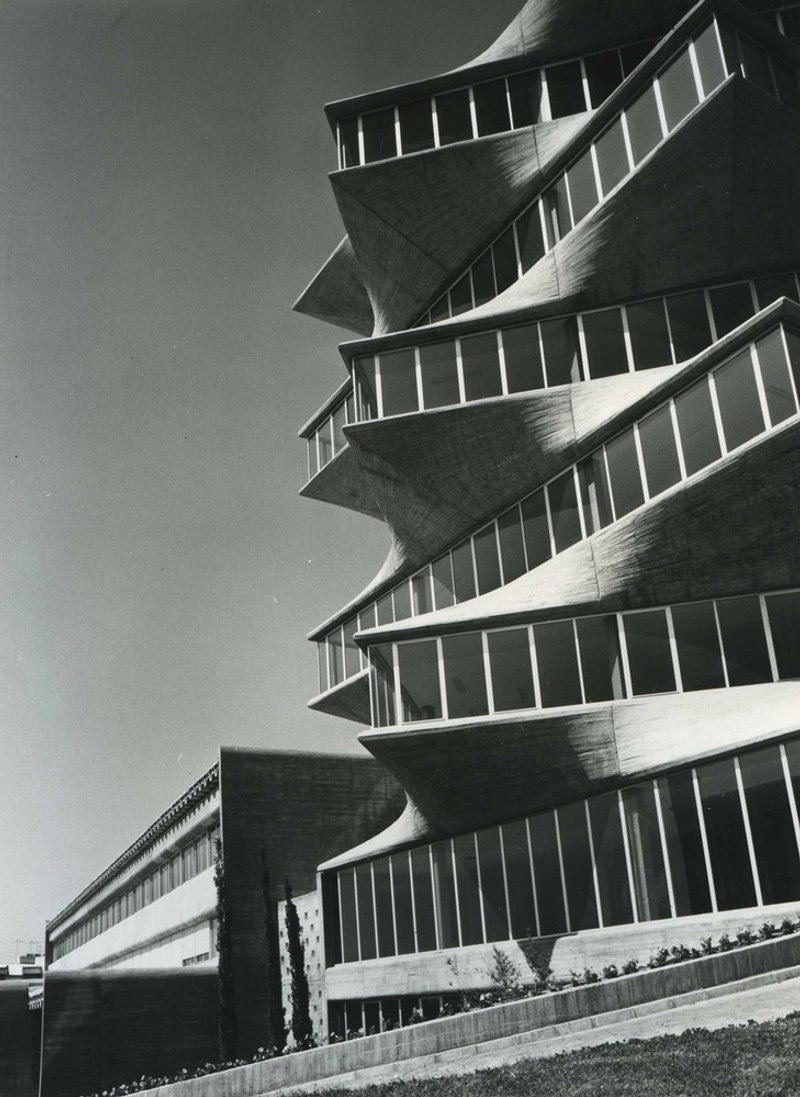
In the vast landscape of iconic Spanish architecture, few structures have stirred as much emotion and debate as Miguel Fisac's 'La Pagoda.' Known formally as the Madrid headquarters of JORBA Laboratories, this building epitomized the blend of innovation and controversy. Its demolition in 1999 marked a significant loss in the architectural heritage of Spain.
The Vision of Miguel Fisac
Design and Concept
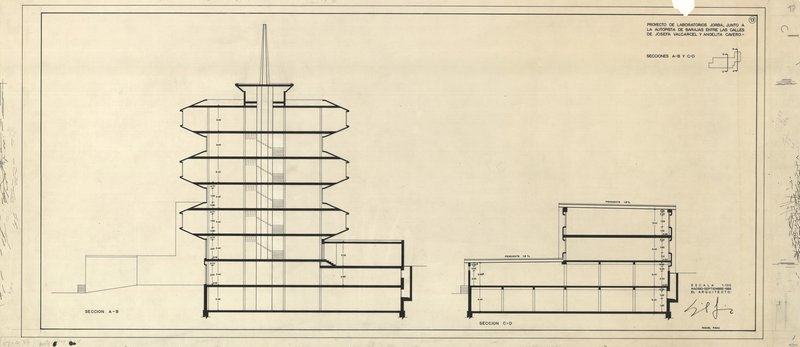
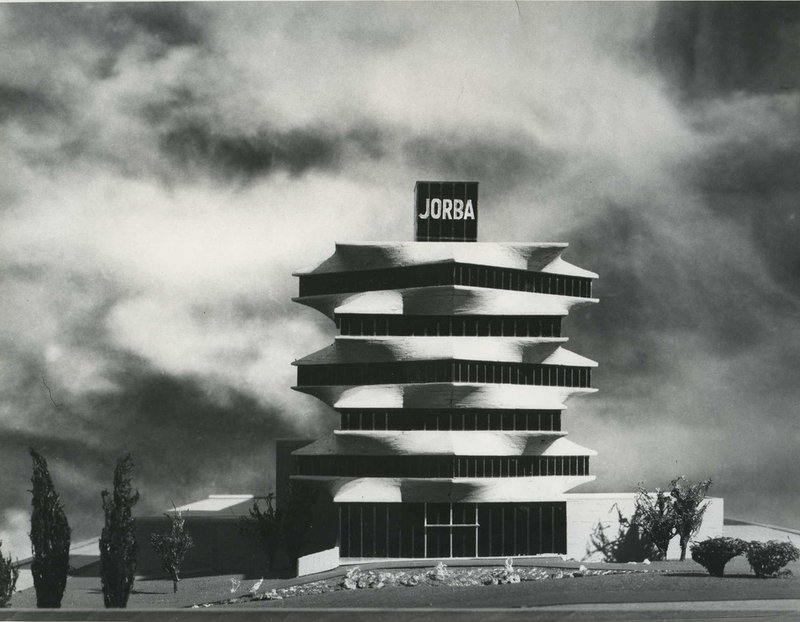
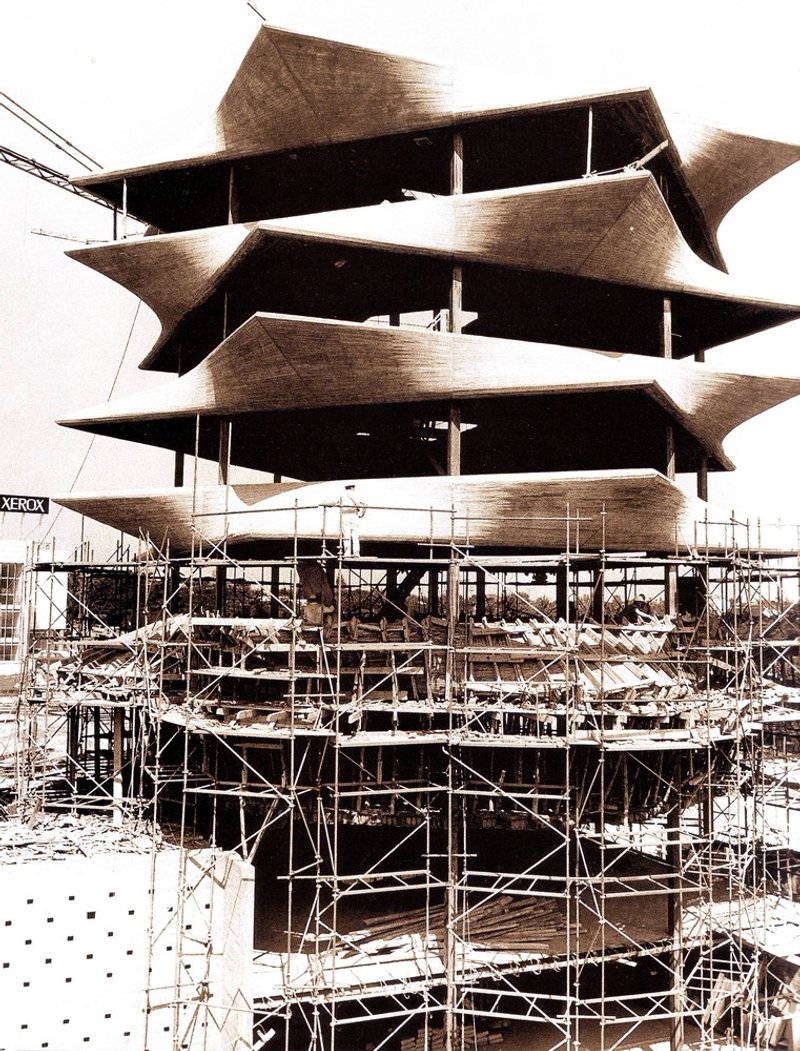
Miguel Fisac, a pioneer of modern Spanish architecture, was tasked in 1965 with creating a building that would not only serve as the headquarters for JORBA Laboratories but also stand as a beacon of modernist ideals. The 'Pagoda,' with its distinctive hyperbolic paraboloid shapes, showcased Fisac’s innovative use of concrete and his mastery in architectural geometry.
Construction Techniques
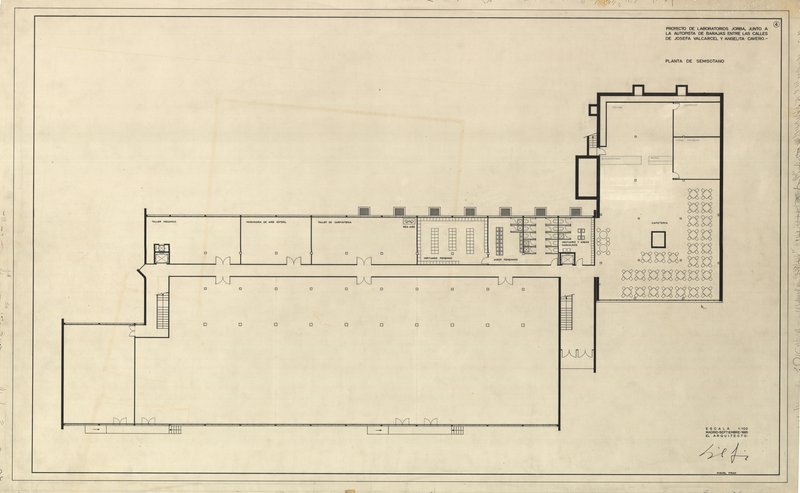
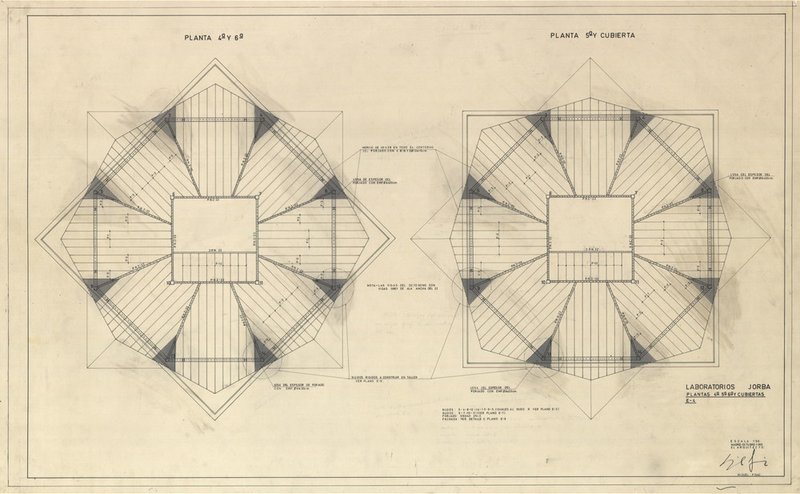
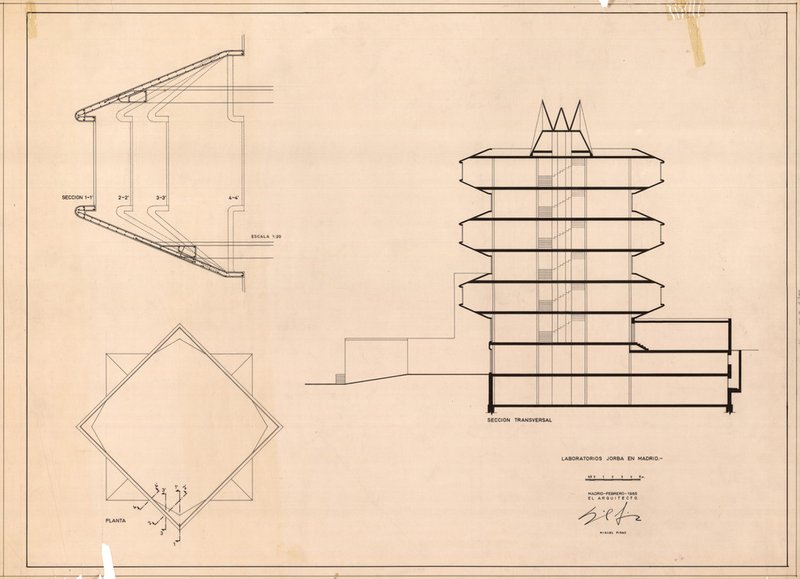
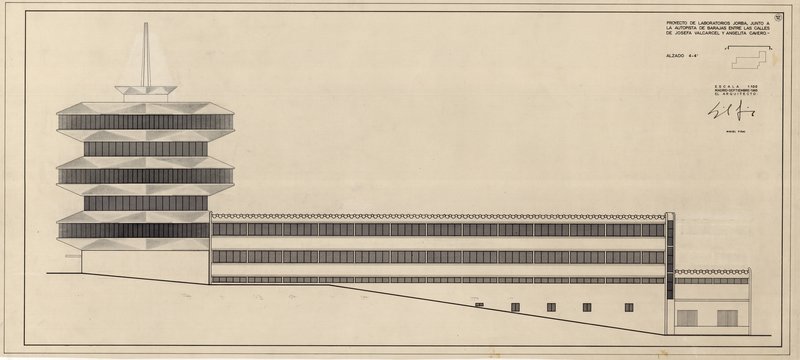
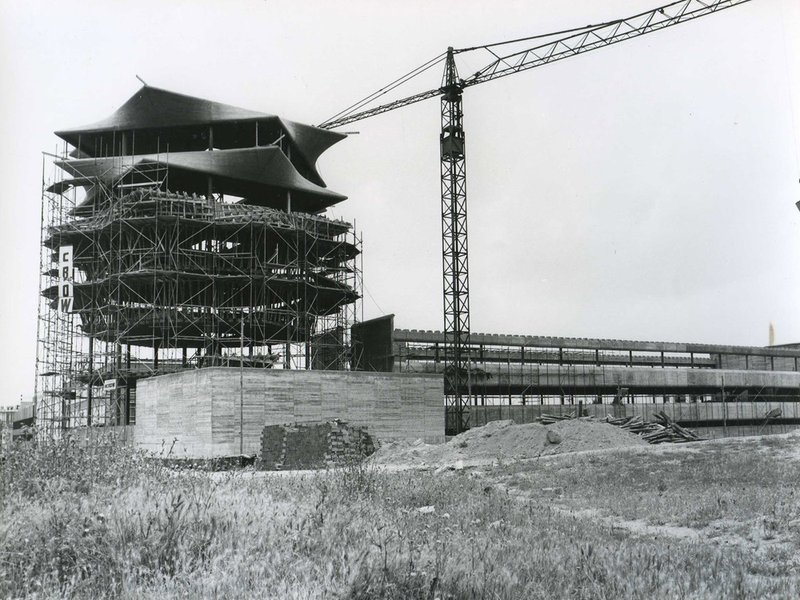
The 'Pagoda' was celebrated for its construction techniques. Each floor of the tower was rotated 45 degrees relative to the one below, creating a dynamic and spiraling effect that was both functional and visually striking. This design allowed for the use of strip formwork in concrete casting, simplifying the construction process while delivering a complex aesthetic.
Historical Context and Cultural Impact
The Socio-Political Environment
Constructed during a time of cautious openness under the Franco regime, the 'Pagoda' broke away from the conservative architectural norms prevalent in Spain. It represented a new era of Spanish architecture that was eager to reintegrate into the global context, echoing the radical designs of contemporaries like Eero Saarinen and Charles Deaton.
Reception and Mythification
Upon completion, the 'Pagoda' was both praised for its futuristic design and critiqued for its departure from traditional forms. Its location near the M-30 in Madrid made it a familiar sight for travelers, embedding it in the collective memory of the city's residents.
The Demolition: An Architectural Tragedy
The Decline and Controversial Demolition
The decline of La Pagoda began in the 1990s when the building fell into disuse. Despite its architectural significance, the structure did not meet new fire safety regulations, leading to its demolition. This event was met with public outcry and is often seen as a dramatic loss of cultural heritage.
Legacy and Continued Relevance
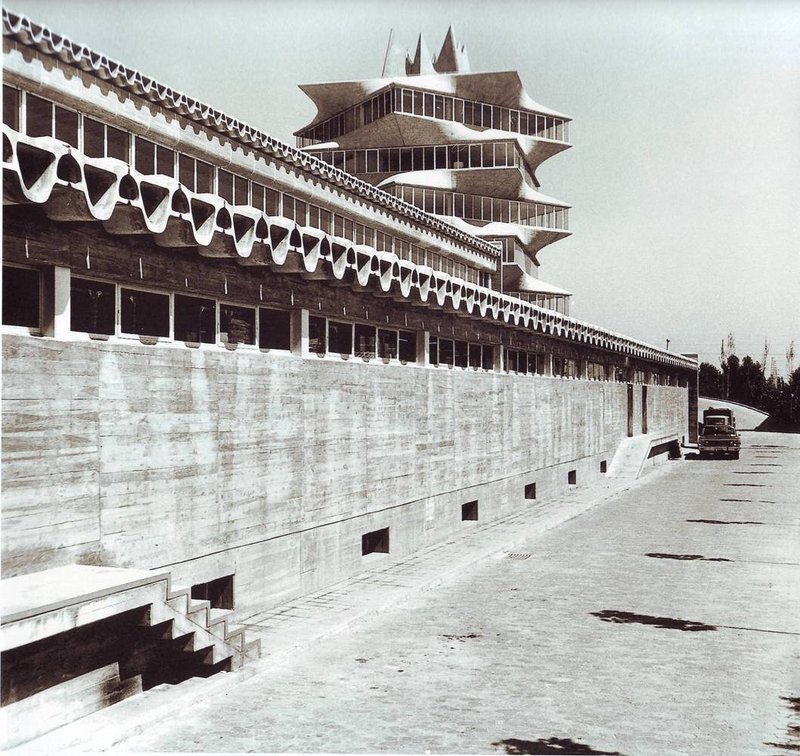
The demolition of the 'Pagoda' has since become a case study in the preservation of modern architectural heritage. It raises questions about how cities value and protect their architectural history.
Reflecting on What Was Lost and Learned
The story of La Pagoda is a poignant reminder of the ephemeral nature of architectural innovation. Its rise and fall are a mirror to the broader trends in iconic Spanish architecture, where the lines between progress and preservation are continually negotiated.
This comprehensive examination not only highlights the architectural brilliance of Miguel Fisac's 'Pagoda' but also contextualizes its place within the broader narrative of iconic Spanish architecture, offering insights into the forces that shape our built environment.




Popular Articles
Popular articles from the community


Solar Steam: A Climate-Responsive Architecture That Redefines the Monument
A climate-responsive memorial architecture that transforms heat, decay, and time into a living system reflecting humanity’s ecological impact.

Atelier Macri Concept Store Interior Design by CASE-REAL
Atelier Macri store features a "ko" counter, walnut wood details, cork displays, blending retail, gallery, and seamless customer experiences.
Flamboyant House by Juliana Camargo + Prumo Projetos
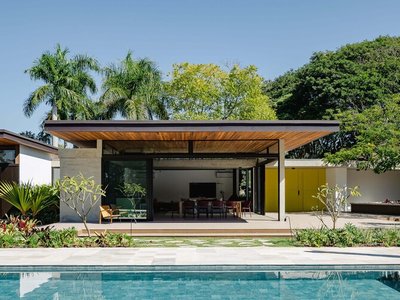
Modern Brazilian house integrating existing tree, pool, and volumes with glass, wood, and transitional spaces blending interior, exterior, and landscape seamlessly.
Louis Malle Cinema: A Limestone Cultural Landmark Revitalizing Community Life in Prayssac
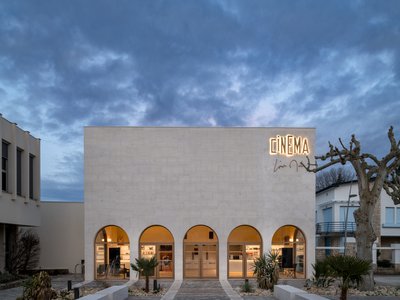
Limestone cinema extension with public forecourt, blending heritage and modern design to create flexible cultural spaces and strengthen community interaction.


Similar Reads
You might also enjoy these articles

Architectural Competition: Create a Luxury Waterfront Community in the UAE!
Mira Developments announces an open competition for the pre-concept design of Mira Coral Bay in Ras Al Khaimah, UAE


Parametric Design: What Can You Learn from the 1st Workshop of Beegraphy?
Discover the Fundamentals and Advanced Techniques of Parametric Design


Feast of flight factory
A new ecological order with sustainable food resources-insects

Beyond Blueprints : How Architecture Presentation Boards Define The Design Narratives?
Unveiling the Art and Strategy Behind Architectural Storytelling

Explore Architecture Competitions
Discover active competitions in this discipline




The International Standard for Design Portfolios


The Global Benchmark for Architecture Dissertation Awards


The Global Benchmark for Graduation Excellence


Challenge to reimagine the Iron Throne
Comments (0)
Please login or sign up to add comments
No comments yet. Be the first to comment!