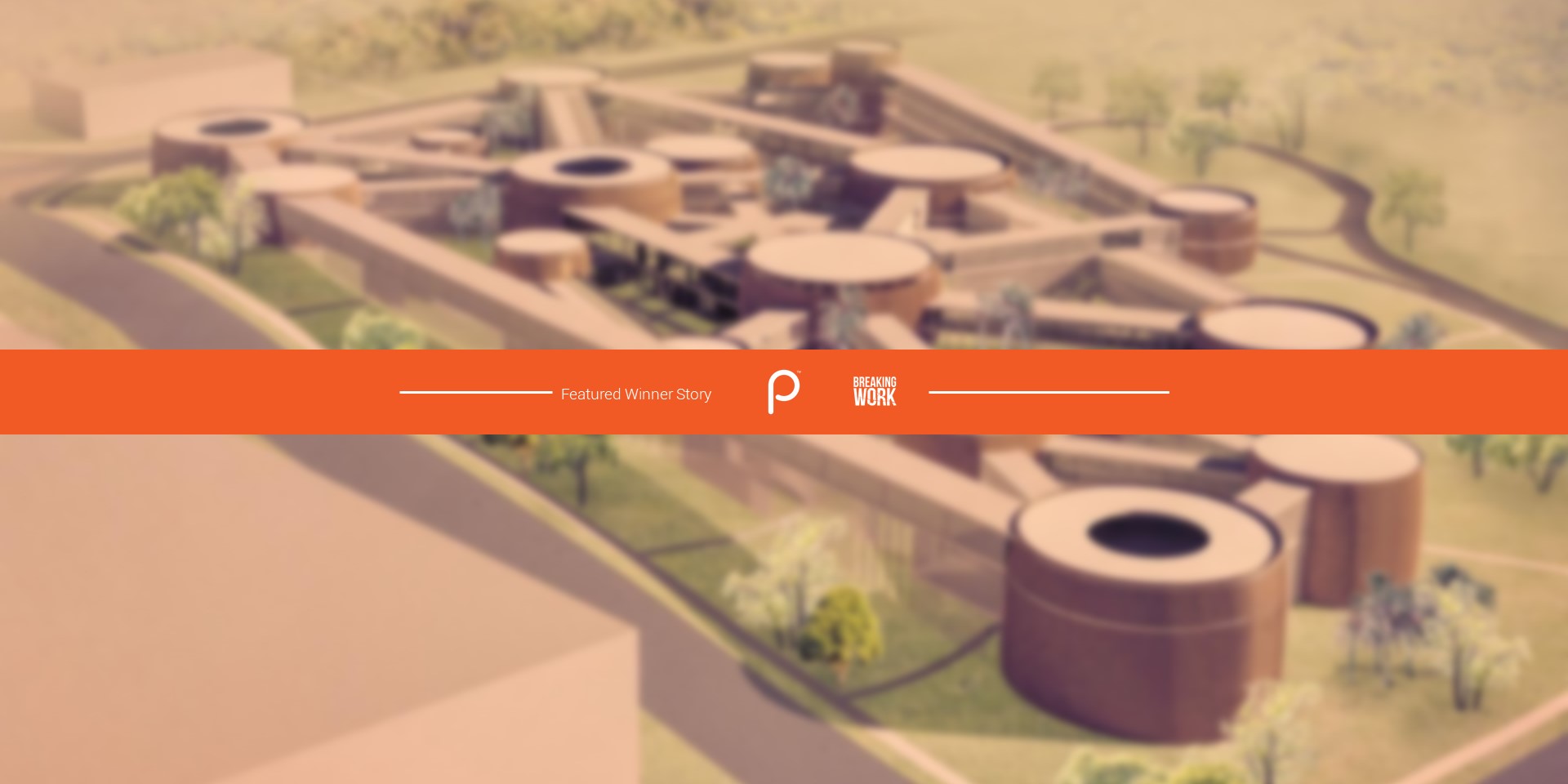
This competition visualised how the future of work will look like!
An International Architecture Competition hosted by Unfuse saw one of the most extensively researched workspace ideas that could be one of the possibilities of how our workspaces would be in the future.

‘Unfuse’ — the architectural melting pot of Uni was looking for something. An idea of how the workspaces for tomorrow will look like. The challenge was thrown specifically at the architectural oriented design community where the problem — ‘Breaking Work’ was launched with the intent of inviting the most brilliant concepts that could change how we as a creative community perceive the future of work tomorrow.
From pinning their concepts on emerging technological trends to keeping humans first, the participants were asked to engage with a complex user background where they were asked to work with 4 kinds of cults that are equally volatile and challenging. Read the full problem statement here.
These are the best of the best received in the contest with exclusive behind the scene ideas, where winners speak about their design intent in depth.
Joint Winner: The Time Bank — Mansi Mehta + Aangi Shah
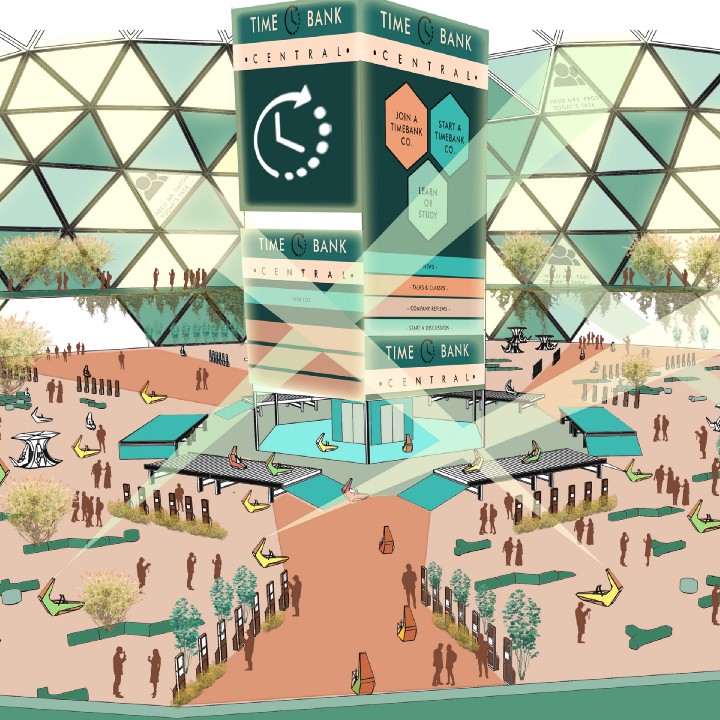
As the author’s say this project is a futuristic institution imagined to accommodate the existing systems as well as develop a whole new way of working! It uses technology to the advantage of human beings by allowing every person to work as many hours as convenient to them. It also encourages the idea of ‘constant learning’ and ‘no data zones’ for human growth and interaction.
Discover the full winners and their projects in detail here.
Introducing the team: Mansi Mehta, Architect, and Urbanist played a key role in the research and development of the concept of the TimeBank whereas Aangi Shah, Architect, played the intriguing role of visualizing the same and generating the graphics.
Q:1 What were your interpretations of work in 2040?
A: Our imagination of work 2040 was to simply allow a man to once again — become the master of his ‘time’ — and choose to spend each hour the way he truly wants to. The TimeBank building (proposed by our entry) enables that man to literally deposit his time (extra time, full time, part-time — anything!) and find an organization within the TimeBank itself — which is willing to en-cash it for him. On the contrary, he could also start his own time bank co. or just be a part of the timebank to come, learn and gain real-world knowledge. All these provisions are made by the building design itself.
Q:2 What was the underlying rationale that you fixed upon before your concept emerged?
A: 2040 is a mere 20 years from today. We understood that in this fast-paced tech-driven universe — a lot can actually change in these 20 years. However, we also ensured that we do not imagine flying men and invisible desks (basically anything too sci-fi to be true in 20 years). We tried to stick to the roots and just simply permit technology to solve the ‘issues’ faced by work today and create a different kind of universe altogether — which enables mankind to re-connect with their roots, become more human, become a master of their time and yet — be using limited technology to their own benefit. This being the basis — we began to devise the concept of the TimeBank.
Q:3 How will this workspace evolve with progressing time and changing work?
A: The TimeBank has no designated ‘work ‘ area. The spaces are broadly divided according to the ‘kind’ of work one does — and not the ‘organisation’ they belong to. Hence, a coffee curator could be grinding his beans alongside a fabric designers work table to eventually create a new type of filter cloth for the coffee machines! The idea is to literally create ‘company’ crossovers instead of the (already existing) ‘collaborative workspaces’.
This implies that a certain time bank organisation is fragmented across the entire building divided within the research, manufacturing or experimentation departments.
This characteristic actually allows the time bank to a dynamic structure in terms of growth — various organisations can occupy and use the building in multiple different ways and gain from it, grow from it and eventually create magnificent products/services for the societies we live in.
Q: 4 What is the need for the Pod and the Dock?
A: Each organisation within the timebank gets fragmented into three departments — research, experiment and manufacture. The reason is to create maximum company crossovers and divide the building spaces according to activities performed and not mere organisational boundaries.
Due to this fragmentation, mobility around the building becomes an essential requirement. Hence, we designed the Pod — a movable chair furniture device that is connected to the building and produces holograms on any surface it encounters. The chair is energized by cycling on it (hence fitness is ensured). A few other fitness add ons are also provided to strengthen the core, arms or legs.
The dock is our version of the desk — it can be raised out of the grid on the floor space from absolutely any grid block within the ‘work’ space. Different docks have different sizes depending on whether they belong to the research, experiment and manufacture departments. Each dock is also provided with an access colour — provided to the users — again depending on how much time is spent by them at the timebank. Maximum access is given to the person who spends maximum time.
Discover the full project here.
----
Joint Winner: Projecting Happiness
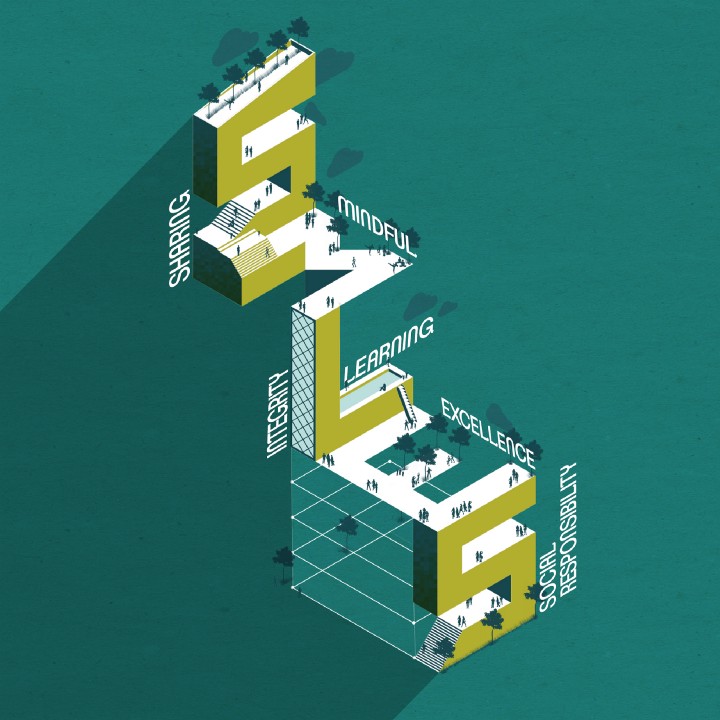
Introducing the team: i) Anam: Illustrator and professional overthinker — the group’s creative visualizer. ii) Aniruddh: Idea generator, the hypertensive daddy of the group. iii) Sharon: The brain behind the concept. iv) Manasa: Professional support giver. Leader. Designer.
Q:1 What were your interpretations of work in 2040?
A: We projected a future of technological slowdown, wherein a new work environment emerges: a multi-functional space that is focused on happiness, with the technology used to automate mundane, everyday tasks, allowing humans to ideate, innovate & create in content and comfortable atmosphere. In a scenario where money is no more the driving factor for work, people start working less to fulfil dreams of economic prosperity and more for personal satisfaction and contentment.
Q:2 What was the underlying rationale that you fixed upon before your concept emerged?
A: We had decided that humanity would come to the realization that increased interference of technology in their lives could be as harmful as climate change, and they would take strict measures to combat the same. Developing upon this core concept, we arrived at the idea of Gross National Happiness, or the idea of happiness, taking centre stage in the lives of people, in both work and play. Bhutan is a country where GNH has already been established as a marker of growth, and new cities like Amravati in India have already started working on this.
Q:3 How will this workspace evolve with progressing time and changing work?
A: The proposed solution for the workspace was that of a fold-out structure that would remain folded and stacked beneath the ground when not in use. The workspace would not belong to a single firm or company, and whenever a company or group of individuals would want to avail of its services, it could enter its company structure into an algorithm that would generate enough spaces required for the group’s needs. Floorplates, stacked beneath the floor, would rise, and walls would move around taking their places. When these spaces would not be used, they would fold away on their own, saving tons of energy and space. Hence, the workspace is capable of accommodating the needs of all groups of working people.
4. What is the concept of ‘absent architecture’ in the design of the building?
A: The design of this futuristic workspace is not conceived as a permanent marker in space, but as something grows and falls according to the requirements of the users. The building emerges from the trench below, assembles itself, disassembles and falls back to the ground. When some spaces are not used, they also retract back to the trench, allowing the space to be utilized for some other purposes and saving on the energy consumed in maintaining the space. This also allows for the site to be used as a park/zone of recreation when the building is not in use, and maintains existing sightlines, questioning the tag of permanence that used to be attached to the definition of architecture.
Discover the full project here.
Editor’s Pick: Weaving Workspaces
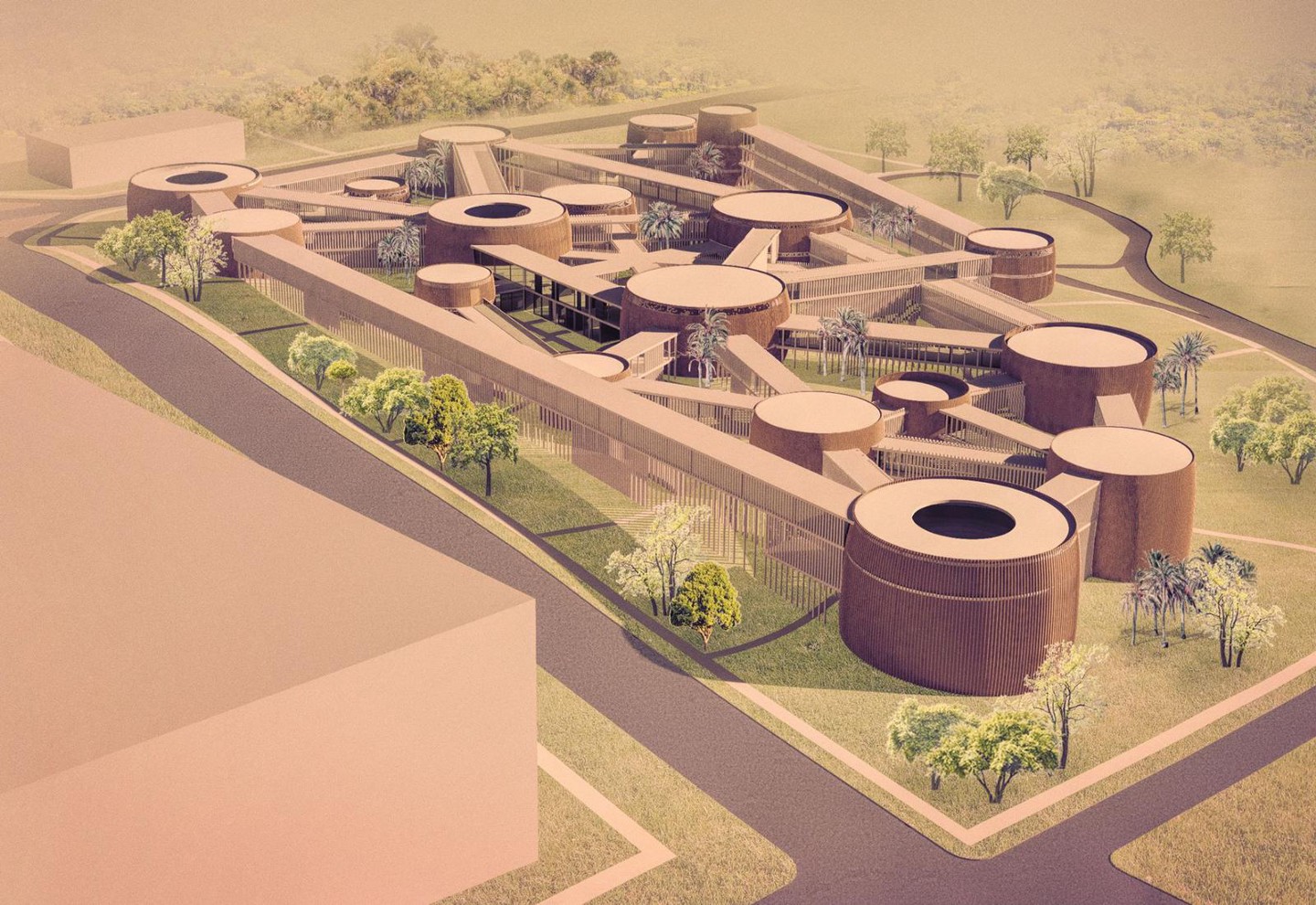
Fascinating! Isn’t it? Wait, there is more! This concept of Weaving workspaces is proposed by the team of Stephanie Rattanong and Lean Tkachenka — as they explain…
"Weaving workplaces is a design embedded in the unique landscape of Singapore and focus on weaving together the work hubs by connective paths, ways, bridges in order to enhance the future integration of technology and human experiences. Flexible spaces help include activities for a living, work, and play environments and cultivate human social interaction."
People’s Choice: Project Infinity
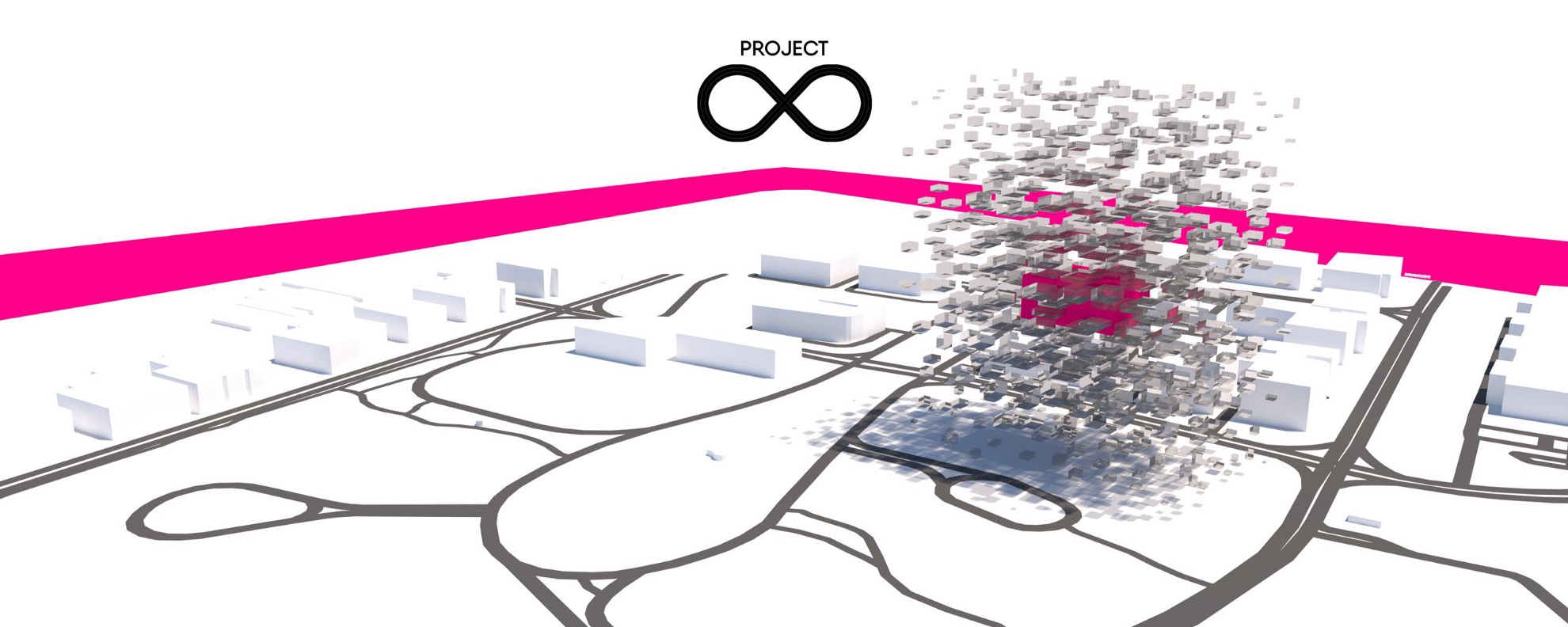
And the most voted project in the competition — which is loved by the audiences the world over — Project Infinity, designed by — Yatharth, Roahan, Migom, Abhinav. They describe this project as …
"From cavemen to despotic rulers we have moved to a democratic era with development as the genius loci. An egalitarian workspace oriented in 2040 where humans set goals and aspirations shaping their world which are accomplished by their technological counterparts leading to a truly Utopian era, an era of human transcendence"
Discover the full list of winners on http://unfuse.uni.xyz/breakingwork.html
Participate in our next international competition based on Urban farming and living better — Urban Meal Mine: http://unfuse.uni.xyz/urbanmealmine.html



Popular Articles
Popular articles from the community

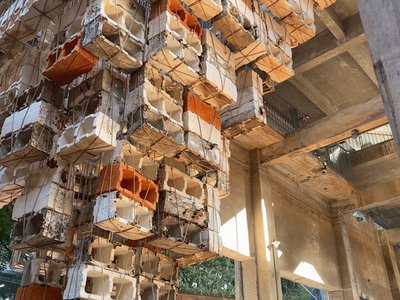
Inverted Architecture Installation by Studio Link-Arc: Exploring the Intersection of Architecture and Living Organisms
Inverted Architecture Installation by Studio Link-Arc blends mycelium, sustainability, inverted design, ecological cycles, and urban adaptive architecture in Shenzhen.
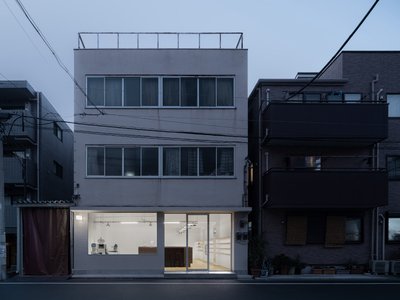
Atelier Macri Concept Store Interior Design by CASE-REAL
Atelier Macri store features a "ko" counter, walnut wood details, cork displays, blending retail, gallery, and seamless customer experiences.
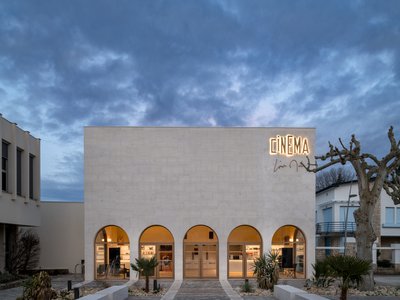
Louis Malle Cinema: A Limestone Cultural Landmark Revitalizing Community Life in Prayssac
Limestone cinema extension with public forecourt, blending heritage and modern design to create flexible cultural spaces and strengthen community interaction.

Solar Steam: A Climate-Responsive Architecture That Redefines the Monument
A climate-responsive memorial architecture that transforms heat, decay, and time into a living system reflecting humanity’s ecological impact.


Similar Reads
You might also enjoy these articles


The Ken Roberts Memorial Delineation Competition (Krob)
As the most senior architectural drawing competition currently in operation anywhere in the world, it draws hundreds of entries each year, awarding the very best submissions in a series of medium-based categories.
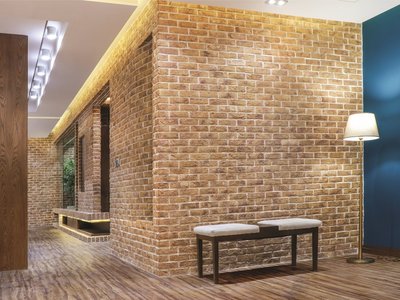
A Contemporary Take on Iranian Residential Architecture
A modern interior design in Mashhad that reinterprets brick, light, and spatial flow to create a warm, contemporary residential architecture.
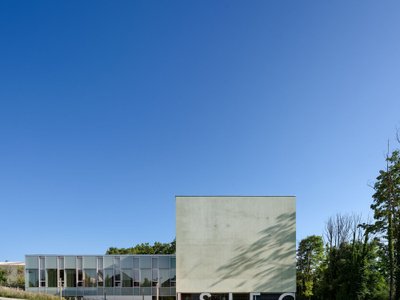
Franche-Comté Advanced School of Engineering by Dominique Coulon & associés, Besançon
A flexible engineering school immersed in woodland, combining concrete minimalism, adaptable spaces, and natural light to support evolving educational environments.

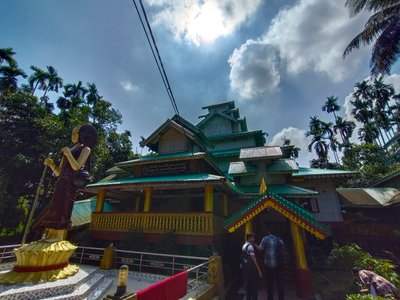
Documentation Work on Buddhist Wooden Temple
Architectural syncretism and cultural hybridity: A comparative study of the Buddhist temples in Chattogram Hill tracks





Comments (0)
Please login or sign up to add comments
No comments yet. Be the first to comment!