
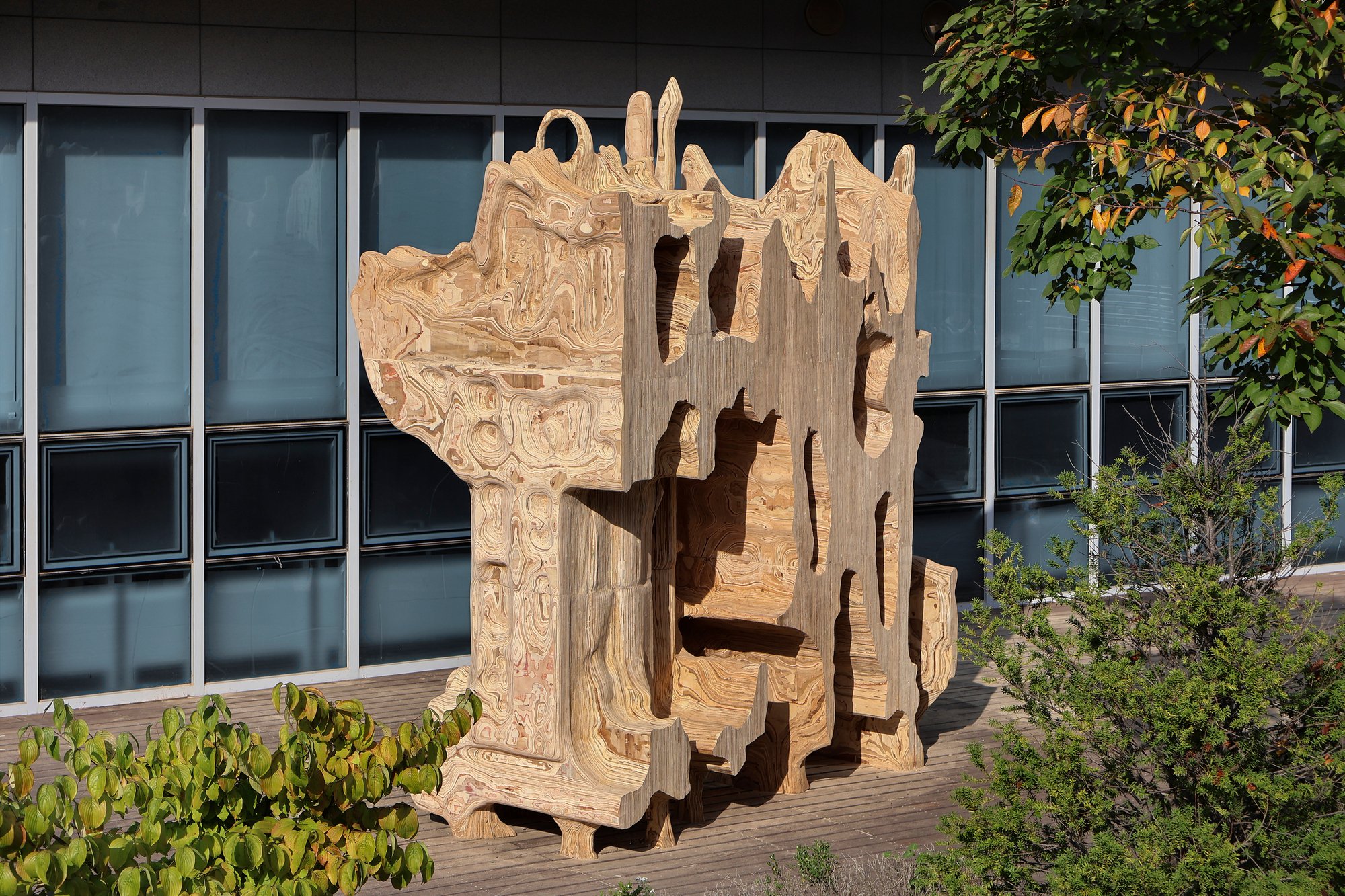
Topology: Hanok by Yong Ju Lee Architecture, Seoul, South Korea
An experimental wooden installation using AI to reinterpret hanok spatial continuity through layered sections, organic geometry, and robotic fabrication processes.

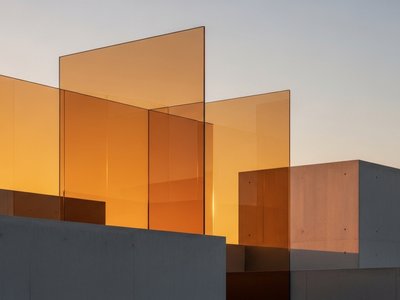
Topology: Hanok by Yong Ju Lee Architecture is a small yet conceptually ambitious project that explores how artificial intelligence can reinterpret traditional architecture beyond direct imitation. Located in Seoul, this experimental structure reexamines the spatial logic of the Korean hanok, not by reconstructing its recognizable elements, but by translating its deeper principles into a new architectural language.
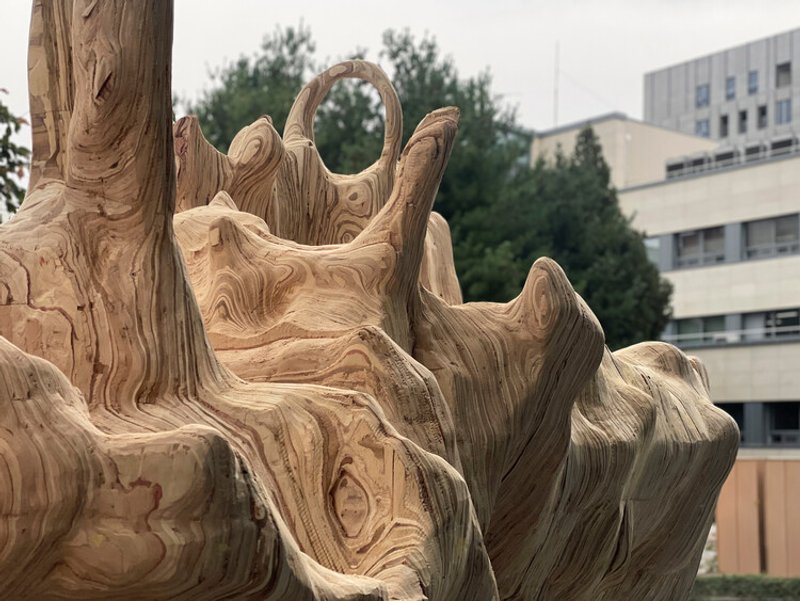
Rather than focusing on traditional construction details such as wooden joints or roof forms, the project investigates the continuous flow of space that defines hanok architecture. In traditional Korean houses, boundaries between interior and exterior are fluid, and spaces transition gradually rather than abruptly. This sense of continuity becomes the central theme of the project.
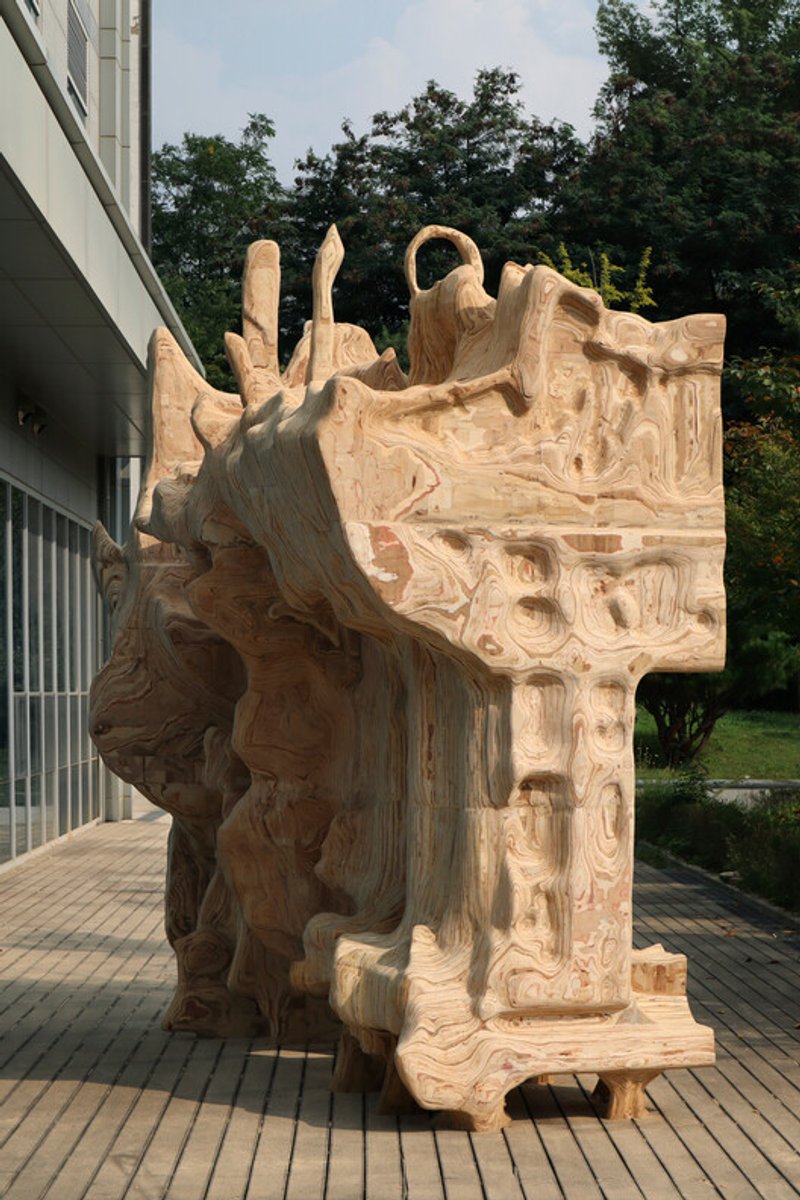
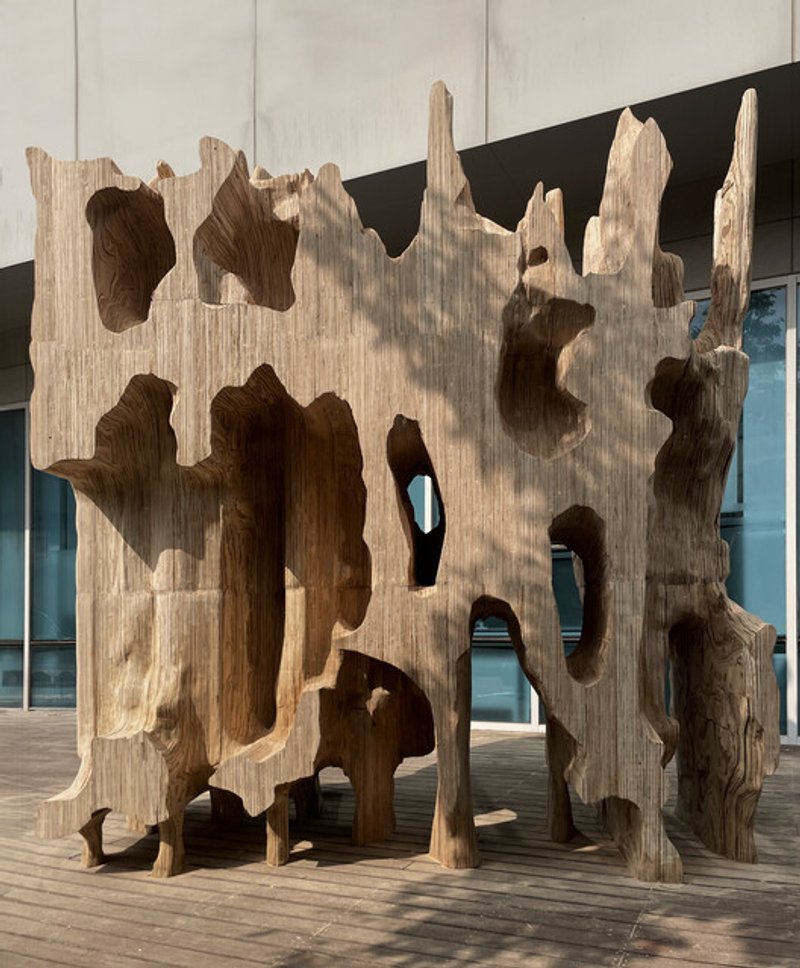
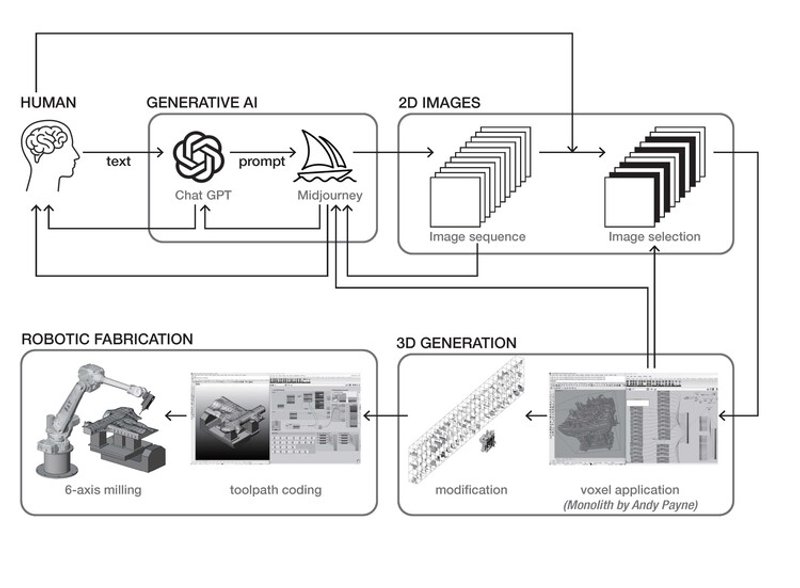
The design process is driven by an AI-based workflow. Instead of producing a single fixed image, the system generates a sequence of sectional studies derived from traditional architectural references. These sections are not isolated drawings; they are connected through a process of gradual transformation, where each image evolves from the previous one. This method creates a dynamic chain of spatial relationships.
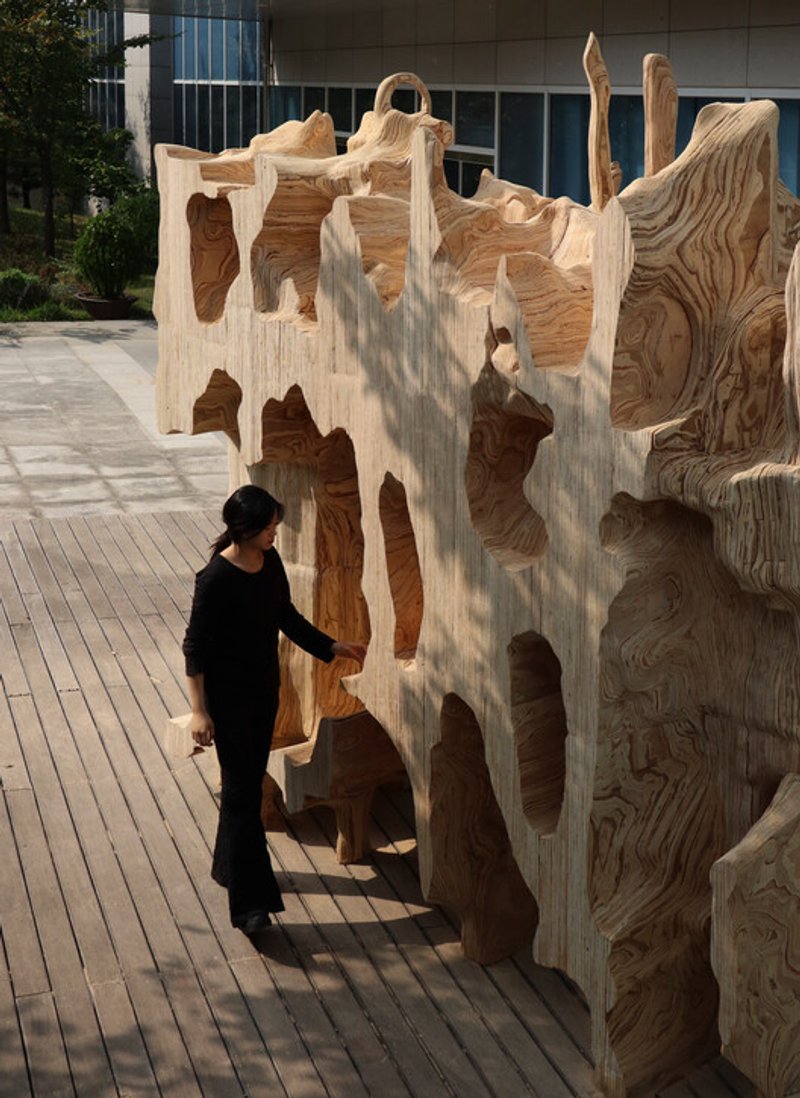
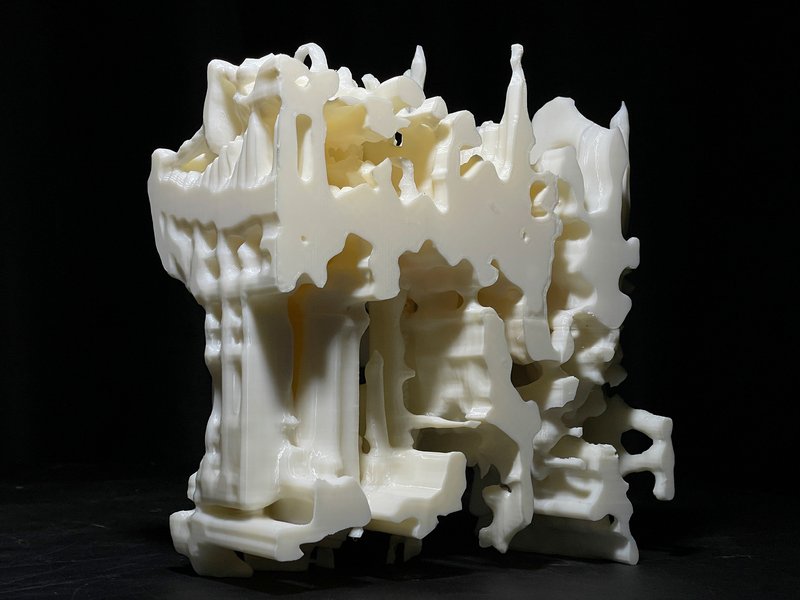
Through what the architects describe as a “sequence-to-mass” approach, these evolving sections are translated into a three-dimensional form. Similar to how medical imaging reconstructs a body through layered scans, the project builds volume by stacking and transforming sectional data. The result is an organic geometry that captures the essence of movement, curvature, and spatial continuity.

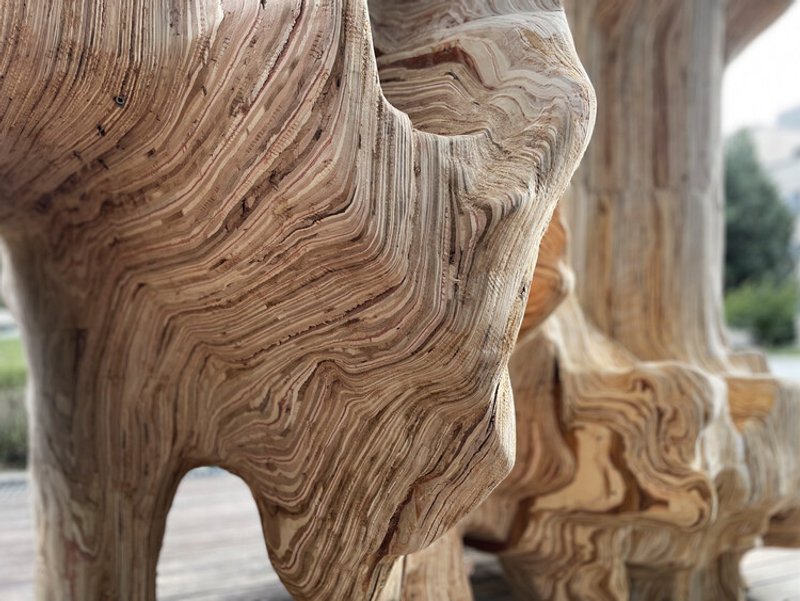
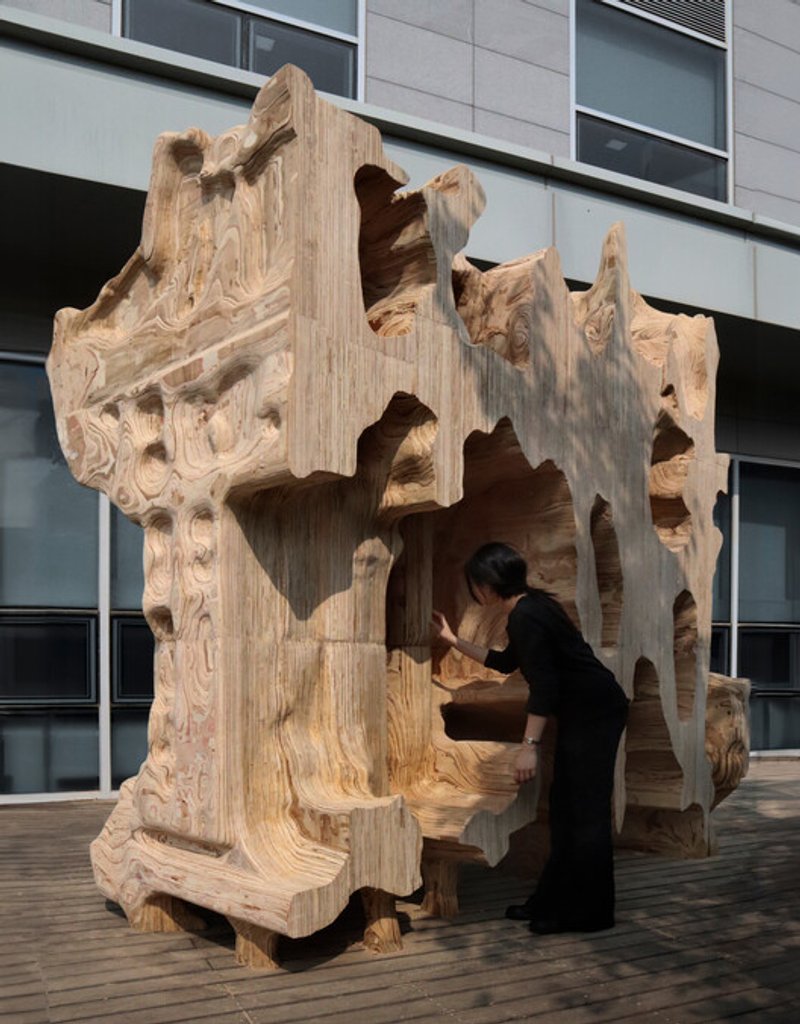
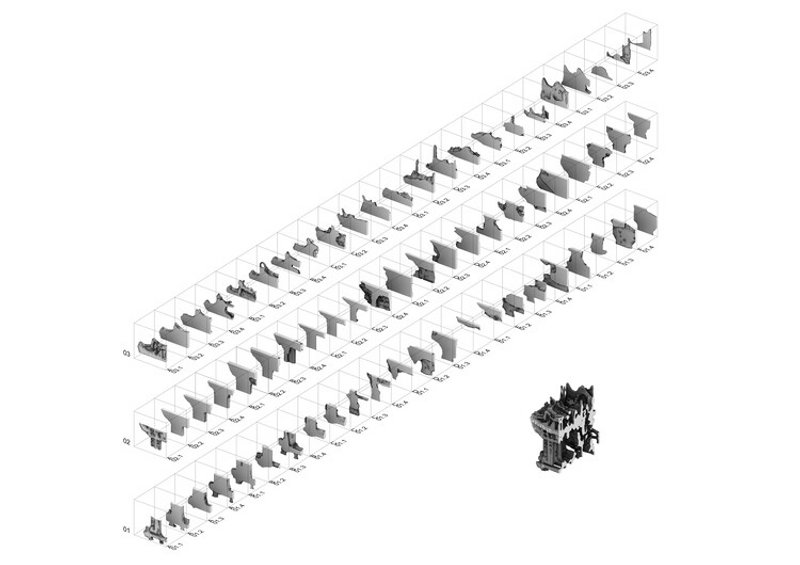
The digital model is further developed using voxel-based techniques, allowing the form to be refined and manipulated with precision. It is then sliced in a perpendicular direction to reveal new sectional profiles, emphasizing the internal logic of transformation. These cuts expose the hidden structure of the design, making the process visible in the final object.
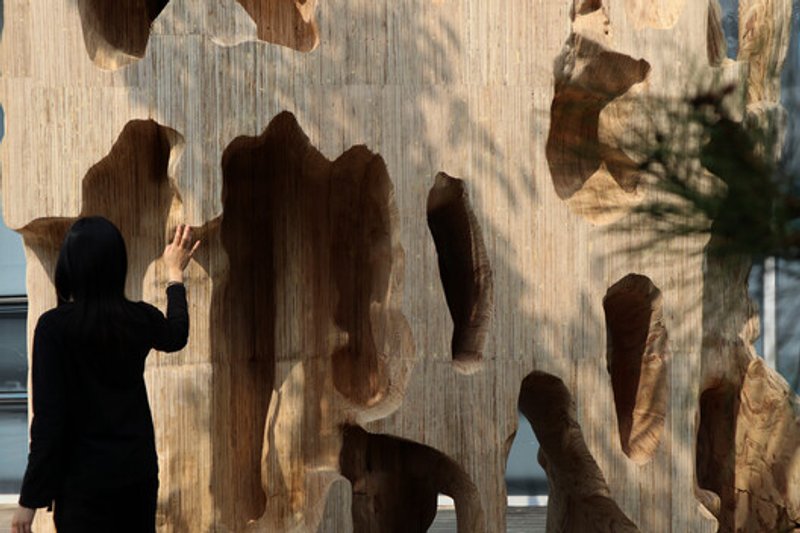
Materialization plays a crucial role in bridging digital experimentation and physical reality. The structure is fabricated from seventy-two individually milled wooden components using a six-axis robotic arm. Each piece is precisely shaped to fit within the overall geometry, demonstrating how advanced fabrication techniques can translate complex digital forms into tangible architecture.


Despite its small scale of just 10 square meters, the project operates as a prototype for future architectural thinking. It challenges conventional ideas of preservation by suggesting that tradition can be reinterpreted through processes rather than forms. Instead of copying historical aesthetics, it captures intangible qualities such as rhythm, flow, and spatial relationships.

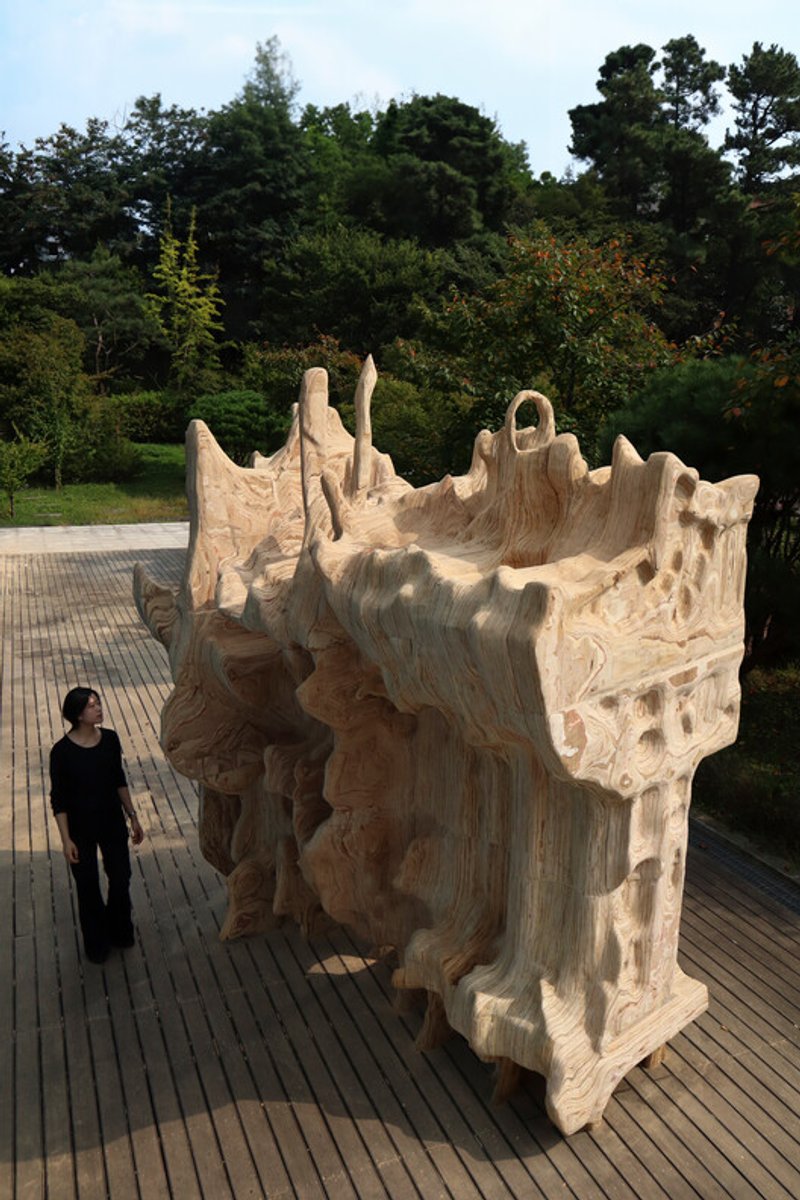
Topology: Hanok ultimately positions artificial intelligence as an active collaborator in design. The technology does not simply execute predefined instructions; it participates in generating new possibilities, reshaping how architects engage with cultural heritage. The result is a structure that feels both rooted in tradition and distinctly contemporary, an abstract yet meaningful continuation of the hanok’s spatial philosophy.
All the Photographs are works of Yong Ju Lee Architecture




Popular Articles
Popular articles from the community

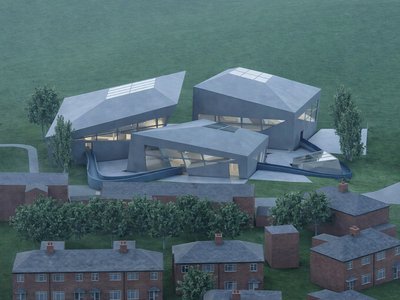
Filtering Space: A Gradual Spatial Experience
From urban intensity to spatial calm.

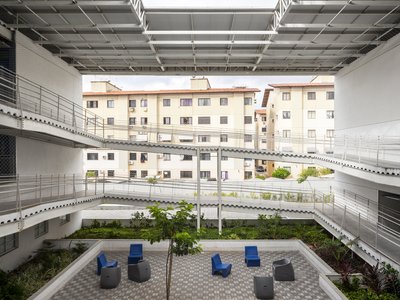
Rede Arquitetos Builds an Open-Air School in Fortaleza That Doubles as a Neighborhood Living Room
Educar II SESC-CE folds sports, dance, and community gathering into a courtyard campus wrapped in mesh and tropical color.

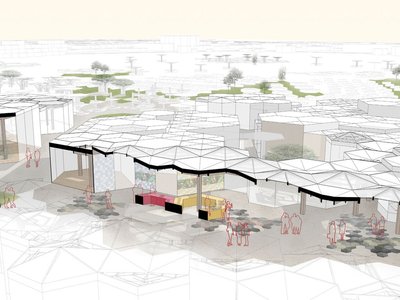
20 Most Popular Commercial Architecture Projects of 2025
From sustainable market concepts to heritage factories, the commercial buildings and proposals that drew the most attention on uni.xyz this year.
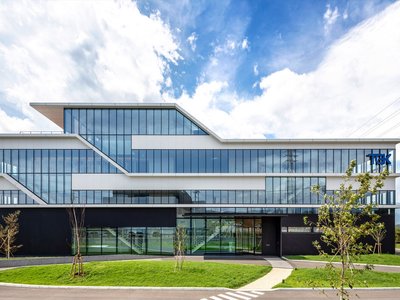
TGK Nirasaki Plant: A Smart Factory Blending Technology, Landscape, and Wellness
Smart factory in Japan blending IoT manufacturing, scenic trail design, natural ventilation, and landscape integration to enhance user experience and sustainability.


Similar Reads
You might also enjoy these articles
20 Most Popular Commercial Architecture Projects of 2025
From sustainable market concepts to heritage factories, the commercial buildings and proposals that drew the most attention on uni.xyz this year.
Free Architecture Competitions You Can Enter Right Now
No entry fees, real prizes. Here are the best free architecture competitions open for submissions in 2026.

Top 15 Architecture Competitions to Enter in 2026
From student-friendly idea competitions to prestigious international awards, here are the best architecture competitions open for entries in 2026. Updated regularly.

DIY & Engineering in Computational Design : Enter the BeeGraphy Design Awards
Showcase Your Creativity with Computational Design and Open Source Projects


Explore Architecture Competitions
Discover active competitions in this discipline




The International Standard for Design Portfolios


The Global Benchmark for Architecture Dissertation Awards


The Global Benchmark for Graduation Excellence


Challenge to design an urban locus of culture and heritage
Comments (0)
Please login or sign up to add comments
No comments yet. Be the first to comment!