

TGK Nirasaki Plant: A Smart Factory Blending Technology, Landscape, and Wellness
Smart factory in Japan blending IoT manufacturing, scenic trail design, natural ventilation, and landscape integration to enhance user experience and sustainability.


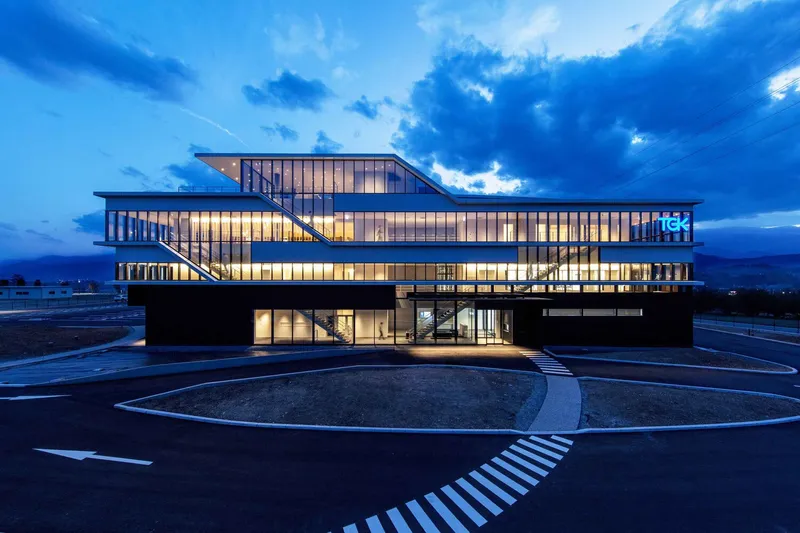
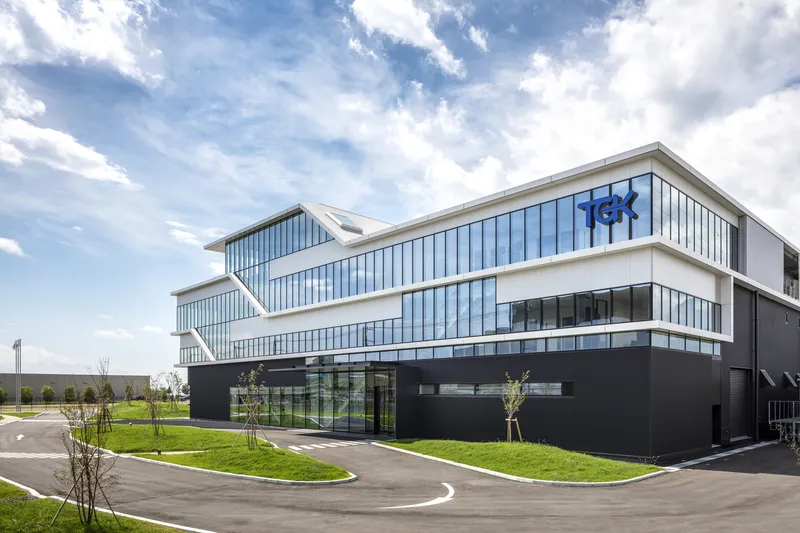
The TGK Nirasaki Plant, designed by TAISEI DESIGN Planners Architects & Engineers, redefines the concept of industrial architecture by merging advanced manufacturing technologies with environmental sensitivity and human-centric design. Located in Nirasaki, Japan, this 9,374 m² facility, completed in 2018, is not just a production hub but a “transmitting factory” that showcases the company’s technological innovation, corporate responsibility, and commitment to sustainable development.

A New Paradigm: From Manufacturing to “Transmitting Factory”
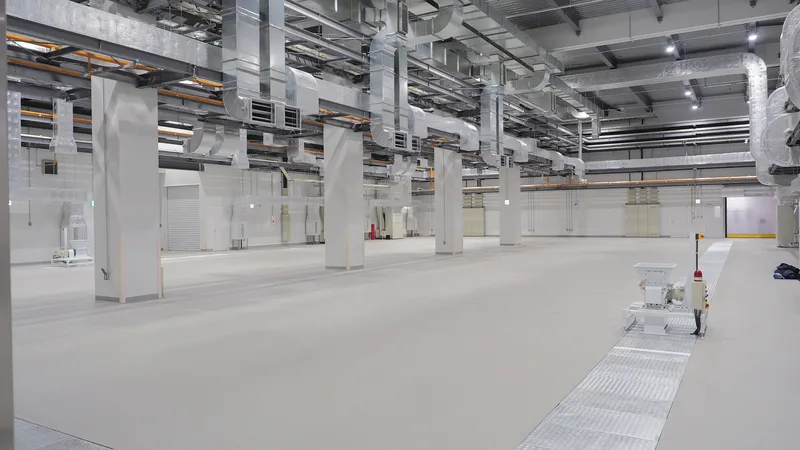
Unlike conventional factories, the TGK Nirasaki Plant functions as both a manufacturing base and a communication platform. It is designed to highlight TGK’s capabilities in the automobile industry while promoting transparency in production processes. By integrating IoT-based automation systems, the plant optimizes quality, cost efficiency, and delivery timelines, positioning itself as a benchmark in smart factory design.
Architecture Inspired by the Landscape
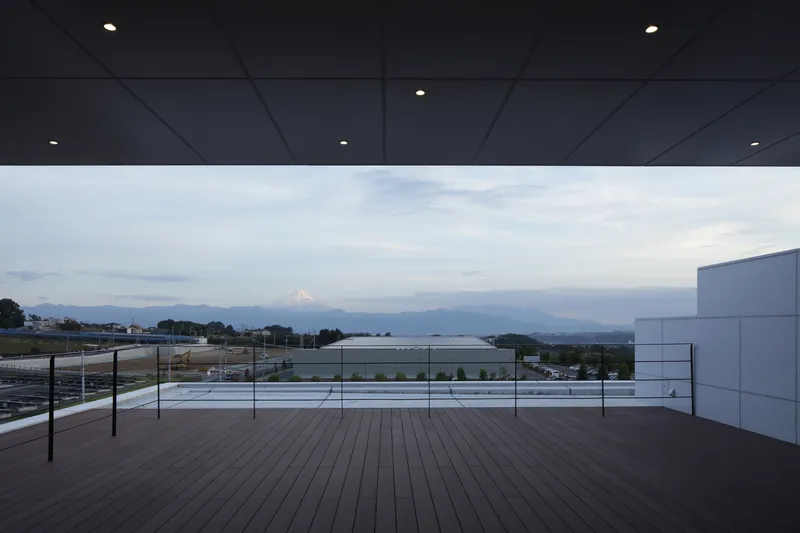
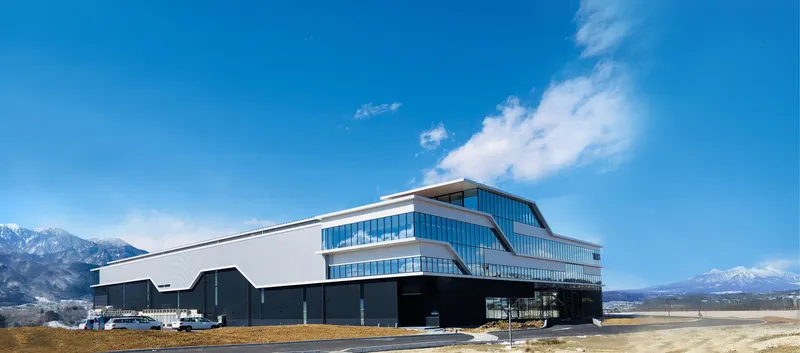
Set against the dramatic backdrop of four iconic mountains, Mt. Fuji, the Southern Alps, Mt. Yatsugatake, and Mt. Kayagatake, the building responds directly to its natural context. The architects conceptualized the facility as a “Trail Factory,” where a 400-meter-long pathway wraps around the structure, echoing the experience of mountain climbing. This trail not only shapes the building’s form but also enhances spatial engagement, turning the factory into an experiential journey.


The Trail Experience: Wellness and Interaction
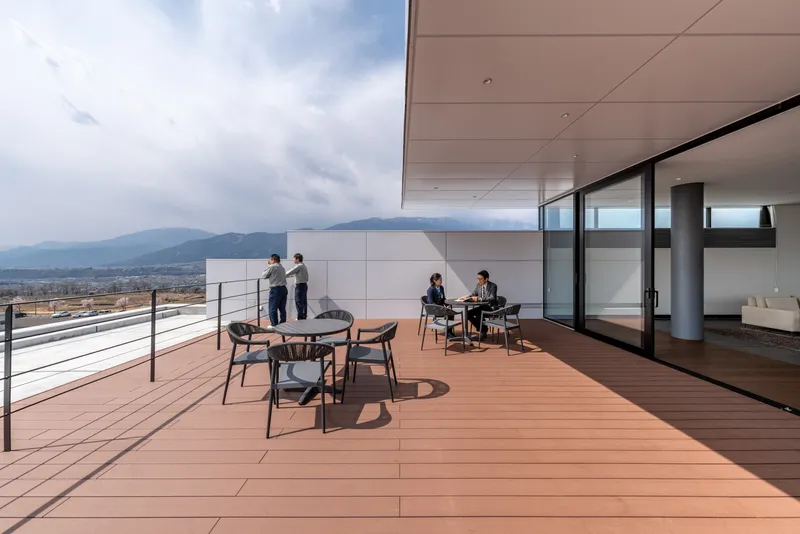
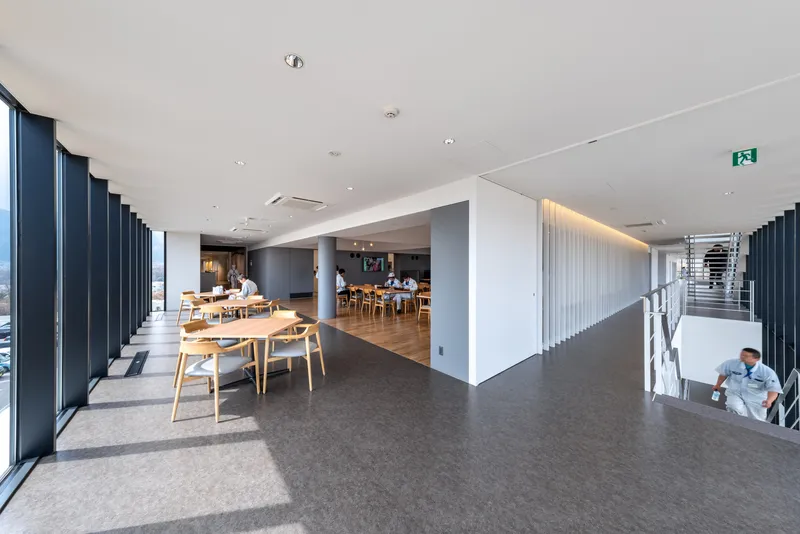
The continuous trail integrates visitor pathways, observation decks, and recreational zones, allowing users to explore manufacturing processes while enjoying panoramic views of the surrounding landscape. Carefully positioned viewing windows offer insights into production lines, transforming industrial operations into an educational and interactive experience.
The design promotes wellness through movement and exploration, encouraging employees and visitors to engage physically with the space. The trail becomes a connective element that bridges work, learning, and leisure.
Passive Design and Environmental Strategies
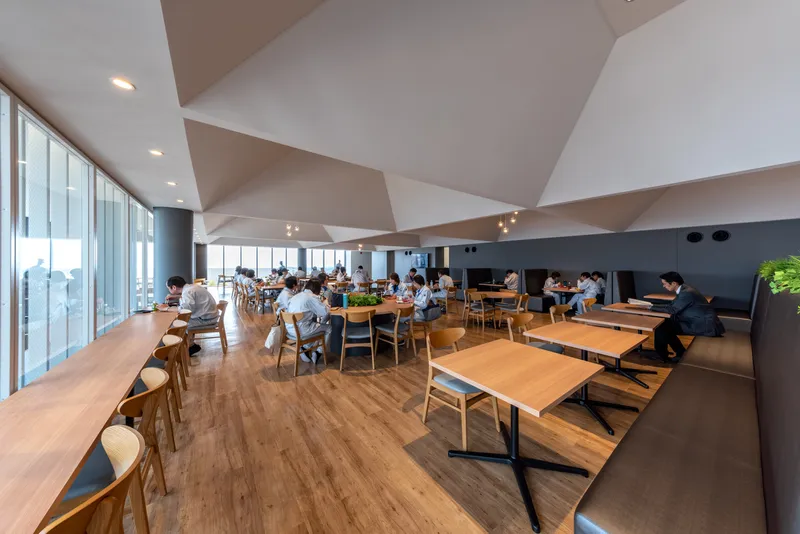
Sustainability plays a key role in the project. The building incorporates natural ventilation systems through overhung floors and atrium spaces, enabling gravity-driven airflow. This approach reduces reliance on mechanical systems while enhancing indoor comfort. Users can experience natural breezes, reinforcing a connection with the local climate and environment.
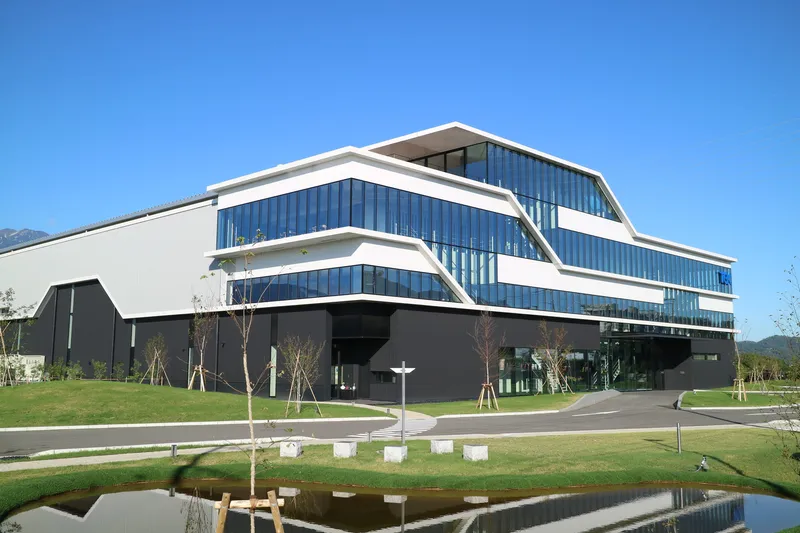
Additionally, the front garden features a biotope landscape with native vegetation, fostering biodiversity and creating a seamless transition between built and natural environments. External walking paths connect this green space to the main trail, further strengthening the relationship between architecture and nature.

Showcasing Identity Through Design
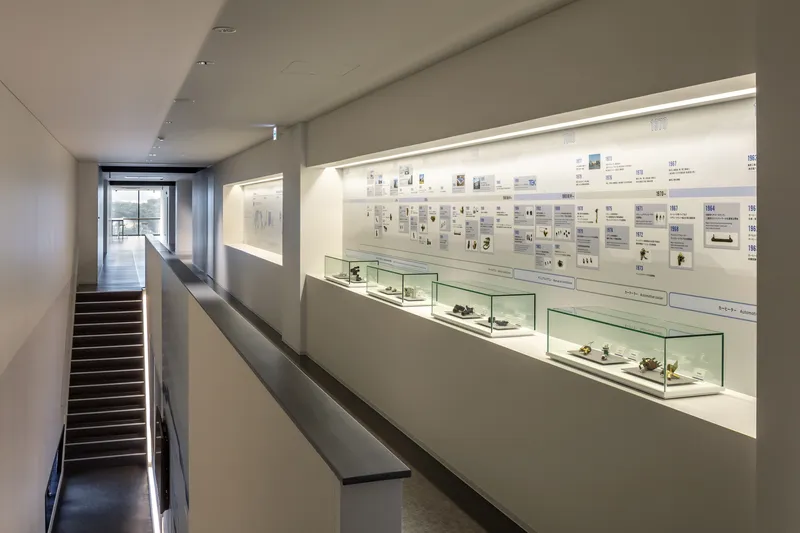
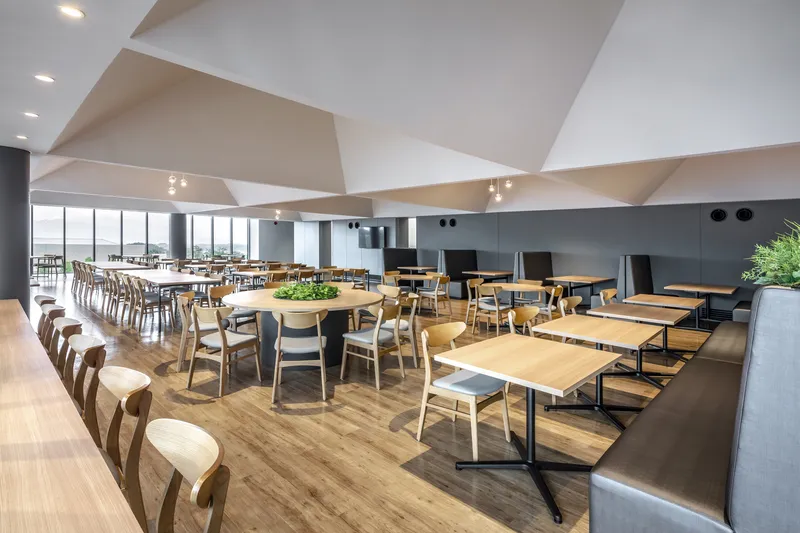
The Trail Factory concept also serves as a storytelling medium. Interior and exterior wall surfaces incorporate signage, exhibits, and material textures that evoke the spirit of mountain exploration. These elements narrate TGK’s history, technological advancements, and corporate values, transforming the factory into a living exhibition space.
A Landmark for Community and Industry
More than an industrial facility, the TGK Nirasaki Plant acts as a landmark that enhances the identity of Nirasaki. By integrating cutting-edge technology, sustainable strategies, and experiential design, the project creates a new model for industrial architecture: one that is transparent, engaging, and deeply connected to its surroundings.
This innovative approach not only improves operational efficiency but also strengthens the relationship between the factory, its employees, and the local community, making it a truly future-forward industrial environment.
All photographs are works of
TGK CO., LTD., KINDAIKENCHIKU-SHA CO.,LTD., Shin Photo Work


Popular Articles
Popular articles from the community


Juan García Correa, John González and Claudia Rueda Sink a Circular Amphitheater into a Manizales Engineering Building
On the La Nubia campus in Manizales, Colombia, the S1 Building folds labs and offices into a hillside of ramped lawns that double as a campus route.

Jaramillo Van Sluys Arquitectura and Urbanismo Turn a Demolished Registry Lot in Quito into an Orchard Plaza
In Quito's Centro Histórico, a 2,800 m² plaza exposes the San Agustín convent wall and redraws its lost Augustinian orchard in volcanic stone.

LT2A and OPEN Architectes Thread a Brick and Glass High School Through a Wooded Belgian Campus
In Braine-l'Alleud, a 3,000 m² wing for Collège Cardinal Mercier pairs pale brick with a glazed colonnade, deferring to a small chapel and a dense wood.

Architekt Andreas Gruber Scatters 23 Dark Timber Chalets Across a South Tyrolean Forest Edge
In Molini di Tures, Amonti Chalets breaks a resort into a hamlet of gabled timber houses, with parking, storage and services pushed into the slope.

Similar Reads
You might also enjoy these articles

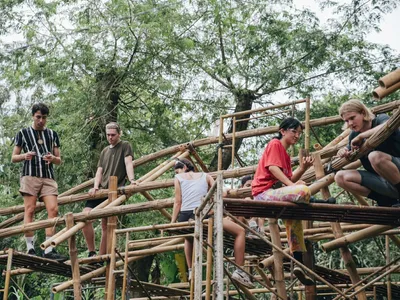
Bamboo Housing Challenge 2026: Design Affordable, Sustainable Homes Using Bamboo
An international design competition by Bamboo U and IBUKU inviting architects and designers to reimagine affordable housing using bamboo — with the winning design built full-scale in Bali.

Computational Design & Education: Beegraphy Design Awards Introduces 7th Category (Featuring Jiyun's Innovative Approach)
Dive into Beegraphy’s 7th Design Awards category, where computational design meets education to create immersive, interactive learning tools, inspired by Jiyun’s work.

From Parametric Lighting to Urban Furniture: Join the 2nd Workshop in Beegraphy’s Computational Design Series
Dive into Cutting-Edge Design Techniques and Practical Applications with Industry Experts

Last Call: Unleash Your Architectural Genius in SHAK's Kindergarten Design Competition
Urgent call for architects to join SHAK's kindergarten design competition before the looming deadline

Explore Architecture Competitions
Discover active competitions in this discipline

Challenge to reimagine the Iron Throne

Photograph architecture without architects

Illustrate the lost glory of Angkor Wat - Render Challenge

Design challenge to reuse E-waste
Comments (0)
Please login or sign up to add comments
No comments yet. Be the first to comment!