
Unimed Federation Headquarters by AT Arquitetura: Adaptive Reuse and Modern Workplace Innovation in Porto Alegre
Adaptive reuse headquarters blending old and new structures, featuring sustainable façade, flexible workspaces, public plaza, rooftop terrace, and human-centered workplace design in Porto Alegre.


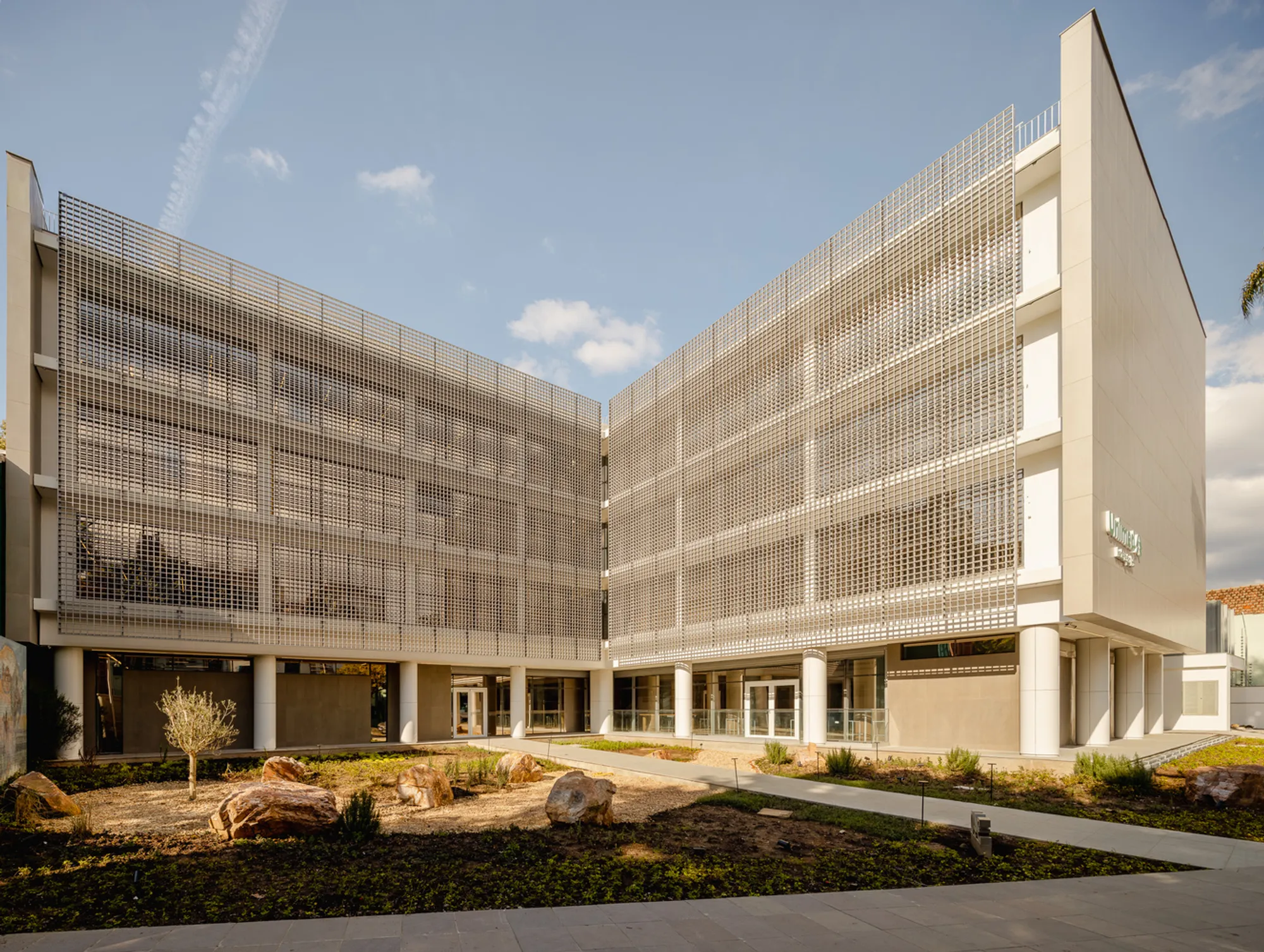
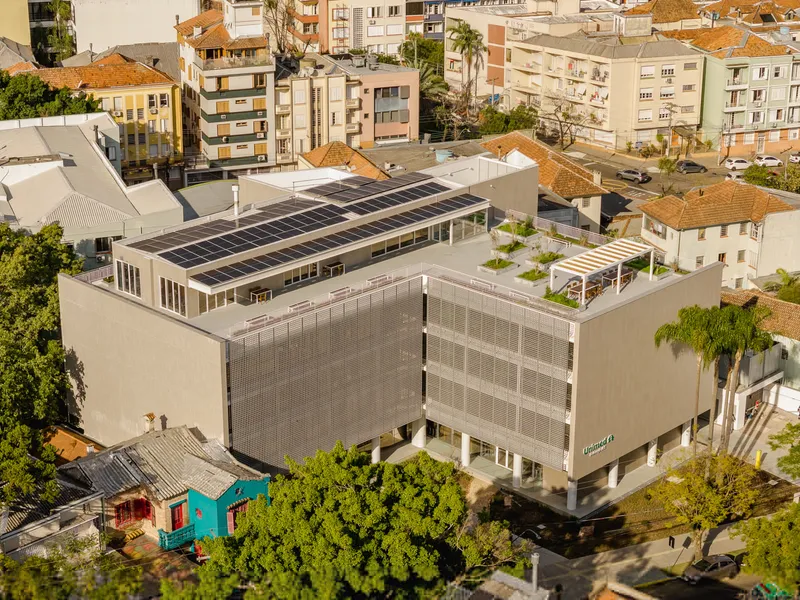
Located in Porto Alegre, Brazil, the new headquarters for the Unimed Federation — designed by AT Arquitetura and led by architect Tarso Carneiro — stands as a forward-looking example of adaptive reuse, sustainable architecture, and human-centered workplace design. The 3,800-square-meter intervention transforms an existing structure into a flexible corporate campus, embodying the principle that the most sustainable building is the one that already exists.
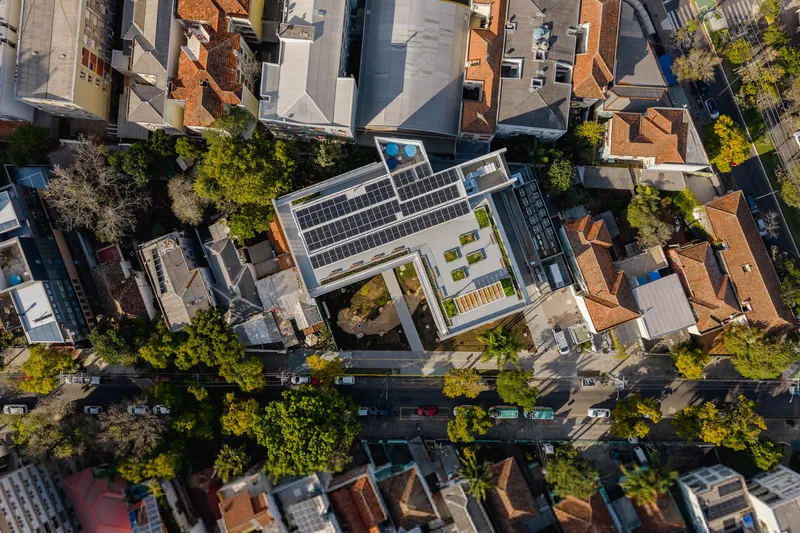
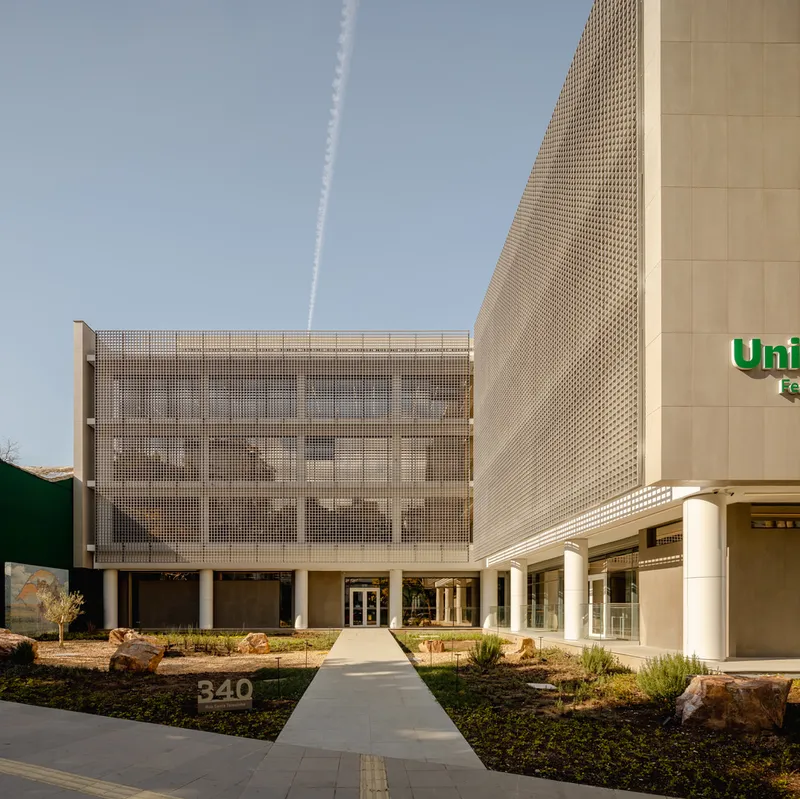
By expanding and modernizing the former headquarters while acquiring three adjacent lots, the project establishes a generous urban gesture: instead of occupying the full footprint, the new construction is intentionally set back to create a public plaza. This open forecourt acts as a civic interface, strengthening connections between the city and its corporate landscape and offering a transitional space for social interaction, greenery, and public use.
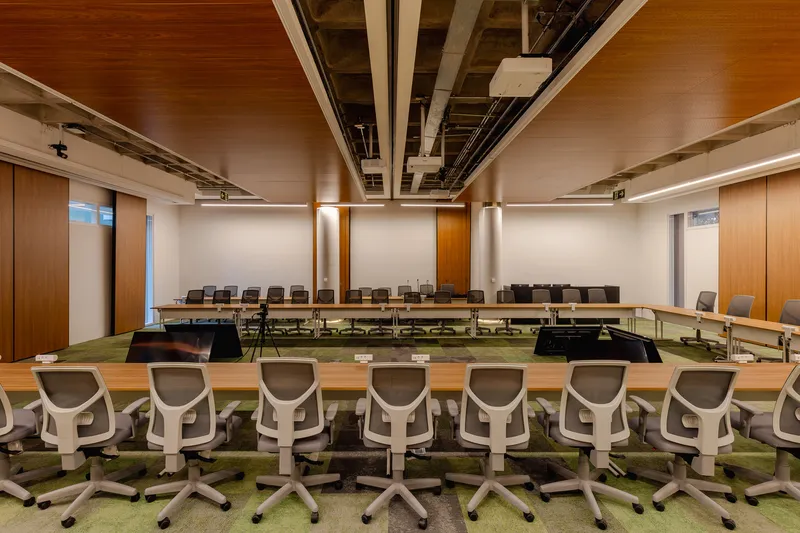
A Hybrid Structure Rooted in Memory and Flexibility
Central to the project is a hybrid structural system that merges the building’s preserved original framework with a new independent structure. This fusion articulates past and present — honoring architectural memory while enabling future-proof flexibility for evolving workplace demands. The approach maintains the integrity of the existing building while introducing contemporary elements, creating a dialogue between permanence and innovation.
The new wing enhances structural performance and supports varied spatial configurations, ensuring the headquarters can adapt to technological advancements, evolving work patterns, and organizational growth.
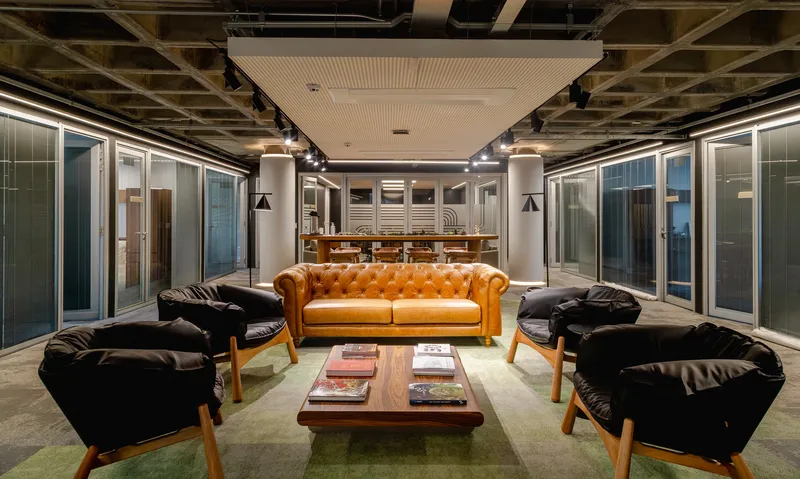
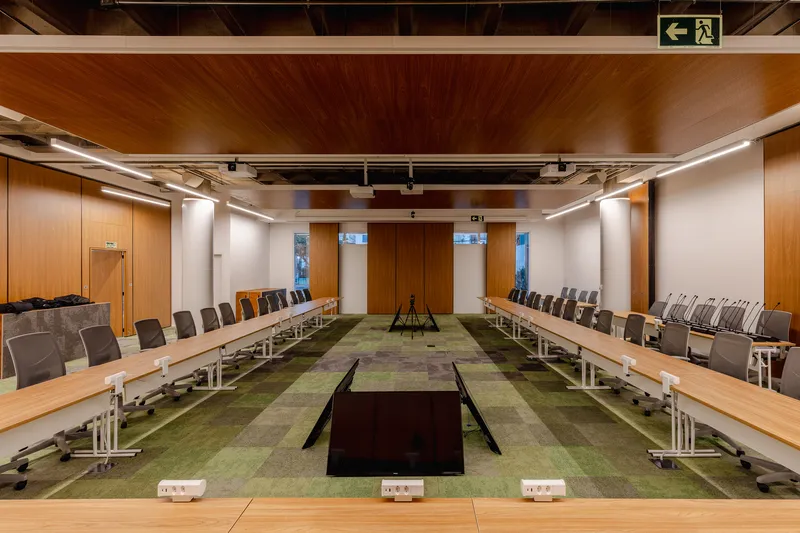
Sustainable Design Strategies and Climatic Performance
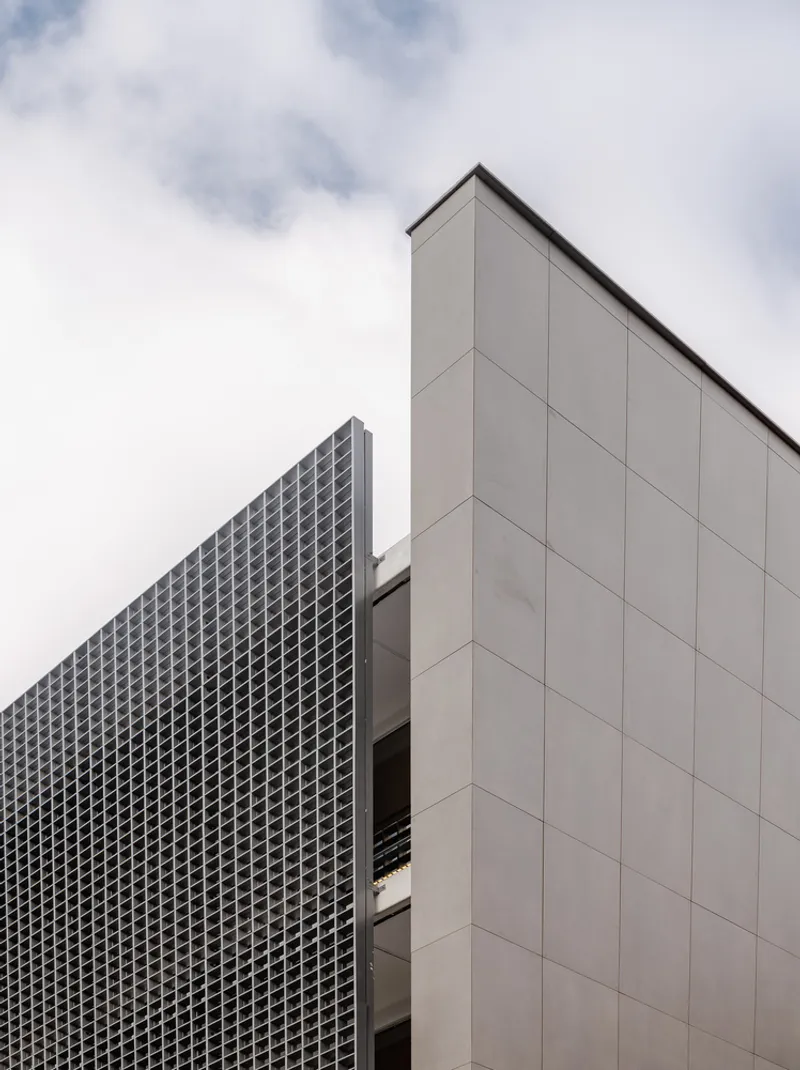
Sustainability guided the design at every scale. The metallic façade, composed of perforated metal panels and brise-soleils, plays a pivotal role in environmental performance. This dual-natured skin modulates daylight, reduces solar heat gain, and supports passive cooling strategies, ensuring thermal comfort and energy efficiency.
These passive systems work in harmony with optimized building orientation and intentfully designed cross-ventilation, reducing reliance on mechanical cooling and contributing to long-term environmental resilience.
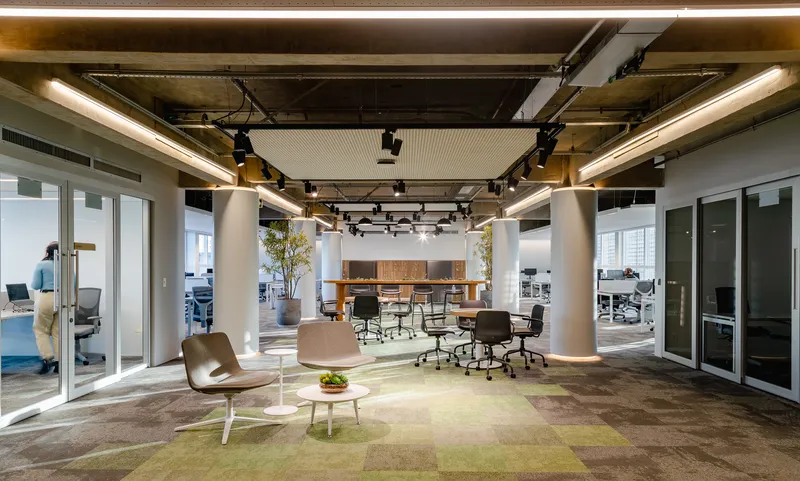
Human-Centered Interiors for Flexible Work Culture
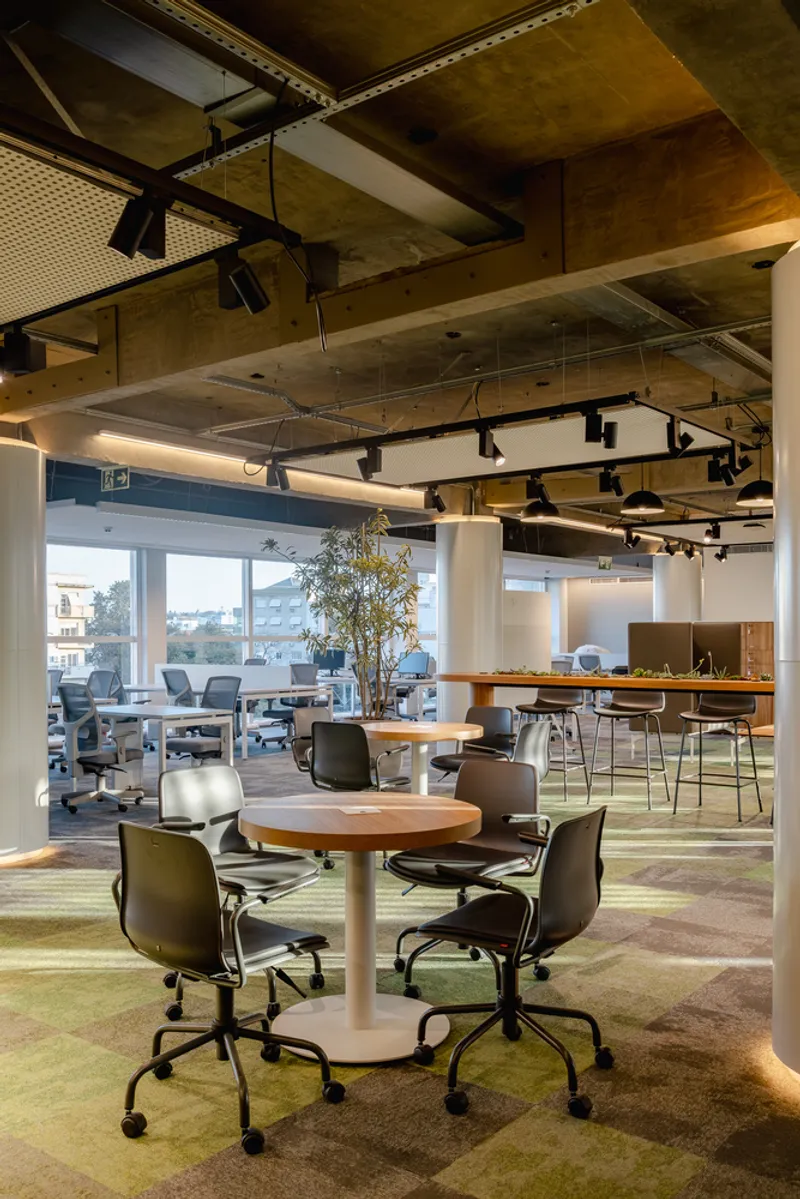
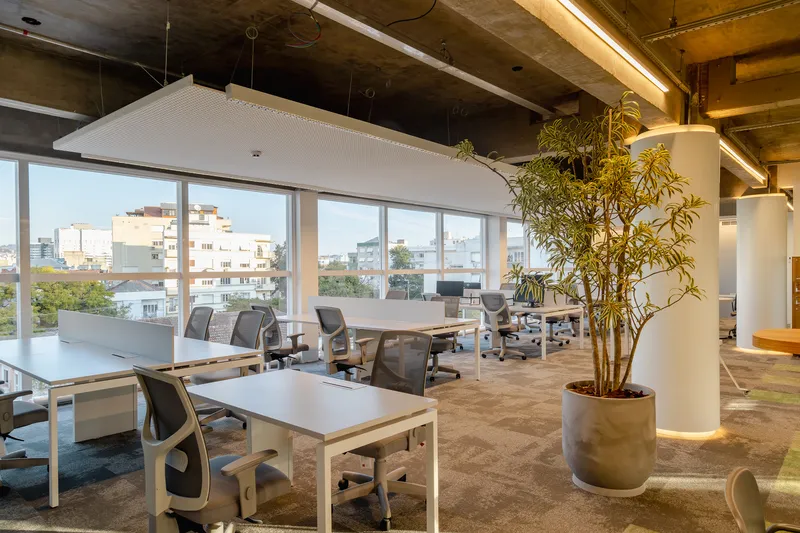
Inside, the headquarters embraces a fluid, open-plan workplace designed to encourage collaboration, focus, and social well-being. The program integrates:
- Dedicated quiet zones
- Modular meeting rooms
- Informal lounges and shared social spaces
- Collaborative work hubs
Natural light, framed views, and a strong visual relationship with the city foster a bright, uplifting environment that supports employee productivity and comfort. A mix of textures, soft lighting, and warm material tones creates a welcoming atmosphere that balances corporate function with a sense of domestic calm.
A Rooftop Terrace That Connects People and Place
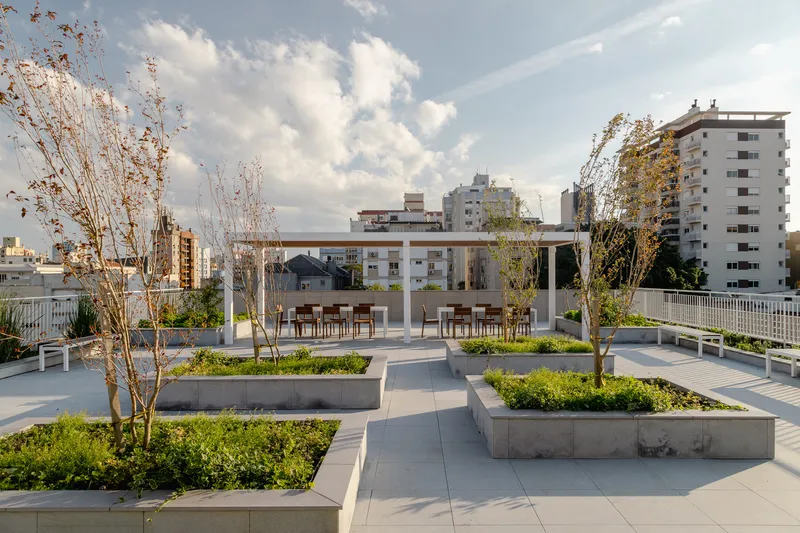
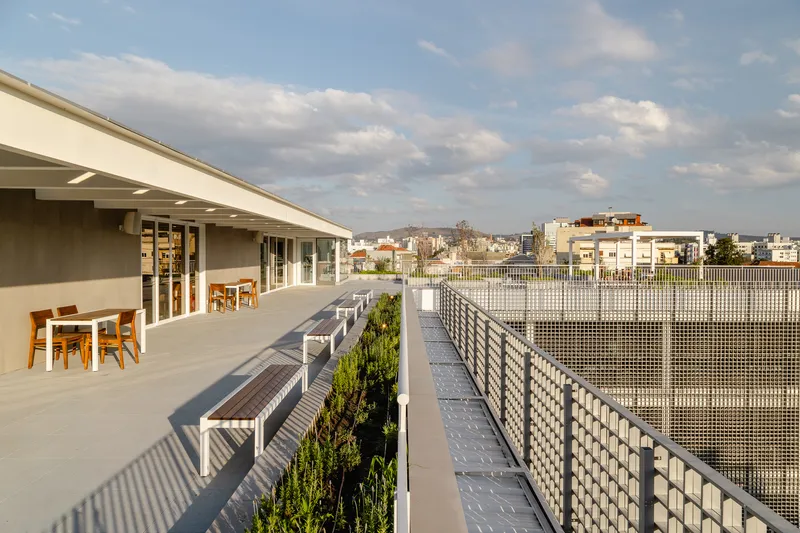
Crowning the complex, the rooftop terrace provides an elevated outdoor living space — a communal environment for contemplation, leisure, and exchange. Positioned atop the building’s most active zones, the terrace becomes a green social anchor, offering panoramic views of the city and reinforcing the project's focus on community, wellness, and environmental balance.
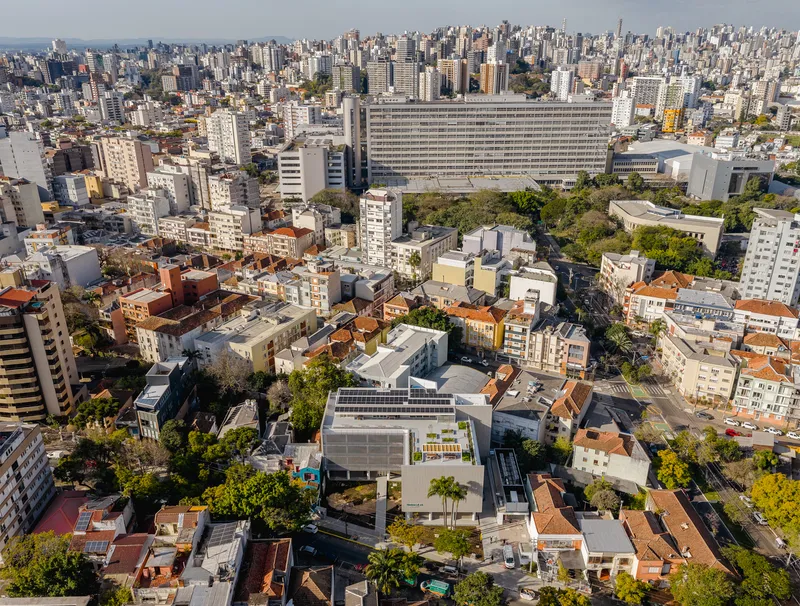
The Unimed Federation Headquarters by AT Arquitetura represents a compelling model for sustainable workplace architecture in Brazil. Through thoughtful adaptive reuse, innovative structural solutions, and a commitment to public space, the project demonstrates how corporate buildings can contribute to urban vitality, environmental performance, and human-centered design. It is not merely a renovation — it is a renewed urban gesture that celebrates longevity, responsibility, and architectural evolution.




Popular Articles
Popular articles from the community


Co-life: Sustainable Architecture for Age-Friendly Community Living
Co-life reimagines sustainable architecture for seniors through courtyards, rammed earth, shared gardens, and spaces designed for belonging.

Co-Life: Senior Housing Design That Reconnects Older Adults With the City
Co-Life reimagines senior housing design through healing gardens, shared streets, workshops, and a sustainable community across generations.

The Earth Pod: 3D Printed Homes for Resilient Refugee Communities
The Earth Pod reimagines refugee housing through 3D printed homes made from clay, combining resilience, self-sufficiency, and rapid shelter.

The Musturak Paradise: Senior Living Architecture for a Connected Future in Temara, Morocco
The Musturak Paradise reimagines senior living architecture in Temara via private homes, social spaces, culture, community, and shared care.

Similar Reads
You might also enjoy these articles


Hodi-Mandai Geram
Project Function: Preservation and revitalization of the Intangible heritage and socio-spatial identity of the Hodi by Housing, Cultural Memory Center, Sacred Grove, landscape, local tourism economy


Olio Towers: A Mid-Rise for Performers That Fuses Housing, Rehearsal, and Stage
Located blocks from Houston's Theater District, this modular tower stacks living units around a central performance atrium.

Oasis: Modular Green Housing Carved into Dhaka's Urban Fabric
A shortlisted Plugin Housing entry reclaims unauthorized settlements in Dhaka with stepped concrete volumes, green roofs, and ventilation-driven design.

Black Hole: A Floating Megastructure for the Post-Physical Era
Emiliano Mazzarotto envisions a spherical, self-scaling arena where e-sports, digital hotels, and holographic stadiums replace traditional public space.

Explore Office Building Competitions
Discover active competitions in this discipline



Challenge to reimagine the Iron Throne


Photograph architecture without architects


Illustrate the lost glory of Angkor Wat - Render Challenge


Design challenge to reuse E-waste
Comments (0)
Please login or sign up to add comments
No comments yet. Be the first to comment!