
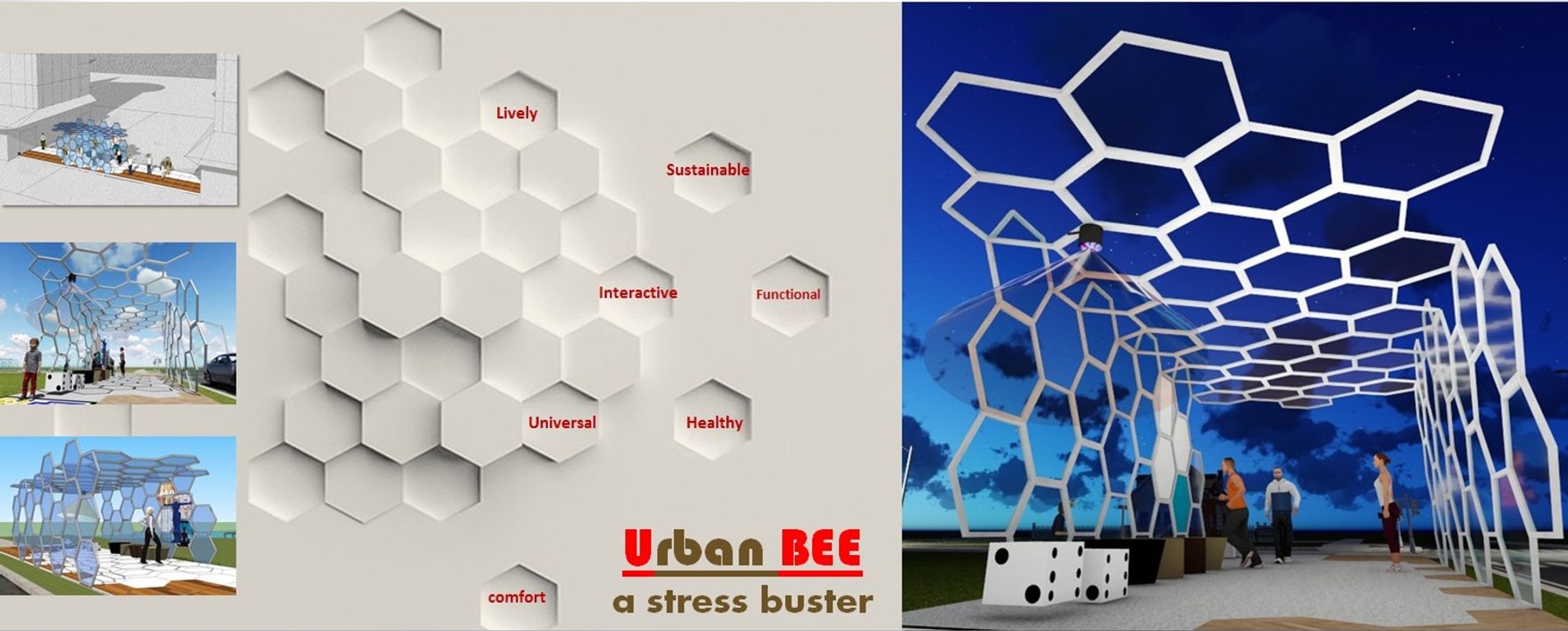
Urban BEE – A Stress-Buster in Urban Architecture
Urban BEE redefines public architecture with multifunctional design that reduces stress and promotes community well-being.

In today’s fast-paced cities, millions of people carry the weight of stress daily. Hectic work schedules, traffic congestion, and limited leisure time often leave little room for mental and physical well-being. Research indicates that prolonged workplace stress contributes to health risks ranging from anxiety to cardiovascular issues. As cities expand, the demand for healthier, interactive, and sustainable urban spaces is greater than ever.
This is where Urban BEE – a stress buster emerges as a transformative architectural solution. Conceived by Pranita Pranjale-Bokankar, the project integrates multifunctional urban furniture, modular design, and interactive features to encourage health, relaxation, and community engagement.
The Concept of Urban BEE
Urban BEE is inspired by the social and adaptive nature of bees. Much like bees thrive together in hives, Urban BEE aims to foster collective well-being in bustling city environments. Designed as an urban magnet, the structure brings together people from all age groups through inclusive and universal design principles.
Key goals include:
- Promoting interaction in public spaces
- Reducing stress through design and activities
- Supporting physical and mental health
- Offering multifunctional and modular solutions for different contexts
Design and Development: Universal and Interactive Architecture
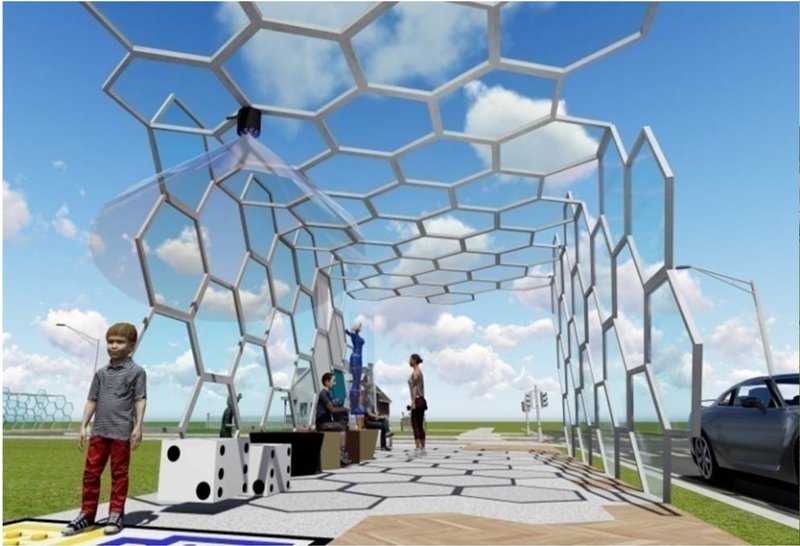
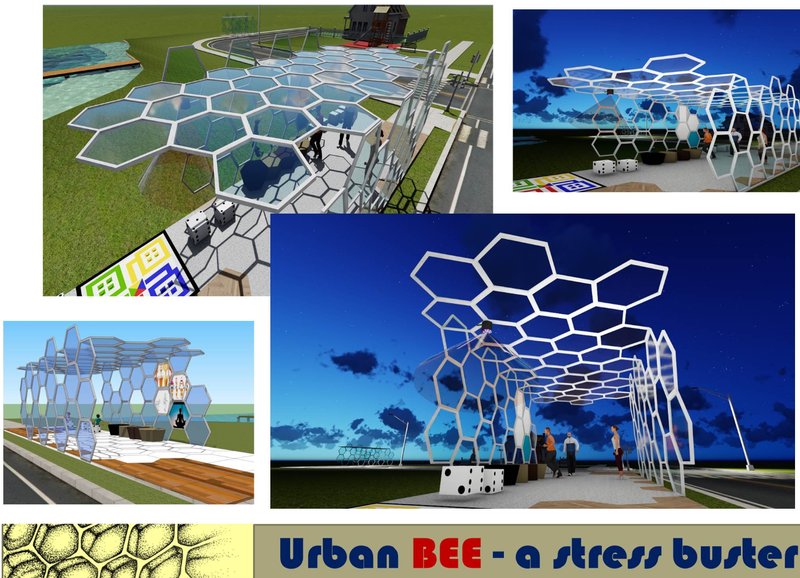
Urban BEE is more than just urban furniture—it is an interactive semi-open built form proposed for sidewalks, pedestrian zones, and pathways between offices, schools, and commercial buildings. The design integrates advanced technology, modularity, and environmental sustainability.
Key Design Features:
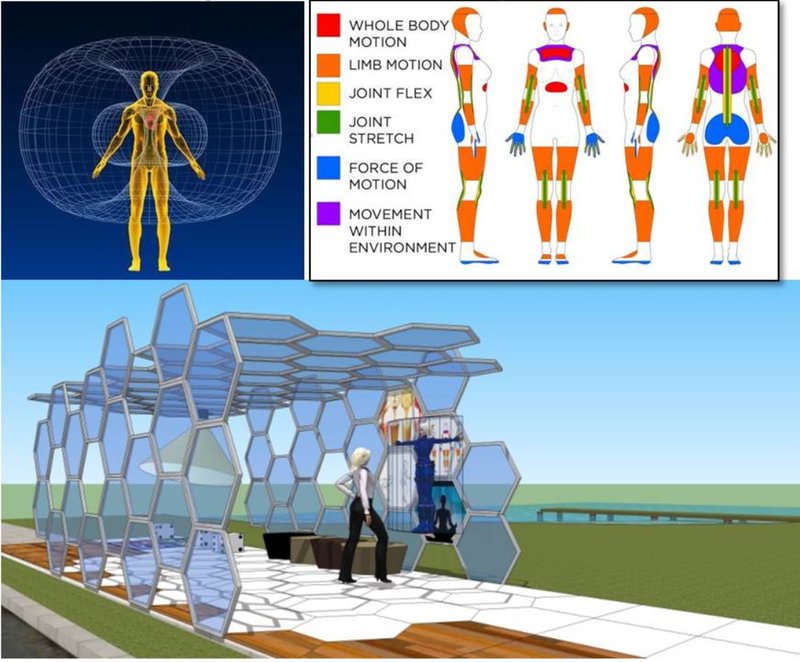
- Smart Glass Panels: These panels recognize human presence and adjust shading according to sun movement, creating a dynamic and personalized environment.
- Modular Hexagon Forms: Inspired by natural honeycombs, the modular system ensures flexibility and ease of installation across urban settings.
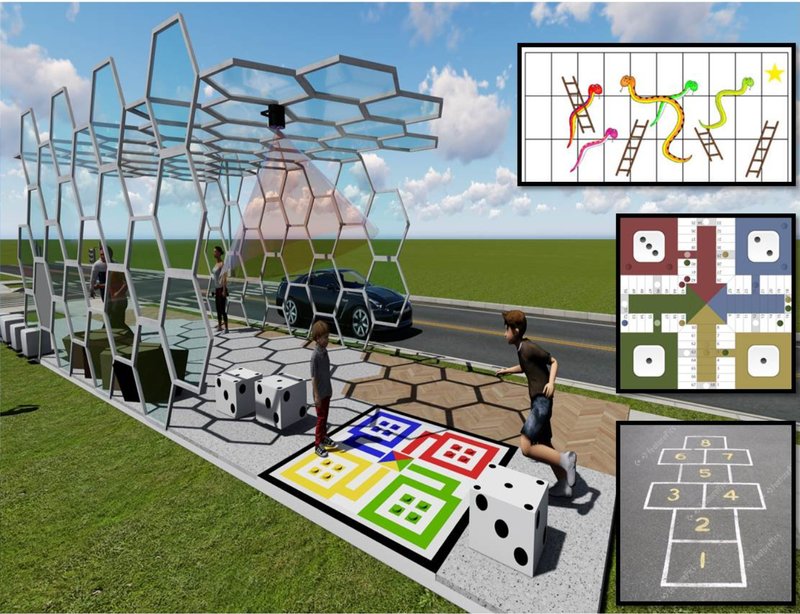
- Interactive Play Zones: Safe and inclusive areas designed for both children and adults to engage in physical activities.
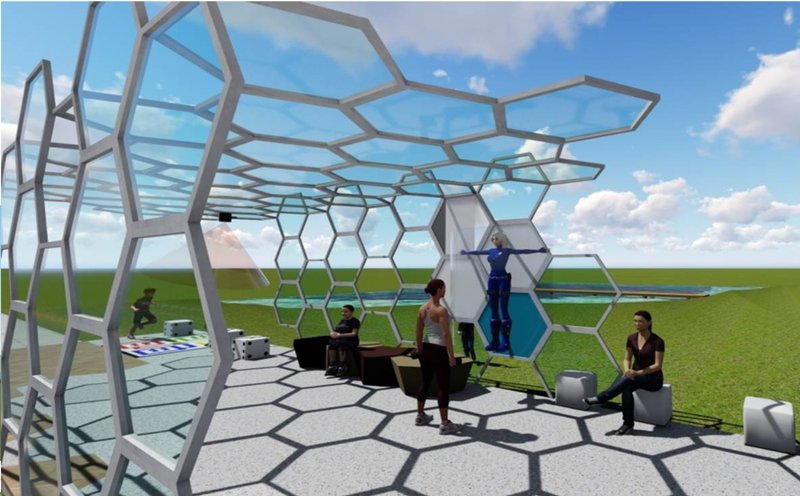
- Health Guiders: Smart installations that scan body movement, provide exercise suggestions, and promote overall well-being.
Health and Wellness Integration
At the heart of Urban BEE is a focus on health architecture. The project integrates psychological, thermal, and physical comfort into its design:
- Game Zones: Encourage physical activities for all ages, fostering fitness and social engagement.
- Smart Health Guiders: Use sensors to measure body metrics and suggest exercises to reduce stress and improve memory.
- Environmental Benefits: The structure filters polluted air, adds greenery, and generates oxygen-rich microclimates.
- Material Sustainability: Constructed using recycled materials and low-carbon footprint solutions.
Technological and Environmental Innovation
Urban BEE employs modern building technologies to align architecture with sustainability and innovation:
- Smart Glass Integration: Controls light, heat, and visibility to enhance comfort.
- Solar Panel Modules: Integrated within hexagonal forms to generate renewable energy and ensure self-sustainability.
- Recycled Materials: Reduce carbon footprint while maintaining durability and design appeal.
By merging environmental responsibility with interactive urban design, Urban BEE demonstrates how architecture can actively address global challenges such as climate change, pollution, and public health.
Social Responsibility Through Architecture
Urban BEE acknowledges the pressing need for mental and physical health in cities. By creating an interactive, stress-relieving urban environment, the project highlights how public architecture can serve as a catalyst for healthier living. Its modular and adaptable nature means it can be executed in diverse global contexts, from dense urban centers to community-focused neighborhoods.
Urban BEE redefines the role of architecture by blending design, health, and sustainability. It is more than just a structure—it is an invitation for people to pause, interact, and rejuvenate in the midst of urban chaos. By integrating multifunctional design, smart technology, and eco-conscious materials, Urban BEE positions itself as a pioneering model in stress-relieving urban architecture.
As cities evolve, projects like Urban BEE remind us that the future of architecture lies not just in constructing buildings, but in shaping experiences that nurture both people and the planet.


Popular Articles
Popular articles from the community

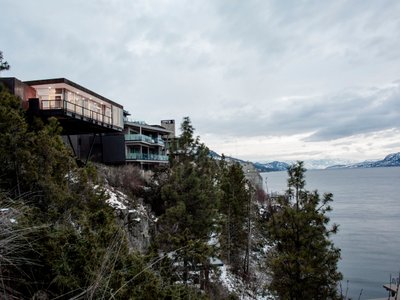
Alton Cliff House: A Harmonious Retreat by f2a Architecture in Lake Country, Canada
Alton Cliff House blends corten steel, prefabrication, and sustainable design, creating a luxurious, energy-efficient retreat perched on Canadian cliffs.


The Ken Roberts Memorial Delineation Competition (Krob)
As the most senior architectural drawing competition currently in operation anywhere in the world, it draws hundreds of entries each year, awarding the very best submissions in a series of medium-based categories.
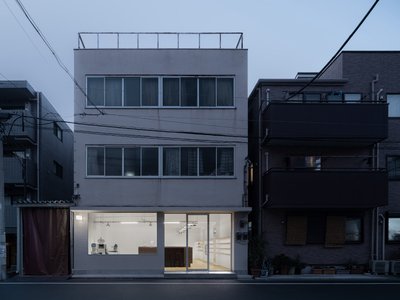
Atelier Macri Concept Store Interior Design by CASE-REAL
Atelier Macri store features a "ko" counter, walnut wood details, cork displays, blending retail, gallery, and seamless customer experiences.

Free Architecture Competitions You Can Enter Right Now
No entry fees, real prizes. Here are the best free architecture competitions open for submissions in 2026.

Similar Reads
You might also enjoy these articles
Digital Façade Design for our cities’ urban fronts
Prima Facie - Result Story
Protecting avian biodiversity: Bird observatories to help spread awareness & save rare bird species.
Results for ‘Fly’ - Landscape design competition out now
Connecting with nature: Forest interpretation center in Australia's Wollemi National Park
‘Asatti’ - Landscape design competition - Result story

Explore Product Design Competitions
Discover active competitions in this discipline




The Global Benchmark for Architecture Dissertation Awards

Challenge to merge furniture with learning

Design challenge to equip cities with modern furniture

Competition to design a workstation for architects
Comments (0)
Please login or sign up to add comments
No comments yet. Be the first to comment!