

Urban Forest Architecture: Café with a Large Tree in the Middle of Town by toit-design + Kazuto Nishi Architects
This article explores a wooden café designed as an urban forest, blending nature, architecture, and community in a dense cityscape.


Reinterpreting Urban Nature through Architecture
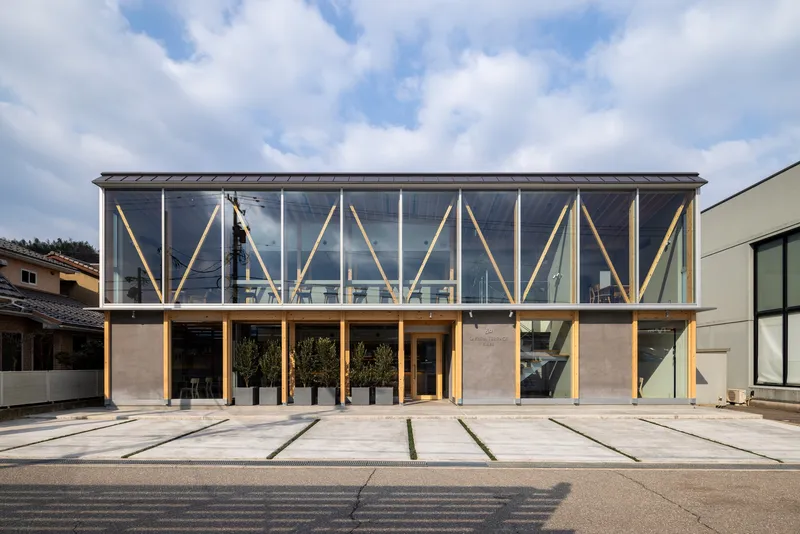
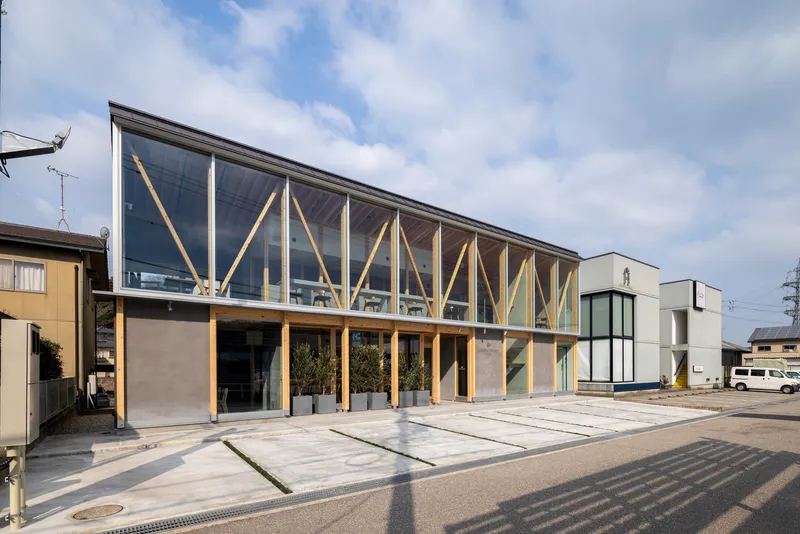
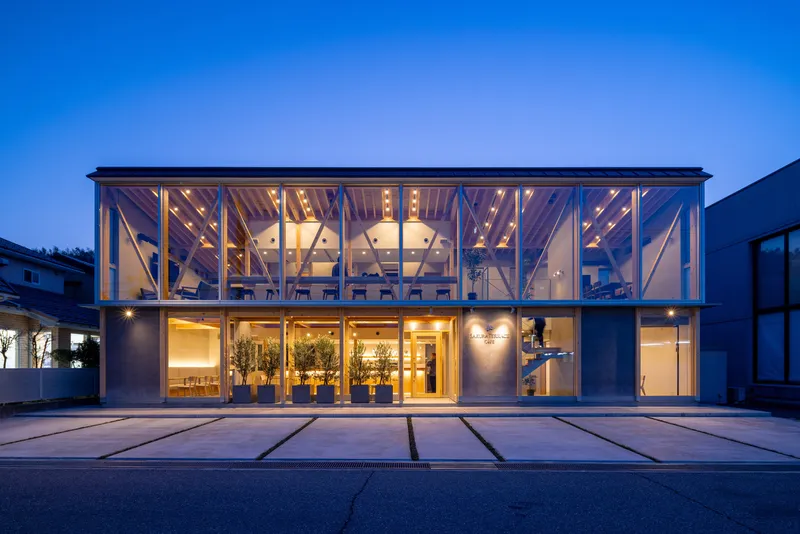
In the heart of a bustling regional Japanese city, “Café with a Large Tree in the Middle of Town” by toit-design and Kazuto Nishi Architects transforms a chaotic urban corner into a space of calm, connection, and community. Surrounded by commercial and industrial buildings, this 221-square-meter café redefines hospitality architecture by bringing the serenity and symbolism of a forest into the city center.
Designing a Wooden Canopy in the City
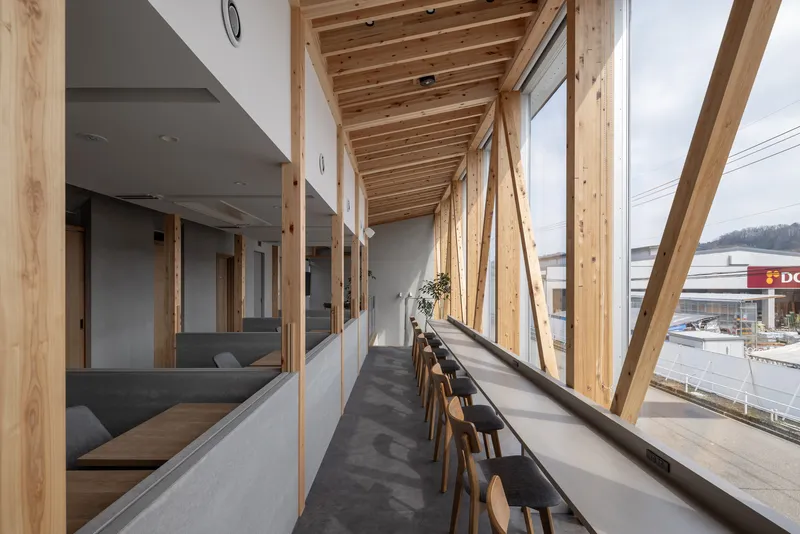
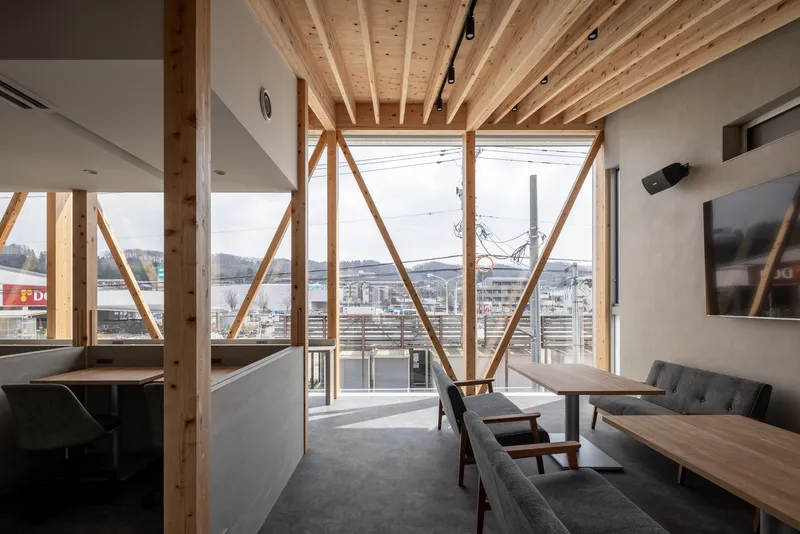
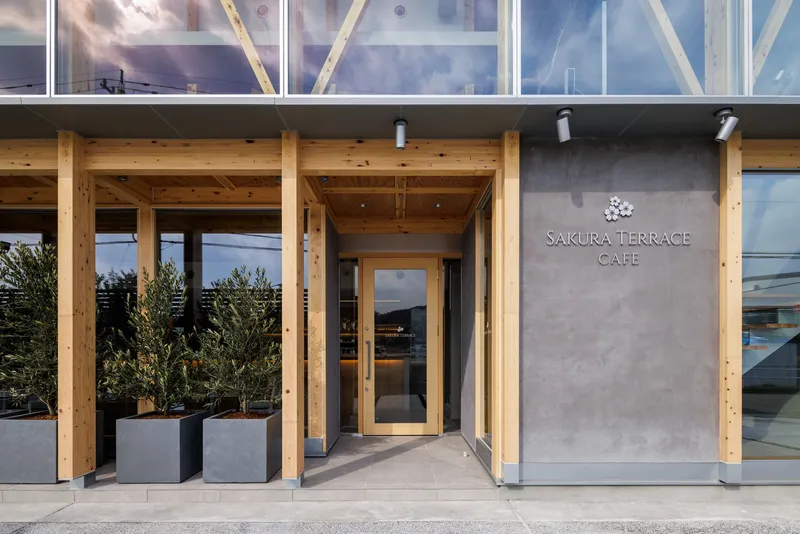
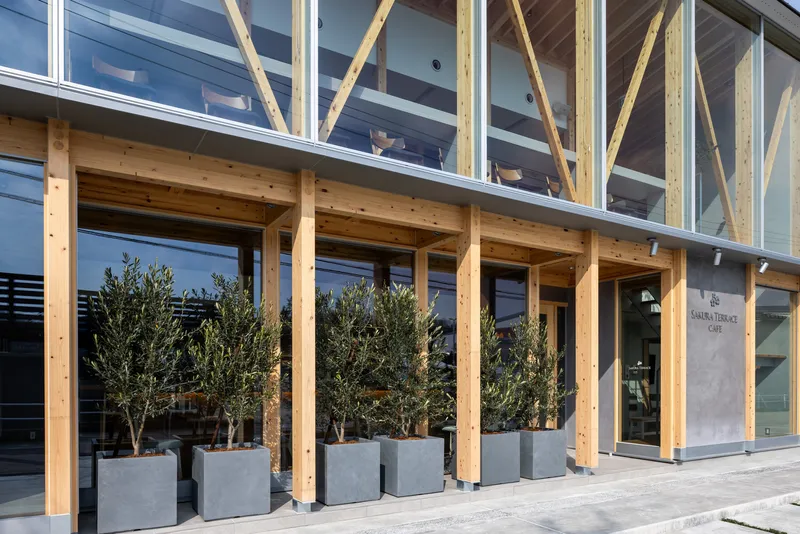
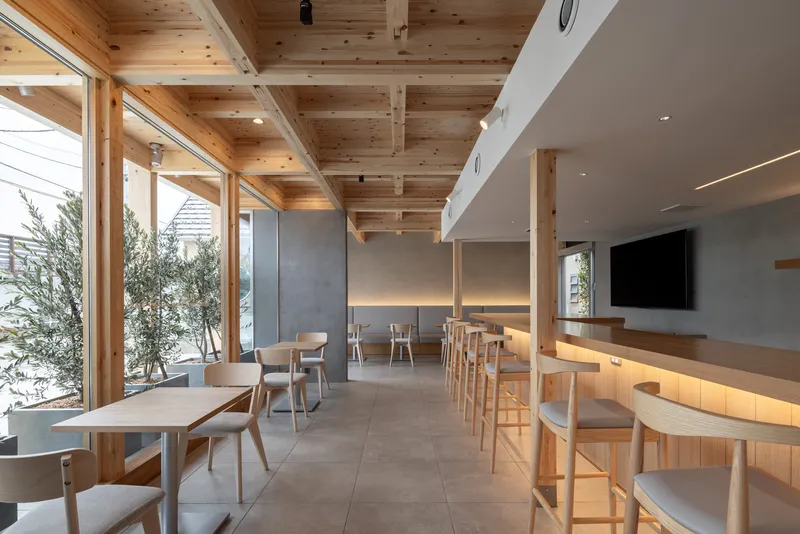
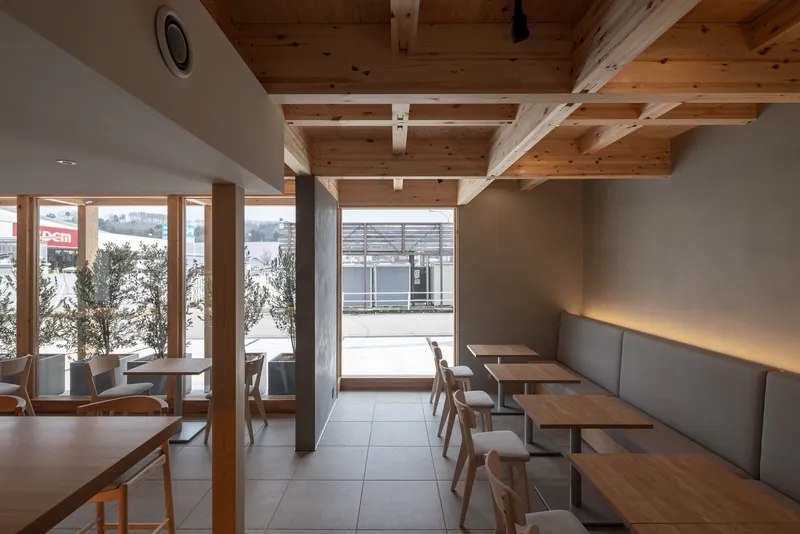
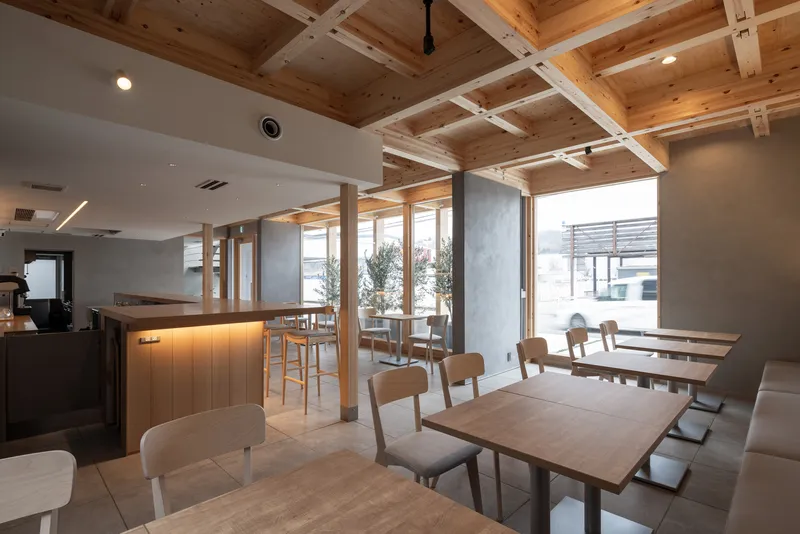
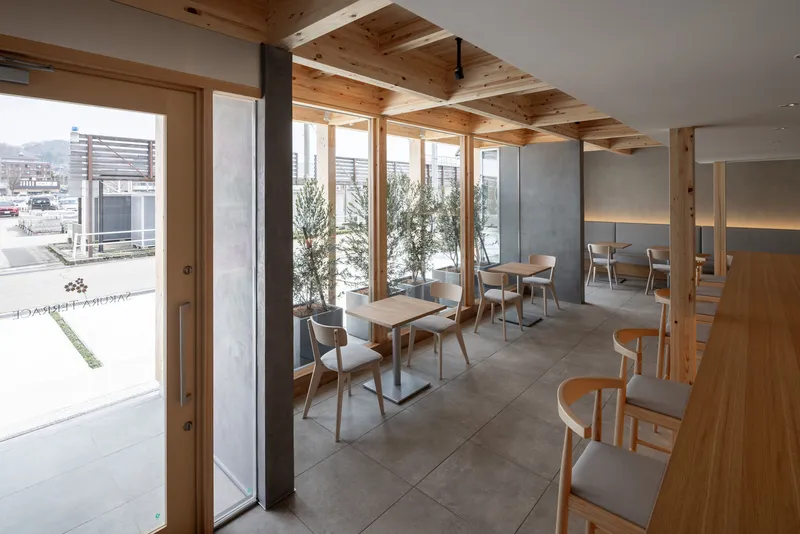
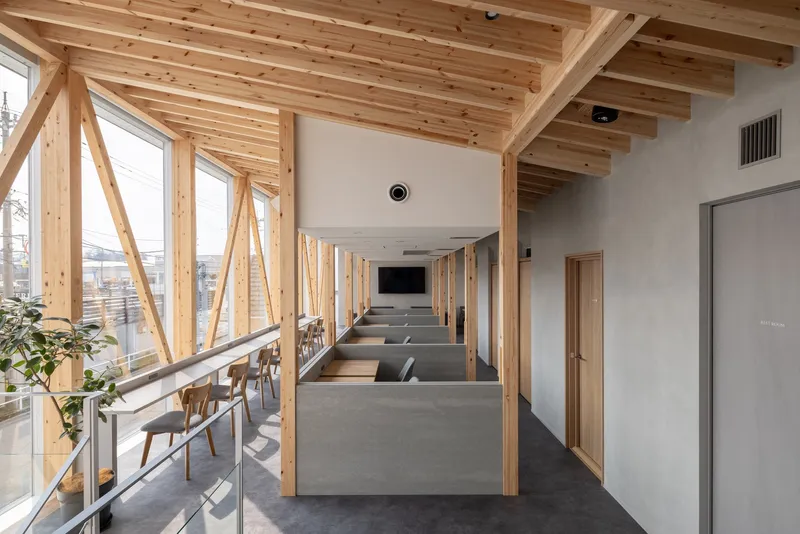
This unique café structure emulates a forest canopy through an expressive architectural language. Its core design concept is inspired by the strength and sheltering nature of trees. Large wooden beams and structural elements are intentionally left exposed, forming a rhythmic framework that mimics the branches of a massive tree. The raw timber contrasts with the monochrome palette of gray and white, creating a soothing spatial abstraction that invites visitors to pause and breathe.
Community Space with Environmental Purpose
More than a gathering place, the café serves as a catalyst for environmental consciousness. Its wooden structure is a deliberate choice, symbolizing an “urban forest” where architecture becomes an active part of the carbon cycle. By preserving carbon in its timber elements, the building functions as a carbon sink, contributing to sustainability goals within the urban landscape.

A Natural Flow Across Levels
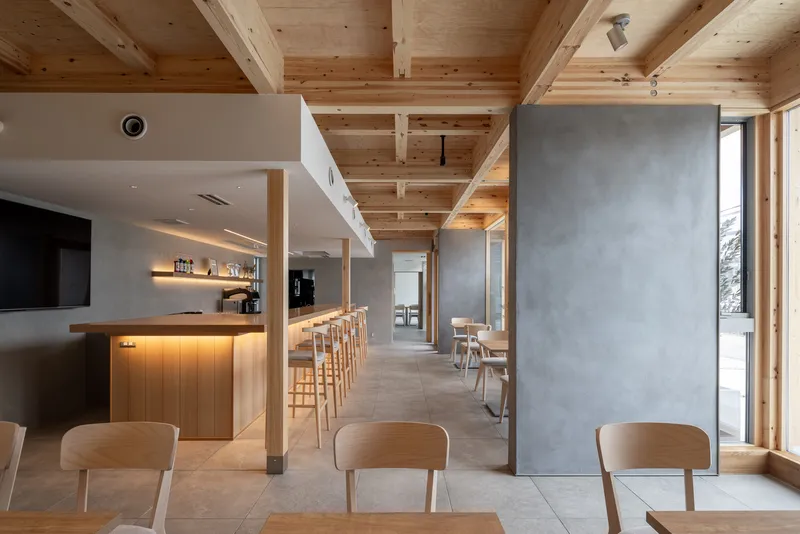
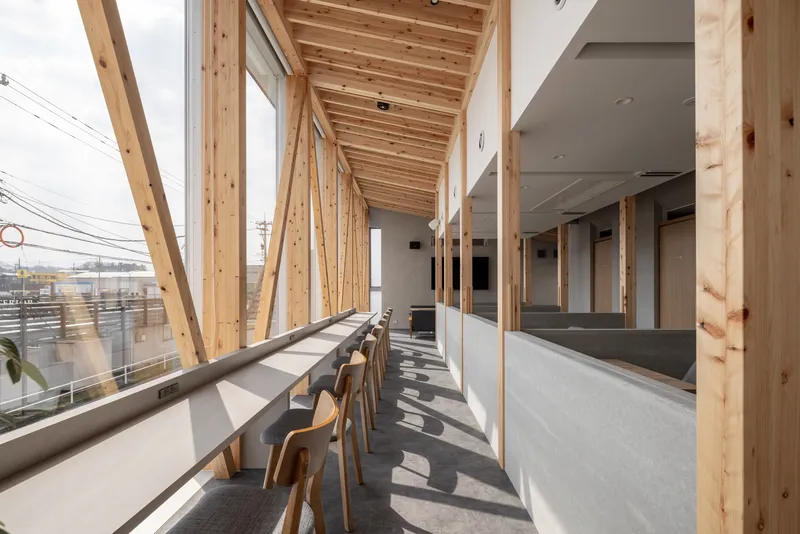
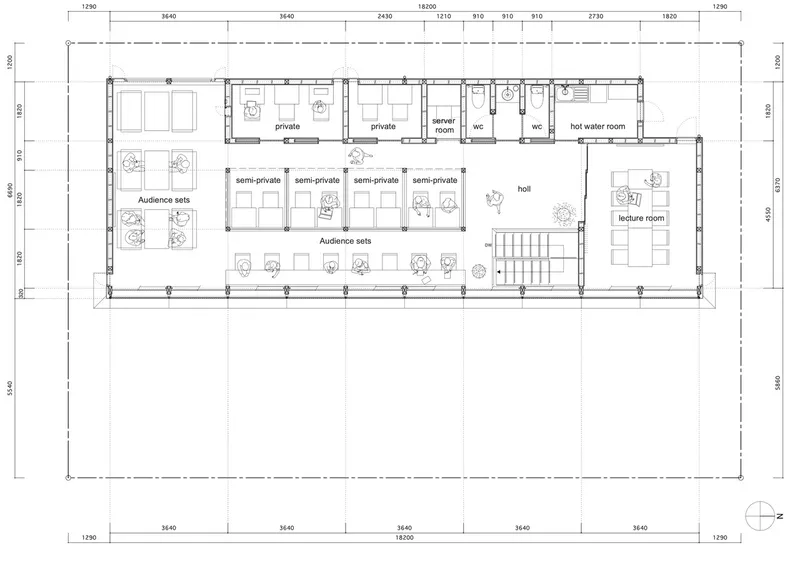
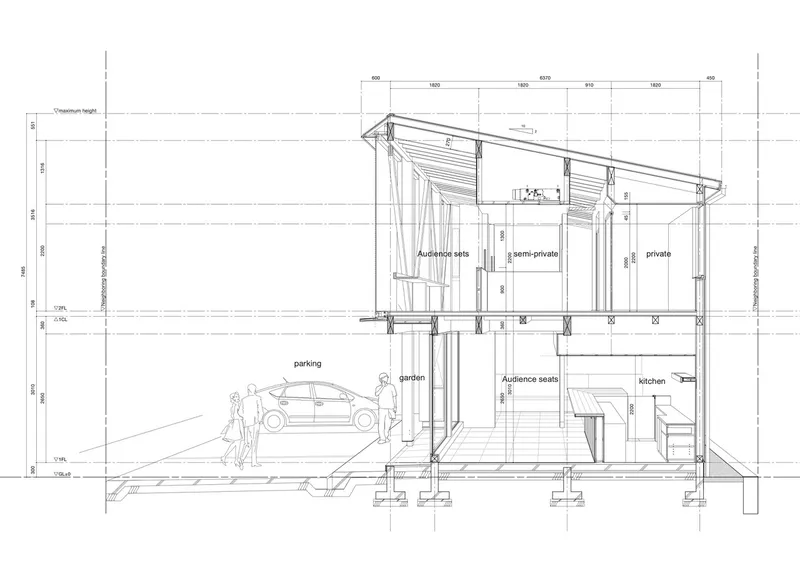
Entering the café, visitors are welcomed by a voluminous space where thick wooden “branches” stretch across the ceiling, creating an immersive forest-like experience. The second floor continues the metaphor with thinner, more subdivided structures, evoking the lightness of upper branches and adding spatial rhythm. The design subtly transitions from grounded strength to airy elevation, reinforcing the organic metaphor.


A Place to Connect with Nature in the City
The architects rejected typical commercial aesthetics in favor of an organic, sensory space. This shift not only distinguishes the building within its urban context but also repositions architecture as a participant in ecological processes. The café stands as a new model for blending hospitality with environmental stewardship, proposing architecture that gives back to nature even in densely developed environments.

Toward a New Dialogue Between Cities and Forests
By grounding the café’s concept in forest symbolism and real ecological function, the architects open a conversation about the future of urban design. This project invites communities to reconsider how architecture can foster connections—between people, between business and ecology, and between cities and the natural world. The café is not just a place to drink coffee; it is a quiet revolution, a rooted space for a new kind of urban life.
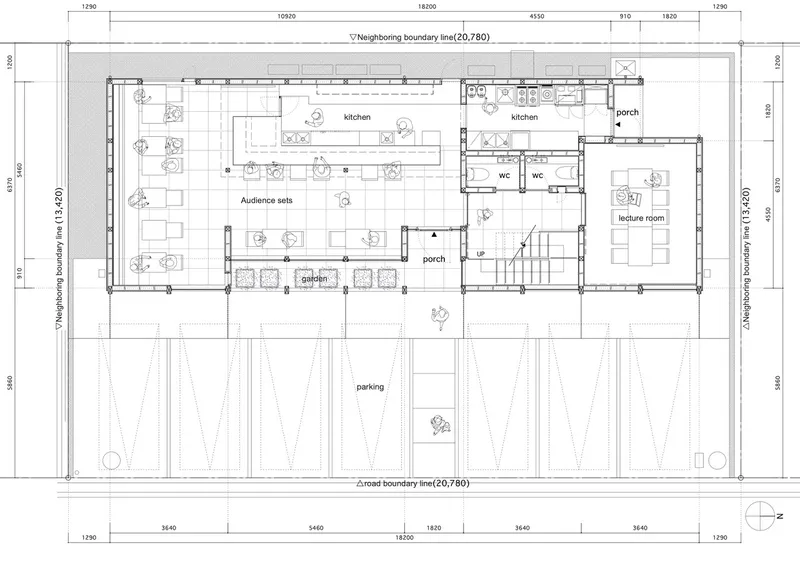
All Photographs are works of Masahiro Terada




Popular Articles
Popular articles from the community


The Ocean Hive: Sustainable Architecture for a Self-Sufficient Civilization at Sea
The Ocean Hive imagines sustainable architecture at sea, where modular habitats, algae, wave power and ocean waste sustain a growing colony.

Co-life: Sustainable Architecture for Age-Friendly Community Living
Co-life reimagines sustainable architecture for seniors through courtyards, rammed earth, shared gardens, and spaces designed for belonging.

Conexión: Biophilic Design Reimagines High-Rise Living in Hong Kong
Conexión reimagines high-rise living in Hong Kong through biophilic design, green facades, shared spaces, daylight, water and nature within.

Co-Life: Senior Housing Design That Reconnects Older Adults With the City
Co-Life reimagines senior housing design through healing gardens, shared streets, workshops, and a sustainable community across generations.


Similar Reads
You might also enjoy these articles

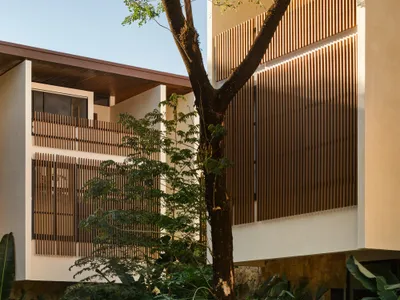
FAMM Arquitectura Organizes Ten Villas Around Courtyards and Jungle in Nosara, Costa Rica
El Molino pairs two elongated volumes with deep overhangs and timber louvers to build a compact coastal community five minutes from the beach.
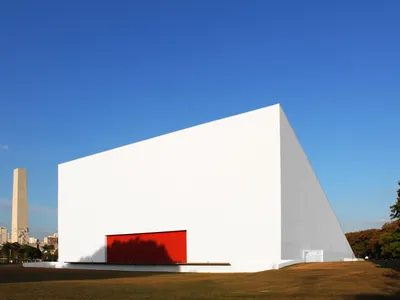
Oscar Niemeyer's Ibirapuera Park Pavilions Define São Paulo's Cultural Identity in Concrete and Curve
A constellation of modernist volumes set within São Paulo's most important urban park, conceived for the city's 400th anniversary in 1954.
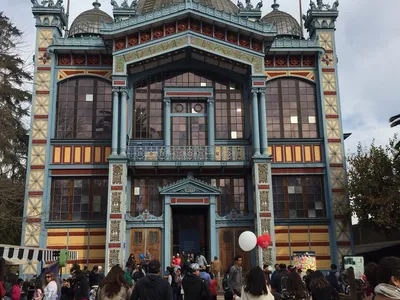
How Henri Picq's 1889 Paris Pavilion Traveled 11,000 Kilometers to Become Santiago's Artequín Museum
A prefabricated iron and glass pavilion built for the Paris Universal Exposition found a second life as a children's art museum in Chile.
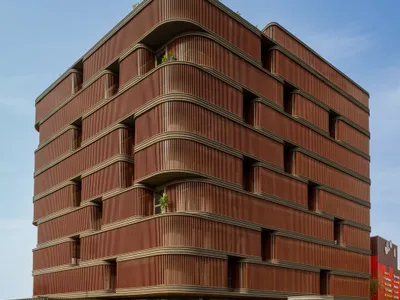
Sanjay Puri Architects Wraps a Jaipur Office Tower in Capsule-Shaped Green Buffers
A nine-level climate-responsive workplace near Jaipur Airport uses stacked planter terraces and aluminium screens to fight 40°C heat.
Explore Urban Forest Competitions
Discover active competitions in this discipline



Challenge to reimagine the Iron Throne


Photograph architecture without architects


Illustrate the lost glory of Angkor Wat - Render Challenge


Design challenge to reuse E-waste
Comments (0)
Please login or sign up to add comments
No comments yet. Be the first to comment!