

Vértice Arquitectura Studio: A Harmonious Blend of Historic Preservation and Modern Design
Vértice Arquitectura Studio in Toledo transforms a historic workshop into a modern, sustainable workspace, blending adaptive reuse, preservation, and innovation seamlessly.


Located in the heart of Toledo, Spain, the new architecture studio by Vértice Arquitectura is an exemplary restoration project that seamlessly integrates historic preservation, modern renovation techniques, and adaptive reuse. The transformation of a former sheet metal and paint workshop—abandoned since the late 1970s—into a dynamic, contemporary workspace reflects the studio’s deep commitment to sustainable architectural practices and cultural heritage.

A Historic Setting with Timeless Architectural Elements
The renovation process focused on preserving and enhancing historical elements while incorporating modern functionality. The design reveals the underlying 17th-century masonry, constructed using reclaimed Roman ashlars sourced from Toledo’s ancient Roman circus, all resting on an Islamic foundation wall from the 9th century. These elements create a layered narrative of Toledo’s rich architectural history, enhanced by the retention of Vidales Madrid cast iron columns from 1906, which support the space structurally and aesthetically.

Open Concept Collaborative Workspace
The studio adopts an open-plan layout to foster creativity and collaboration. At its core, a flexible workspace accommodates a mobile library mounted on wheels, allowing for adaptability and reconfiguration. The meeting and presentation areas are positioned strategically to maximize natural light, creating an inviting atmosphere for both clients and architects.

Functionality Meets Aesthetic Innovation
The design skillfully divides the space into functional zones, including an office area, service rooms, and an informal meeting/dining space. The kitchen, locker rooms, and restrooms are enclosed in marine plywood panels veneered in oak, which also serve as an acoustic barrier, ensuring a serene working environment.

Facade Restoration and Sustainable Lighting Design
One of the most striking aspects of this renovation is the restoration of the original facade openings, previously concealed beneath layers of cement. These openings now capture the warm glow of the sunset, thanks to carefully flared window designs that maximize solar exposure.
The north-facing orientation of the windows presented a unique challenge, which was resolved through a combination of indirect accent lighting hidden within existing beams and a linear LED lighting system embedded into the grooved baseboards. Additionally, smart home automation regulates brightness levels, ensuring an optimal 500 lux per square meter on work surfaces—enhancing both energy efficiency and visual comfort.

Structural and Material Considerations
The flooring system incorporates a ventilated exterior slab, effectively preventing moisture damage while supporting a polished concrete finish interspersed with steel plates. This combination not only enhances durability but also houses a radiant cooling system, reinforcing the studio’s commitment to energy-efficient design.

Custom-Designed Workstations
To accommodate the irregular geometry of the space, the studio designed custom workstations using metal plate structures and laminated board surfaces. These bespoke tables encourage an interactive work environment, balancing functionality and aesthetic appeal.

The new Vértice Arquitectura studio is more than just a workspace—it’s a testament to the power of adaptive reuse, sustainable renovation, and historical preservation. By carefully integrating modern design elements with Toledo’s rich architectural heritage, the studio embodies a vision for the future of contemporary architecture, where innovation and tradition coexist in perfect harmony.
All photographs are works of Javier de Paz García


Popular Articles
Popular articles from the community

Tsunami Convergenics: Turning Catastrophic Ocean Forces into Underwater Housing Infrastructure
A speculative underwater settlement off the coast of Onagawa, Japan, treats tsunamis and typhoons as energy sources rather than threats.
Cloaked Colonization: A Mobile Underwater Habitat That Moves Like a Fish
Micah Abaya's shortlisted EHC Pacific entry reimagines ocean settlement as a dispersed network of self-sustaining architectural organisms.
Opera on the Sea: Driftwood Logic Shapes a Timber Opera House on Estonia's Coast
Trevor Orgill's opera house translates the entangled drift of floating timber into a civic building where wood, water, and music converge.
Temporary Home for Dogs: A Reversed Zoo Rethinks Animal Shelter Architecture
In Bucharest, a sinuous corridor and freed landscape flip the logic of containment, designing a shelter that works to make itself unnecessary.

Similar Reads
You might also enjoy these articles

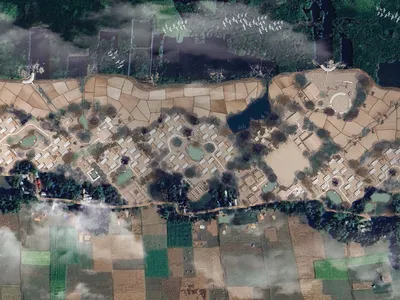
Hodi-Mandai Geram
Project Function: Preservation and revitalization of the Intangible heritage and socio-spatial identity of the Hodi by Housing, Cultural Memory Center, Sacred Grove, landscape, local tourism economy

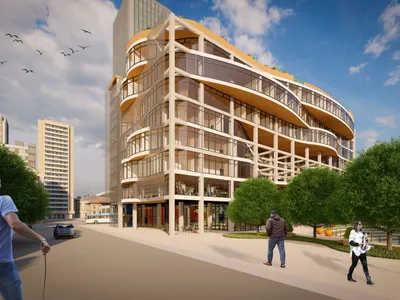
Olio Towers: A Mid-Rise for Performers That Fuses Housing, Rehearsal, and Stage
Located blocks from Houston's Theater District, this modular tower stacks living units around a central performance atrium.
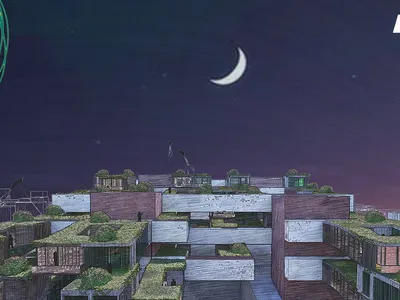
Oasis: Modular Green Housing Carved into Dhaka's Urban Fabric
A shortlisted Plugin Housing entry reclaims unauthorized settlements in Dhaka with stepped concrete volumes, green roofs, and ventilation-driven design.

Black Hole: A Floating Megastructure for the Post-Physical Era
Emiliano Mazzarotto envisions a spherical, self-scaling arena where e-sports, digital hotels, and holographic stadiums replace traditional public space.

Explore Historic Preservation Competitions
Discover active competitions in this discipline

Challenge to reimagine the Iron Throne

Photograph architecture without architects

Illustrate the lost glory of Angkor Wat - Render Challenge

Design challenge to reuse E-waste
Comments (0)
Please login or sign up to add comments
No comments yet. Be the first to comment!