
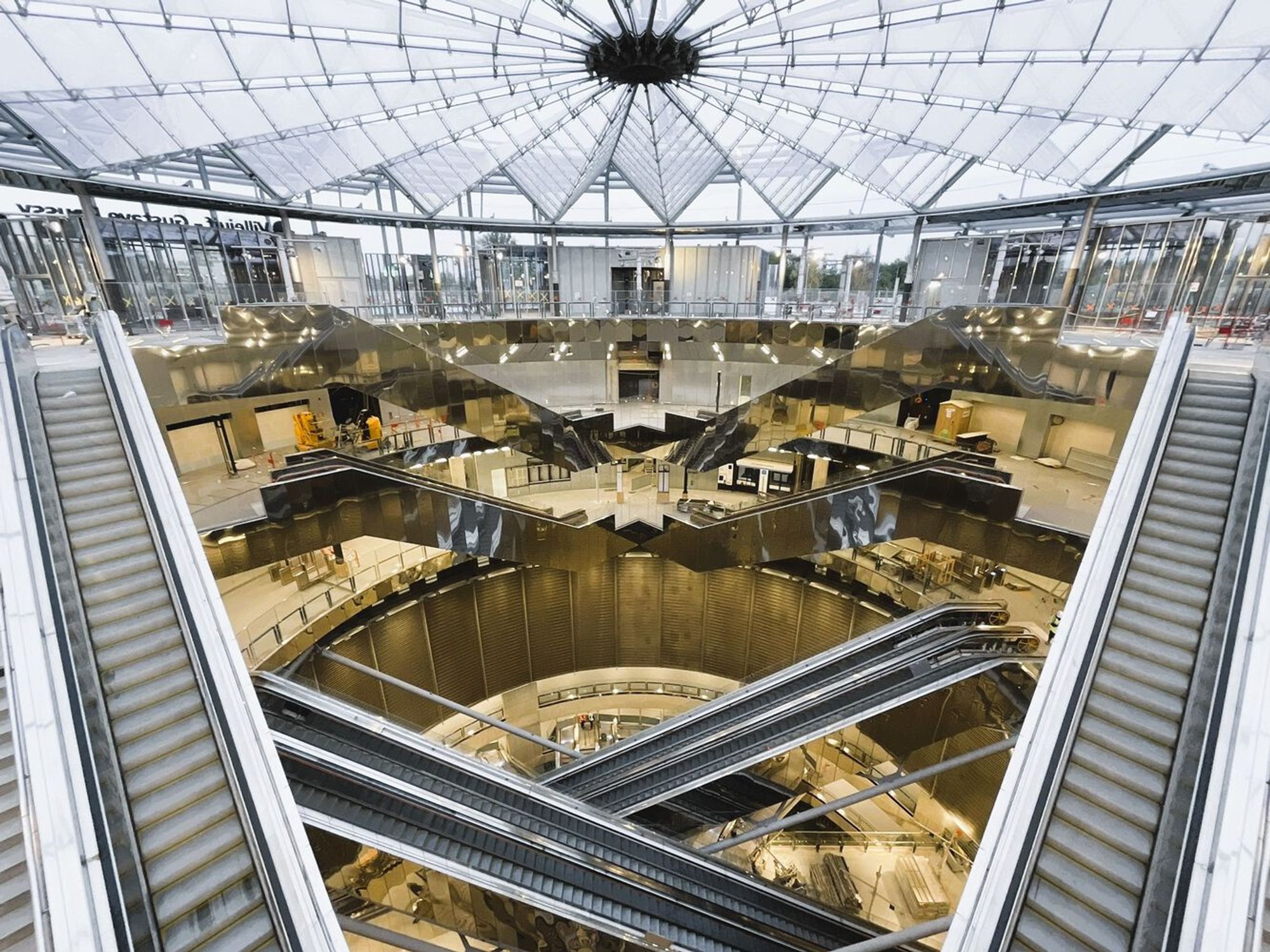
Villejuif Gustave Roussy Station: A Visionary Example of Urban Architecture
The Villejuif Gustave Roussy Station redefines urban architecture, blending transportation, sustainability, and community spaces for the Grand Paris Express.

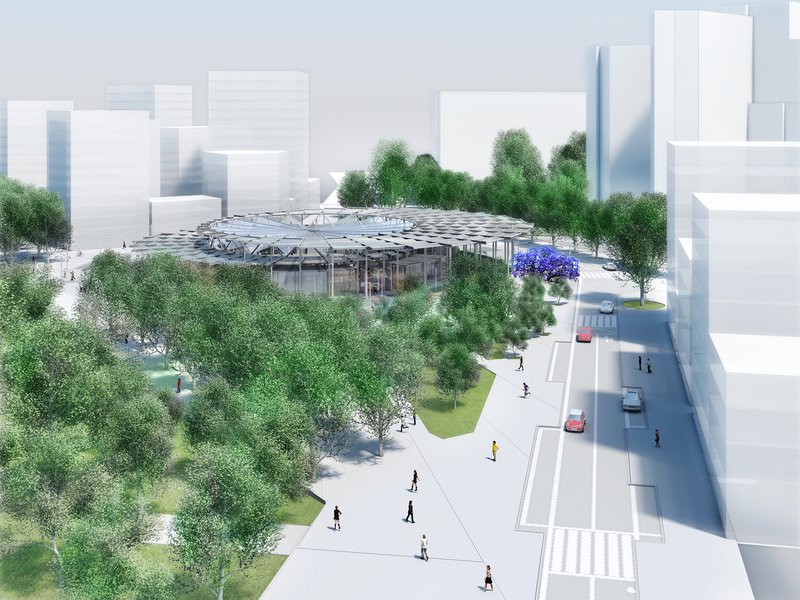
The Villejuif Gustave Roussy Station, designed by Dominique Perrault Architecture, stands as a groundbreaking example of modern infrastructure blending seamlessly with its surrounding urban landscape. Located in Villejuif, France, this new metro station forms a key part of the Grand Paris Express, a transformative project reshaping the city’s public transport network. With its innovative design and deep integration into the urban fabric, the station represents a shift in how architectural spaces can harmonize with both the city and its inhabitants.
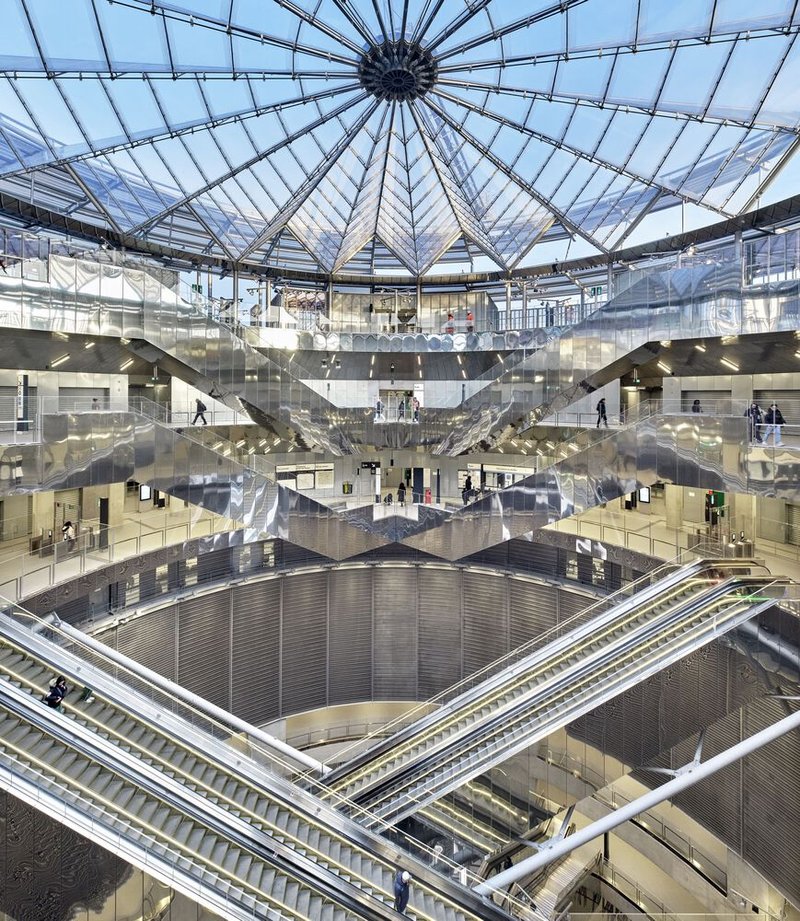
The Architectural Design: Blurring Boundaries
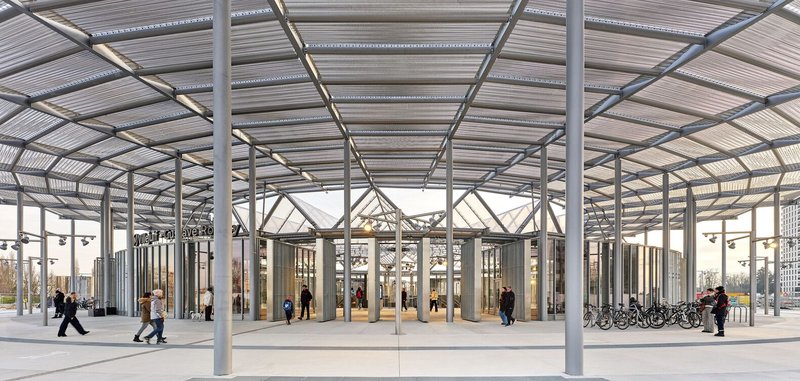
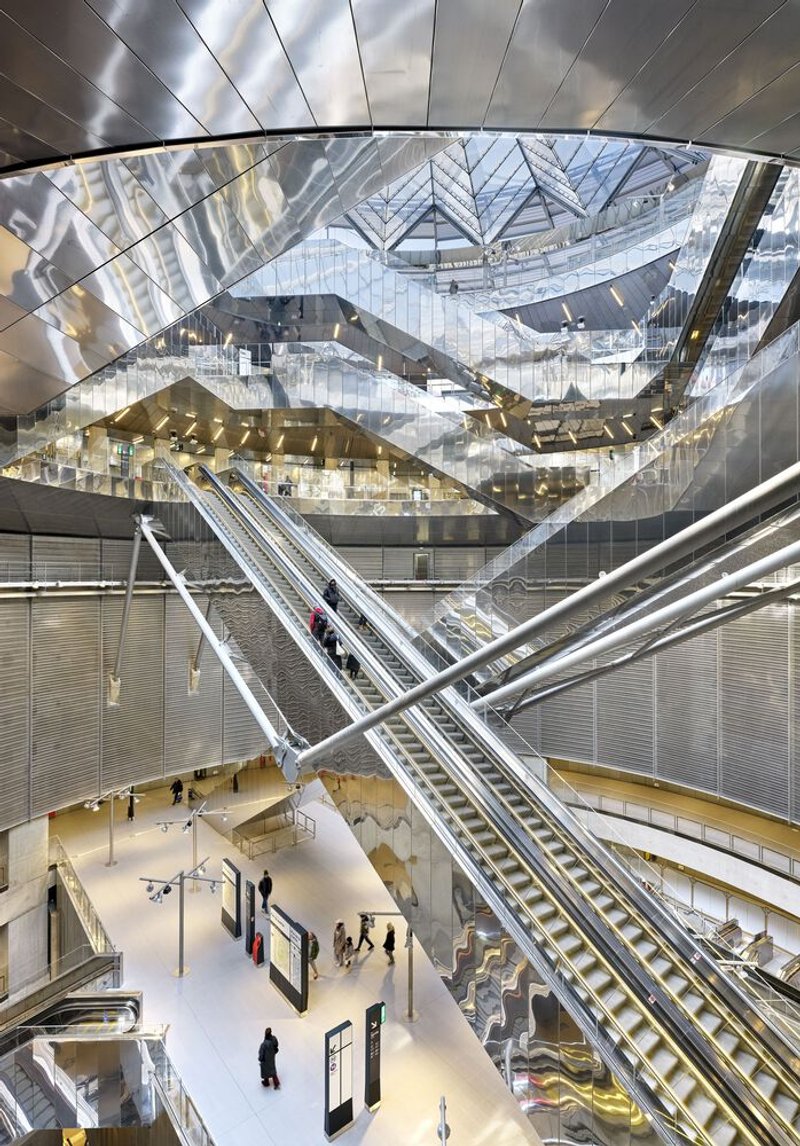
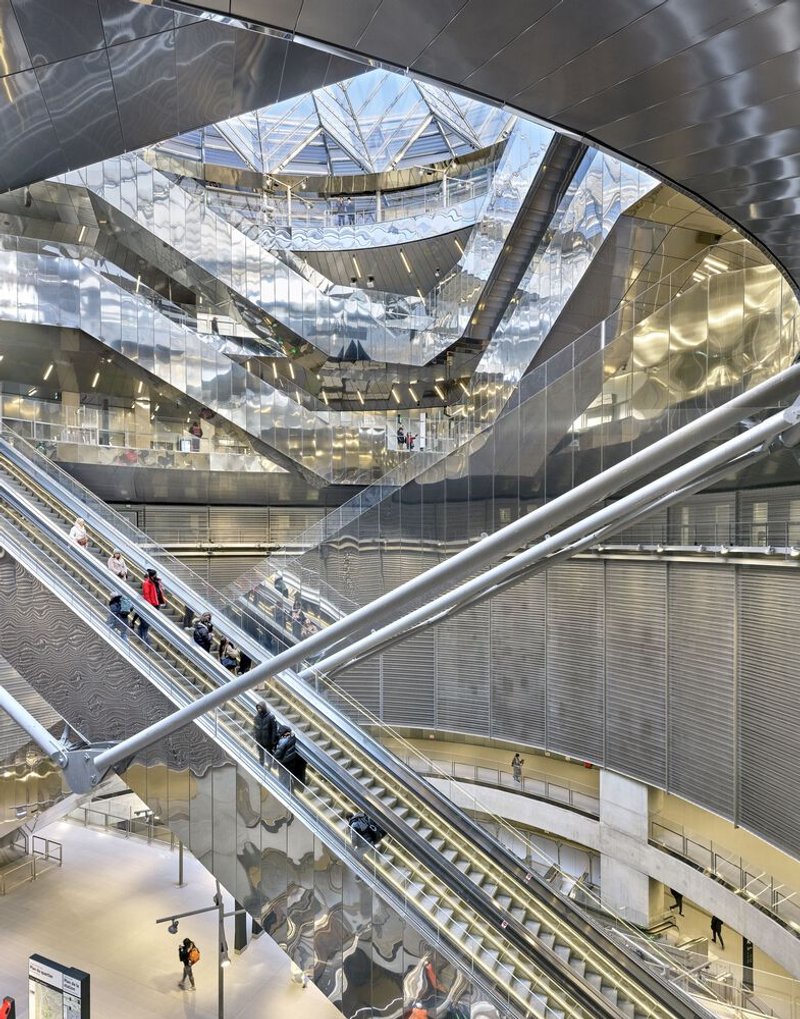
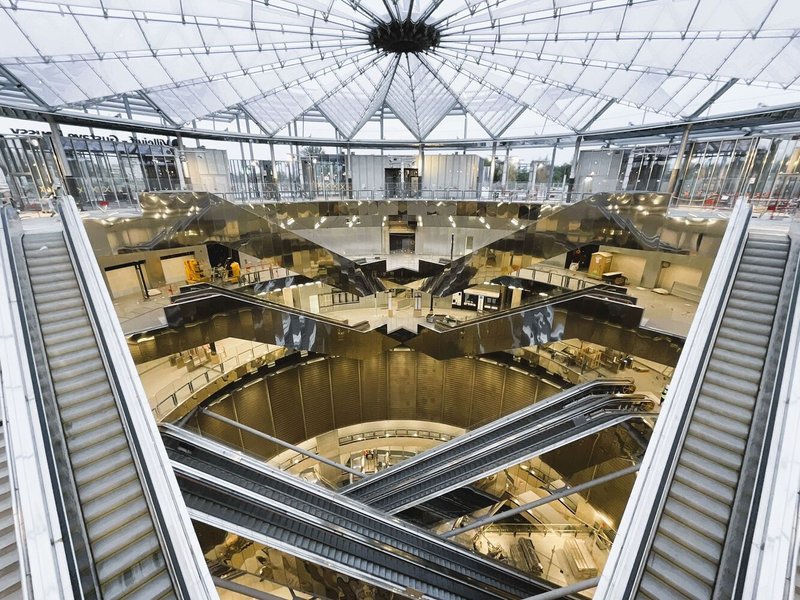
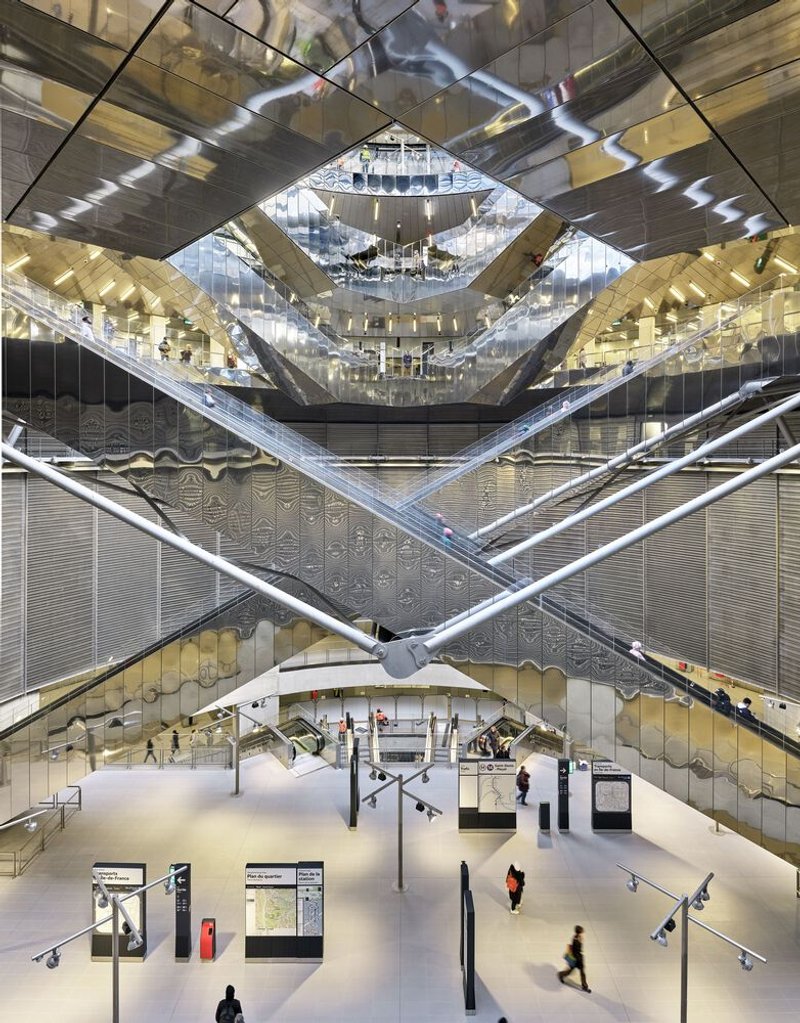
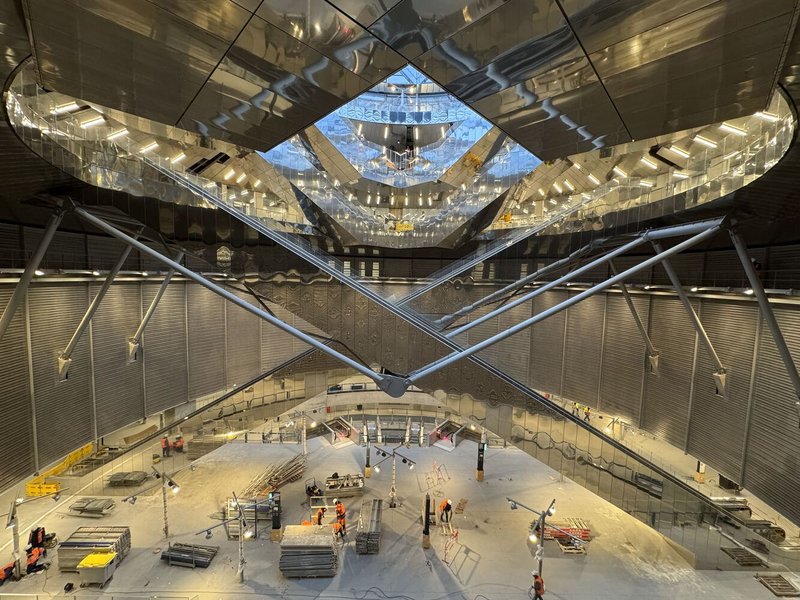
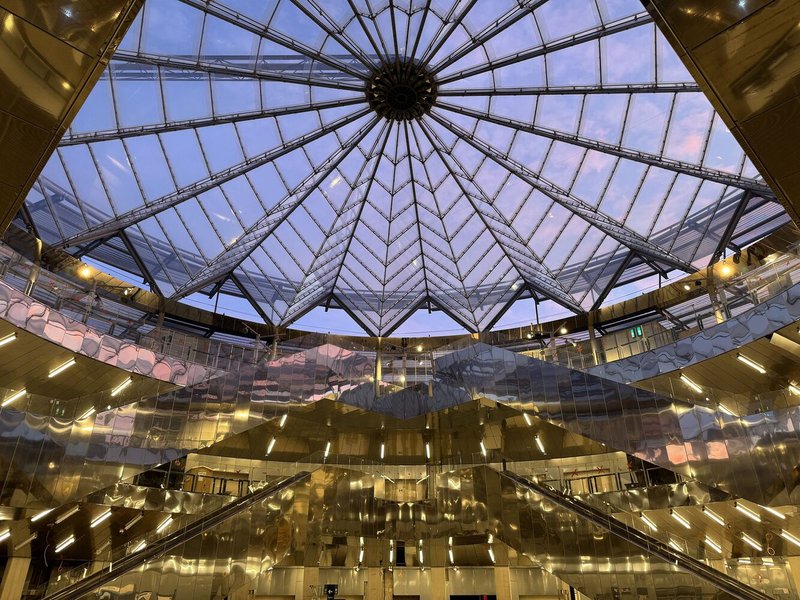
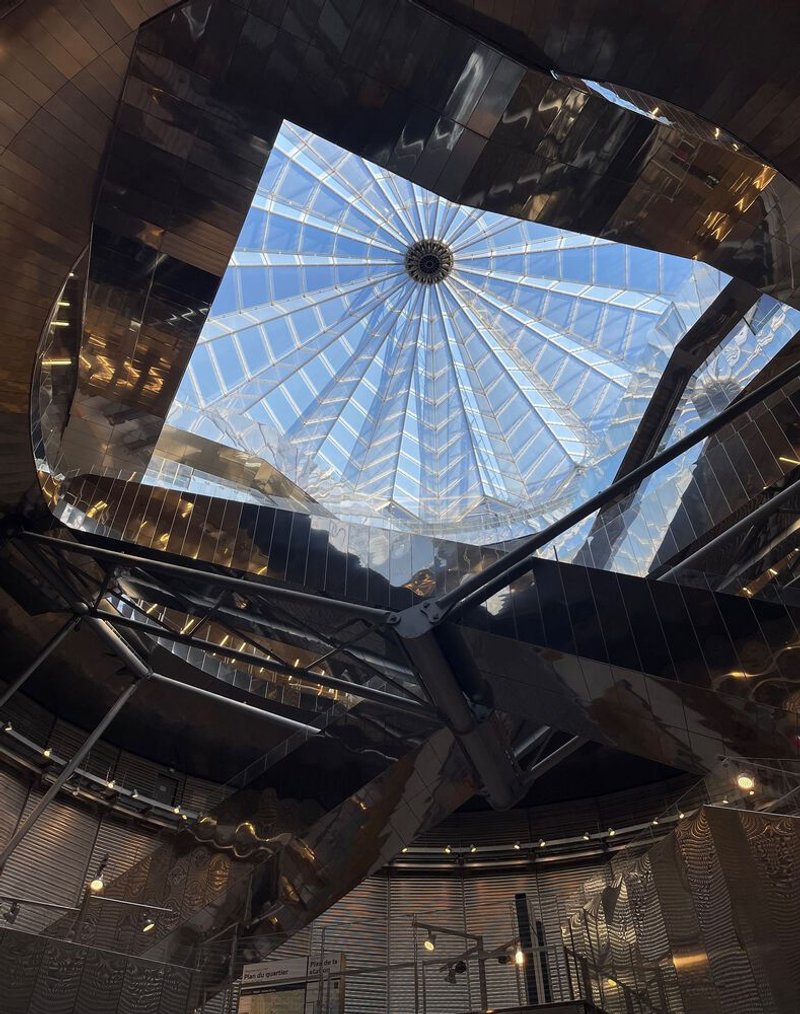
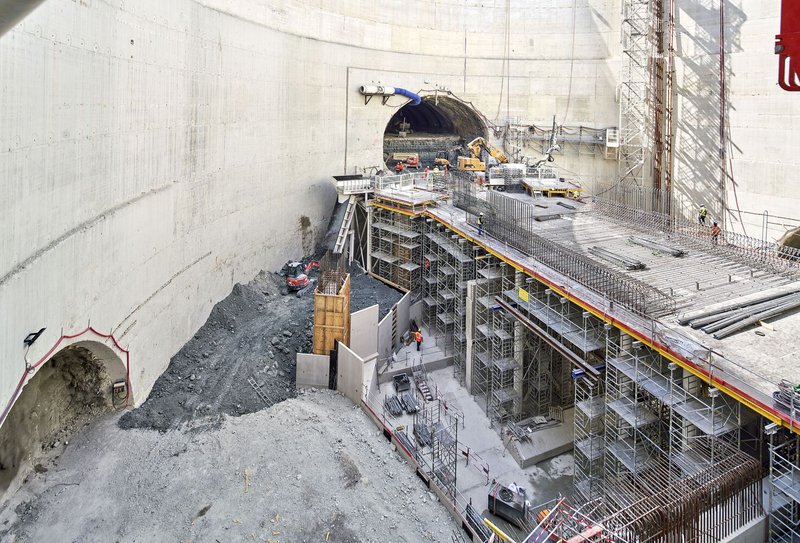
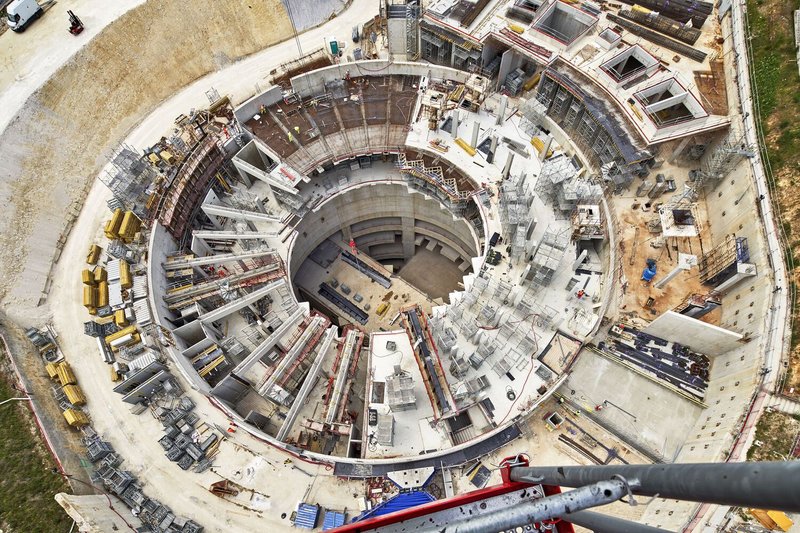
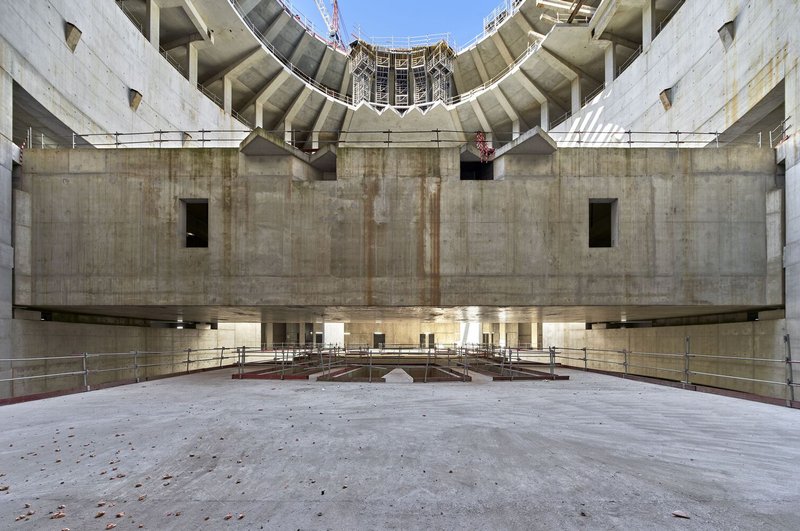
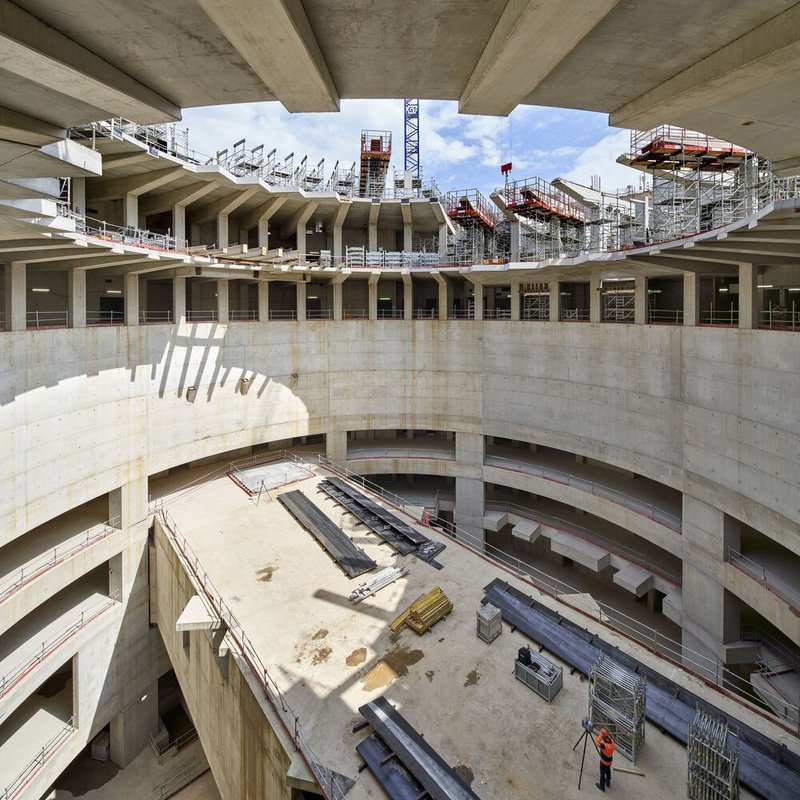
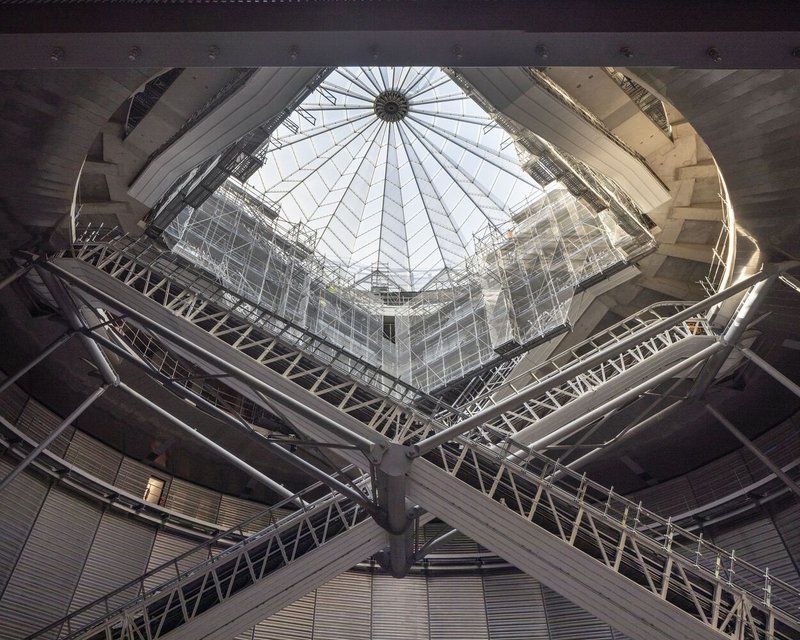
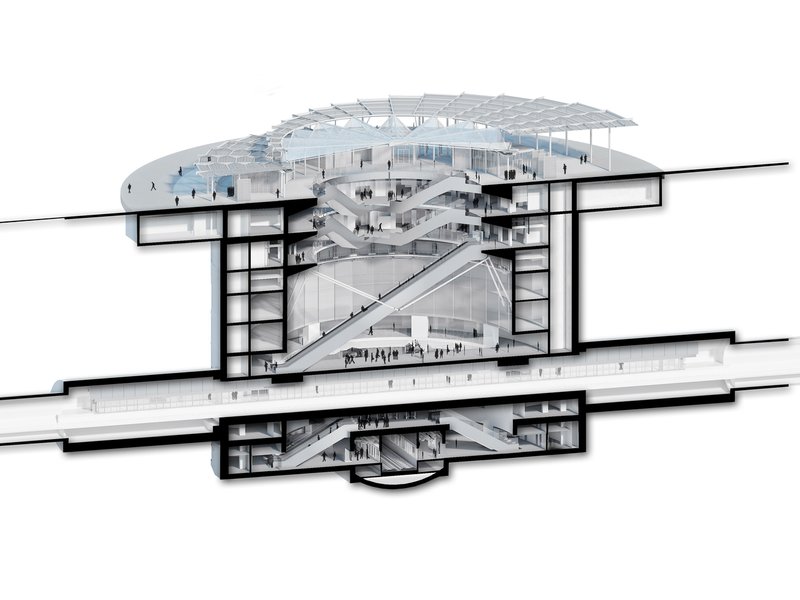
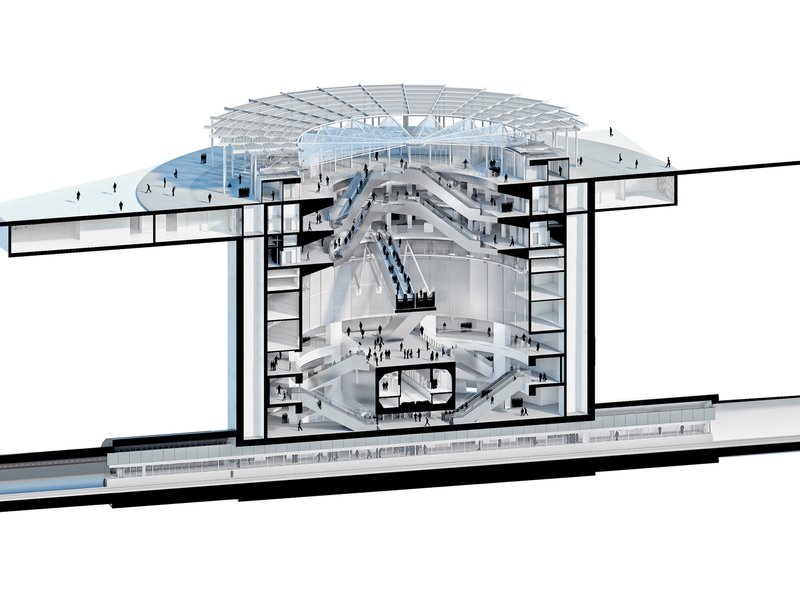
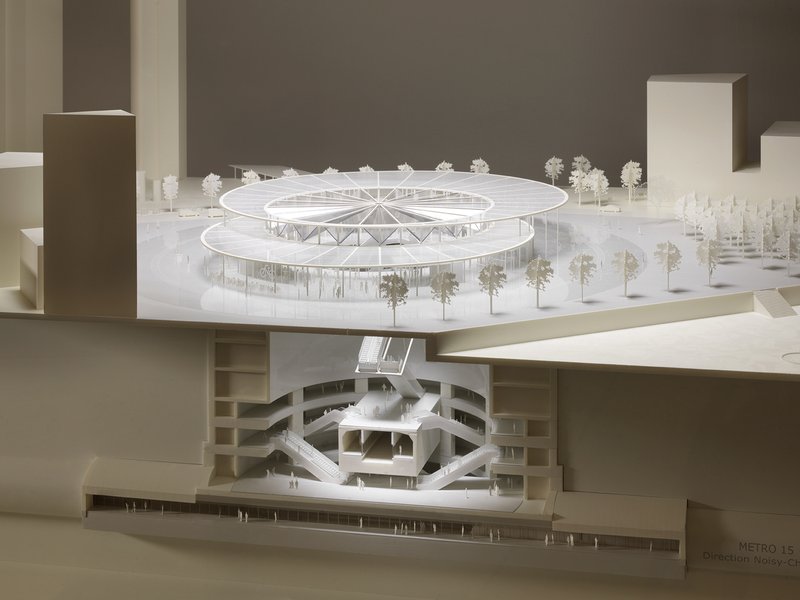
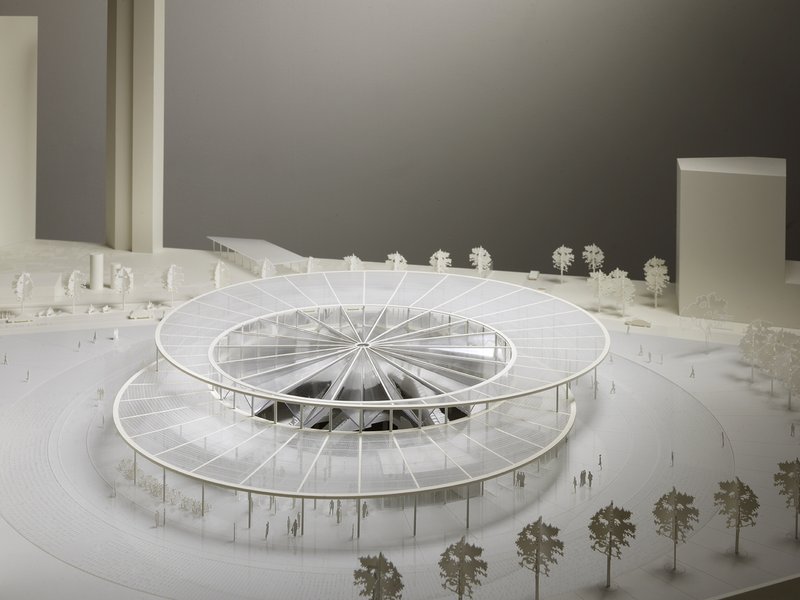
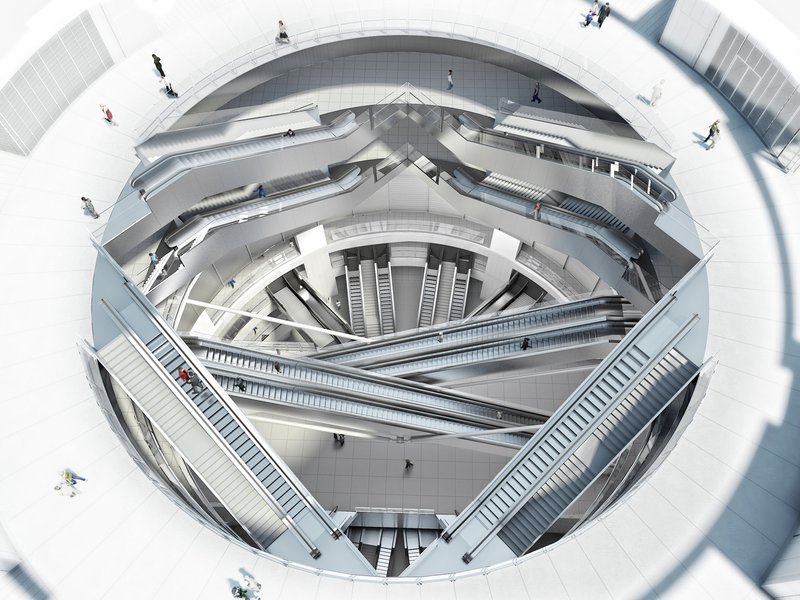
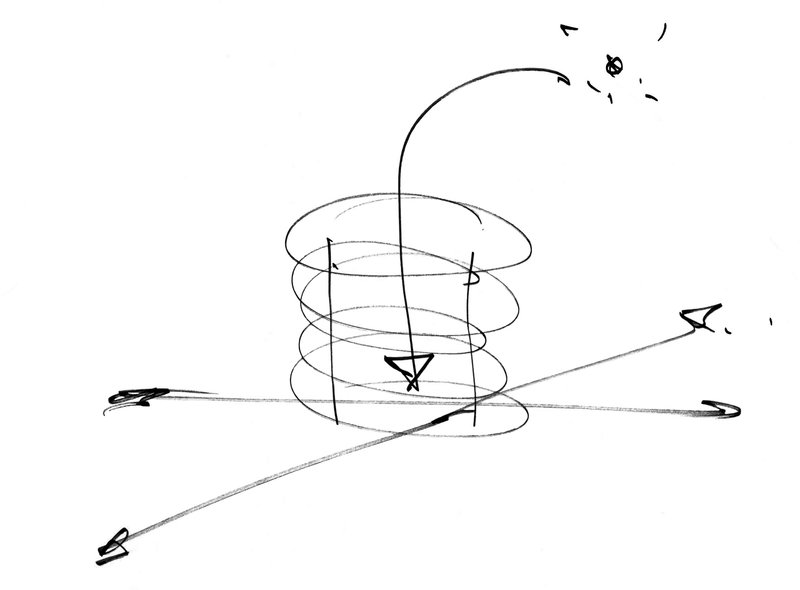
The Villejuif Gustave Roussy Station is distinguished by its unique helicoidal design, a concrete cylinder that stretches from the surface into the depths of the ground. This architectural feature blurs the traditional boundaries between the public and private, erasing the conventional threshold between the above-ground city and the underground transport hub. The result is a dynamic space that draws people into its core with a centripetal force, inviting them to explore both its vast open areas and intimate passageways.
Integration with Urban Landscapes
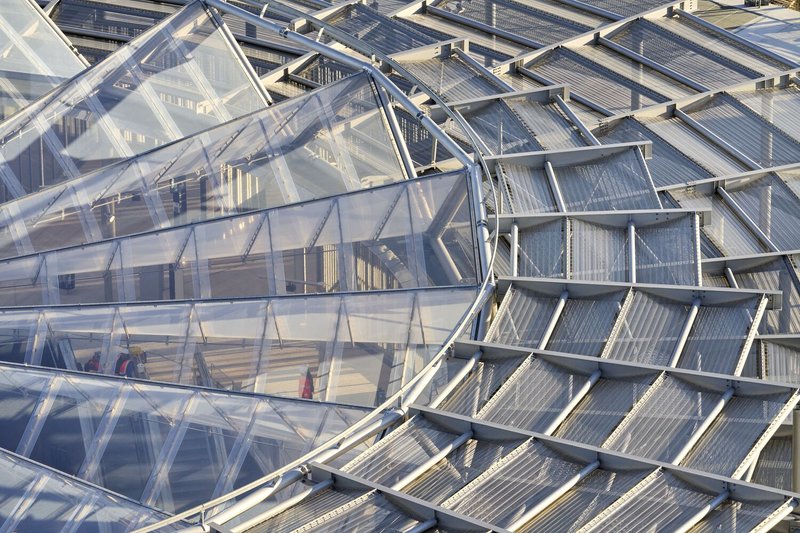
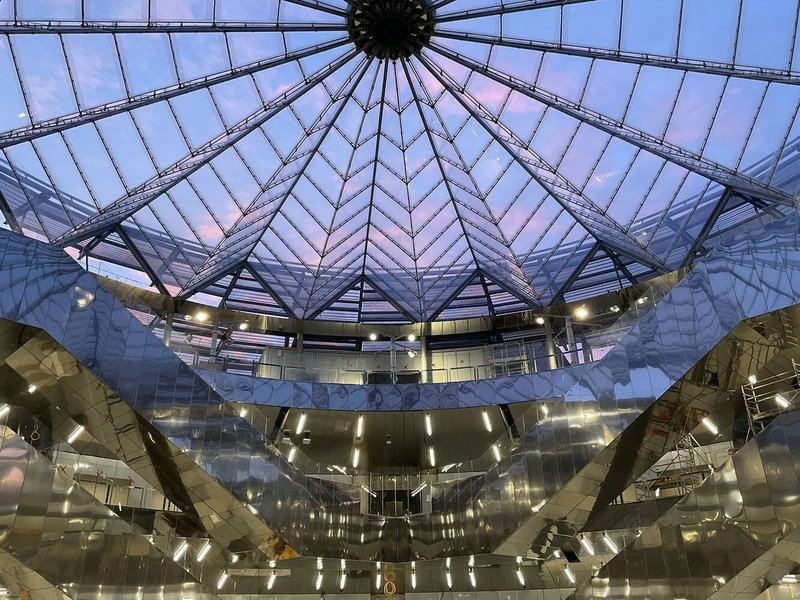
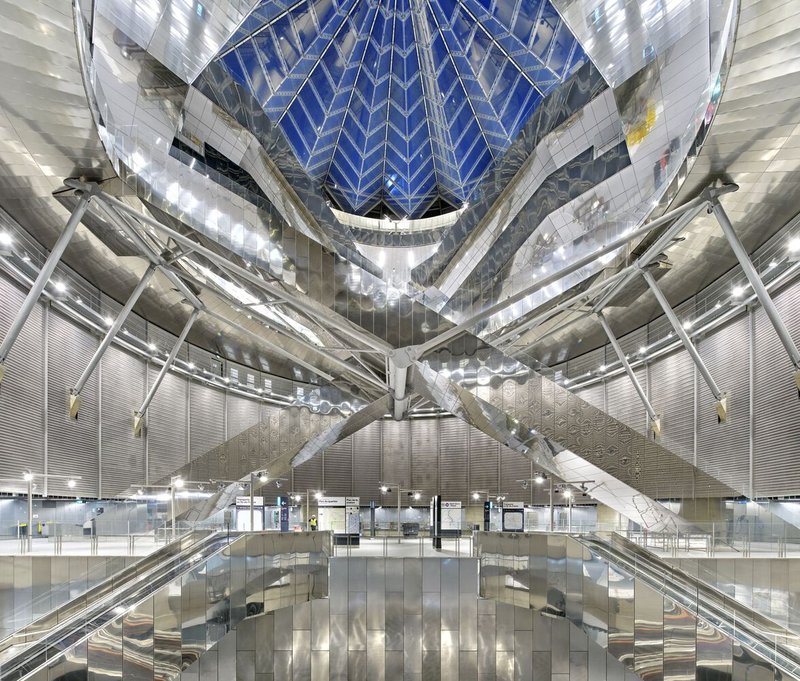
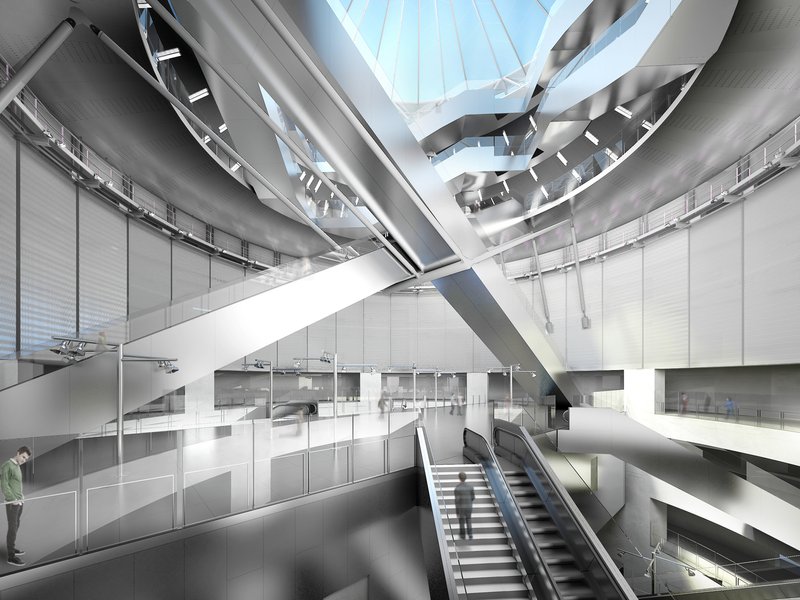
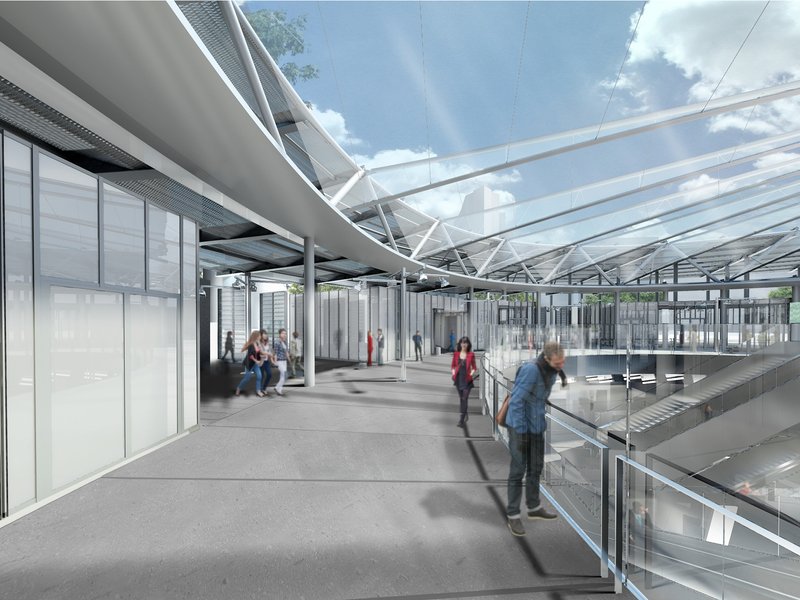
A significant aspect of the station’s design is its ability to connect the urban space above with the subterranean domain below. The station’s central void, a monumental space, spans 70 meters in diameter, flooding the underground levels with natural light. The open-air circulation spaces and balconies further enhance the station’s relationship with its environment. With minimal walls or façades, the station emerges as an open architectural element, contributing to the transformation of the surrounding district into a vibrant, connected space.
Sustainability and Innovation in Architecture
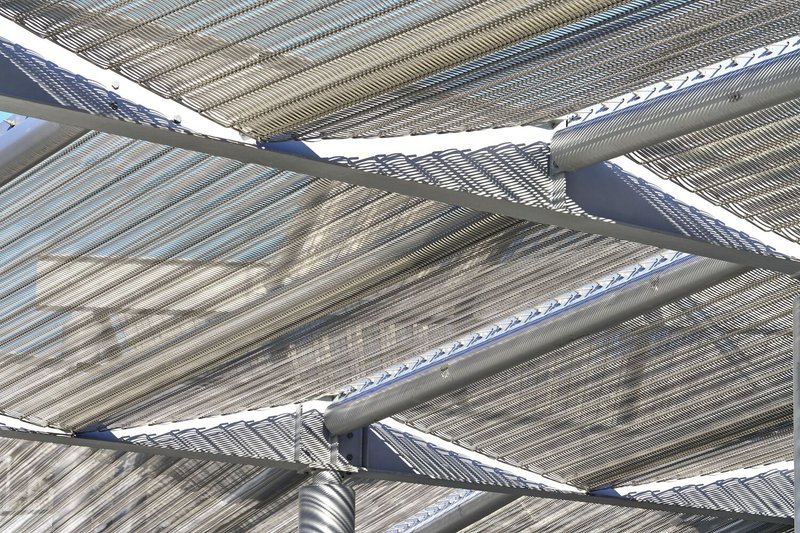
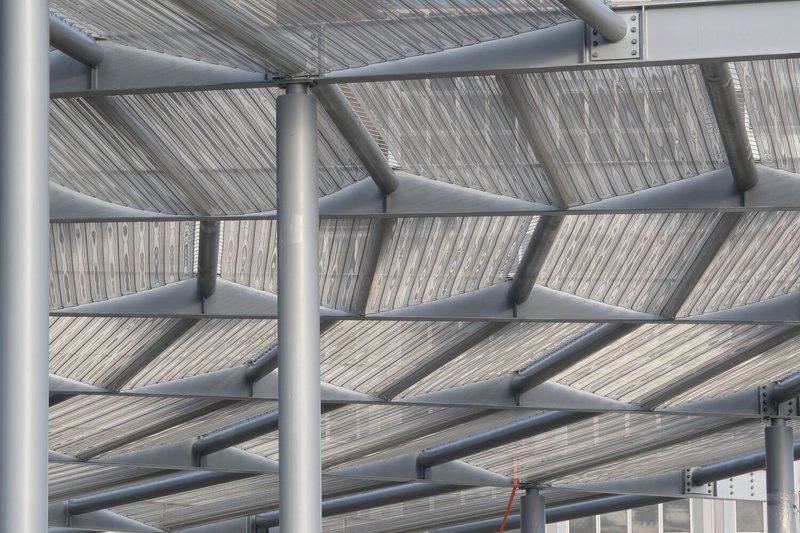
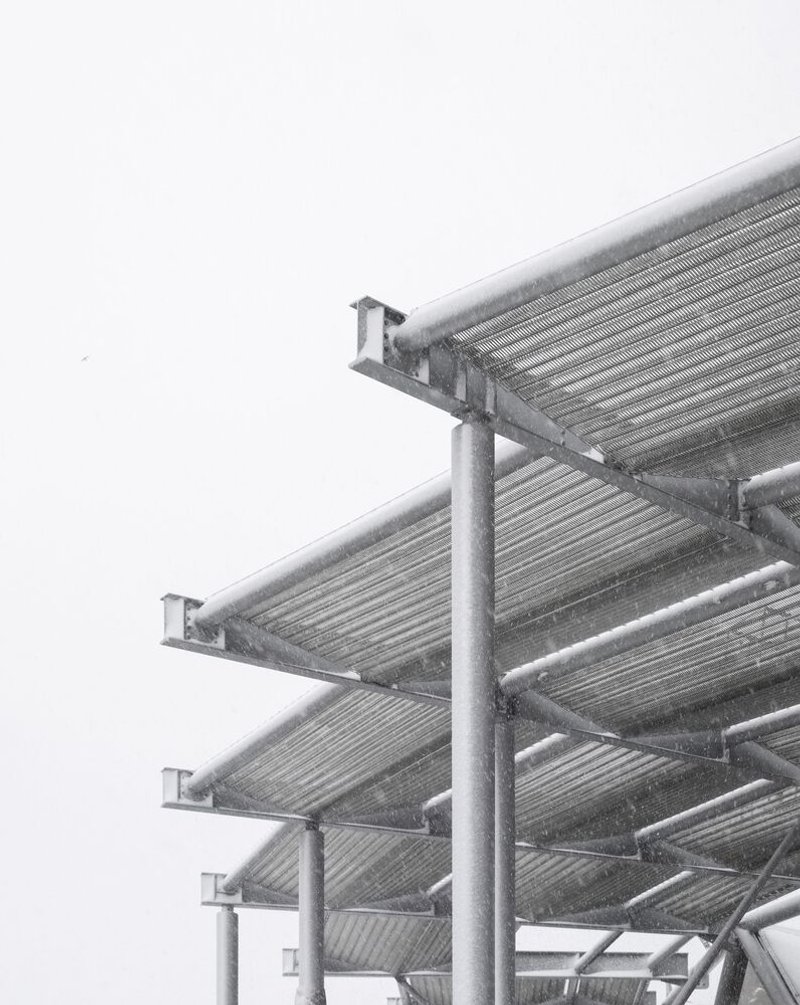
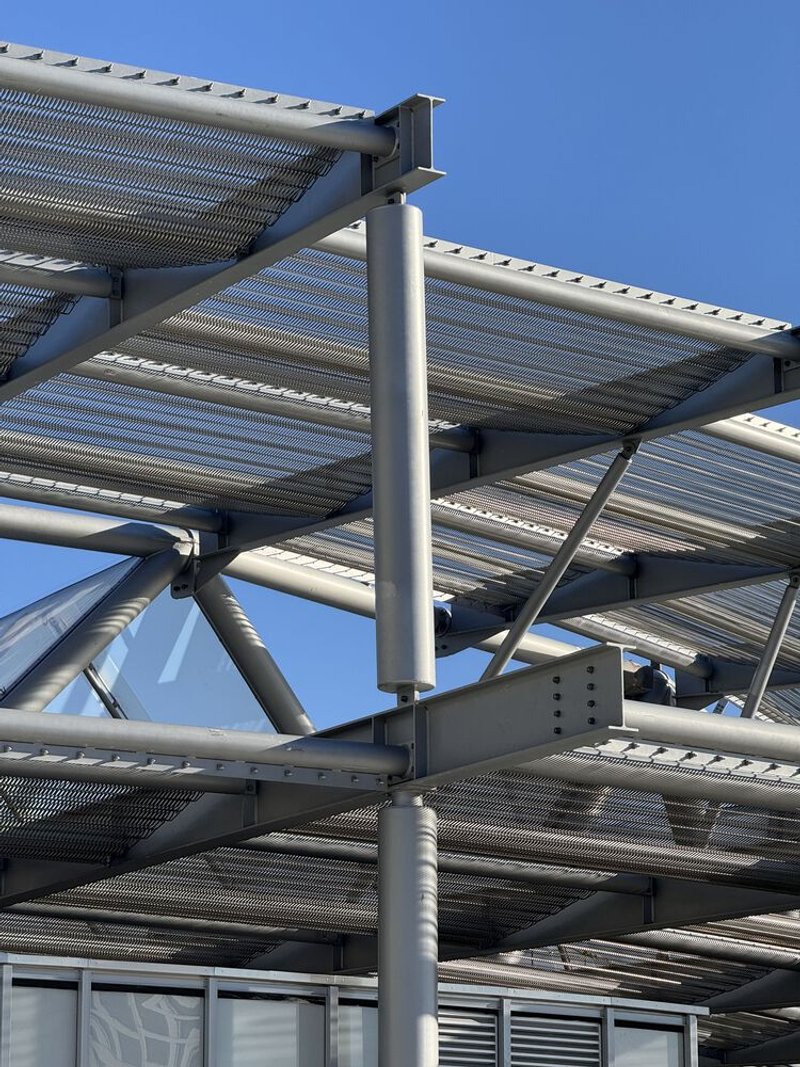
Designed with sustainability in mind, the Villejuif Gustave Roussy Station incorporates several environmentally friendly features. The station’s use of natural light reduces the need for artificial lighting, while the advanced roof structure ensures natural ventilation, enhancing the comfort of the underground spaces. By using local resources, such as the surrounding earth for temperature regulation, the station’s design minimizes reliance on additional heating or cooling, promoting energy efficiency.
Creating a New Urban Experience
The Villejuif Gustave Roussy Station is not just a transportation hub, but a dynamic public space that fosters community interaction. The integration of various services, including shops and kiosks, within the station allows it to function as a multifunctional space, connecting passengers with their surroundings. The station is designed to make the commuter experience as pleasant as possible, blending aesthetics, functionality, and sustainability into a cohesive whole.
A Symbol of the Grand Paris Express
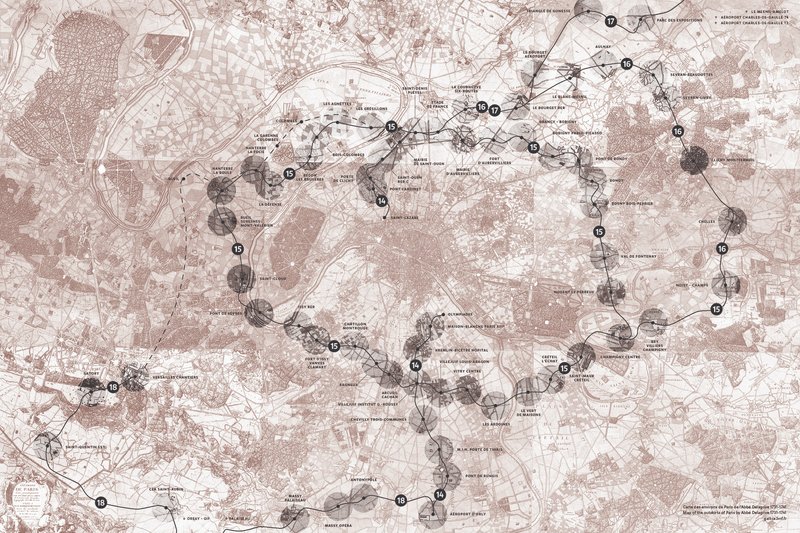
Part of the larger Grand Paris Express initiative, the Villejuif Gustave Roussy Station plays a pivotal role in connecting suburban areas with the city of Paris. This ambitious metro expansion will create new zones of life and activity, redefining the metropolis. The station serves as a symbol of this transformation, offering both a physical connection and a metaphorical bridge between the city above and the urban possibilities below.
In conclusion, the Villejuif Gustave Roussy Station stands as a testament to the future of architecture, where transportation infrastructure is reimagined as an integral part of the urban experience. With its innovative design, sustainable features, and community-centered approach, it serves as a model for future stations within the Grand Paris Express project and beyond.
All Photographs are works of Michel Denancé


Popular Articles
Popular articles from the community


The Ken Roberts Memorial Delineation Competition (Krob)
As the most senior architectural drawing competition currently in operation anywhere in the world, it draws hundreds of entries each year, awarding the very best submissions in a series of medium-based categories.

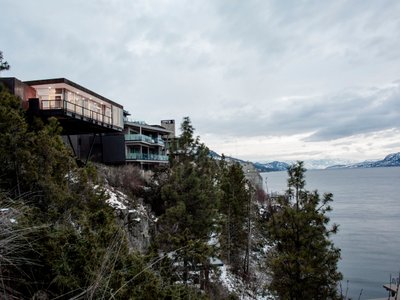
Alton Cliff House: A Harmonious Retreat by f2a Architecture in Lake Country, Canada
Alton Cliff House blends corten steel, prefabrication, and sustainable design, creating a luxurious, energy-efficient retreat perched on Canadian cliffs.
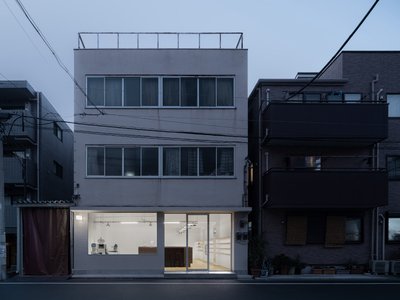
Atelier Macri Concept Store Interior Design by CASE-REAL
Atelier Macri store features a "ko" counter, walnut wood details, cork displays, blending retail, gallery, and seamless customer experiences.
Gads Hill Early Learning Center by JGMA: Adaptive Reuse Shaping Community-Focused Educational Architecture
Adaptive reuse transforms fragmented structure into vibrant early learning center with playful façade, natural light, and community-focused sustainable design.

Similar Reads
You might also enjoy these articles


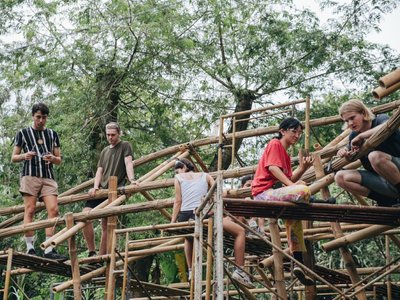
Bamboo Housing Challenge 2026: Design Affordable, Sustainable Homes Using Bamboo
An international design competition by Bamboo U and IBUKU inviting architects and designers to reimagine affordable housing using bamboo — with the winning design built full-scale in Bali.

Computational Design & Education: Beegraphy Design Awards Introduces 7th Category (Featuring Jiyun's Innovative Approach)
Dive into Beegraphy’s 7th Design Awards category, where computational design meets education to create immersive, interactive learning tools, inspired by Jiyun’s work.
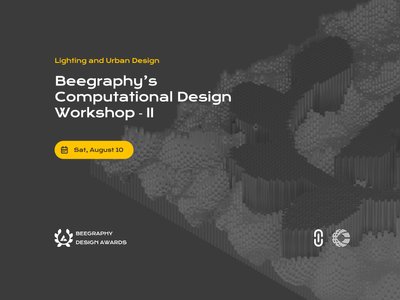
From Parametric Lighting to Urban Furniture: Join the 2nd Workshop in Beegraphy’s Computational Design Series
Dive into Cutting-Edge Design Techniques and Practical Applications with Industry Experts


Explore Architecture Competitions
Discover active competitions in this discipline




The International Standard for Design Portfolios


The Global Benchmark for Architecture Dissertation Awards


The Global Benchmark for Graduation Excellence


Challenge to reimagine the Iron Throne
Comments (0)
Please login or sign up to add comments
No comments yet. Be the first to comment!