
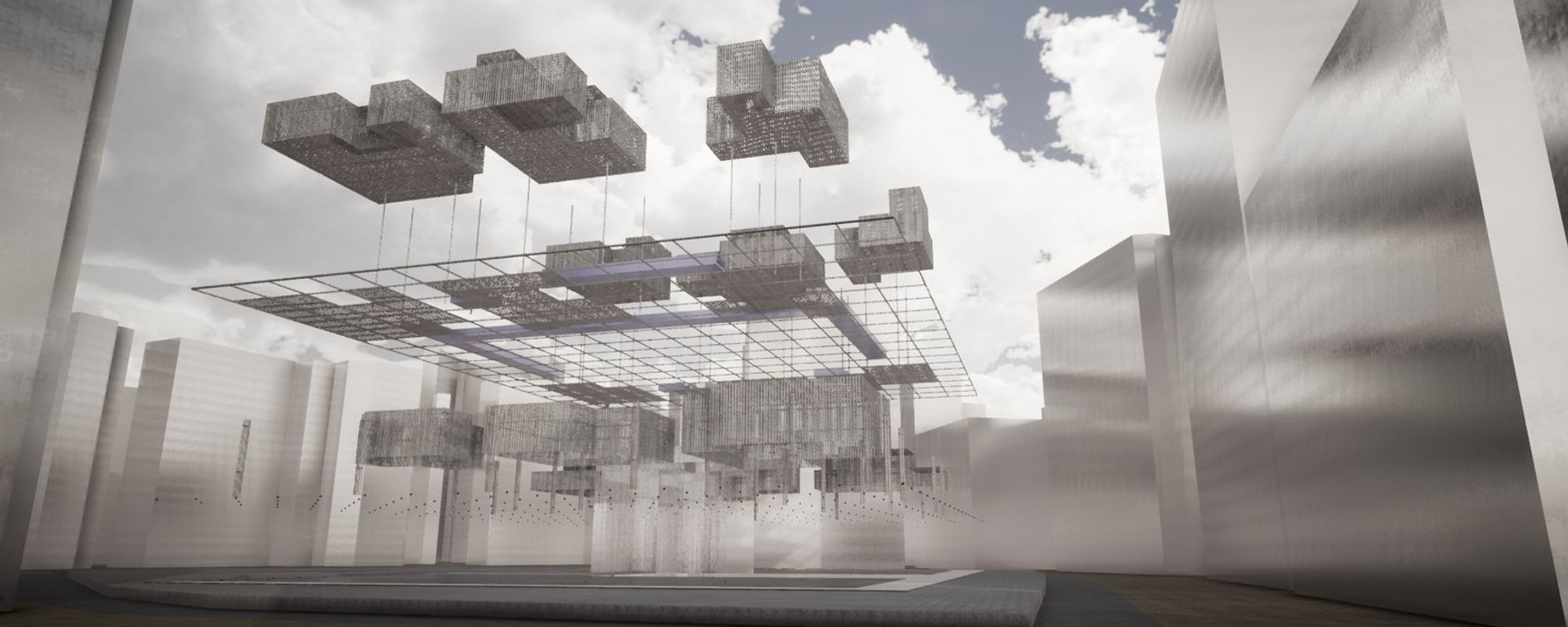
WALL E-DUCATION:The design that provides opportunities for change
A modular learning architecture built for the AI age—where adaptive design empowers human-machine collaboration and future work.

Project by Mert Özdemir and Adır Rumet BİRTANE
Shortlisted entry of Breaking Work – Singularity
In a rapidly evolving landscape shaped by automation, artificial intelligence, and robotics, traditional workplace architecture is undergoing a profound transformation. The "Wall E-DUCATION" project explores the future of architectural design by reimagining educational and workspaces through a fully adaptive and modular system that merges human learning with machine efficiency.
This forward-looking concept addresses one of the most pressing architectural challenges of our time: how to design adaptive architecture that can evolve alongside technology. As automation increasingly replaces routine tasks, humans must adapt by developing higher-level cognitive and collaborative skills—and the spaces in which we learn and work must evolve to support this transition.
A Modular System for Human-Machine Synergy
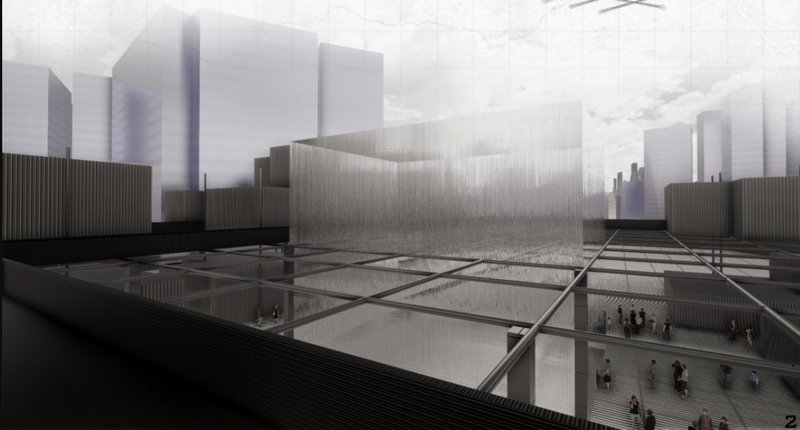
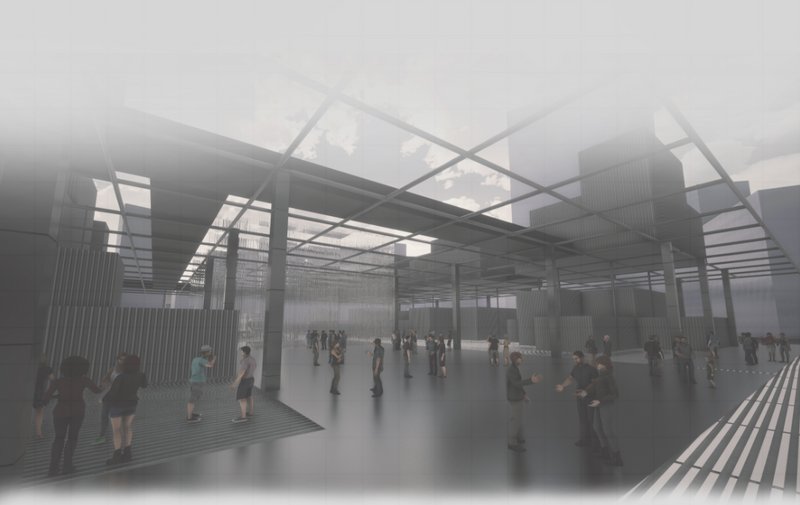
At the heart of the proposal lies a dynamic vertical and horizontal rail-based infrastructure. This system enables the spatial reconfiguration of programs such as education zones, machine laboratories, and transit nodes. Elements can be moved, reassembled, or stacked to form various layouts, enabling spaces to respond fluidly to new uses over time.
Rather than relying on fixed masses, the design deploys transformable floor plates and lecture platforms that rise, descend, or shift to accommodate different functions. From education modules to invention labs, each architectural unit is conceived as a responsive node in a larger matrix of knowledge transfer.
Four Scenarios, Infinite Possibilities
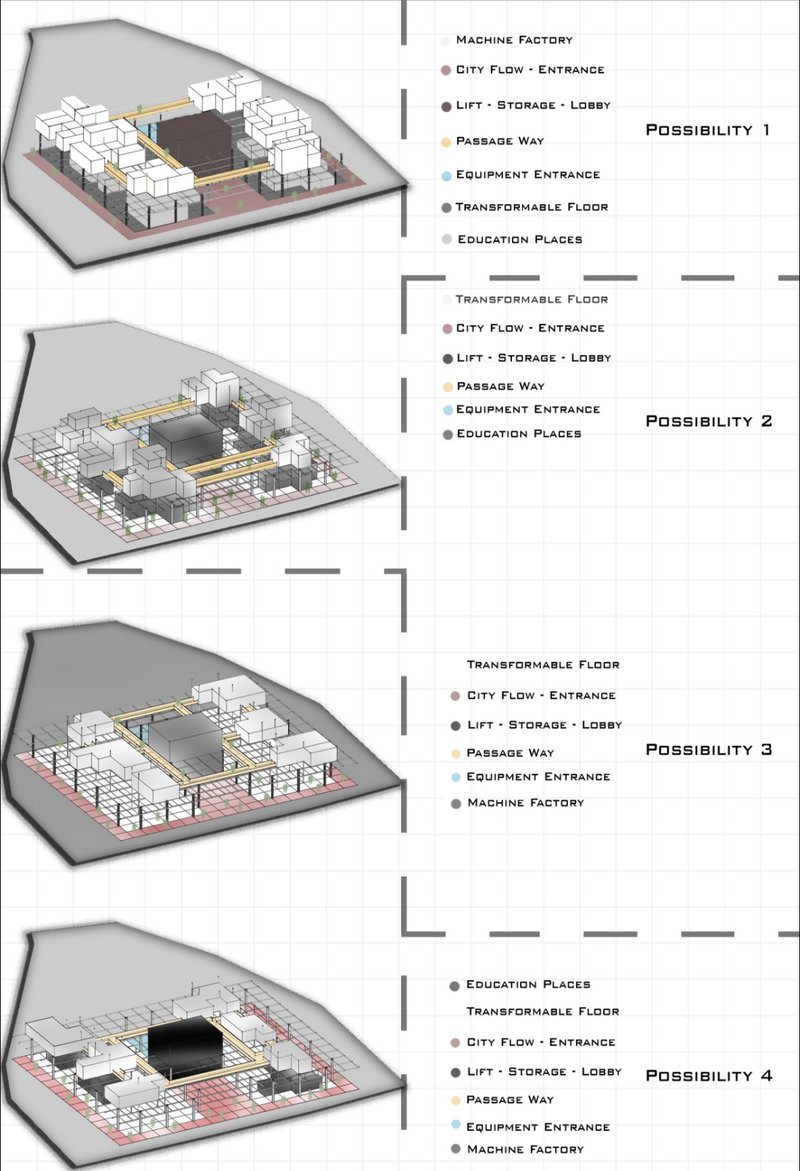
To showcase its versatility, the project presents four layout scenarios. These reflect different configurations of machine factories, educational nodes, public entrances, and passageways. The result is a system that is not only flexible in spatial terms but also programmable to match shifting societal, technological, or pedagogical needs.
The uppermost levels double as feeding zones and multifunctional lecture spaces, while lower modules integrate public circulation, city connectivity, and technology interface zones. The proposal is less a building and more a living infrastructure—an evolving platform for education and innovation.
Responding to Future Urban Needs
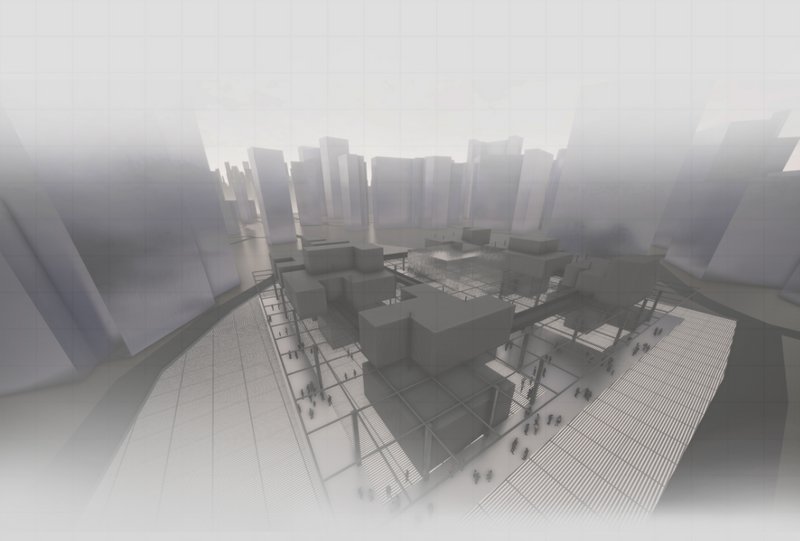
Set within a dense urban grid, the project is designed to interface with areas of high city flow and underutilized urban zones. It transforms latent spaces into active nodes of learning and invention. It positions architecture not just as shelter or spectacle, but as a tool for transformation.
In this hybrid environment, humans and machines are not in competition but in dialogue. The architecture acts as a mediator—training people to navigate the world of AI, automation, and robotic systems.
A Vision for 2050 Workspaces
"Wall E-DUCATION" speculates on the typology of the 2050 workspace: one where cooperation replaces labor, where spaces educate as much as they accommodate. The building itself becomes an instructor, encouraging interaction, learning, and innovation.
Through its modular adaptability and seamless integration of human and robotic elements, this proposal exemplifies the potential of architecture to shape future societies.



Popular Articles
Popular articles from the community

Solar Steam: A Climate-Responsive Architecture That Redefines the Monument
A climate-responsive memorial architecture that transforms heat, decay, and time into a living system reflecting humanity’s ecological impact.

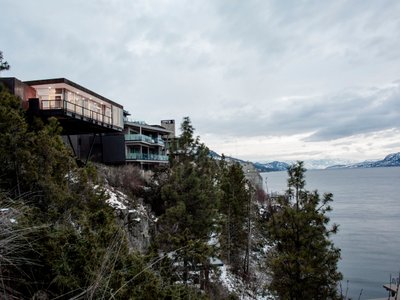
Alton Cliff House: A Harmonious Retreat by f2a Architecture in Lake Country, Canada
Alton Cliff House blends corten steel, prefabrication, and sustainable design, creating a luxurious, energy-efficient retreat perched on Canadian cliffs.
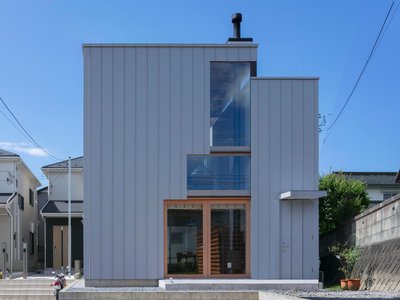
Split House: A Compact Urban Home Blending Privacy, Light, and Flexible Living in Japan
Compact Japanese home featuring DOMA space, flexible café potential, passive lighting, privacy zoning, and sustainable urban living design.


Similar Reads
You might also enjoy these articles


The Ken Roberts Memorial Delineation Competition (Krob)
As the most senior architectural drawing competition currently in operation anywhere in the world, it draws hundreds of entries each year, awarding the very best submissions in a series of medium-based categories.

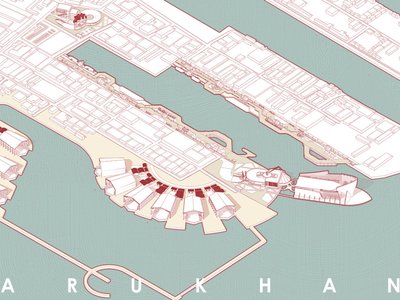
Waterfront Redevelopment and Urban Revitalization in Mumbai: Forging a New Dawn for Darukhana
A transformative waterfront redevelopment project reimagining Darukhana’s shipbreaking heritage into an inclusive urban future.
OUT-OF-MAP: A Call for Postcards on Feminist Narratives of Public Space
Rhizoma Design and Research Lab invites artists, designers, architects, researchers, and students to reflect on how feminist perspectives can reshape public space. Selected works will be exhibited in Barcelona, October 2026. Submissions open until 15 April 2026.


Documentation Work on Buddhist Wooden Temple
Architectural syncretism and cultural hybridity: A comparative study of the Buddhist temples in Chattogram Hill tracks
Explore Office Building Competitions
Discover active competitions in this discipline




The Global Benchmark for Architecture Dissertation Awards


Challenge to design public laboratory
Comments (0)
Please login or sign up to add comments
No comments yet. Be the first to comment!