
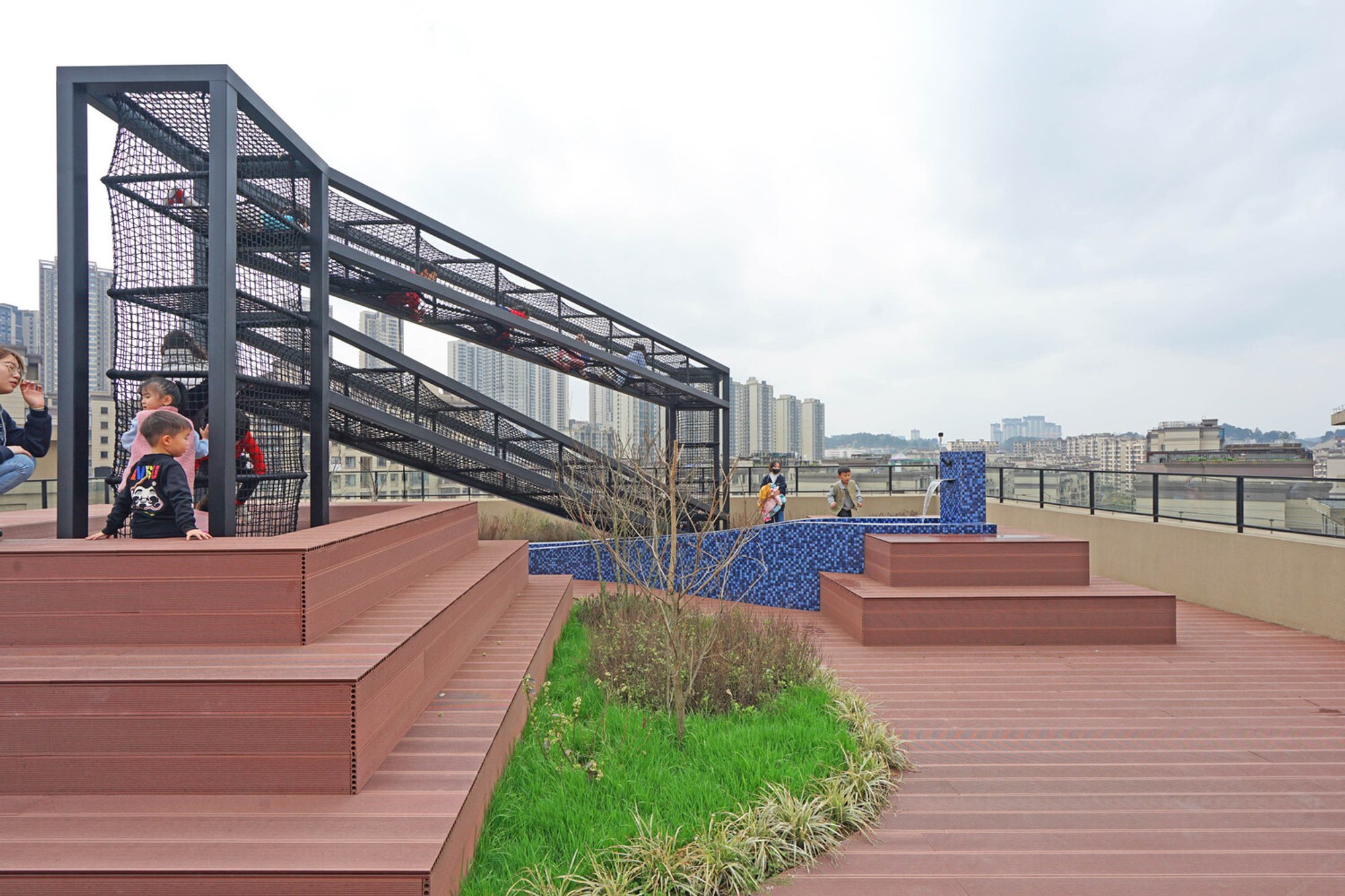
WDB Kindergarten: Integrating Nature and Topography in Guiyang
WDB Kindergarten turns Guiyang’s karst landscapes into playful learning, with climbing nets, touchable stalagmites, terraces, and nature-inspired classrooms.

The WDB Kindergarten in Guiyang, China, designed by the collaborative efforts of HIBINOSEKKEI, Youji no Shiro, and Kids Design Labo, represents an innovative approach to early childhood education by merging architecture with the natural environment. Located within a newly constructed five-story residential building, this 2,220 m² kindergarten emphasizes the integration of local topography and karst landscapes into children's daily experiences.
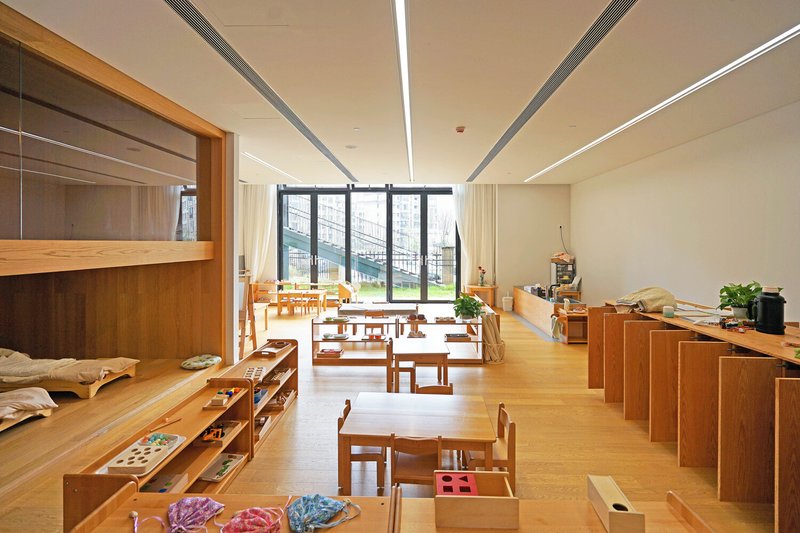
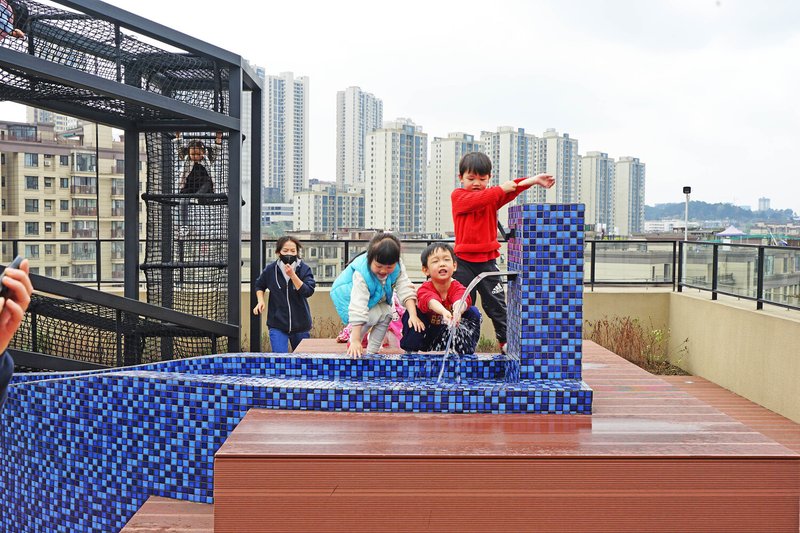
This project marks the third commission for the client by the architectural team, reflecting a long-standing collaboration built on trust and shared vision. The design uniquely incorporates the natural landscape of Kiyo, allowing children to engage directly with the region’s history, geography, and ecological features. By translating outdoor landscapes into interior experiences, children develop both physical agility and environmental awareness.
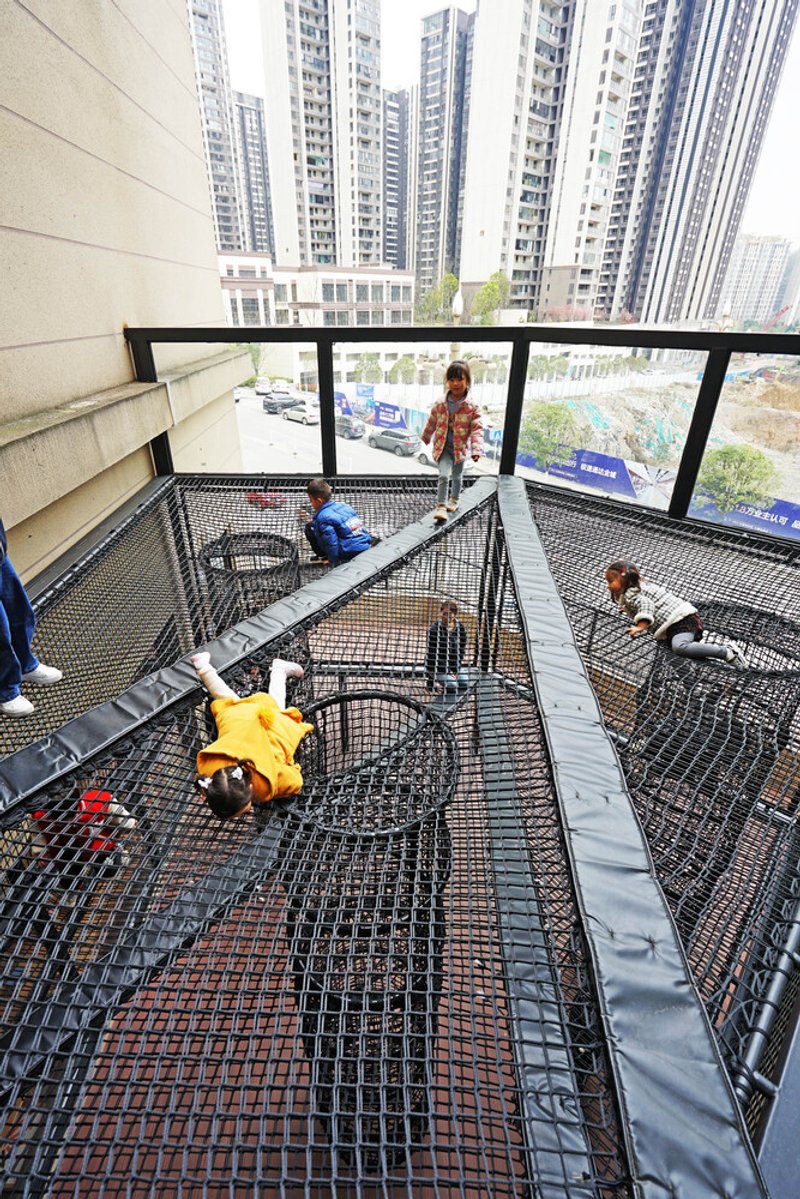
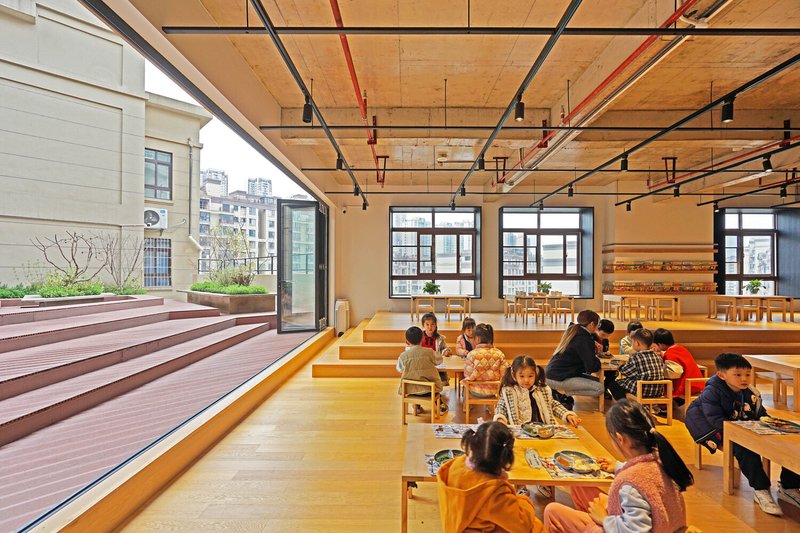
Topography-Inspired Interior Design
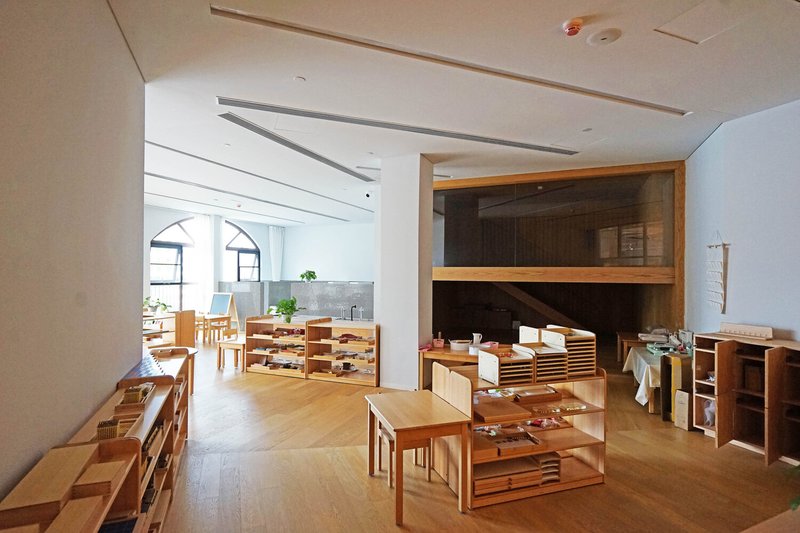
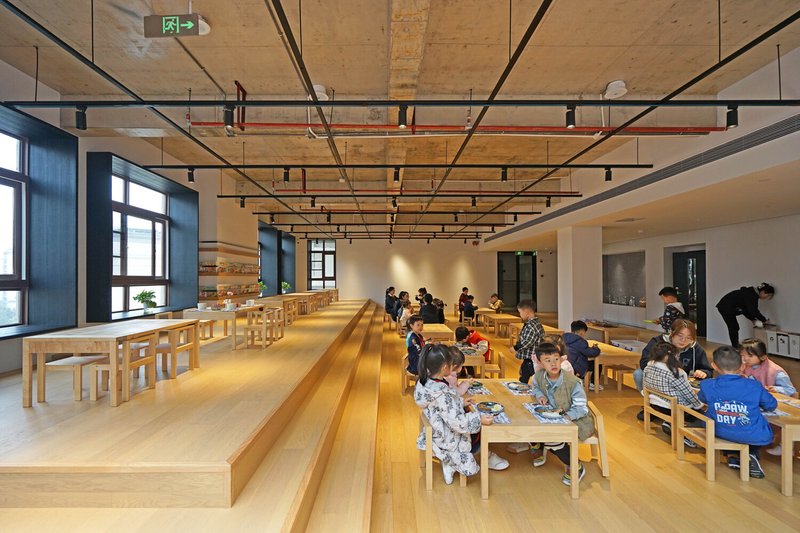
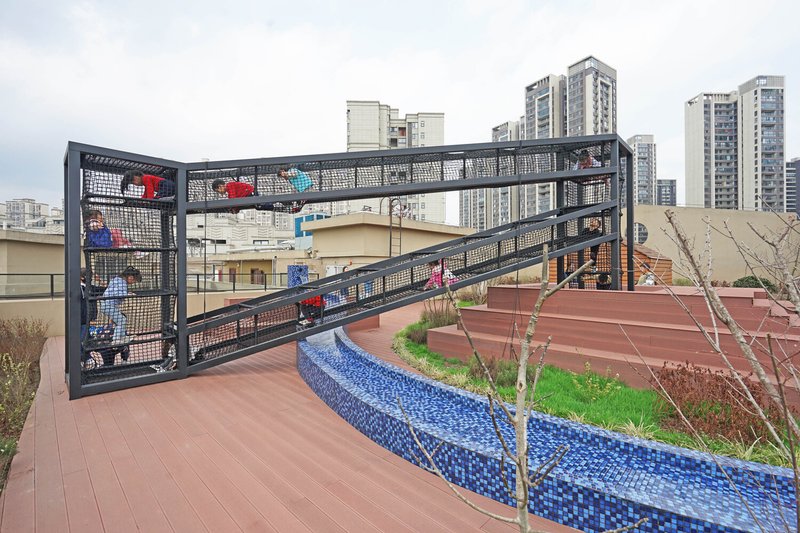
Guiyang’s distinctive karst landforms—including mountains, rivers, waterfalls, limestone caves, and lakes—serve as inspiration for the kindergarten’s interior spaces. The dining room, waiting room, and nursery areas mimic these natural contours, creating a playful yet educational environment. Multi-level terraces feature netted play areas, while strategically placed steps allow children to climb, observe, and interact with the surrounding cityscape and creek, fostering a sense of connection to their urban and natural environment.
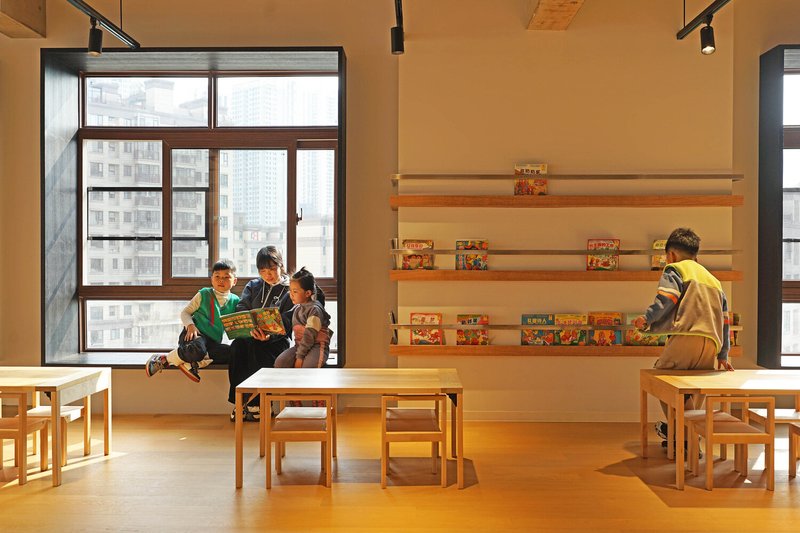
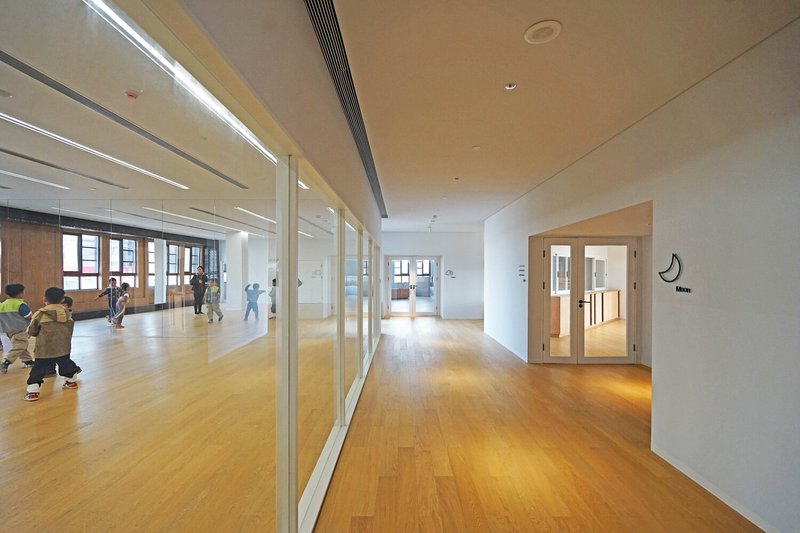
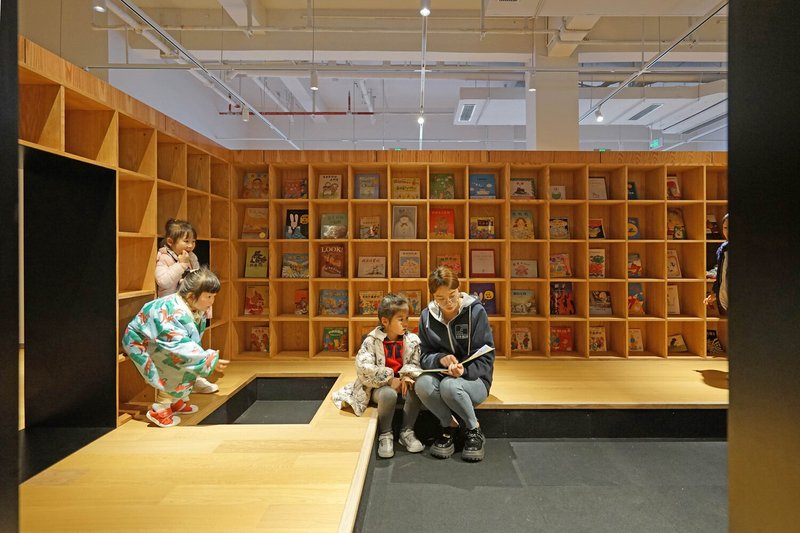
In addition, louvers and tactile installations are integrated into spaces where children can touch representations of stalagmites and local karst formations, deepening their understanding and appreciation of the Guiyang landscape. These features not only encourage physical development but also cultivate curiosity and respect for nature.
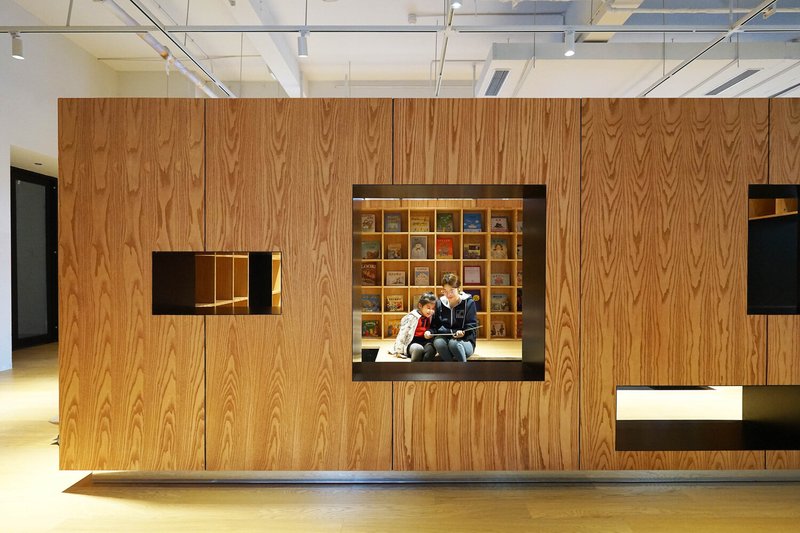
Fostering Environmental Awareness and Connection
By embedding the topography of Kiyo into everyday activities, WDB Kindergarten strengthens children’s emotional and physical connection to their region. The design encourages young learners to recognize the significance of their environment, fostering a lifelong commitment to ecological stewardship. This thoughtful integration of landscape and architecture demonstrates how educational spaces can simultaneously nurture creativity, health, and environmental responsibility.
The WDB Kindergarten stands as an exemplary model of contextual architecture for early education, merging play, learning, and sustainability. Its approach highlights the power of design in shaping not just spaces, but mindsets and behaviors from an early age.



Popular Articles
Popular articles from the community

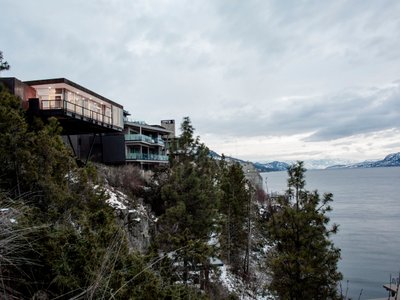
Alton Cliff House: A Harmonious Retreat by f2a Architecture in Lake Country, Canada
Alton Cliff House blends corten steel, prefabrication, and sustainable design, creating a luxurious, energy-efficient retreat perched on Canadian cliffs.
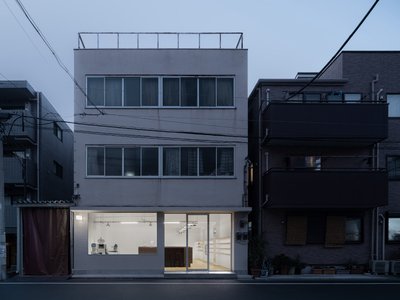
Atelier Macri Concept Store Interior Design by CASE-REAL
Atelier Macri store features a "ko" counter, walnut wood details, cork displays, blending retail, gallery, and seamless customer experiences.
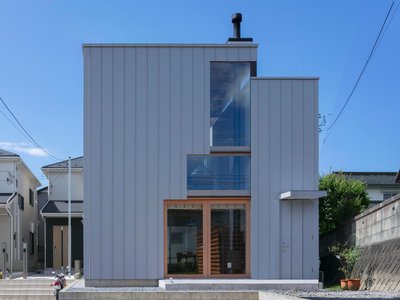
Split House: A Compact Urban Home Blending Privacy, Light, and Flexible Living in Japan
Compact Japanese home featuring DOMA space, flexible café potential, passive lighting, privacy zoning, and sustainable urban living design.


Similar Reads
You might also enjoy these articles


The Ken Roberts Memorial Delineation Competition (Krob)
As the most senior architectural drawing competition currently in operation anywhere in the world, it draws hundreds of entries each year, awarding the very best submissions in a series of medium-based categories.


Waterfront Redevelopment and Urban Revitalization in Mumbai: Forging a New Dawn for Darukhana
A transformative waterfront redevelopment project reimagining Darukhana’s shipbreaking heritage into an inclusive urban future.

OUT-OF-MAP: A Call for Postcards on Feminist Narratives of Public Space
Rhizoma Design and Research Lab invites artists, designers, architects, researchers, and students to reflect on how feminist perspectives can reshape public space. Selected works will be exhibited in Barcelona, October 2026. Submissions open until 15 April 2026.


Documentation Work on Buddhist Wooden Temple
Architectural syncretism and cultural hybridity: A comparative study of the Buddhist temples in Chattogram Hill tracks
Explore Architecture Competitions
Discover active competitions in this discipline




The International Standard for Design Portfolios


The Global Benchmark for Architecture Dissertation Awards


The Global Benchmark for Graduation Excellence


Challenge to reimagine the Iron Throne
Comments (0)
Please login or sign up to add comments
No comments yet. Be the first to comment!