
We Coffee Jardins: Minimalist Café Design in São Paulo
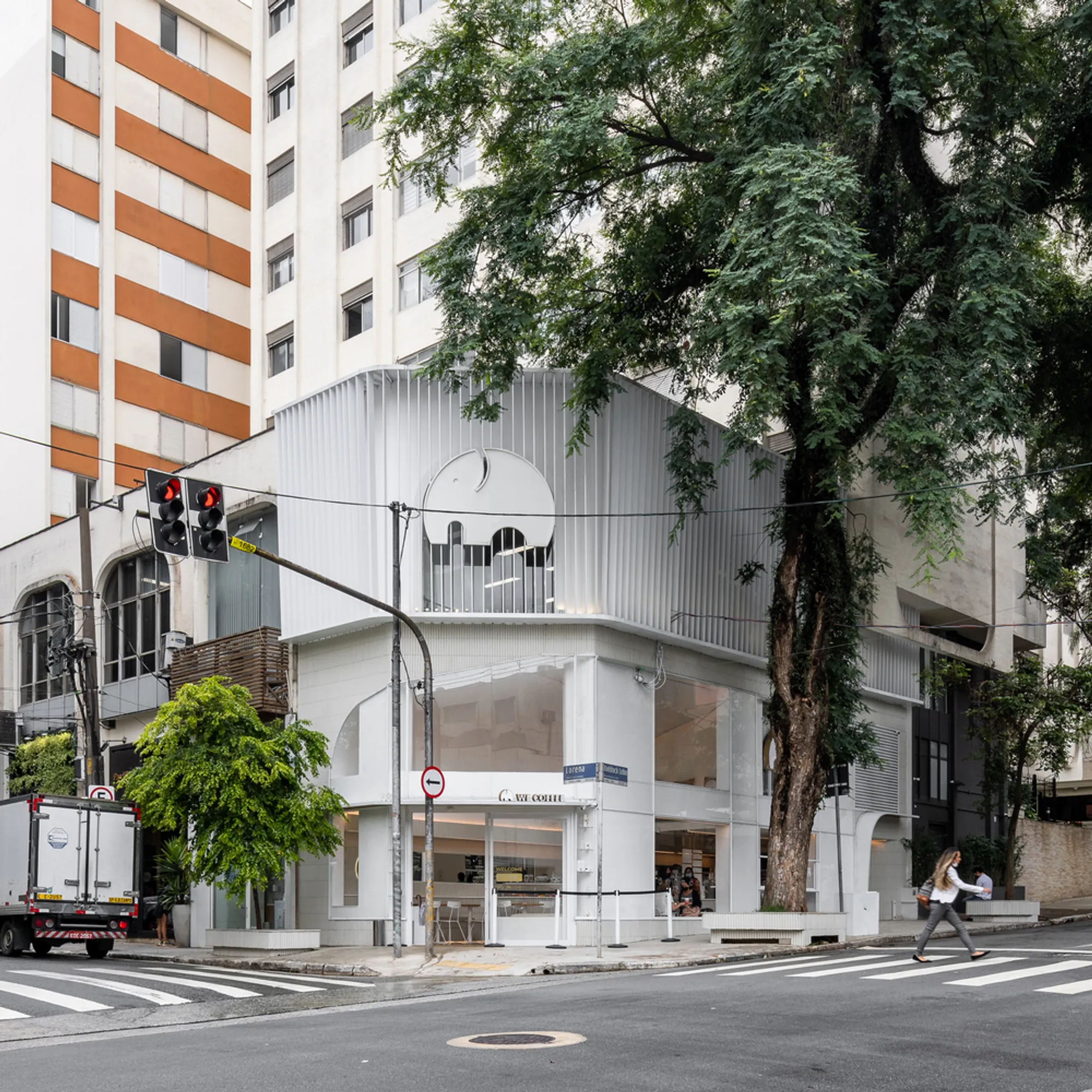
BYN Studio and ENTRE Arquitetos designed a white, curved café in Jardins, São Paulo where the architecture recedes so the food becomes the colour.


São Paulo's Jardins neighbourhood has more coffee shops per block than most cities have per district. Standing out here requires more than good beans. We Coffee Jardins, designed by BYN Studio and ENTRE Arquitetos, competes not through size or signage but through spatial discipline. Everything in this café is white, curved, and deliberately quiet.
The result is a space that photographs well, but more importantly, works well. The food is the colour. The people are the movement. The architecture recedes and holds.
White as a Working Strategy
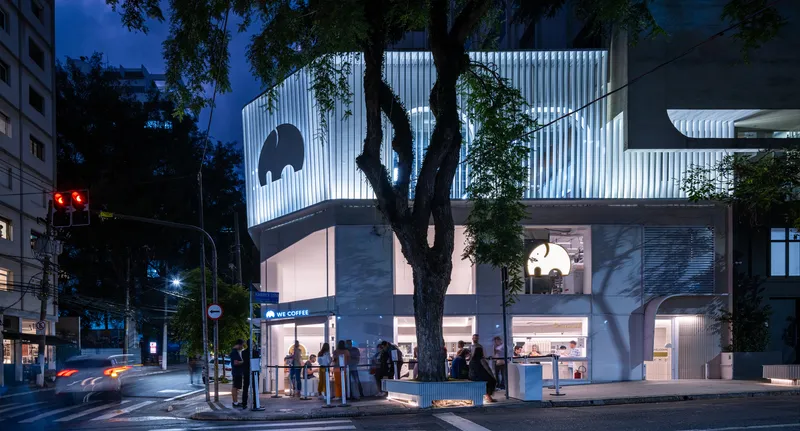
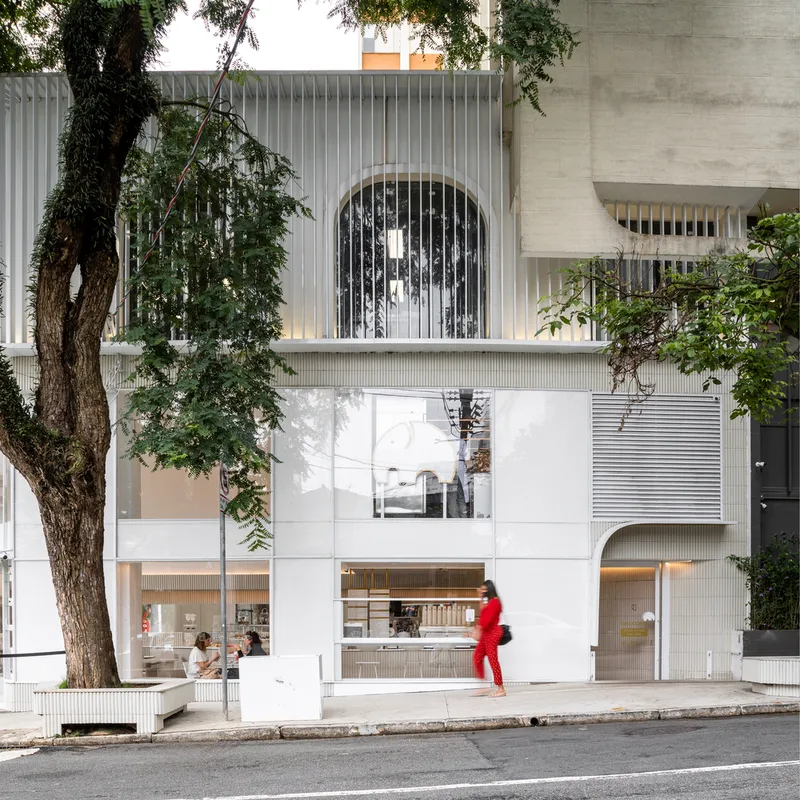
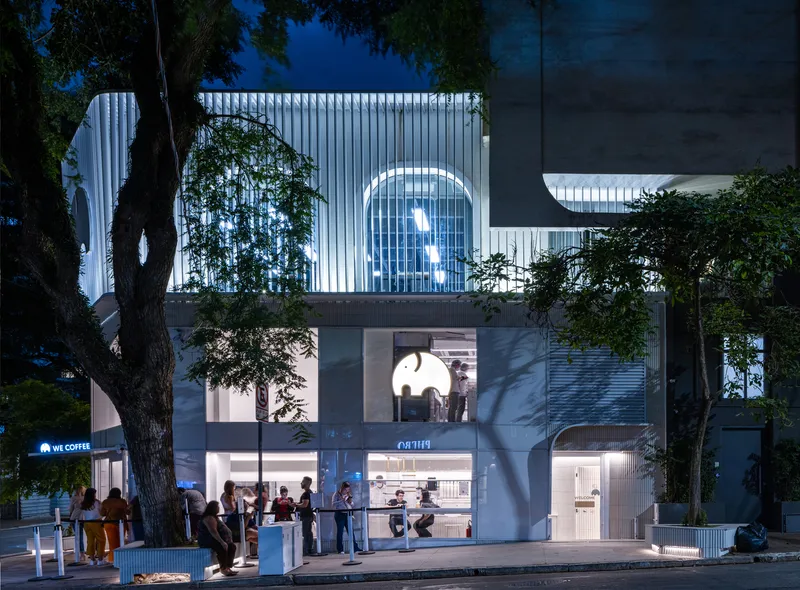
The decision to make the entire interior white is not decorative. It is functional. We Coffee serves visually elaborate Japanese-influenced desserts and specialty coffee. The dishes are the product. A neutral white interior turns the counter into a display case and the table into a stage. Every matcha, every strawberry, every piece of ceramic reads clearly against the background.
This is the same logic that drives gallery design: white walls don't compete with the art. Here, white surfaces don't compete with the food. The palette works because the programme demands it.
Curved Geometry and Flow
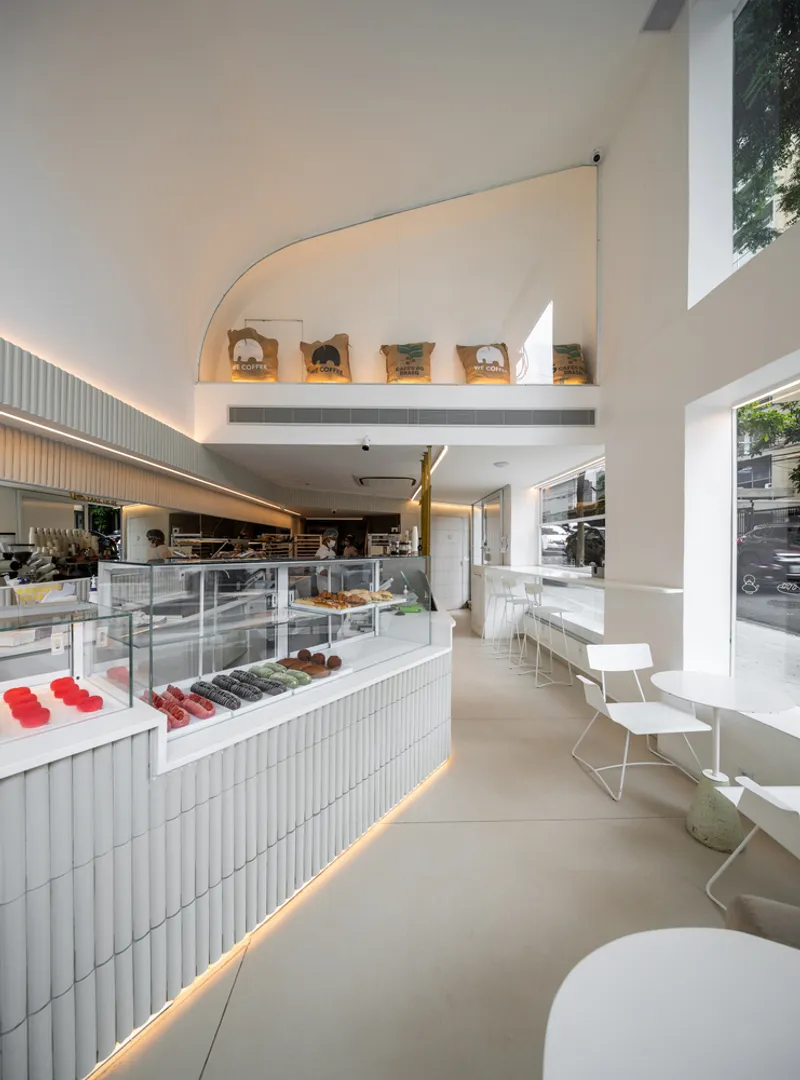
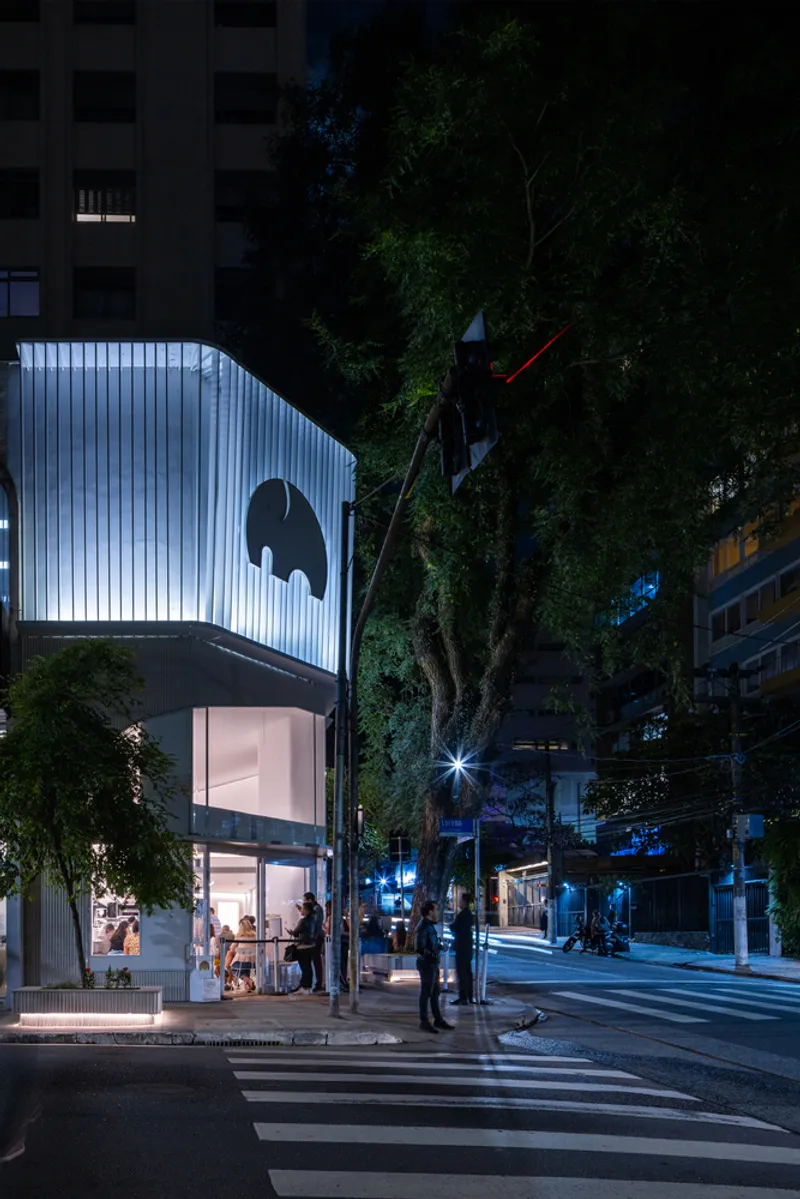
The most recognisable element in the space is the curved counter and the arched forms that frame the ceiling and walls. These are not ornamental. Curves eliminate hard corners in a small floor plan, which means people move through the space more fluidly. There are no dead ends, no awkward right angles where queues collide with seated customers.
The curves also create a sense of enclosure without walls. You feel contained in the café even though the space is compact and open. This is an old trick from Japanese tea house design, translated into a contemporary commercial setting.
Material Restraint
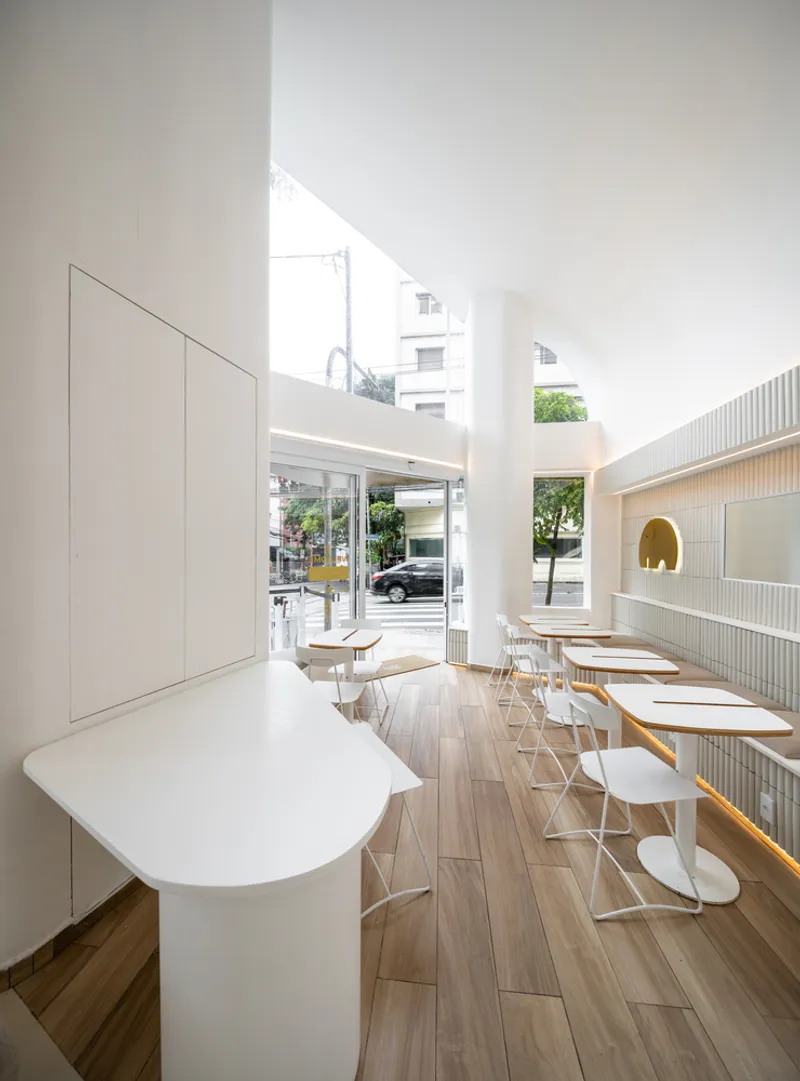
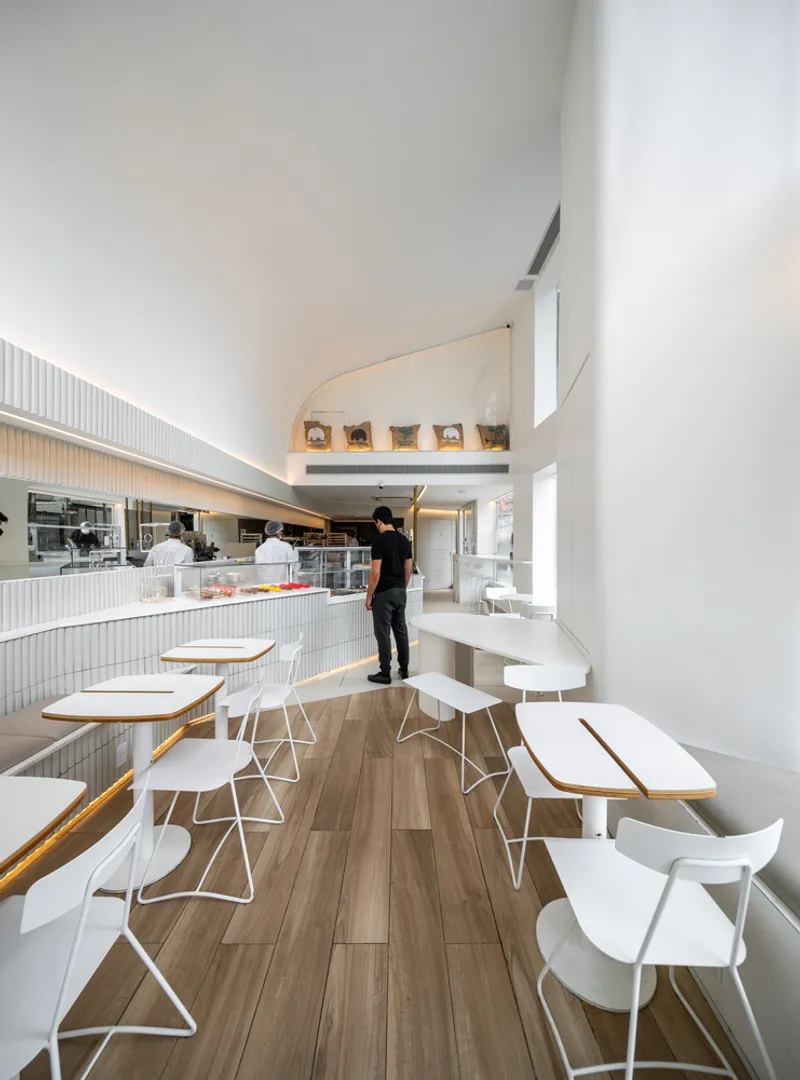
The material palette is narrow by choice. White ceramic finishes, smooth plaster, pale stone, and soft indirect lighting run through every surface. When the palette is this tight, quality of execution matters more than variety. Joints have to be clean. Transitions have to be seamless. Any imperfection in an all-white room is the first thing you see.
BYN Studio and ENTRE Arquitetos clearly understood this. The construction is precise. Surfaces meet cleanly. The result is a space that feels crafted rather than assembled, which is the difference between a café people photograph once and one they return to.
Lighting Without Fixtures
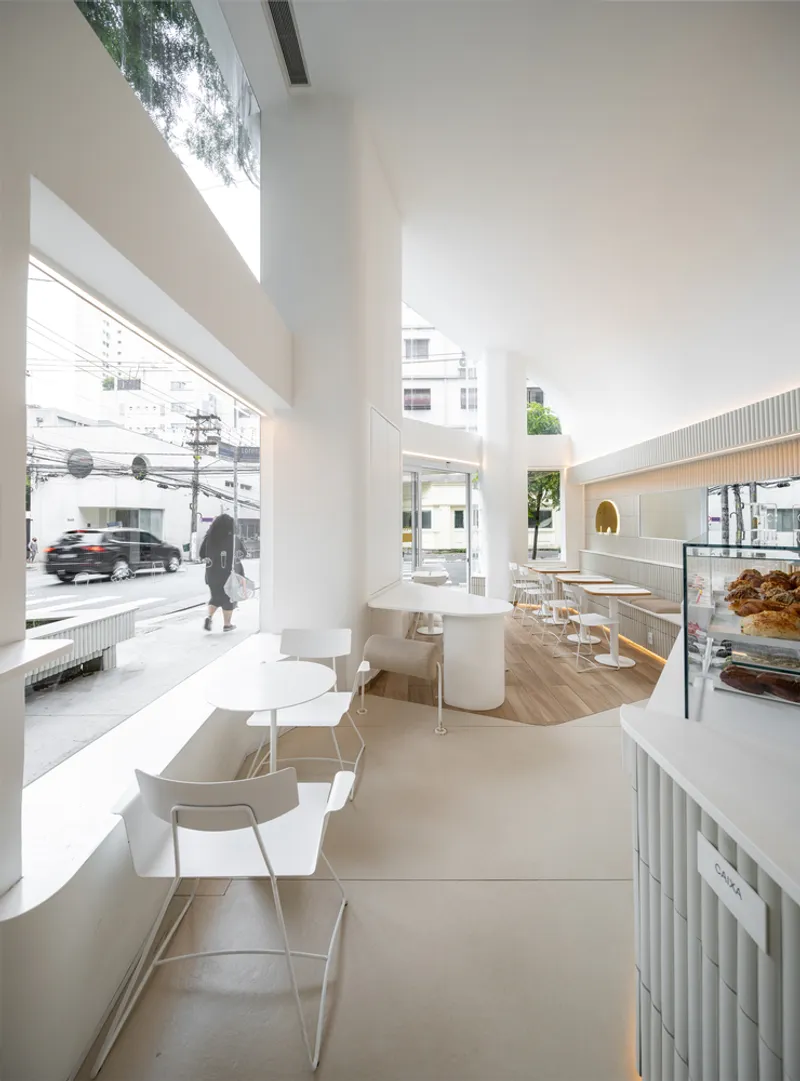
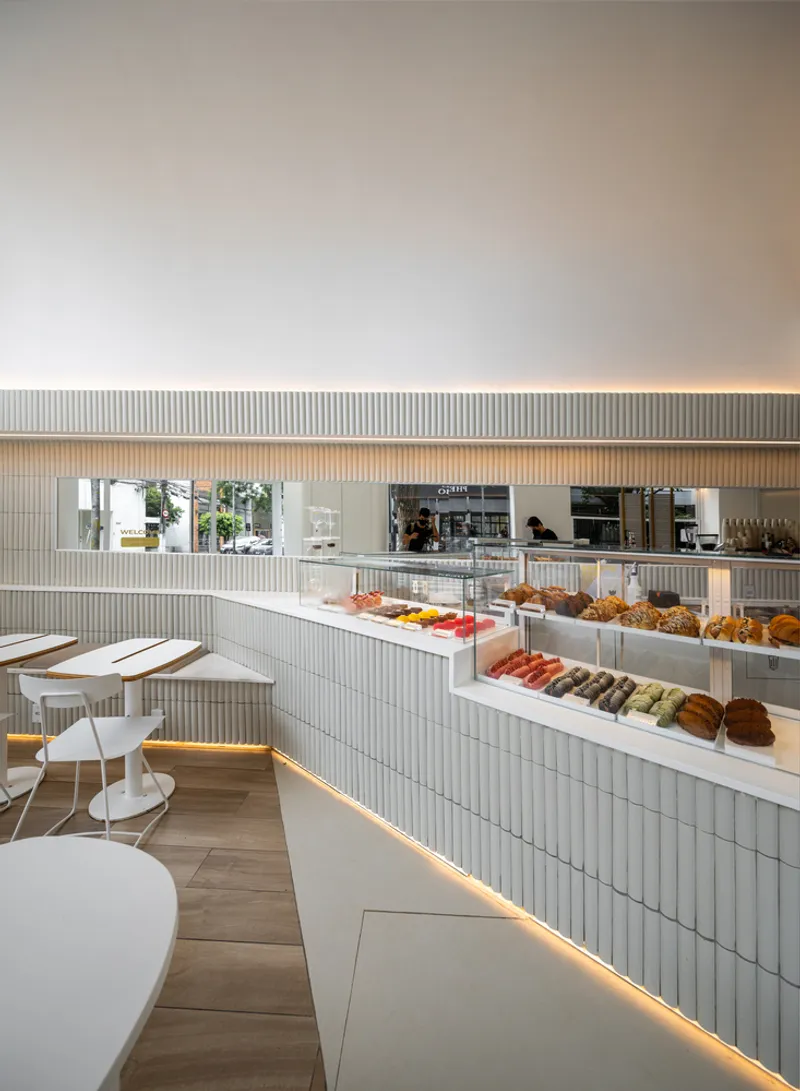
The lighting strategy is almost entirely indirect. Cove lights wash the curved surfaces from hidden positions. The effect is soft, even, and slightly ethereal. There are no pendant lamps, no exposed tracks, no visible bulbs. Light arrives without announcing itself.
This matters for two reasons. First, it keeps the visual field clean. Every visible fixture is a distraction in a space this minimal. Second, indirect light makes food look better. Direct overhead light creates harsh shadows on plates. Diffused light from curved surfaces wraps around objects and flatters them. This is not vanity; it is commercial logic.
The Counter as Architecture
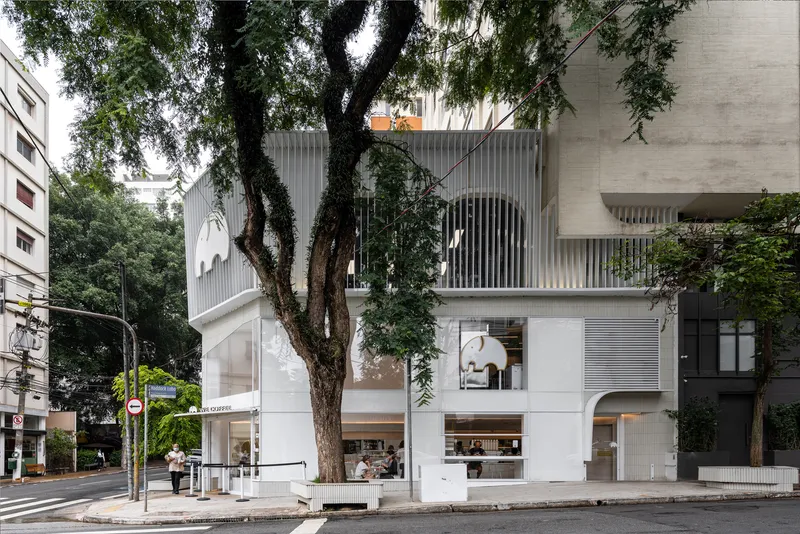
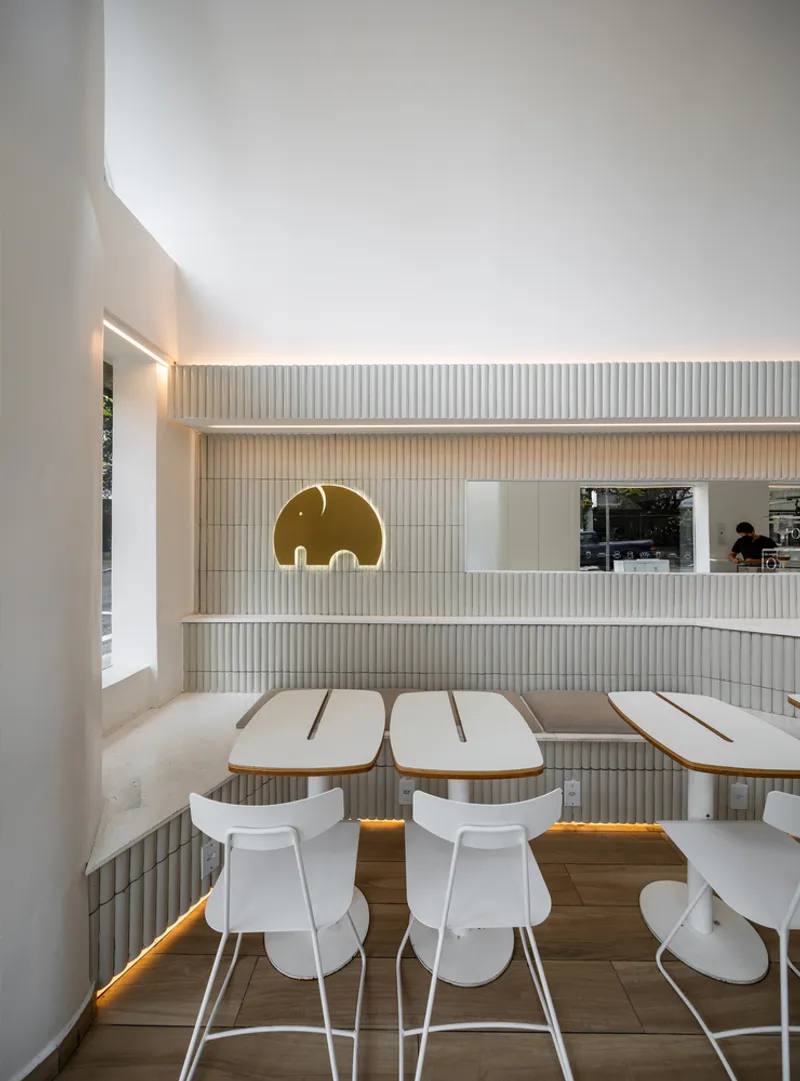
The service counter is the centrepiece. It is not a piece of furniture placed into a room. It is an architectural element that organises the plan. The curve of the counter defines the queue path, separates front-of-house from back-of-house, and creates a natural focal point when you enter.
Behind it, the preparation area is visible but composed. The baristas and pastry chefs work in view of the customer, which signals confidence in the product. A café that hides its kitchen is protecting itself. One that shows it is performing.
Small Footprint, Full Experience
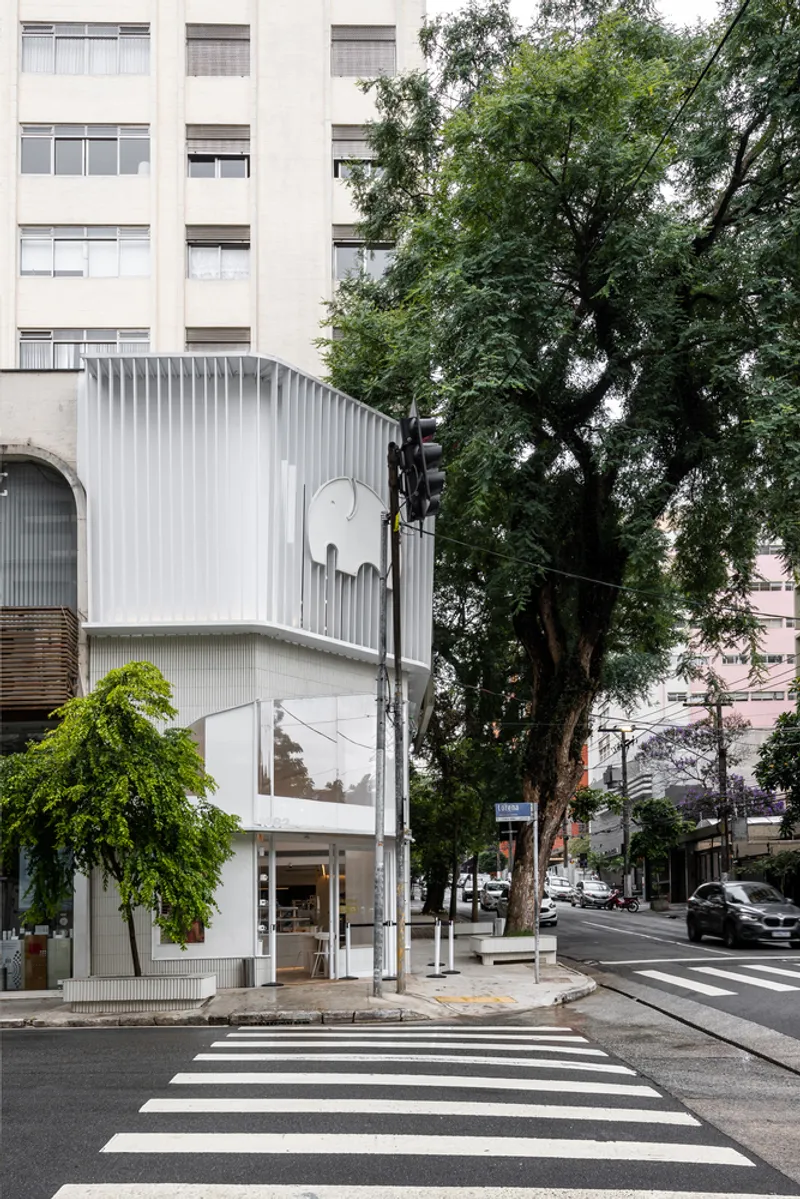
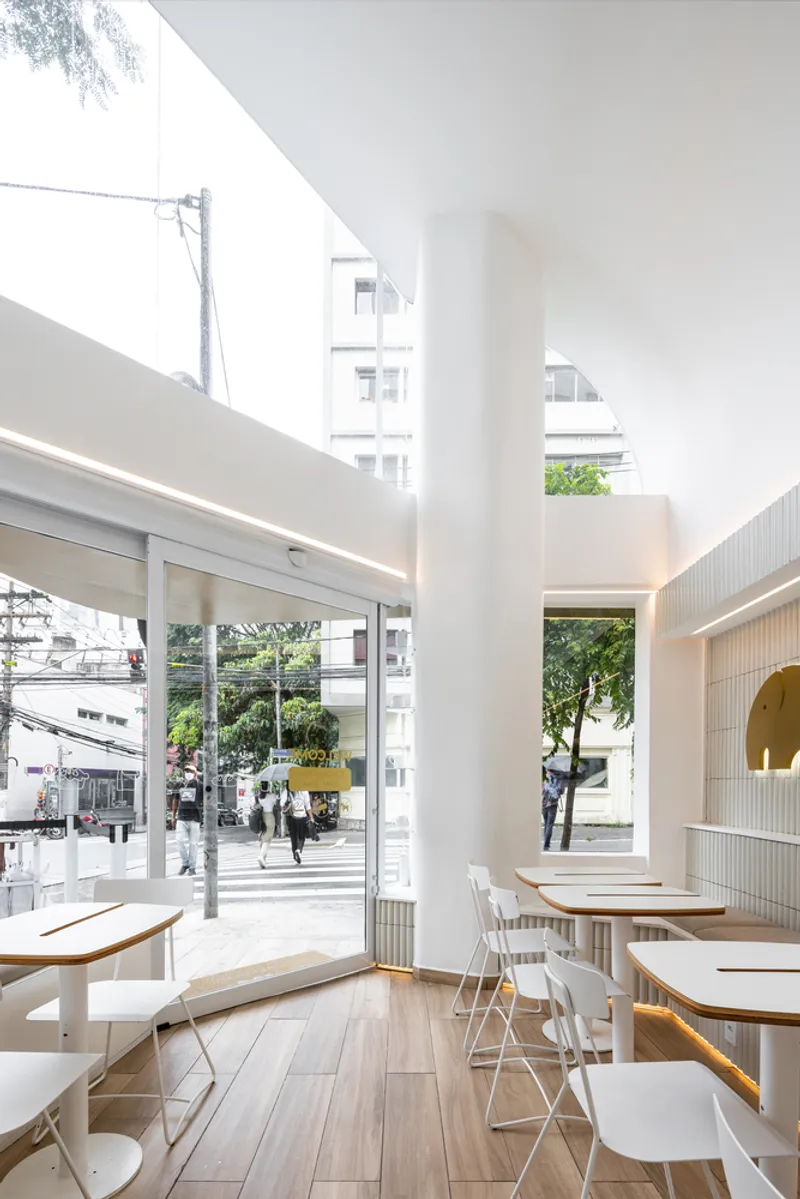
The floor area is compact. This is Jardins, where rent is high and every square metre has to earn. The plan solves this by treating circulation as programme. The path through the café, from entrance to counter to seat, is the experience. There are no dead zones, no unused corners, no awkward transitions.
The seating is minimal and intentional. This is not a café designed for laptop workers spending four hours. It is designed for a focused visit: order, sit, enjoy, leave. The architecture supports that rhythm without rushing it.
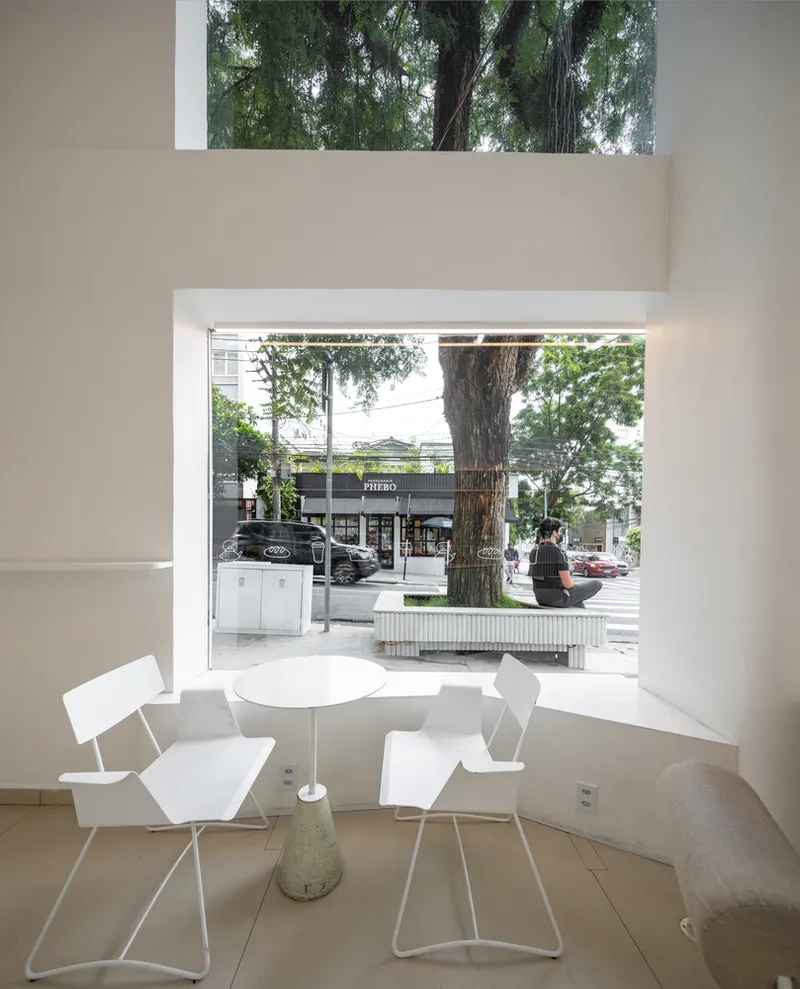
Why This Project Matters
Café design is one of the most active testing grounds for interior architecture globally. The brief is tight, the turnover is visible, and the audience is critical. A café has to work on opening day and still feel fresh a year later. We Coffee Jardins achieves this by refusing to rely on trends. White, curves, and indirect light are not fashionable choices. They are durable ones.
If you are designing a small commercial interior where the product needs to be the visual star, this project is worth studying. The lesson is restraint. Not less design, but less noise.
About the Studios
Share Your Own Work on uni.xyz
If you are working on hospitality or commercial interior design, uni.xyz is a place to publish your projects and connect with a global design community.
Project credits: We Coffee Jardins by BYN Studio + ENTRE Arquitetos. São Paulo, Brazil. Photographs: Manuel Sá. Last updated: April 2026.




Popular Articles
Popular articles from the community


The Earth Pod: 3D Printed Homes for Resilient Refugee Communities
The Earth Pod reimagines refugee housing through 3D printed homes made from clay, combining resilience, self-sufficiency, and rapid shelter.

Conexión: Biophilic Design Reimagines High-Rise Living in Hong Kong
Conexión reimagines high-rise living in Hong Kong through biophilic design, green facades, shared spaces, daylight, water and nature within.

Co-Life: Senior Housing Design That Reconnects Older Adults With the City
Co-Life reimagines senior housing design through healing gardens, shared streets, workshops, and a sustainable community across generations.

Play: Fragments of Their World
Familiar architecture becomes modular playground design, creating safe spaces where displaced children can learn, connect, imagine and play.


Similar Reads
You might also enjoy these articles

FAMM Arquitectura Organizes Ten Villas Around Courtyards and Jungle in Nosara, Costa Rica
El Molino pairs two elongated volumes with deep overhangs and timber louvers to build a compact coastal community five minutes from the beach.
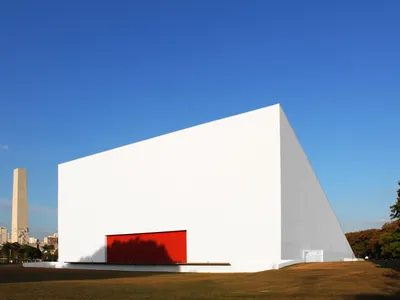
Oscar Niemeyer's Ibirapuera Park Pavilions Define São Paulo's Cultural Identity in Concrete and Curve
A constellation of modernist volumes set within São Paulo's most important urban park, conceived for the city's 400th anniversary in 1954.
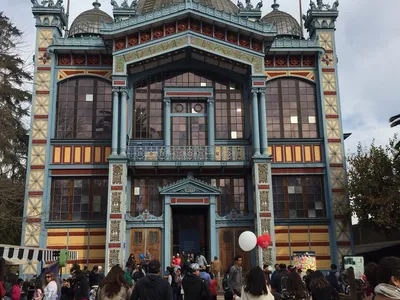
How Henri Picq's 1889 Paris Pavilion Traveled 11,000 Kilometers to Become Santiago's Artequín Museum
A prefabricated iron and glass pavilion built for the Paris Universal Exposition found a second life as a children's art museum in Chile.
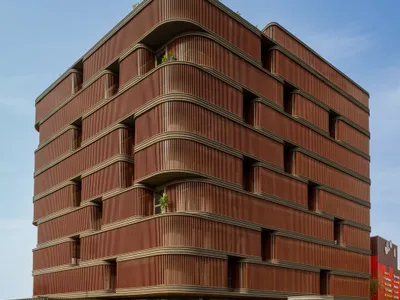
Sanjay Puri Architects Wraps a Jaipur Office Tower in Capsule-Shaped Green Buffers
A nine-level climate-responsive workplace near Jaipur Airport uses stacked planter terraces and aluminium screens to fight 40°C heat.


Explore Architecture Competitions
Discover active competitions in this discipline


Challenge to design luxury tourism on rails


Challenge to reimagine the Iron Throne


Photograph architecture without architects


VR headsets Storefront design competition
Comments (0)
Please login or sign up to add comments
No comments yet. Be the first to comment!