
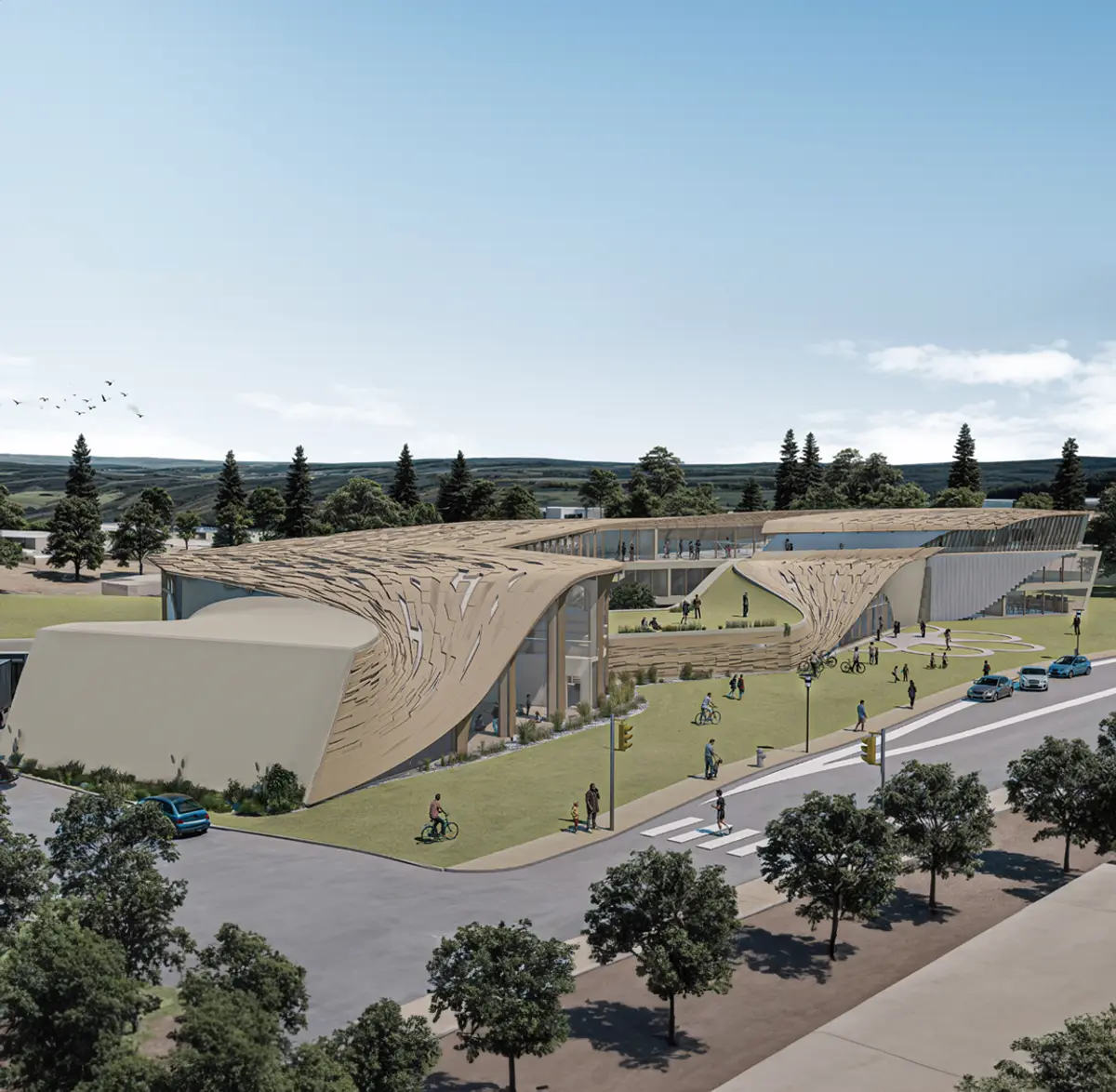
Willaston Waldorf School Project :Willaston Harmony School
; Bridging Cultures through Waldorf Education and Indigenous Connection.

Introduction
The Willaston Waldorf School Project represents a groundbreaking initiative that seeks to harmonize the principles of Waldorf education with the rich cultural heritage of the local Indigenous community. Situated in the serene locale of Willaston, Australia, this project is not just an educational facility but a beacon of cultural reconciliation and environmental harmony. The design ethos is deeply rooted in Steiner's anthroposophical architectural theory, aiming to create an organic, stimulating, and inclusive environment for young learners. This journal delves into the project's conceptual underpinnings, design elements, architectural innovations, and the meticulous process that shaped its creation.
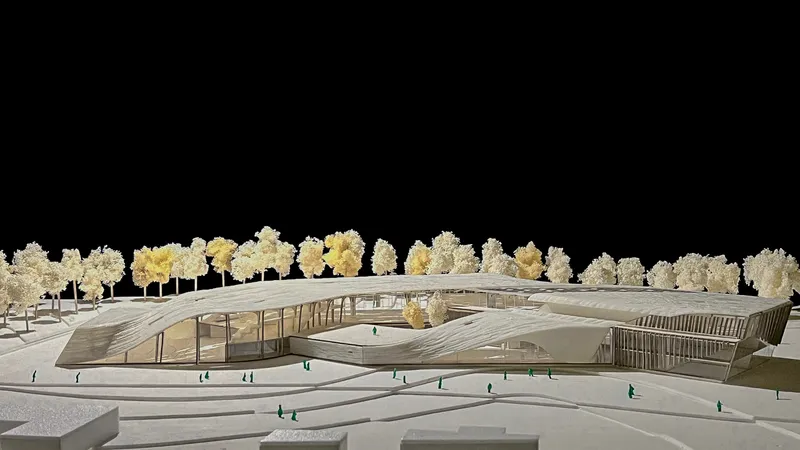
Conceptual Foundation
The core concept of the Willaston Waldorf School Project is to foster a harmonious relationship between students, nature, and the Indigenous community. The design is inspired by the organic curves found in nature, symbolizing the fluid and interconnected essence of life. By integrating Waldorf education principles with Indigenous creation myths, the project aims to create a learning environment that honors and resonates with nature, promoting a sense of unity and cultural understanding.
Design Elements
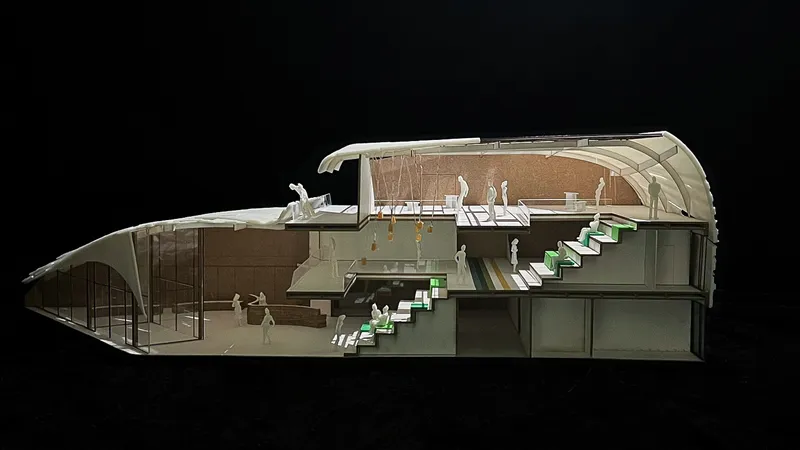
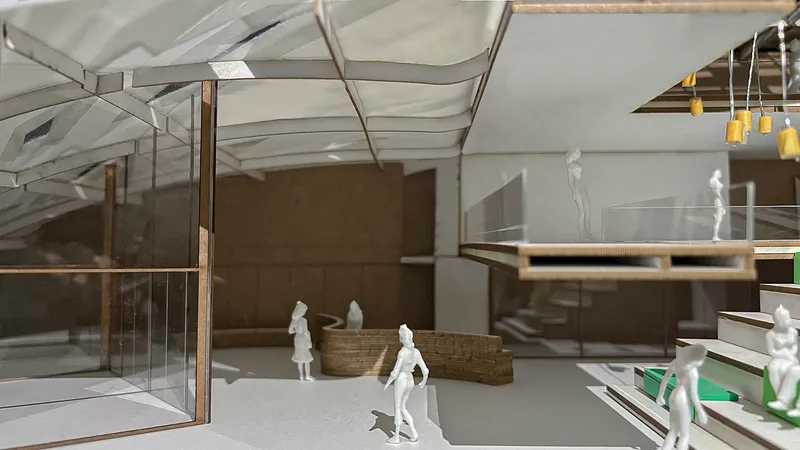
- Stimulation, Communication, and Symbolism through Layout and Skylights: The layout of the school is designed to stimulate interaction and communication among students. Skylights are strategically placed to allow natural light to flow into the spaces, symbolizing enlightenment and clarity. The dynamic use of light and shadow throughout the day creates a living, breathing environment that encourages curiosity and engagement. This design choice is intentional, aiming to create an educational space that is both functional and inspiring.
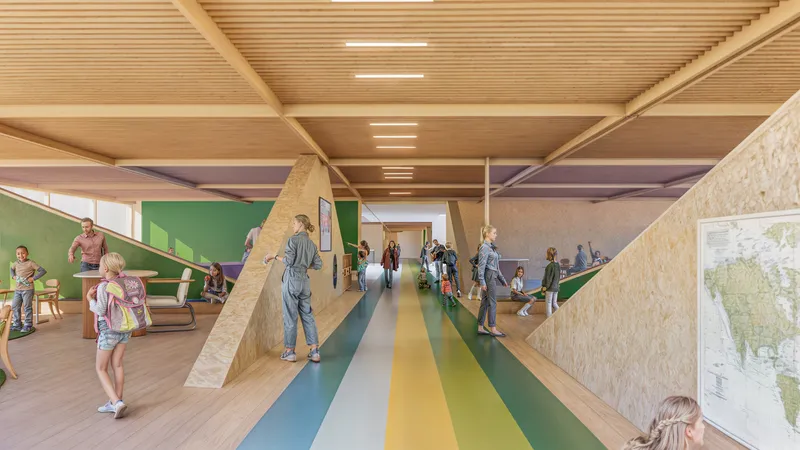
- Expression of Plant Shapes, Variation in Column Spacing, and Movement: Drawing inspiration from the shapes of plants, the design incorporates variations in column spacing and structural elements that mimic natural forms. This creates a sense of movement and fluidity within the space, making the environment more engaging and reflective of the natural world. This organic approach to architecture not only enhances aesthetic appeal but also fosters a deeper connection to nature for the students.
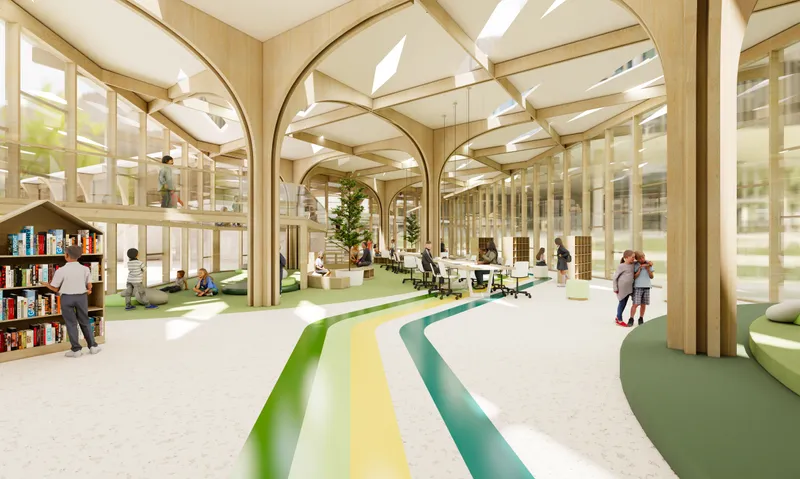
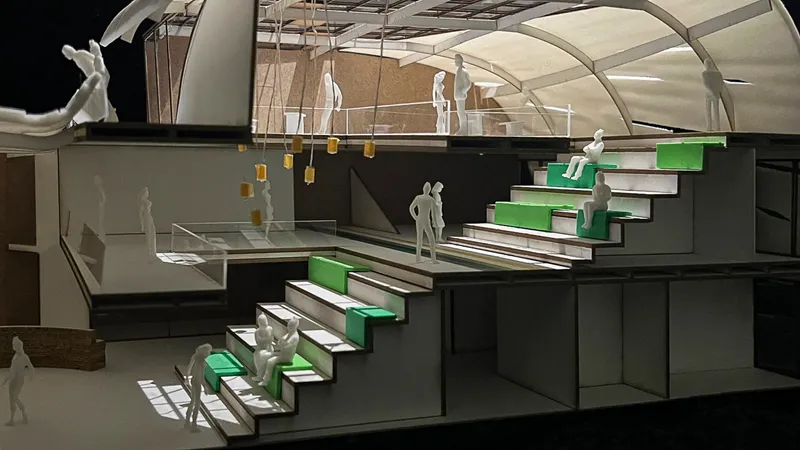
- Colors of Natural Materials, Application of Vivid Colors: Natural materials and vivid colors are used to create a warm, inviting atmosphere. The colors chosen are reflective of the local landscape, evoking a sense of place and belonging. This palette not only enhances aesthetic appeal but also promotes a calming and nurturing environment for the children. The use of natural materials is a conscious effort to reduce environmental impact and create a sustainable educational facility.
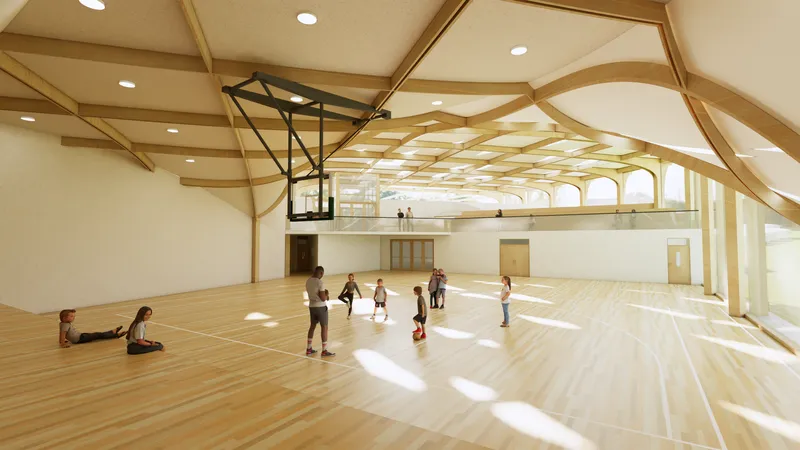
- Spaces that Evoke Rhythm and a Sense of Movement, Elements that Create an Experiential Environment: The school is designed to evoke a sense of rhythm and movement, with spaces that encourage exploration and discovery. Curved walls and gradually changing columns create an experiential environment that stimulates the senses and fosters a deeper connection with the surroundings. This design choice is intended to make learning an immersive and dynamic experience, encouraging students to engage with their environment actively.
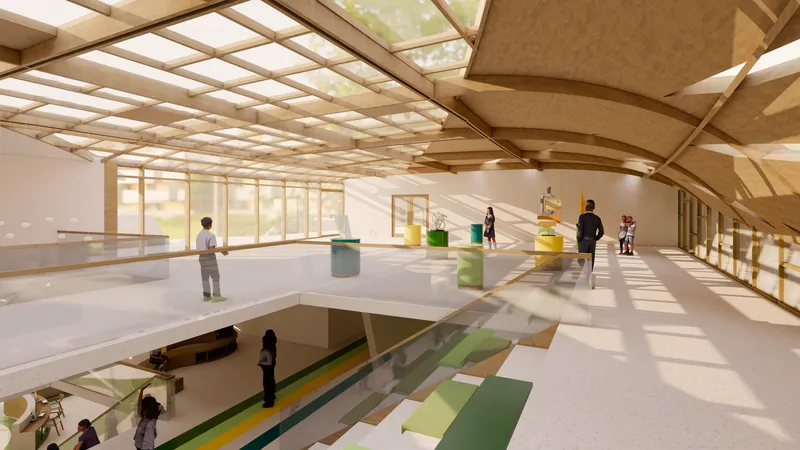
- Social and Cultural Integration within Cultural Areas: Spaces within the school are designated for social and cultural activities, promoting integration and mutual respect. These areas serve as hubs for cultural exchange and learning, reinforcing the project's commitment to reconciliation and community harmony. This intentional design choice fosters a sense of community and belonging among students, staff, and the broader community.
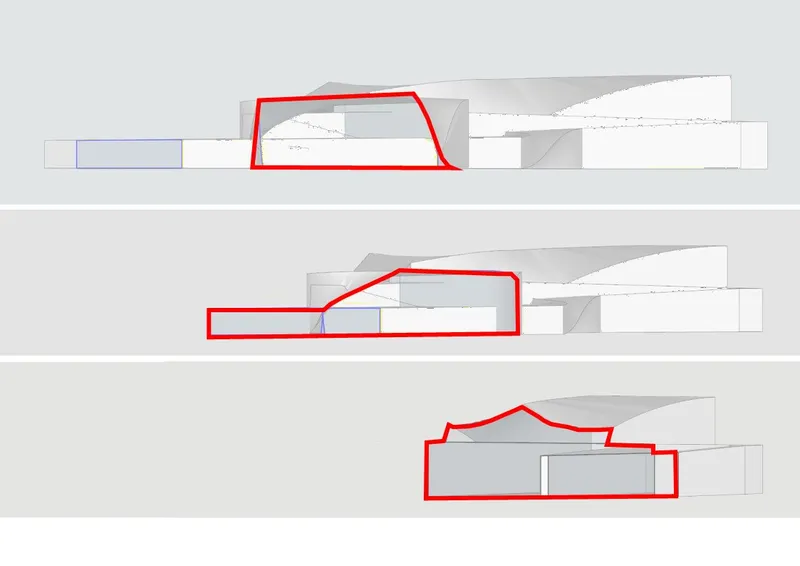
- Geometry in Plan and Section Design, Symmetry and Asymmetry: The design incorporates a blend of symmetry and asymmetry, creating a balance that is both pleasing to the eye and functional. The geometric plan and section designs are meticulously crafted to provide a sense of order while allowing for organic growth and adaptation. This approach ensures that the building is not only architecturally interesting but also practical and adaptable to future needs.
Design Process
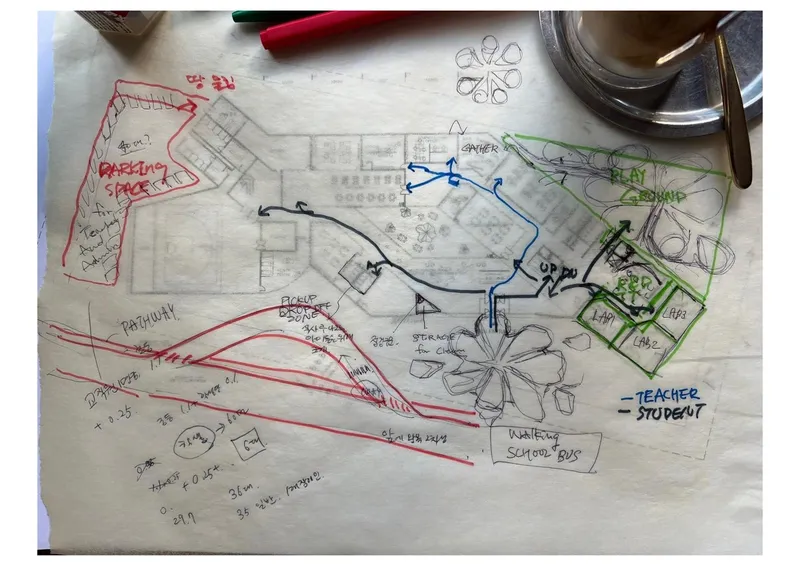
The design process of the Willaston Waldorf School Project was a meticulous and iterative journey, driven by a deep understanding of the site and its cultural significance.
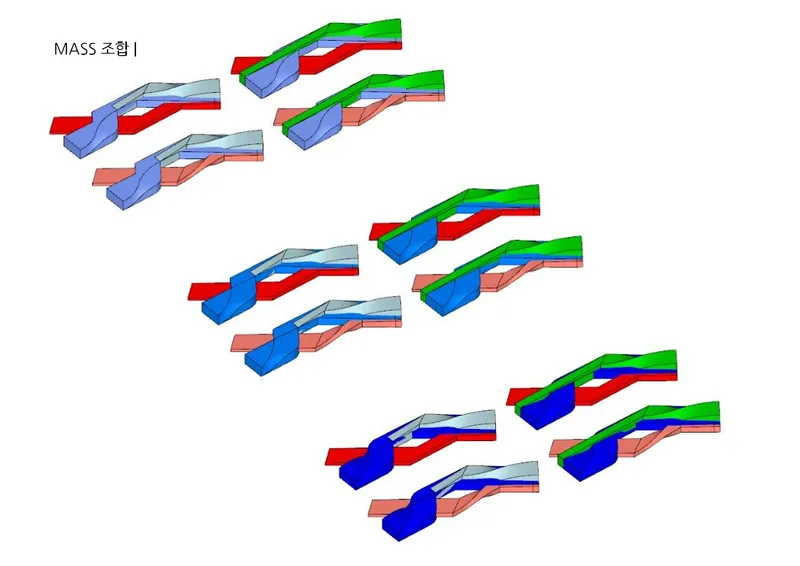
The initial mass form
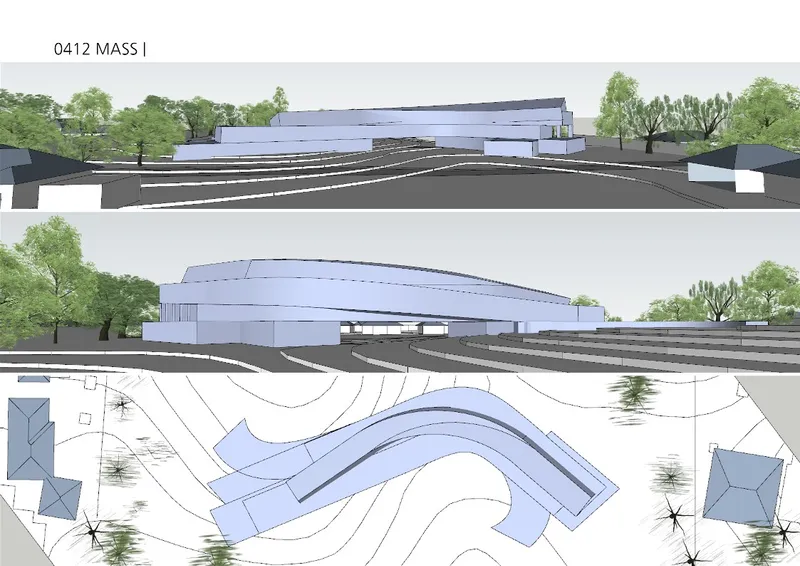
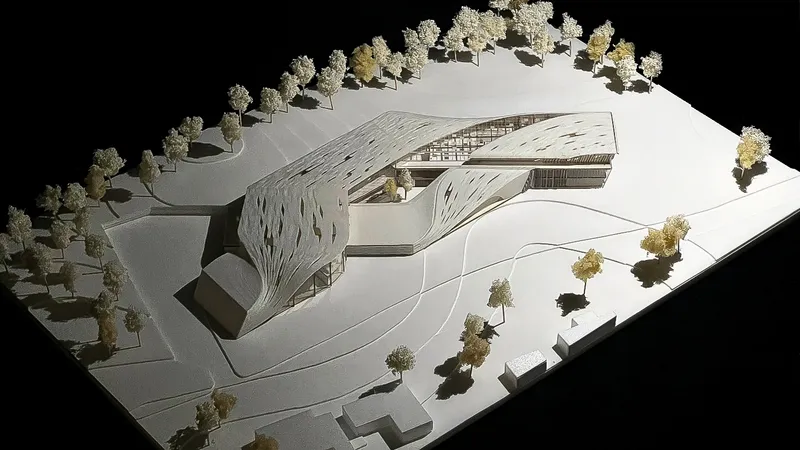
- Initial Massing and Site Integration: The first step involved creating a mass that was seamlessly integrated with the diverse topography of the site. This mass was carefully positioned to be separated from the road, allowing for an immersive natural experience. A central courtyard was envisioned as the heart of the school, providing a communal space that fosters interaction and connection with nature.
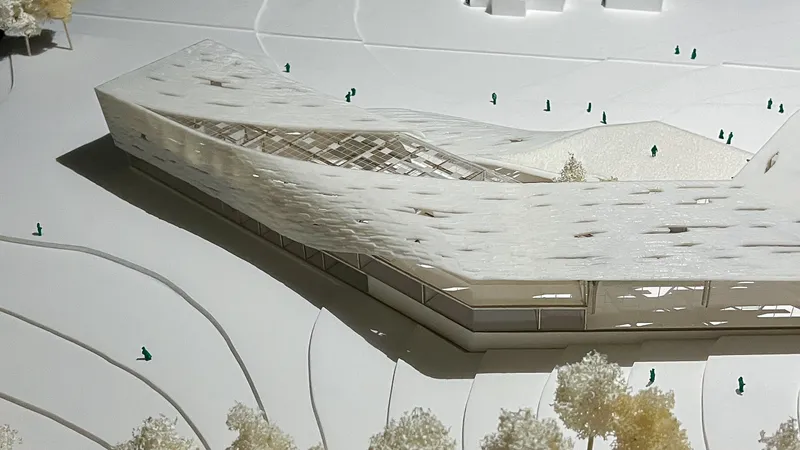
- Detailing Skylights and Ceiling Features: The next phase focused on adding details such as skylights and other ceiling features. These elements were designed to enhance the natural lighting within the spaces, creating an ever-changing play of light and shadow that enriches the learning environment.
- Dynamic Dimensions and Curved Surfaces: To create a space that feels alive and dynamic, the design incorporated continuously changing dimensions. This was achieved by twisting masses and creating curved surfaces on the roof, adding a sense of movement and fluidity to the overall structure.
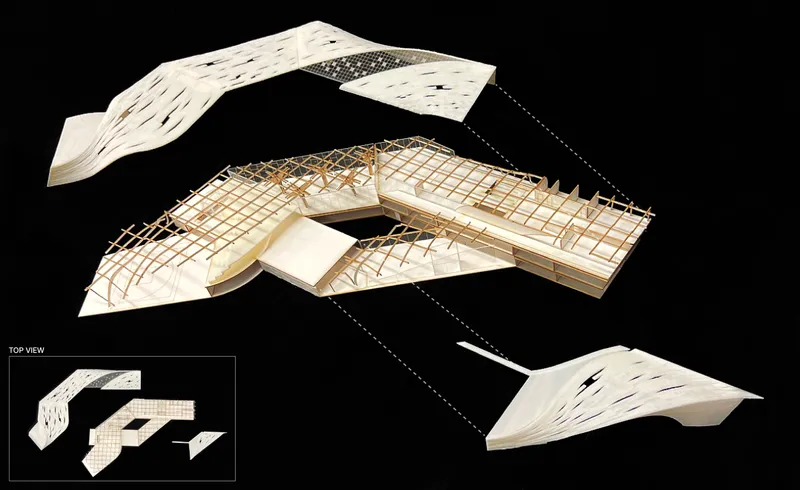
The Willaston Waldorf School Project is guided by six primary design goals:
Design Goals
- Creating a Stimulating Environment: Design a space where a small group of 60 children can continuously meet, stimulate each other, and communicate effectively. The environment is crafted to encourage interaction and collaboration, fostering a strong sense of community.
- Integrating Waldorf Philosophy and Indigenous Myths: Combining the Waldorf education philosophy, which emphasizes a natural learning environment, with Indigenous creation myths that honor and resonate with nature. This integration creates a unique and enriching educational experience.
- Utilizing Site Topography: The diverse topography of the site is utilized to allow children to move naturally from each level, both exiting into and entering from nature. This level planning ensures a seamless connection with the surrounding environment, promoting a sense of adventure and exploration.
- Creating an Experiential Space: Spaces are designed to evoke various experiences, featuring gradually changing columns and walls. This creates an environment that stimulates the senses and fosters a deeper connection with the surroundings.
- Embracing Natural Light: Skylights are incorporated to embrace changing light over time, creating a dynamic and ever-changing atmosphere. The interplay of light and shadow adds a layer of depth and richness to the learning environment.
- Fostering Social and Cultural Integration: The design promotes social and cultural integration within designated cultural areas, reinforcing the project's commitment to community harmony and cultural reconciliation.
External Design Study
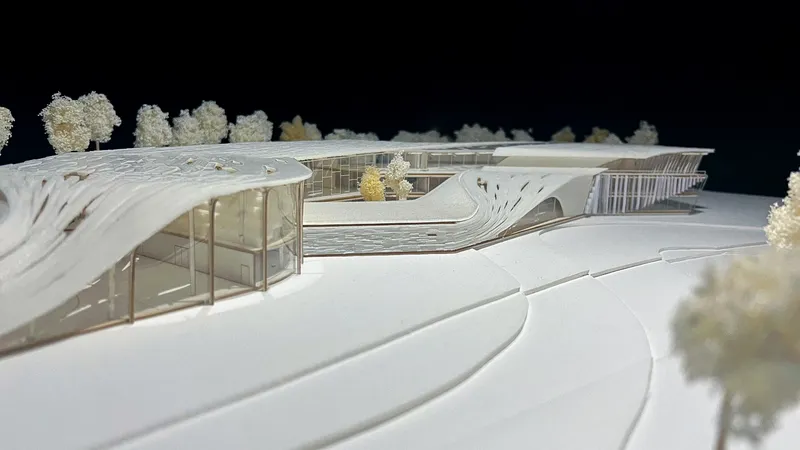
Architectural Impact and Efficiency
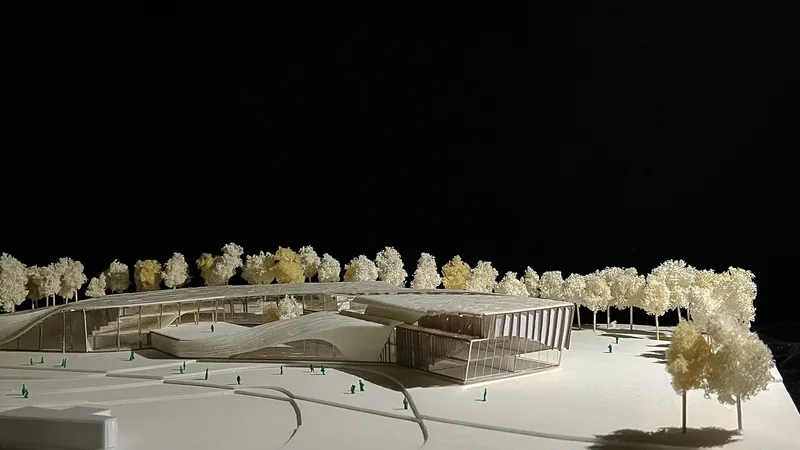
From a design and architectural perspective, the Willaston Waldorf School Project is meticulously crafted to achieve both aesthetic and functional excellence. The use of organic forms, natural materials, and innovative design elements serves not only to create a beautiful and engaging learning environment but also to enhance the building's efficiency and sustainability.
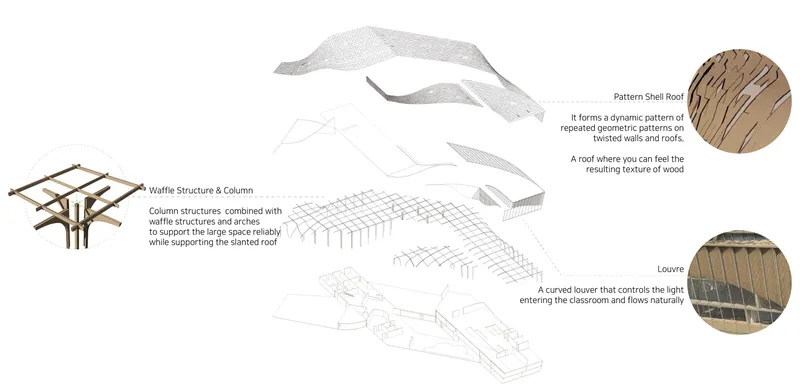
- Energy Efficiency: The strategic placement of skylights and windows maximizes natural lighting, reducing the need for artificial lighting and minimizing energy consumption. This approach is not only environmentally friendly but also creates a more pleasant and healthful indoor environment for the students and staff.
- Thermal Comfort: The design incorporates natural ventilation strategies and the use of thermally efficient materials to maintain a comfortable indoor climate throughout the year. This reduces reliance on mechanical heating and cooling systems, further enhancing the building's sustainability.
- Sustainable Materials: The use of locally sourced, natural materials reduces the building's carbon footprint and supports the local economy. These materials are chosen for their durability and low environmental impact, contributing to the overall sustainability of the project.
- Adaptable Spaces: The flexible design of the school spaces allows for future adaptations and changes, ensuring that the building can evolve to meet the changing needs of the students and community. This adaptability is a key aspect of the design, providing long-term value and functionality.
- Enhanced Learning Environment: By creating spaces that are visually and physically stimulating, the design enhances the overall learning experience. The dynamic and engaging environment encourages students to explore, discover, and learn in ways that are both meaningful and enjoyable.
Impact on Children Over Time
The Willaston Waldorf School Project's unique integration of Waldorf education and Indigenous cultural elements promises to have a profound and lasting impact on its students. As children grow and learn within this environment, several key benefits are anticipated:
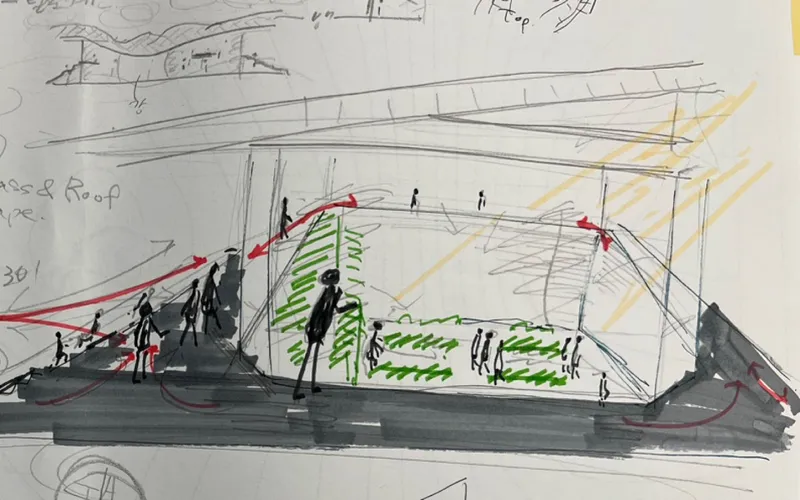
- Enhanced Cultural Awareness and Respect: By being immersed in a setting that actively celebrates Indigenous culture alongside Waldorf principles, students will develop a deep respect for cultural diversity. This exposure fosters an appreciation for different ways of life, encouraging empathy and open-mindedness.
- Stronger Connection to Nature: The design's emphasis on natural materials, organic forms, and direct interaction with the surrounding environment will instill a lifelong appreciation for nature. Students will learn the importance of environmental stewardship, carrying these values into adulthood.
- Holistic Development: The Waldorf education philosophy promotes the development of the whole child—intellectually, emotionally, and physically. The school's design, which supports this philosophy, will help students cultivate critical thinking, emotional intelligence, and physical well-being through its thoughtful and engaging spaces.
- Creativity and Imagination: The dynamic and experiential spaces within the school are designed to stimulate creativity and imagination. As children navigate through these ever-changing environments, their ability to think creatively and problem-solve will be enhanced, preparing them for future challenges.
- Community and Social Skills: The communal spaces and cultural areas within the school will encourage students to interact, collaborate, and build strong social bonds. These experiences will teach them the value of community, cooperation, and mutual respect, skills that are essential in their personal and professional lives.
- Resilience and Adaptability: The design's emphasis on movement, rhythm, and the natural progression of spaces will help students develop resilience and adaptability. As they experience the school's fluid and dynamic environment, they will learn to navigate change with confidence and grace.
Conclusion
The Willaston Waldorf School Project is a testament to the power of thoughtful design and cultural integration. By harmonizing Waldorf education principles with Indigenous cultural elements, the project creates a unique and enriching learning environment. The use of organic forms, natural materials, and dynamic spaces fosters a deep connection to nature and a strong sense of community. As a beacon of cultural reconciliation and environmental harmony, the Willaston Waldorf School stands as a model for how architecture can connect cultures and create a more inclusive and harmonious world.
Over time, the students of Willaston Waldorf School will carry the lessons learned in this unique environment into their broader lives, growing into ambassadors of cultural respect, environmental stewardship, and holistic development. This project not only shapes the minds of young learners but also lays the foundation for a more empathetic, creative, and resilient future generation.

Popular Articles
Popular articles from the community


Juan García Correa, John González and Claudia Rueda Sink a Circular Amphitheater into a Manizales Engineering Building
On the La Nubia campus in Manizales, Colombia, the S1 Building folds labs and offices into a hillside of ramped lawns that double as a campus route.

FCC Arquitectura Expands a Portuguese Granite House with a Board-Marked Concrete Wing
In Portugal, JV House pairs a cleaned-up whitewashed and granite dwelling with a timber-shuttered concrete extension, courtyards and a garden pool.


Singing Woman: An Opera House That Performs Before the Curtain Rises
Ovidiu Cristian Pavel's conceptual opera house translates Estonia's choral identity into a sculpted waterfront landmark facing the Baltic Sea.

Cube Design Draws an Ecological Corridor Between Two Shenzhen Hills with the Nankai Building
Beside Shenzhen's container docks, the Nankai Building pairs stacked balconies with a climbing green screen to connect two hillsides across its height.

Similar Reads
You might also enjoy these articles

Vereda Arquitetos Renovates a 40-Square-Meter Apartment Inside Niemeyer's Copan Building
A compact unit in São Paulo's most iconic residential tower gets a material overhaul that pairs exposed concrete with bold blue Formica.

Shakur's House: Exposed Brick as an Interior Organiser in a 168 m² Mashhad Residence
Brick moves indoors in this Mashhad residence, where masonry walls, glass partitions and teal planes sequence a compact home without closing it off.

Day and Night Park: A Time-Based Urban Newsstand in Beijing
A temporary urban newsstand in Beijing blending travel, light, and reading through poetic colors, compact form, and community-focused design.

Modernist Patio Renovation in El Masnou, Barcelona by Oliver Segura Arquitectura + Cebrià Arquitectura
Modernist patio renovation blending tradition and innovation with a movable pool, leveled floors, and Catalan materials in El Masnou.

Explore Architecture Competitions
Discover active competitions in this discipline


Challenge to reimagine the Iron Throne

Photograph architecture without architects

Illustrate the lost glory of Angkor Wat - Render Challenge

Design challenge to reuse E-waste
Comments (0)
Please login or sign up to add comments
No comments yet. Be the first to comment!