
Wirkbau Chemnitz Roof Garden: A Sustainable Green Space Reimagining Industrial Architecture
The article explores the Wirkbau Chemnitz Roof Garden, a sustainable, green space transforming an industrial site into a vibrant community hub.

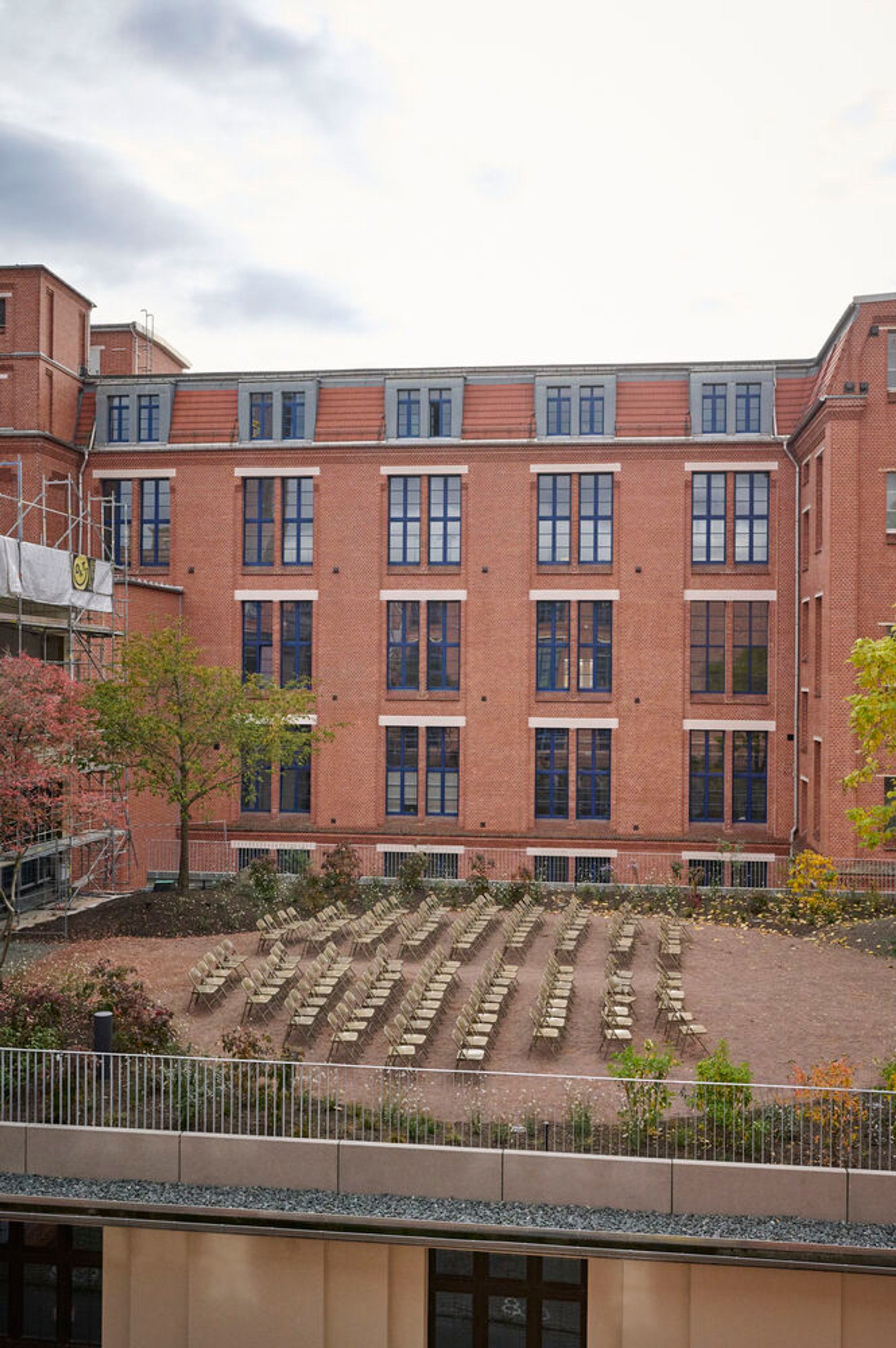
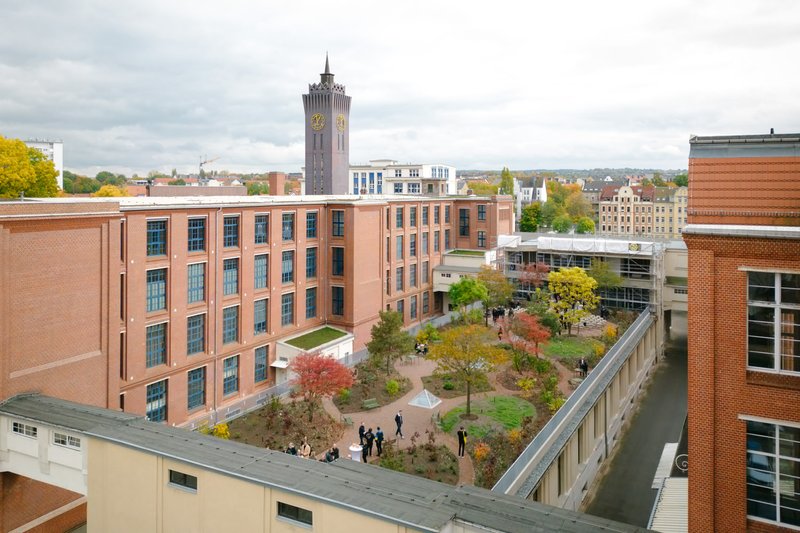
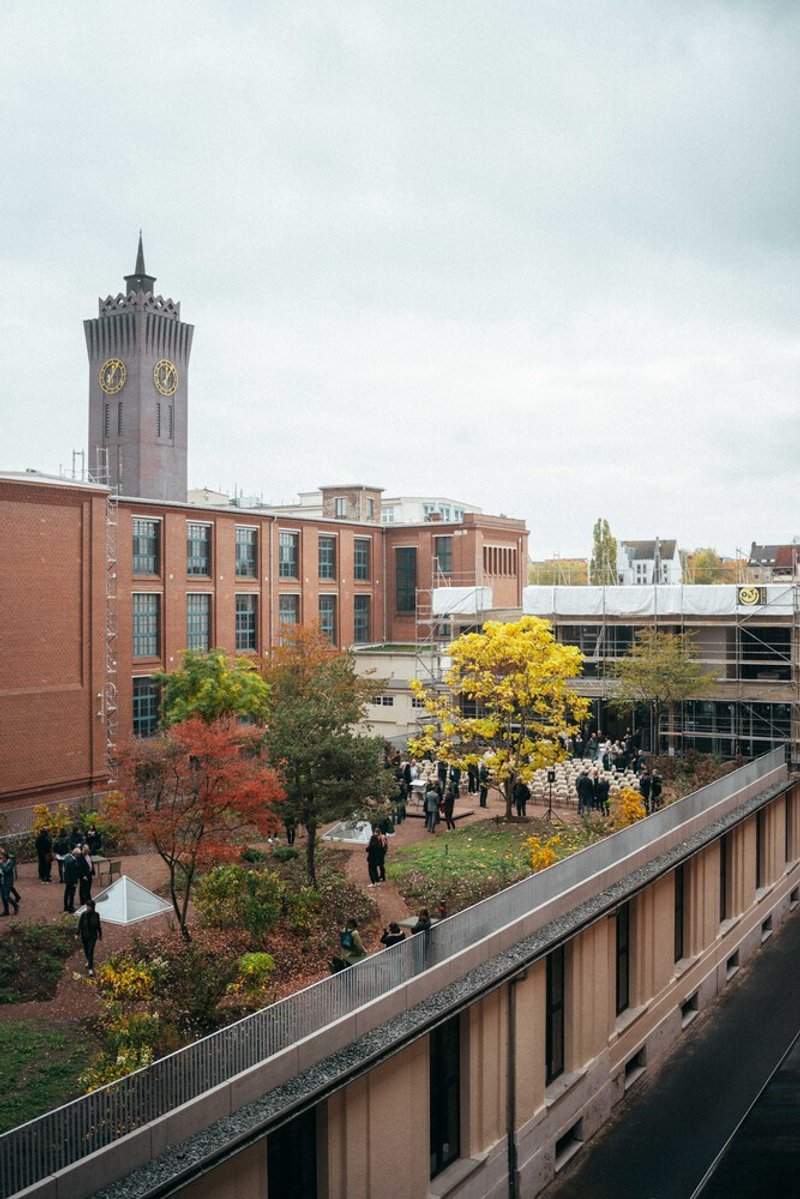
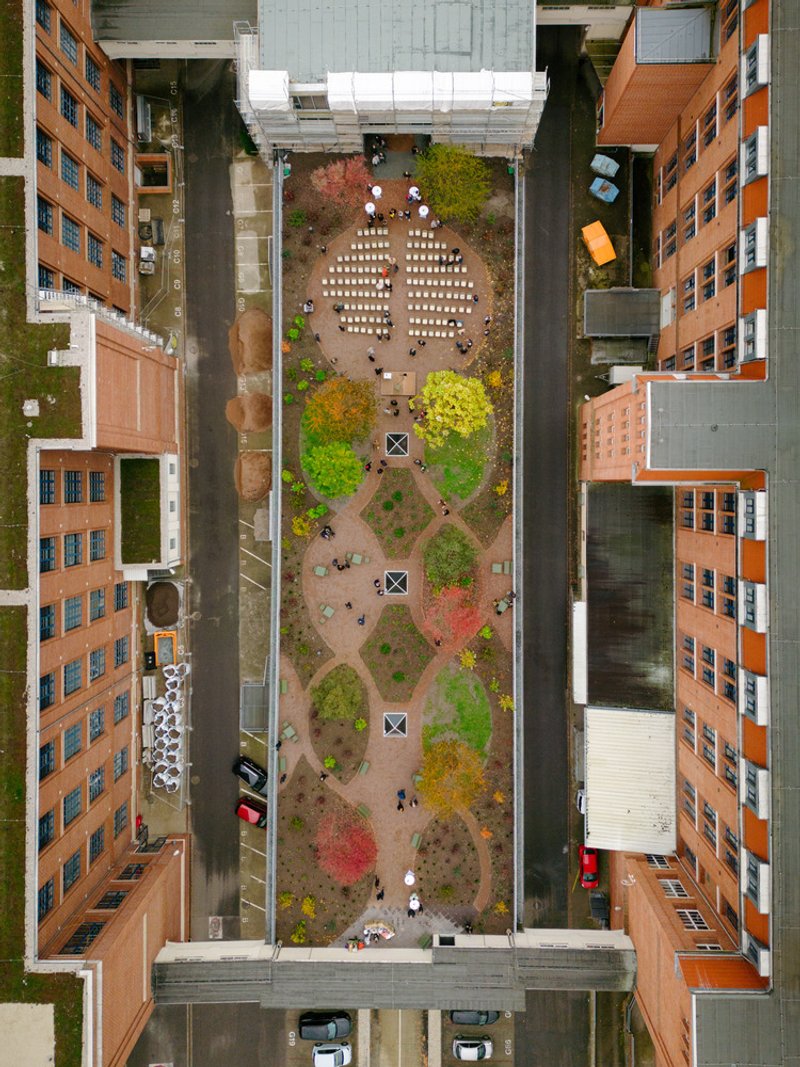
The Wirkbau Chemnitz Roof Garden is a remarkable architectural project designed by Meyer-Grohbrügge, located in Chemnitz, Germany. This 1500m² green space represents an innovative fusion of sustainable design and industrial architecture. The roof garden is not only a sanctuary for workers but also a hub for community engagement and environmental consciousness. As part of the ongoing revitalization of the Wirkbau Chemnitz textile machinery factory, this project exemplifies how adaptive reuse can create vibrant, sustainable public spaces.
Revitalizing Industrial Spaces for the Future
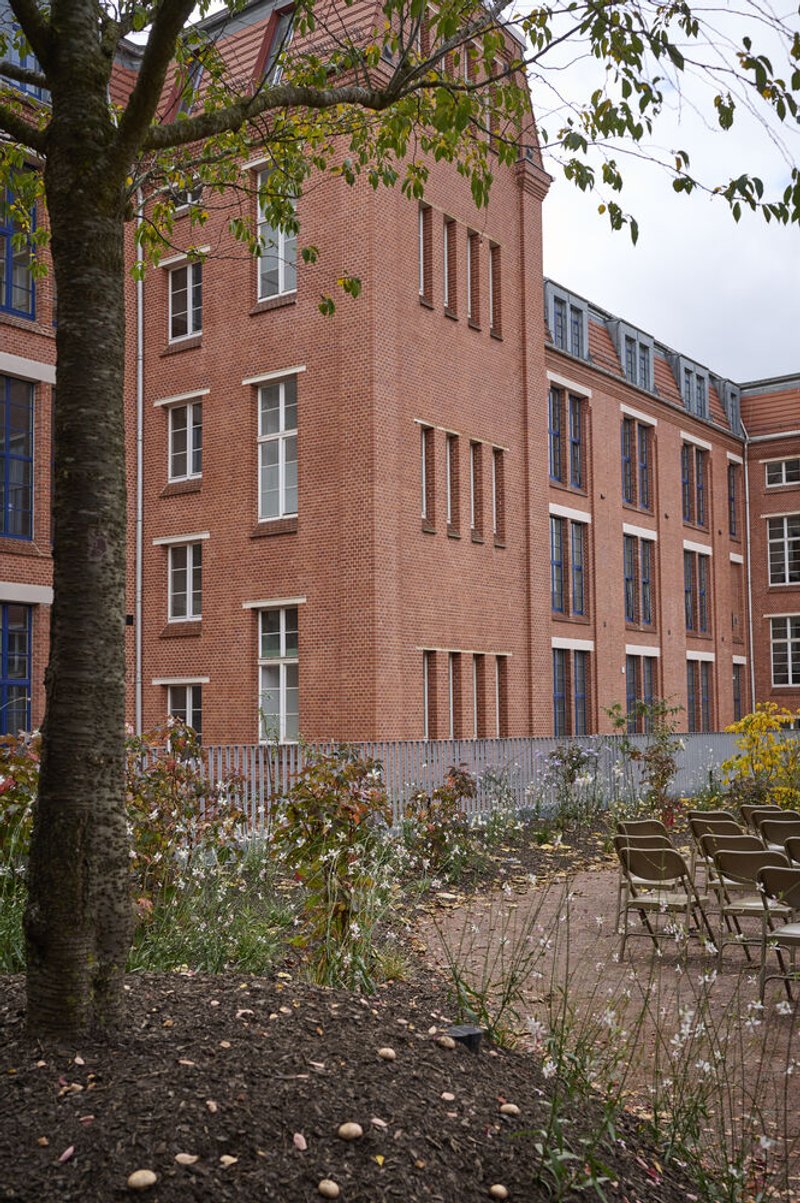
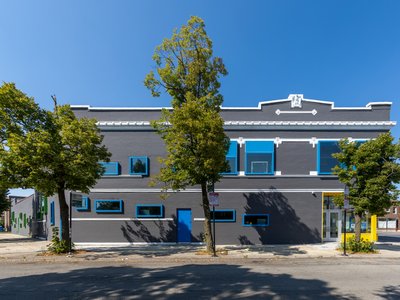
The Wirkbau Chemnitz factory, once the largest textile machinery producer in Germany, faced significant challenges after World War II, including the loss of its upper story due to bombings. However, this loss became an opportunity to reimagine the building's potential. By designing a roof garden that sits atop the original exhibition hall, Meyer-Grohbrügge created a space that balances historical elements with contemporary needs.
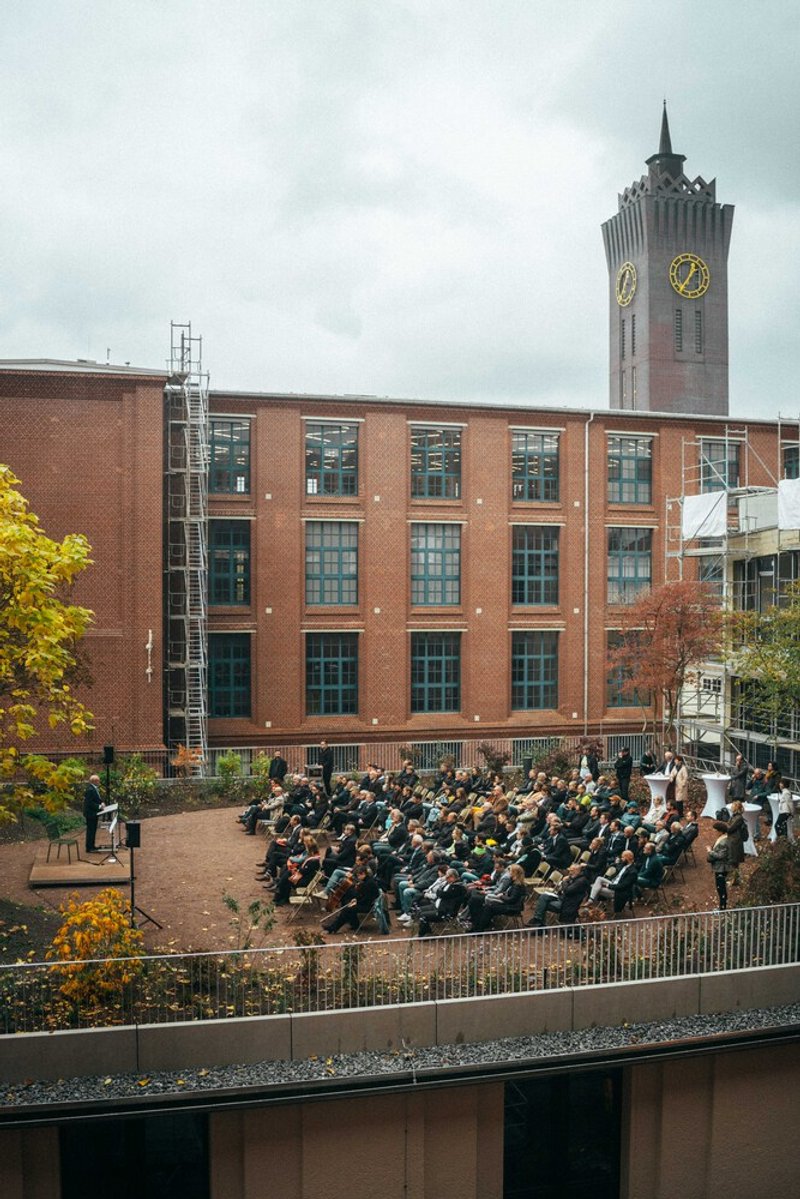
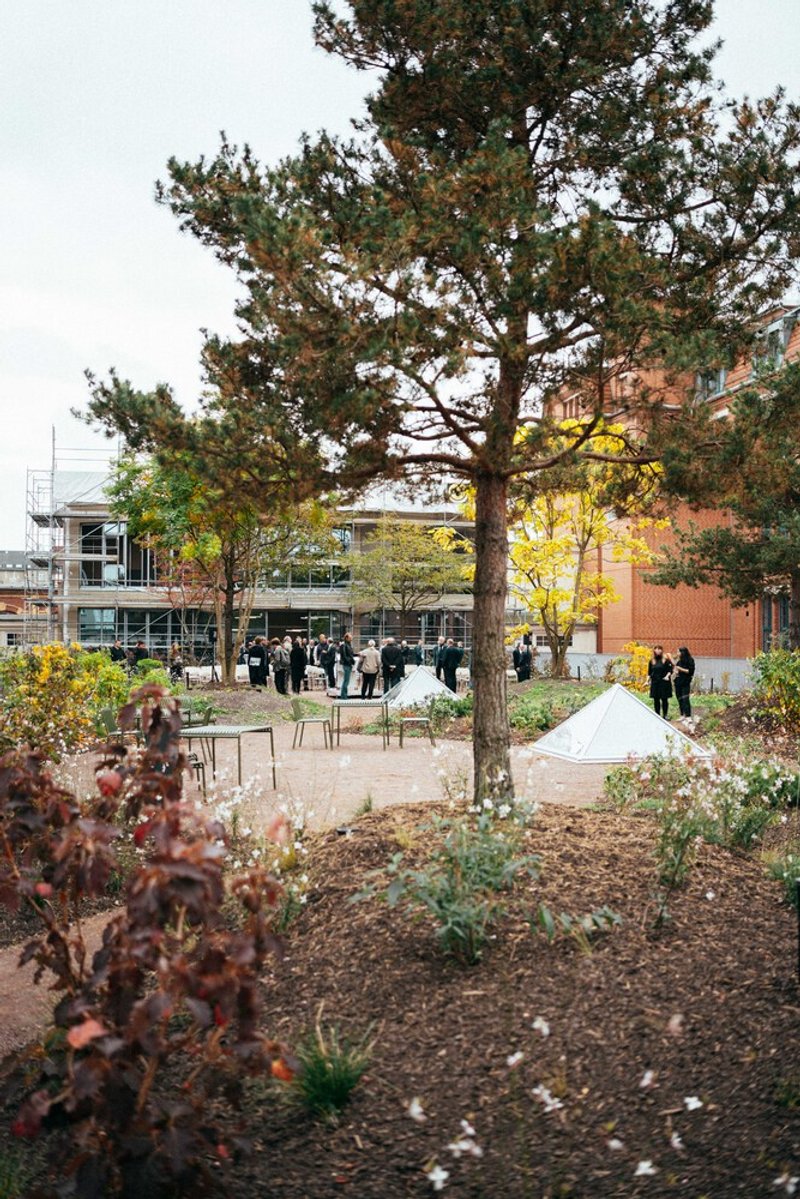
The project demonstrates how the integration of green architecture can transform an industrial site into a dynamic and sustainable community. The roof garden serves as the heart of the entire development, providing not only a place for relaxation but also a venue for outdoor meetings, events, and social gatherings. Accessible 24/7, the space offers an opportunity to connect with nature while fostering collaboration and creativity.
Design Philosophy: Green Architecture and Sustainability
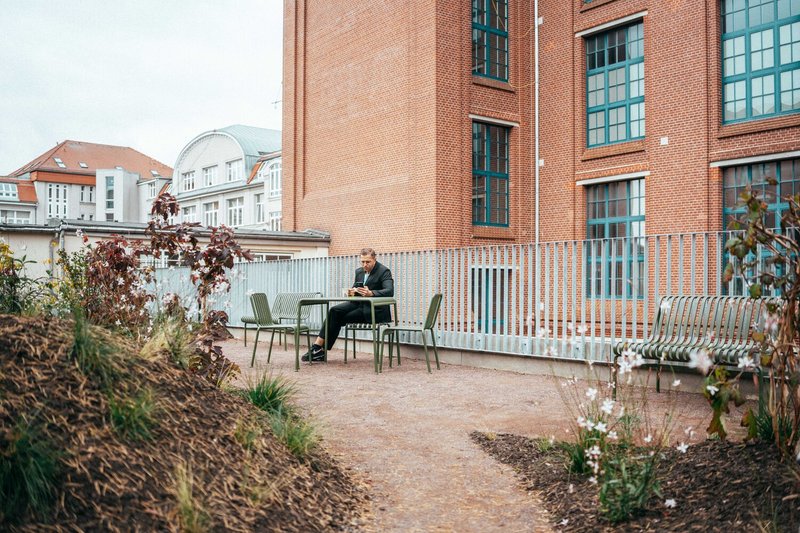
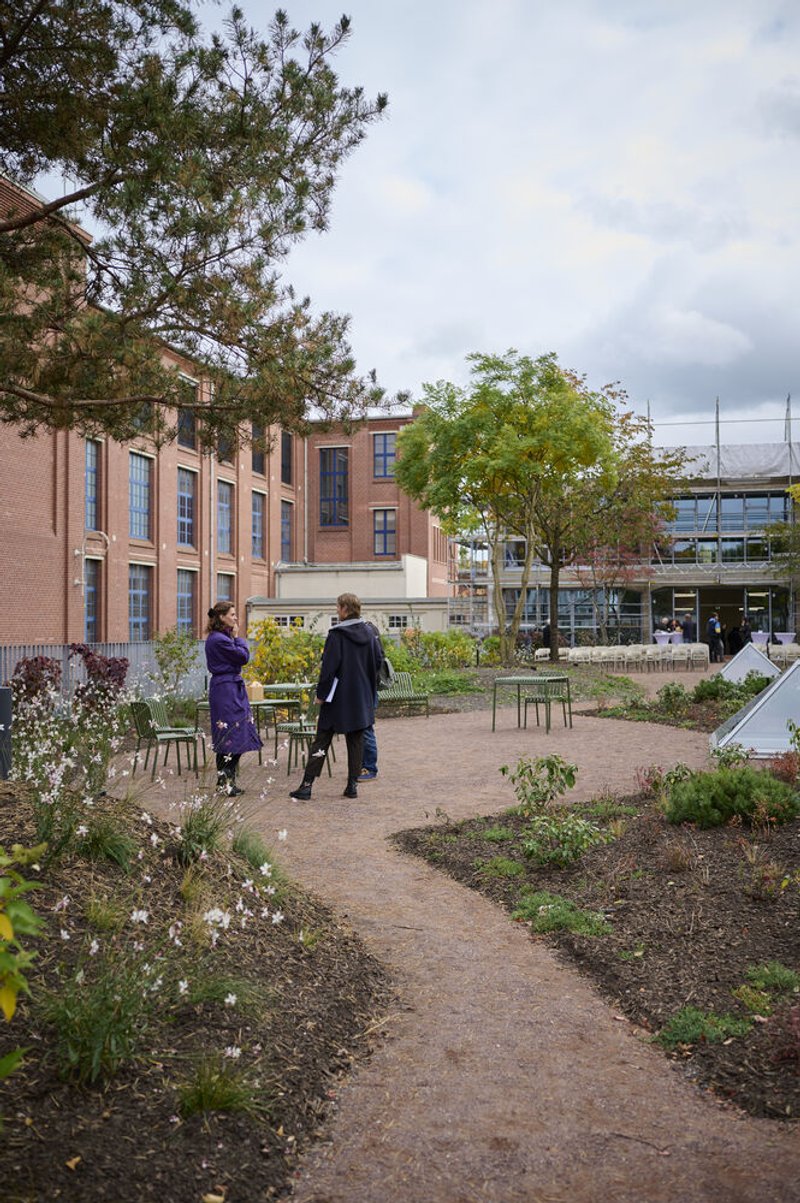
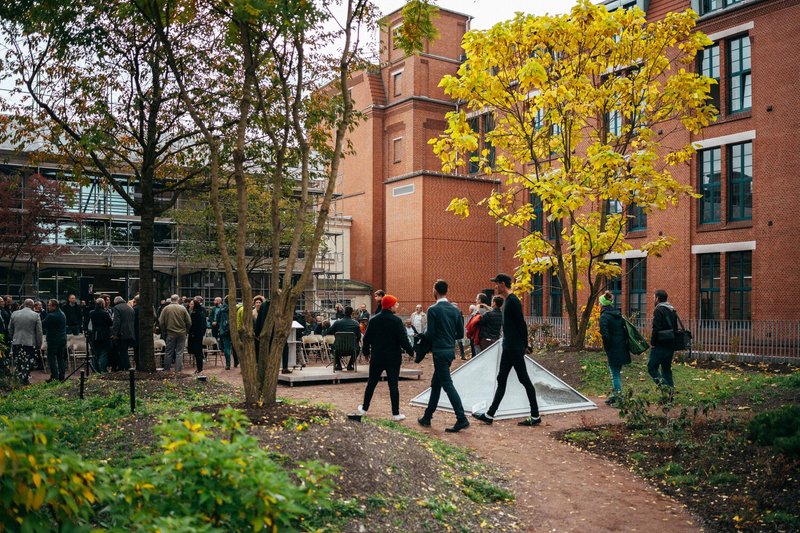
One of the defining features of the Wirkbau Chemnitz Roof Garden is its commitment to sustainability. The garden features a variety of plants, including trees from different species carefully selected to suit the environment and ensure the space's longevity. These trees are strategically placed to provide shade, reduce heat absorption, and enhance privacy for those using the space. The garden's undulating pathways are designed to mimic natural forms, encouraging exploration and providing different pockets of space for relaxation and social interaction.
The landscape design is just as thoughtful. It includes perennial flowers, bushes, and water-bound pavements that reflect the surrounding brick structures, creating a harmonious and flowing landscape. The elevation changes in the garden floor are tailored to the needs of the various plant species, ensuring they thrive in the diverse microclimates of the roof.
The Role of Green Spaces in Urban Revitalization
The Wirkbau Chemnitz Roof Garden plays a pivotal role in the regeneration of the Chemnitz area, which is undergoing a transformation from its industrial past to a more diverse and sustainable future. As part of a broader effort to create a sustainable working community, the roof garden provides not just environmental benefits but also enhances the well-being of those working and living in the area.
Access to green spaces like this is increasingly recognized for its positive impact on mental health, productivity, and social cohesion. By transforming a once barren industrial rooftop into a thriving green oasis, Meyer-Grohbrügge has helped create a space that nurtures both the environment and the community.
A Model for Sustainable Roof Gardens
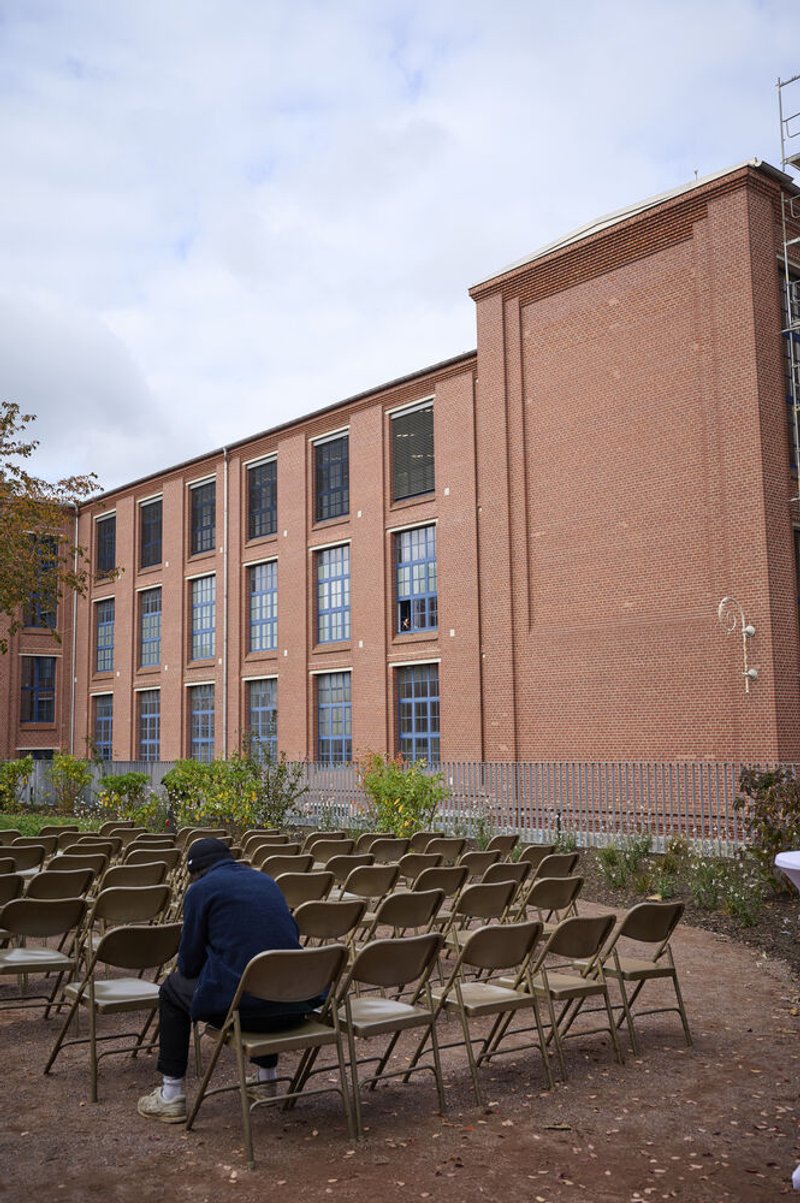
The Wirkbau Chemnitz Roof Garden is a standout example of how sustainable architecture and green design can be integrated into urban spaces. Through thoughtful design, adaptive reuse, and attention to ecological detail, this project redefines the role of rooftops in cityscapes. It demonstrates that roof gardens can serve as multifunctional spaces that support the physical and social well-being of communities while contributing to environmental sustainability.
As cities continue to grow and evolve, the Wirkbau Chemnitz Roof Garden stands as a testament to the potential of green architecture to create harmonious, sustainable, and vibrant urban environments.
All photographs are work of ohannes Richter, Louisa Schwope, Ernesto Uhlmann




Popular Articles
Popular articles from the community

Free Architecture Competitions You Can Enter Right Now
No entry fees, real prizes. Here are the best free architecture competitions open for submissions in 2026.

Gads Hill Early Learning Center by JGMA: Adaptive Reuse Shaping Community-Focused Educational Architecture
Adaptive reuse transforms fragmented structure into vibrant early learning center with playful façade, natural light, and community-focused sustainable design.

Inverted Architecture Installation by Studio Link-Arc: Exploring the Intersection of Architecture and Living Organisms
Inverted Architecture Installation by Studio Link-Arc blends mycelium, sustainability, inverted design, ecological cycles, and urban adaptive architecture in Shenzhen.




Similar Reads
You might also enjoy these articles


The Ken Roberts Memorial Delineation Competition (Krob)
As the most senior architectural drawing competition currently in operation anywhere in the world, it draws hundreds of entries each year, awarding the very best submissions in a series of medium-based categories.

Waterfront Redevelopment and Urban Revitalization in Mumbai: Forging a New Dawn for Darukhana
A transformative waterfront redevelopment project reimagining Darukhana’s shipbreaking heritage into an inclusive urban future.

OUT-OF-MAP: A Call for Postcards on Feminist Narratives of Public Space
Rhizoma Design and Research Lab invites artists, designers, architects, researchers, and students to reflect on how feminist perspectives can reshape public space. Selected works will be exhibited in Barcelona, October 2026. Submissions open until 15 April 2026.


Documentation Work on Buddhist Wooden Temple
Architectural syncretism and cultural hybridity: A comparative study of the Buddhist temples in Chattogram Hill tracks


Explore Architecture Competitions
Discover active competitions in this discipline




The International Standard for Design Portfolios


The Global Benchmark for Architecture Dissertation Awards


The Global Benchmark for Graduation Excellence


Challenge to reimagine the Iron Throne
Comments (0)
Please login or sign up to add comments
No comments yet. Be the first to comment!