
YR Pavilion in Santiago: A Sculptural Garden Pavilion Blending Architecture, Art, and Landscape
A sculptural garden pavilion in Santiago combining massage, exercise, and bath spaces with layered brick façades, merging architecture, art, craftsmanship, and landscape.


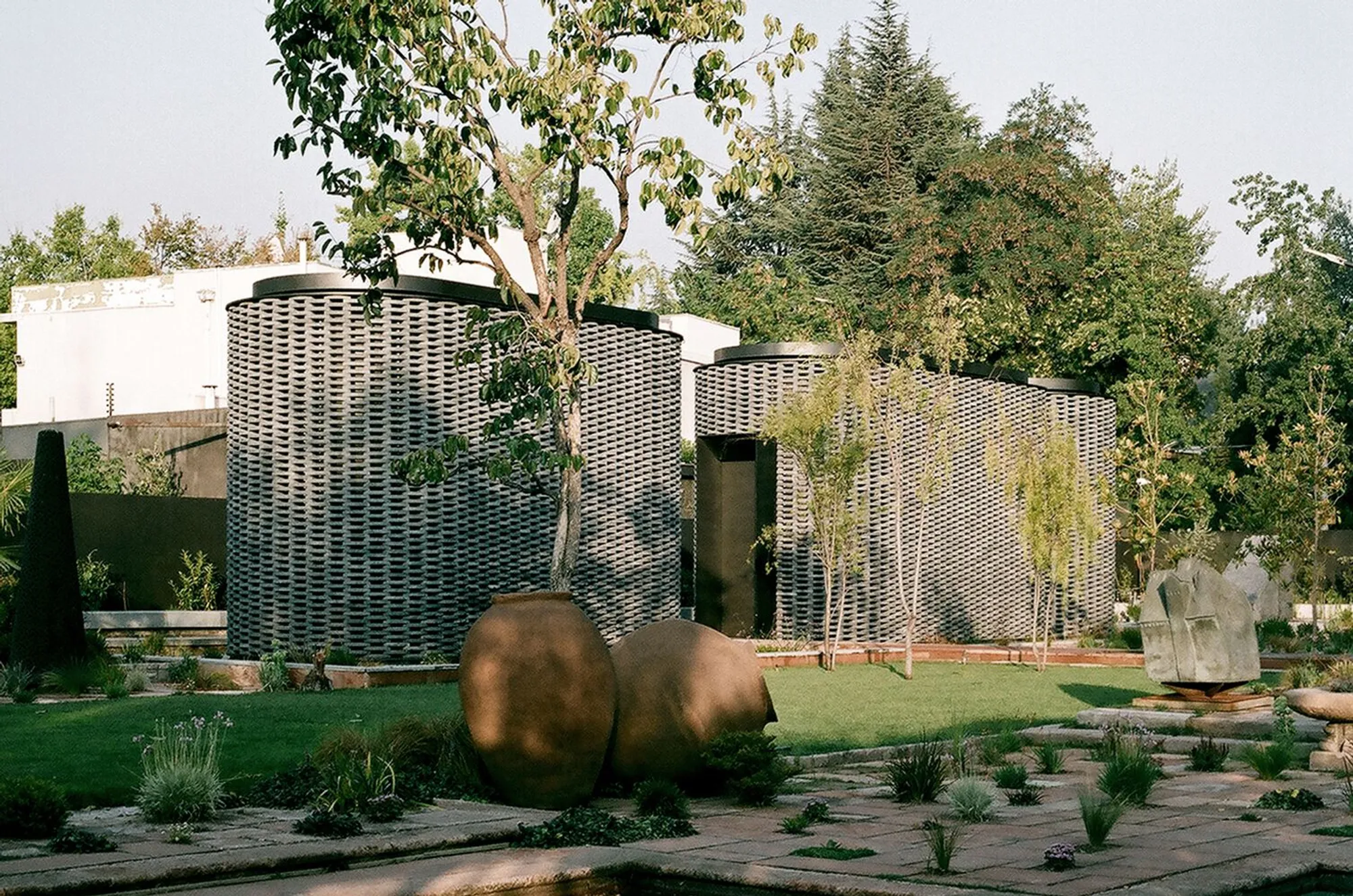
Located in Santiago, Chile, the YR Pavilion is a unique small-scale architectural project designed by elton_léniz in collaboration with Cruz•Mandiola, Arquitectura & Objetos. Completed in 2021, this experimental structure redefines the relationship between architecture, sculpture, and landscape design. Conceived as a habitable artwork, the pavilion integrates seamlessly into a private garden while functioning as a wellness retreat for its owners.
The project was commissioned by a couple who are passionate art collectors. Their vision was to expand their property by transforming an adjacent plot of land into a private park-like garden. As part of this landscape extension, they requested a “Folie”, an architectural sculpture that could coexist with their collection of artworks while offering functional spaces for relaxation and exercise.
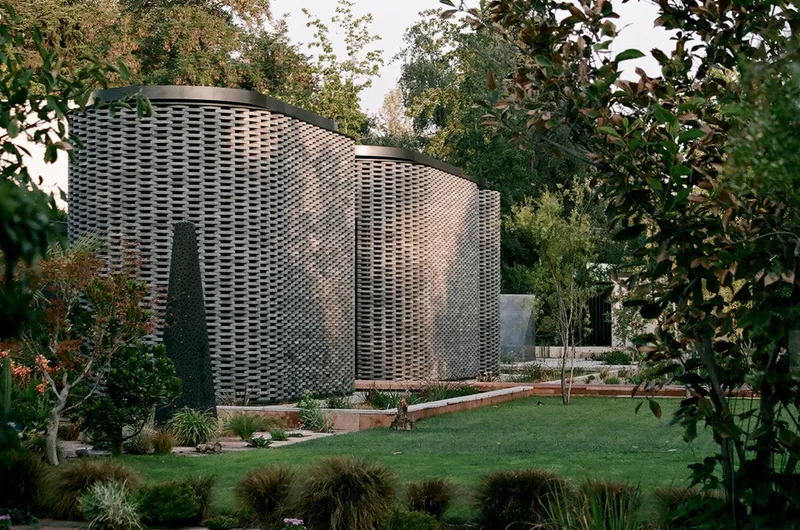
Rather than designing a conventional garden structure, the architects created a small architectural pavilion that acts simultaneously as sculpture, installation, and inhabitable space.
Concept: Architecture as an Inhabitable Sculpture
The concept behind the YR Pavilion revolves around the idea of architecture as an “Integral Work of Art.” The building is not simply a container for activities but a carefully crafted object where every element contributes to a unified artistic composition.
The program is organized around three essential functions that support wellness and relaxation:
- A massage room
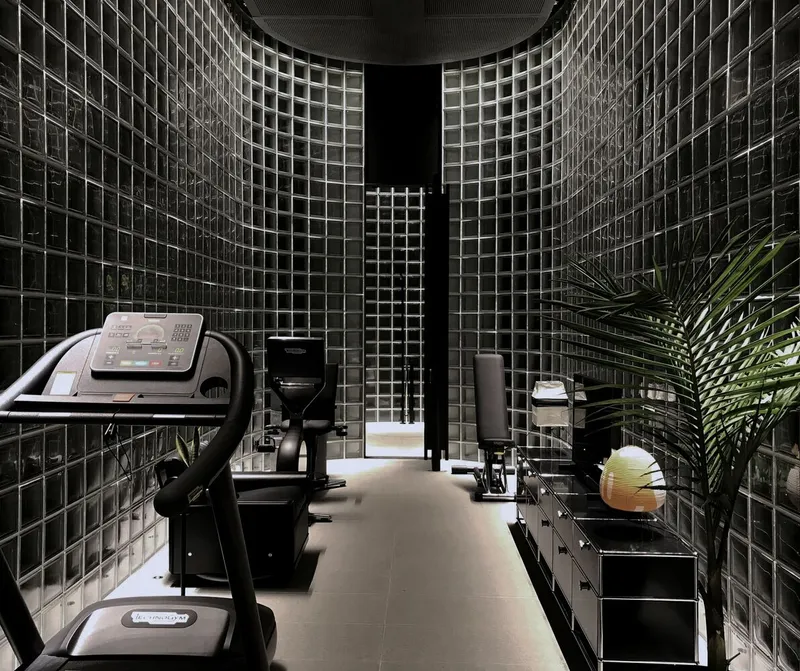
- A space for physical exercise
- A bathroom
These functions are distributed within a compact 45-square-meter structure designed to resemble a sculptural installation within the landscape. The pavilion therefore becomes part of the garden’s artistic narrative, standing among trees and sculptures as a contemporary architectural artifact.
This approach blurs the boundaries between art, architecture, and object design, creating a space that is both experiential and symbolic.
Landscape Integration and Site Strategy
One of the main challenges of the project was the integration of the pavilion within the existing garden landscape. The newly acquired land contained centennial trees, requiring careful decisions regarding orientation, placement, and spatial composition.
The architects responded by designing a structure that would respect the existing vegetation while enhancing the park-like atmosphere. The pavilion’s placement ensures minimal disturbance to the natural environment while allowing visitors to experience views of greenery and filtered daylight.
Instead of dominating the landscape, the pavilion behaves like an architectural sculpture emerging from the garden, reinforcing the idea of a curated outdoor gallery.
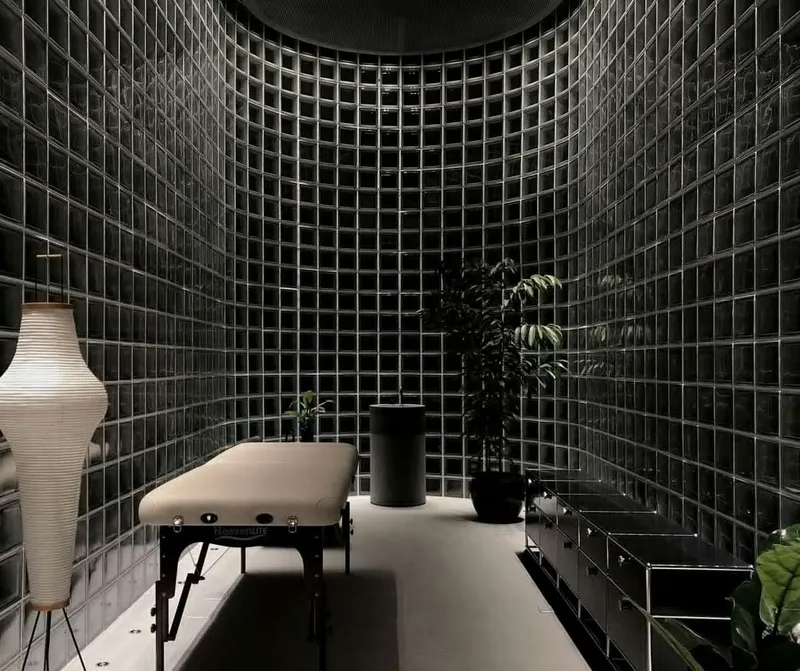
Circular Geometry and Spatial Organization
The original design concept was based on three circular crystalline volumes. These forms were envisioned as transparent architectural objects composed of layered materials.
Each volume features two distinct envelopes:
- An inner skin made of glass bricks
- An outer skin constructed from concrete bricks
These circular forms were later extended and intersected, resulting in two primary volumes within the final design.
One volume contains the massage room, which remains more isolated and intimate. The second volume houses the exercise area and bathroom, allowing for a functional yet fluid spatial arrangement.
The use of circular geometries gives the pavilion a soft sculptural presence, contrasting with the rigidity of the brick material and reinforcing the artistic concept of the project.
Innovative Brick Envelope and Environmental Control
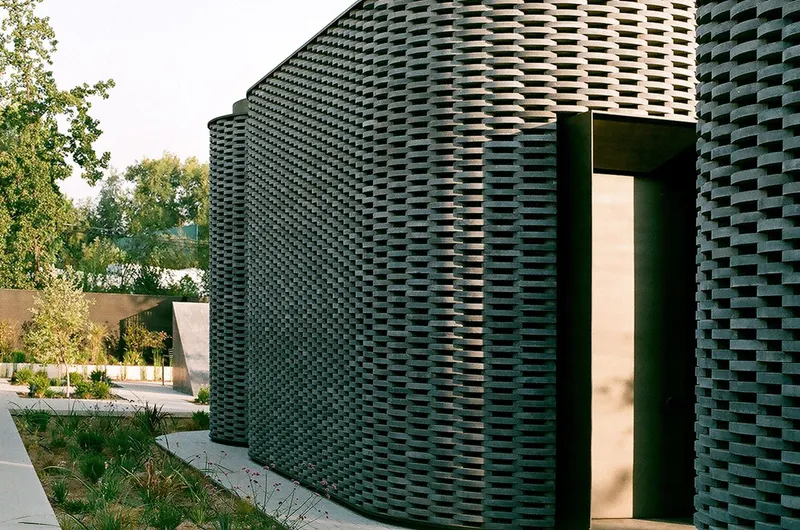
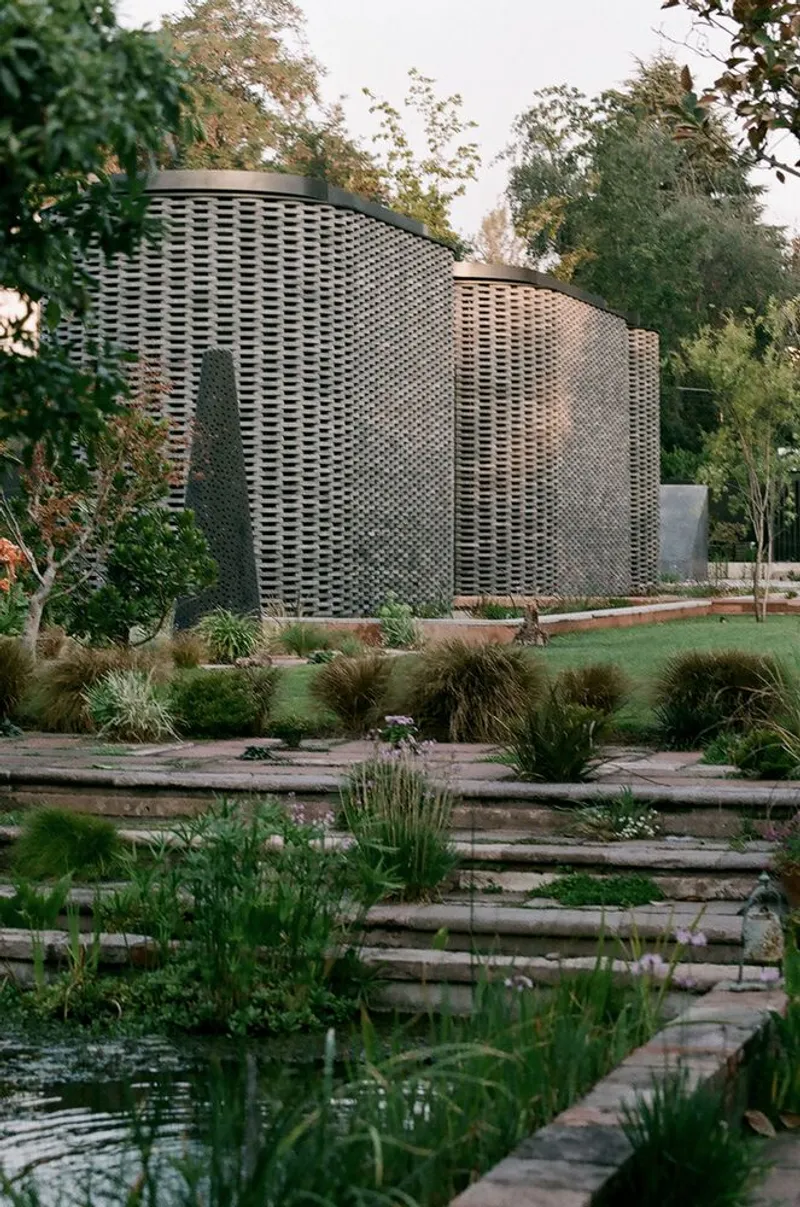
A defining feature of the YR Pavilion is its complex double-layer façade system, which combines glass bricks and specially designed concrete bricks.
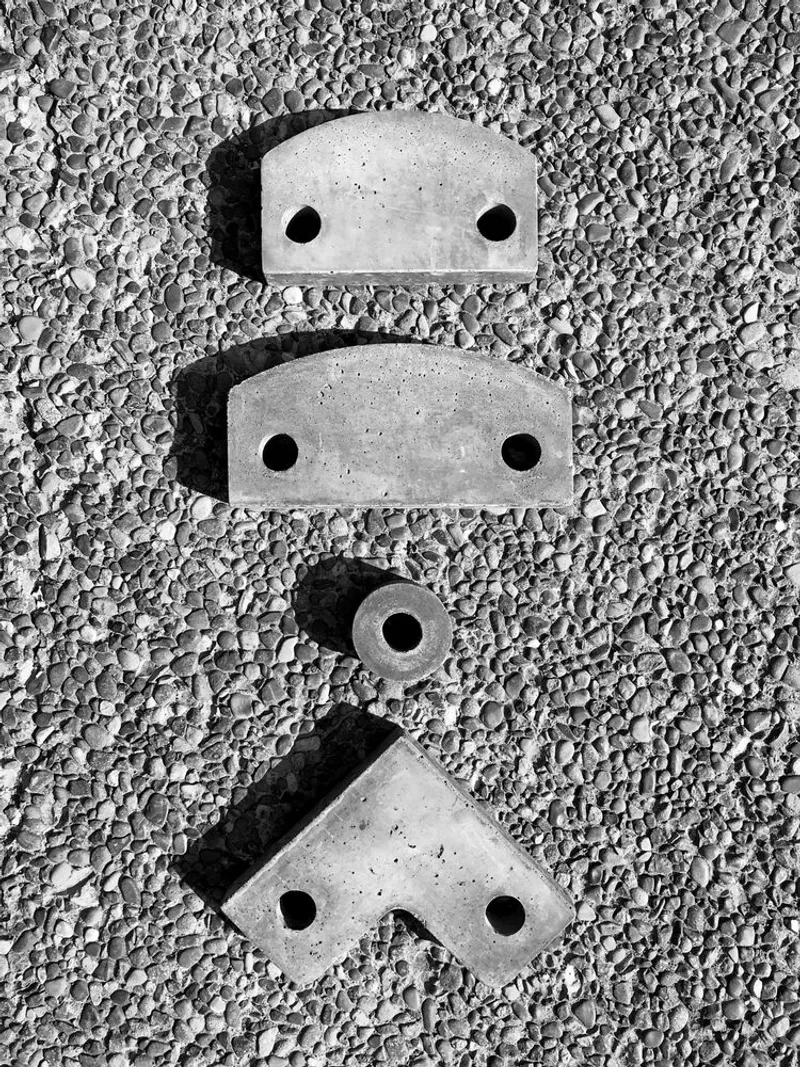
To achieve the desired performance and aesthetic effect, the architects developed four different types of concrete bricks. These elements were specifically engineered to shape the exterior envelope and perform several important functions:
- Controlling solar radiation
- Providing privacy within the pavilion
- Allowing subtle light filtration
- Creating texture and depth on the façade
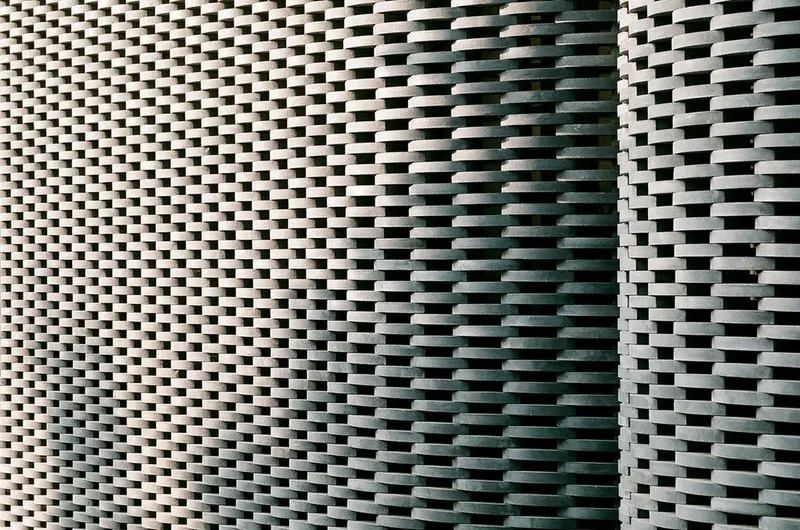
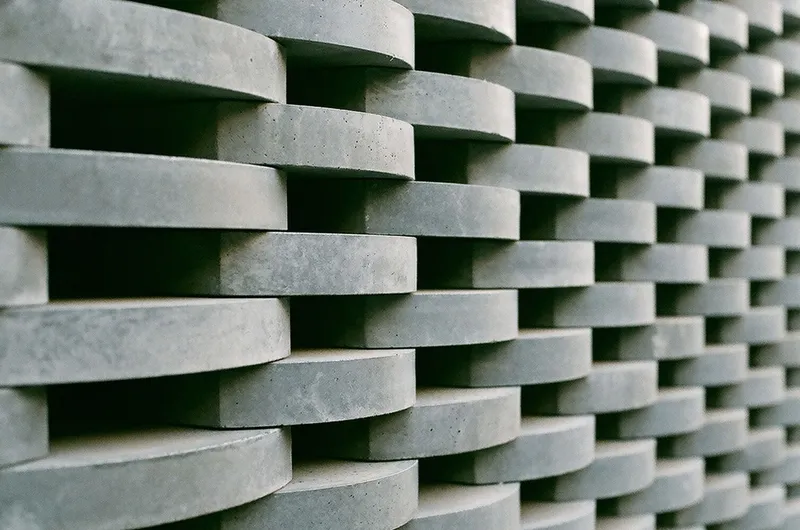
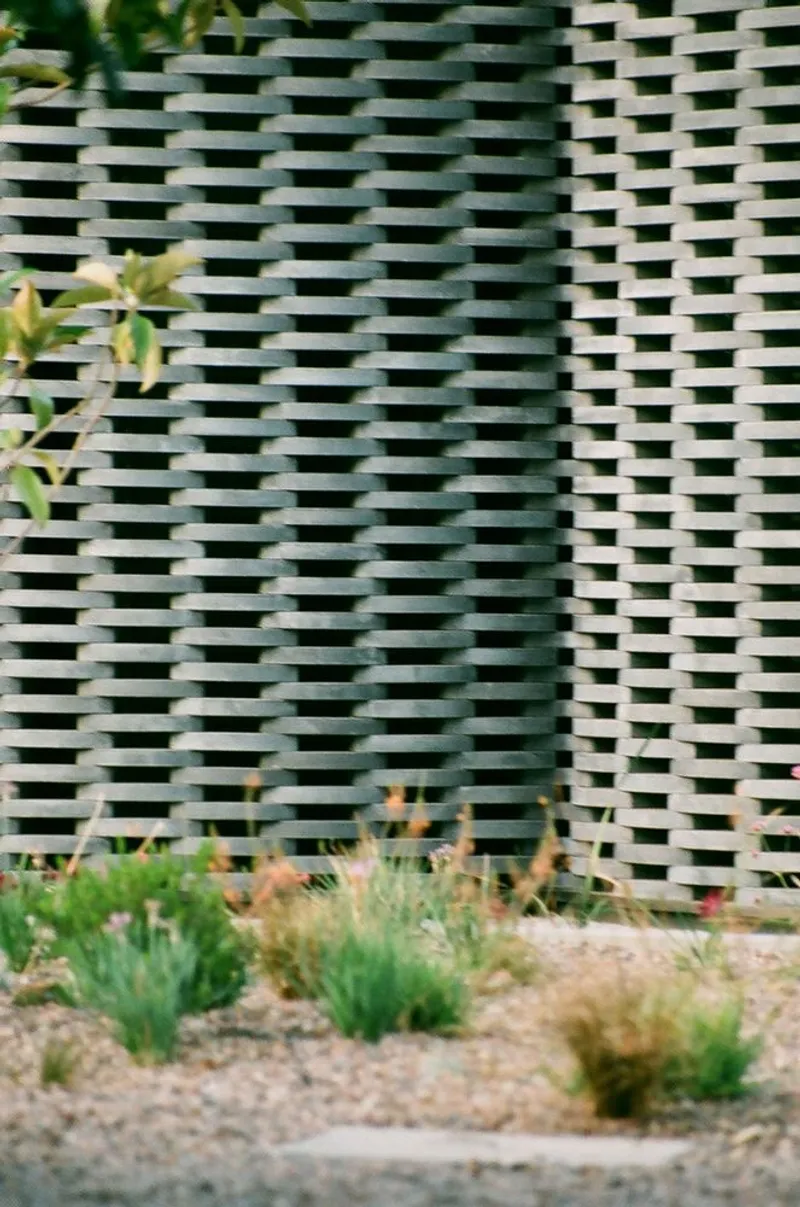
The bricks are arranged with slight offsets, allowing natural light to penetrate indirectly while maintaining a sense of enclosure. This technique creates a play of light and shadow throughout the day, enhancing the spatial experience.
Hidden between the inner and outer layers is a metal structural framework that supports the brick system. This framework works collaboratively with the bricks themselves, forming a hybrid structural envelope where each component contributes to stability and visual expression.
Craftsmanship and Custom Architectural Elements
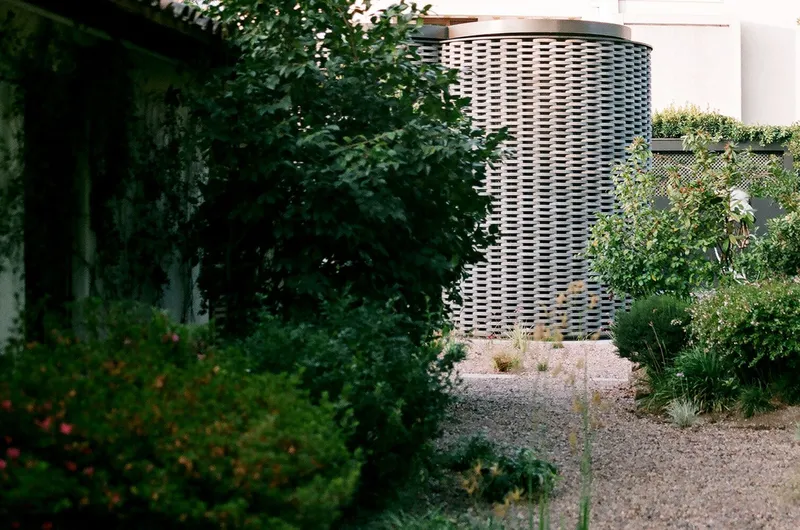
The YR Pavilion was conceived not only as architecture but also as a design laboratory for custom-made objects and materials. Nearly every element within the project was designed and fabricated specifically for the pavilion, reinforcing the concept of an integrated artistic work.
Custom-designed components include:
- Concrete bricks
- Ventilation grilles
- Sinks and control panels
- Doors and bronze handles
- Basalt benches
- Acoustic ceilings
- Perimeter lighting fixtures
- Flooring systems
This high level of craftsmanship transforms the building into a complete architectural object, where design, construction, and material experimentation intersect.
The result is a pavilion that reflects both architectural precision and artisanal craftsmanship, highlighting the collaborative relationship between architects, designers, and fabricators.
Day and Night Transformation
The YR Pavilion undergoes a dramatic transformation between daytime and nighttime.
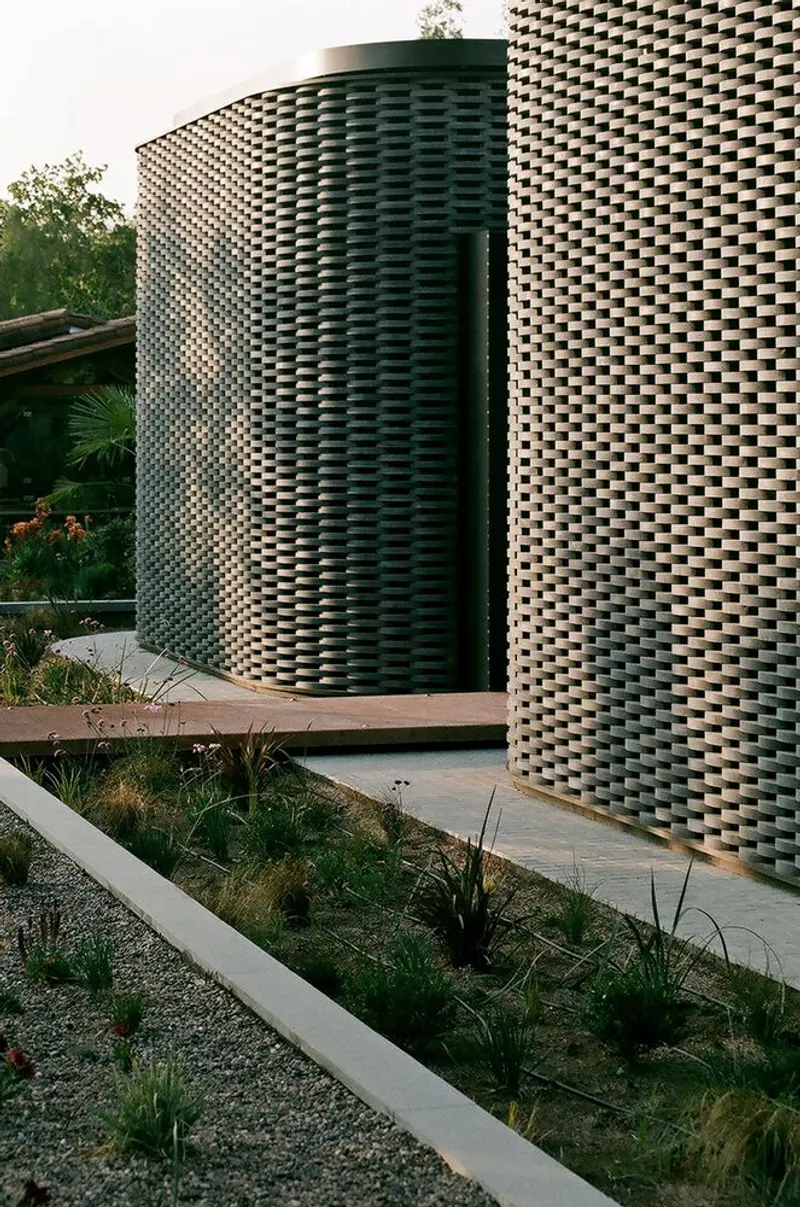
During the day, the building appears as a solid, monolithic volume, defined by the heavy texture of concrete bricks. Its presence feels strong, grounded, and sculptural, reinforcing its identity as a garden artwork.
However, as evening approaches, the pavilion becomes lighter and more delicate. Interior lighting begins to pass through the subtle gaps between the bricks, causing the structure to glow from within.
At night, the pavilion acts almost like a lantern within the garden, projecting soft light outward and illuminating the surrounding landscape. This effect enhances the atmosphere of the park while emphasizing the pavilion’s role as a living sculpture.
Architecture at the Intersection of Art and Space
Ultimately, the YR Pavilion represents a powerful exploration of small-scale architecture as artistic expression. By merging sculpture, architecture, and landscape design, the project challenges conventional definitions of a garden pavilion.
Through its careful material experimentation, custom detailing, and spatial sensitivity, the pavilion demonstrates how architecture can operate as both functional space and conceptual artwork.
This 45-square-meter structure proves that even modest architectural interventions can create profound spatial experiences when design, craftsmanship, and artistic vision align.
The YR Pavilion stands as a contemporary example of architectural artistry, where built form becomes a meaningful extension of the landscape and the cultural identity of its owners.
All photographs are works of
Francisco Cruz




Popular Articles
Popular articles from the community


The Ocean Hive: Sustainable Architecture for a Self-Sufficient Civilization at Sea
The Ocean Hive imagines sustainable architecture at sea, where modular habitats, algae, wave power and ocean waste sustain a growing colony.

The Earth Pod: 3D Printed Homes for Resilient Refugee Communities
The Earth Pod reimagines refugee housing through 3D printed homes made from clay, combining resilience, self-sufficiency, and rapid shelter.

Conexión: Biophilic Design Reimagines High-Rise Living in Hong Kong
Conexión reimagines high-rise living in Hong Kong through biophilic design, green facades, shared spaces, daylight, water and nature within.

Co-Life: Senior Housing Design That Reconnects Older Adults With the City
Co-Life reimagines senior housing design through healing gardens, shared streets, workshops, and a sustainable community across generations.

Similar Reads
You might also enjoy these articles

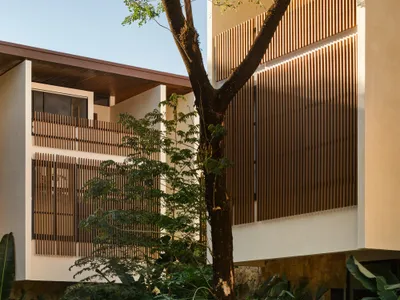
FAMM Arquitectura Organizes Ten Villas Around Courtyards and Jungle in Nosara, Costa Rica
El Molino pairs two elongated volumes with deep overhangs and timber louvers to build a compact coastal community five minutes from the beach.
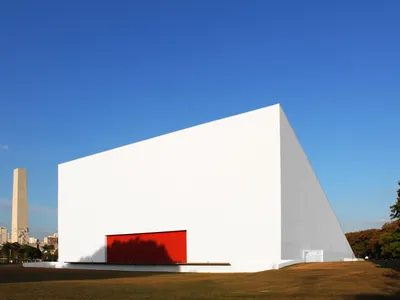
Oscar Niemeyer's Ibirapuera Park Pavilions Define São Paulo's Cultural Identity in Concrete and Curve
A constellation of modernist volumes set within São Paulo's most important urban park, conceived for the city's 400th anniversary in 1954.
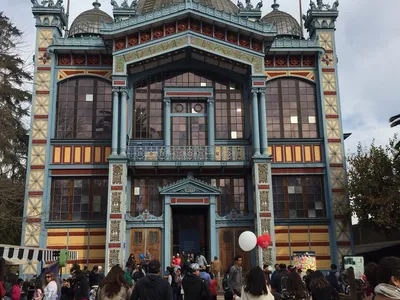
How Henri Picq's 1889 Paris Pavilion Traveled 11,000 Kilometers to Become Santiago's Artequín Museum
A prefabricated iron and glass pavilion built for the Paris Universal Exposition found a second life as a children's art museum in Chile.
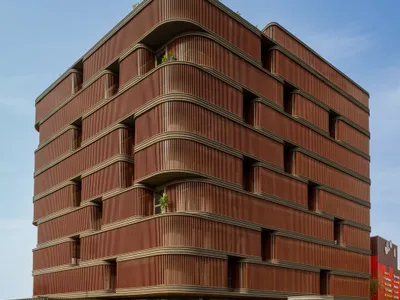
Sanjay Puri Architects Wraps a Jaipur Office Tower in Capsule-Shaped Green Buffers
A nine-level climate-responsive workplace near Jaipur Airport uses stacked planter terraces and aluminium screens to fight 40°C heat.

Explore Pavilion Competitions
Discover active competitions in this discipline



Challenge to reimagine the Iron Throne


Photograph architecture without architects


Illustrate the lost glory of Angkor Wat - Render Challenge


Design challenge to reuse E-waste
Comments (0)
Please login or sign up to add comments
No comments yet. Be the first to comment!