
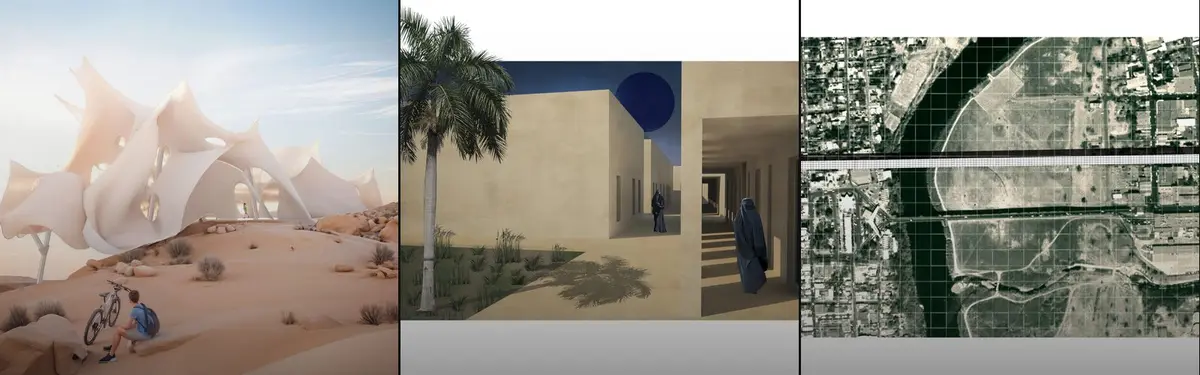

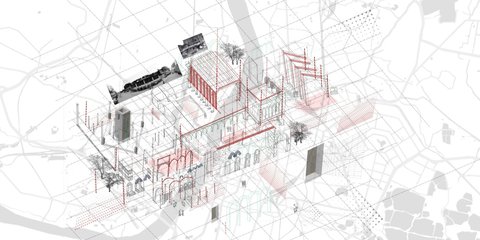
Absent Architecture
Architecture defined by what is removed, transformed, or exists in potential rather than physical form.
Absent architecture explores design through negation, absence, and transformation. Rather than adding elements, this approach considers what is taken away, reimagined, or held in reserve as fundamental to spatial experience and meaning.
The community examines projects that dissolve boundaries between rooms, resurrect forgotten structures, adapt spaces to changing needs, and challenge conventional notions of what architecture must contain. Work ranges from radical interior interventions to adaptive reuse that honors temporal layers within buildings.


Popular projects
View all 43 projects


Latest journals
View all 32 journals
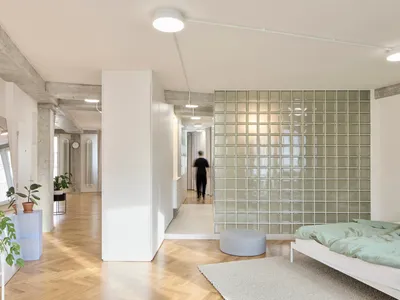
RDTH architekti Rips Out Nearly Every Wall in a Prague Apartment and Replaces Them with Furniture
A 101-square-meter post-war flat in Prague trades rigid partitions for a single rotated furniture block, curtains, and glass concrete.
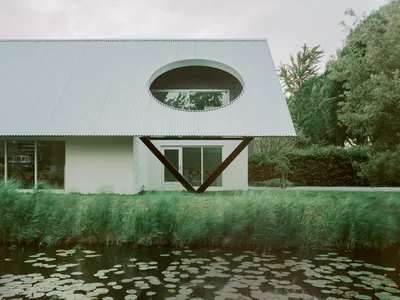
Space Encounters Crowns a 1980s Dutch House with Corrugated Aluminum and Geometric Apertures
On a water-ringed plot in Broek op Langedijk, a restrained renovation transforms a forgettable brick house into a taut, arcadian composition.
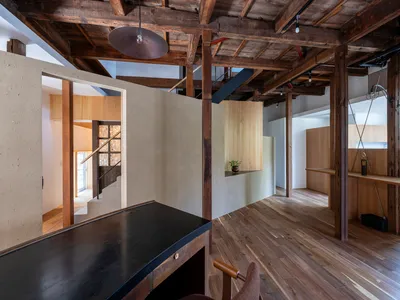
td-Atelier and ENDO SHOJIRO DESIGN Resurrect a 1931 Kyoto Timber House for Its Next Century
A nearly centennial wooden residence in northern Kyoto is carefully peeled back and rebuilt around light, memory, and a triangular courtyard.

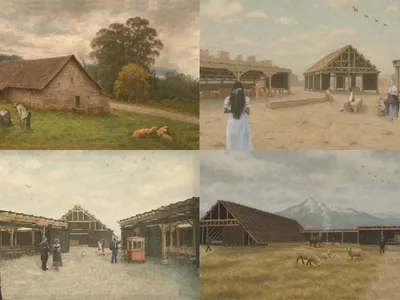
Assembling the Ruin: Toward a Recyclable Architecture
Thoughts and methodologies


