
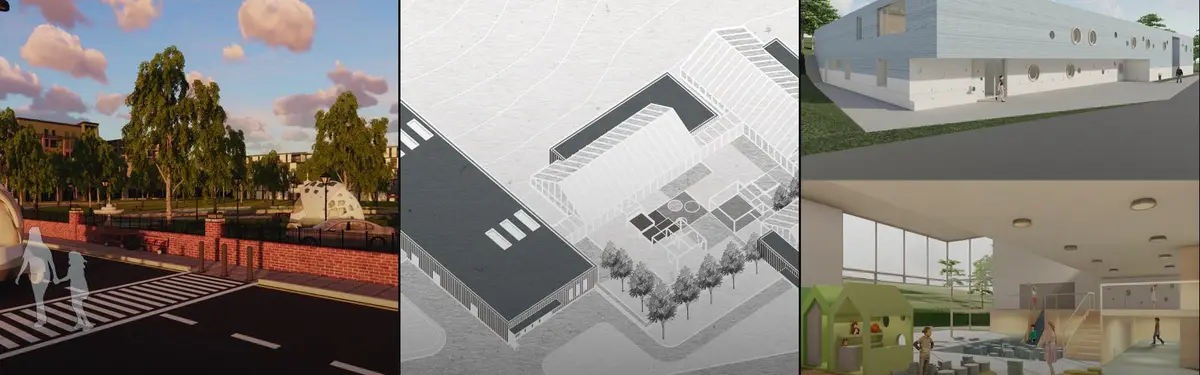


Accessible Design
Design practices that prioritize usability and inclusion for people with diverse abilities and needs.
Accessible design ensures spaces, products, and digital interfaces work for everyone, regardless of ability. This includes considerations for mobility, sensory processing, cognitive differences, and chronic conditions. The field draws on research, user feedback, and universal design principles to remove barriers.
The community explores accessible architecture for neurodivergent users, healthcare facilities serving people with autism and dementia, barrier-free public spaces, and digital tools designed with accessibility standards. Projects range from specialized schools and care centers to inclusive public infrastructure.


Popular projects
View all 11 projects


Latest journals
View all 14 journals

Barrier-Free Centre: A Low Brick Courtyard Building That Treats Dementia Care as a Question of Orientation
Magdalena Śmieja's care centre in Gliwice pairs day care and round-the-clock living under long canopies, using contrast and calm to ease orientation.

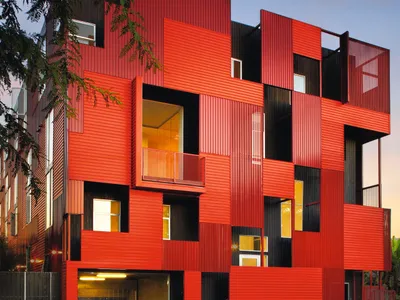
Design Process
This project proposes a community-sensitive design that can be adaptable to their future growth and help reduce social exclusion. It explores the impact housing can have in reducing social exclusion.
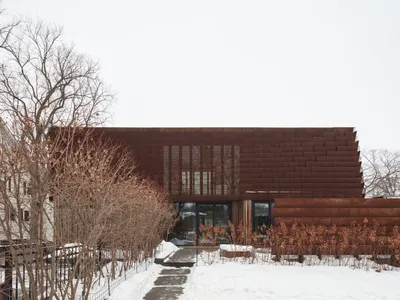
Veil House by 5468796 Architecture: A Masterpiece of Contemporary Residential Design in Winnipeg
Veil House by 5468796 Architecture is a modern, accessible Winnipeg home featuring open spaces, a central courtyard, and a striking steel veil.
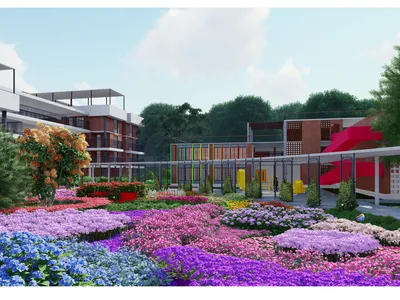
Exploring The Seamless Neuroscape: Sensory Zoning as the Organizing Logic of a Campus for Neurodivergent Children
A shortlisted design in Noyapara, Bangladesh, that tunes light, color and texture so neurodivergent children can predict, retreat and belong.


