


Community Transport
Design approaches to shared mobility systems that connect communities and improve public transportation experiences.
Community transport encompasses the design of shared mobility infrastructure and services that serve local populations. This includes public transit systems, pedestrian networks, and social spaces within transportation hubs that facilitate movement and connection across urban areas.
The community explores transit design through multiple lenses: creating social infrastructure within commuting experiences, reimagining physical touchpoints like bus stops and transit objects, embedding local identity into transportation networks, and designing for hygiene and comfort in shared spaces. Projects range from wearable transit interventions to architectural approaches that prioritize pedestrian experience and community engagement.


Popular projects
View all 4 projects


Latest journals
View all 5 journals

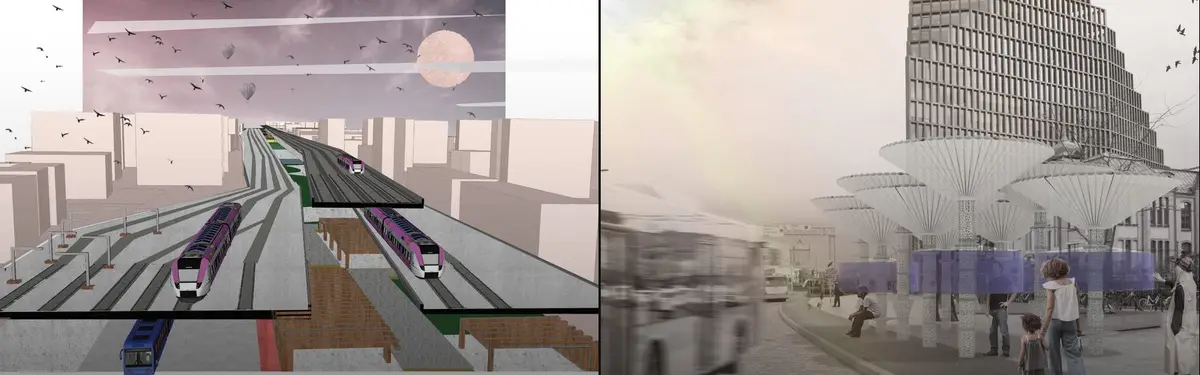
Transitional Linkage: An Elevated Pedestrian Spine That Formalizes a City's Most Dangerous Shortcut
Zillur Rahman turns an informal crossing over rail and highway into a raised civic spine that ties six transport modes together at a single shared level.

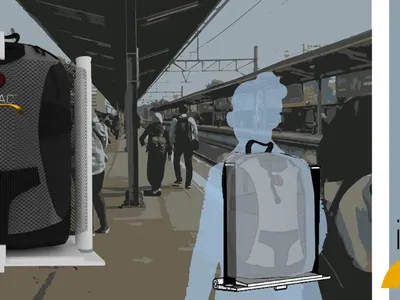
interACT: A Wearable Transit Object That Turns Commuting Into Social Infrastructure
A backpack-mounted foldable device transforms walking, waiting, and riding into moments of shared comfort across Jakarta's transit network.

CACO: A Snap-On Silicone Shield Rethinking Hygiene and Comfort on Public Transit
Farwa Mumtaz and Patriceia Yu design a portable, multi-functional grip device that turns germ-prone transit poles into stress-relieving touchpoints.
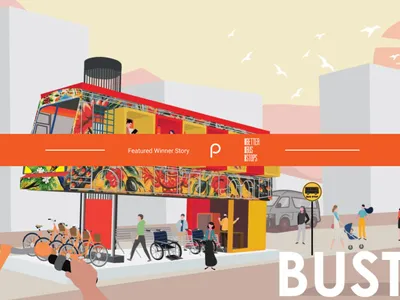
Redesigning bus stops: Making public transport fun again
Better Bus Stop - Result Story


