


Cultural Landmark
Design and architecture work centred on buildings, monuments and sites that carry civic, historical or cultural significance.
A cultural landmark is a building, structure or site recognised for its historical, aesthetic or civic importance to a community or nation. Architects designing within this category must balance symbolic presence with functional use, and respond to existing memory, geography and public expectation.
Members here explore projects ranging from opera houses on waterfronts and cultural centres in the landscape to reinterpreted monuments and tombs. Recurring concerns include how new forms relate to coastlines, hills and civic cross-references, how buildings can sit within or beneath the land, and how heritage can be reimagined without losing its meaning.


Popular projects
View all 53 projects


Latest journals
View all 101 journals
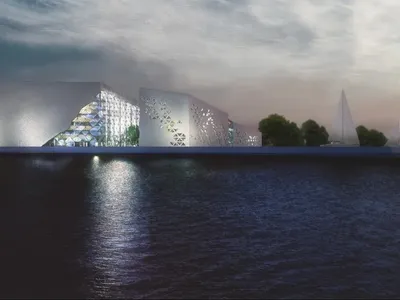
Music Connects Everything: A Fractured Stone Opera House on Tallinn's Baltic Waterfront
Tomasz Abram's shortlisted opera house splits a monumental mass apart to reveal a crystalline glass seam that symbolizes music's connective power.
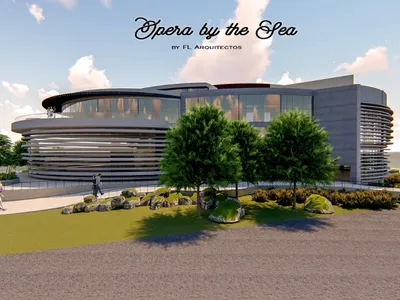
Opera by the Sea: Curved Volumes and Coastal Geometry on Tallinn's Waterfront
A wave-inspired cultural landmark beside Linnahall fuses a 2,000-seat concert hall, library, museum, and public terraces into one flowing composition.
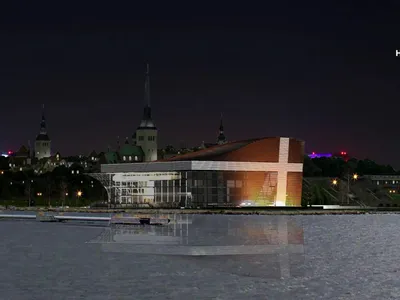
Hill & Cross Opera: An Opera House Built as an Artificial Hill and Marked by Tallinn's Civic Cross
A stepped Corten steel roof rises like Tallinn's historic terrain, while a luminous cross drawn from the city's coat of arms cuts through the dark shell.

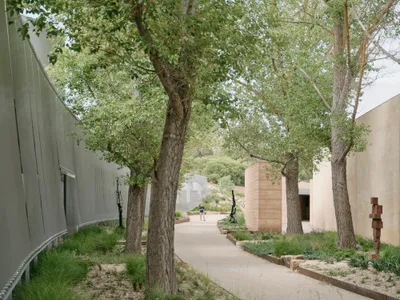
Kerstin Thompson Architects Buries a Cultural Center Beneath Its Own Car Park in the Yarra Valley
The Eva and Marc Besen Centre at TarraWarra hides 2,375 square metres of gallery and archive space under a reinstated landscape in Healesville, Australia.


