
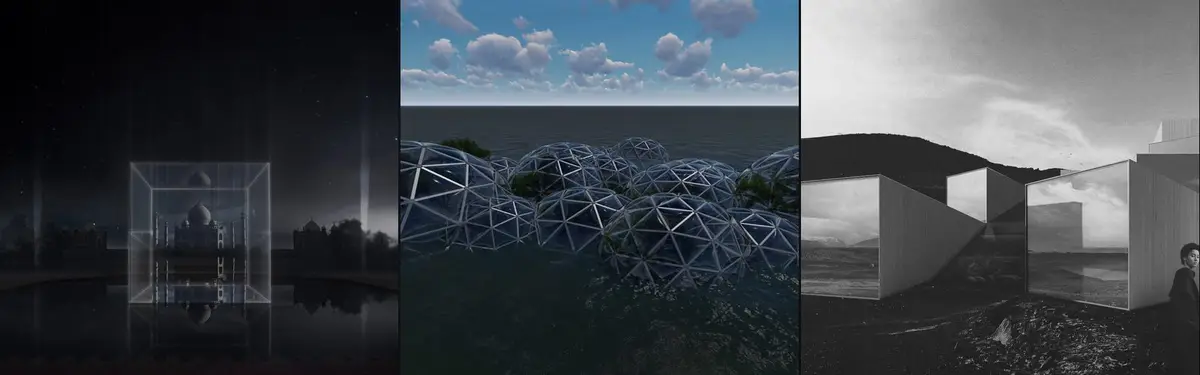


Glass Cube
Transparent and translucent cubic structures that define space through glass, light, and geometric form.
Glass cube architecture uses transparent and translucent materials to create enclosed spaces that maintain visual connection with surroundings while establishing distinct boundaries. These structures range from residential interventions to public installations, exploring how glass geometry can reshape perception of interior and exterior environments.
The community examines glass cubes across scales and contexts: from housing developments and meditation spaces to museum installations and rooftop interventions. Projects investigate how cubic glass forms interact with climate, light, and urban or rural landscapes through both minimalist and complex geometric approaches.



Popular projects
View all 52 projects
















Latest journals
View all 25 journals

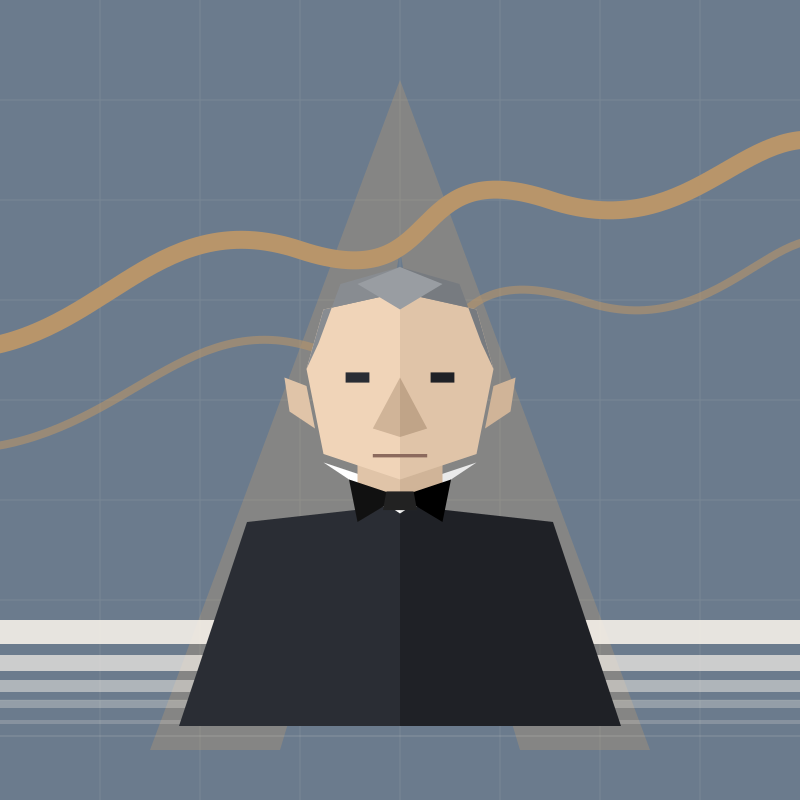
Bubble Factory: A Warsaw Restaurant Where Glass Domes on Wheels Carry Diners From Door to Table
Gosia Zawistowska turns a brick bar and grill into a fleet of mobile glass capsules, each sealed for safety and themed to a different world cuisine.

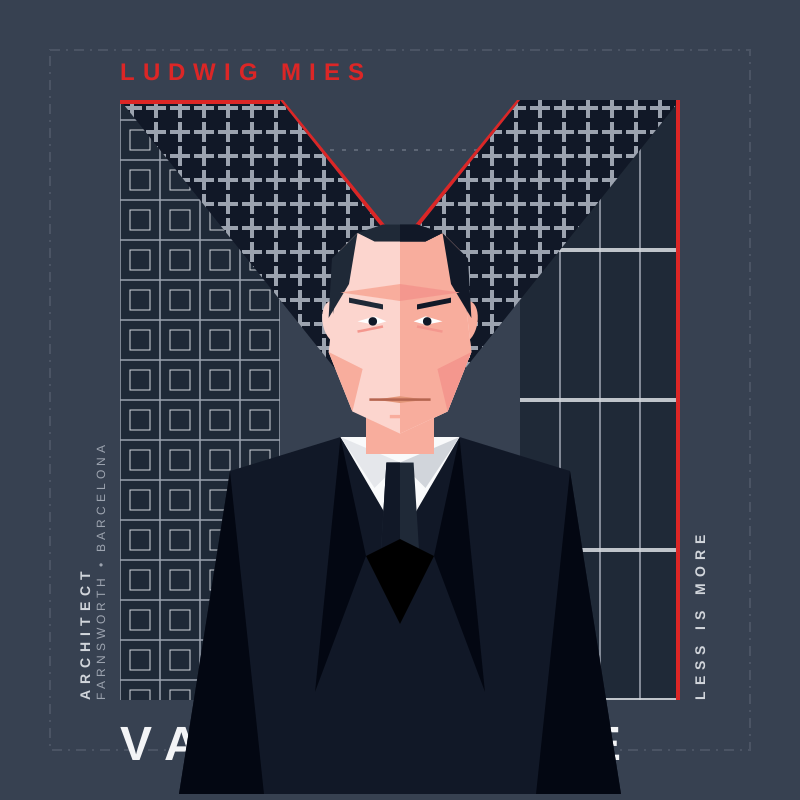
mise-en-scène: A Gallery That Breaks Every Artwork into Cubist Fragments with Mirrors
Zigzag concrete walls and angled mirrored panels turn a gallery in Sweden into a stage where one sculpture is seen from many angles at once.


Alberto Campo Baeza Suspends a Gold Tabernacle Inside a Cube of Daylight in a Madrid Basilica
In Madrid's Basílica de la Milagrosa, a 1.2-metre translucent glass cube cut into the brick apse turns a missing altarpiece into a lantern.

OFIS Architects Sets a Mirrored Glass Retreat on a Canyon Rim in the Gorafe Desert
A 20 m² glass and timber pavilion in Gorafe, Spain, uses mirrored glazing to deflect desert sun while opening a full 360-degree canyon view.


