
Metaverse Architecture
Designing spaces and environments for virtual worlds, digital platforms, and immersive digital experiences.


UnIATA '25
The finest graduation projects from around the globe

UnIADA '26
The Global Benchmark for Architecture Dissertation Awards


Virtual Insanity: Where Physical Architecture and VR Merge to Reinvent Cinema
A shortlisted Cinema Futurismo entry proposes hybrid spaces where built environments and virtual worlds become interdependent storytelling systems.


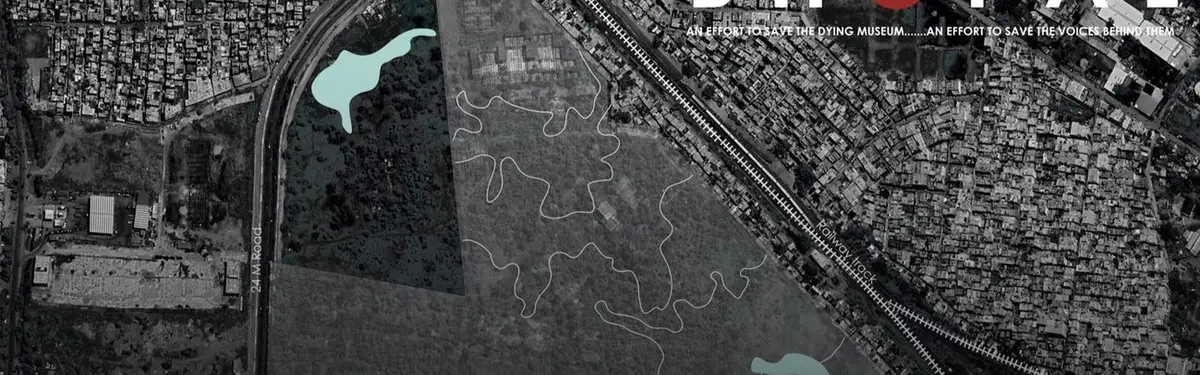
GAME-UTOPIA: ENVISIONING IT INSTITUTE IN PHY-GITAL WORLD
This project explores an innovative architectural design process that leverages advanced computational tools inspired by video game technologies to create a dynamic, user-responsive educational environment. It focuses on integrating generative design, AI simulation, and digital twin implementation to reimagine the conception, evaluation, and experience of an IT Institute with a dual physical and virtual presence. At its core, the project employs a generative design approach using the Wave Function Collapse (WFC) algorithm, originally developed for game development and adapted here via the Monoceros/Grasshopper plugin. This algorithm facilitates the rule-based procedural generation of architectural forms, moving beyond traditional additive methods to explore a vast range of design possibilities. The primary functional unit—the classroom module of 25’ x 25’, designed ergonomically for 30 students—serves as the basic building block. Using predefined spatial rules categorized as typed-in, explicit, and indifferent, over 70 design iterations have been generated. These iterations include innovative spatial configurations such as dynamically shifting corridors that break monotony by opening onto green spaces and gathering areas, improving circulation and social interaction while integrating natural elements like sunlight and ventilation. To rigorously evaluate these generated designs, the project integrates AI-driven behavioral simulation using the Unity game engine. Here, AI agents modeled after Non-Playable Characters (NPCs) and programmed with the Big Five personality traits—Extraversion, Openness, Conscientiousness, Agreeableness, and Neuroticism—simulate real-world user behavior. These agents reflect the diverse student body and provide detailed movement data, which is visualized through heatmaps and interaction graphs. This simulation identifies how spatial configurations affect circulation, engagement, and social dynamics, allowing data-driven selection of the most contextually appropriate design. Building on these insights, the project realizes a digital twin of the physical campus in the Metaverse, comprising approximately 48% of the institute’s structure, including academic, administrative, and recreational blocks. This immersive virtual campus merges augmented reality (AR), virtual reality (VR), blockchain, and AI technologies to create an interconnected hybrid environment, enhancing accessibility and continuity of education amid disruptions such as pandemics or extreme weather events. Inspired by emerging architectural theories positioning architects as 3D UX/UI designers of virtual spaces, the digital twin incorporates familiar real-world spatial elements enriched with interactive navigation tools, information displays, and communication zones. This design approach aims to deepen user engagement by leveraging emotional connections tied to physical space memory. The project’s methodology embodies a coherent algorithmic design framework, avoiding the pitfalls of traditional additive sketching followed by disjointed computational simulations. Instead, it abductively draws from the embedded algorithmic logic in video games specifically procedural geometry, AI agent-based validation, and metaverse spatial interfaces to establish a unified design process that meaningfully rethinks architectural practice.

UnIADA '24
International Architecture & Design Dissertation Awards


Winter House: Your Ultimate Winter Getaway in the Metaverse!
Experience the Magic of Snowy Landscapes and Cozy Firesides All Year Round!


Hi UNIATA '26 Organizers, could you please let me know if the shortlisted results have been announced?
Hi Katrina, thanks for reaching out and for taking part in UnIATA '26! Yes, the shortlist was announced on 27 July. You can view all shortlisted entries on the competition page, and you can always check the current status of your own submission from your entries dashboard. The jury evaluation stage is now underway and runs through early September, with the final results scheduled for 7 September. Public voting is also open until 4 September, so feel free to share your project and gather support in the meantime. Wishing you the very best of luck!
I love the energy of this competition!