
Urban Organism
Exploring cities as living systems where architecture, food, nature, and infrastructure interact as interconnected organisms.
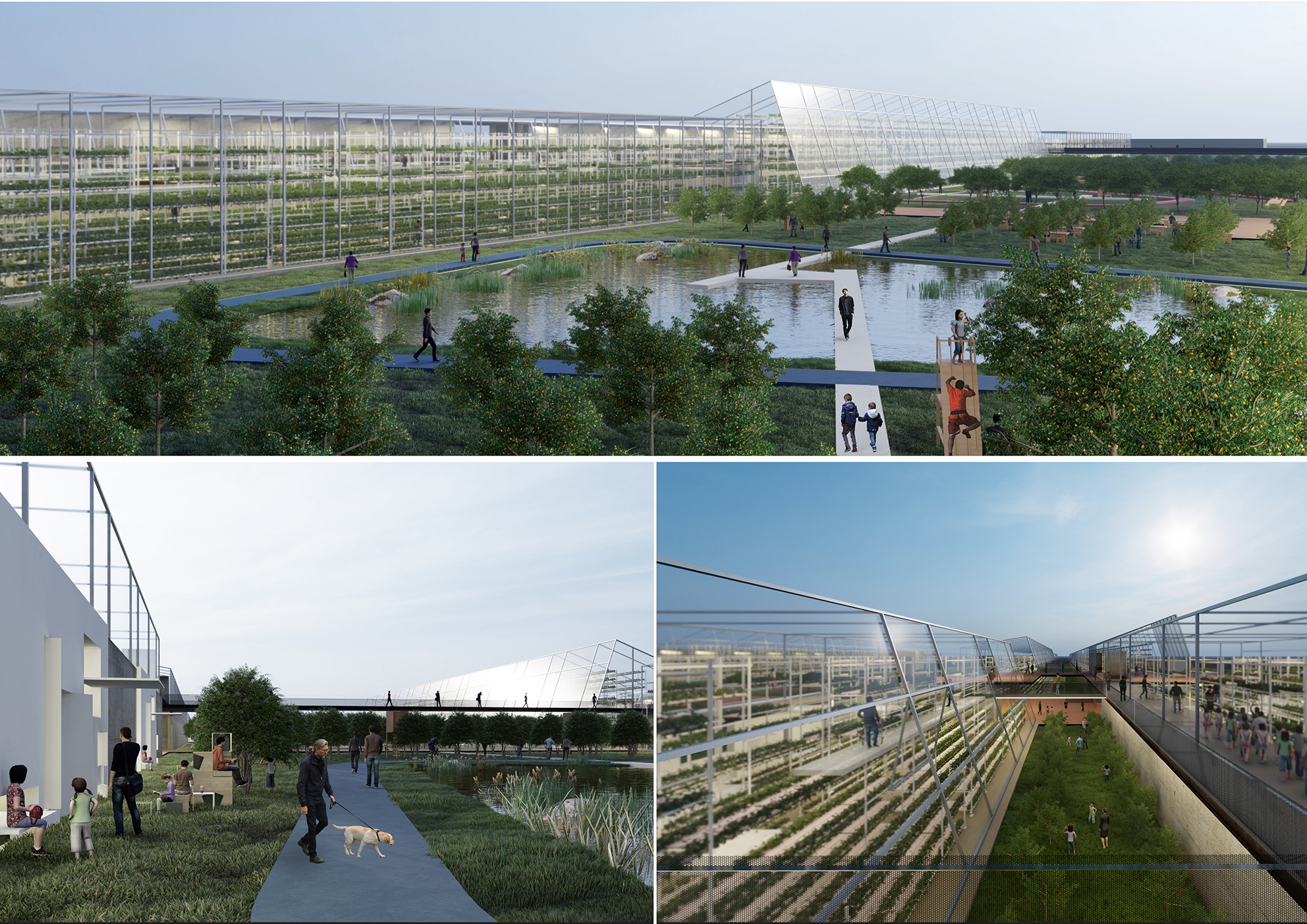
Urban Organism treats cities as complex, metabolic systems rather than static built environments. This perspective examines how design can facilitate the flows of resources, food, and energy through urban spaces, and how architecture responds to and shapes the living processes of cities.The community explores vertical farming and food systems integrated into urban fabric, adaptive architecture that evolves with city needs, and buildings that blur boundaries between human structures and natural ecosystems through green facades and forest integration.
Popular projects
View all 14 projects




Latest journals
View all 10 journals
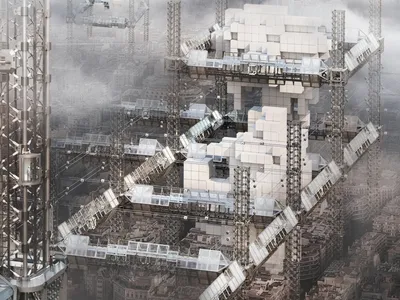
Customized Instant City Module Operating System: A Second, Movable City Above Barcelona's Eixample
A post-metabolist plan for Barcelona's Eixample inserts a mobile lattice of modules into the air, rooftops and courtyards rather than razing the grid.

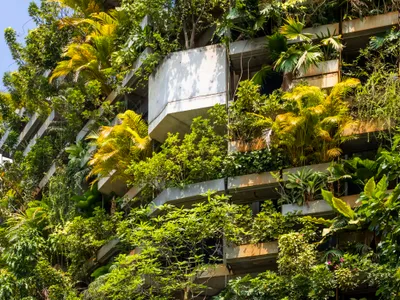
VTN Architects Wraps Their Own Ho Chi Minh City Studio in a Vertical Tropical Forest
A six-story office in Vietnam's Thu Duc district uses modular planters and passive cooling to achieve a 190 percent green ratio.
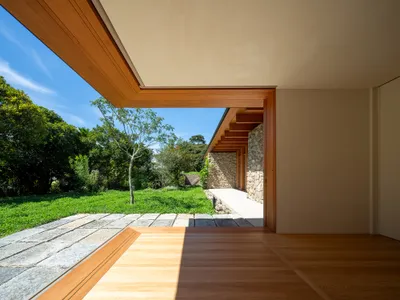
Teitakusubako and Yusuke Igarashi Architects Dissolve a House into the Forest Edge in Zushi
A 215 m² residence on a generous Tokyo-suburban plot uses stone, timber, and fragmented volumes to blur the line between dwelling and woodland.
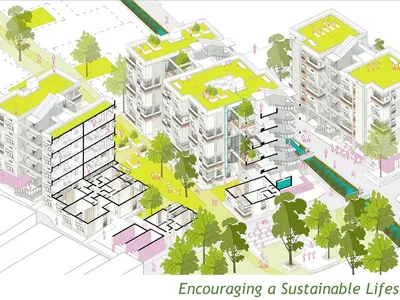
Productive Organism: A Mumbai Thesis That Treats Peripheral Housing as a Tool for Ecological Repair
Amod Nargund's thesis for Marve, Malvani layers mangrove ecology, adaptive housing and water cycles into a habitat that works like a living organism.


