

Walkway
Pedestrian pathways and passages that connect spaces, facilitate movement, and shape how people experience the built environment.
Walkways are fundamental design elements that extend beyond simple circulation. They structure how people move through and perceive spaces, from intimate passages to monumental stairs, and can serve therapeutic, commemorative, or transformative functions within architecture.
The community explores walkways as connective infrastructure that bridges urban areas and districts, as well as their role in heritage preservation and healing. Projects range from functional transit linkages to poetic interventions that reframe movement through landscape and memory.


Popular projects
View all 5 projects


Latest journals
View all 6 journals
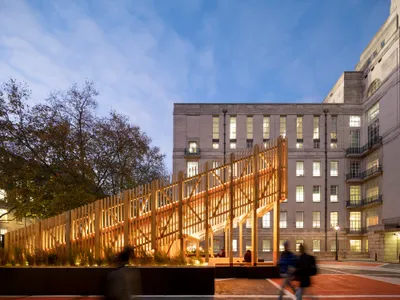
BDP Transforms a Barren London Car Park into a Glowing Timber Staircase to Nowhere and Everywhere
A demountable orange pavilion reclaims a windswept Senate House forecourt as a gathering place for University of London students.


Transitional Linkage: An Elevated Pedestrian Spine That Formalizes a City's Most Dangerous Shortcut
Zillur Rahman turns an informal crossing over rail and highway into a raised civic spine that ties six transport modes together at a single shared level.

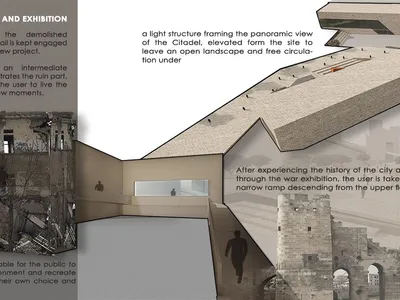
Walkway to Memory: Heritage Architecture as Healing in War-Torn Aleppo
A multilevel museum pathway beside the Aleppo Citadel transforms ruins of the Serail complex into a civic journey through loss and renewal.


Bridging the Gap
“walking through a vertical city”- A vertical connection from the skyscraper to the city


