
Waste Disposal
Design approaches to managing, processing, and reducing waste through architecture and urban infrastructure.
Waste disposal encompasses the systems, facilities, and urban strategies that handle refuse collection, processing, and transformation. Designers working in this area address both the practical infrastructure and the broader environmental and social impacts of waste management.
The community explores waste management through architectural interventions, from smart collection systems and recycling facilities to waste-to-energy plants and public engagement strategies. Projects range from industrial waste processing infrastructure to reimagined public spaces that transform waste disposal into visible urban systems and community practices.


Popular projects
View all 7 projects


Latest journals
View all 7 journals
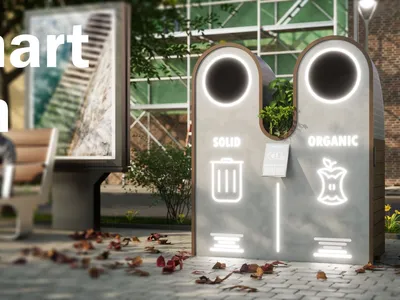
Public Smart Bin: Turning Waste Disposal Into a Self-Sustaining Urban Ritual
A solar-powered, app-connected waste receptacle that rewards users, grows plants, and aims to last fifty years in the public realm.

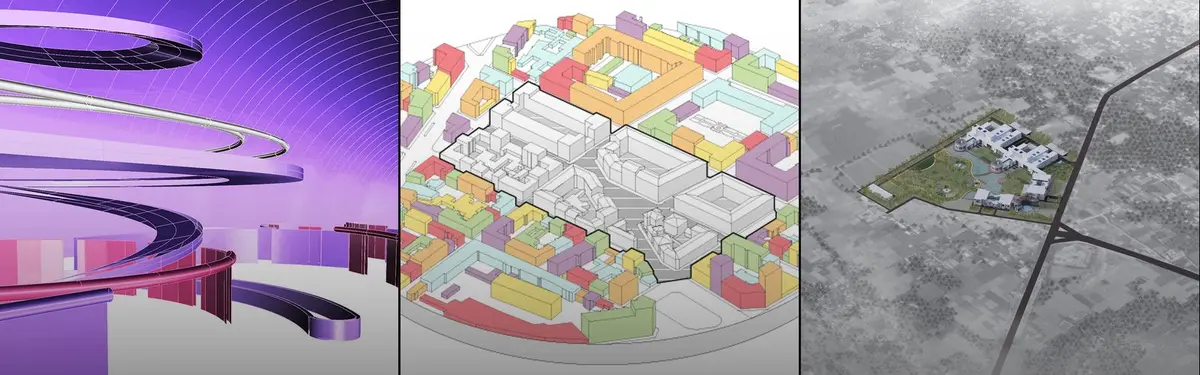
#Trash#ShanghaiCarnival: Turning Waste Infrastructure into a Public Spectacle
A waste management facility reimagined as an urban amusement park, merging digital tracking systems with carnival-like spatial drama in Shanghai.

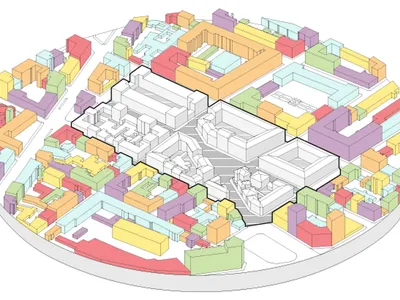
The Re-Urbanization of Waste: A Market Square That Puts Rubbish on Public Display
A shortlisted UnIATA '19 entry that threads a raised walkway over compactors, tanks and market stalls, recasting waste handling as a civic routine.
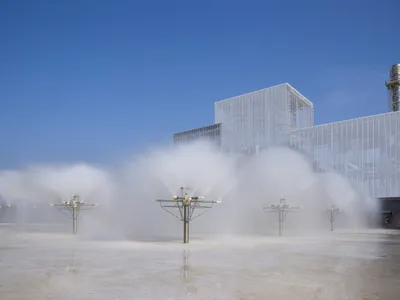
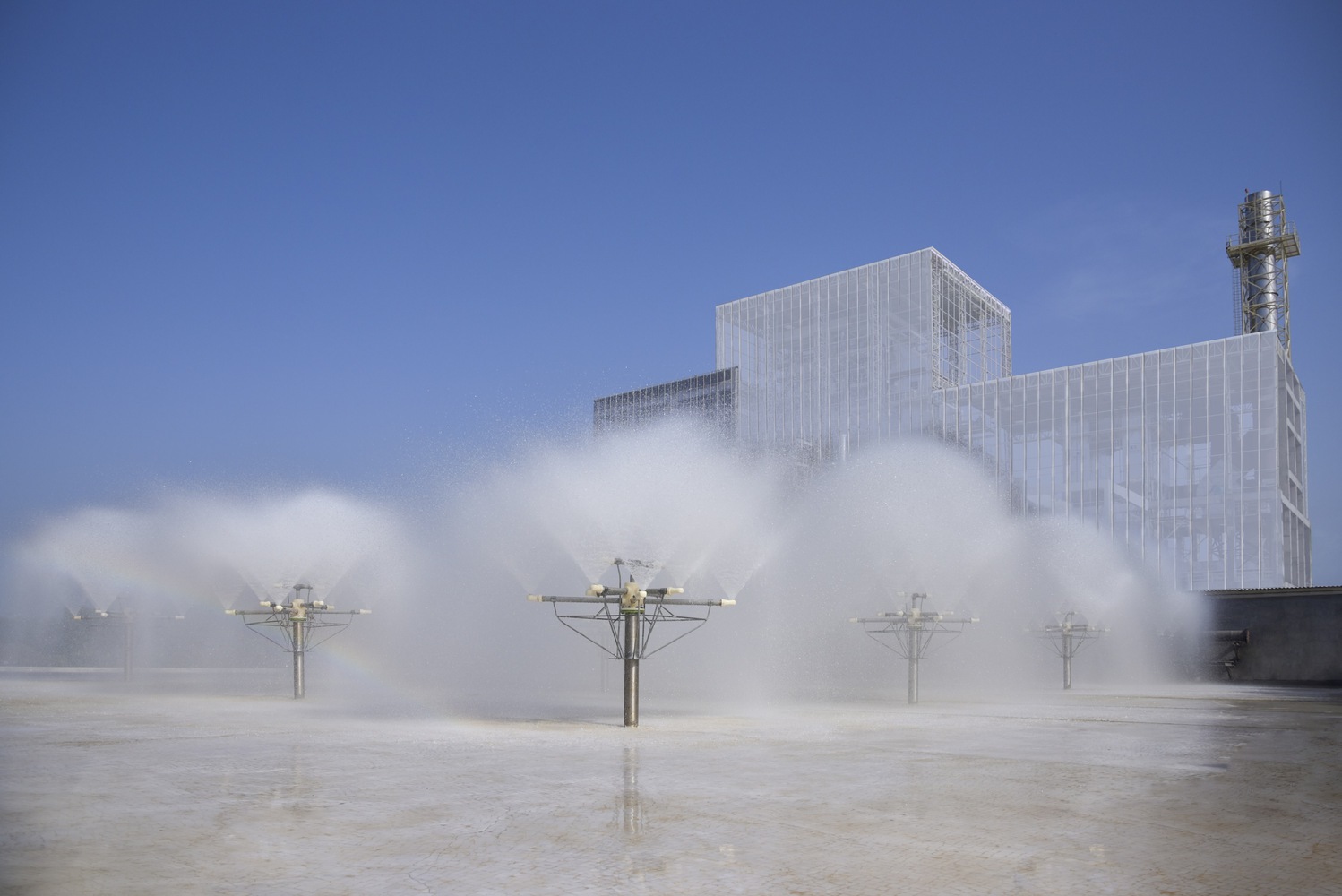
Waste to Energy Architecture: A Sustainable Solution by INI Design Studio
This article explores the innovative Waste To Energy Campus by INI Design Studio, highlighting its sustainable architecture and community impact


