


Waste Disposal
Design approaches to managing, processing, and reducing waste through architecture and urban infrastructure.

E-WASTE SYNC: A RECLAMATION CENTRE FOR ELECTRONIC WASTE
E-WASTE, E-Waste Reclamation, Hazardous Waste Processing, Circular resource recovery, Climate-Responsive Design, Rainwater Harvesting.


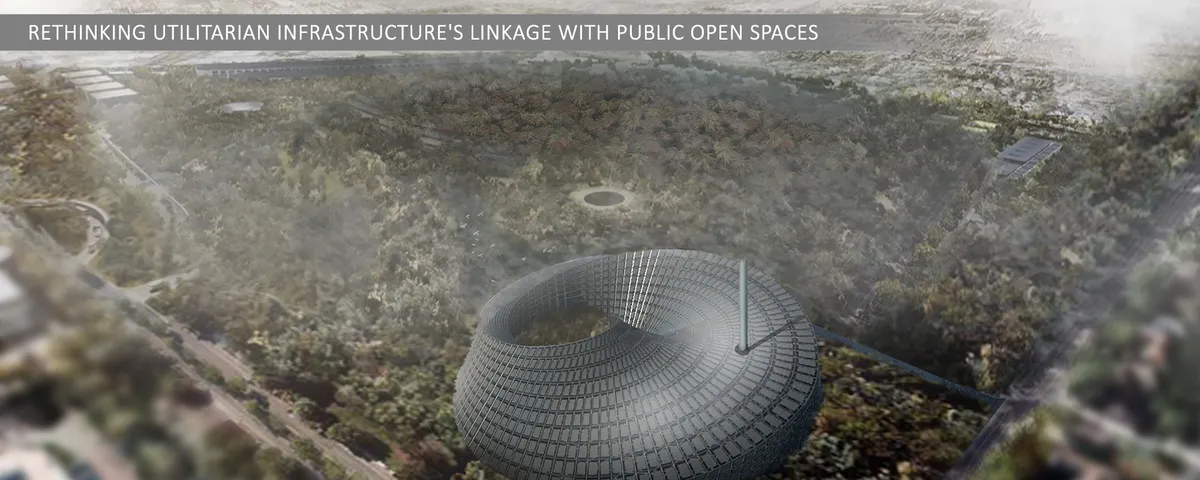
Waste To Wonder: Solid Waste Innovation Center & Urban Oasis at Naodapara Landfill, Rajshahi
This thesis proposes transforming an active municipal landfill into an integrated waste management and public landscape. Combining resource recovery, environmental education, and ecological restoration, the project promotes circular economy principles through a phased WtE strategy that transforms the landfill into a resilient urban oasis while restoring biodiversity and strengthening public awareness.



SOLID WASTE MANAGEMENT INDUSTRY, SIRAJGANJ
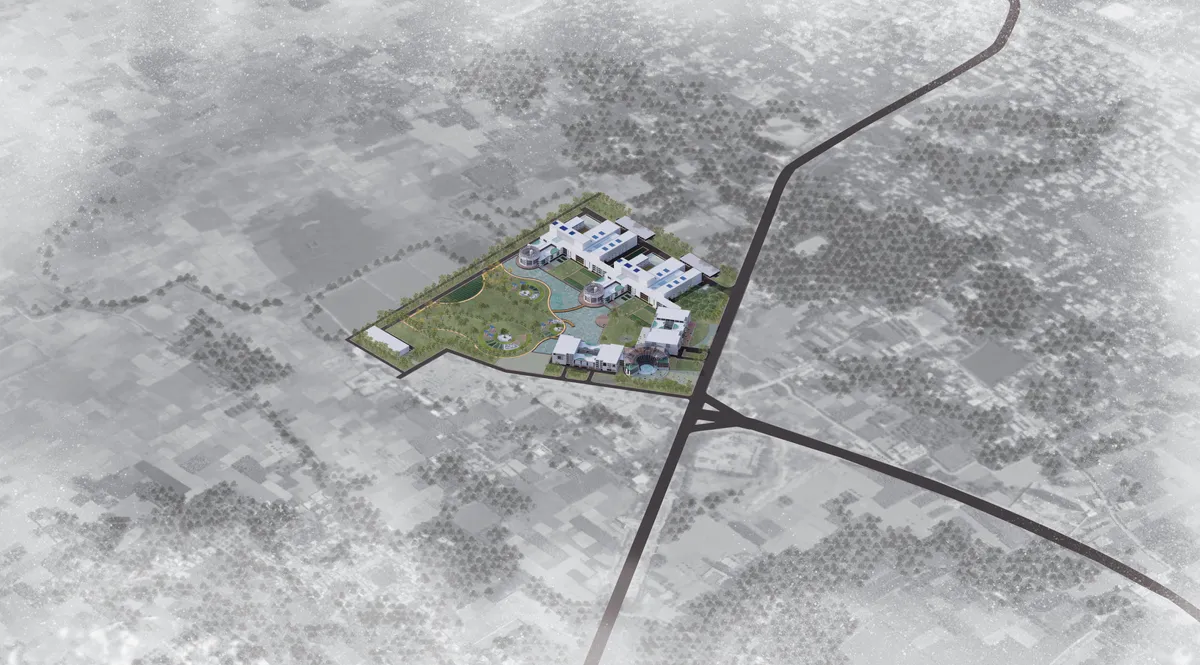
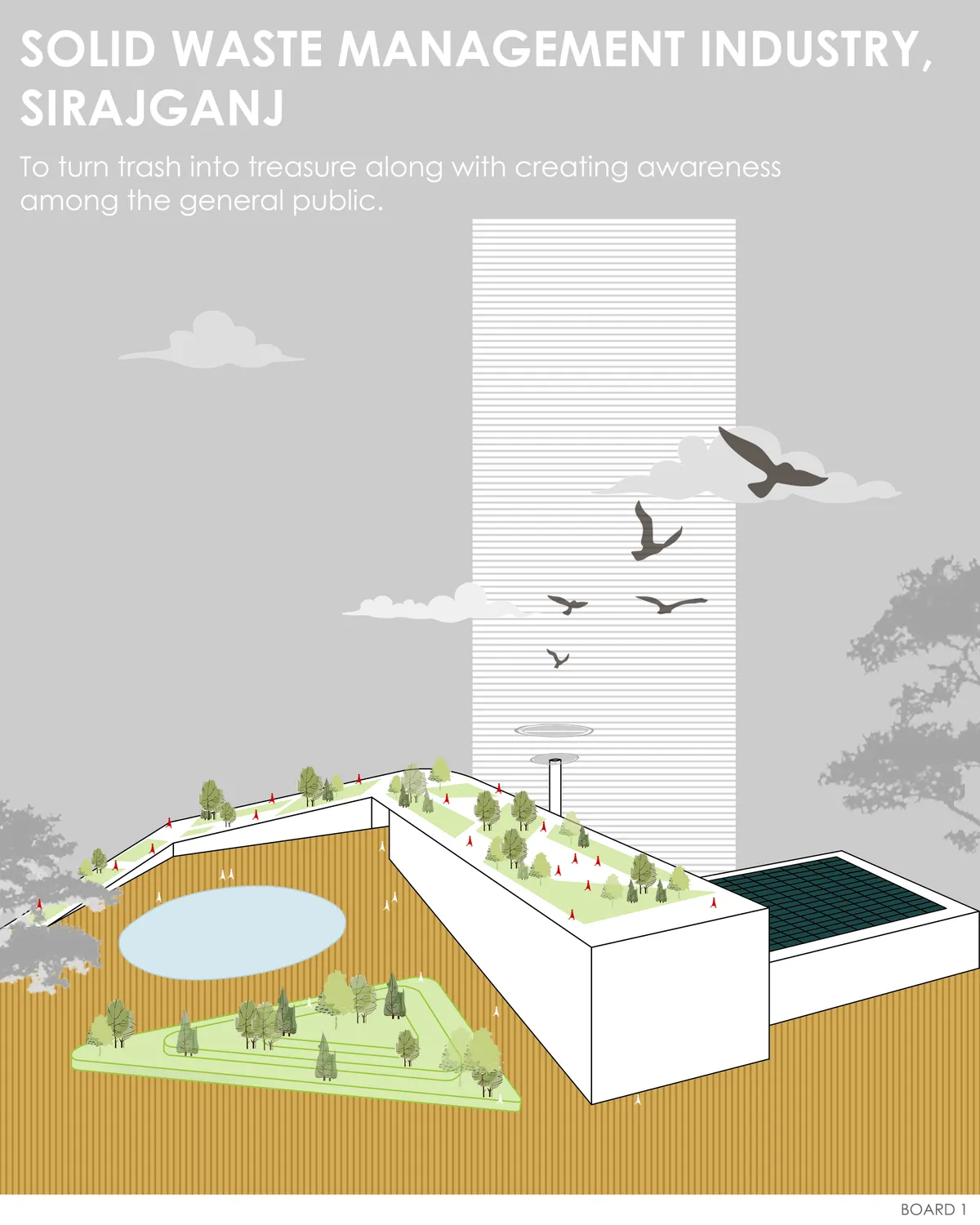
In Bangladesh, the energy recovery from waste can be an alternative for meeting the local demand. The main objective of thi was not just energy production; it also aimed to create a self-sustaining and environmentally friendly industry, while making scope for social integration.


RAGE
RAGE is a school that deals with the problem of landfills and generally the garbage that our planet will soon not be able to accept. Only through facing and educating future generations about problems, can we expect change and survival.

Facing the reality, it's not clear how, but at least it has a contemporary search.


hashtag#trash#ShanghaiCarnival
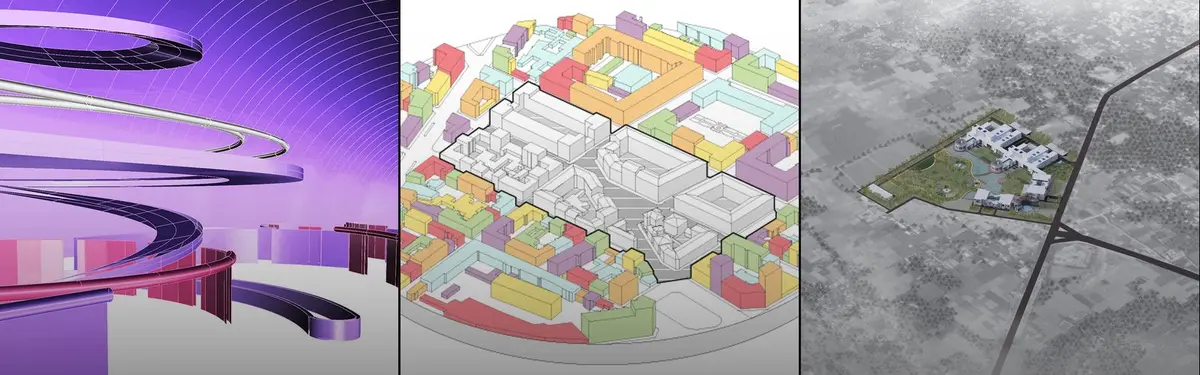
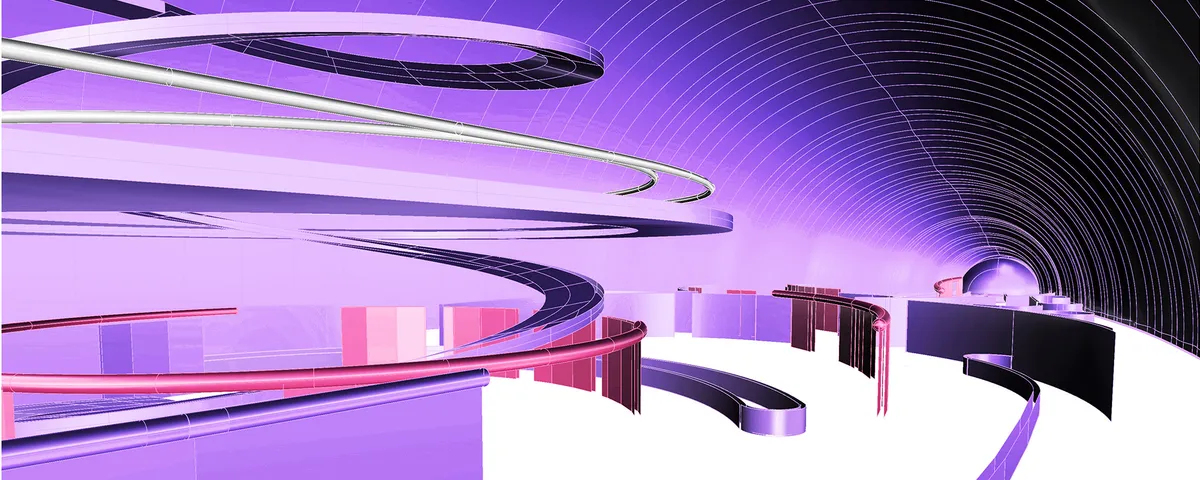
In this future of Industry4.0, we experimentally explore how Shanghai can respond to our needs for the awareness of trash sorting and recycling, which is a recent local policy that is contextualized by the global trend of eco-cities. We create a complex infrastructure that incorporates the function of trash facility and the culture of a local amusement park.


Architecture as a catalyst for urban waste reduction
Urban waste, one of the most critical challenges in cities, is collected in heaves which become a key factor in urban pollution. The aim of this thesis is to unite the infrastructure for waste reduction management with conscious architecture and landscape design. It creates awareness amongst the people rejuvenates these urban wastelands as public spaces.

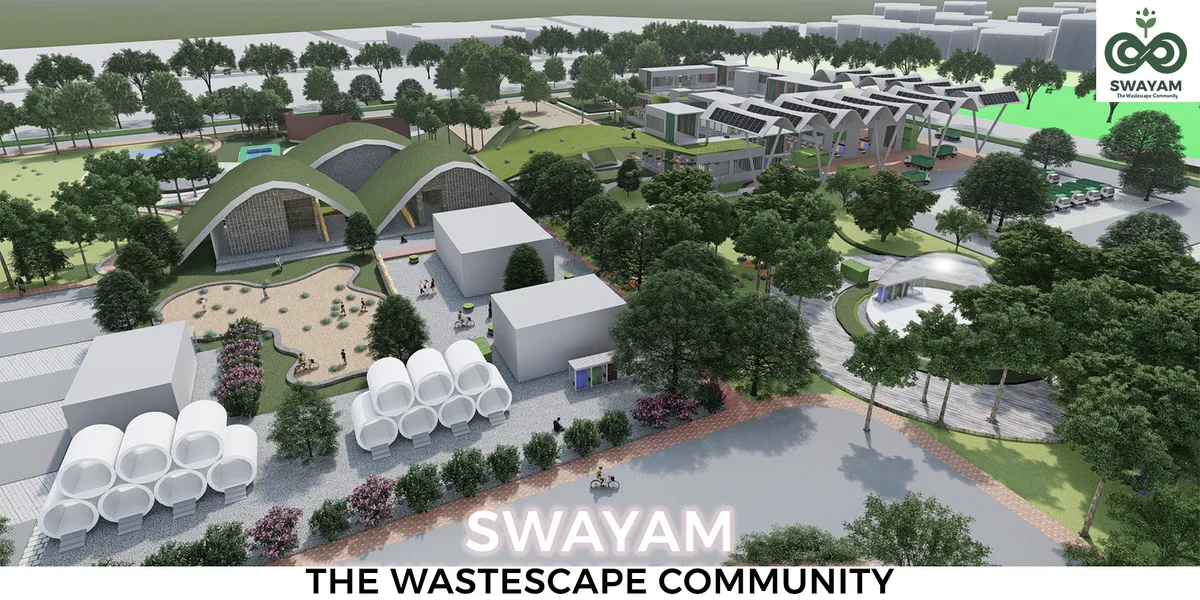
SWAYAM - THE WASTESCAPE COMMUNITY
Swayam is a community wastescape module to foster waste management with architecture, bridging the gap between waste, technology, entrepreneurs, and people through community engagement. the demonstration model through an architecture.

Great work

Hn theek hi hai . Amazing 😍

Amazing project

SOLID WASTE MANAGEMENT INDUSTRY, SIRAJGANJ
In countries like Bangladesh, solid wastes make a significant environmental hazard and social problem in city lives. Energy, on the other hand, is another demanding and ever-increasing concern in Bangladesh. The energy recovery from waste can be the alternative for meeting the local demand from its resource-"waste". This research focused on determining the most feasible and sustainable way of waste management for Sirajganj municipality. This project's main objective was not just energy production; it also aimed to create a self-sustaining and environmentally friendly industry, while making scope for social integration.


Public Smart Bin: Turning Waste Disposal Into a Self-Sustaining Urban Ritual
A solar-powered, app-connected waste receptacle that rewards users, grows plants, and aims to last fifty years in the public realm.

#Trash#ShanghaiCarnival: Turning Waste Infrastructure into a Public Spectacle
A waste management facility reimagined as an urban amusement park, merging digital tracking systems with carnival-like spatial drama in Shanghai.


The Re-Urbanization of Waste: A Market Square That Puts Rubbish on Public Display
A shortlisted UnIATA '19 entry that threads a raised walkway over compactors, tanks and market stalls, recasting waste handling as a civic routine.


Waste not
Innovative Solutions for Human Excreta Management

We have a question about the Waste Not competition. What exactly is it asking to design? is it a factory?

The Waste Not competition is not prescriptive in what you should design; it's far more open-ended to invite a wide range of innovative solutions. While you could certainly design a 'Factory,' the competition also welcomes other forms of interventions. This could range from designing devices, processes, and systems to conceptualizing networks or facilities. The scale can be micro to macro, and the application could be for individual, family, community, local, or even global needs. The key is to address the challenge in a way that is both imaginative and grounded in real-world considerations, including sociological, cultural, scientific, and environmental factors.
Imagine a magic trash can that turns your trash into something useful, like turning a banana peel into plant food. This competition is asking smart grown-ups to create real-life magic trash cans and other cool stuff that makes trash useful again.
SWAYAM- The Wastescape Community Handbook
This handbook provides crucial insights into India's current waste management scenario and outlines a comprehensive process for effective waste management. It presents solutions at three implementation levels, adaptable to any Indian city through contextual studies. The guide details the design and operational procedures for a waste material recovery center, which can be strategically installed in urban sectors. By leveraging innovative architectural design and community engagement, SWAYAM aims to transform waste into a valued resource, fostering sustainable practices and bridging the gap between waste management, technology, and entrepreneurship.

Waste to Energy Architecture: A Sustainable Solution by INI Design Studio
This article explores the innovative Waste To Energy Campus by INI Design Studio, highlighting its sustainable architecture and community impact


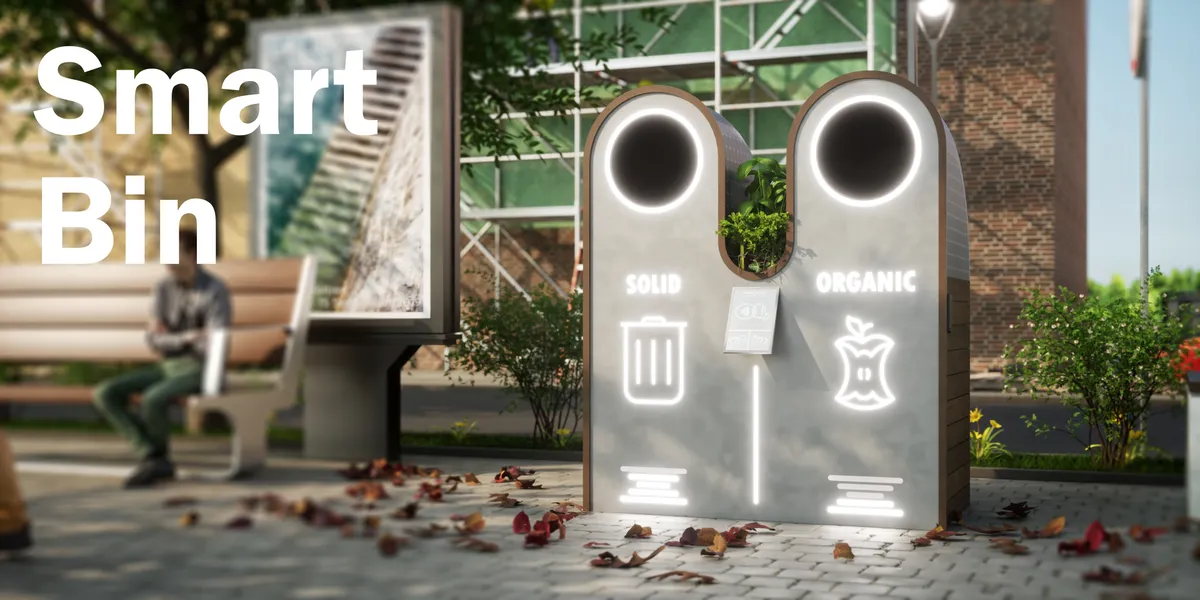


The Smart Bin
an innovative bin design that takes a new turn on disposal of trash in the public space.


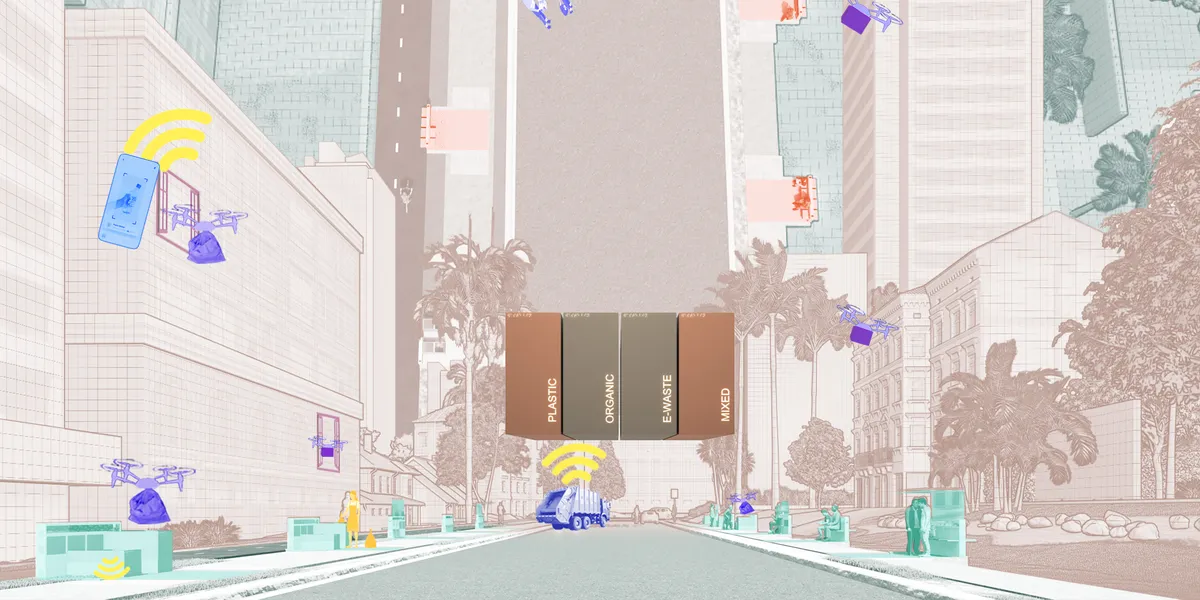
CYBER CAN
CYBER BIN REUSE YOUR REFUSE A Cyber bin is high-tech waste disposal solutions that use advanced technology to collect, sort, compact, and dispose of waste with a self-cleaning mechanism and have some incentives for it’s users. Utilizing sensors to detect the type of waste placed in them, they automatically sort it into the appropriate bin and send notific


Dear Tabassum Faria kindly request access to the research data of this project. Best regards, fakhar alam