
Adaptive Reuse Architecture Design: Wildness Promenade by BDSD Boundless Design
This article explores the transformation of Wildness Promenade, showcasing adaptive reuse architecture that blends industrial heritage with modern urban renewal.

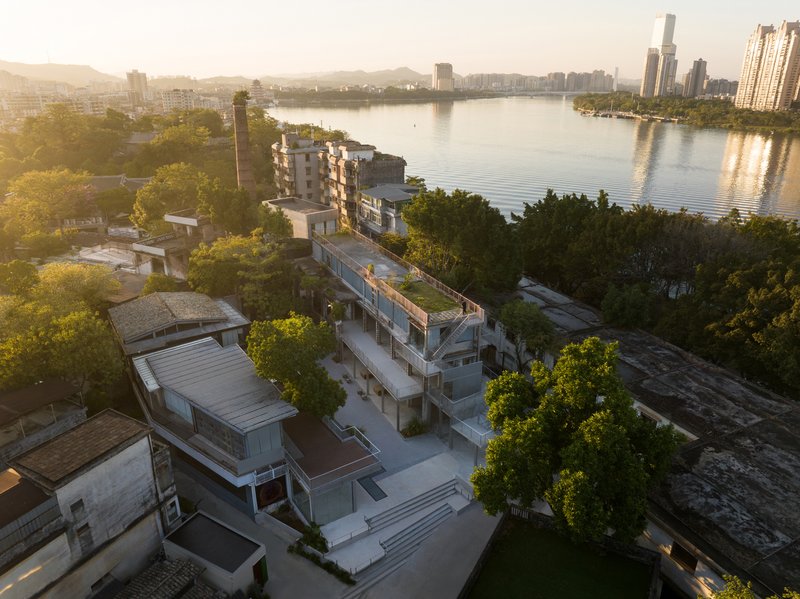
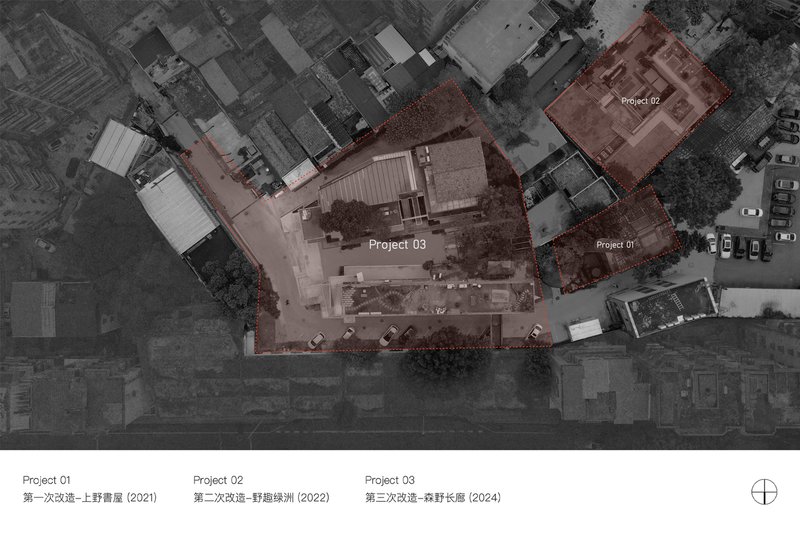
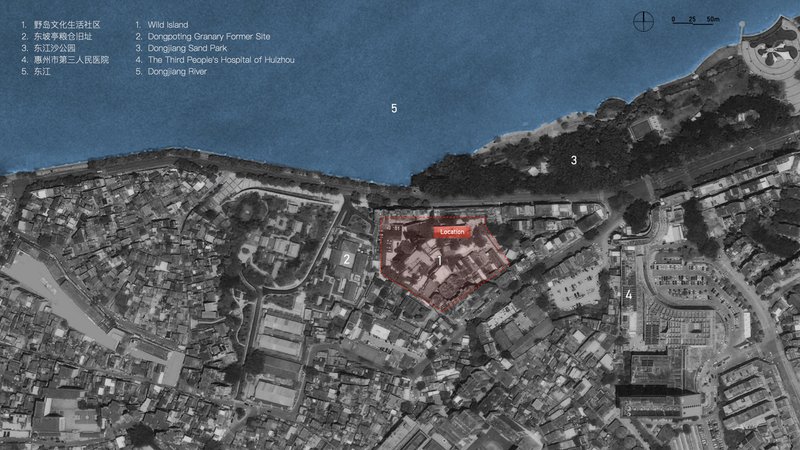
The Wildness Promenade in Huizhou, China, is a striking example of adaptive reuse architecture, blending historical preservation with modern interventions. Designed by BDSD Boundless Design, this project reimagines the former Dongjiang Wine Factory, originally built in 1951, as part of the Wild Island Cultural & Life Community. The design approach embraces the site's industrial past while introducing new structures that create a dialogue between old and new. By integrating promenades, open plazas, and vertical connections, the project revitalizes a once-fragmented space, offering a renewed sense of continuity and purpose.
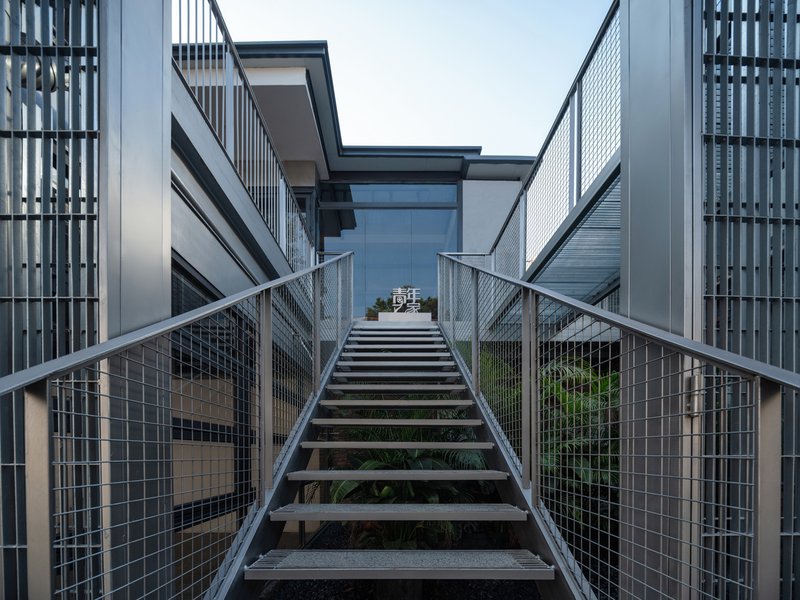
Integrating the Old and the New
Preserving Architectural Heritage
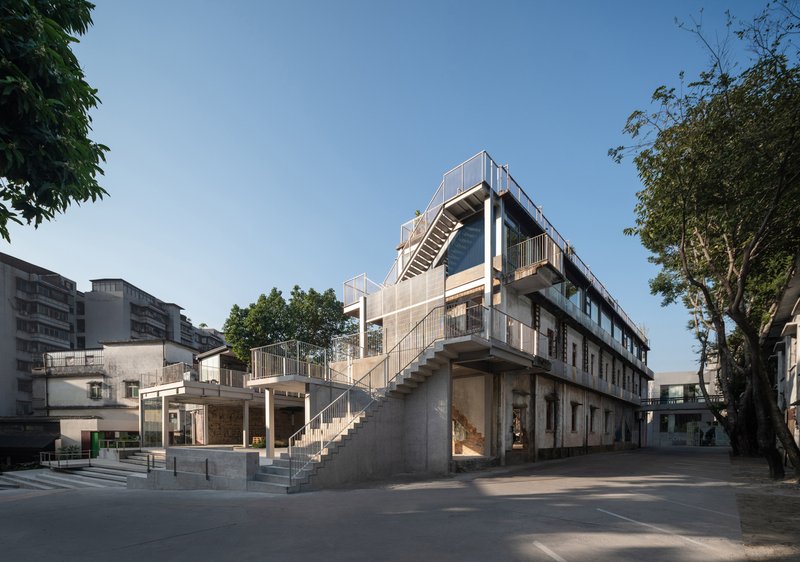
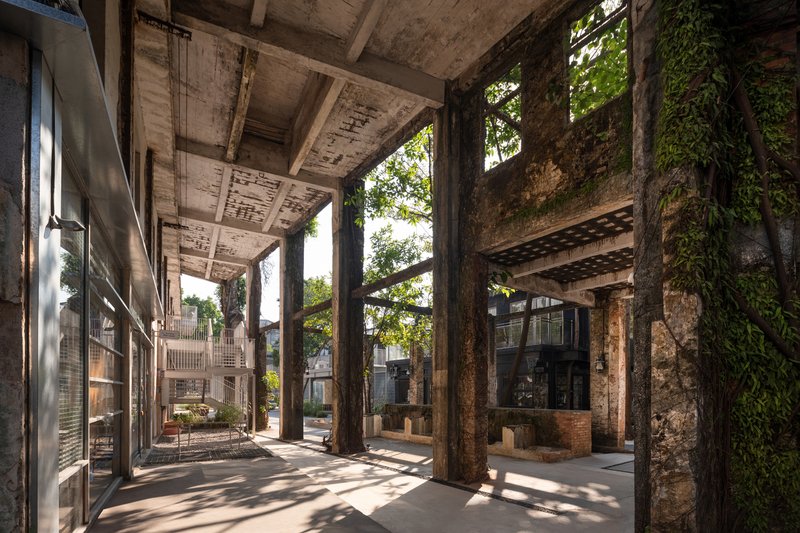
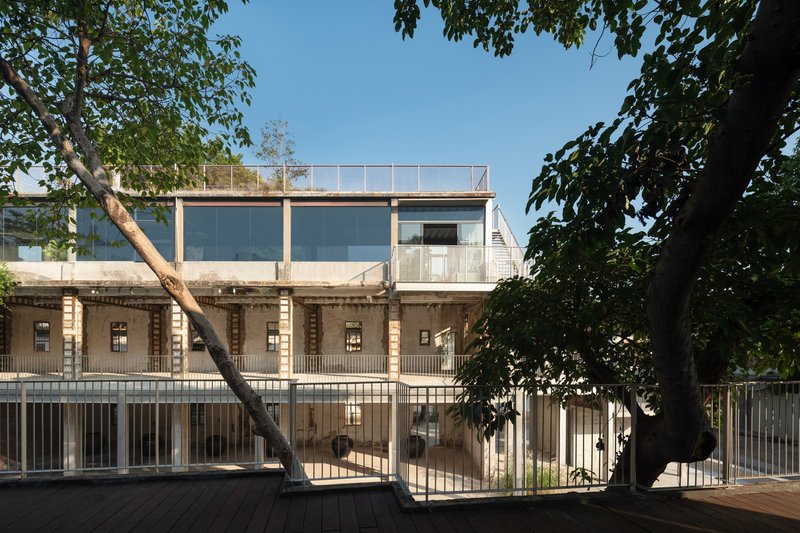
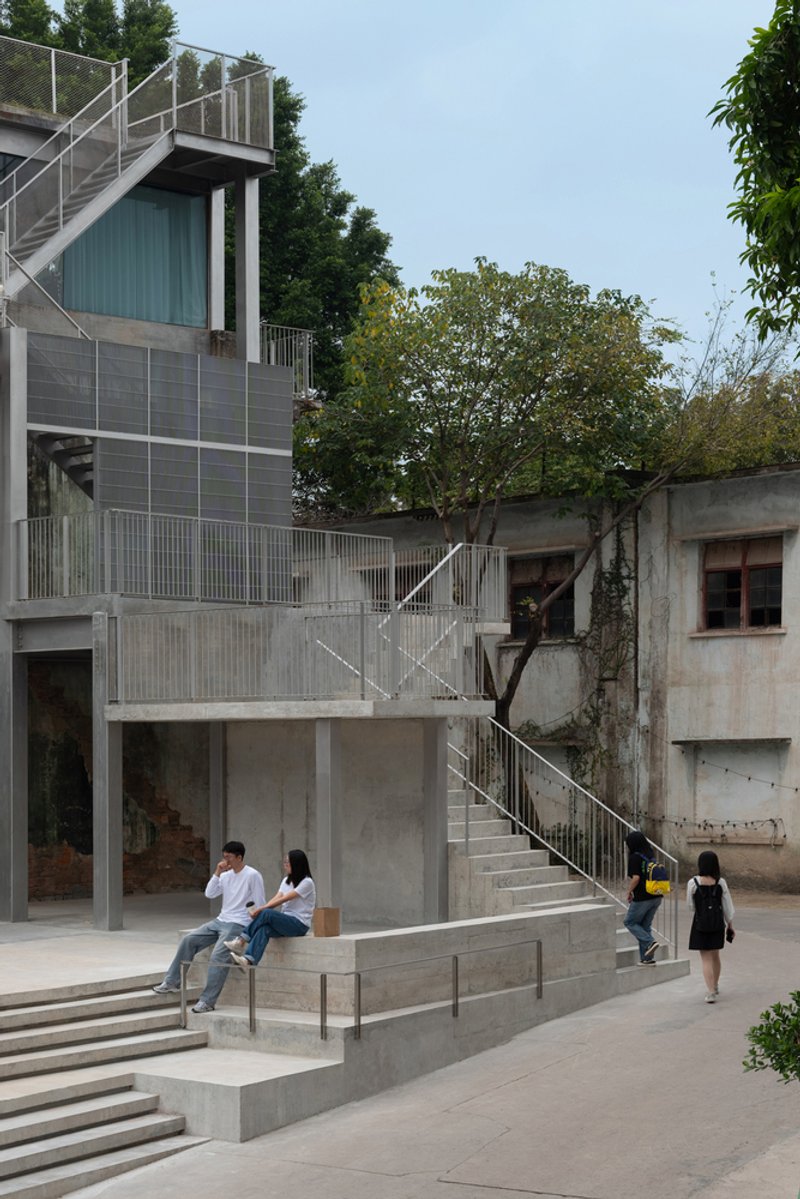
The transformation of Wildness Promenade prioritizes preservation as a design strategy, maintaining the existing 18 building groups while introducing new elements that enhance spatial connectivity. The historic industrial structures, characterized by rugged materials and a raw aesthetic, remain largely intact, allowing visitors to experience their original scale and presence. Instead of demolishing or significantly altering these structures, the renovation focuses on weaving them into a dynamic, multi-layered environment that serves both functional and experiential needs.
Creating Seamless Circulation
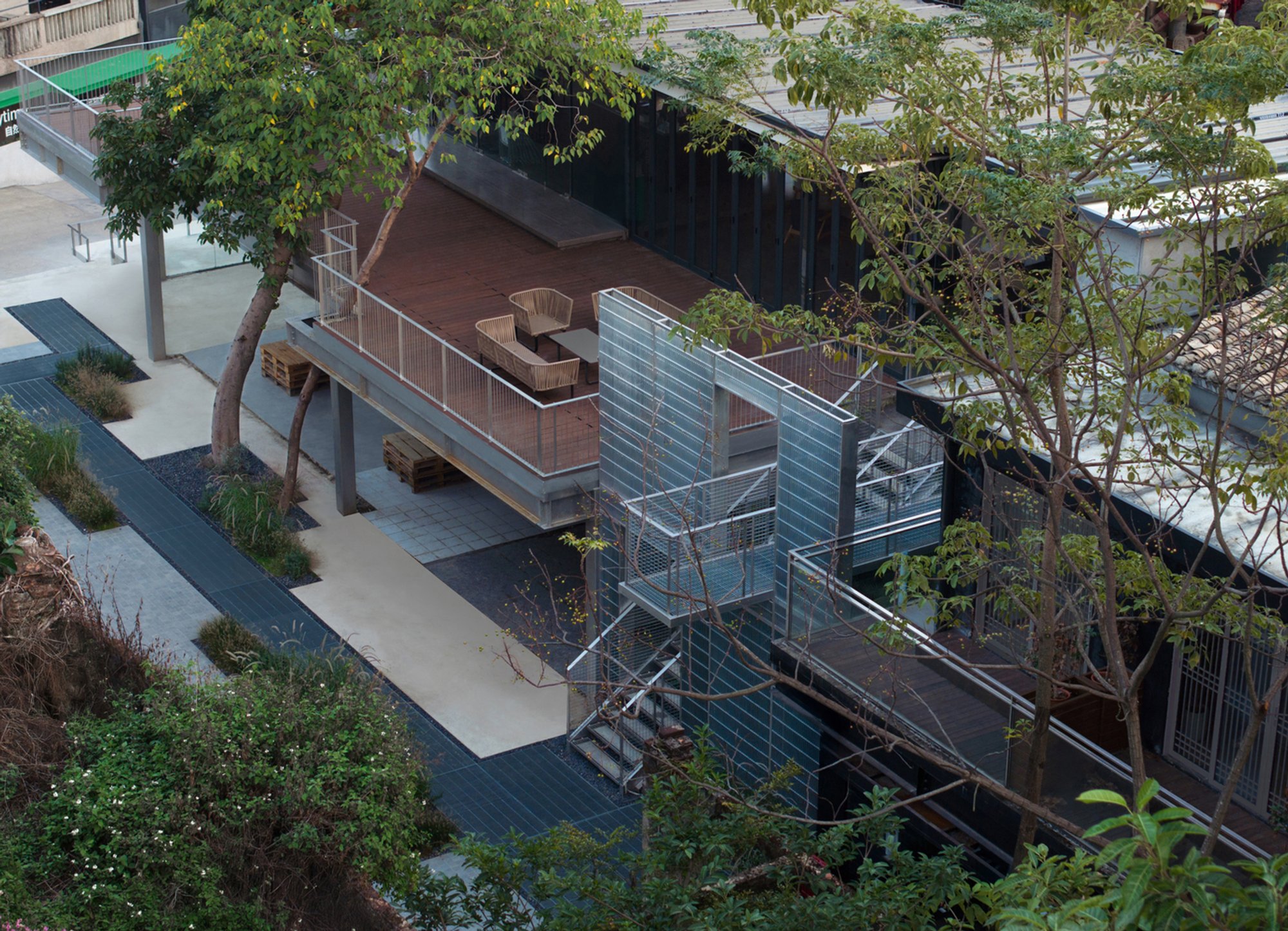
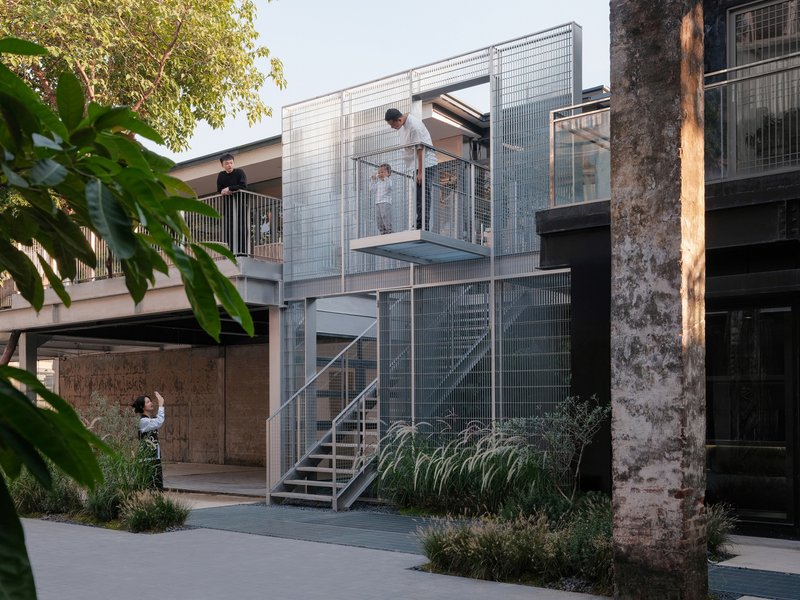
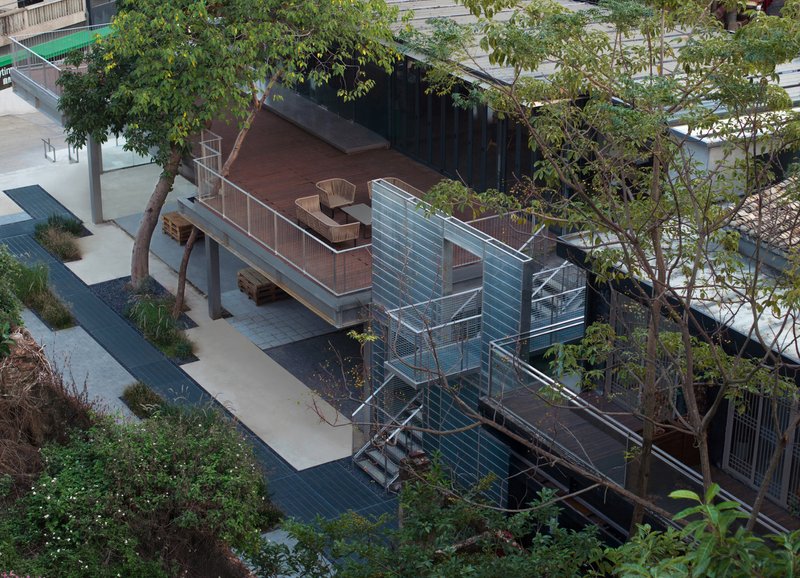
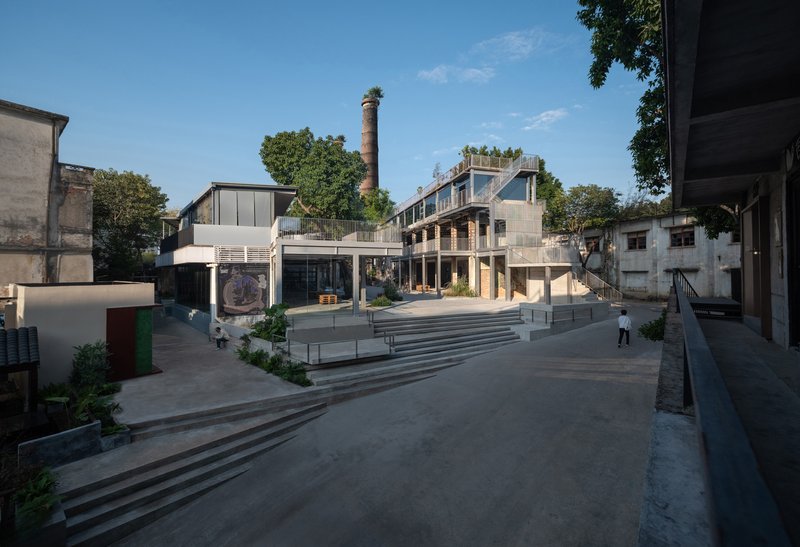
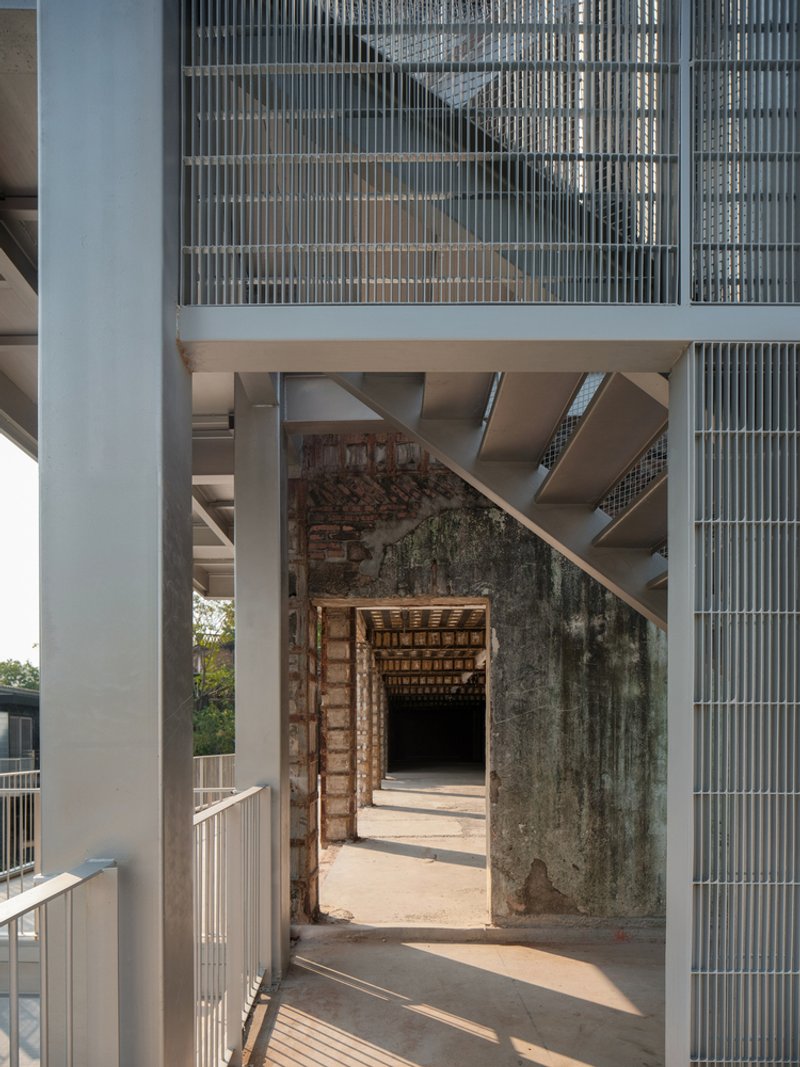
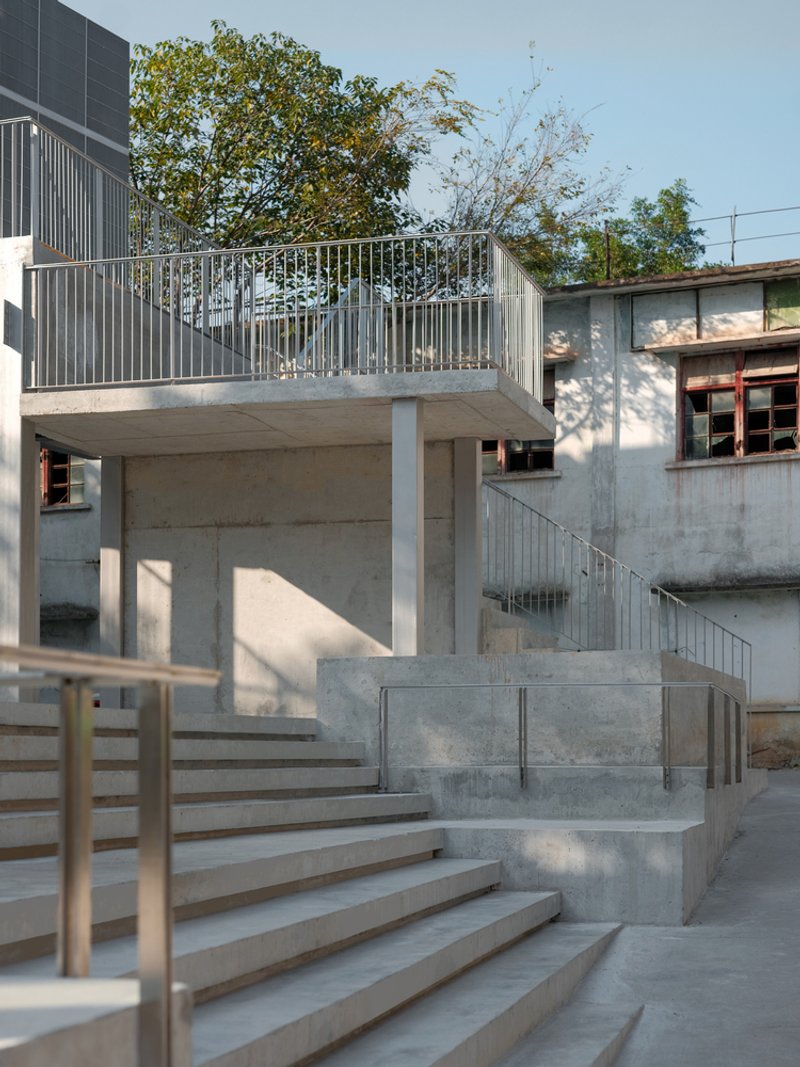
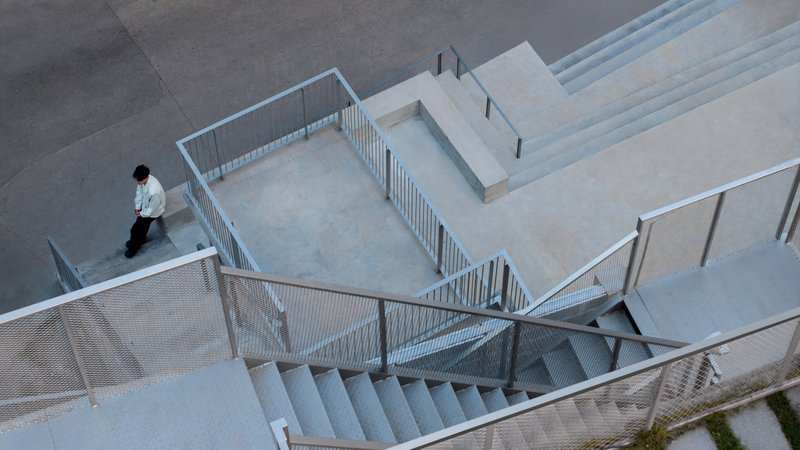
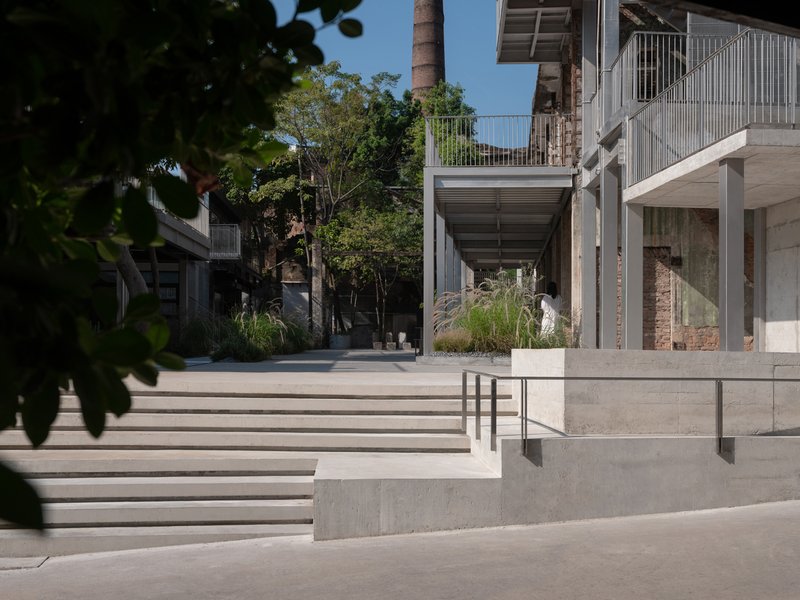
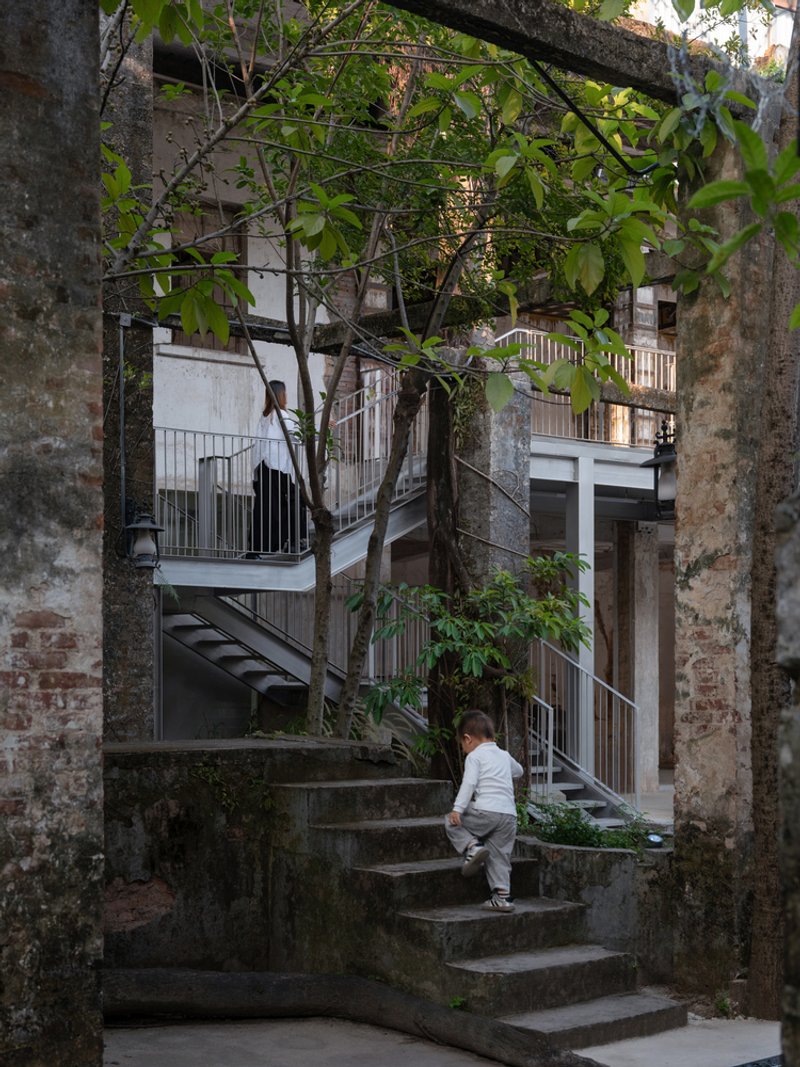
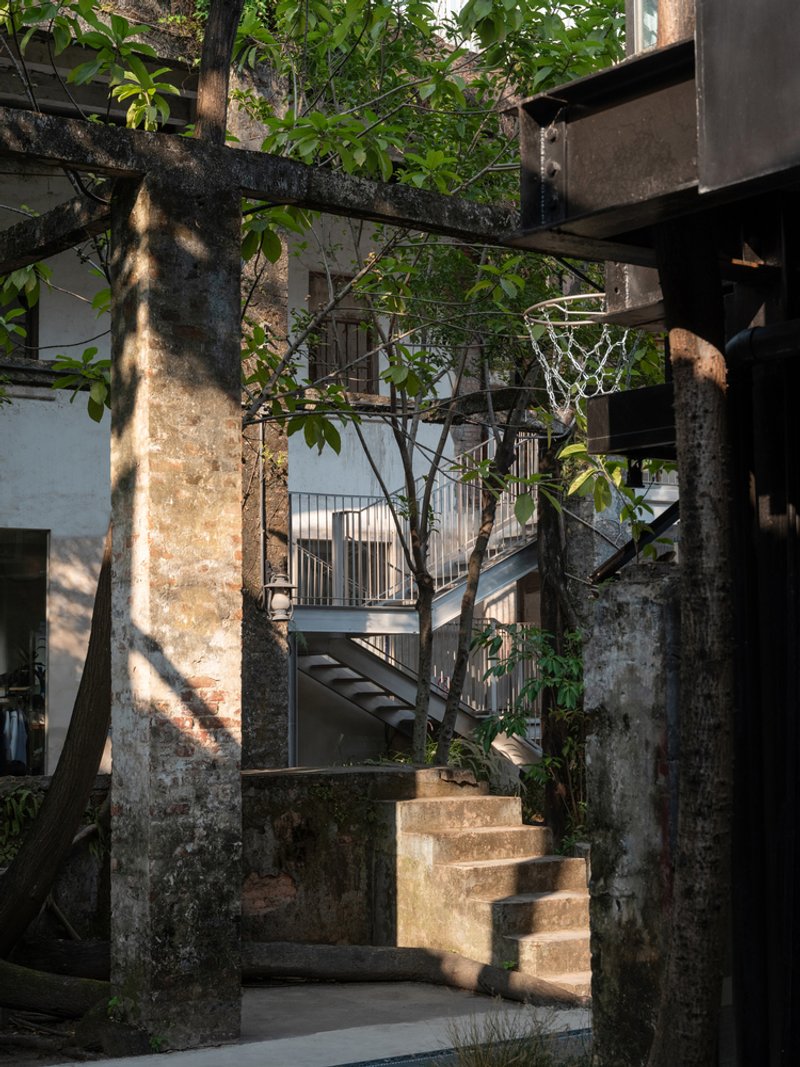
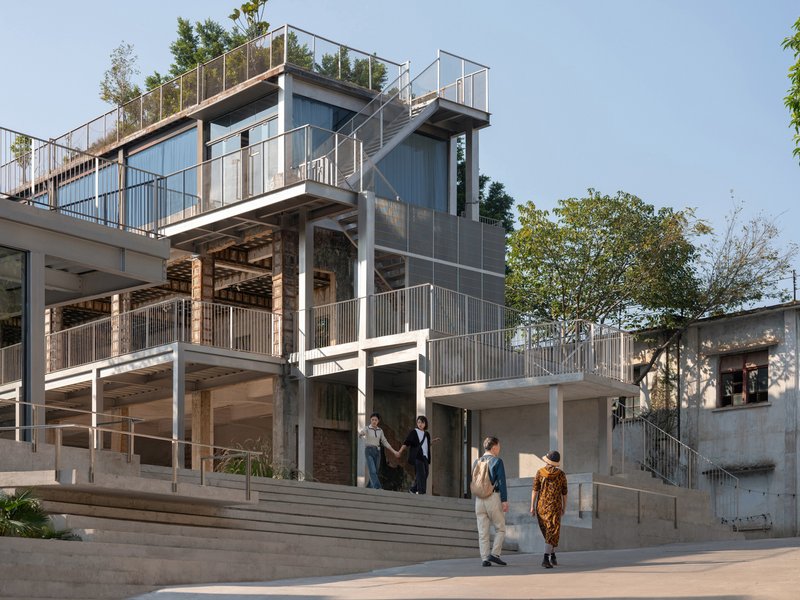
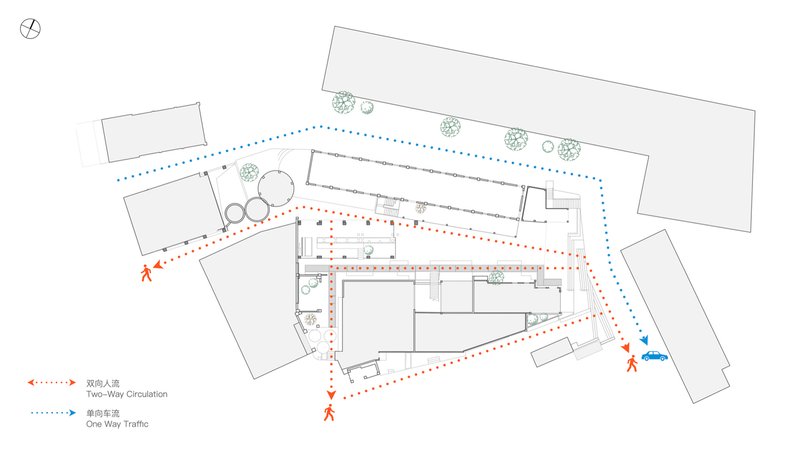
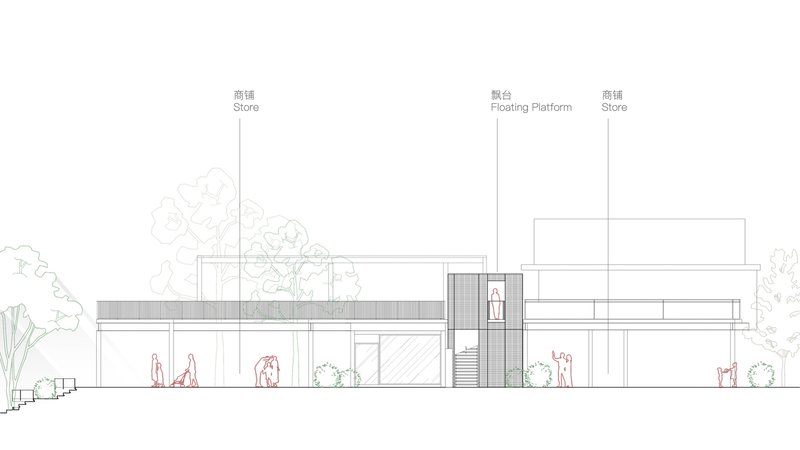
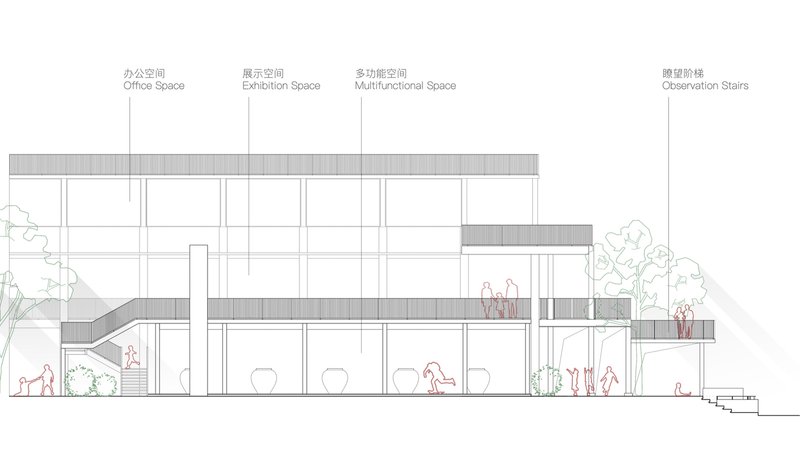
One of the key challenges in adaptive reuse architecture is creating a fluid spatial experience in buildings that were not originally designed for modern movement patterns. At Wildness Promenade, circulation lines have been carefully reorganized to bridge gaps between old structures and new commercial spaces. Sky bridges and staircases have been introduced to enhance vertical connectivity while maintaining the integrity of the historic buildings. These additions not only provide smooth transitions between different areas but also enrich the experience of exploration, encouraging visitors to engage with the architecture on multiple levels.
Enhancing Public Interaction
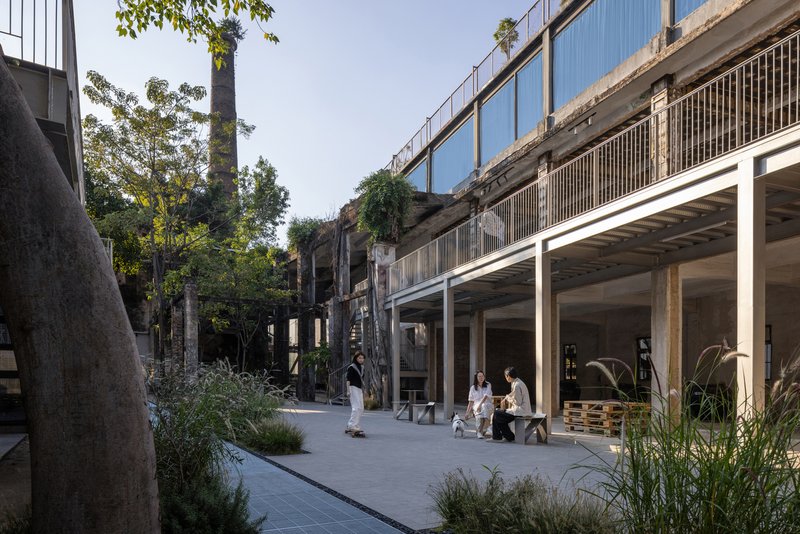
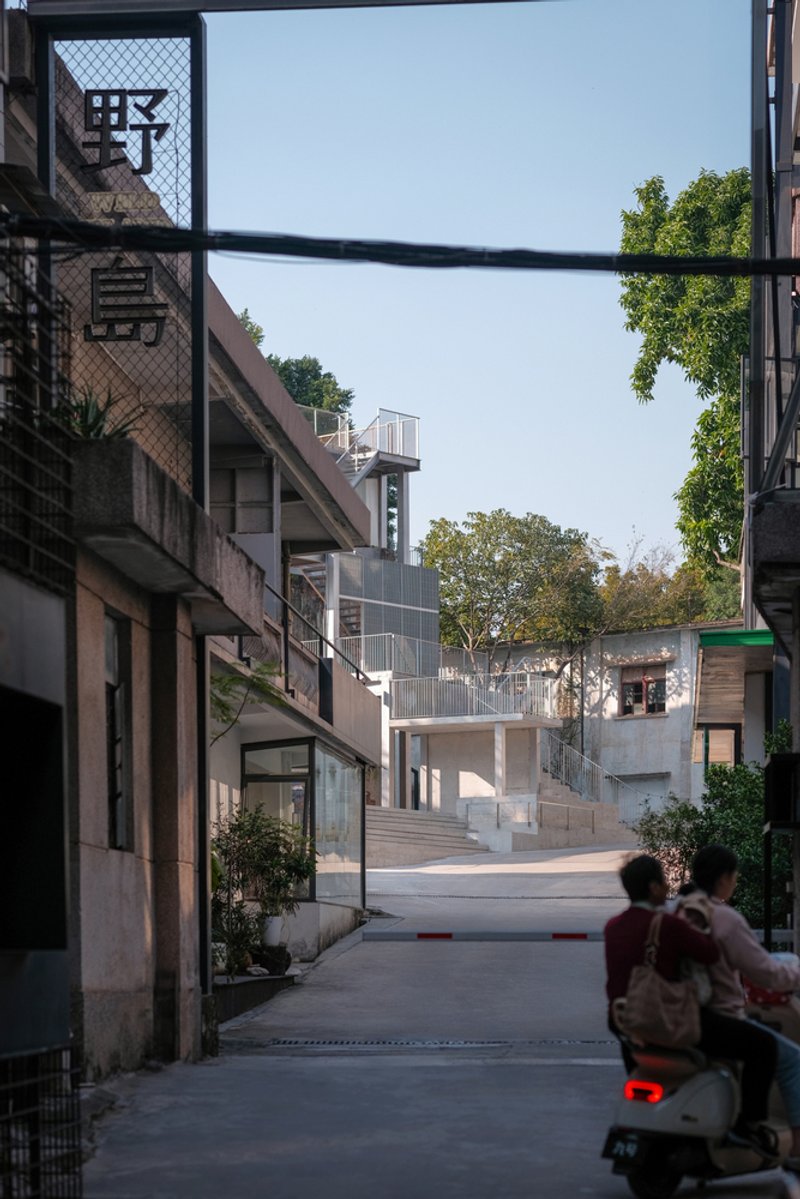
The renovation extends beyond preservation, aiming to reintegrate the space into the community. By transforming isolated factory structures into interconnected public spaces, the design fosters a sense of openness. The introduction of plazas, pedestrian walkways, and multi-use terraces creates new gathering spaces where people can experience the fusion of history and modernity. This approach ensures that the architecture is not just a relic of the past but an active participant in contemporary urban life.
Architectural Strategies for Renewal
Utilizing Micro-Scale Interventions
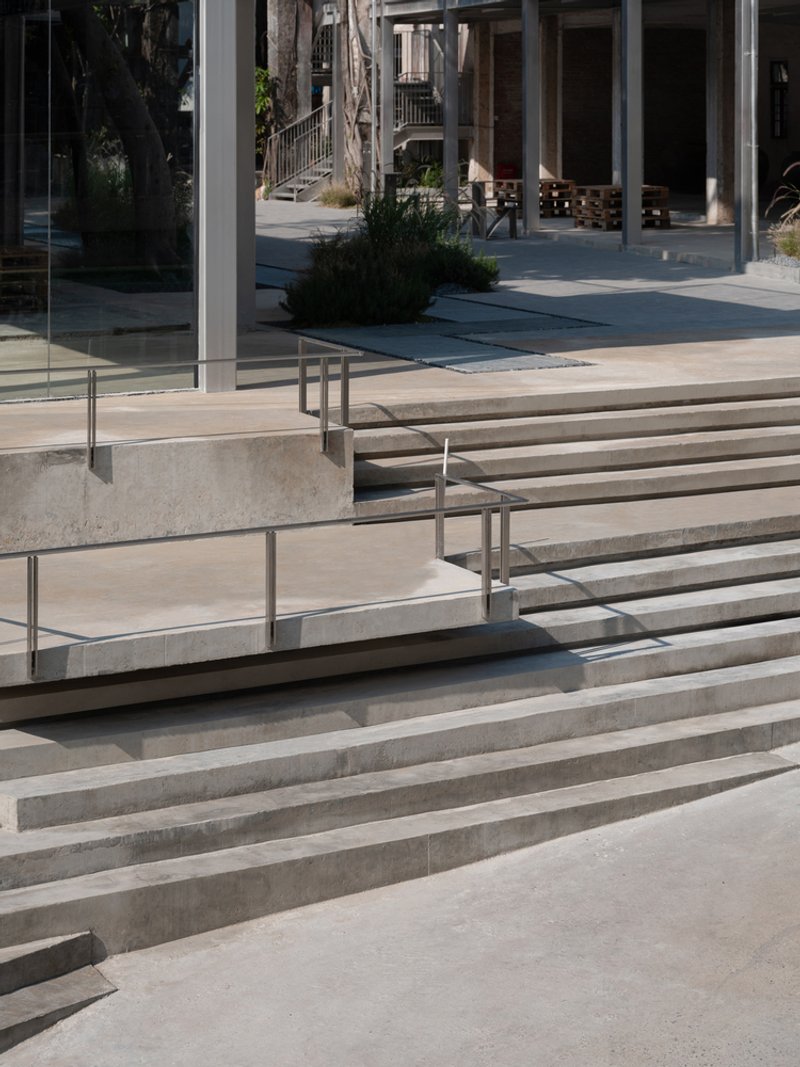
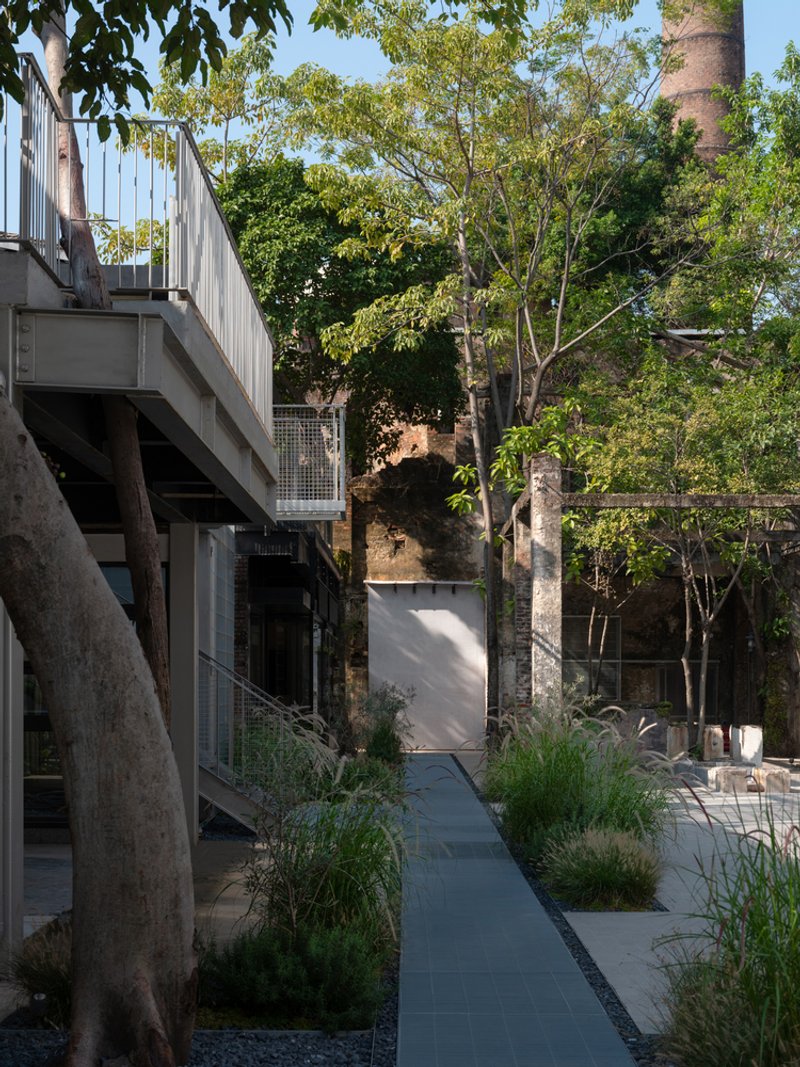
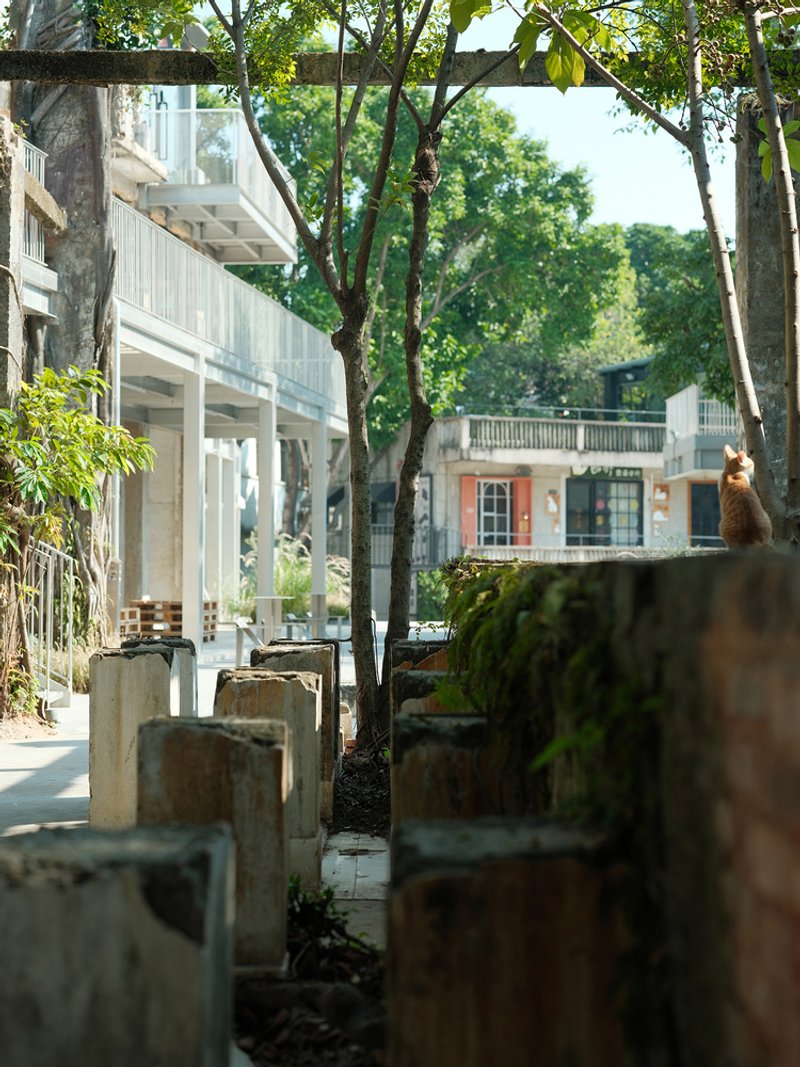
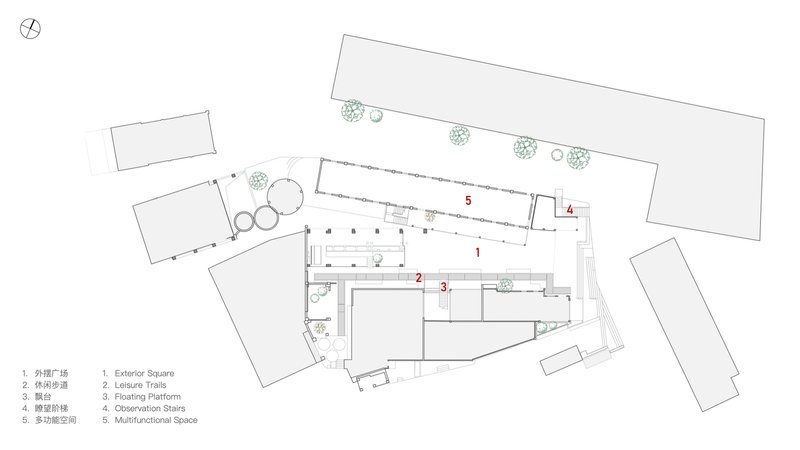
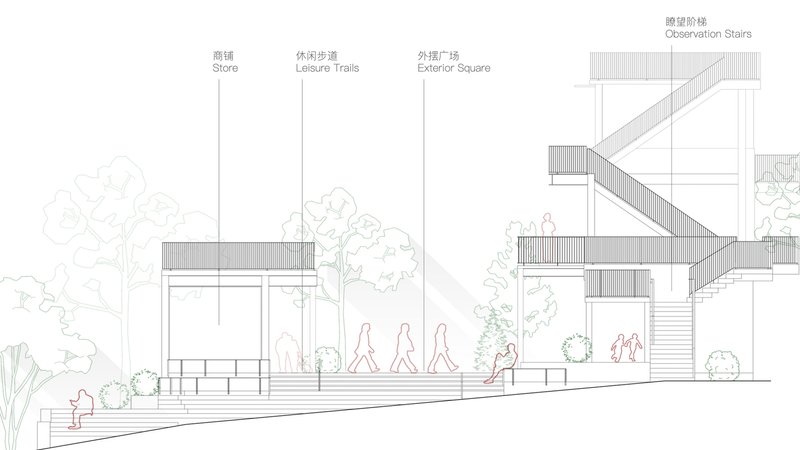
Rather than imposing large-scale modifications, the design employs subtle yet impactful micro-scale interventions to enhance accessibility and usability. The park’s exit, once an underutilized and uninviting space, has been transformed into an inviting entry point that seamlessly connects pedestrian pathways with the existing buildings. The integration of stepped plazas allows for multi-functional use, serving as a passageway on regular days and as a venue for celebrations during holidays. The iconic old chimney, positioned along the visual axis, remains a focal point, linking the site's industrial history with its modern reinvention.
Emphasizing Natural Elements
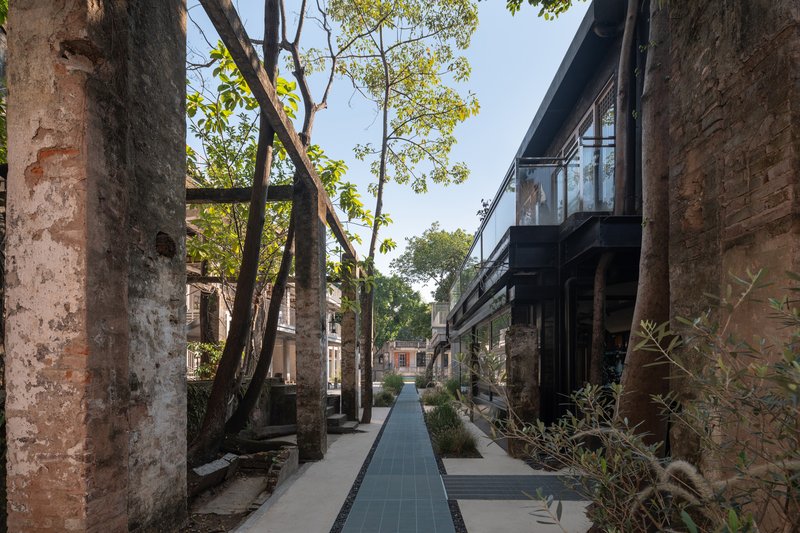
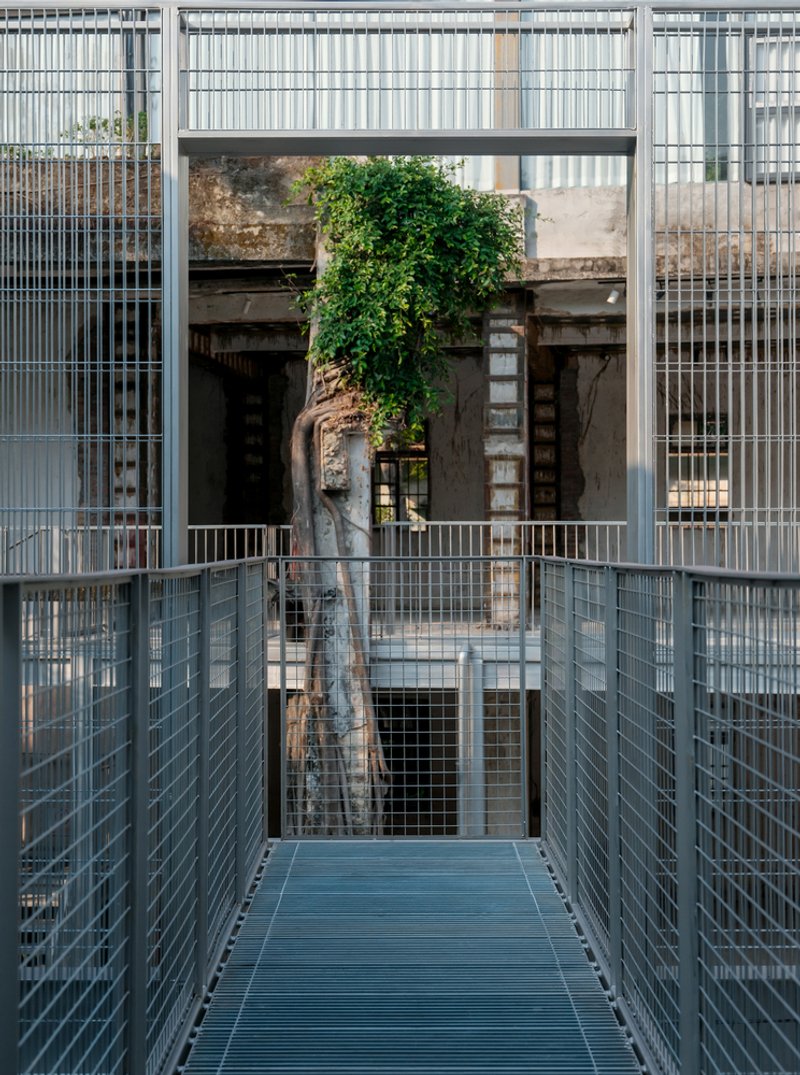
A key aspect of the project’s identity is its commitment to embracing natural elements. Rather than imposing strict landscaping patterns, the design allows wild vegetation to flourish alongside structured architectural forms. Tall, mature trees have been preserved, while newly introduced plantings are encouraged to grow freely, reinforcing the idea of an evolving space. This deliberate contrast between nature’s organic disorder and the geometric precision of human-made structures creates a dynamic interplay that enhances the overall ambiance.
Reimagining the Industrial Aesthetic
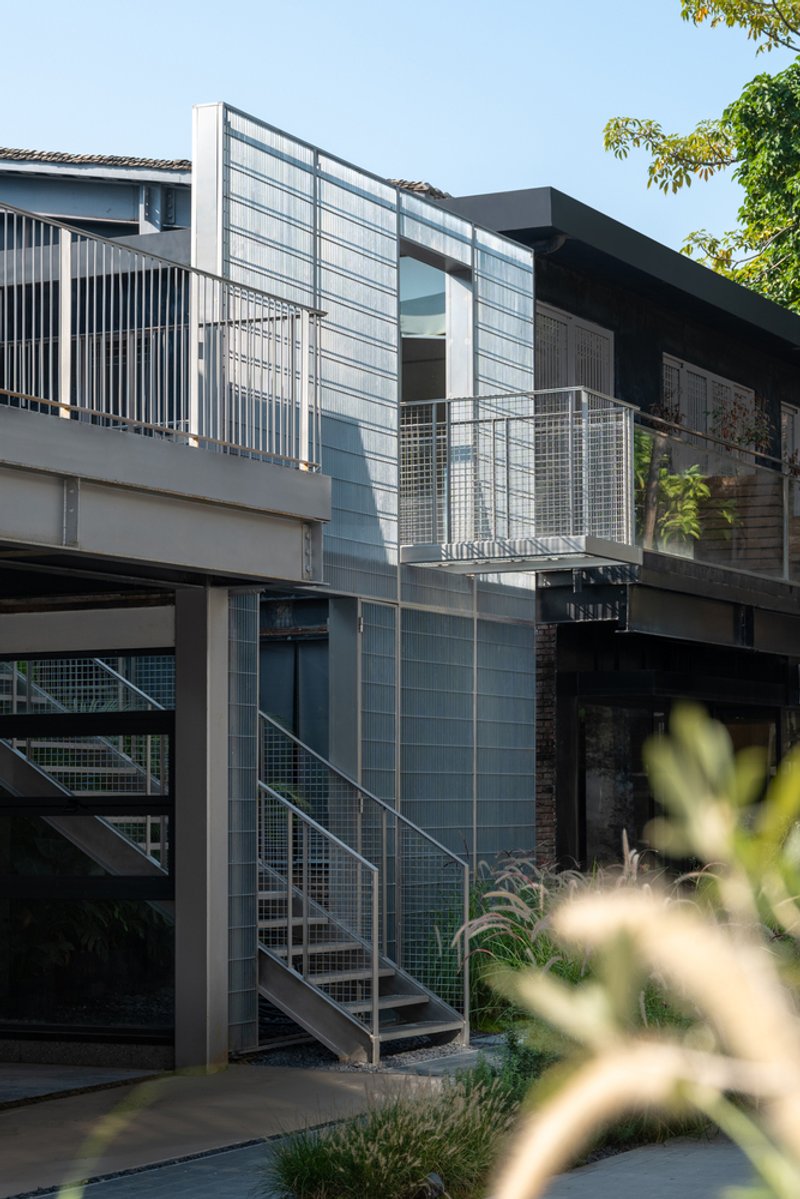
By retaining the raw textures of concrete, wood, and steel, the design respects the industrial aesthetic while introducing refined contemporary details. These materials, left exposed in many areas, serve as a reminder of the site’s former function, preserving its identity while making it adaptable for new uses. The timeworn surfaces contrast with modern interventions such as glass additions and lightweight metal elements, reinforcing the theme of historical continuity within an evolving space.
A Living, Evolving Space
The philosophy behind Wildness Promenade extends beyond a static renovation; it is a continuously evolving space designed to accommodate future growth. BDSD Boundless Design views architecture as a container for human experiences, capable of adapting over time. By leaving room for organic transformation, the project ensures that history, nature, and modern urban life can coexist harmoniously. Each phase of renewal is not an endpoint but a beginning, allowing the space to be continuously redefined by the people who inhabit it.
Wildness Promenade exemplifies the potential of adaptive reuse architecture to breathe new life into historic sites without erasing their past. Through thoughtful preservation, innovative circulation strategies, and an integration of natural elements, the project transforms a former industrial site into a vibrant cultural and commercial hub. By embracing both history and future possibilities, the design creates a space that not only honors its origins but also invites new memories to be made.
All Photographs are works of Greenimages



Popular Articles
Popular articles from the community


Solar Steam: A Climate-Responsive Architecture That Redefines the Monument
A climate-responsive memorial architecture that transforms heat, decay, and time into a living system reflecting humanity’s ecological impact.
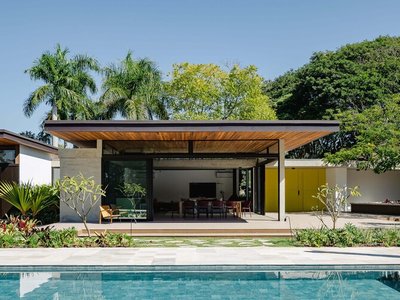
Flamboyant House by Juliana Camargo + Prumo Projetos
Modern Brazilian house integrating existing tree, pool, and volumes with glass, wood, and transitional spaces blending interior, exterior, and landscape seamlessly.
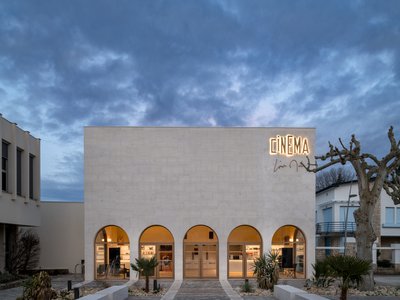
Louis Malle Cinema: A Limestone Cultural Landmark Revitalizing Community Life in Prayssac
Limestone cinema extension with public forecourt, blending heritage and modern design to create flexible cultural spaces and strengthen community interaction.
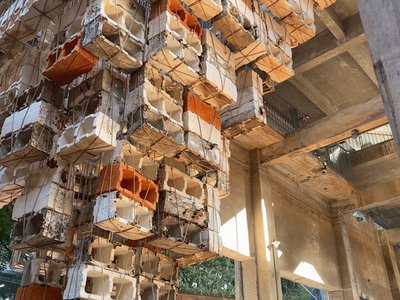
Inverted Architecture Installation by Studio Link-Arc: Exploring the Intersection of Architecture and Living Organisms
Inverted Architecture Installation by Studio Link-Arc blends mycelium, sustainability, inverted design, ecological cycles, and urban adaptive architecture in Shenzhen.


Similar Reads
You might also enjoy these articles


The Ken Roberts Memorial Delineation Competition (Krob)
As the most senior architectural drawing competition currently in operation anywhere in the world, it draws hundreds of entries each year, awarding the very best submissions in a series of medium-based categories.


Waterfront Redevelopment and Urban Revitalization in Mumbai: Forging a New Dawn for Darukhana
A transformative waterfront redevelopment project reimagining Darukhana’s shipbreaking heritage into an inclusive urban future.

OUT-OF-MAP: A Call for Postcards on Feminist Narratives of Public Space
Rhizoma Design and Research Lab invites artists, designers, architects, researchers, and students to reflect on how feminist perspectives can reshape public space. Selected works will be exhibited in Barcelona, October 2026. Submissions open until 15 April 2026.


Documentation Work on Buddhist Wooden Temple
Architectural syncretism and cultural hybridity: A comparative study of the Buddhist temples in Chattogram Hill tracks

Explore Architecture Competitions
Discover active competitions in this discipline




The International Standard for Design Portfolios


The Global Benchmark for Architecture Dissertation Awards


The Global Benchmark for Graduation Excellence


Challenge to reimagine the Iron Throne
Comments (0)
Please login or sign up to add comments
No comments yet. Be the first to comment!