
Adaptive Reuse Architecture Projects: Transforming Spaces with the Olevodroom Pavilion
Explore the Olevodroom Pavilion, an adaptive reuse project in Leuven that creatively transforms a velodrome into a vibrant community space.

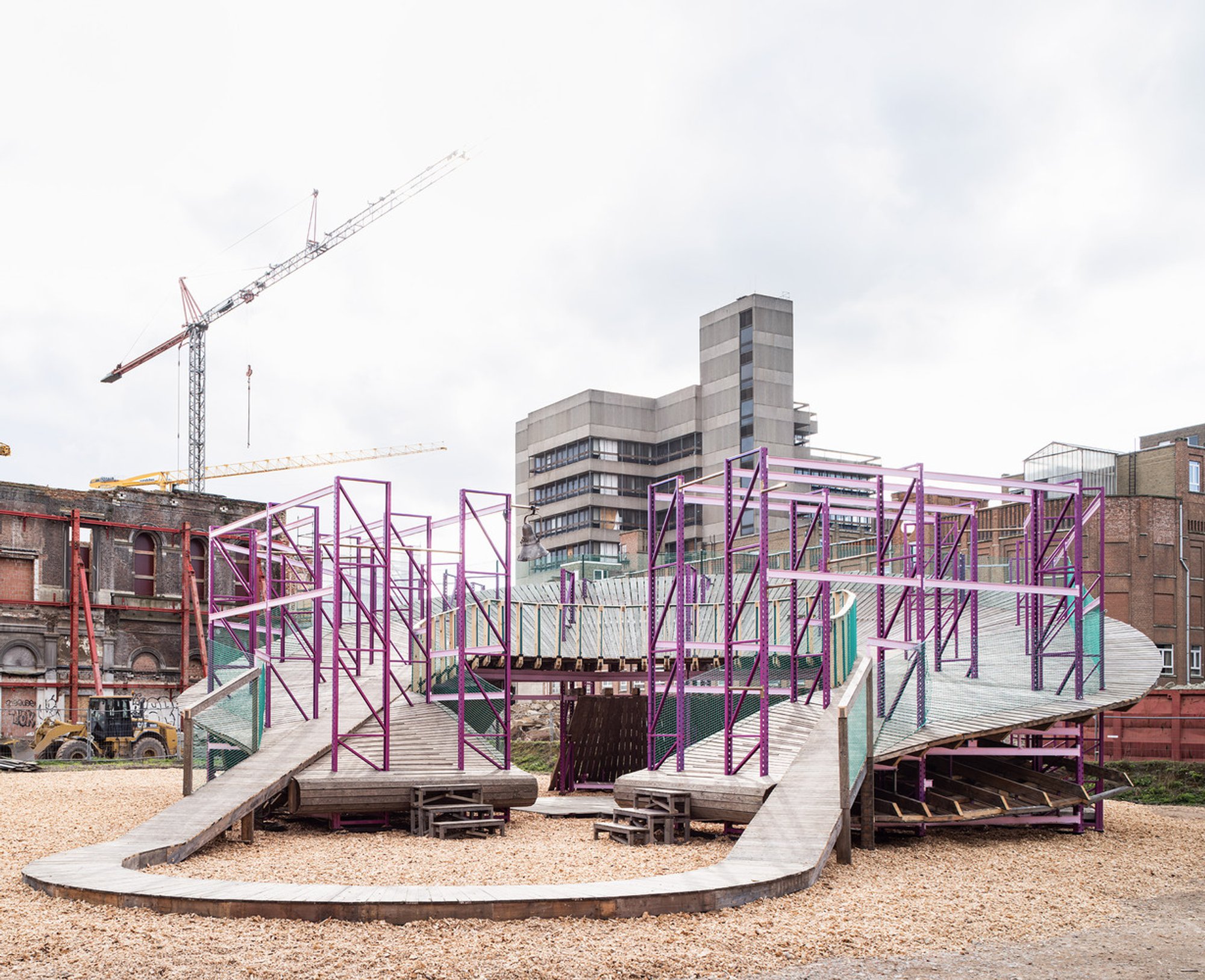
In the world of architecture, adaptive reuse projects breathe new life into old structures, blending history with modern functionality. The Olevodroom Pavilion in Leuven, Belgium, designed by Decoratelier Jozef Wouters, serves as a prime example of how adaptive reuse can transform a previously functional space into something entirely new and vibrant.
Understanding Adaptive Reuse in Architecture
What is Adaptive Reuse?
Adaptive reuse refers to the process of reusing an old site or building for a purpose other than which it was originally built or designed for. This practice not only conserves resources but also preserves the history of a site while meeting contemporary needs.
The Benefits of Adaptive Reuse
This approach offers numerous benefits including environmental sustainability, conservation of cultural heritage, and economic savings. It often involves less energy consumption compared to new constructions and can give a new lease on life to underused or neglected spaces.
Case Study: The Olevodroom Pavilion
Project Overview
The Concept
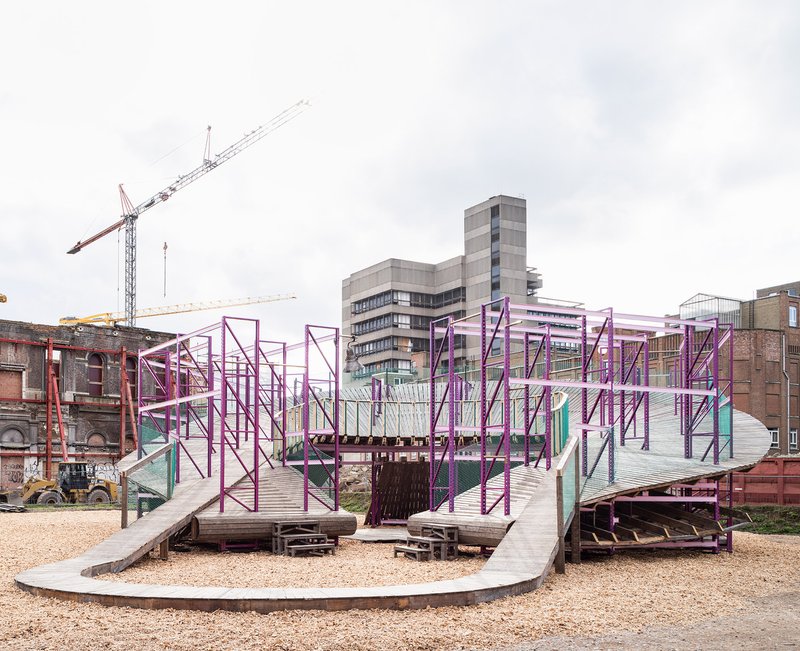
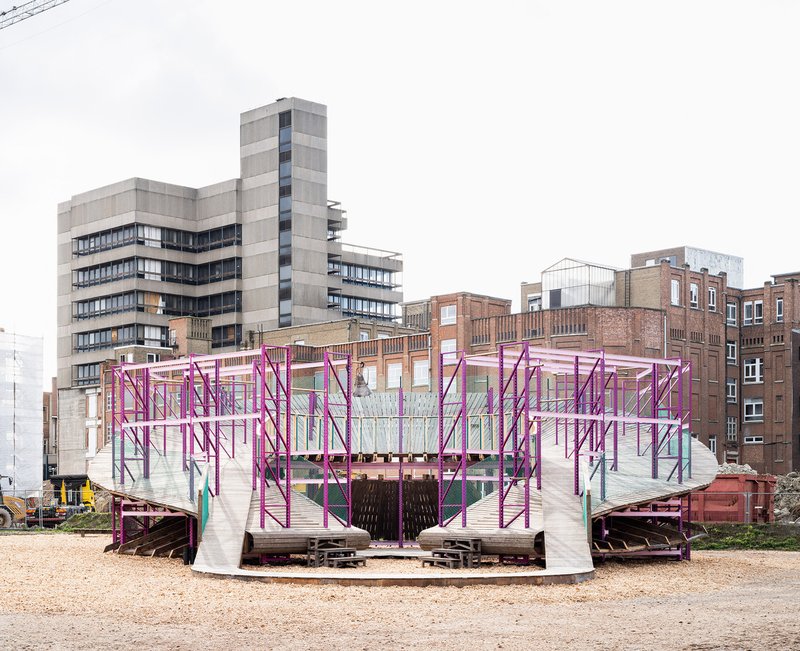
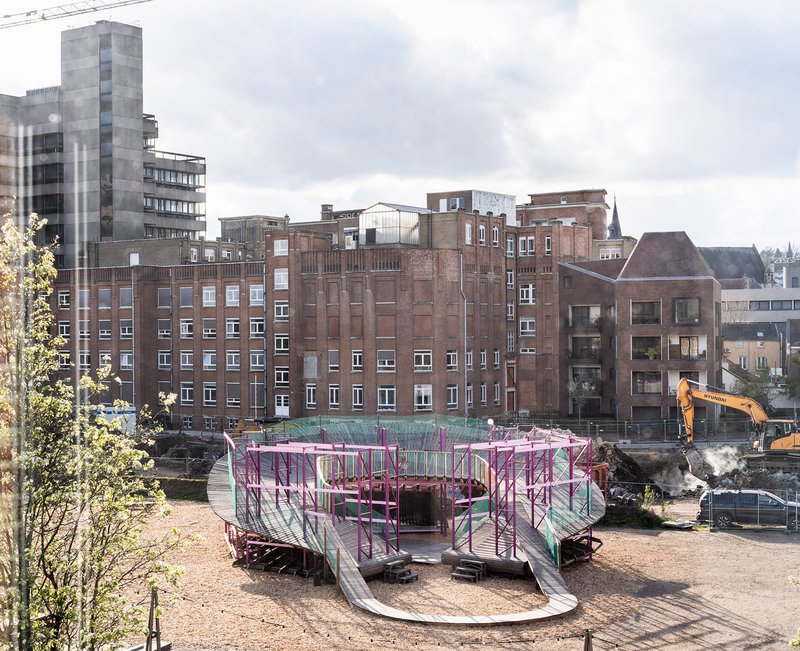
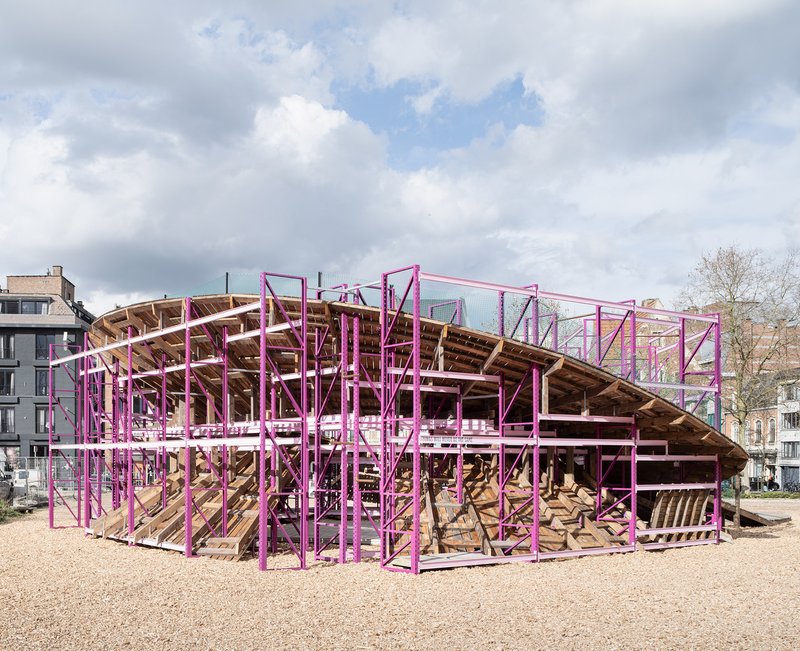
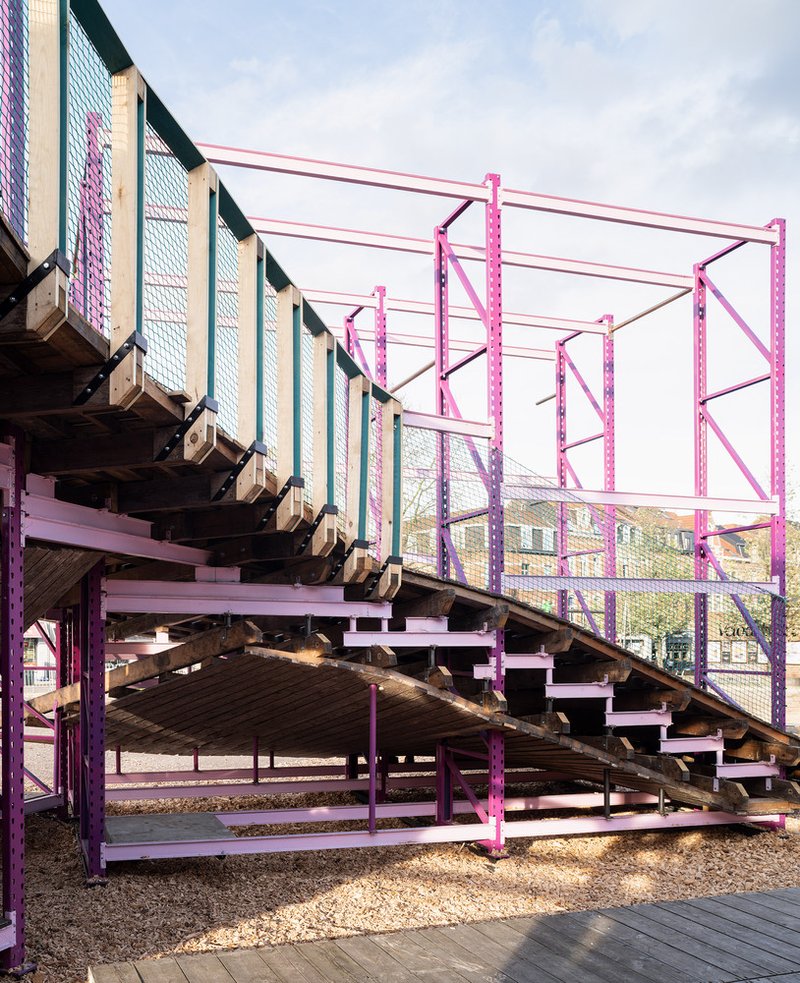
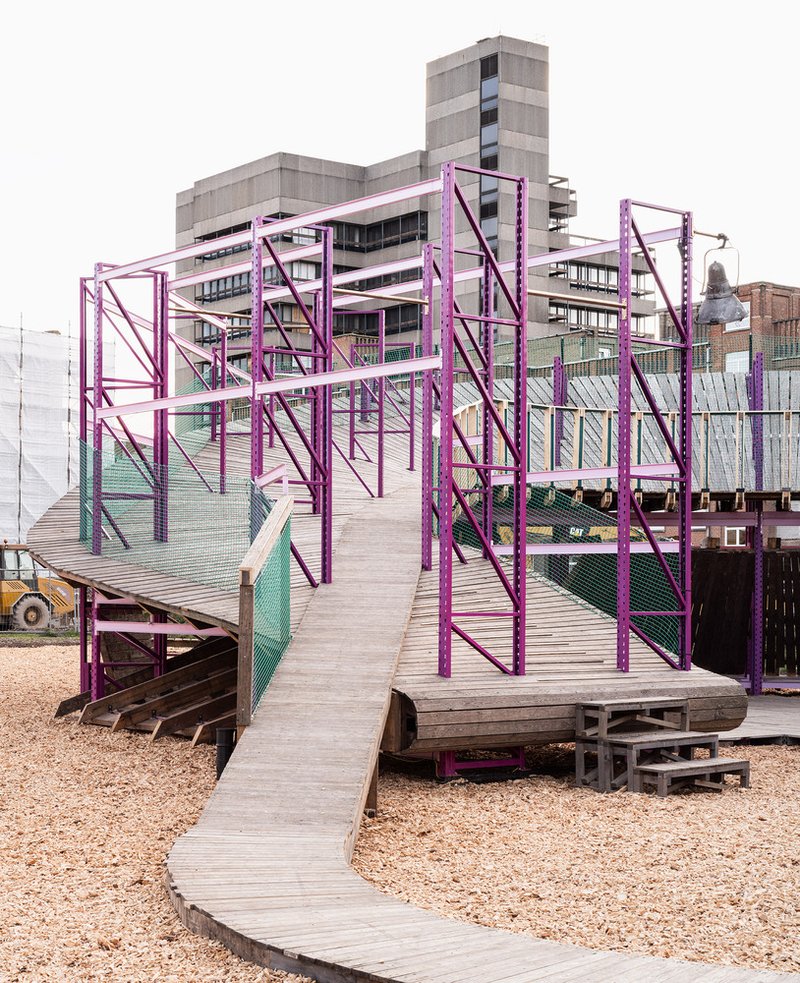
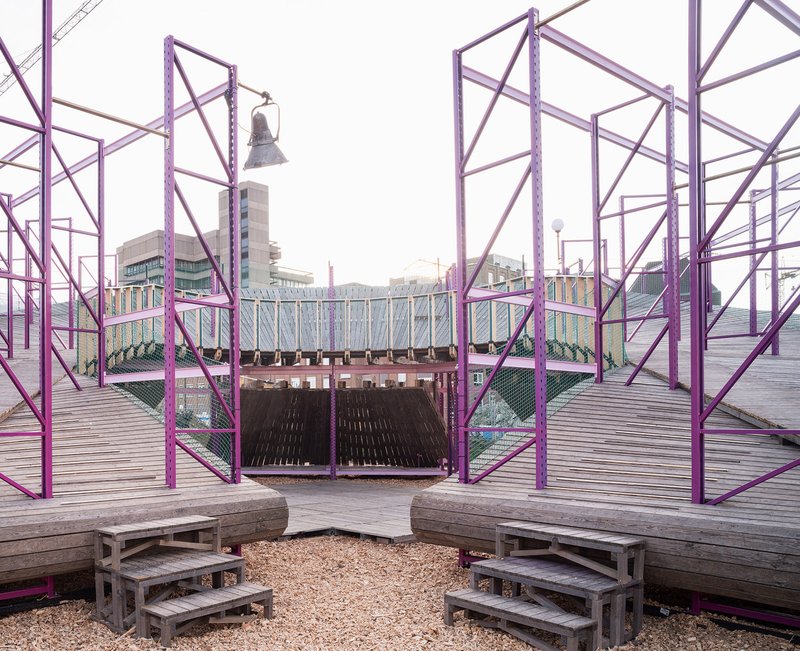
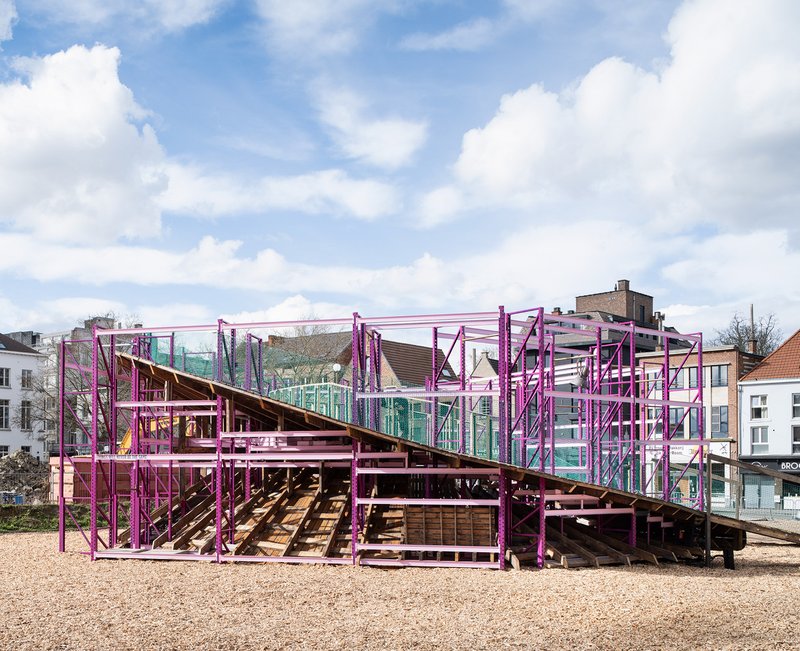
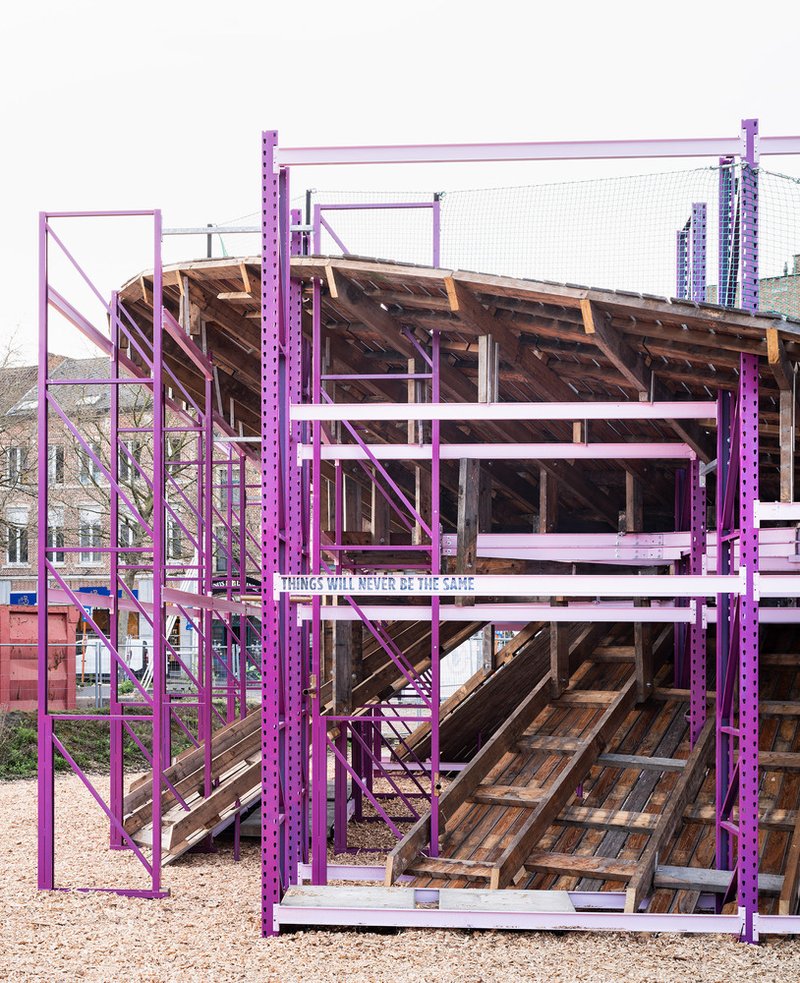
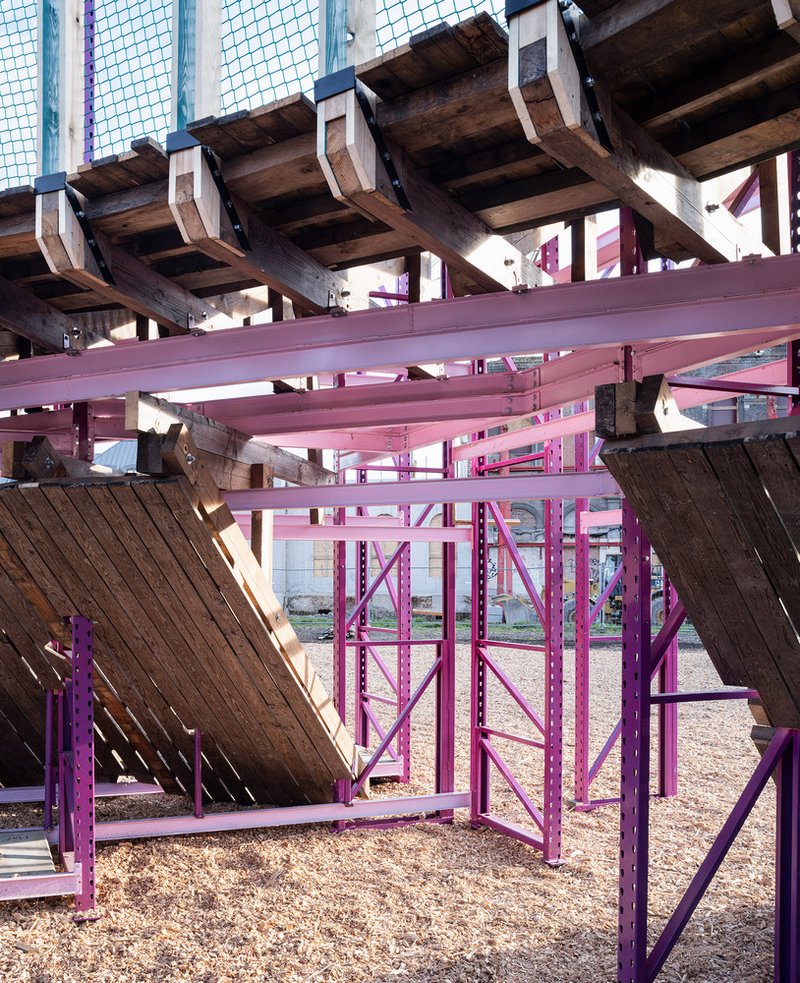
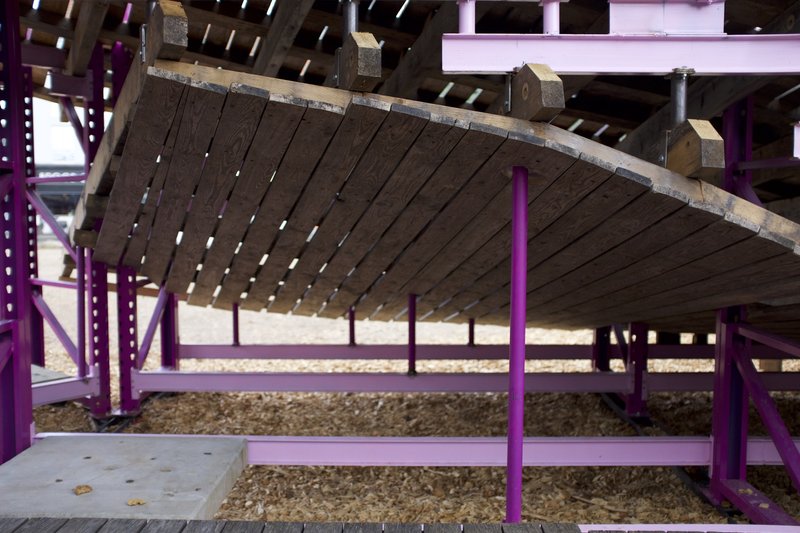
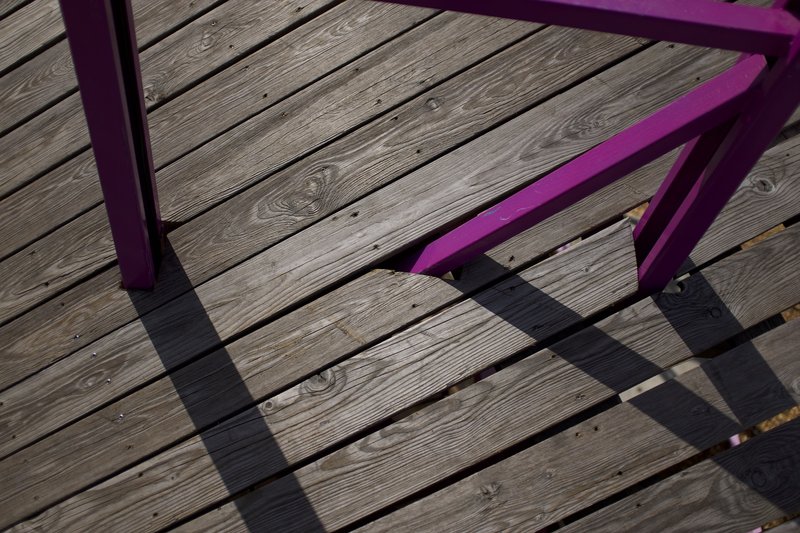
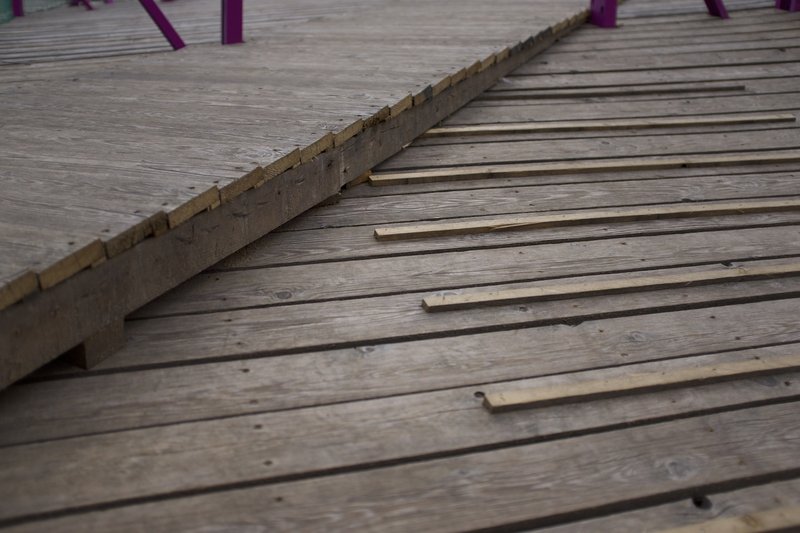
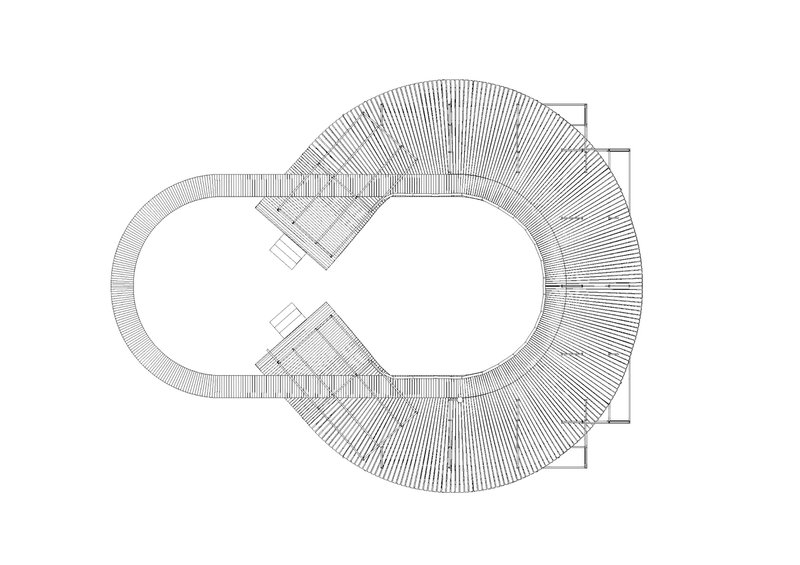
Located on the site of a former cycling track, the Olevodroom Pavilion utilizes the wooden structures of the old velodrome, creatively repurposing them without cutting the boards. The result is a dynamic, swirling structure that invites interaction and shelters visitors, akin to an embrace.
Design and Construction
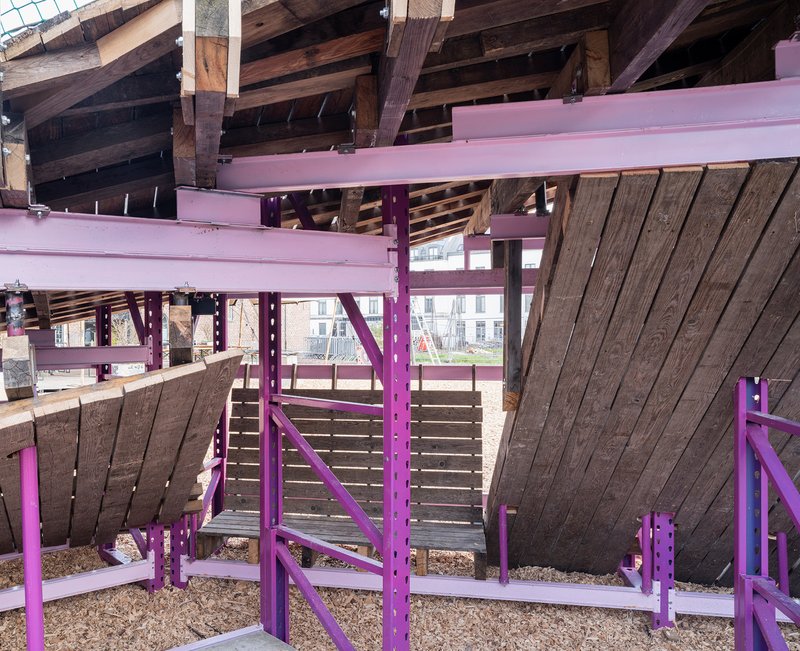
The Pavilion was constructed with an on-the-fly design philosophy, making decisions in real time, which allowed for a highly creative and responsive building process. This method mirrors the dynamic and sometimes unpredictable nature of the materials used.
Architectural Features
Innovative Use of Materials
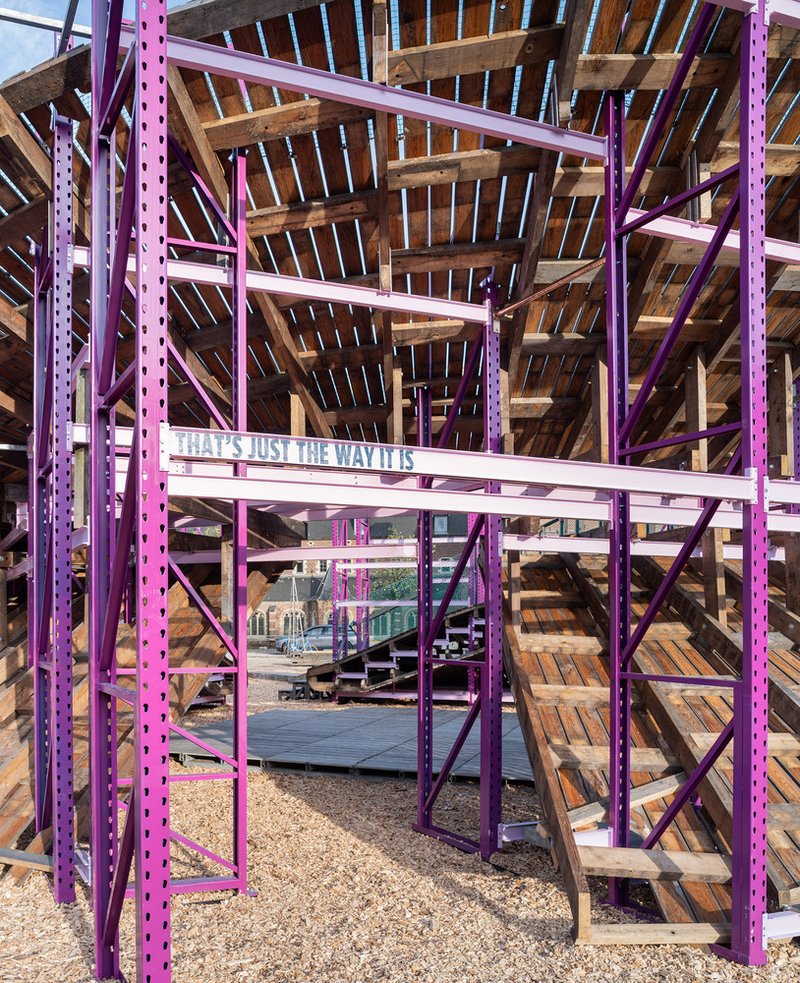
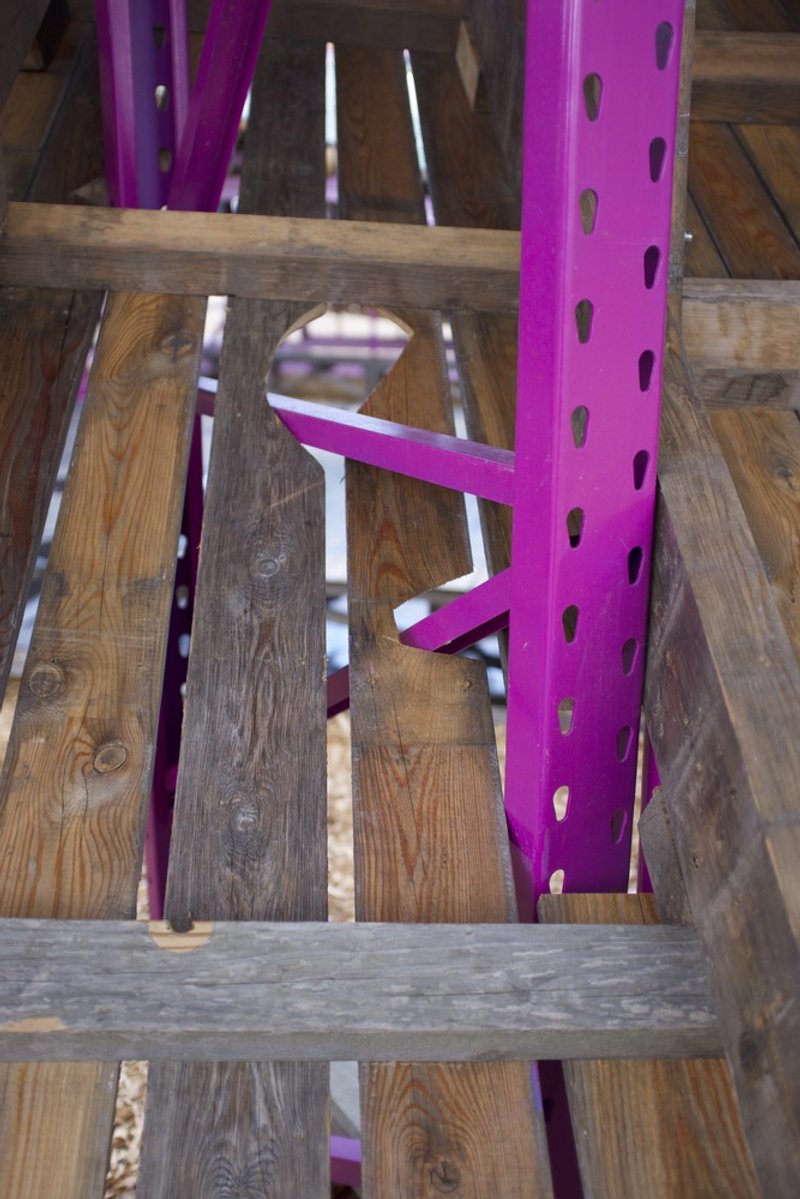
The Pavilion features pallet racks reclaimed from an old warehouse, painted in bright colors and used as a support structure. This allows the original wood curves to take on a new form, reflecting the project’s dedication to sustainability and creativity.
Functional Spaces
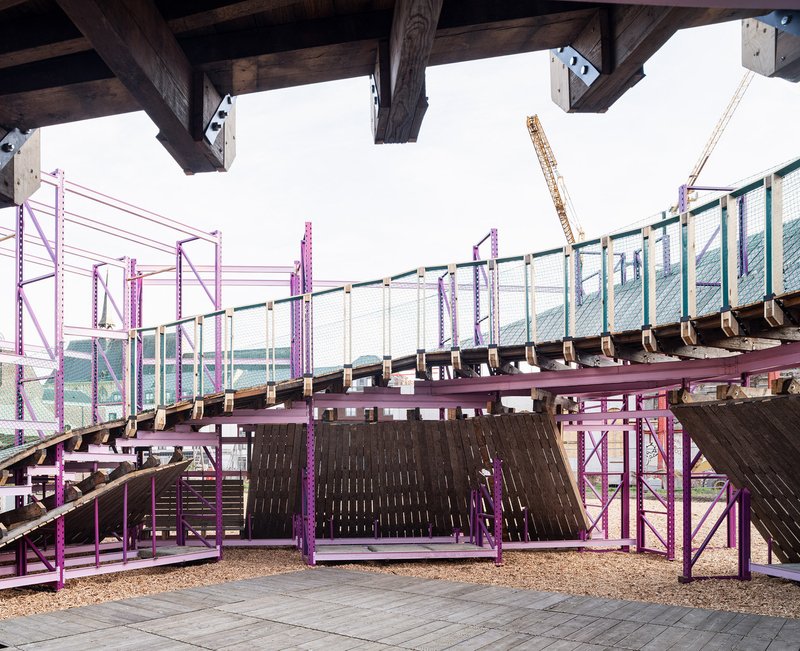
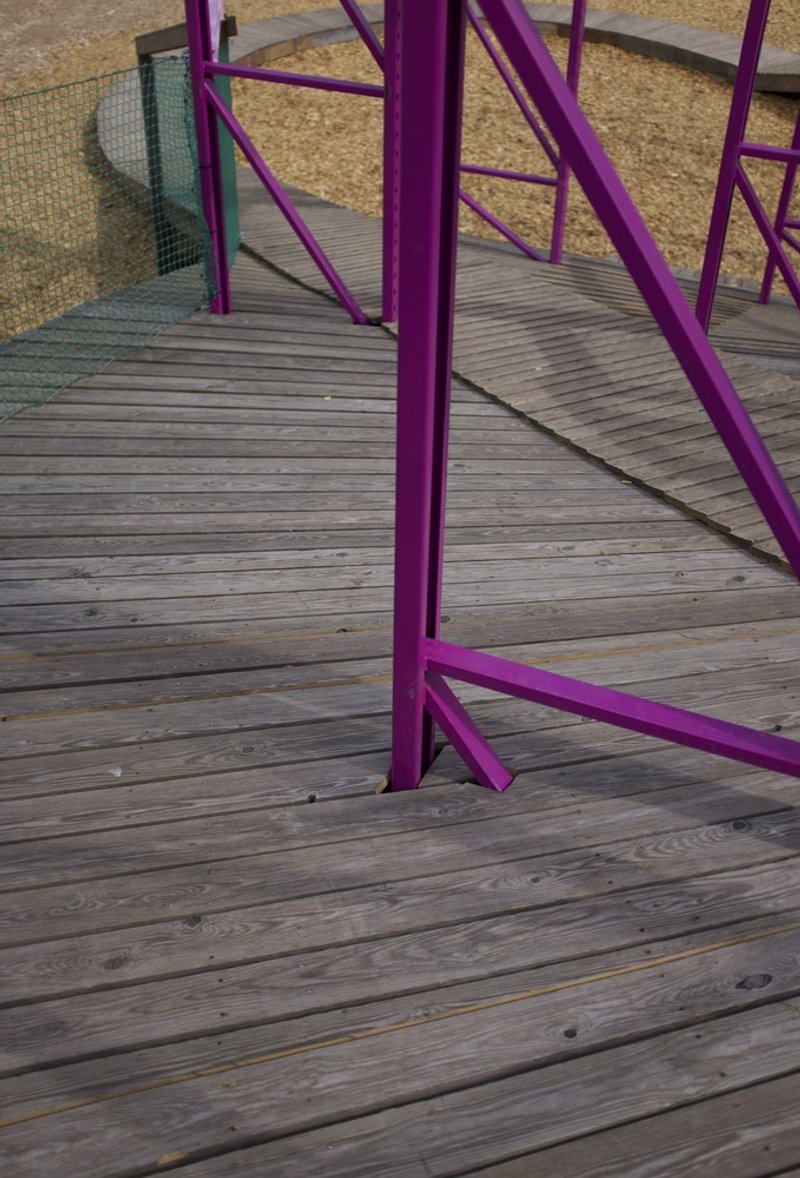
Designed as a multi-use space, the Pavilion accommodates activities like parkour and hip hop, providing areas for both visibility and privacy. Its design encourages youth interaction and serves as a social hub in the city.
Impact of Adaptive Reuse
Cultural and Social Contributions
The Olevodroom Pavilion not only serves as a physical space but also as a memorial and a reminder of the city’s youth culture, symbolizing the space between societal rules. It stands as a testament to the power of architecture to mold community spaces that are inclusive and dynamic.
Environmental Impact
By reusing materials and minimizing construction waste, the Pavilion underscores the environmental benefits of adaptive reuse. This approach significantly reduces the carbon footprint associated with building materials and construction processes.
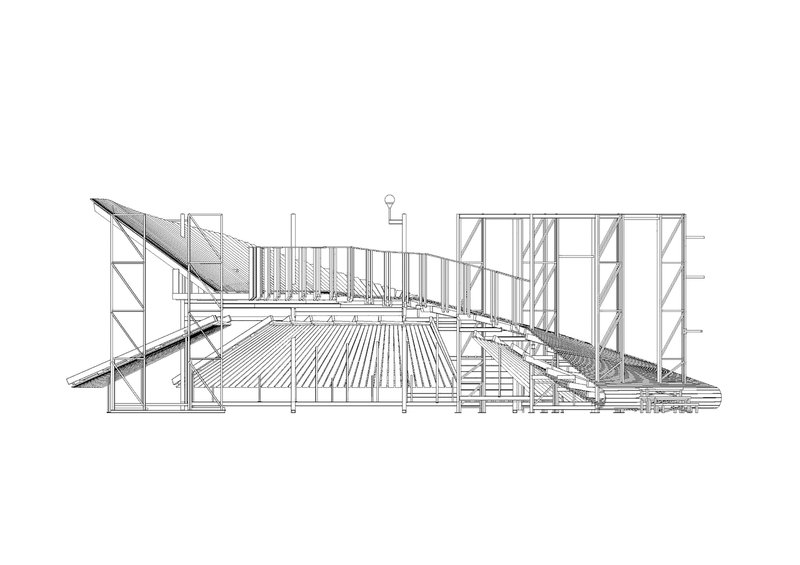
The Olevodroom Pavilion by Decoratelier Jozef Wouters exemplifies the best of adaptive reuse architecture projects. It showcases how creativity and respect for materials can combine to create spaces that are both innovative and reflective of community needs. This project not only revitalizes a physical space but also reinvigorates the community by providing a versatile, engaging environment that resonates with local youth and the broader public.
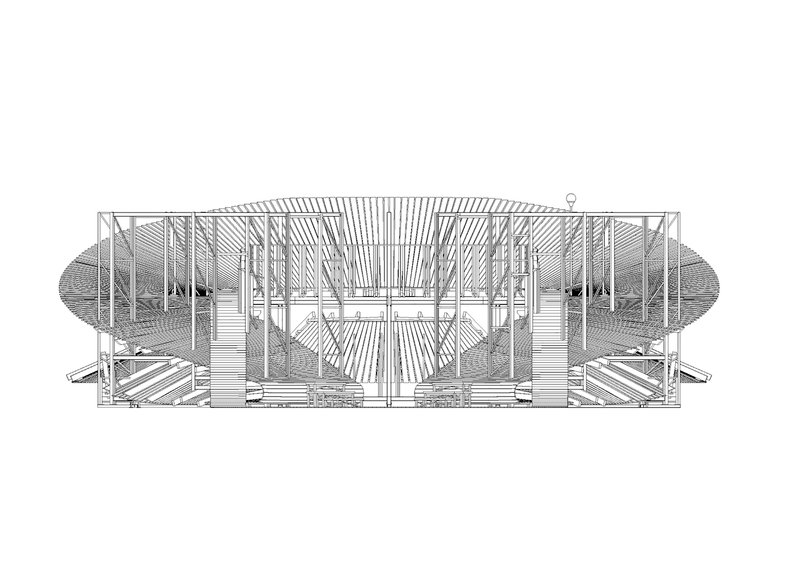
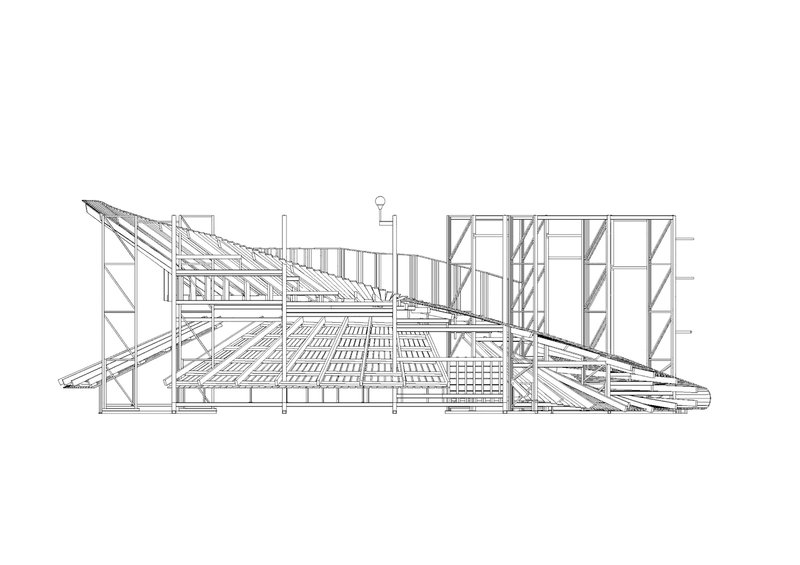
All photographs are work of Michiel De Cleene, Pol Matthé




Popular Articles
Popular articles from the community

Louis Malle Cinema: A Limestone Cultural Landmark Revitalizing Community Life in Prayssac
Limestone cinema extension with public forecourt, blending heritage and modern design to create flexible cultural spaces and strengthen community interaction.
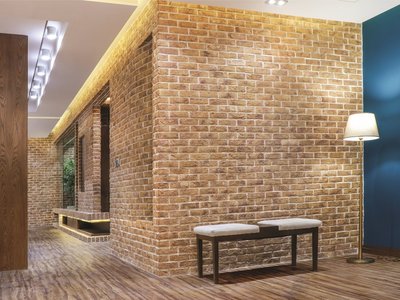
A Contemporary Take on Iranian Residential Architecture
A modern interior design in Mashhad that reinterprets brick, light, and spatial flow to create a warm, contemporary residential architecture.
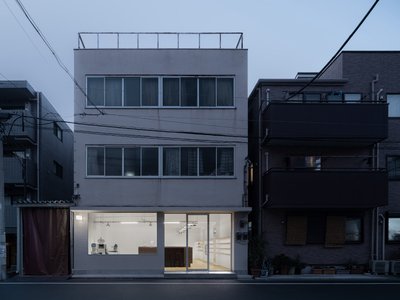
Atelier Macri Concept Store Interior Design by CASE-REAL
Atelier Macri store features a "ko" counter, walnut wood details, cork displays, blending retail, gallery, and seamless customer experiences.
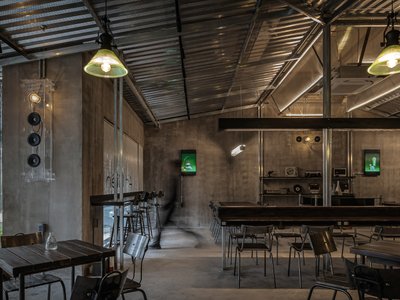
An Miên Lumière Cafe by xưởng xép, Ho Chi Minh City, Vietnam
An industrial-inspired café where layered steel and warm light create a dynamic, immersive environment shaped by reflection, depth, and perception.


Similar Reads
You might also enjoy these articles


The Ken Roberts Memorial Delineation Competition (Krob)
As the most senior architectural drawing competition currently in operation anywhere in the world, it draws hundreds of entries each year, awarding the very best submissions in a series of medium-based categories.


Waterfront Redevelopment and Urban Revitalization in Mumbai: Forging a New Dawn for Darukhana
A transformative waterfront redevelopment project reimagining Darukhana’s shipbreaking heritage into an inclusive urban future.

OUT-OF-MAP: A Call for Postcards on Feminist Narratives of Public Space
Rhizoma Design and Research Lab invites artists, designers, architects, researchers, and students to reflect on how feminist perspectives can reshape public space. Selected works will be exhibited in Barcelona, October 2026. Submissions open until 15 April 2026.


Documentation Work on Buddhist Wooden Temple
Architectural syncretism and cultural hybridity: A comparative study of the Buddhist temples in Chattogram Hill tracks


Explore Architecture Competitions
Discover active competitions in this discipline




The International Standard for Design Portfolios


The Global Benchmark for Architecture Dissertation Awards


The Global Benchmark for Graduation Excellence


Challenge to reimagine the Iron Throne
Comments (0)
Please login or sign up to add comments
No comments yet. Be the first to comment!