
Adaptive Reuse Architecture: The Transformation of Tibetan Houses into the Librairie Avant-garde in Shangri-La
This article discusses the adaptive reuse of traditional Tibetan houses in Shangri-La into the Librairie Avant-garde bookstore, emphasizing cultural and architectural preservation.

Introduction to Adaptive Reuse Architecture
Adaptive reuse architecture involves repurposing existing structures to serve new functions, blending history with modern needs. A prime example of this is the renovation of the Librairie Avant-grade in Shangri-La by Zhaoyang Architects. This project exemplifies how adaptive reuse can breathe new life into traditional buildings, turning them into functional spaces that serve both the local community and visitors alike
The History and Context of the Traditional Tibetan Houses
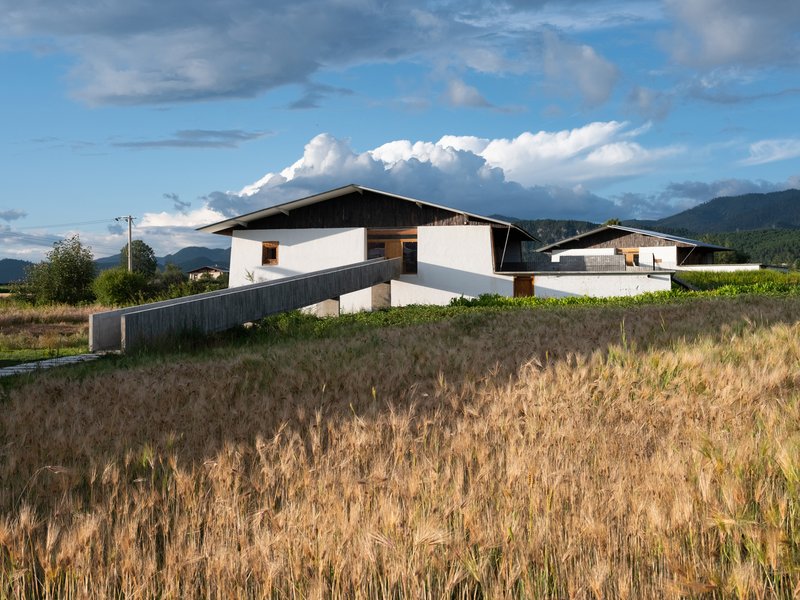
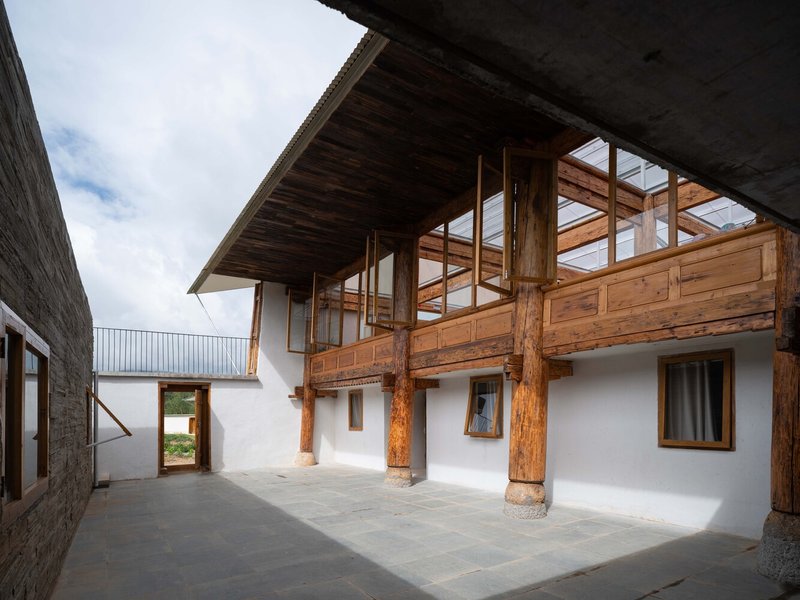
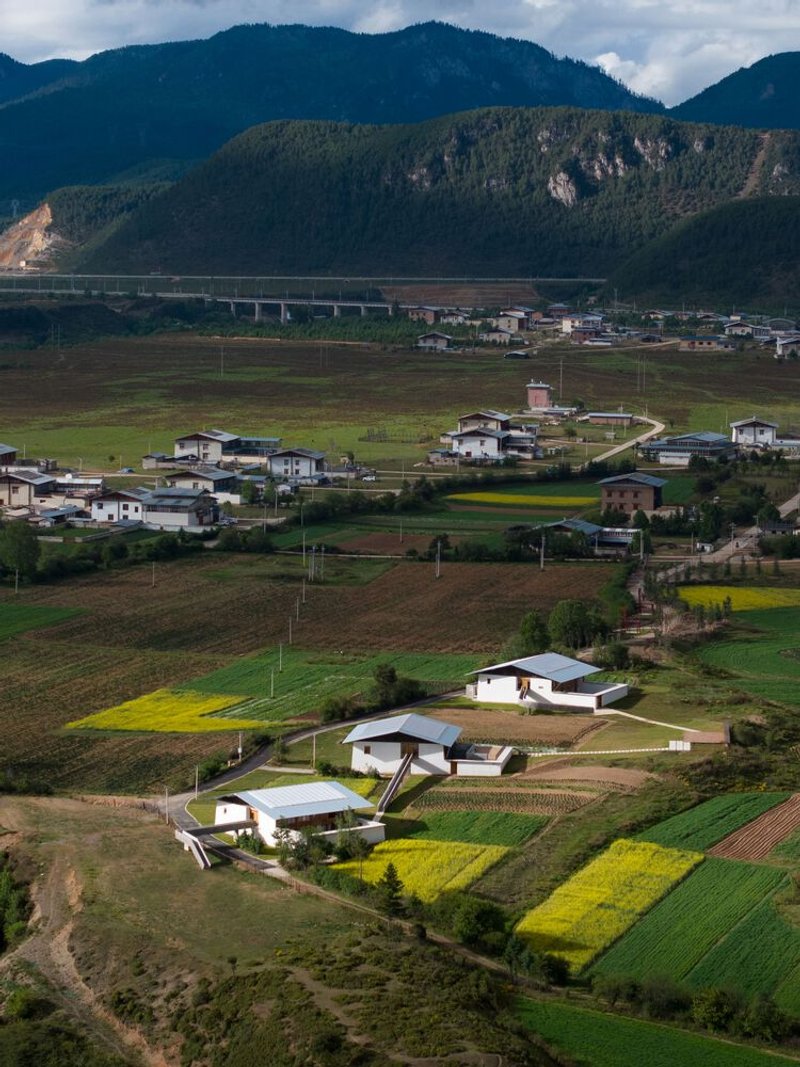
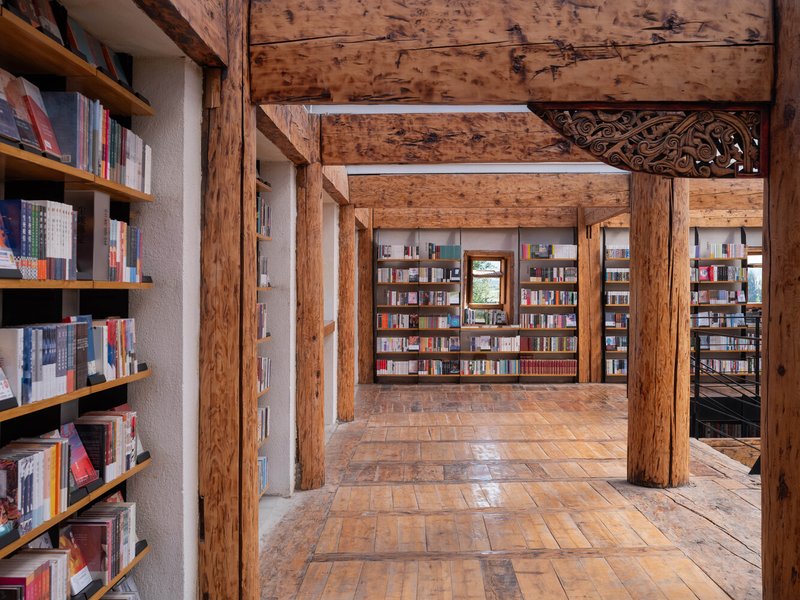
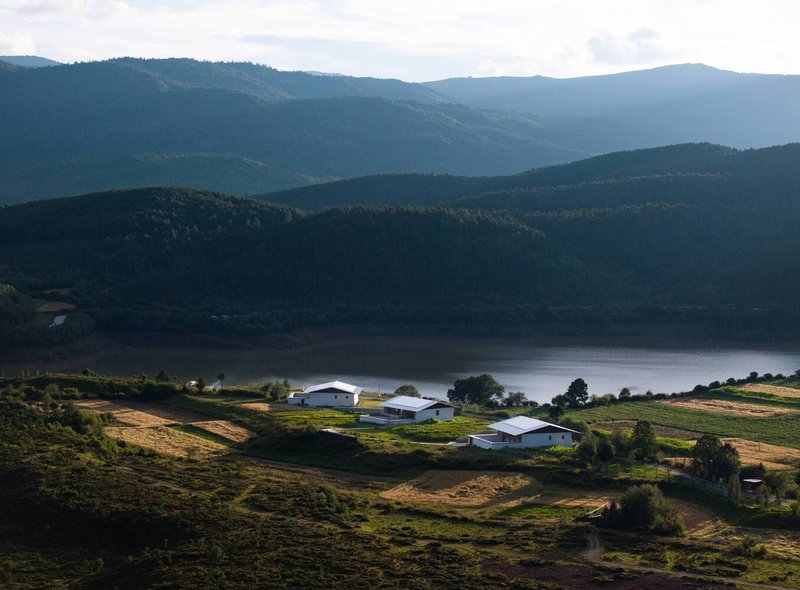
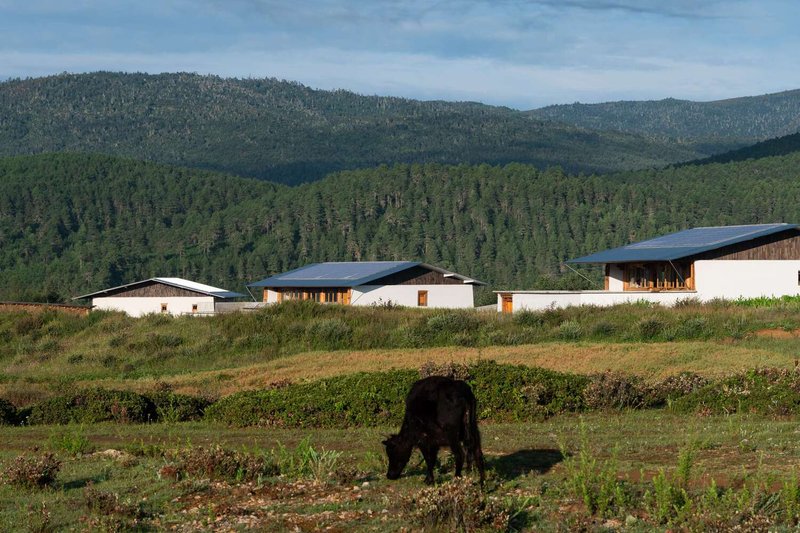
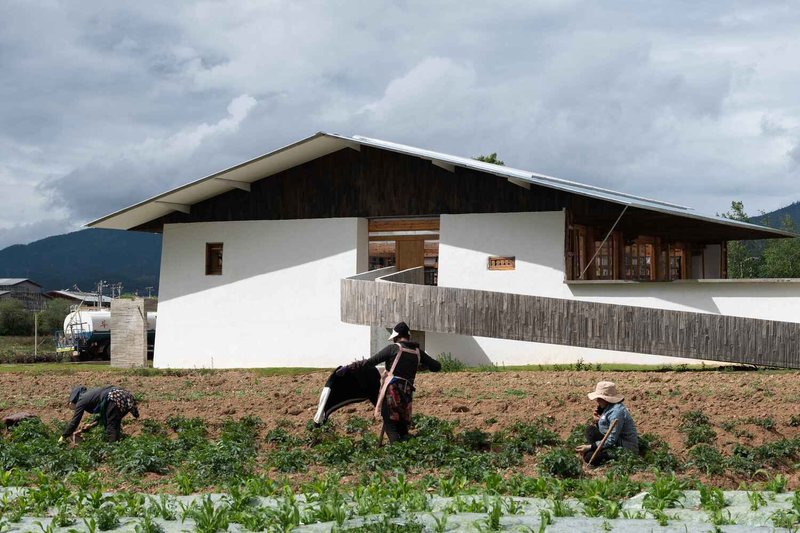
The three Tibetan houses in Shangri-La, located in Wugong Village, are traditional “Shanpian” houses typical of the Zhongdian region. Built to withstand the harsh climatic conditions of the high-altitude region, these structures were originally designed for farming and pastoral lifestyles. The wooden shingles, made from fir wood and manually split, were a key characteristic of these homes, offering both structural integrity and protection from the weather. These houses are a valuable piece of local heritage, embodying the traditional architecture of the Tibetan people.
The Challenges of Renovating Historic Buildings
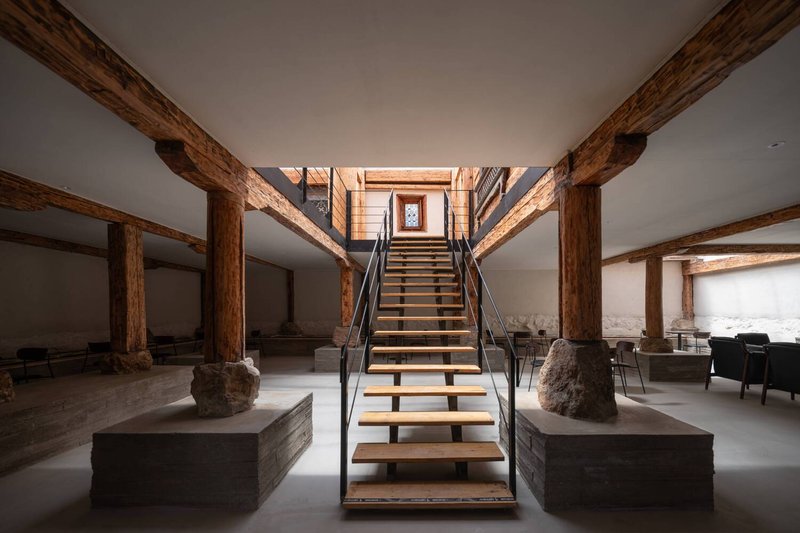
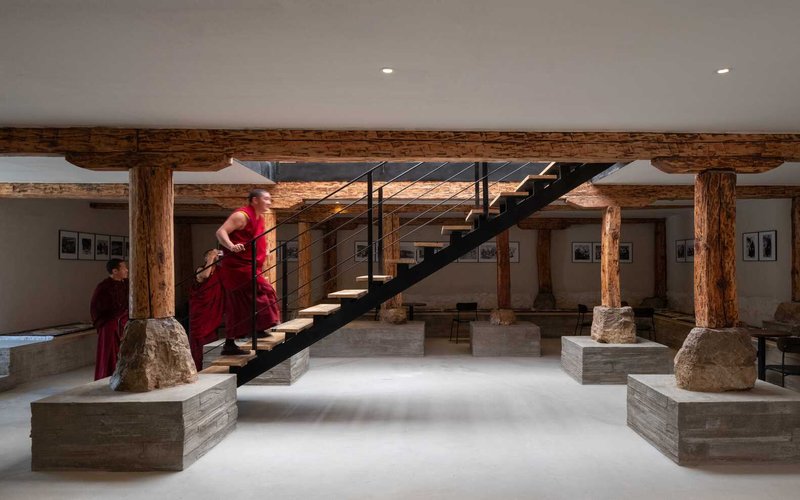
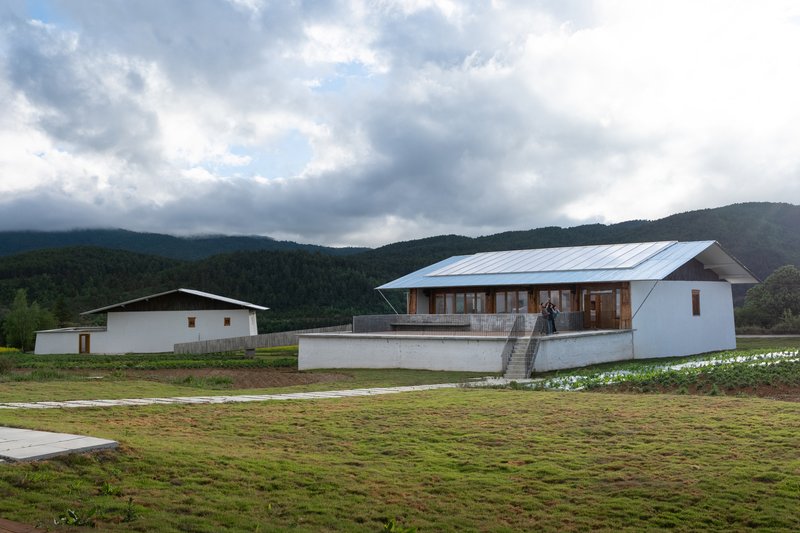
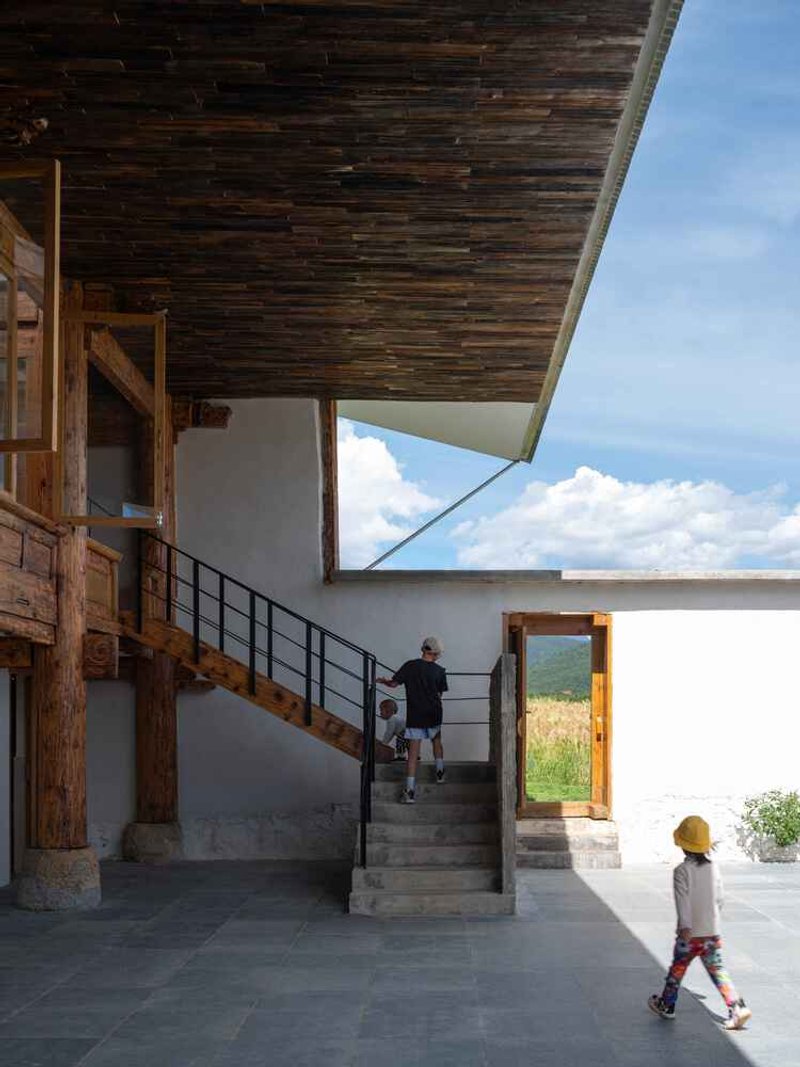
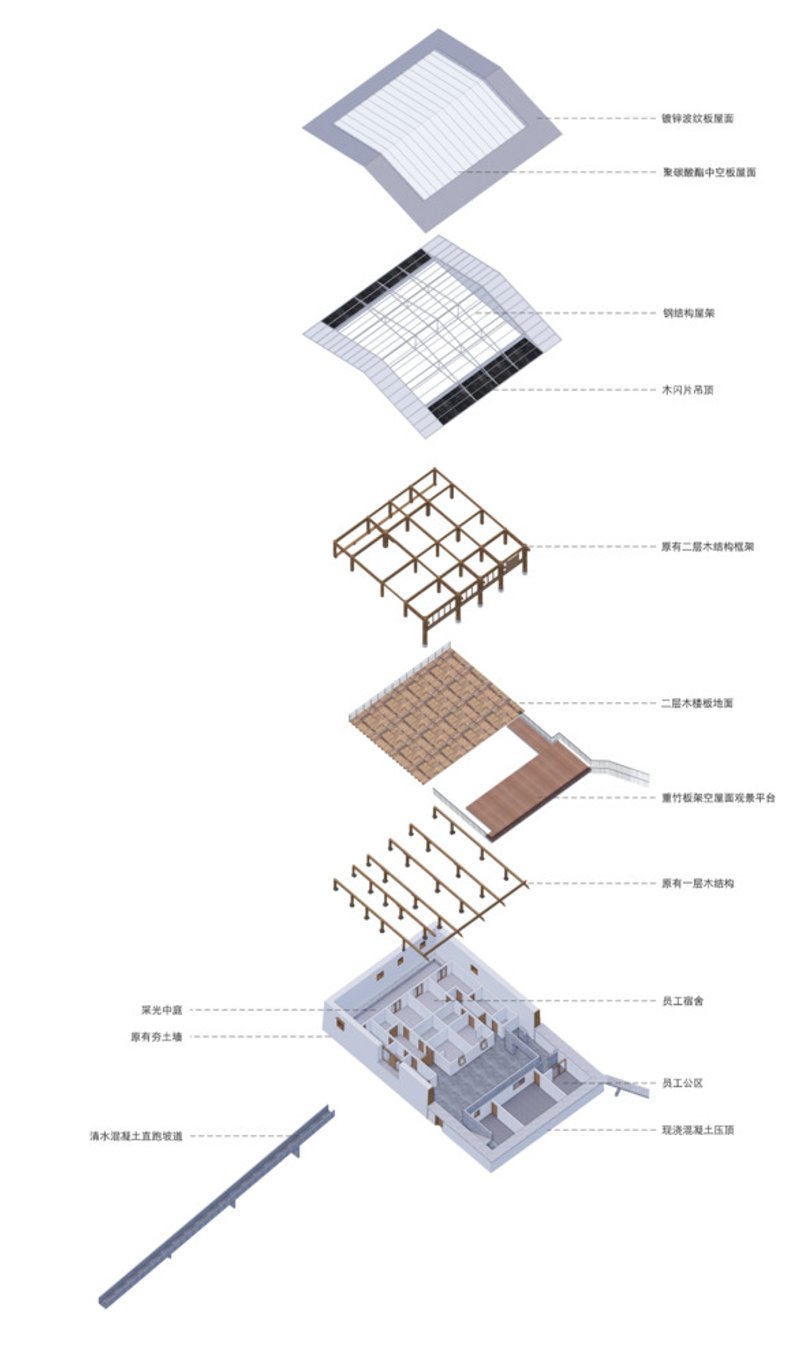
The renovation of these historic houses posed several challenges. Despite the limited budget, the architects aimed to preserve as much of the original structure as possible, maintaining the traditional wooden beams and rammed earth walls. However, the roofs of the houses, made from deteriorating wooden shingles, needed immediate attention. The architects opted not to replace the old with new, but instead to modernize the roofing system while retaining the traditional roofline.
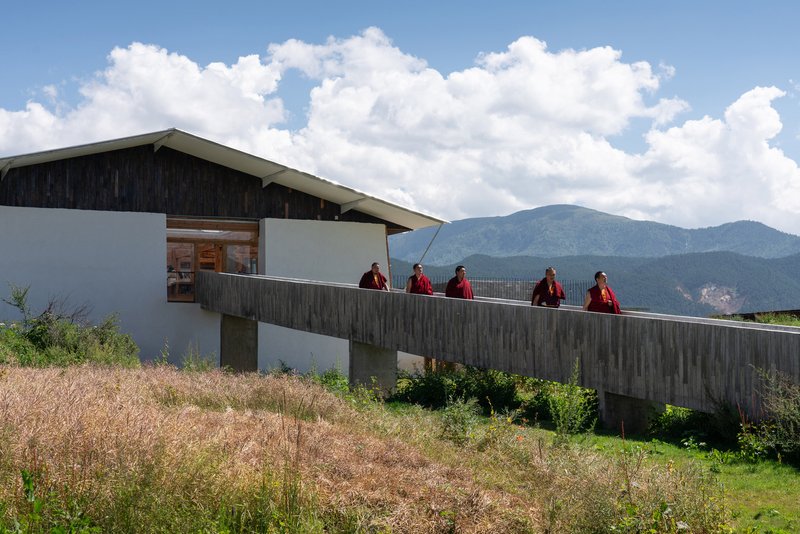
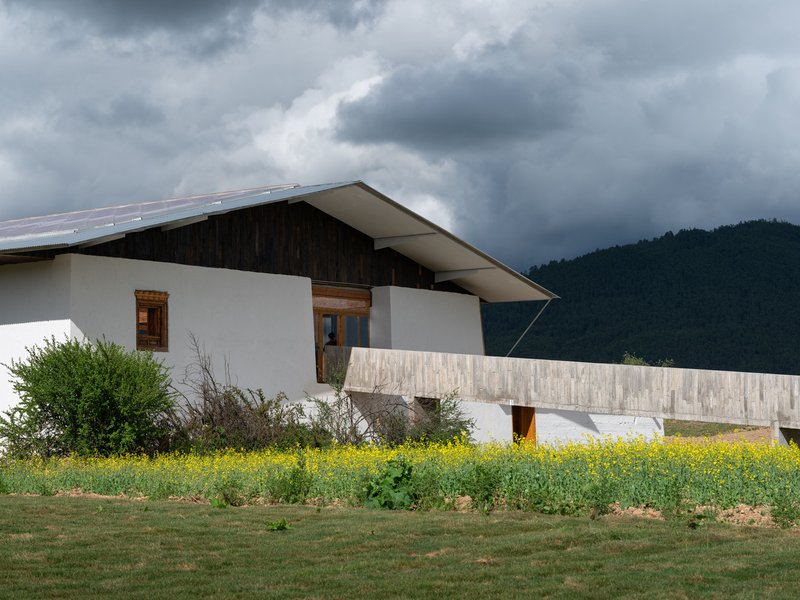
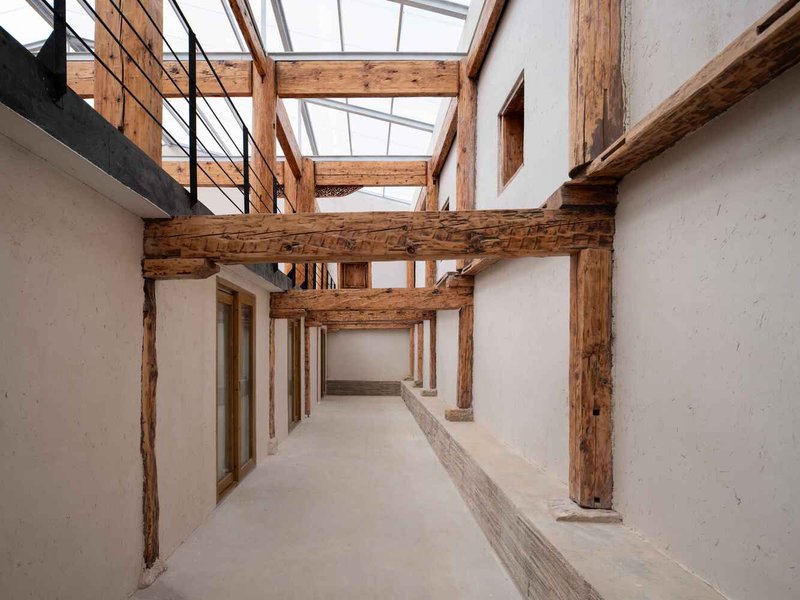
One of the main challenges was ensuring the integrity of the rammed earth walls, which provided excellent thermal performance but had suffered from damage due to neglect. The architects carefully restored the walls, ensuring they could withstand the elements while preserving their historic value.
Creating Functional Public Spaces Through Adaptive Reuse
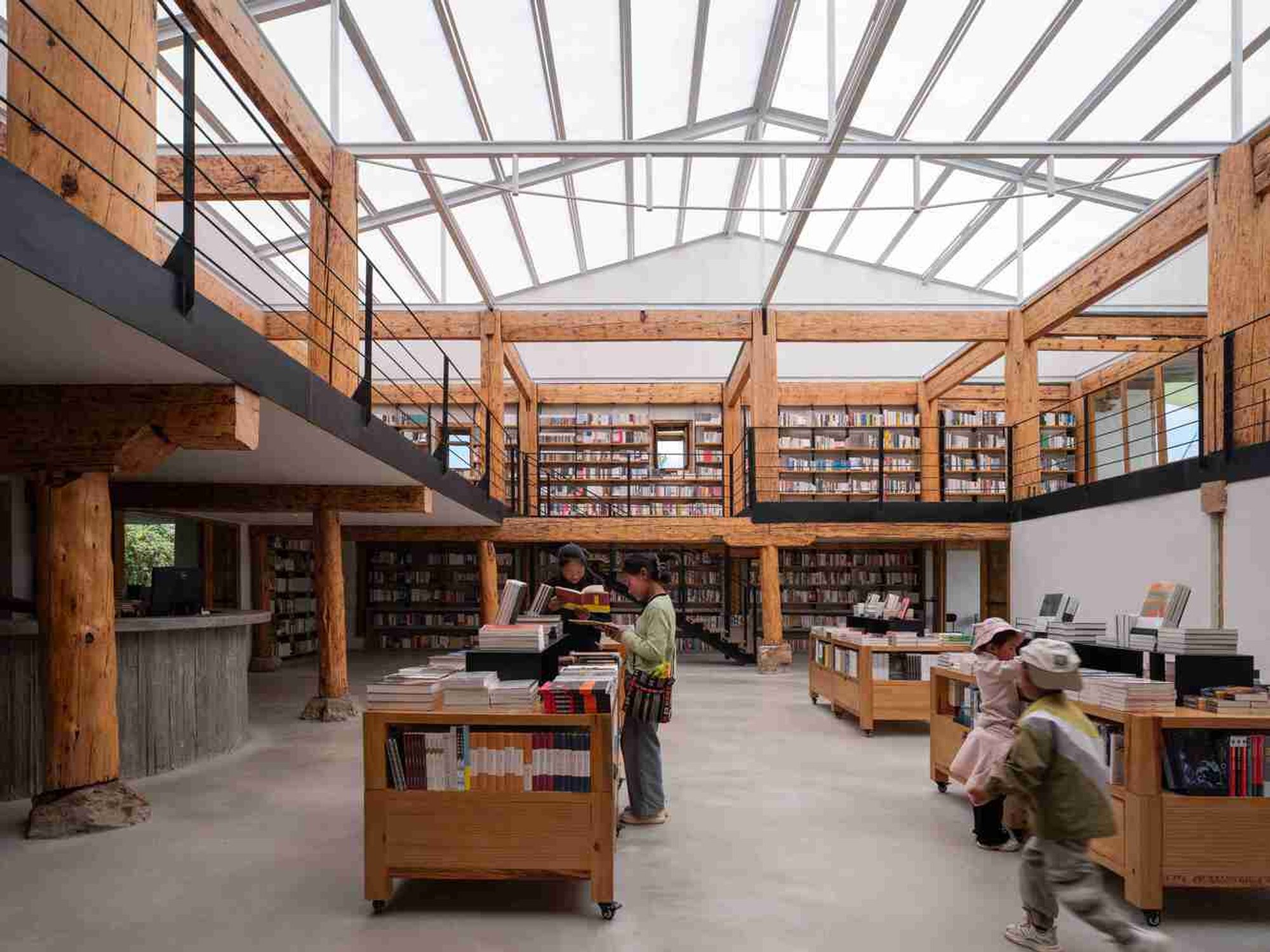
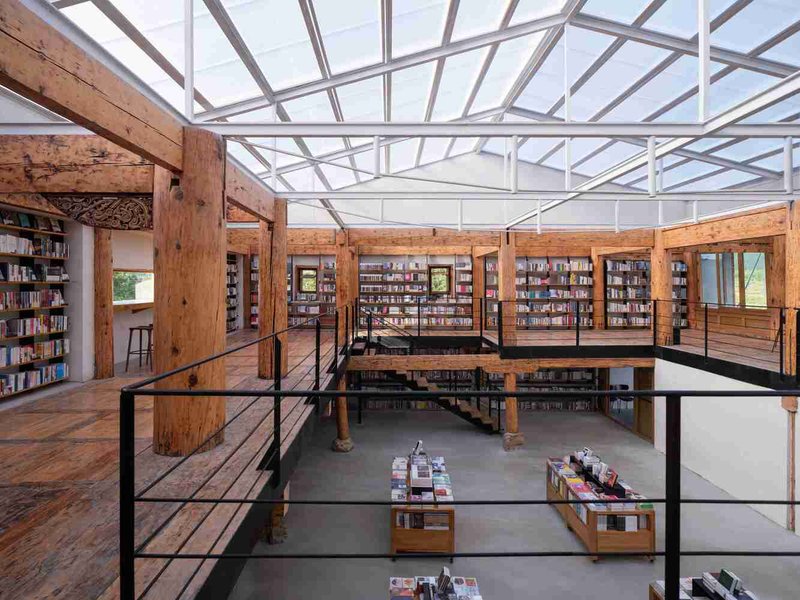
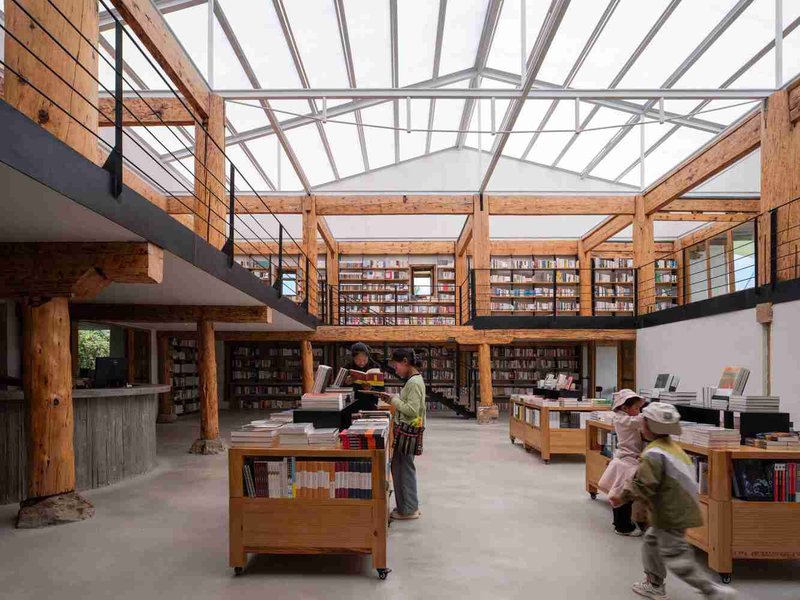
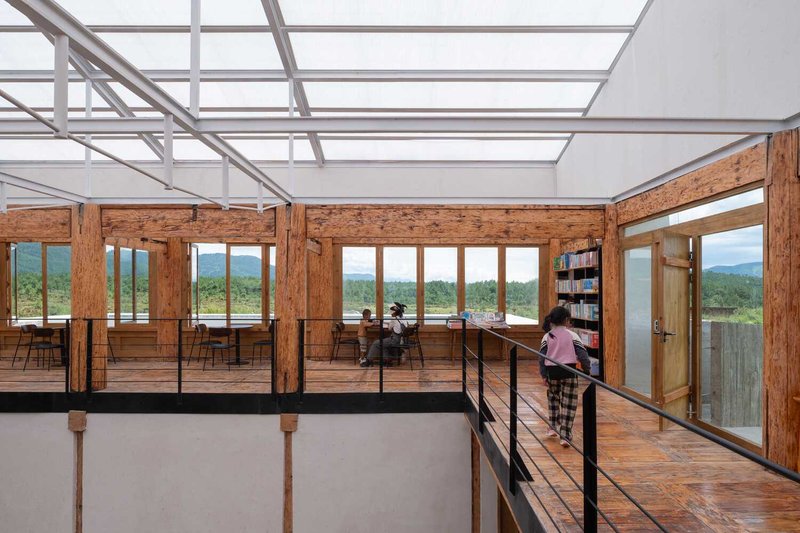
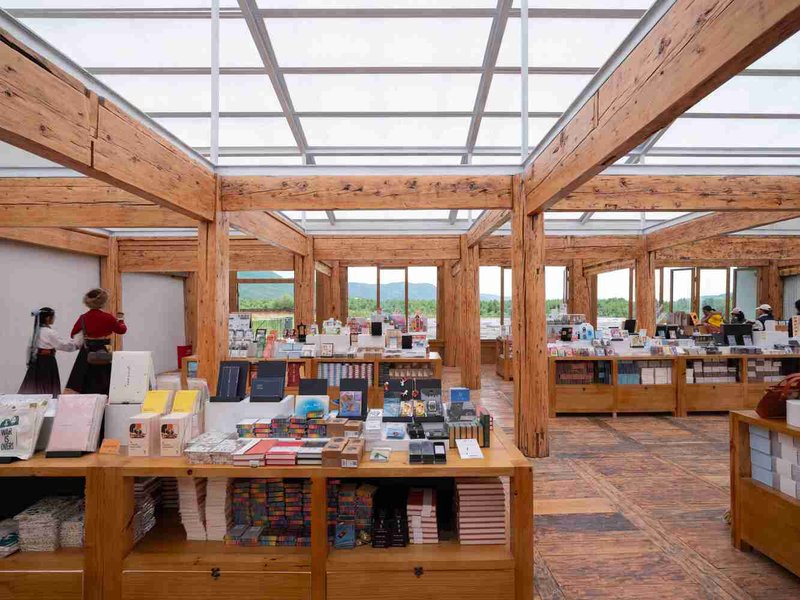
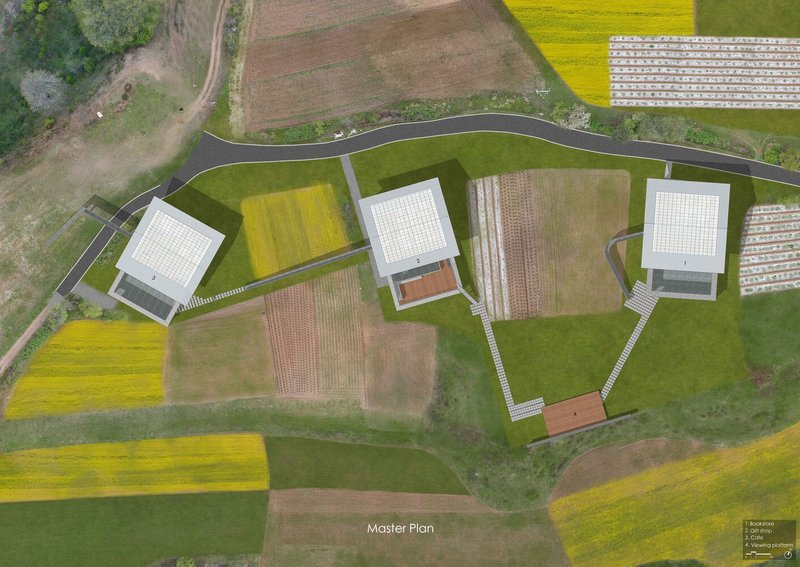
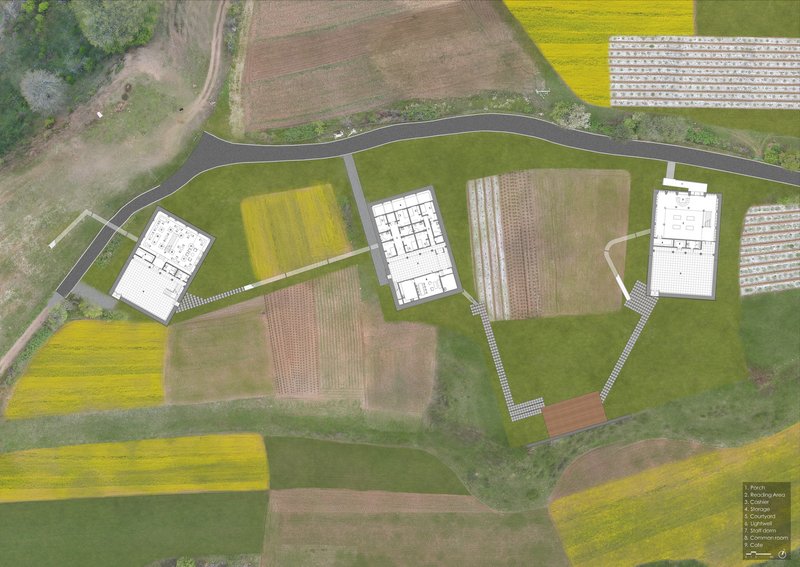
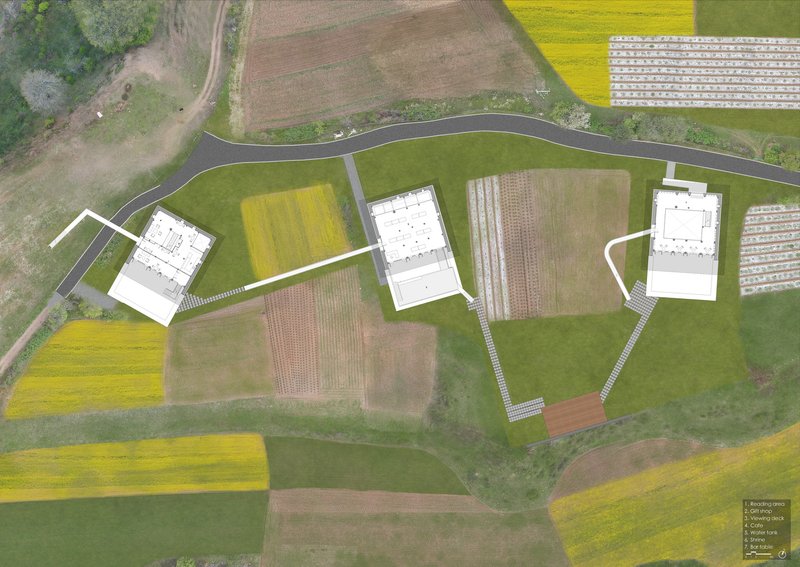
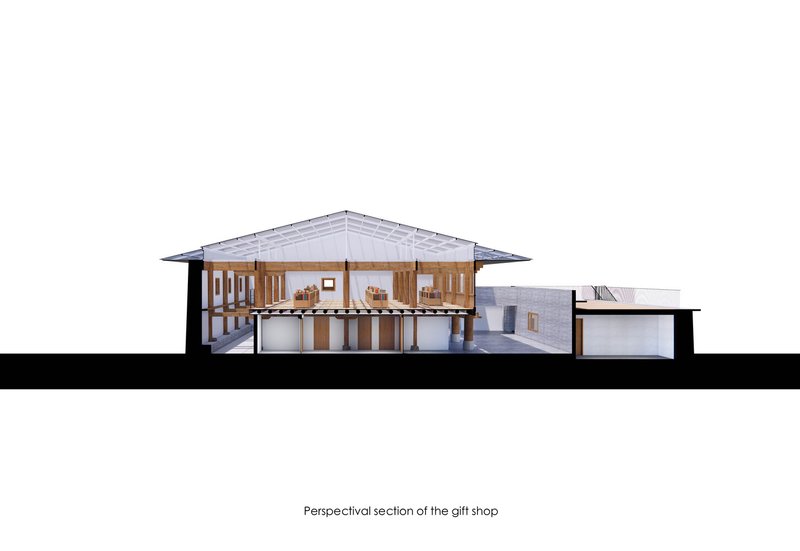
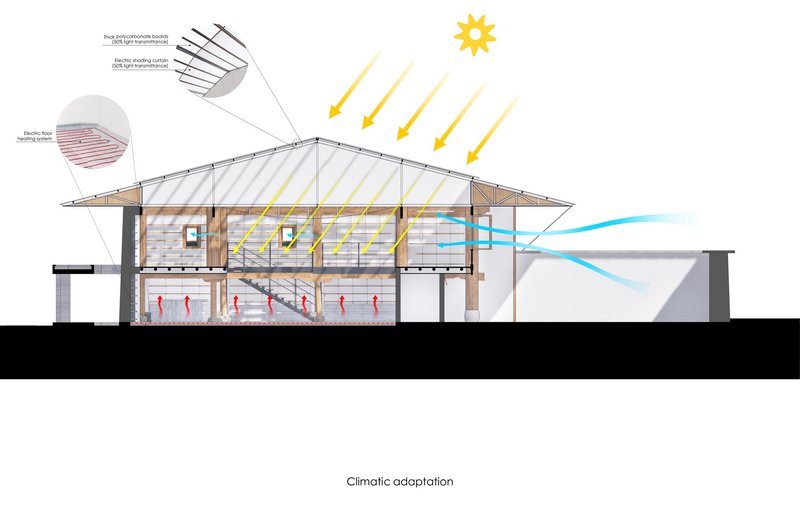
The transformation of the Tibetan houses into a public bookstore, cultural shop, and café required careful adaptation of the original spaces. The architects sought to enhance the interior by allowing more natural light to penetrate the building. They used sunrooms, a local vernacular architectural feature, to improve thermal comfort and create inviting spaces for visitors.
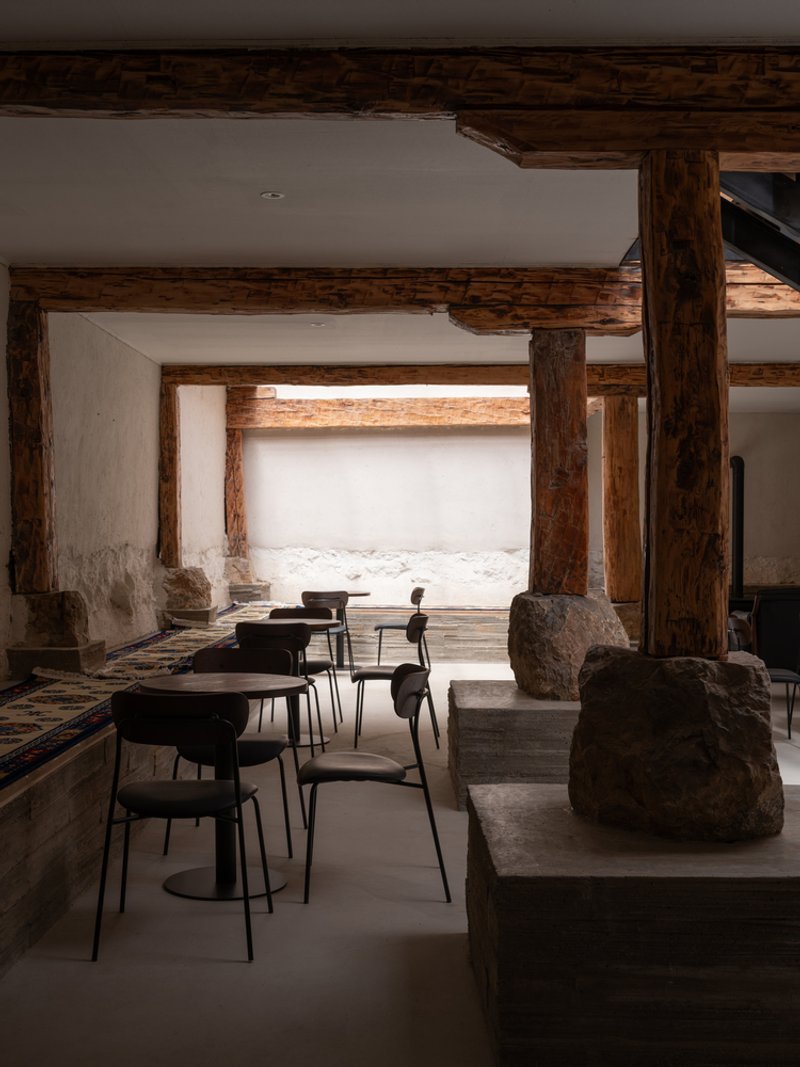
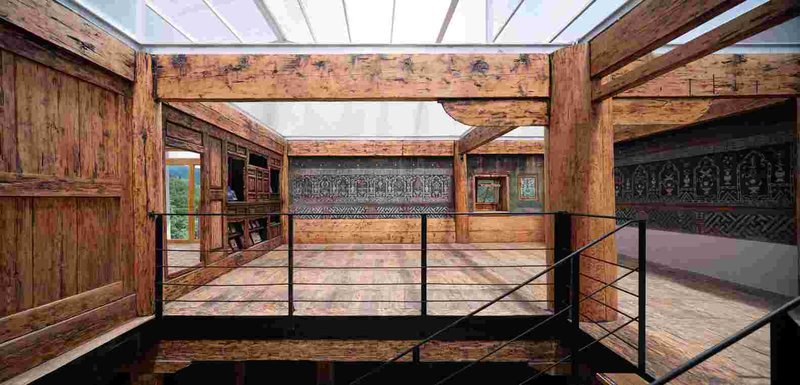
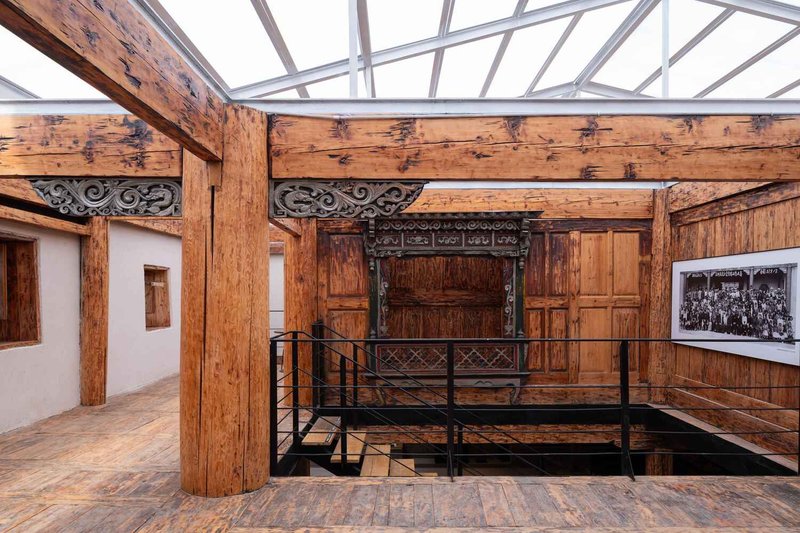
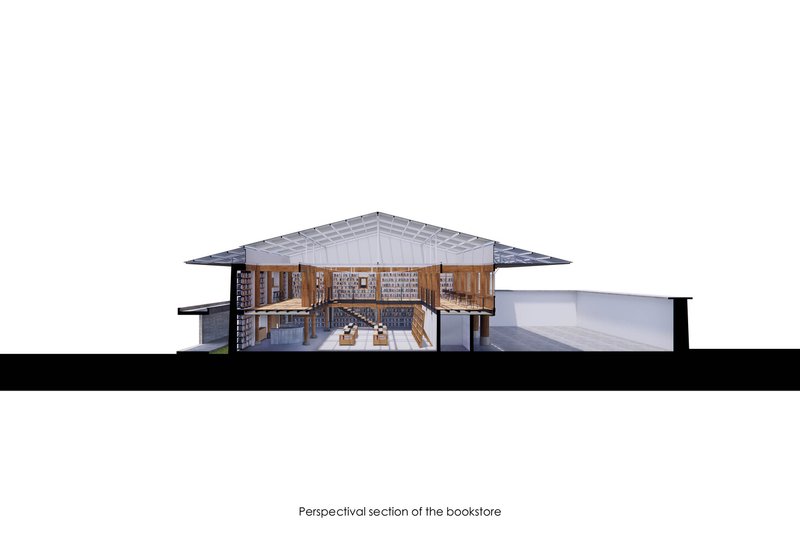
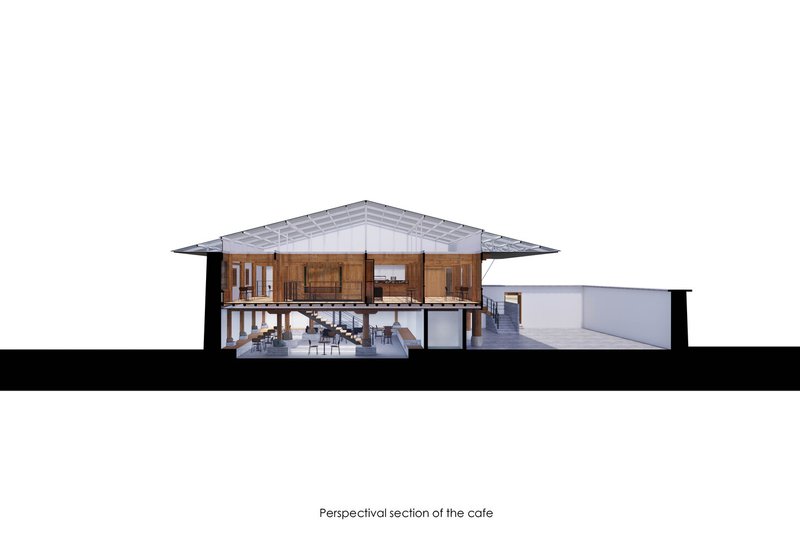
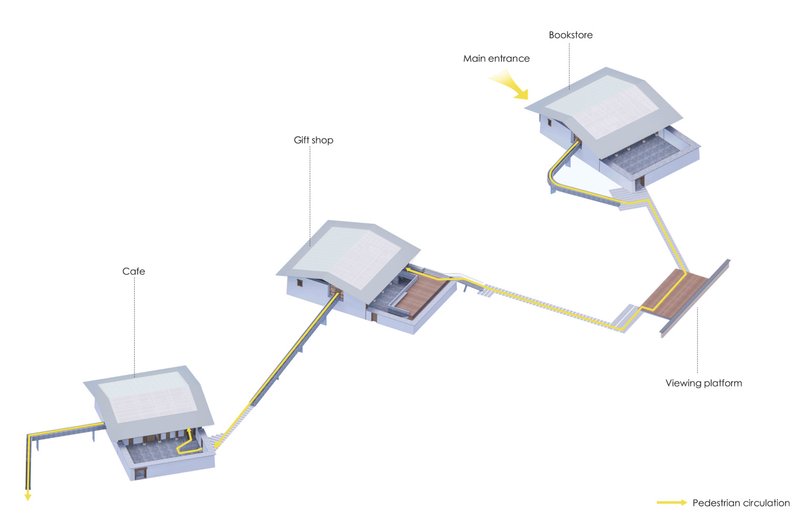
The bookstore, housed in the largest of the three houses, is designed as a “temple of words,” with a large, open space and two-story bookshelves. The design emphasizes the importance of the written word and invites visitors to experience the cultural significance of the building. The café, located in a smaller house, was designed to function as both a café and a social space, with seating arranged around the hearth.

Preserving Cultural Heritage Through Design
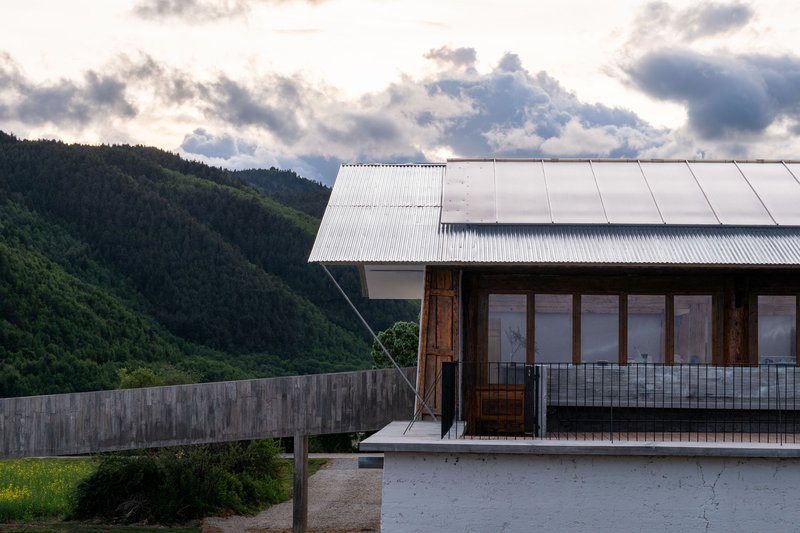
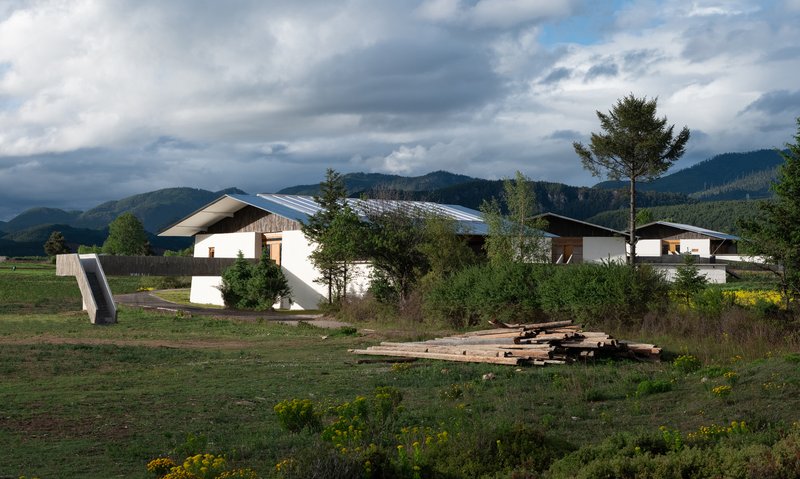
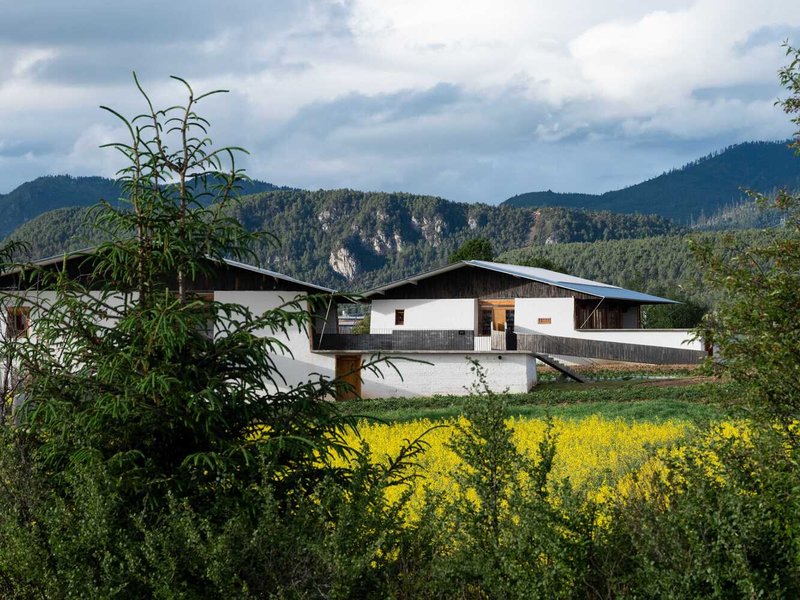
The renovation of the Librairie Avant-garde project emphasizes the importance of cultural heritage. The architects’ approach goes beyond merely preserving the physical structure; it is about revitalizing the cultural context of the buildings. By maintaining the original layout of the Tibetan houses and incorporating modern interventions like the polycarbonate roof panels, the architects have created a new space that respects the region's traditions while providing contemporary functions.
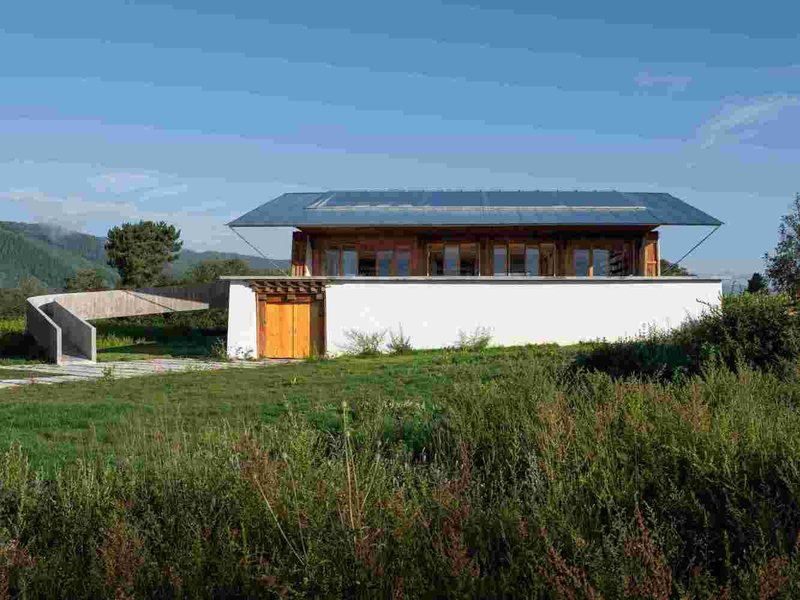
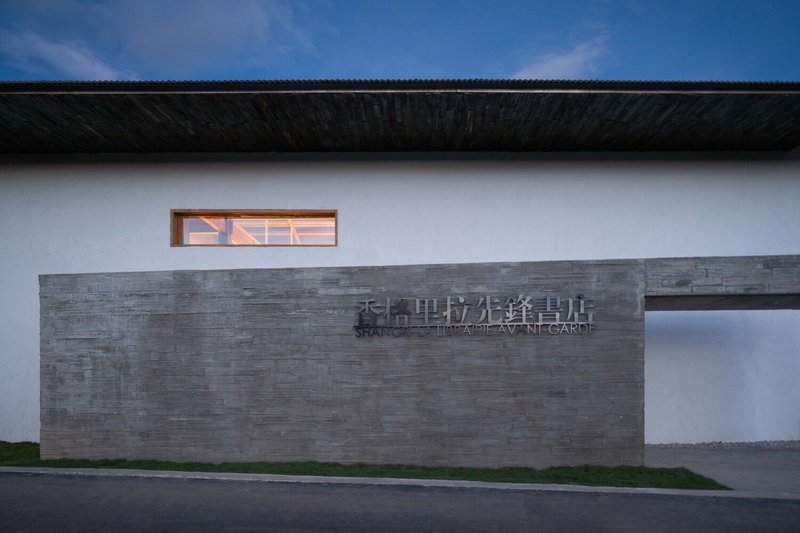
Additionally, the exterior of the buildings was carefully preserved. The polycarbonate roof allows for light transmission while maintaining the traditional roof form, ensuring that the houses blend seamlessly with the surrounding landscape. The buildings stand as a testament to the region's history and provide a space for future generations to experience and learn about the cultural significance of the Tibetan way of life.
Sustainable Design in Adaptive Reuse
Sustainability is a core principle of adaptive reuse architecture. In the case of the Librairie Avant-garde, the project has contributed to environmental conservation by reusing existing materials and reducing the need for new construction. The use of polycarbonate panels instead of traditional shingles is a sustainable choice that balances modern needs with the preservation of heritage. Furthermore, the recycled wooden shingles were used creatively as formwork for concrete and cladding, reducing waste and maintaining the connection to the original materials.
The Future of Adaptive Reuse in Architecture
The renovation of the Tibetan houses in Shangri-La into the Librairie Avant-garde bookstore highlights the potential of adaptive reuse architecture to preserve history while meeting the needs of contemporary society. By blending traditional materials with modern design strategies, the architects have created a space that serves as a cultural hub, inviting visitors to explore both the architectural heritage and the literary world.
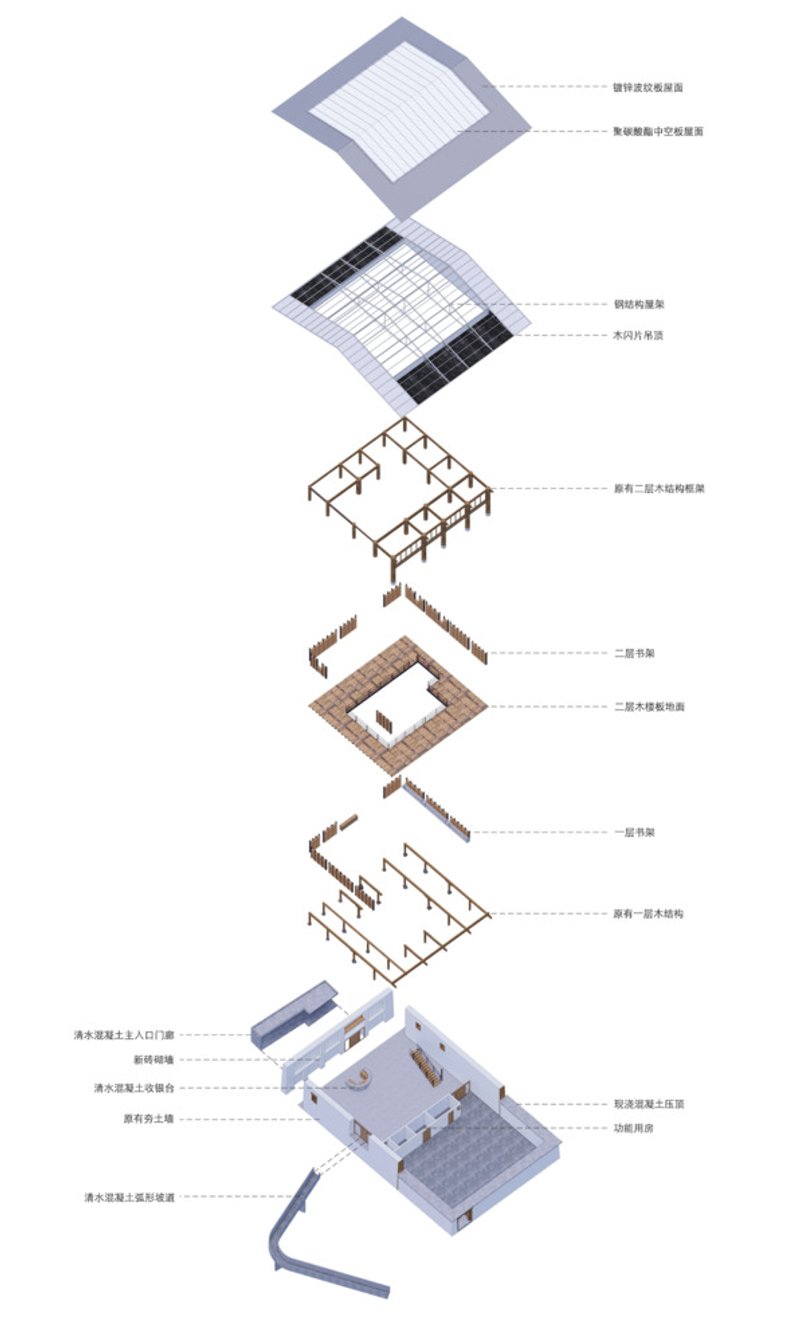
Adaptive reuse architecture is not just about preserving the past—it’s about ensuring that historical buildings can continue to serve future generations in meaningful ways. The Librairie Avant-garde project is a shining example of how architecture can create a bridge between past and present, all while respecting the environment and local culture.
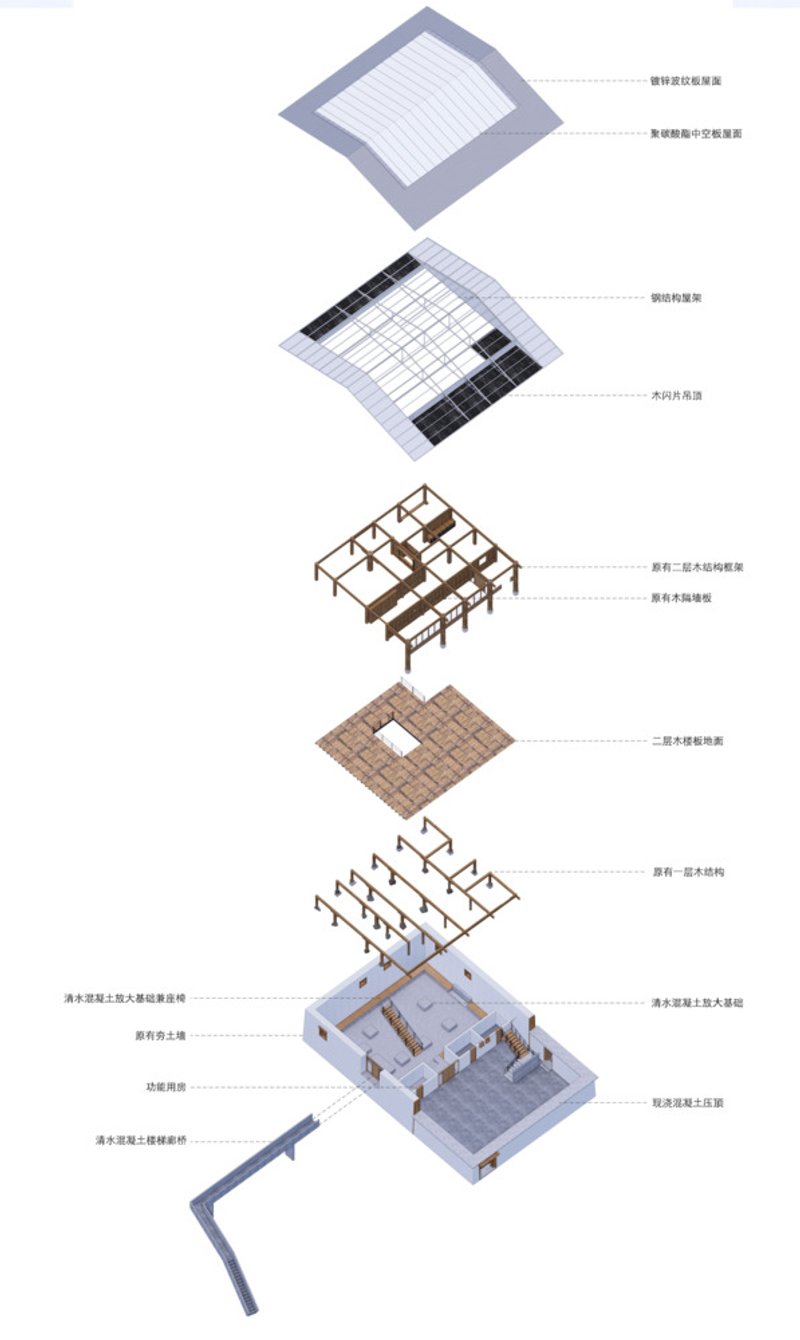
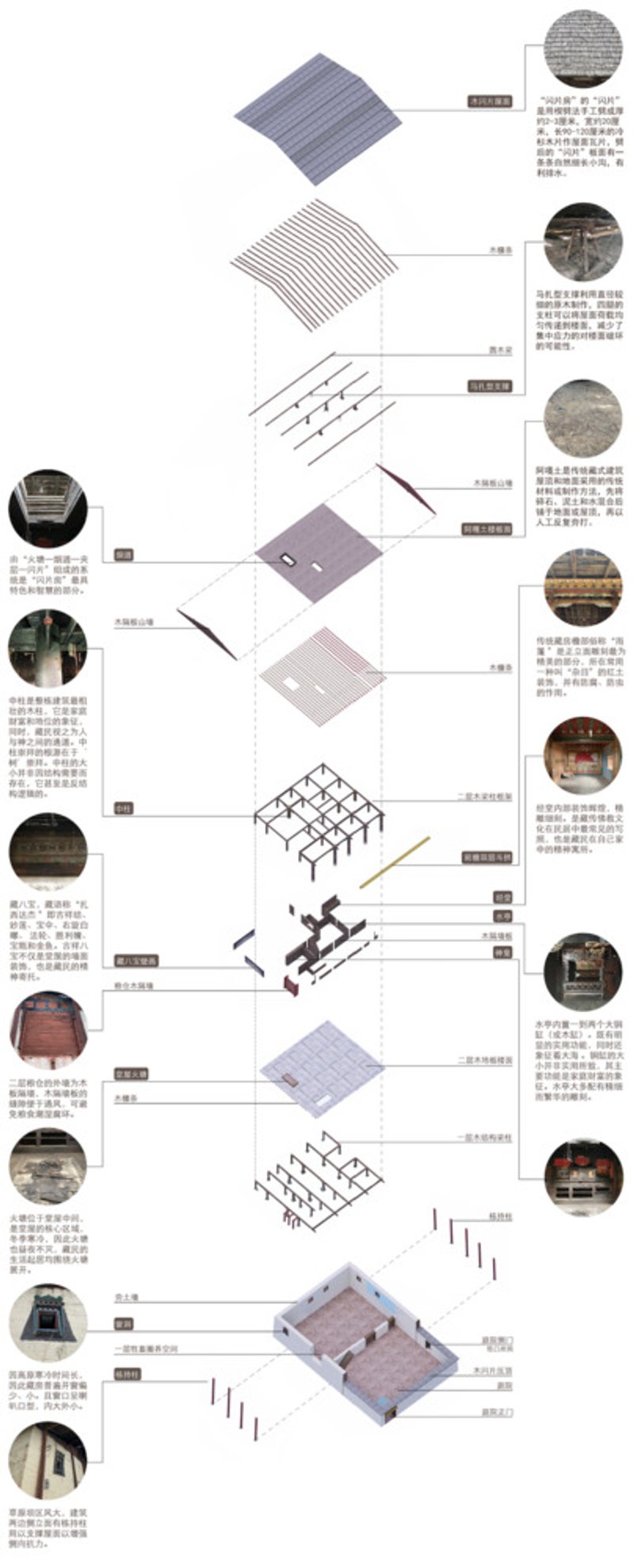
All Photographs are works of Ce Wang




Popular Articles
Popular articles from the community

On the Brooks House by Monsoon Collective – A Contemporary Kerala Home Rooted in Tradition
Kerala home blending tradition and modernity with water-inspired design, brick architecture, courtyard planning, and sustainable rainwater harvesting strategies.
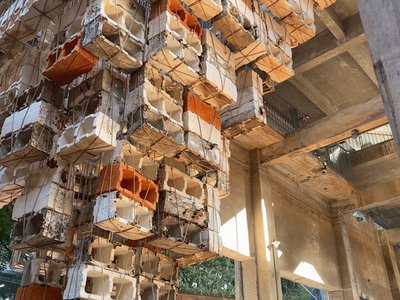
Inverted Architecture Installation by Studio Link-Arc: Exploring the Intersection of Architecture and Living Organisms
Inverted Architecture Installation by Studio Link-Arc blends mycelium, sustainability, inverted design, ecological cycles, and urban adaptive architecture in Shenzhen.

Solar Steam: A Climate-Responsive Architecture That Redefines the Monument
A climate-responsive memorial architecture that transforms heat, decay, and time into a living system reflecting humanity’s ecological impact.
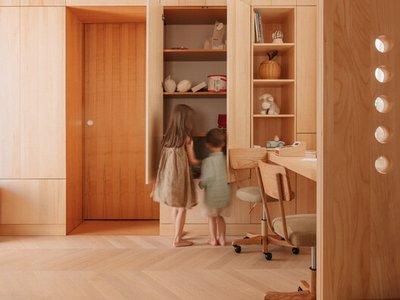
Treehouse Apartment: A Warm Timber Interior Blending Craft, Play, and Contemporary Living
Warm timber apartment with integrated treehouse, combining natural materials, craftsmanship, and playful design to create a flexible, family-oriented living environment.

Similar Reads
You might also enjoy these articles


The Ken Roberts Memorial Delineation Competition (Krob)
As the most senior architectural drawing competition currently in operation anywhere in the world, it draws hundreds of entries each year, awarding the very best submissions in a series of medium-based categories.


Waterfront Redevelopment and Urban Revitalization in Mumbai: Forging a New Dawn for Darukhana
A transformative waterfront redevelopment project reimagining Darukhana’s shipbreaking heritage into an inclusive urban future.

OUT-OF-MAP: A Call for Postcards on Feminist Narratives of Public Space
Rhizoma Design and Research Lab invites artists, designers, architects, researchers, and students to reflect on how feminist perspectives can reshape public space. Selected works will be exhibited in Barcelona, October 2026. Submissions open until 15 April 2026.


Documentation Work on Buddhist Wooden Temple
Architectural syncretism and cultural hybridity: A comparative study of the Buddhist temples in Chattogram Hill tracks


Explore Architecture Competitions
Discover active competitions in this discipline




The International Standard for Design Portfolios


The Global Benchmark for Architecture Dissertation Awards


The Global Benchmark for Graduation Excellence


Challenge to reimagine the Iron Throne
Comments (0)
Please login or sign up to add comments
No comments yet. Be the first to comment!