
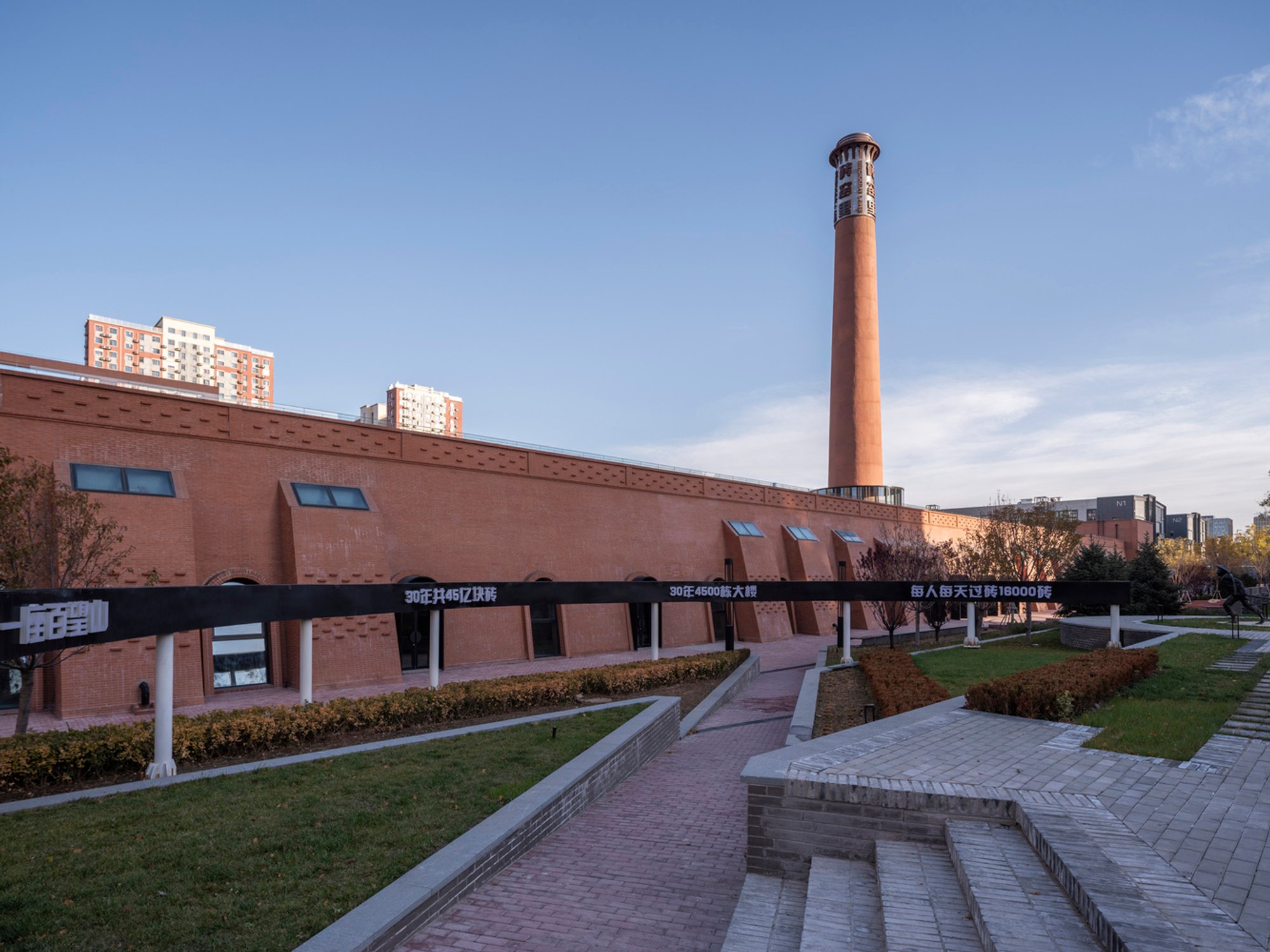
Adaptive Reuse Architecture: Transforming Brickkiln Lane into a Modern Cultural Hub
This article delves into the Brickkiln Lane Innovation project, showcasing its transformation into a cultural hub through adaptive reuse architecture.

Adaptive reuse architecture involves repurposing old buildings for new functions, a sustainable alternative that preserves historical significance while meeting contemporary needs. The Brickkiln Lane Innovation project in Beijing, designed by MAT Office, exemplifies this approach by converting an old brick kiln into a vibrant public space.
The Historical Context of Brickkiln Lane
Preserving Industrial Heritage
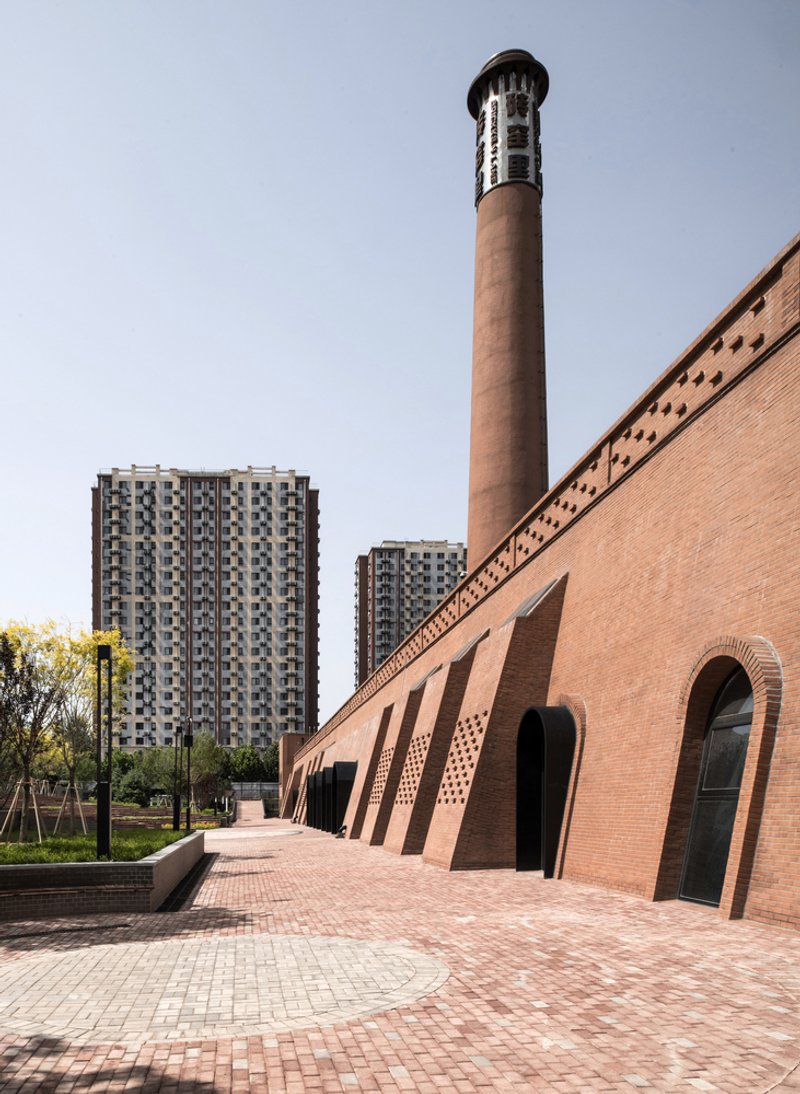
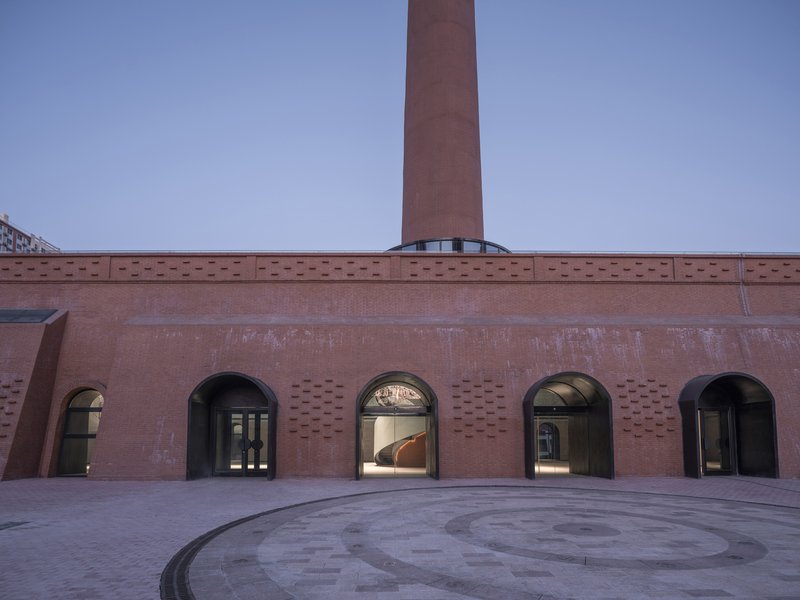
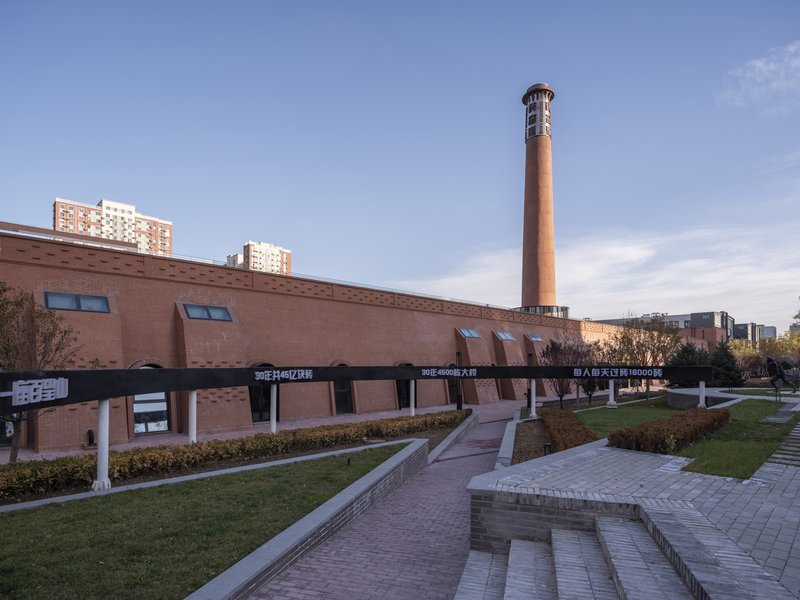
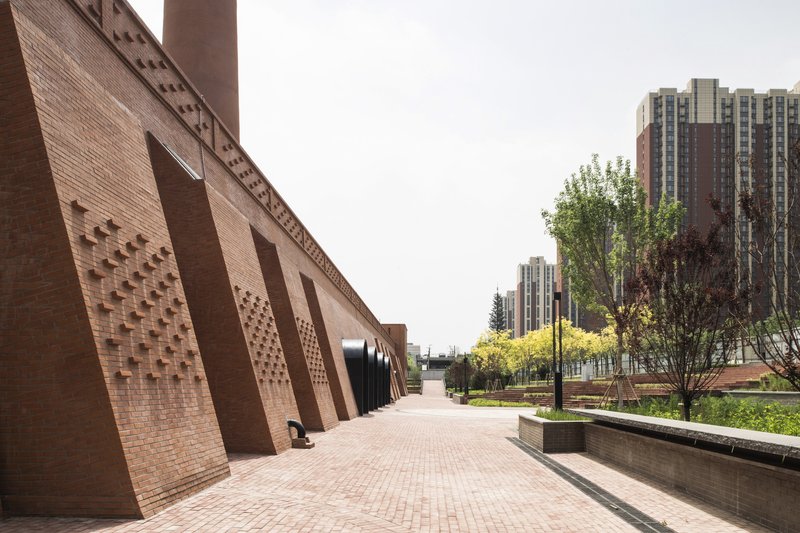
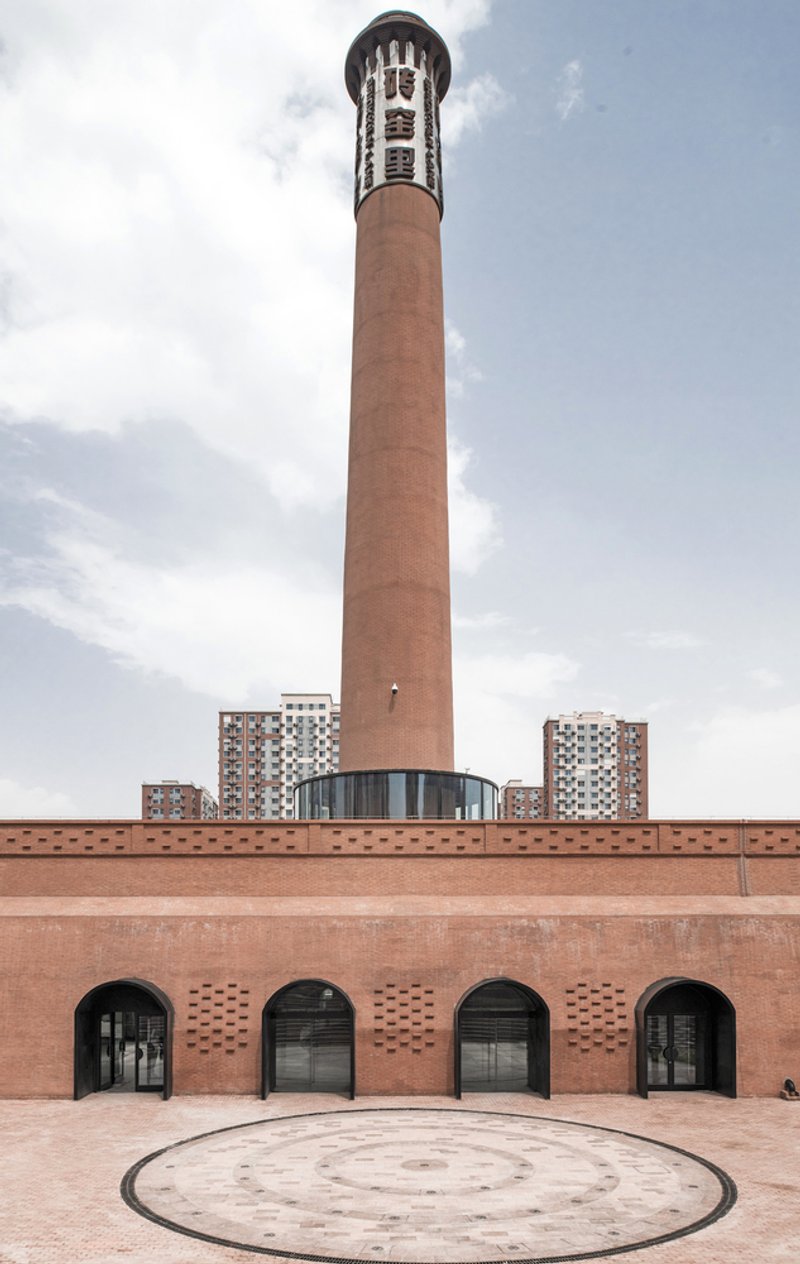
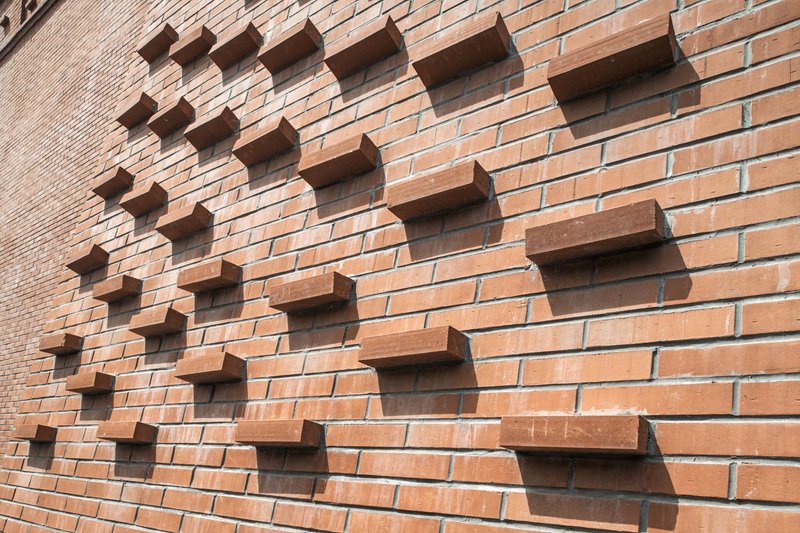
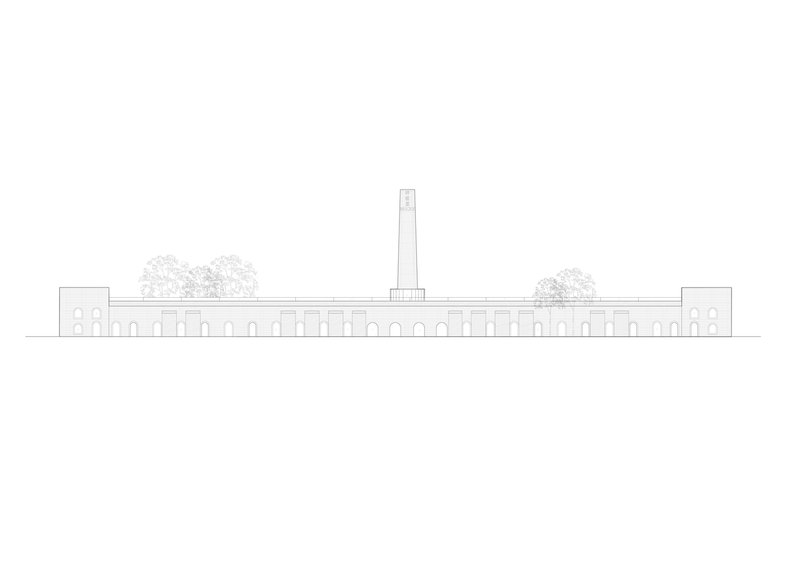
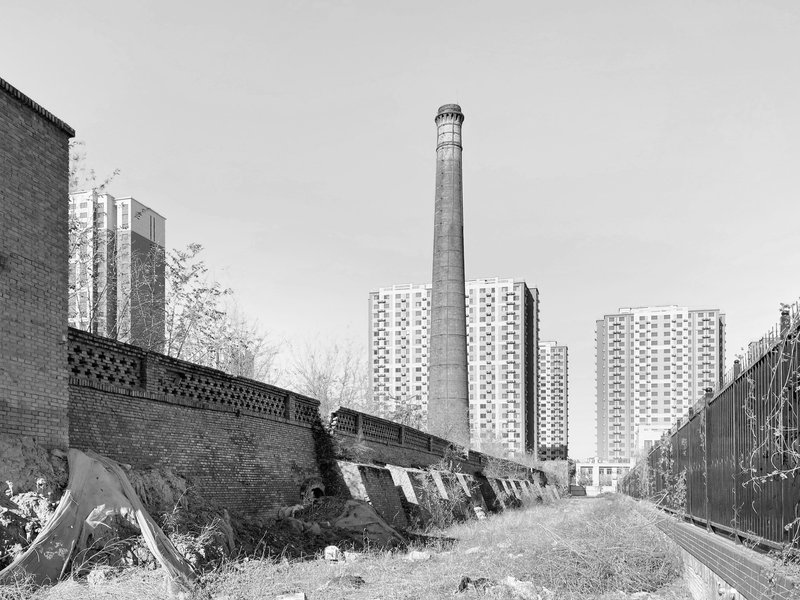
Originally part of the Beijing Brick and Tile Factory, the brick kiln played a crucial role in the city's mid-20th-century construction boom. Its transformation into Brickkiln Lane Innovation respects and preserves this rich industrial history while introducing a new function to the community.
Architectural Strategy for Reuse
Design Innovations for Spatial Expansion
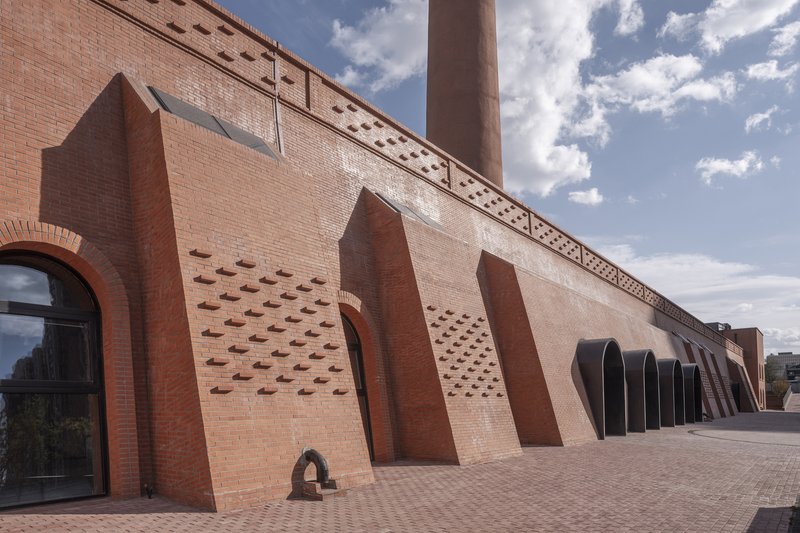
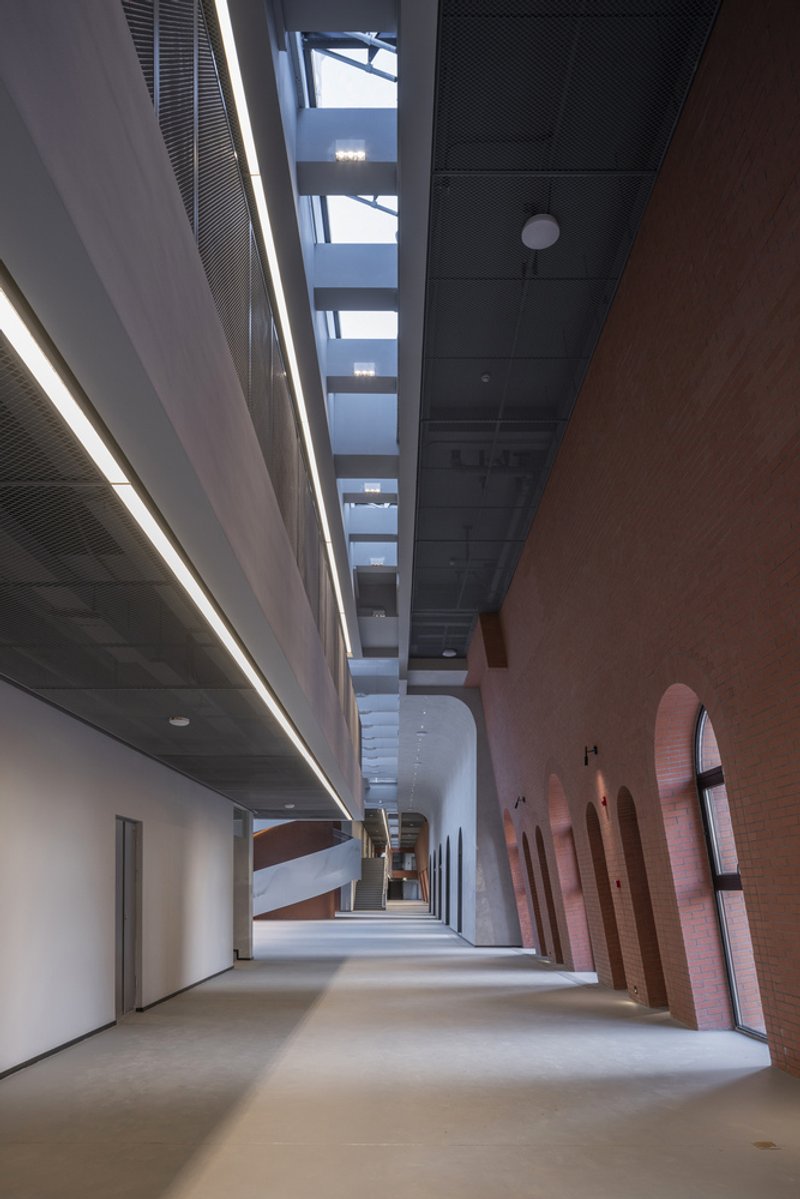
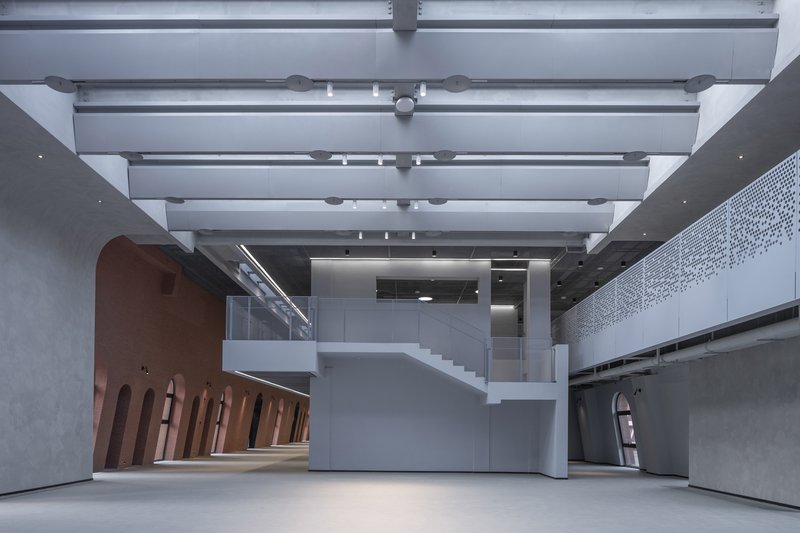
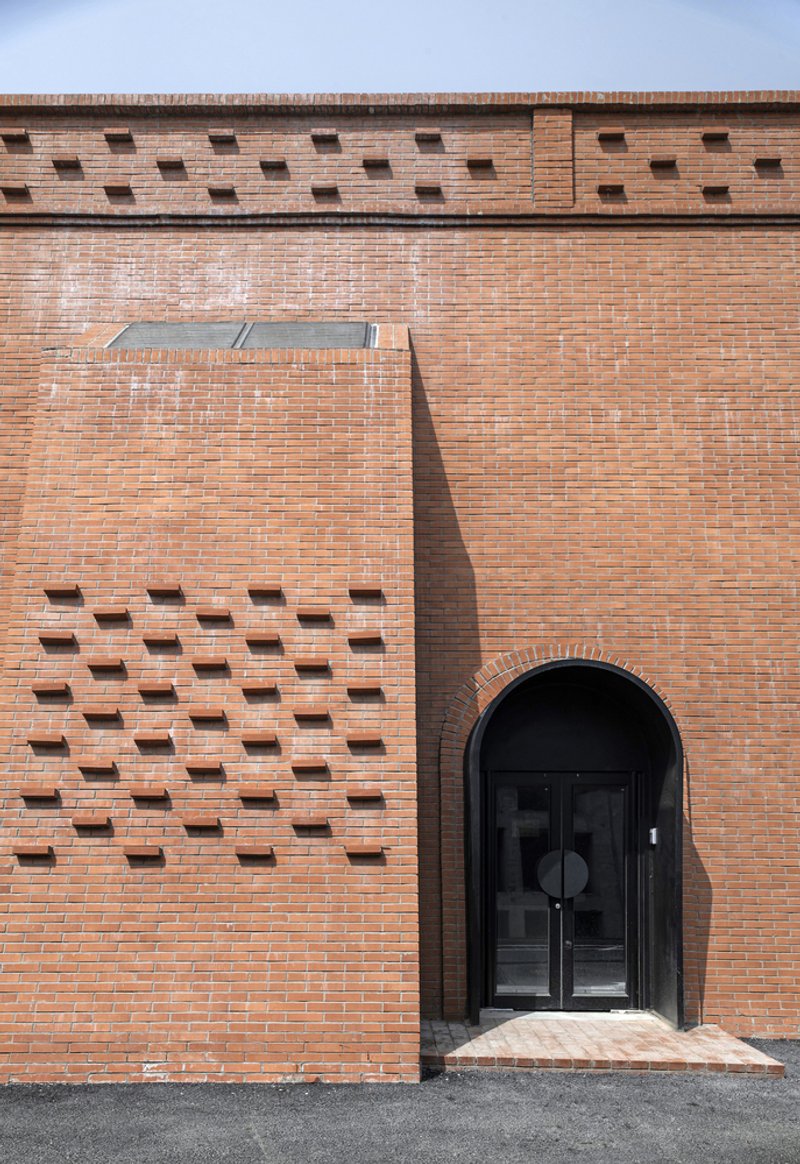
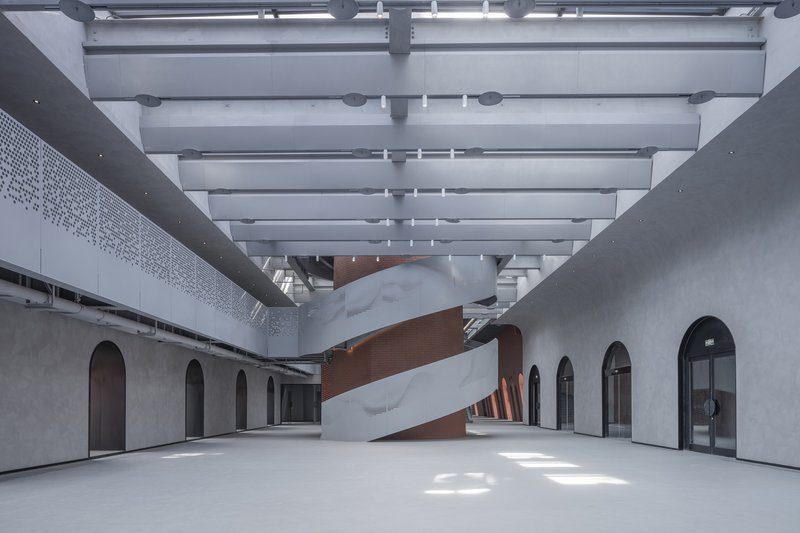
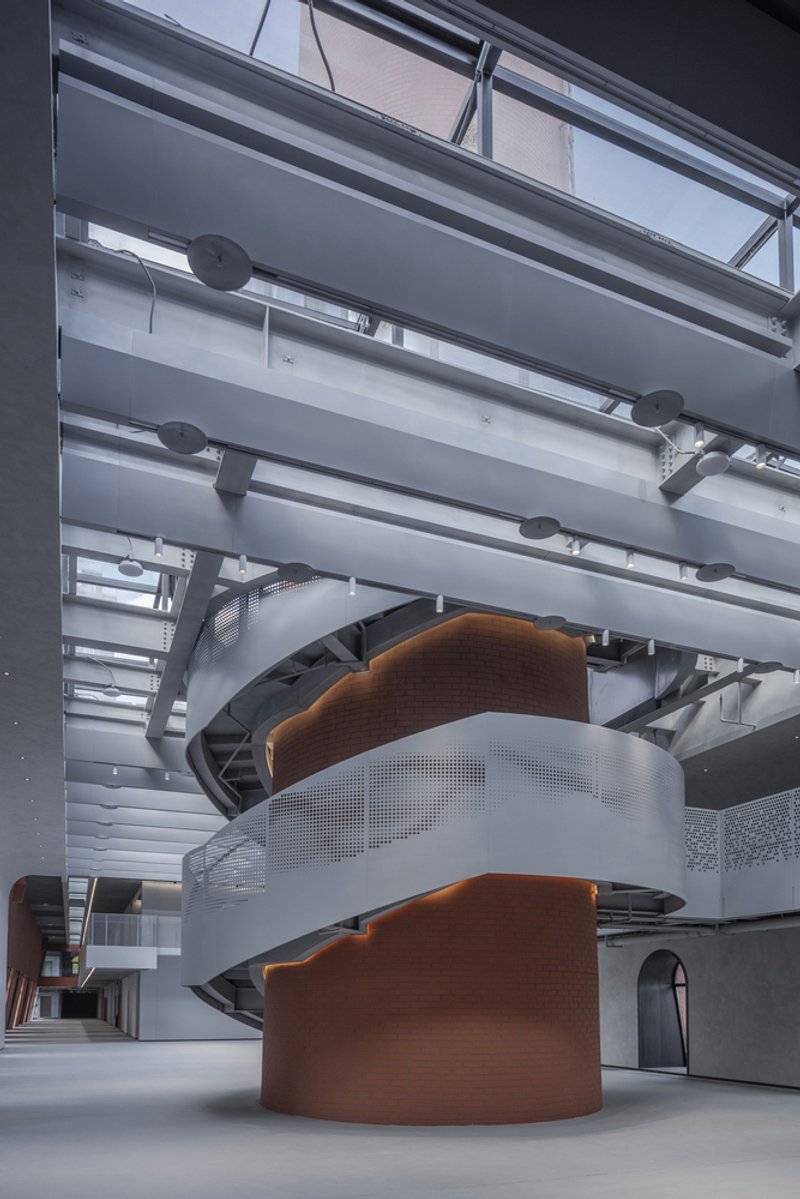
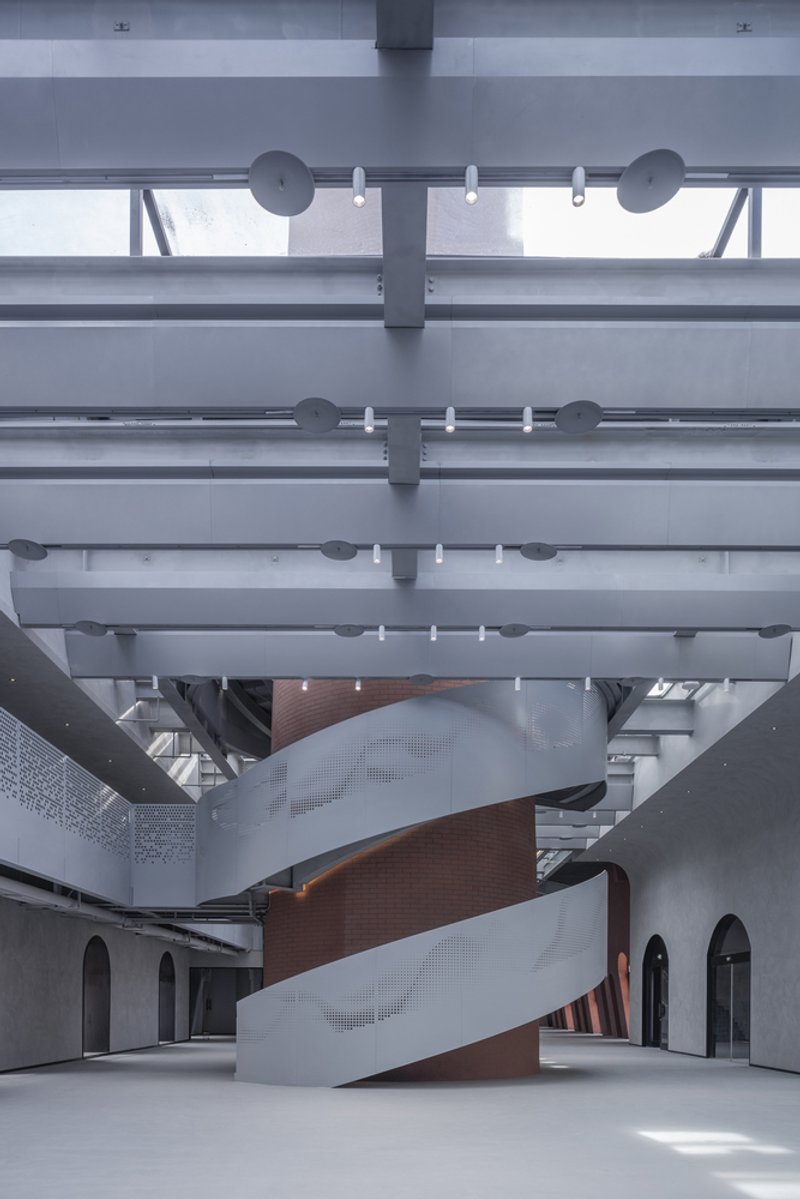
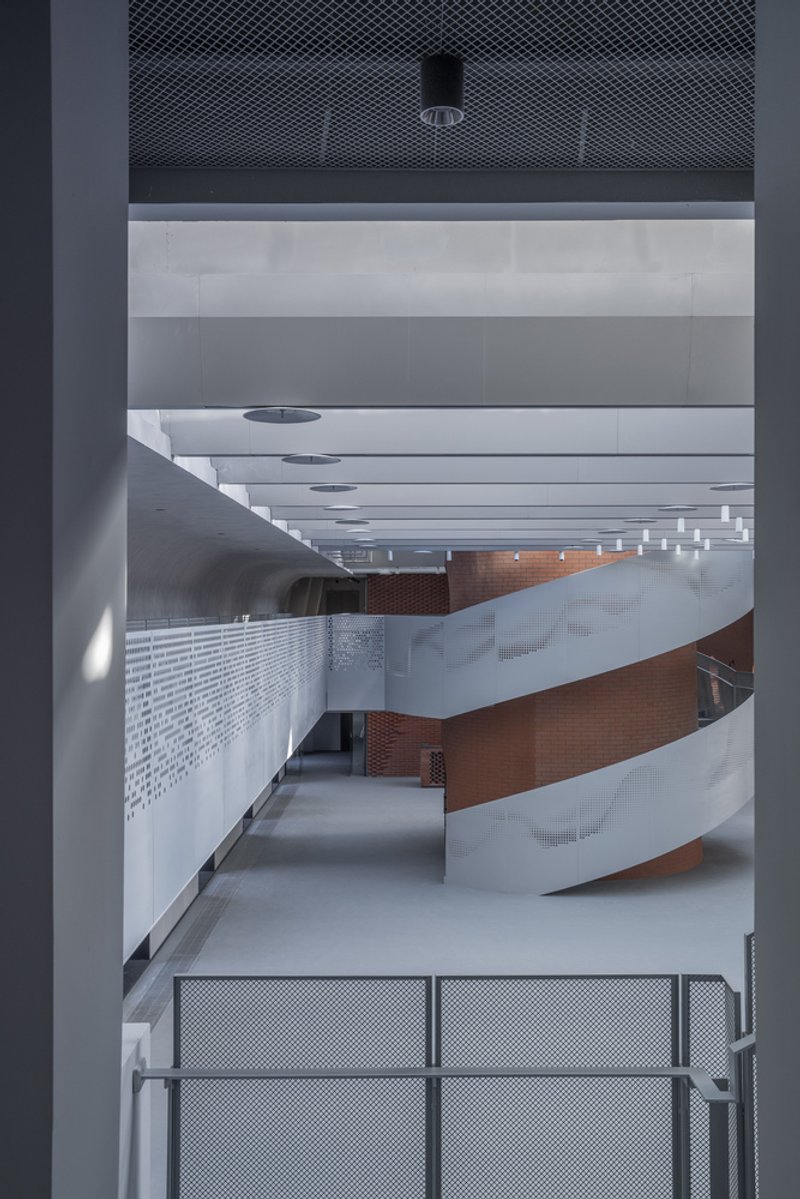
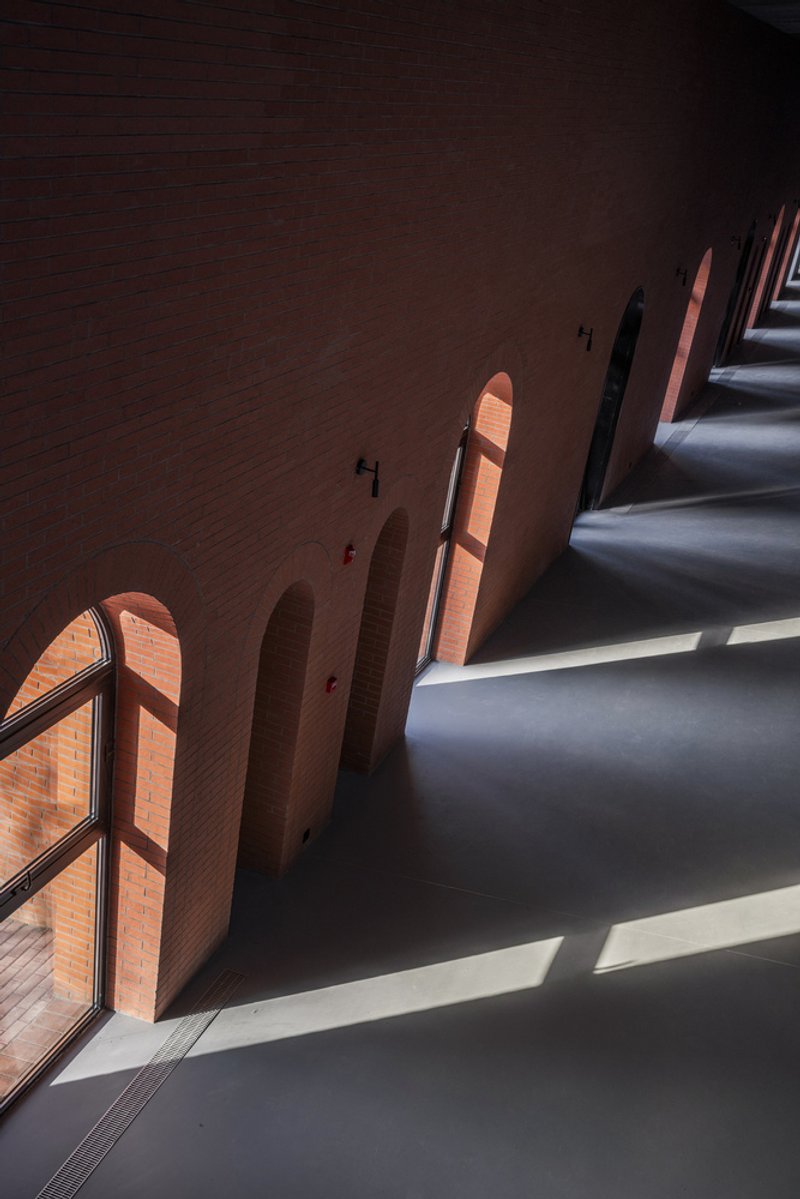
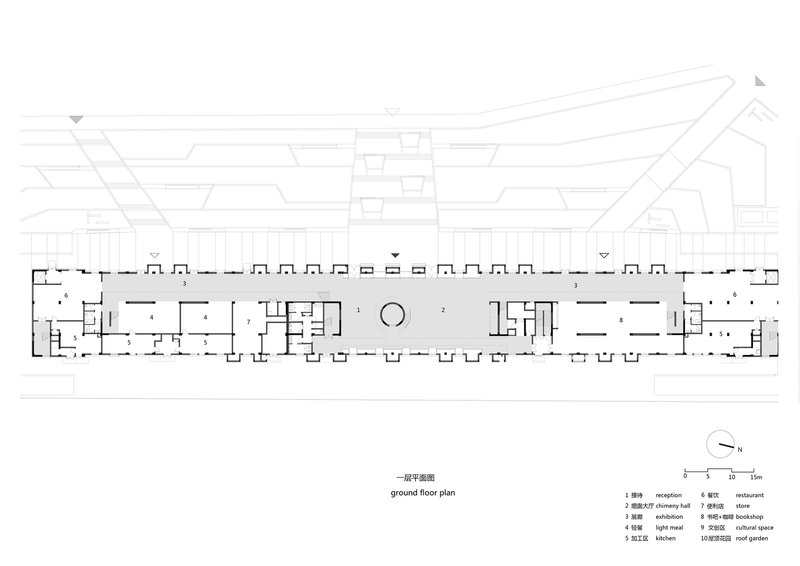
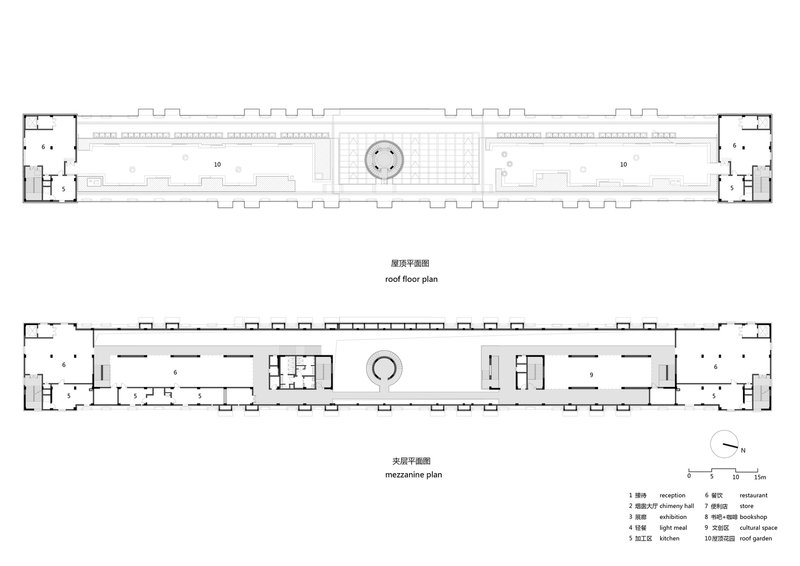
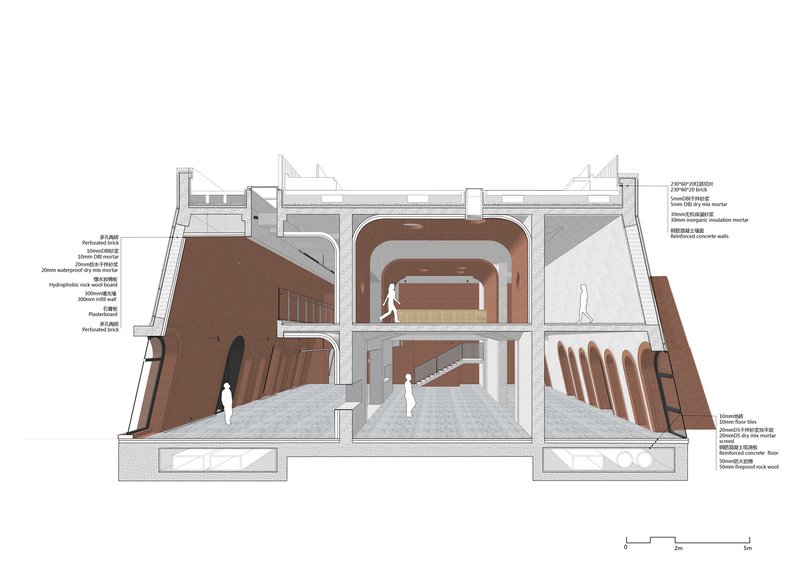
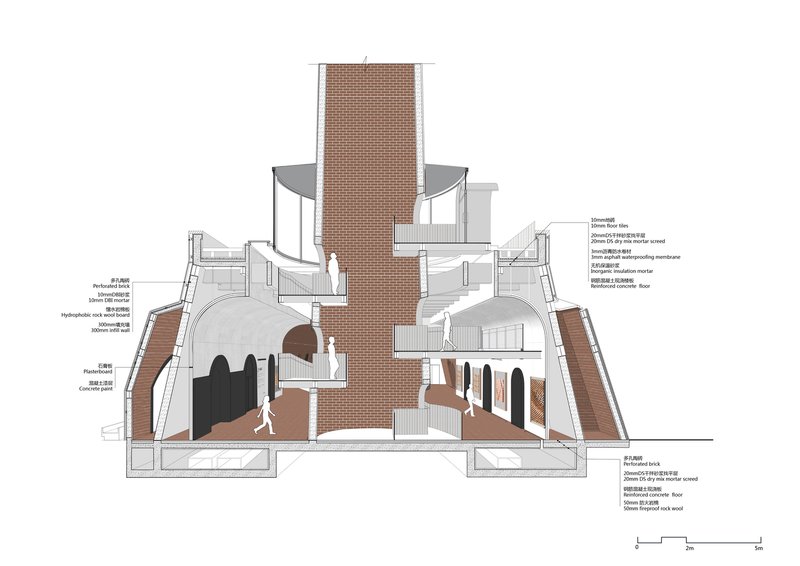
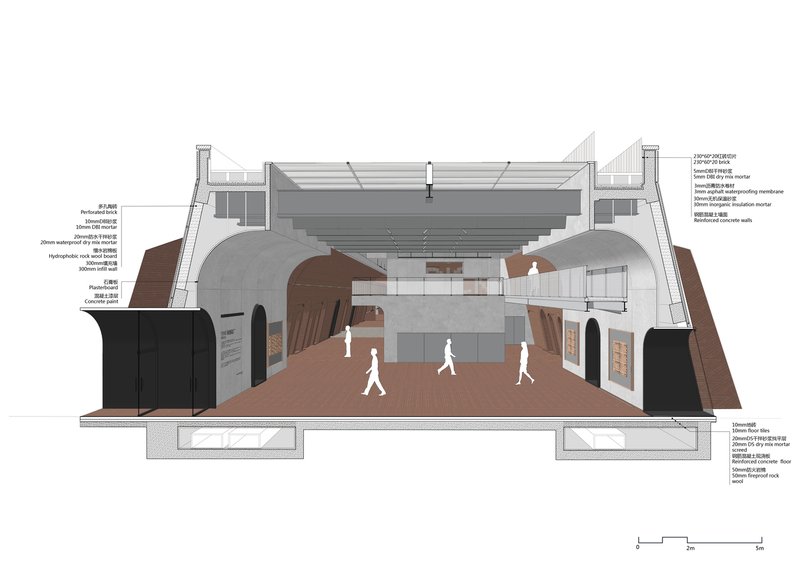
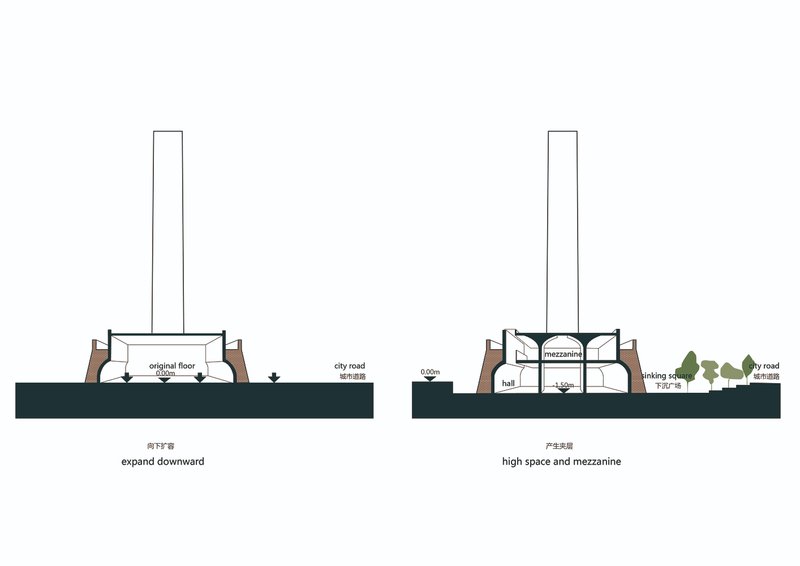
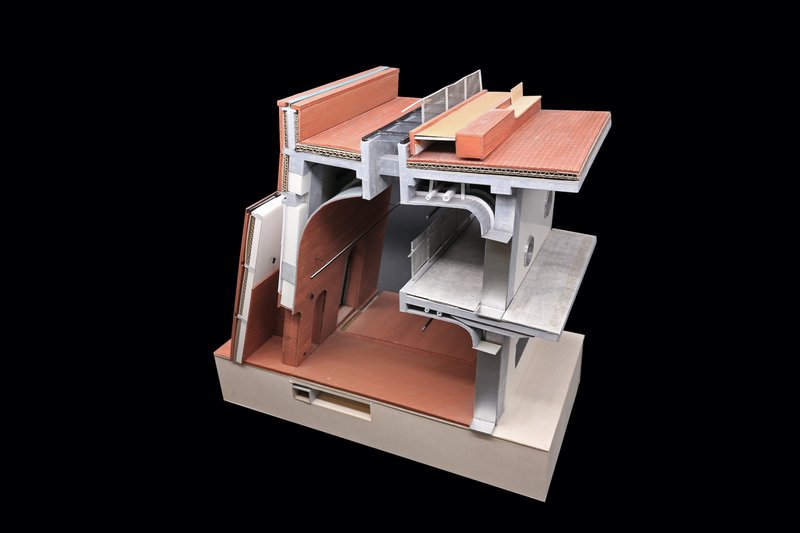
The architects implemented a strategic design to expand spatial dimensions within the existing structure. By lowering the building floor by two meters, they created a double-height space that enhances the interior's functional and aesthetic qualities without altering the kiln's historic exterior.
Structural Reinforcement and Aesthetic Integration
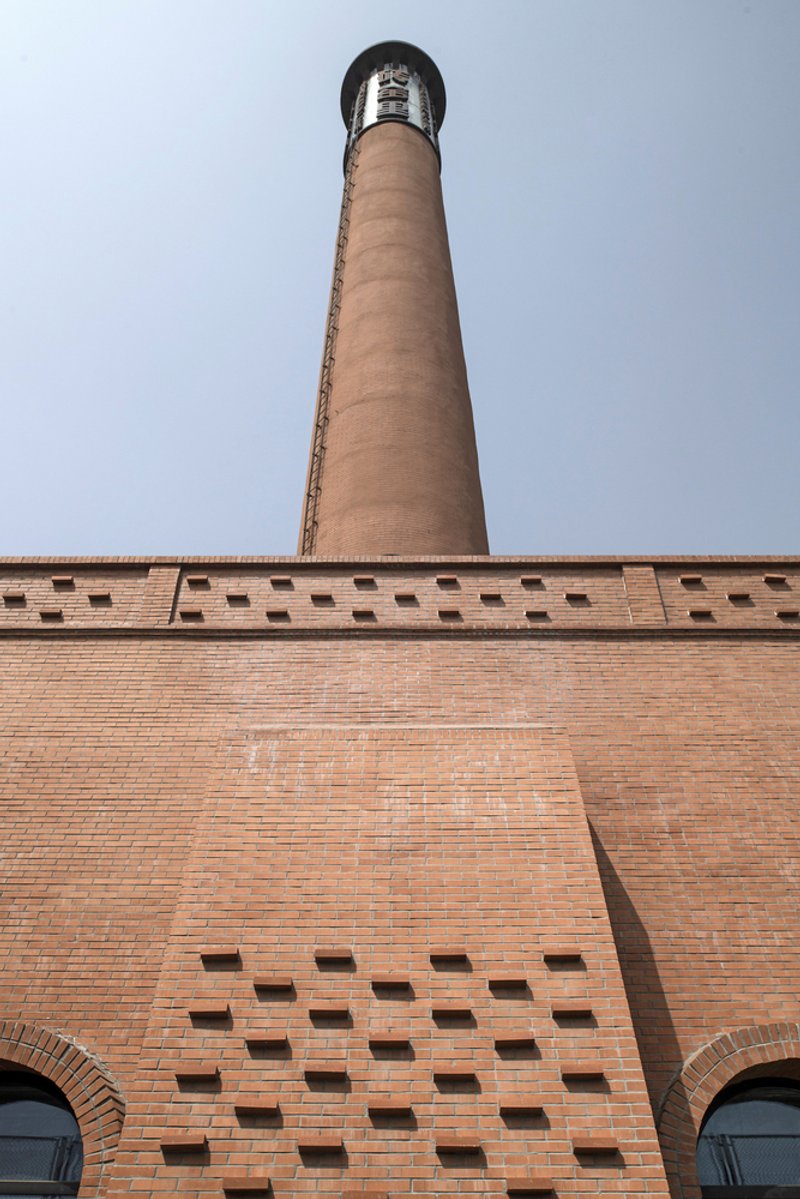
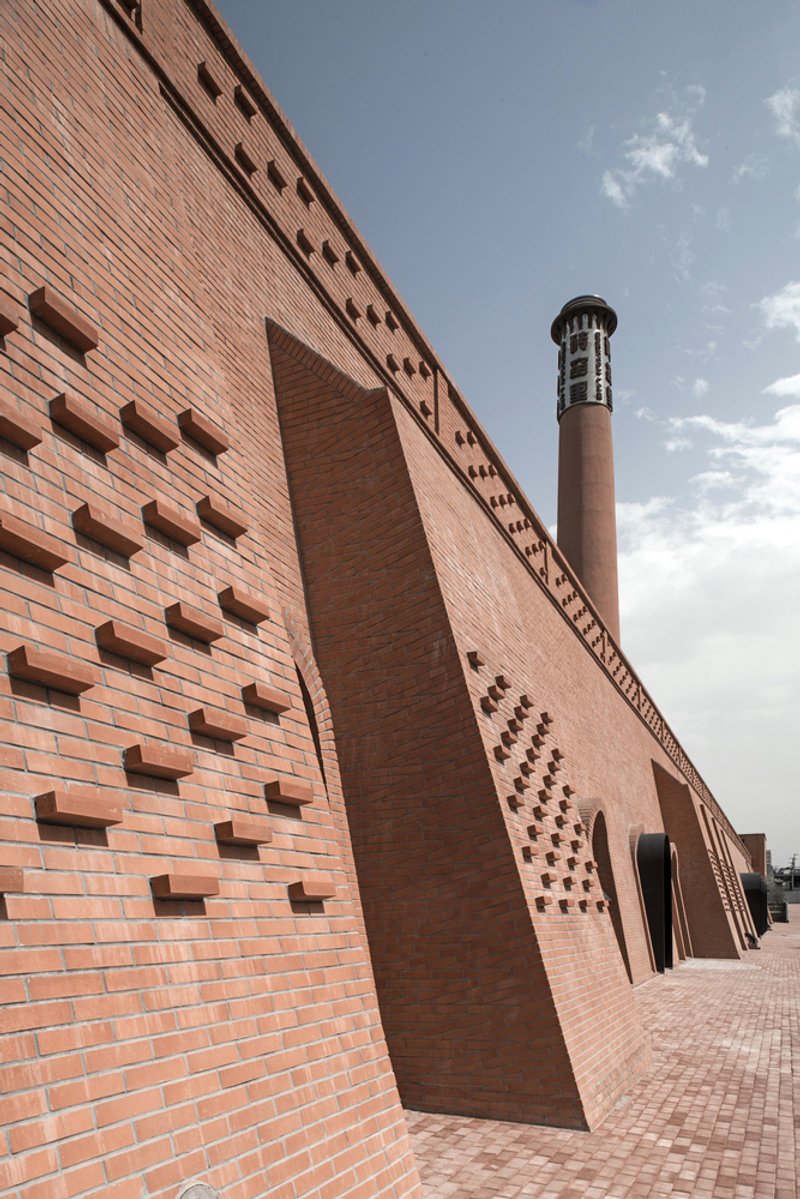
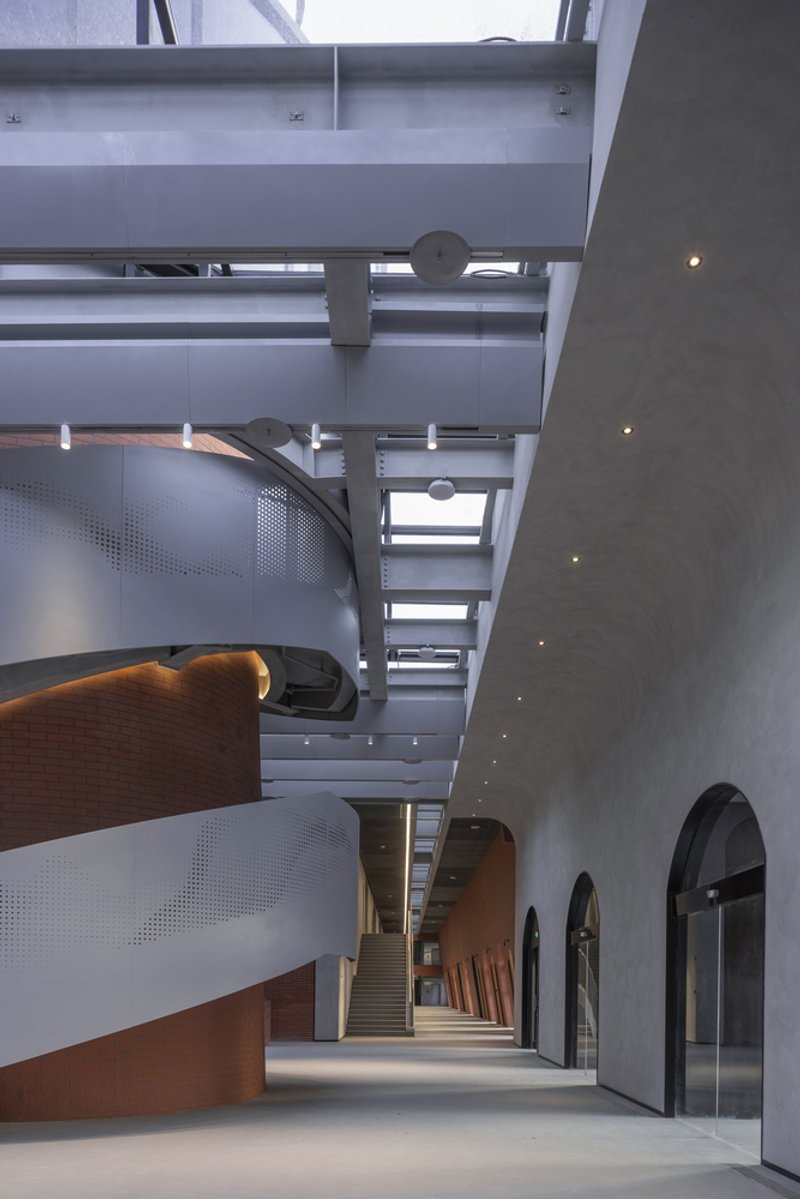
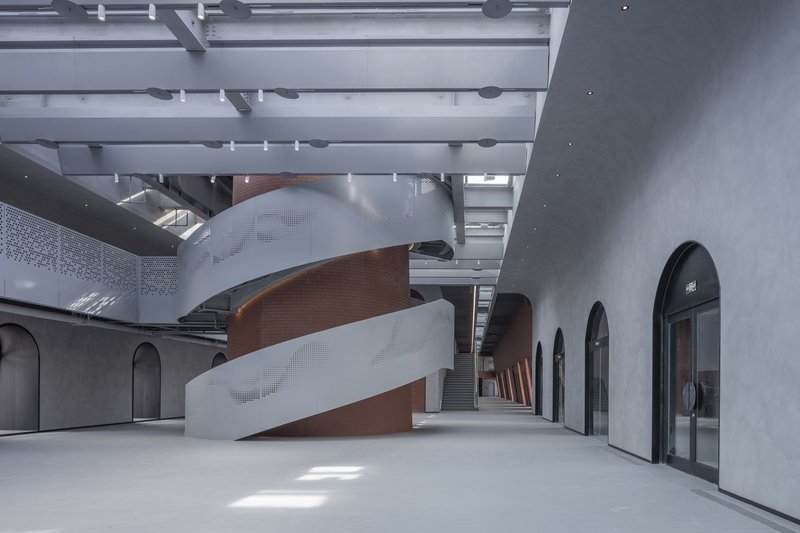
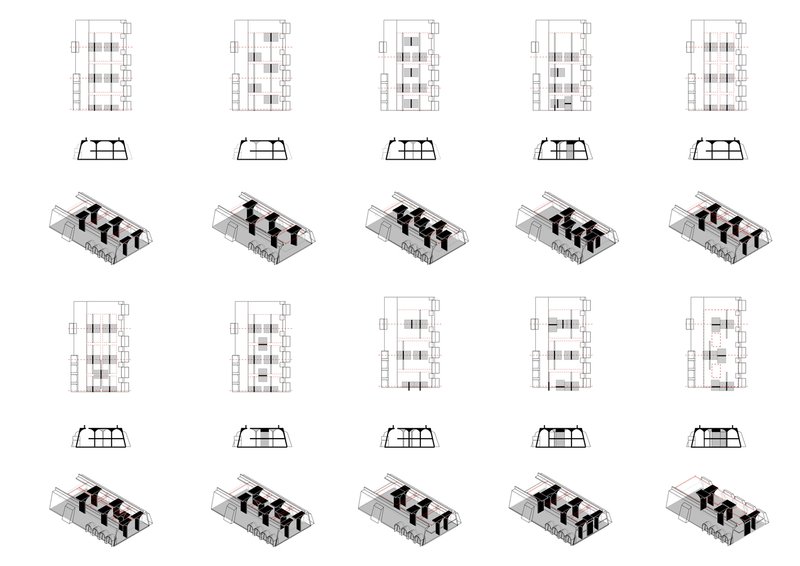
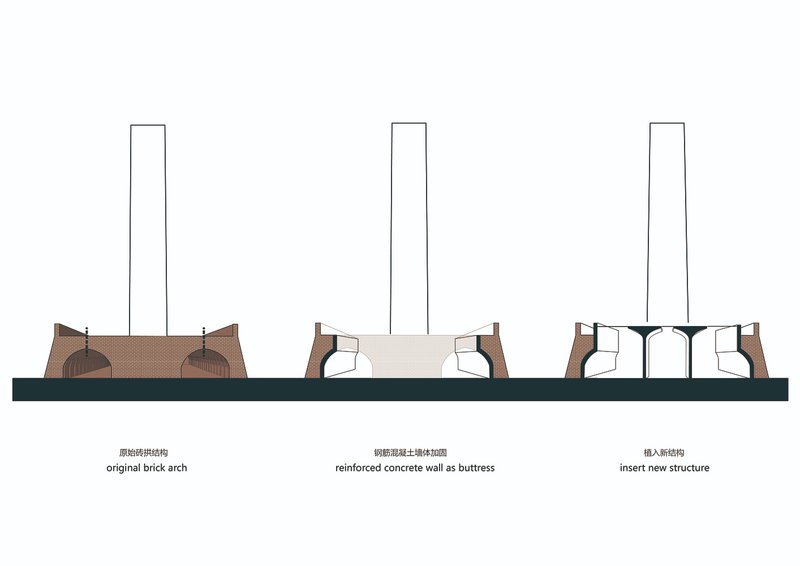
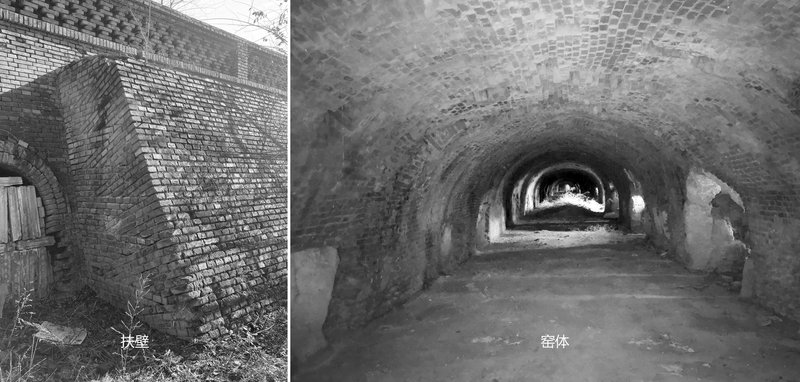
The renovation included dismantling damaged vaults and reinforcing the original brick arches with concrete buttresses. This approach not only ensured structural stability but also preserved the kiln’s architectural essence, blending old and new elements seamlessly.
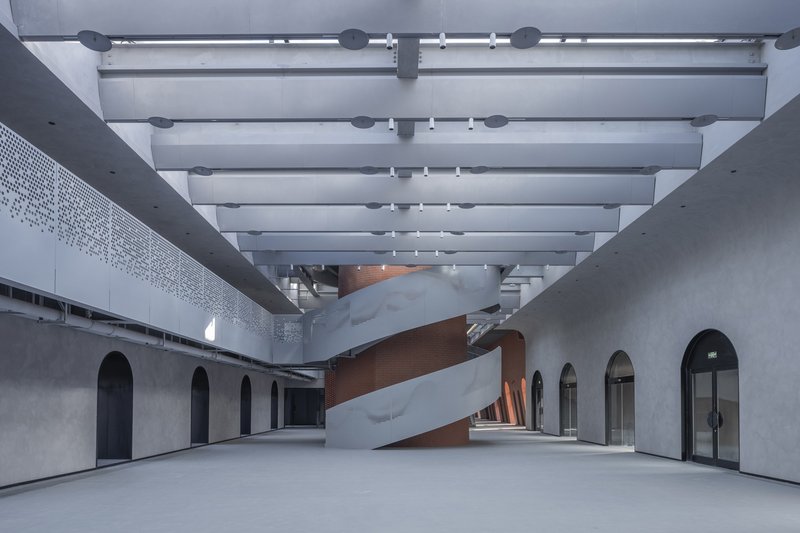
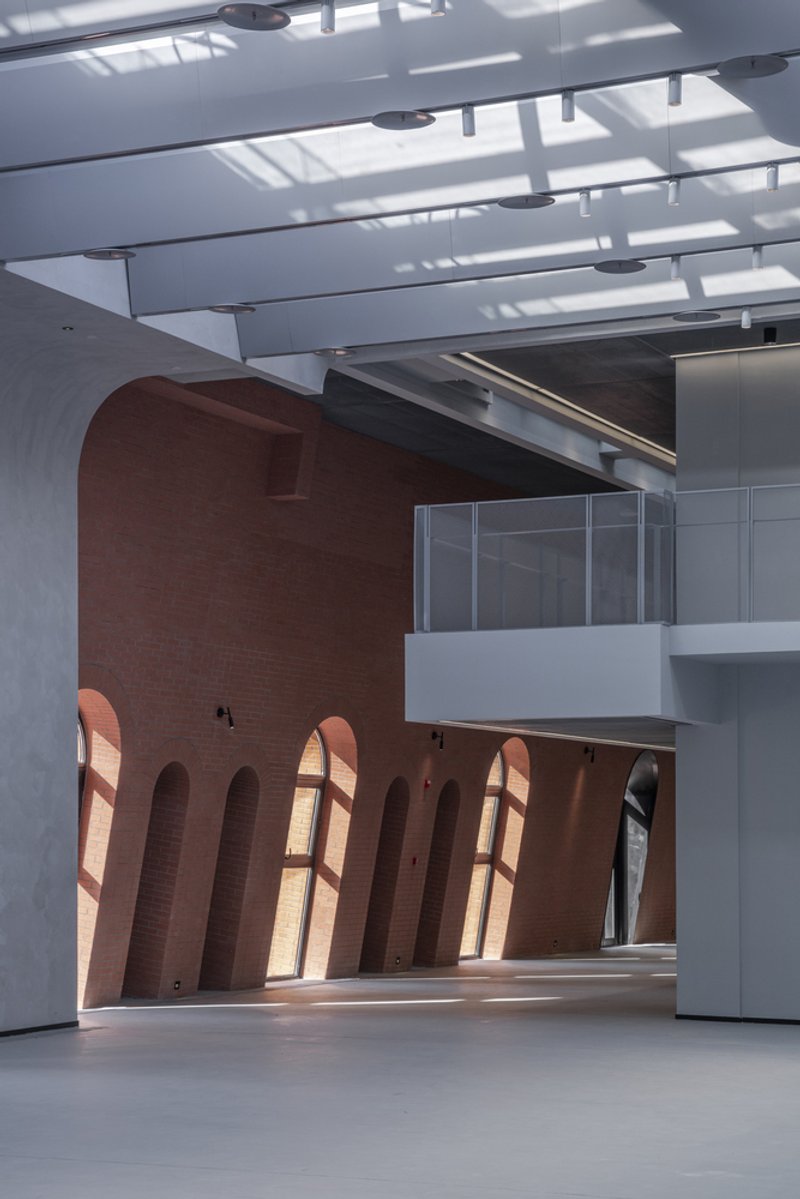
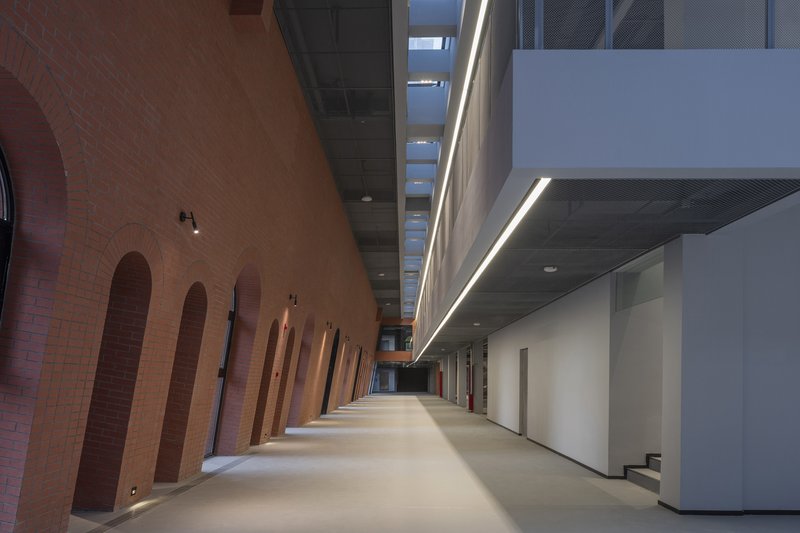
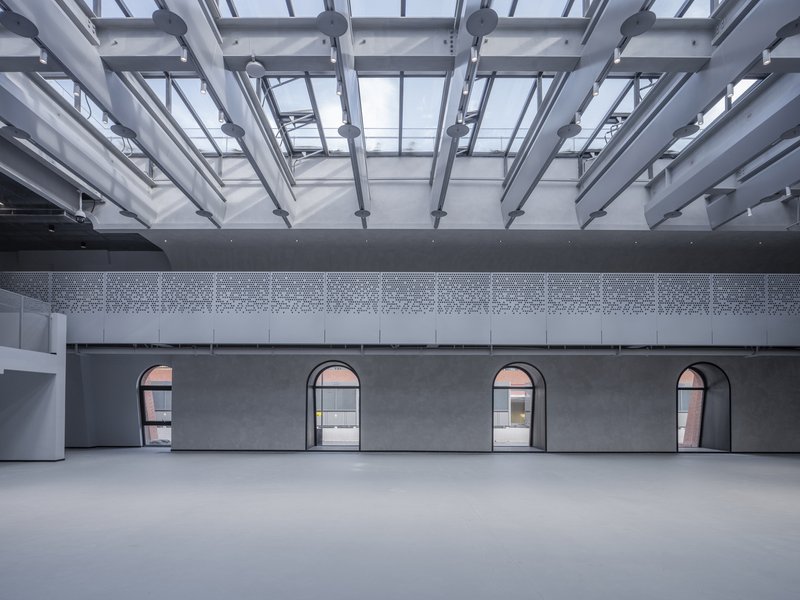
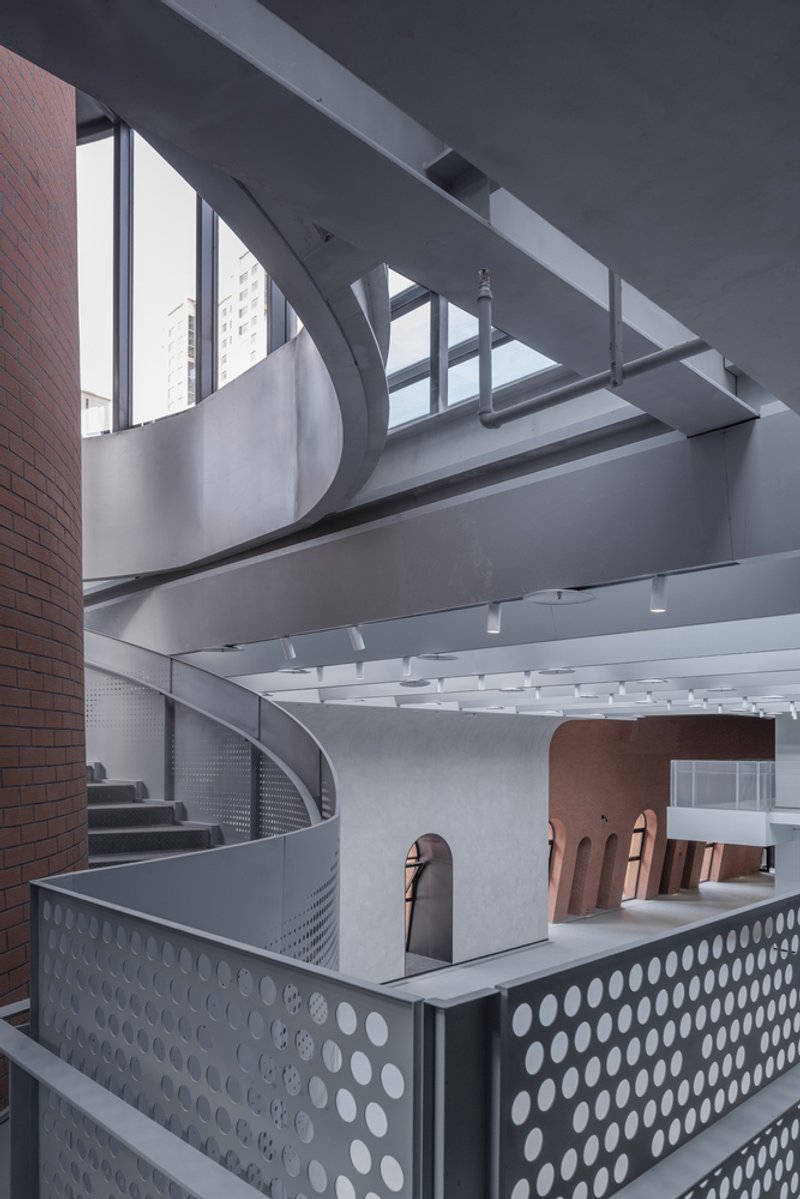
Features of the Renovated Brickkiln Lane
The Chimney Hall: A Focal Point for Community Interaction
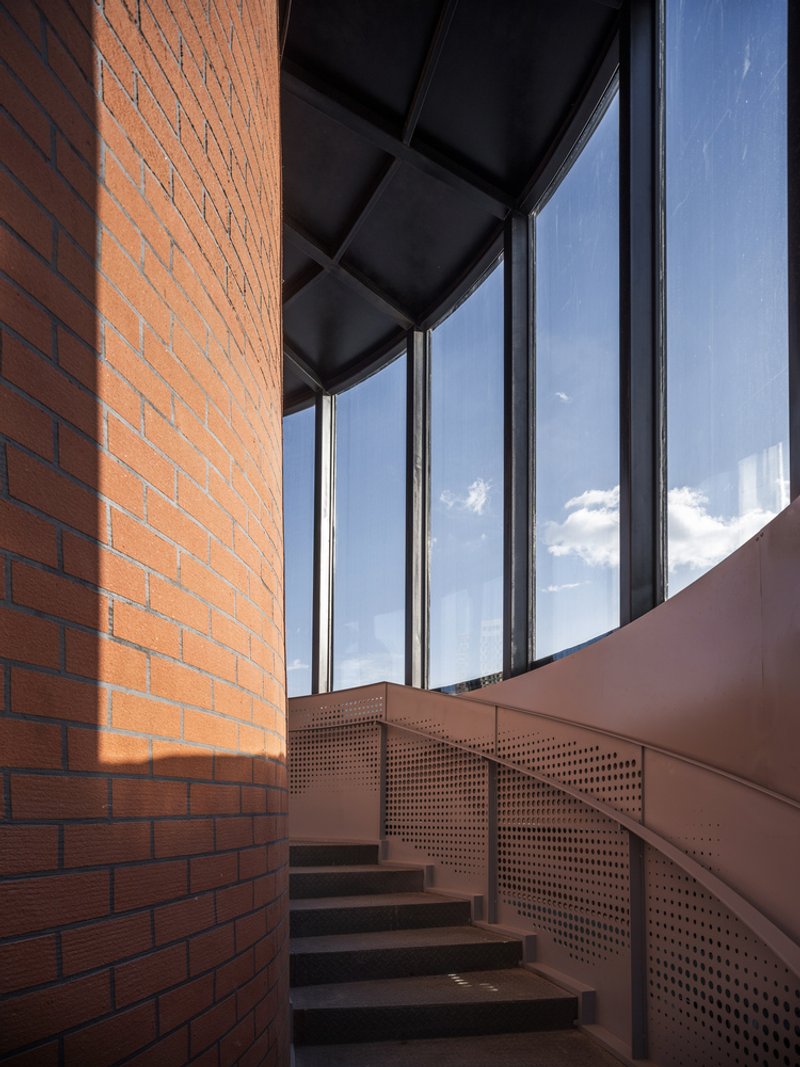
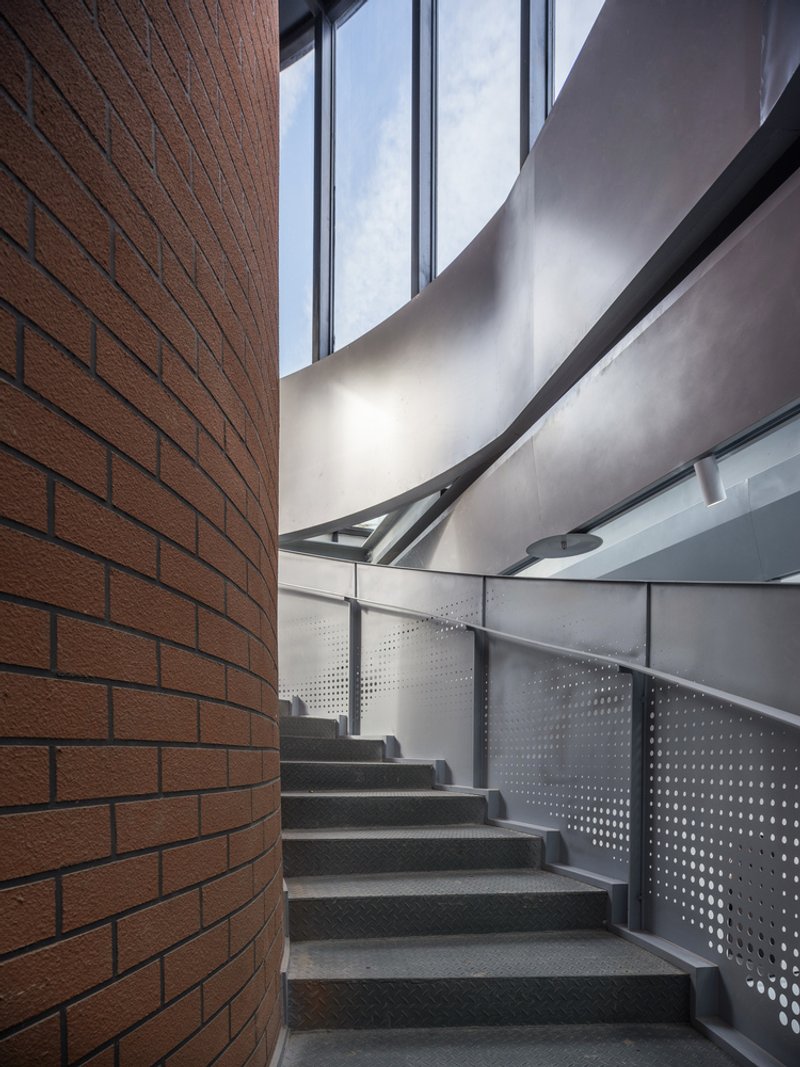
At the heart of Brickkiln Lane lies the Chimney Hall, crowned with a transparent glass roof supported by long-span steel beams. This central space is designed to host public gatherings and exhibitions, illuminated by natural light that filters through an innovative V-shaped aluminum plate ceiling.
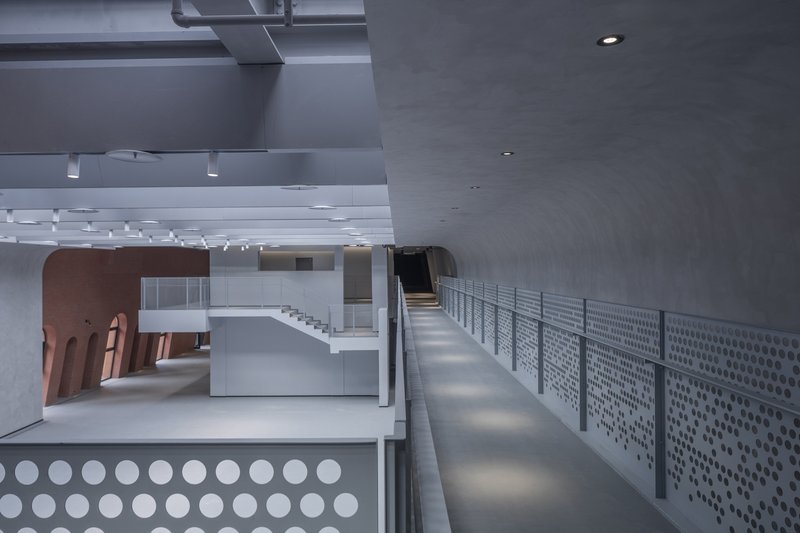
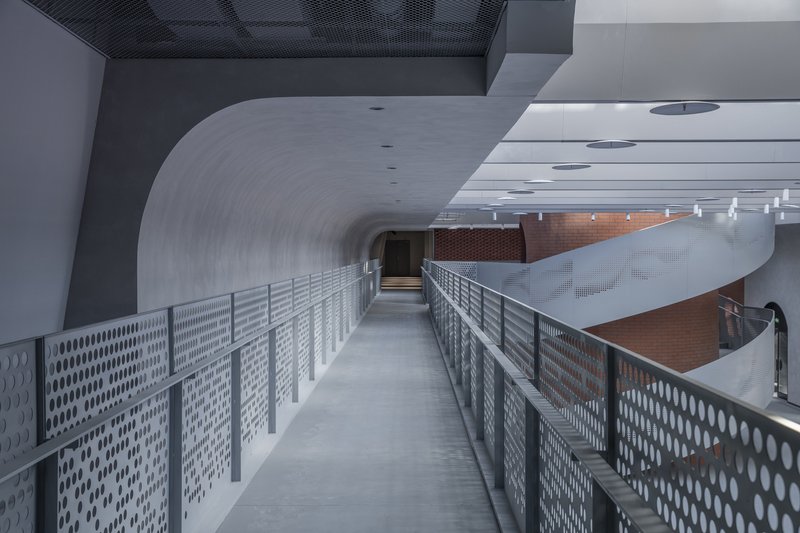
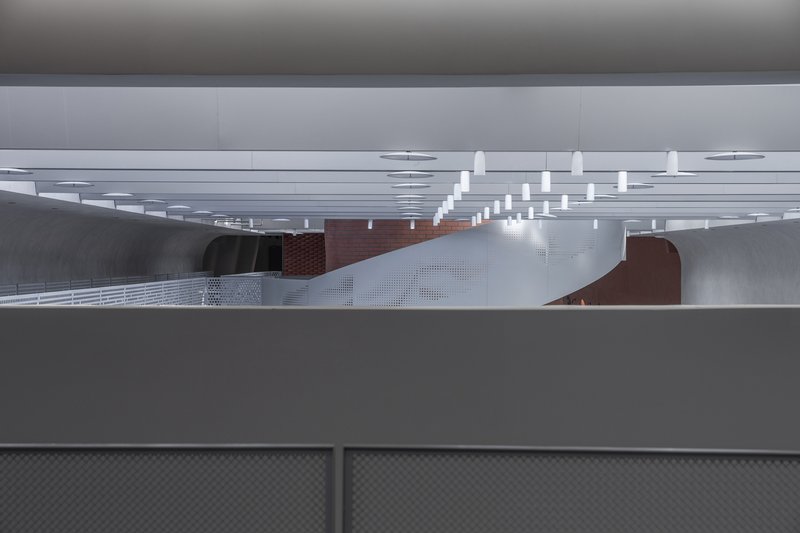
Enhancing Public Engagement
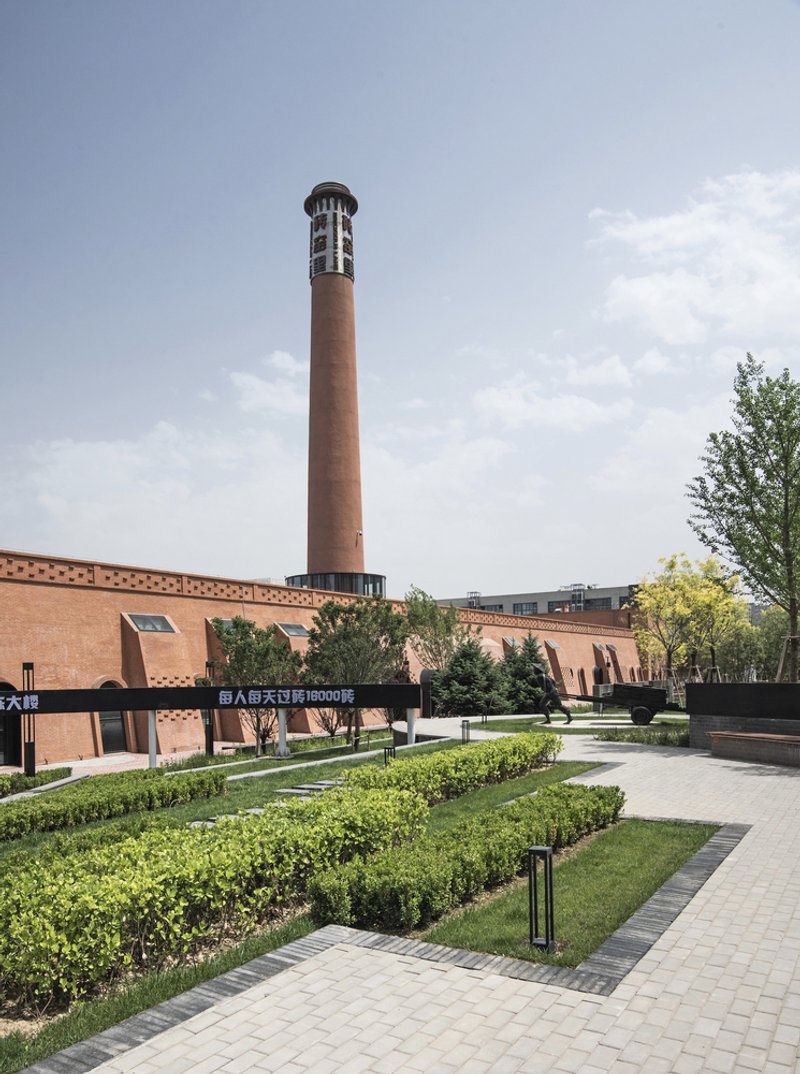
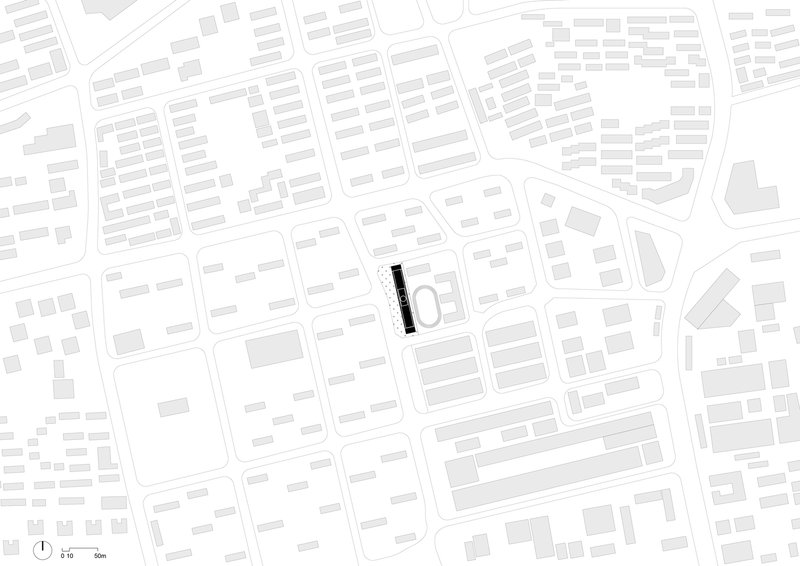
The renovation extends beyond the building to include the surrounding landscape, creating a sunken front square that connects the site to the urban road via terraced landscaping. This not only improves access but also enriches the community's interaction with the space.
The Impact of Adaptive Reuse on Urban Renewal
Brickkiln Lane Innovation stands as a testament to the potential of adaptive reuse architecture to revitalize urban areas and repurpose historical sites. By respecting its industrial past and integrating contemporary design elements, the project contributes significantly to the cultural and social landscape of Beijing.
All photographs are work of UCD, Weiqi Jin



Popular Articles
Popular articles from the community

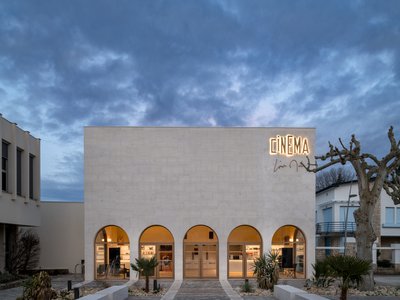
Louis Malle Cinema: A Limestone Cultural Landmark Revitalizing Community Life in Prayssac
Limestone cinema extension with public forecourt, blending heritage and modern design to create flexible cultural spaces and strengthen community interaction.

Solar Steam: A Climate-Responsive Architecture That Redefines the Monument
A climate-responsive memorial architecture that transforms heat, decay, and time into a living system reflecting humanity’s ecological impact.
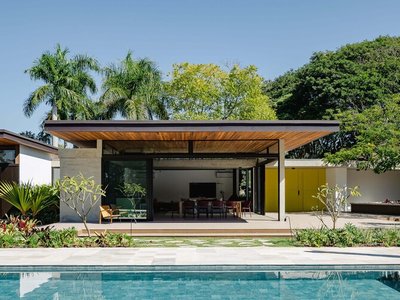
Flamboyant House by Juliana Camargo + Prumo Projetos
Modern Brazilian house integrating existing tree, pool, and volumes with glass, wood, and transitional spaces blending interior, exterior, and landscape seamlessly.
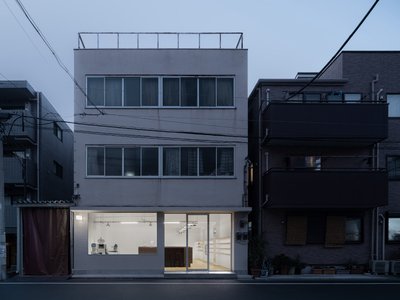
Atelier Macri Concept Store Interior Design by CASE-REAL
Atelier Macri store features a "ko" counter, walnut wood details, cork displays, blending retail, gallery, and seamless customer experiences.

Similar Reads
You might also enjoy these articles


The Ken Roberts Memorial Delineation Competition (Krob)
As the most senior architectural drawing competition currently in operation anywhere in the world, it draws hundreds of entries each year, awarding the very best submissions in a series of medium-based categories.


Waterfront Redevelopment and Urban Revitalization in Mumbai: Forging a New Dawn for Darukhana
A transformative waterfront redevelopment project reimagining Darukhana’s shipbreaking heritage into an inclusive urban future.

OUT-OF-MAP: A Call for Postcards on Feminist Narratives of Public Space
Rhizoma Design and Research Lab invites artists, designers, architects, researchers, and students to reflect on how feminist perspectives can reshape public space. Selected works will be exhibited in Barcelona, October 2026. Submissions open until 15 April 2026.


Documentation Work on Buddhist Wooden Temple
Architectural syncretism and cultural hybridity: A comparative study of the Buddhist temples in Chattogram Hill tracks
Explore Architecture Competitions
Discover active competitions in this discipline




The International Standard for Design Portfolios


The Global Benchmark for Architecture Dissertation Awards


The Global Benchmark for Graduation Excellence


Challenge to reimagine the Iron Throne
Comments (0)
Please login or sign up to add comments
No comments yet. Be the first to comment!