
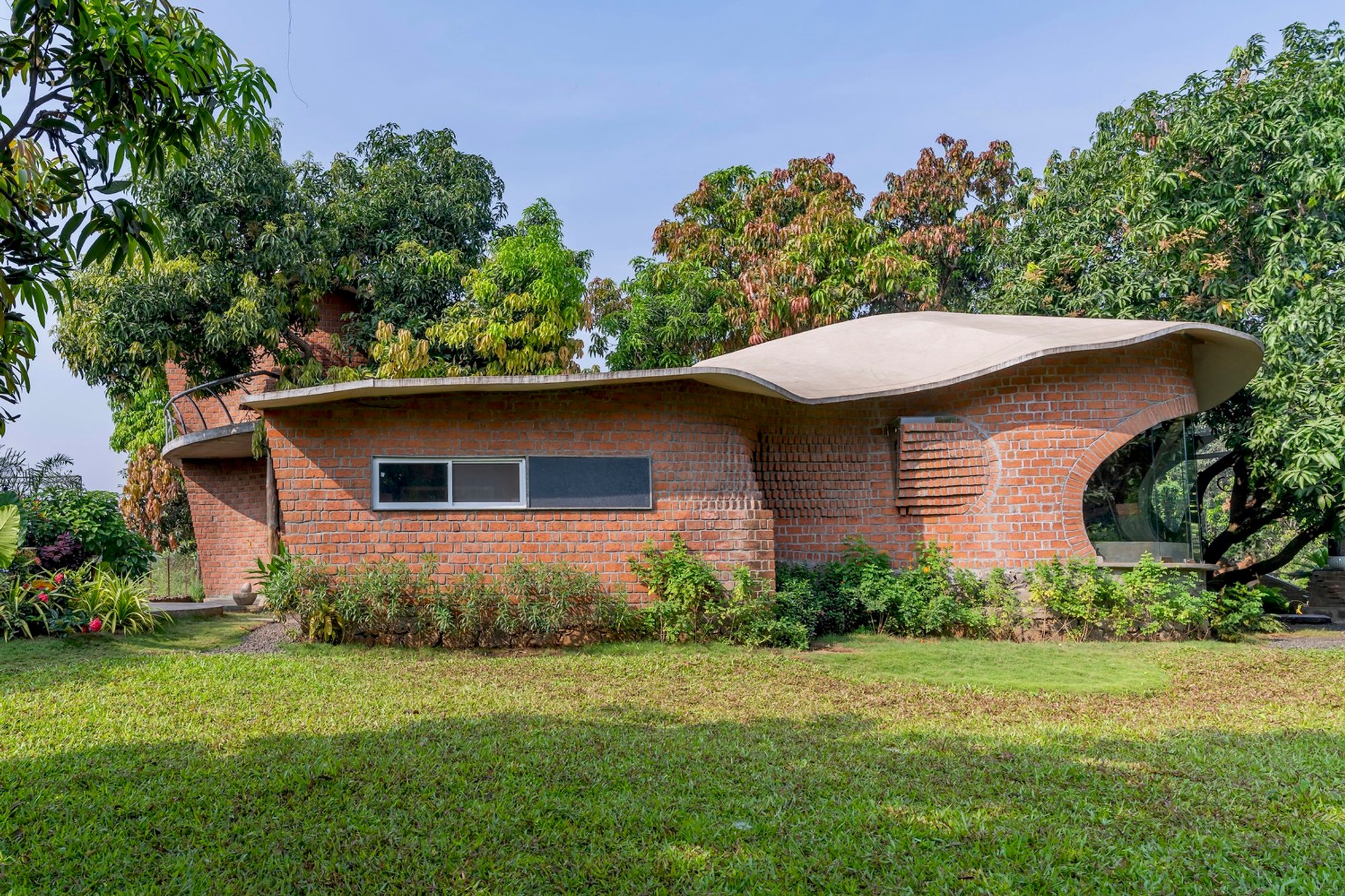
Asmalay House - A Harmonious Blend of Architecture and Nature
Asmalay House exemplifies biophilic home design, blending nature, sustainable materials, and innovative architecture for harmonious, eco-friendly living.

Biophilic Home Design
Biophilic home design is an architectural approach that connects the built environment to nature, enhancing well-being and promoting sustainability. The Asmalay House in Alibag, India, designed by Blurring Boundaries, is a perfect example of biophilic design in action. Completed in 2023, the house integrates natural elements seamlessly into its design, creating a space that fosters a deep connection to nature while maintaining functionality and comfort. This article delves into the key features of the Asmalay House and how it exemplifies the principles of biophilic home design.
The Core Principles of Biophilic Home Design
Biophilic design emphasizes incorporating nature into architecture to improve occupants' health and productivity. It focuses on creating spaces that are not just aesthetically pleasing, but that also contribute to the physical, emotional, and mental well-being of the people who inhabit them. Here are some core principles of biophilic home design:
- Connection to Nature: Integrating natural elements like plants, trees, water, and natural light into the architecture.
- Use of Natural Materials: Employing sustainable, locally sourced materials that mimic the textures and colors found in nature.
- Natural Ventilation and Lighting: Designing spaces to maximize natural light and air circulation.
- Harmony with the Environment: Creating buildings that blend seamlessly with their surroundings, respecting and enhancing the natural landscape.
Biophilic Home Design in Action: The Asmalay House
Embracing Nature with Organic Curves
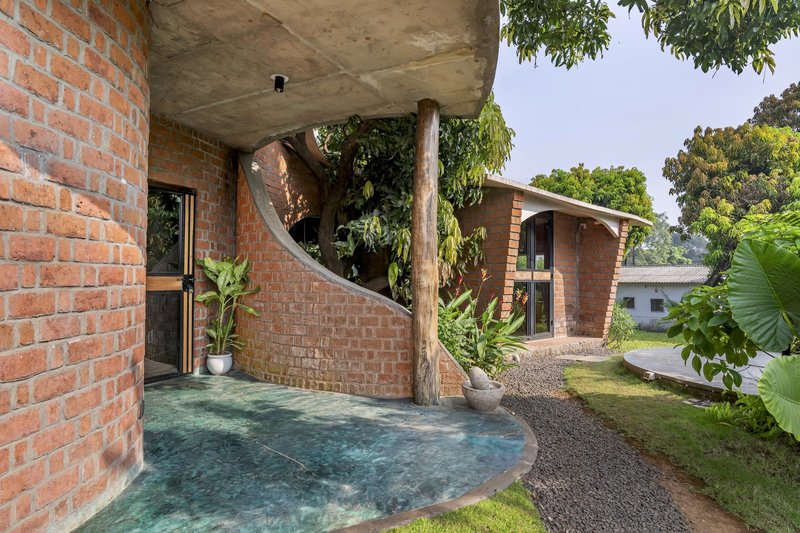
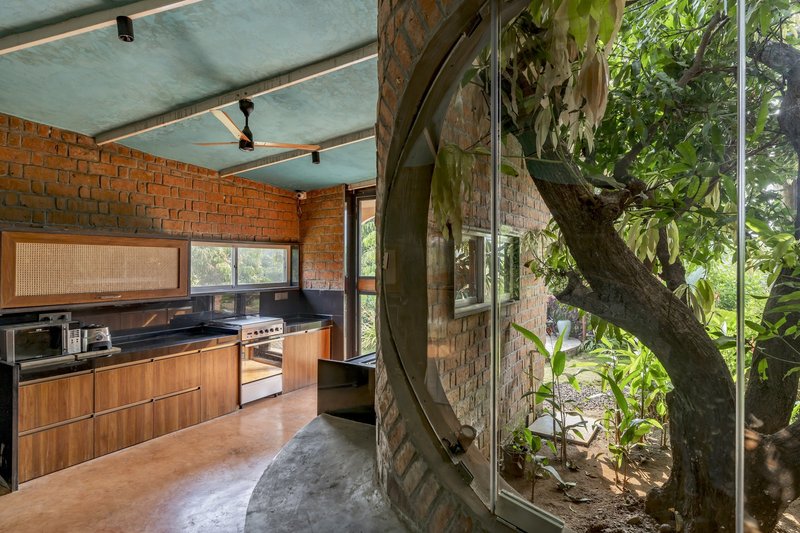
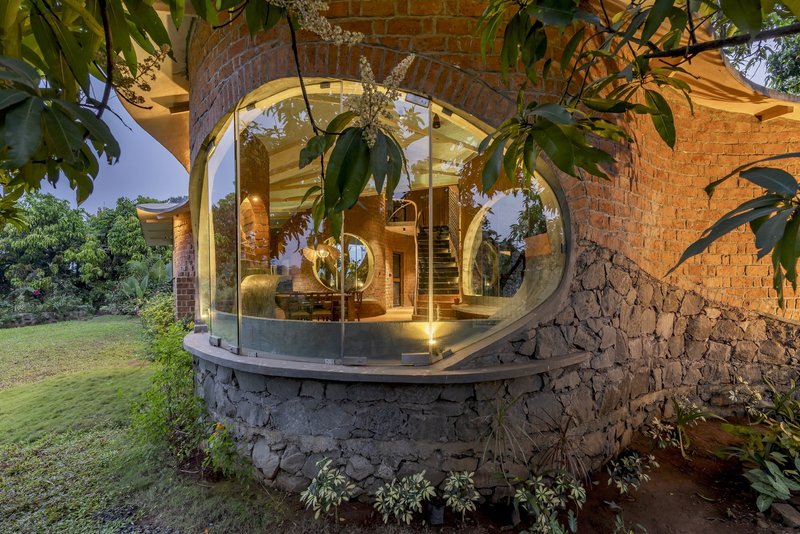
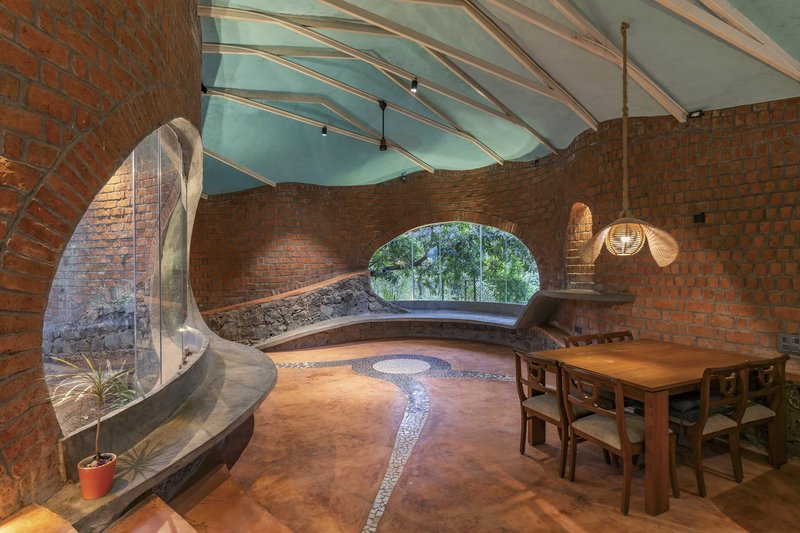
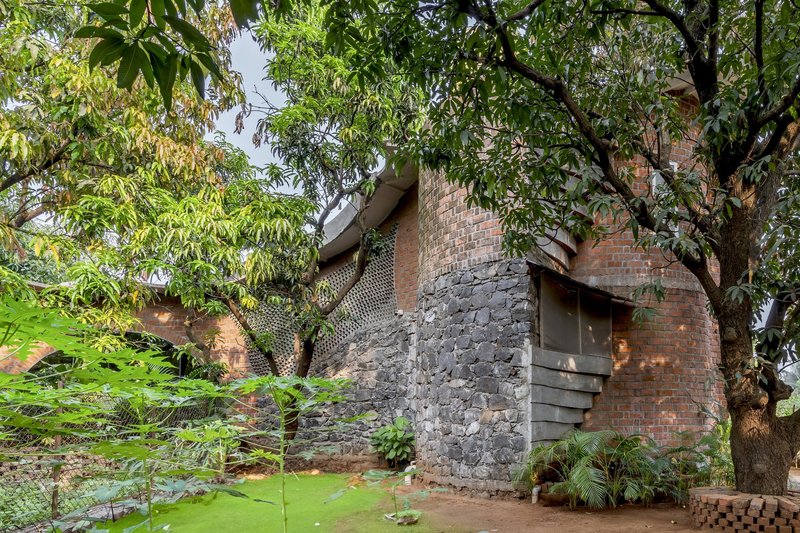
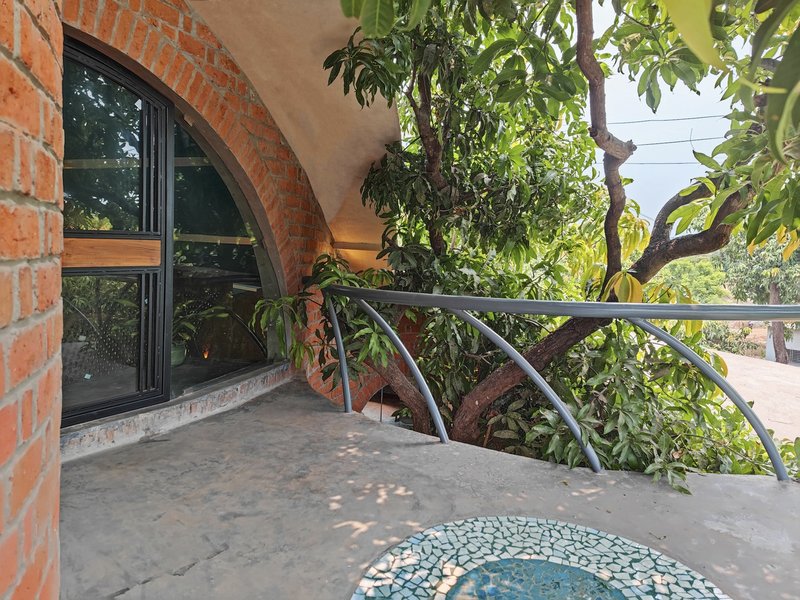
At the heart of Asmalay House’s design lies its unique ability to connect with the natural landscape. Set amidst lush mango trees in Alibag, the house is built using organic curves that gently follow the contours of the site and embrace the five mango trees that were preserved during construction. This feature is a key element of biophilic home design, allowing the home to coexist harmoniously with the environment.
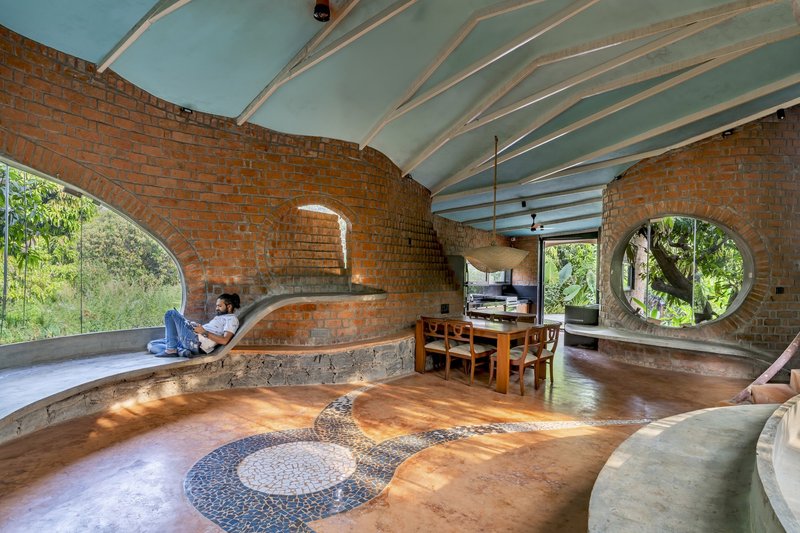
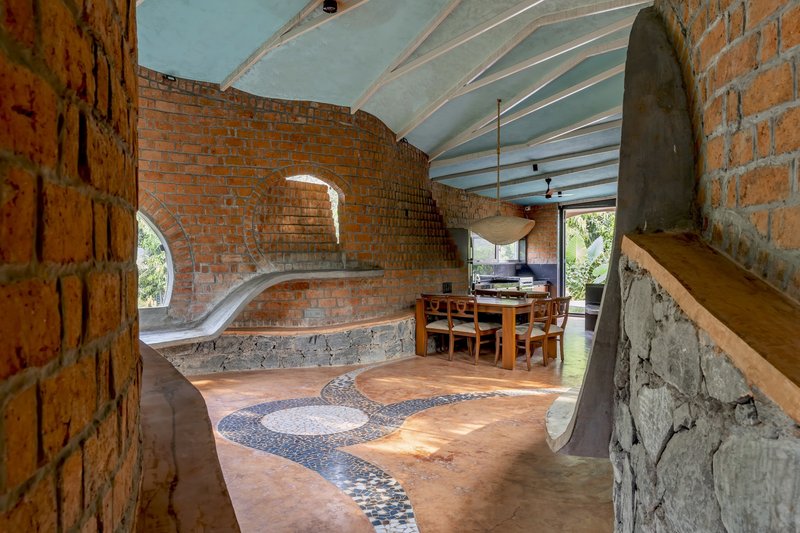
The design includes an open floor plan where spaces flow into one another, avoiding rigid walls or boundaries. This free-flowing layout ensures that each space, from the living room to the kitchen, seamlessly merges with the other areas, promoting a sense of openness and connection to nature.
Maximizing Natural Light and Ventilation
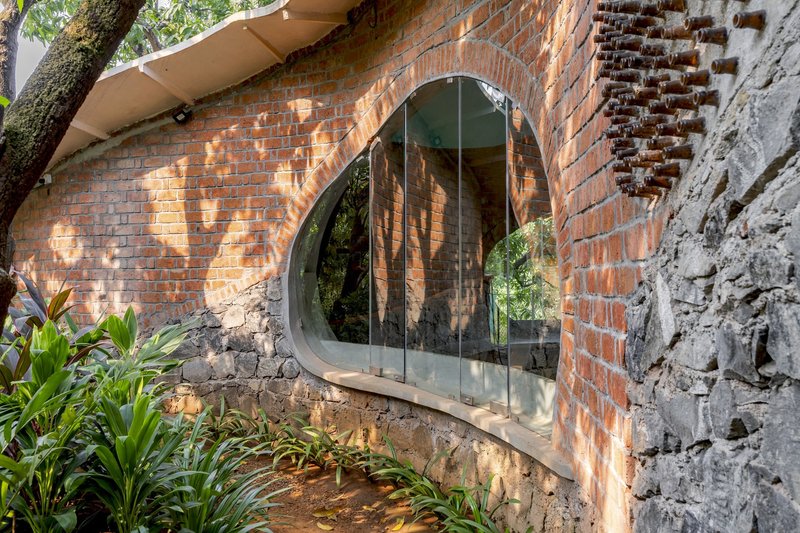
A key aspect of biophilic home design is ensuring that the home is well-lit and ventilated without relying on artificial systems. In Asmalay House, large arched brick windows are strategically placed to maximize daylight and natural ventilation. These windows are designed to work with the prevailing winds, allowing for optimal air circulation throughout the home. The Ferro cement roof, aligned with the north-facing side, also contributes to creating a comfortable internal climate by ensuring shade from the surrounding trees, eliminating the need for air conditioning.
Sustainable Materials and Eco-friendly Features
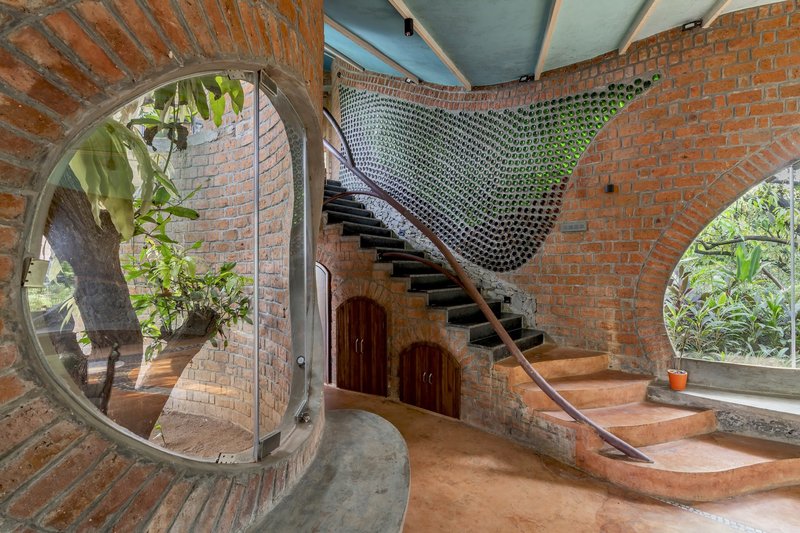
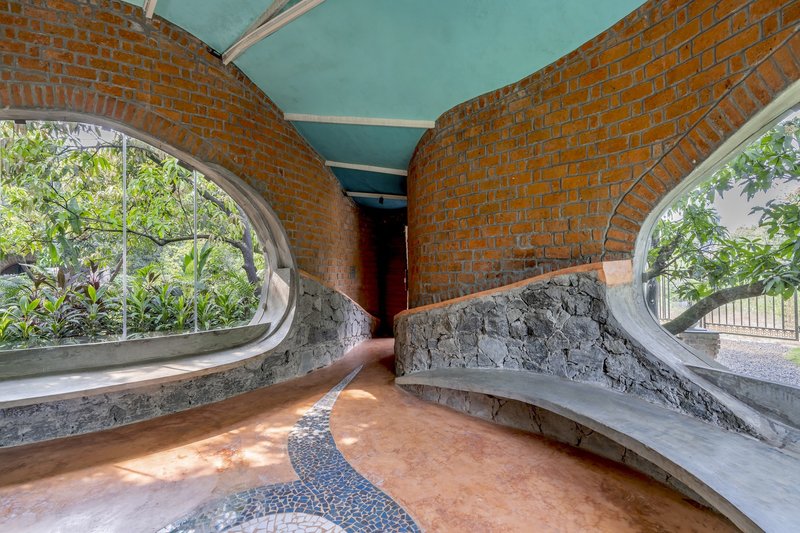
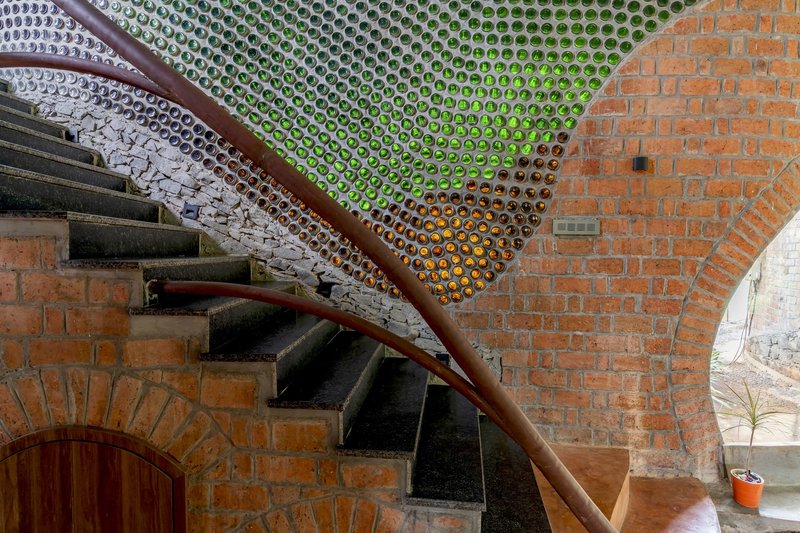
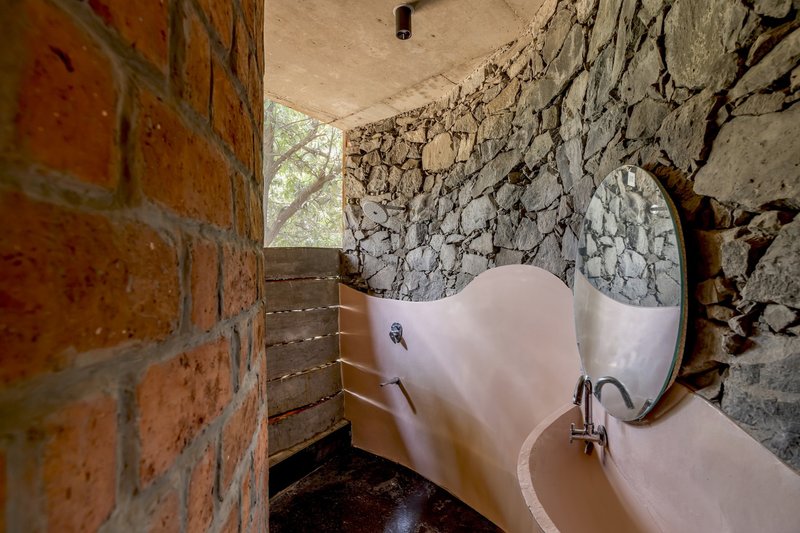
A hallmark of biophilic home design is the use of sustainable materials. The Asmalay House is constructed with a thoughtful selection of materials, each chosen not only for its aesthetic appeal but also for its sustainability and environmental impact. The use of recycled materials, such as a glass bottle wall on the ground floor, is an excellent example of how architecture can embrace eco-friendly principles.
The walls of the home feature rat-trap brick bonds, which enhance the thermal efficiency of the structure while minimizing material use. This building technique is perfect for biophilic home design as it creates a well-insulated structure that keeps the interior comfortable without relying heavily on artificial energy sources.
Functional and Harmonious Furnishings
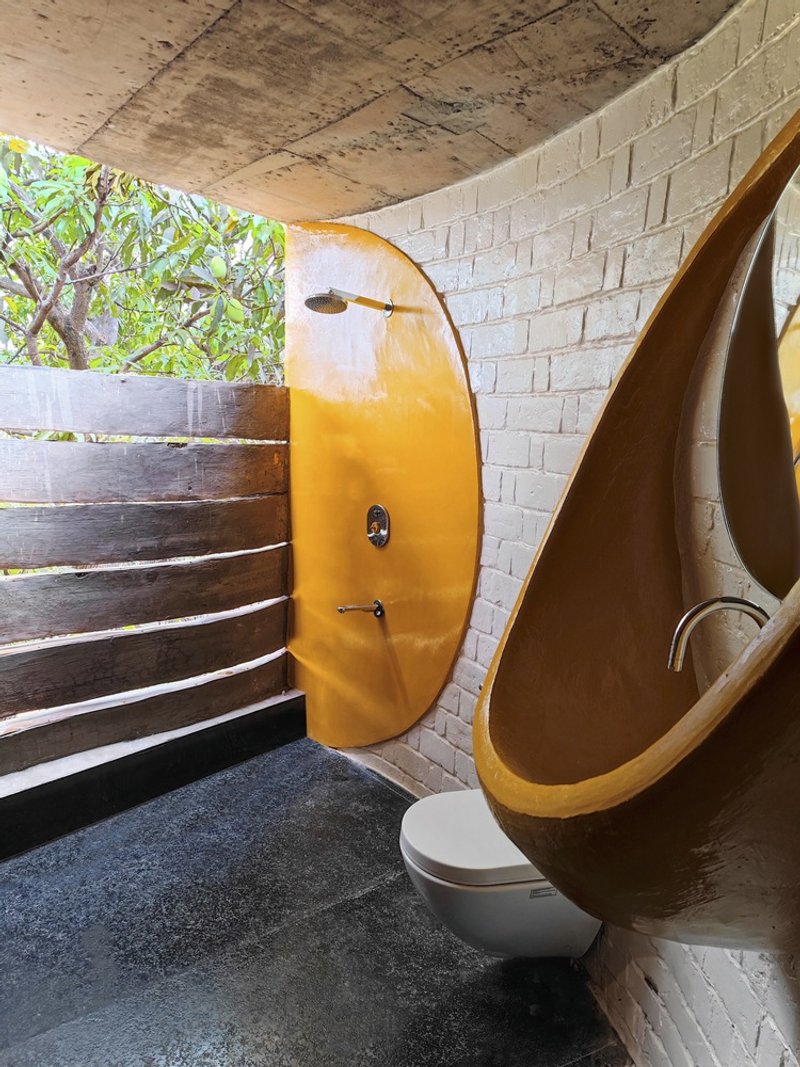
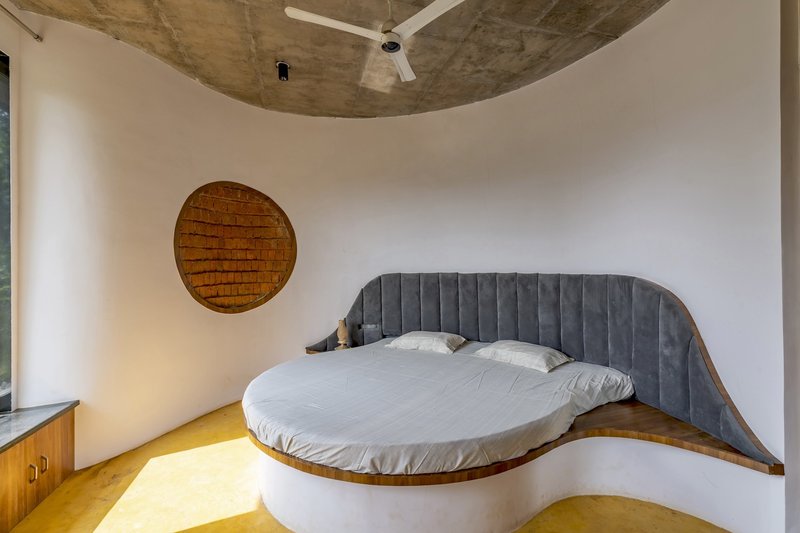
Incorporating functionality with sustainability, the furnishings of the Asmalay House are designed with eco-conscious principles in mind. The ferrocement furniture used throughout the house is both practical and aesthetically pleasing. This furniture complements the house’s natural, earthy tones and reinforces the connection between the interior and the natural environment.
The Blurring of Boundaries: Interior and Exterior Integration
One of the most powerful aspects of biophilic home design is the dissolution of boundaries between the interior and exterior. In Asmalay House, this principle is embodied through large, open spaces that invite the natural environment into the home. The design of the house is fluid and interconnected, with each room flowing seamlessly into the next, creating a sense of openness and continuity between the indoor and outdoor spaces.
The use of curved brick arches and other architectural features ensures that the house not only blends into its natural surroundings but enhances the beauty of the landscape. The mango trees are not just part of the view; they are integral to the experience of the home, serving as natural focal points in every room.
Sustainable Living: A Biophilic Vision for the Future
Asmalay House represents a vision of sustainable living, where architecture and nature coexist in perfect harmony. The home is designed to be energy-efficient, using passive design strategies to regulate temperature, maximize natural resources, and minimize environmental impact. Its thoughtful integration of natural elements, sustainable materials, and energy-efficient features exemplifies the future of biophilic home design.
In an era of increasing environmental awareness, Asmalay House provides a model for how biophilic architecture can promote sustainability while enhancing the quality of life for those who live in it. By merging nature, sustainability, and design innovation, Asmalay House proves that architecture can nurture the human spirit while also caring for the planet.
Embracing Biophilic Home Design
The Asmalay House is a testament to the transformative potential of biophilic home design. Its seamless integration with nature, sustainable materials, and innovative design principles showcase how modern architecture can work in harmony with the environment. This house not only provides a sanctuary for its inhabitants but also serves as an example of how architecture can be a catalyst for sustainable living in the future.
By embracing biophilic design, Asmalay House embodies a future where homes are not just structures but ecosystems that promote health, well-being, and environmental sustainability.
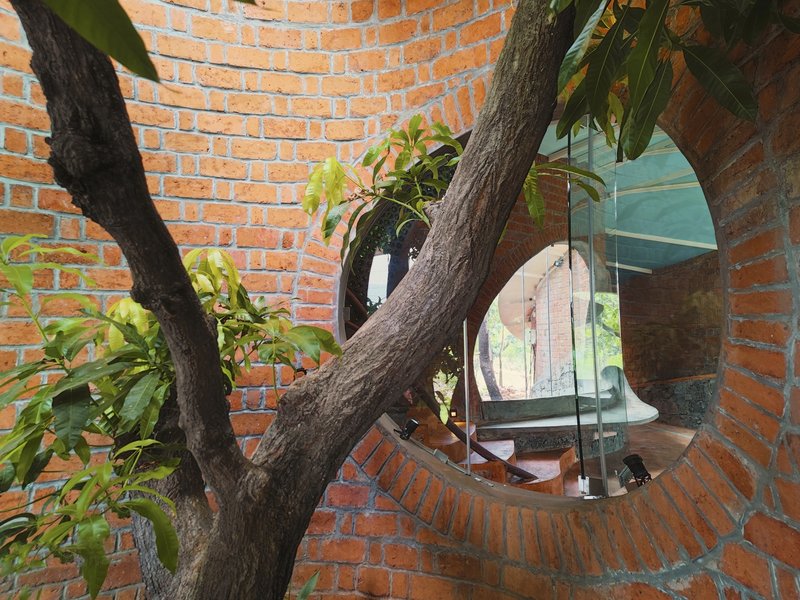
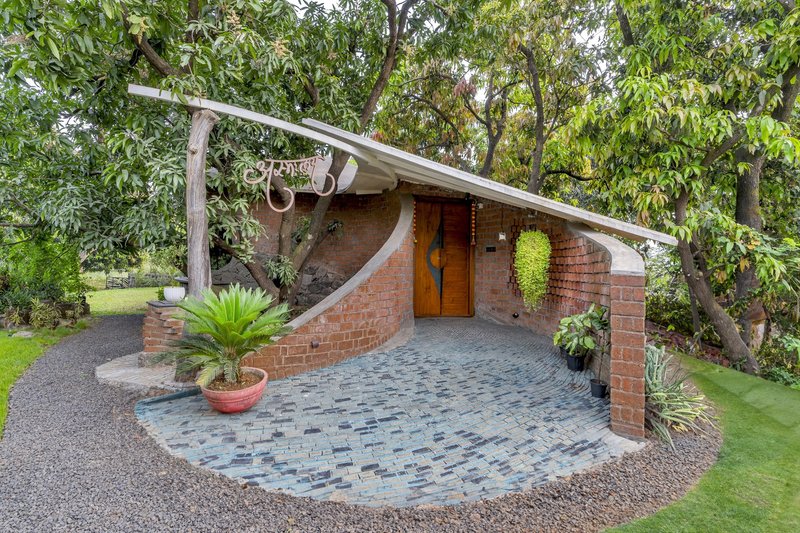
All Photographs are work of Inclined Studio




Popular Articles
Popular articles from the community


The Ken Roberts Memorial Delineation Competition (Krob)
As the most senior architectural drawing competition currently in operation anywhere in the world, it draws hundreds of entries each year, awarding the very best submissions in a series of medium-based categories.

An Miên Lumière Cafe by xưởng xép, Ho Chi Minh City, Vietnam
An industrial-inspired café where layered steel and warm light create a dynamic, immersive environment shaped by reflection, depth, and perception.

Solar Steam: A Climate-Responsive Architecture That Redefines the Monument
A climate-responsive memorial architecture that transforms heat, decay, and time into a living system reflecting humanity’s ecological impact.
Inverted Architecture Installation by Studio Link-Arc: Exploring the Intersection of Architecture and Living Organisms
Inverted Architecture Installation by Studio Link-Arc blends mycelium, sustainability, inverted design, ecological cycles, and urban adaptive architecture in Shenzhen.


Similar Reads
You might also enjoy these articles
The Ken Roberts Memorial Delineation Competition (Krob)
As the most senior architectural drawing competition currently in operation anywhere in the world, it draws hundreds of entries each year, awarding the very best submissions in a series of medium-based categories.

Waterfront Redevelopment and Urban Revitalization in Mumbai: Forging a New Dawn for Darukhana
A transformative waterfront redevelopment project reimagining Darukhana’s shipbreaking heritage into an inclusive urban future.

OUT-OF-MAP: A Call for Postcards on Feminist Narratives of Public Space
Rhizoma Design and Research Lab invites artists, designers, architects, researchers, and students to reflect on how feminist perspectives can reshape public space. Selected works will be exhibited in Barcelona, October 2026. Submissions open until 15 April 2026.


Documentation Work on Buddhist Wooden Temple
Architectural syncretism and cultural hybridity: A comparative study of the Buddhist temples in Chattogram Hill tracks

Explore Architecture Competitions
Discover active competitions in this discipline




The International Standard for Design Portfolios


The Global Benchmark for Architecture Dissertation Awards


The Global Benchmark for Graduation Excellence


Challenge to reimagine the Iron Throne
Comments (0)
Please login or sign up to add comments
No comments yet. Be the first to comment!