
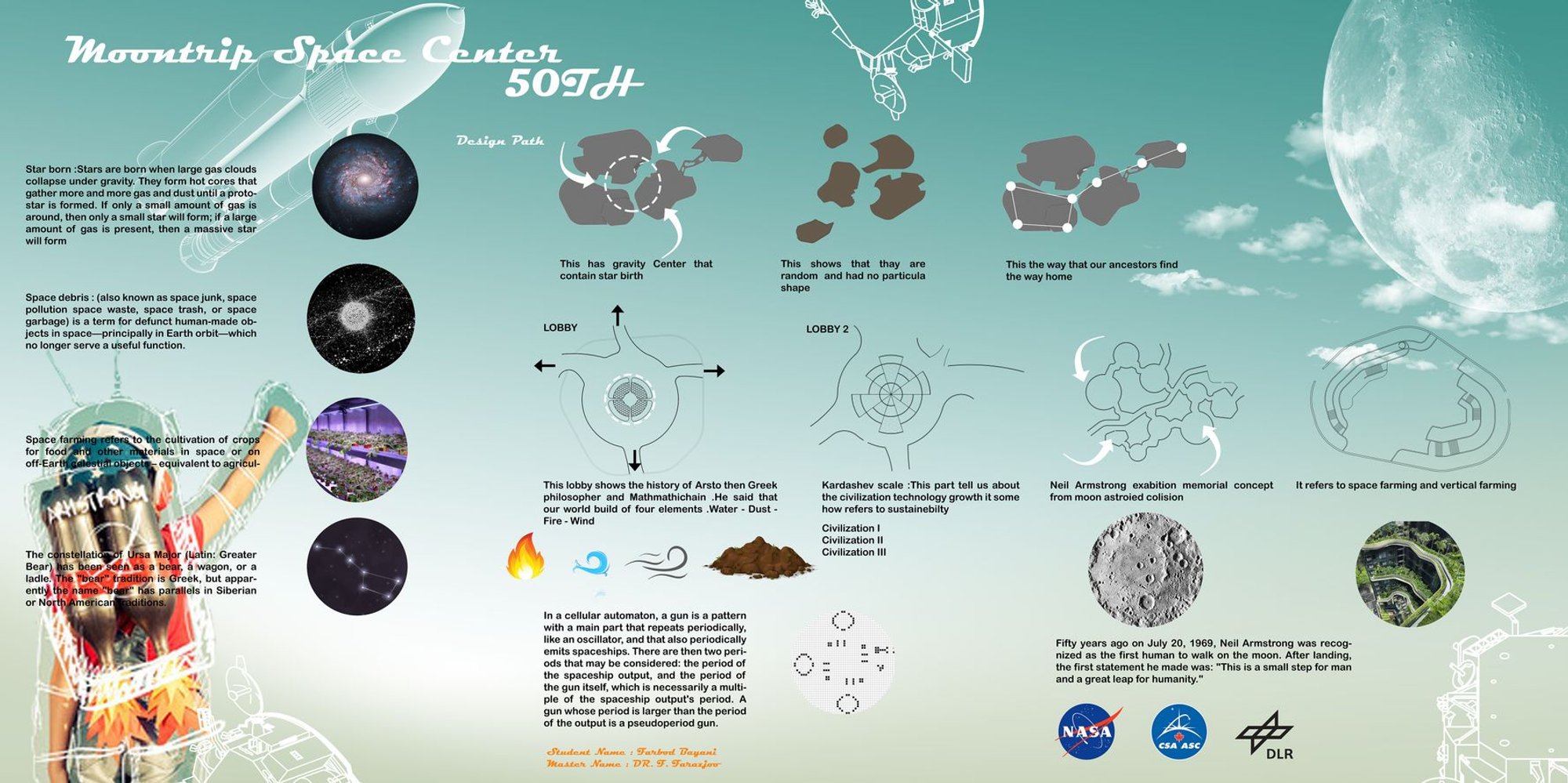
Astronauts Training Center: A New Frontier in Space Architecture
Designing the future of astronaut training through immersive architecture, sustainability, and interstellar education in D.C.

Project by Farbod Bayani
Project – Moontrip Competition
Set along the Anacostia River in Washington, D.C., the Astronauts Training Center is a forward-thinking architectural proposal dedicated to training the next generation of spacefarers. Designed by Farbod Bayani, the project reimagines urban infrastructure through the lens of "space architecture," blending terrestrial constraints with interplanetary ambitions.
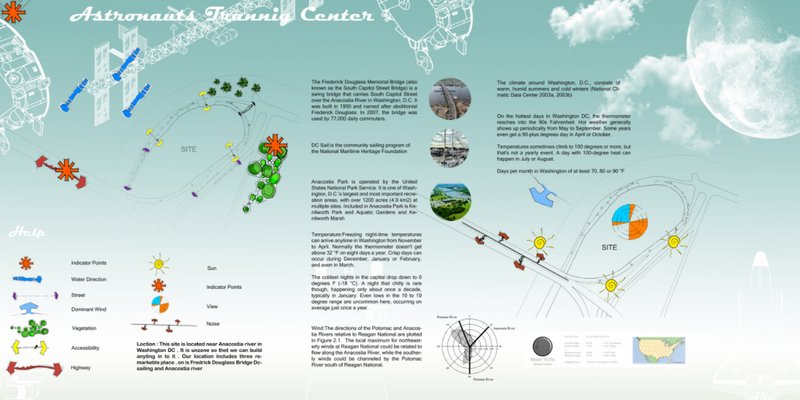
Site Context: Earth as Launchpad
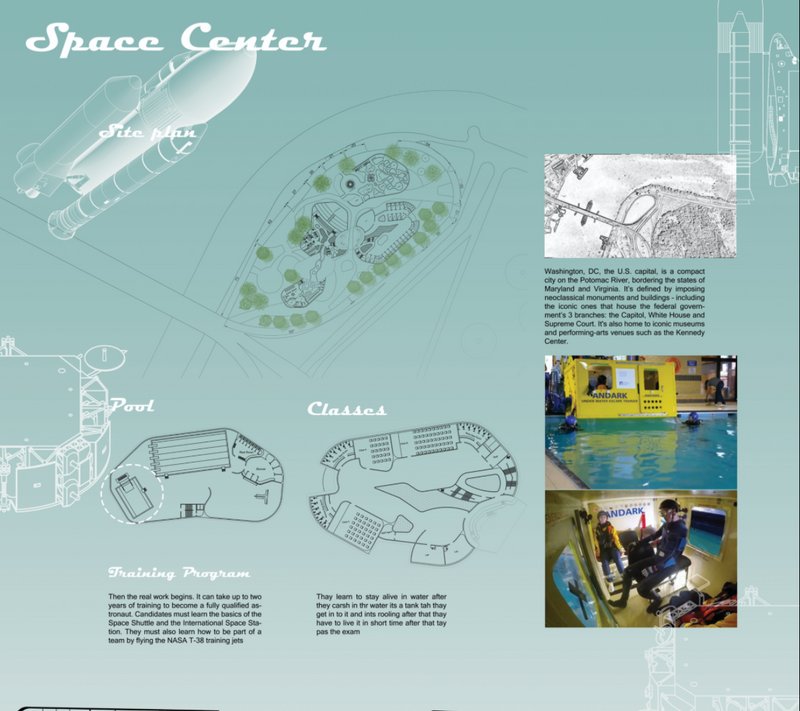
The proposed site is uniquely positioned near the Frederick Douglass Memorial Bridge and Anacostia Park. These landmarks, including D.C. Sail and the aquatic gardens, provide environmental and cultural grounding to a highly technical and futuristic program. The site study evaluates factors such as wind direction, street noise, sun exposure, and accessibility—all essential considerations in high-performance architecture.
The area experiences distinct seasonal variations, from humid summers to freezing winters. These local conditions shape the building orientation and climate resilience strategies. Mapping data also reflects average temperatures, wind direction from the Potomac River, and the significance of lunar visibility—an elegant nod to the building’s cosmic aspirations.
Planning for Interstellar Life
The architectural master plan is divided into several core components:
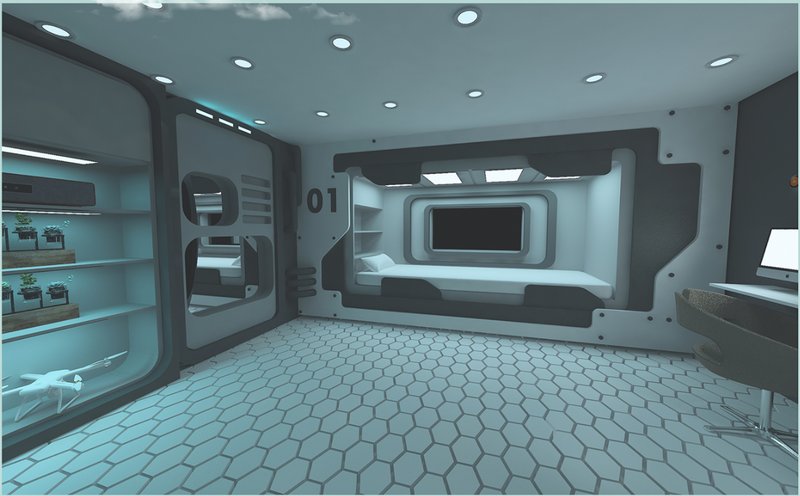
- Dorms: Inspired by sci-fi visuals from Star Wars and Interstellar, the dormitories mimic space habitat modules. Designed to house future astronauts, they simulate life in confined, modular environments.
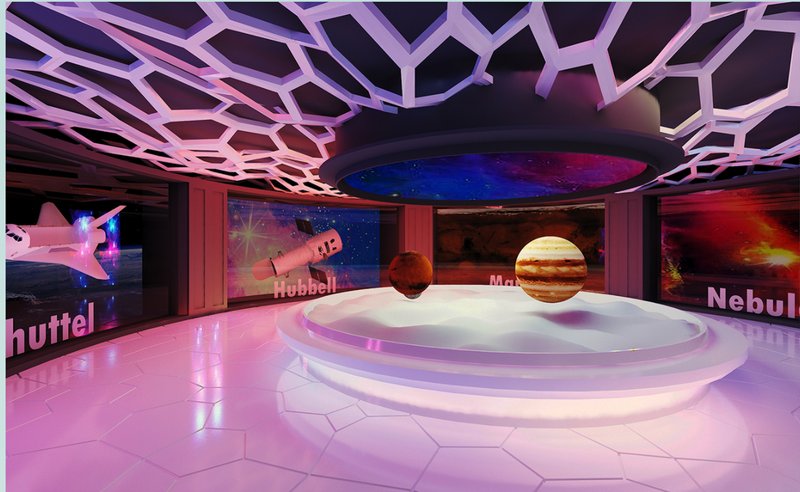
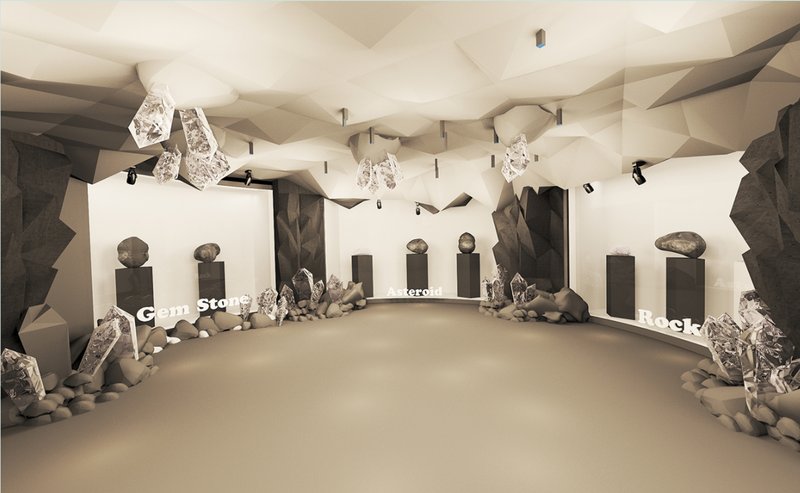
- Exhibition Zone: This space serves as a public interface, offering curated experiences on space missions, artifacts, and futuristic design concepts. It’s conceived like a science museum meets World Expo.
- Vertical Farming Units: Sustainability is deeply integrated through vertical farms, enabling fresh food production within closed-loop systems. This mirrors solutions for off-Earth living, where self-sufficiency is critical.
- Mission Control Center: Modeled after real NASA MCCs, this center simulates ground-based operations during spacecraft missions. It enables training for team-based monitoring and decision-making.
- Asteroid & Dome Structures: Design elements pay homage to celestial bodies, integrating asteroid-like structural forms and domed architecture to simulate lunar or Martian habitats.
- Green Architecture: The center incorporates eco-conscious materials and methods, blending futuristic form with sustainable function. Solar panels, recycled water systems, and green terraces emphasize the harmony between space tech and environmental ethics.
Programs & Simulations
Trainees undergo immersive sessions that mirror the rigorous NASA programs:
- Pool Simulations: Large aquatic tanks simulate zero-gravity conditions. Trainees practice underwater survival, gear handling, and spacecraft entry/exit techniques.
- Classroom Training: Modular academic spaces combine digital interaction with real-world mission scenarios.
- Flight Readiness: Future astronauts train on the NASA T-38 jets and prepare for the psychological and physical challenges of space missions.
Vision for Space Architecture
More than just a training site, this architectural endeavor is a prototype for how we design, build, and inhabit environments beyond Earth. By bringing together interstellar storytelling, sustainable design, and real-world training protocols, the Astronauts Training Center exemplifies the future of space architecture.
It is not only a monument to ambition but also a functional ecosystem where architecture educates, simulates, and inspires.



Popular Articles
Popular articles from the community


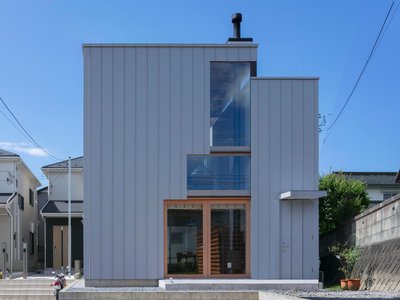
Split House: A Compact Urban Home Blending Privacy, Light, and Flexible Living in Japan
Compact Japanese home featuring DOMA space, flexible café potential, passive lighting, privacy zoning, and sustainable urban living design.
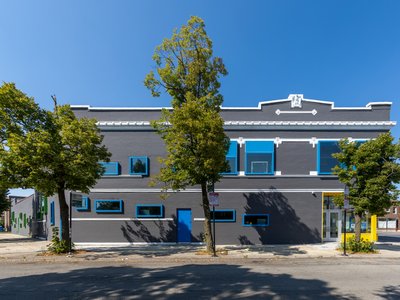
Gads Hill Early Learning Center by JGMA: Adaptive Reuse Shaping Community-Focused Educational Architecture
Adaptive reuse transforms fragmented structure into vibrant early learning center with playful façade, natural light, and community-focused sustainable design.


The Ken Roberts Memorial Delineation Competition (Krob)
As the most senior architectural drawing competition currently in operation anywhere in the world, it draws hundreds of entries each year, awarding the very best submissions in a series of medium-based categories.


Similar Reads
You might also enjoy these articles
The Ken Roberts Memorial Delineation Competition (Krob)
As the most senior architectural drawing competition currently in operation anywhere in the world, it draws hundreds of entries each year, awarding the very best submissions in a series of medium-based categories.


Waterfront Redevelopment and Urban Revitalization in Mumbai: Forging a New Dawn for Darukhana
A transformative waterfront redevelopment project reimagining Darukhana’s shipbreaking heritage into an inclusive urban future.

OUT-OF-MAP: A Call for Postcards on Feminist Narratives of Public Space
Rhizoma Design and Research Lab invites artists, designers, architects, researchers, and students to reflect on how feminist perspectives can reshape public space. Selected works will be exhibited in Barcelona, October 2026. Submissions open until 15 April 2026.

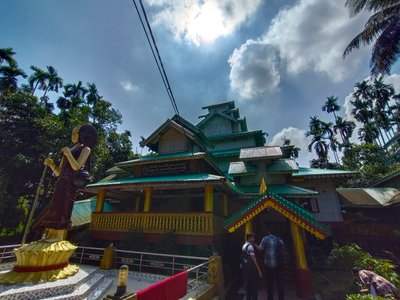
Documentation Work on Buddhist Wooden Temple
Architectural syncretism and cultural hybridity: A comparative study of the Buddhist temples in Chattogram Hill tracks


Explore Architecture Competitions
Discover active competitions in this discipline




The International Standard for Design Portfolios


The Global Benchmark for Architecture Dissertation Awards


The Global Benchmark for Graduation Excellence


Challenge to design public laboratory
Comments (0)
Please login or sign up to add comments
No comments yet. Be the first to comment!