
Bioclimatic House Design in France: Sous les Ailes by KIDA Architecture & Design
Sous les Ailes by KIDA Architecture & Design exemplifies bioclimatic house design in France, blending sustainability with nature-inspired architecture.

Introduction to Bioclimatic House Design in France
Nestled on the edge of the Fontainebleau forest in Barbizon, near Paris, Sous les Ailes is a groundbreaking example of bioclimatic house design in France. Designed by KIDA Architecture & Design, this residence merges contemporary architectural principles with ecological responsibility, creating a home that harmonizes with its environment. The project redefines modern residential architecture by integrating nature, energy efficiency, and innovative bio-sourced materials into a single cohesive vision.
The Architectural Context of Barbizon
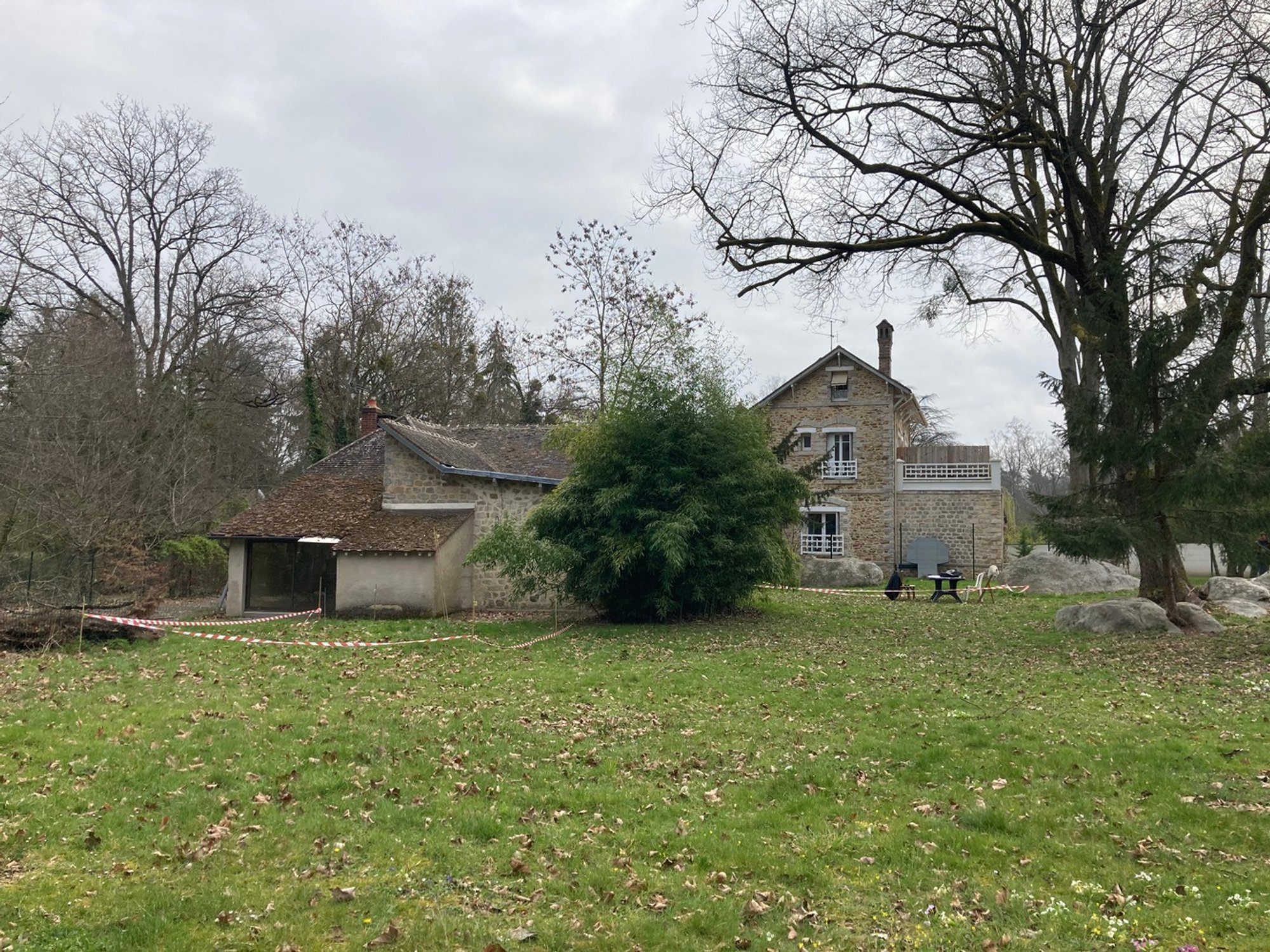
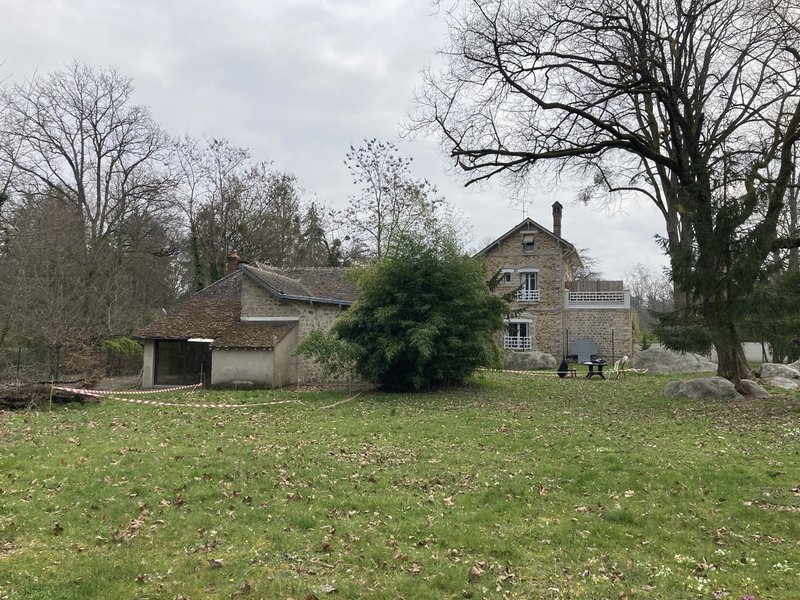
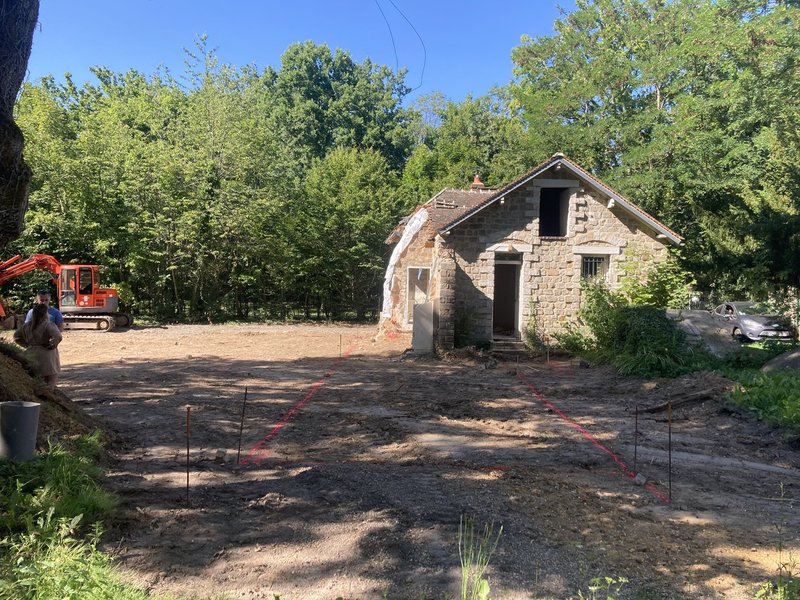
Barbizon is a village renowned for its artistic history and connection to the natural beauty of the Fontainebleau forest. This setting forms the backdrop for Sous les Ailes, a property spanning nearly 2000 square meters. The site features a traditional stone outbuilding at its northeast corner, with characteristic forest rocks and towering oak trees to the south.
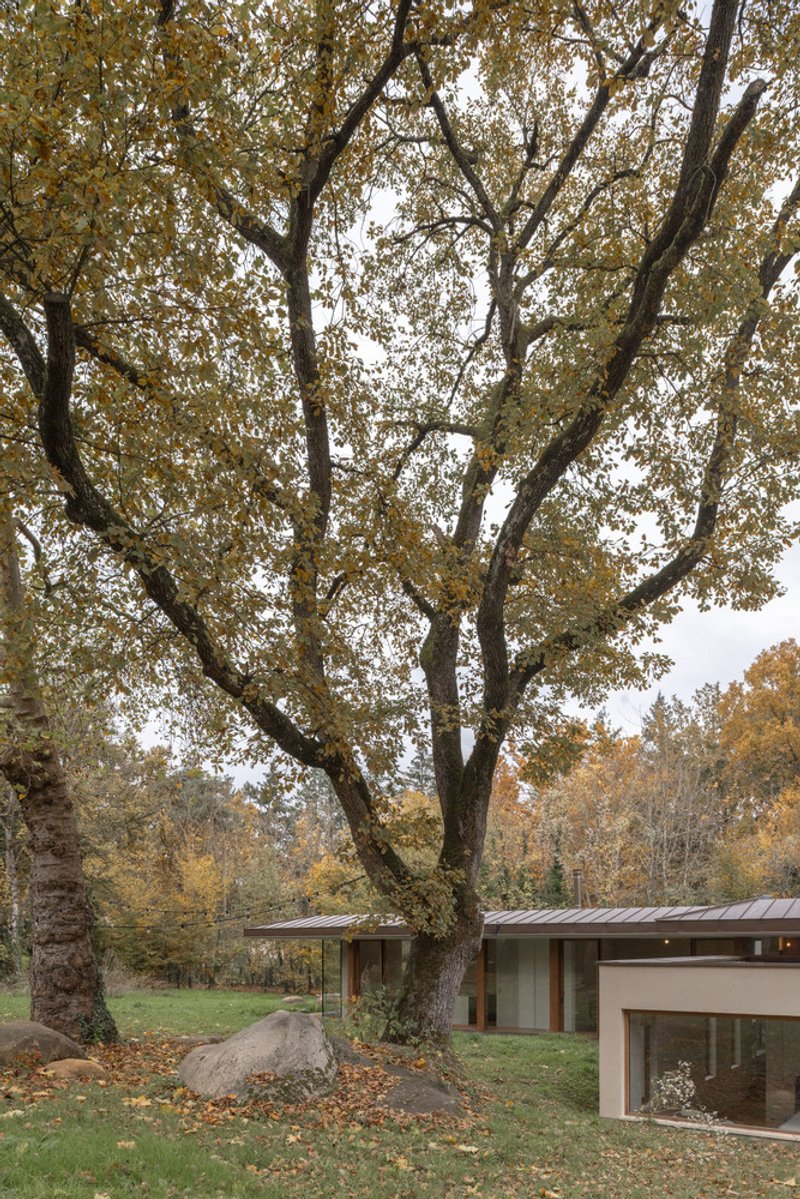
The architectural intervention respects this rich context. The existing stone structure is retained as a symbolic anchor, while the new volumes seamlessly integrate into the landscape. The design embraces the site's natural features, emphasizing light, transparency, and environmental sensitivity.
Demolition and Revealing the Essence
The project begins with the removal of two concrete extensions that once burdened the site. Their demolition exposes the original stone building, restoring its prominence. This act is not merely functional but symbolic, celebrating the enduring value of traditional materials while making way for a forward-thinking bioclimatic approach.
The height of the original stone building dictates the elevation of the new additions. This gesture establishes a visual dialogue between old and new, ensuring that the contemporary extensions defer to the historic structure.
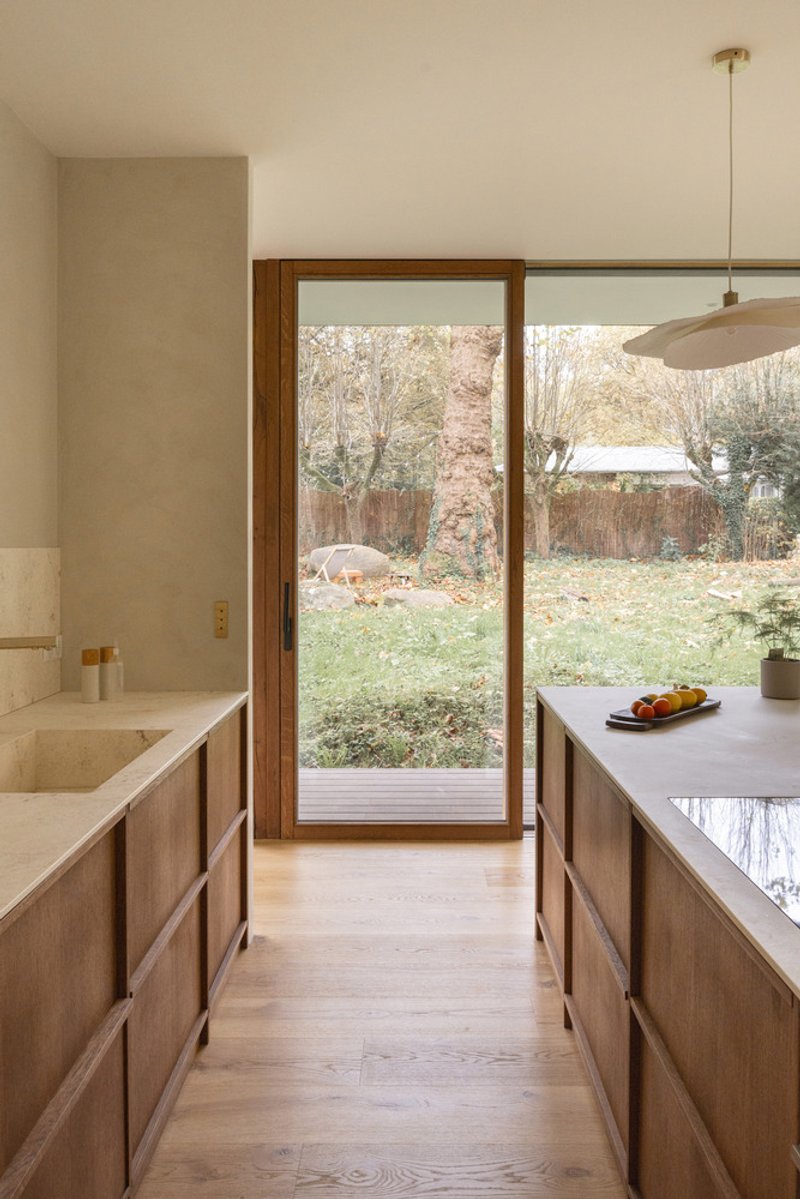
Timber and Hemp-Lime Construction
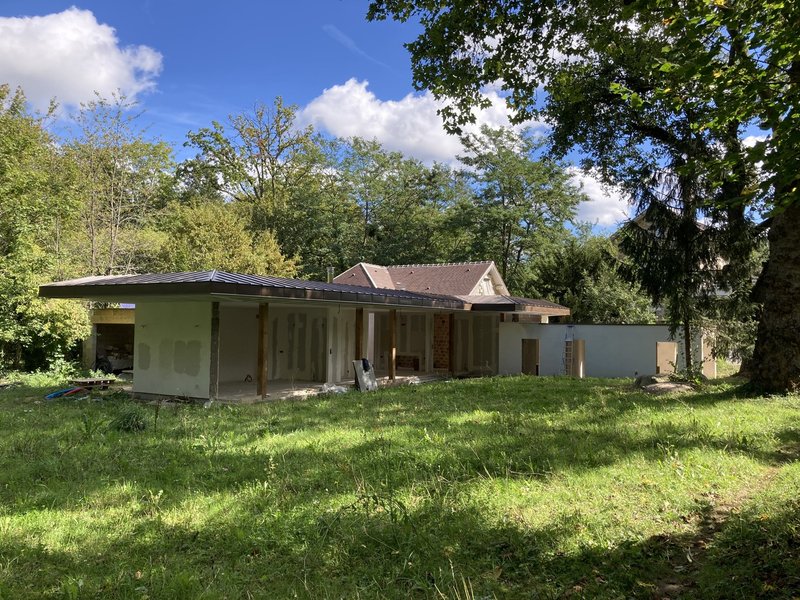
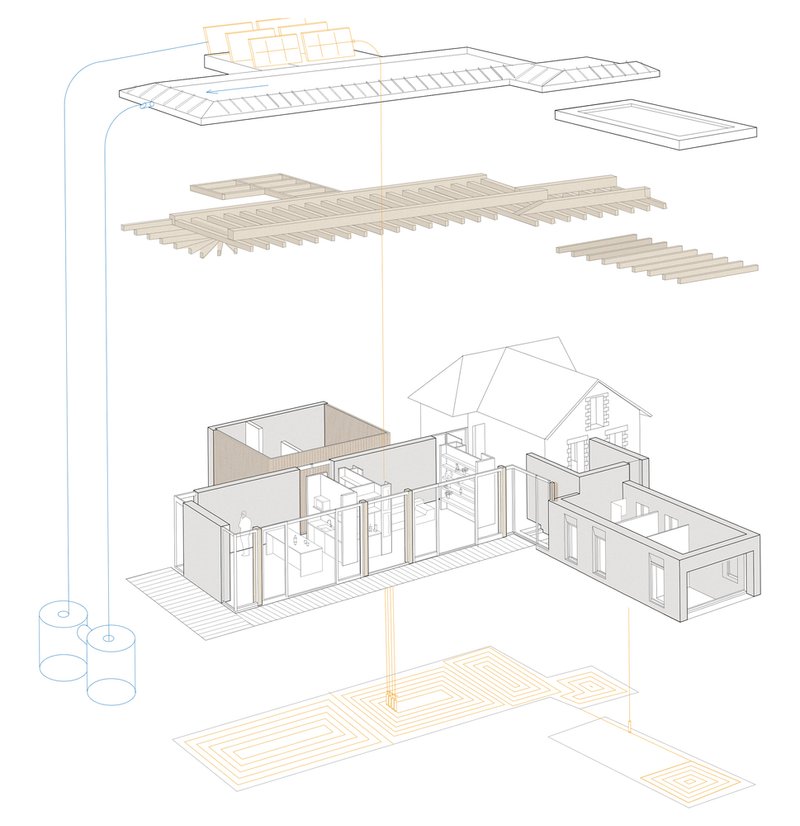
The primary new volume, housing the living spaces, is constructed using a hybrid structure of timber and hemp-lime blocks. This choice embodies the principles of bioclimatic house design in France, emphasizing sustainability, thermal performance, and breathability.
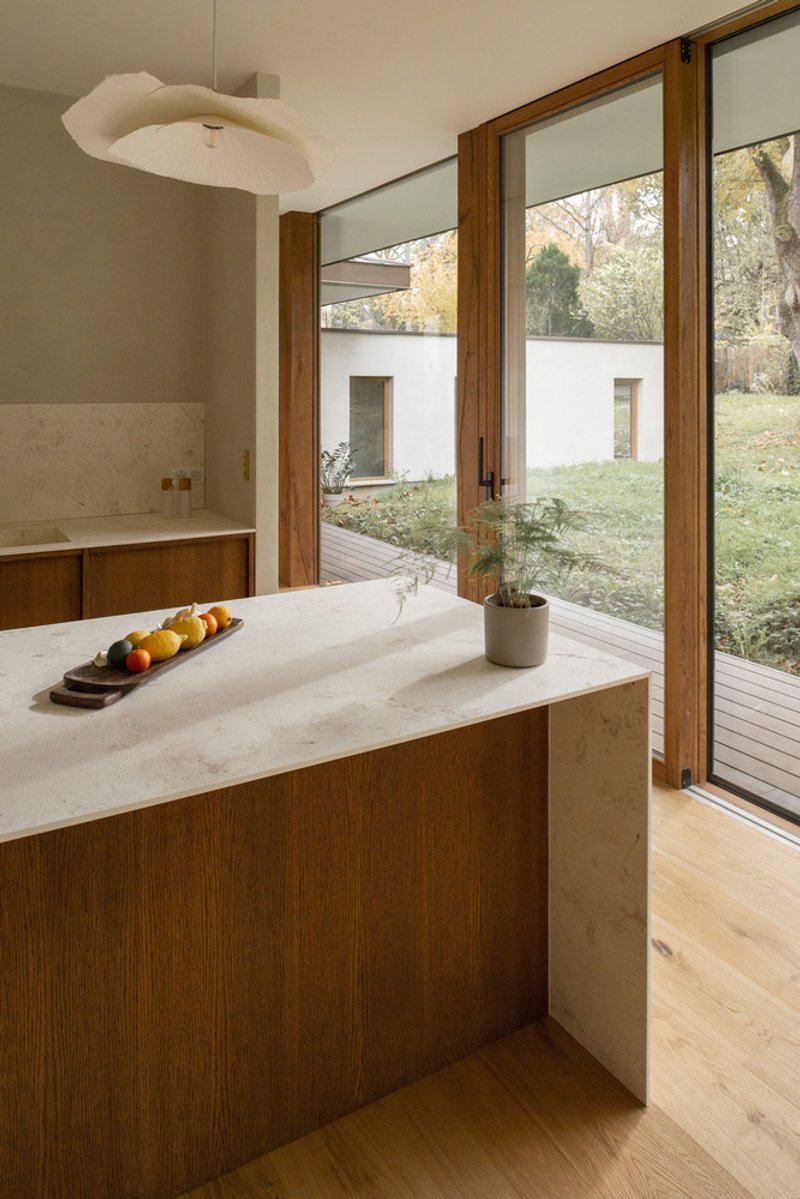
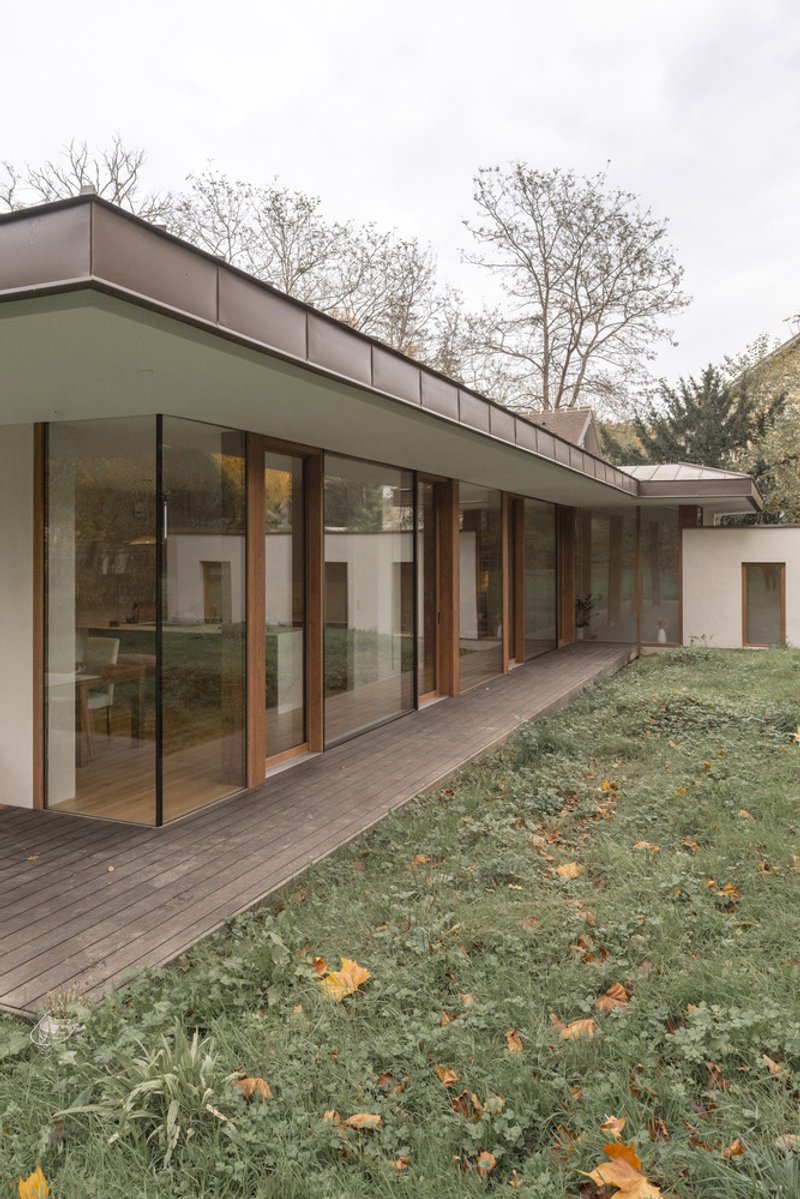
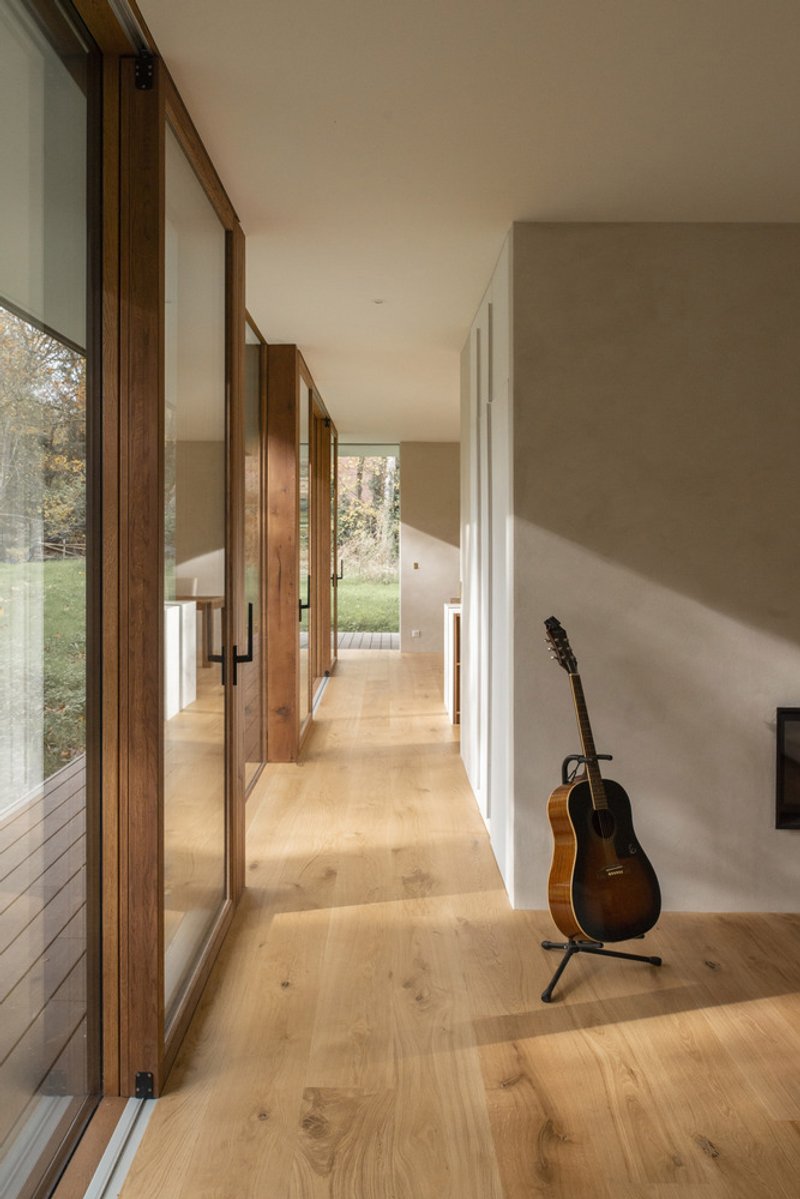
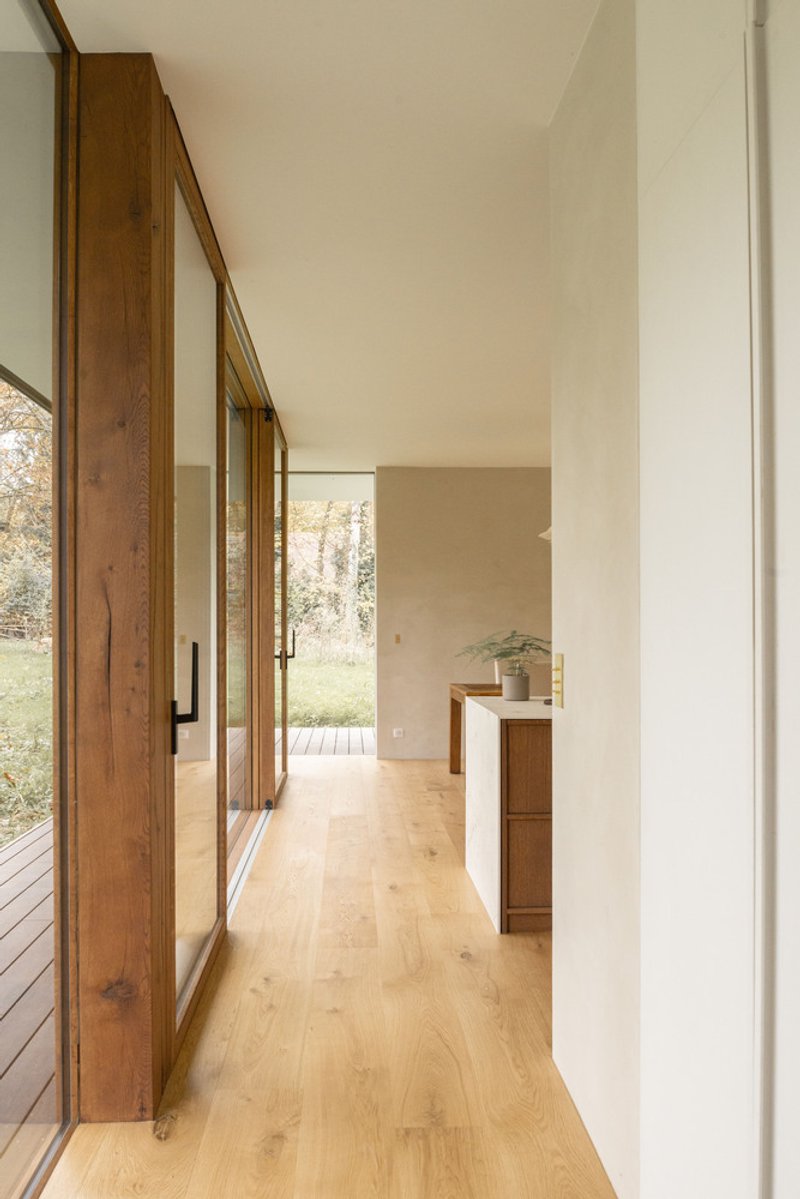
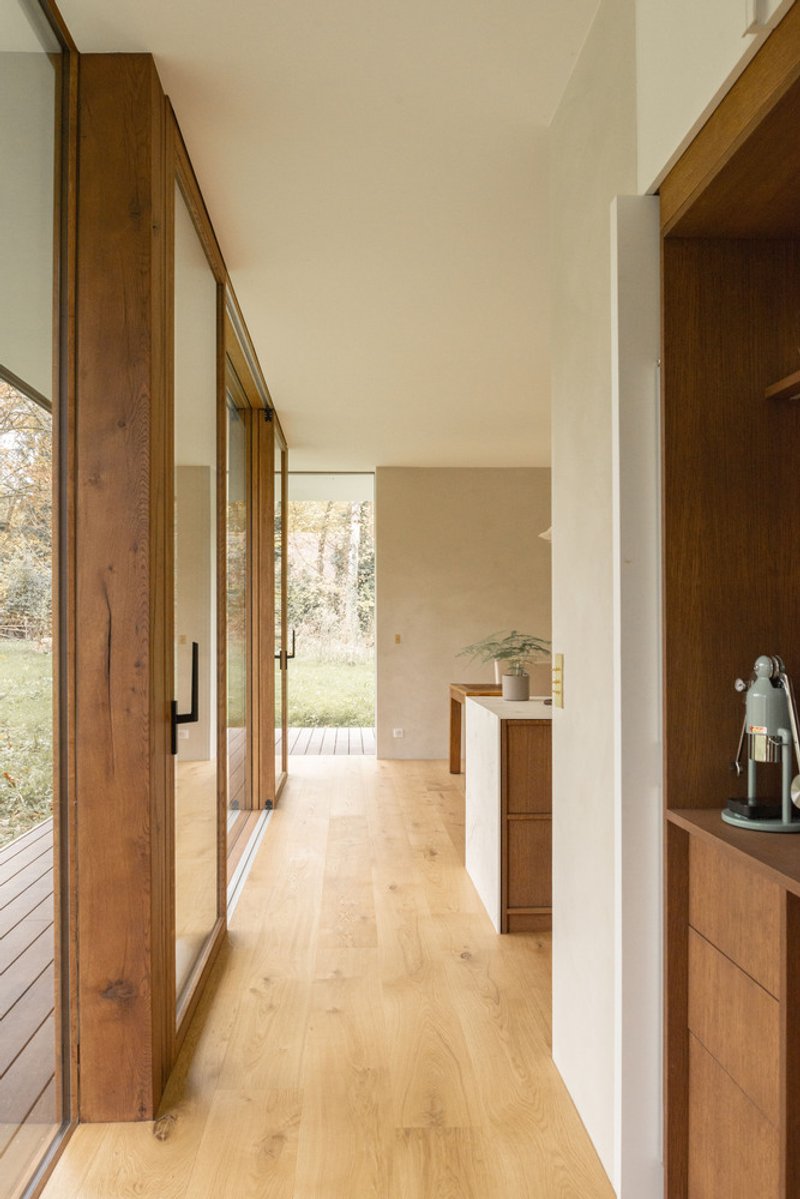
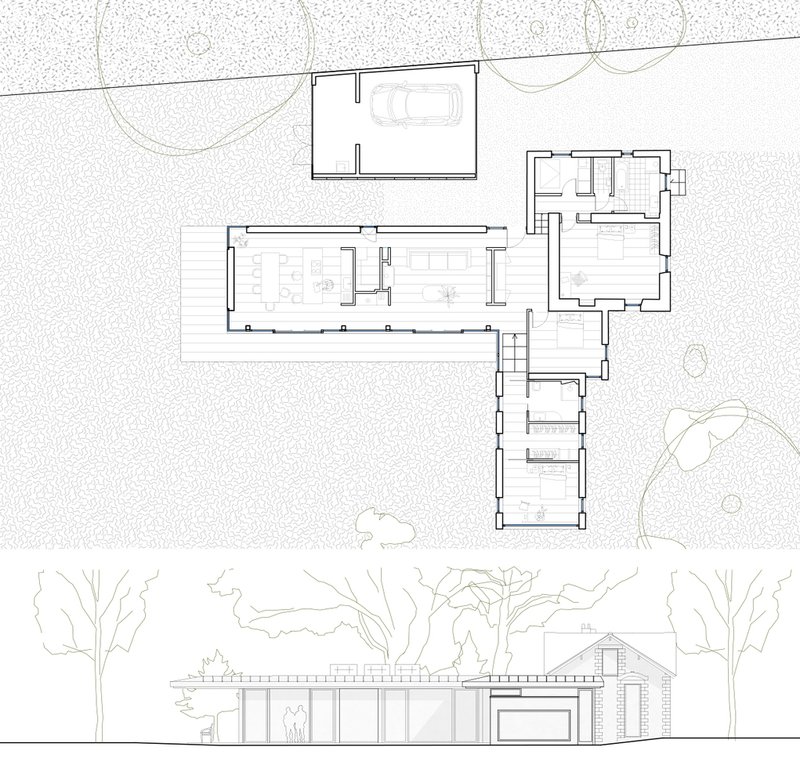
Parallel to the northern boundary of the plot, this volume is defined by its linear form and transparency. An entrance pathway runs alongside the exposed stone wall of the existing house, leading visitors into a light-filled interior that visually connects with the garden.
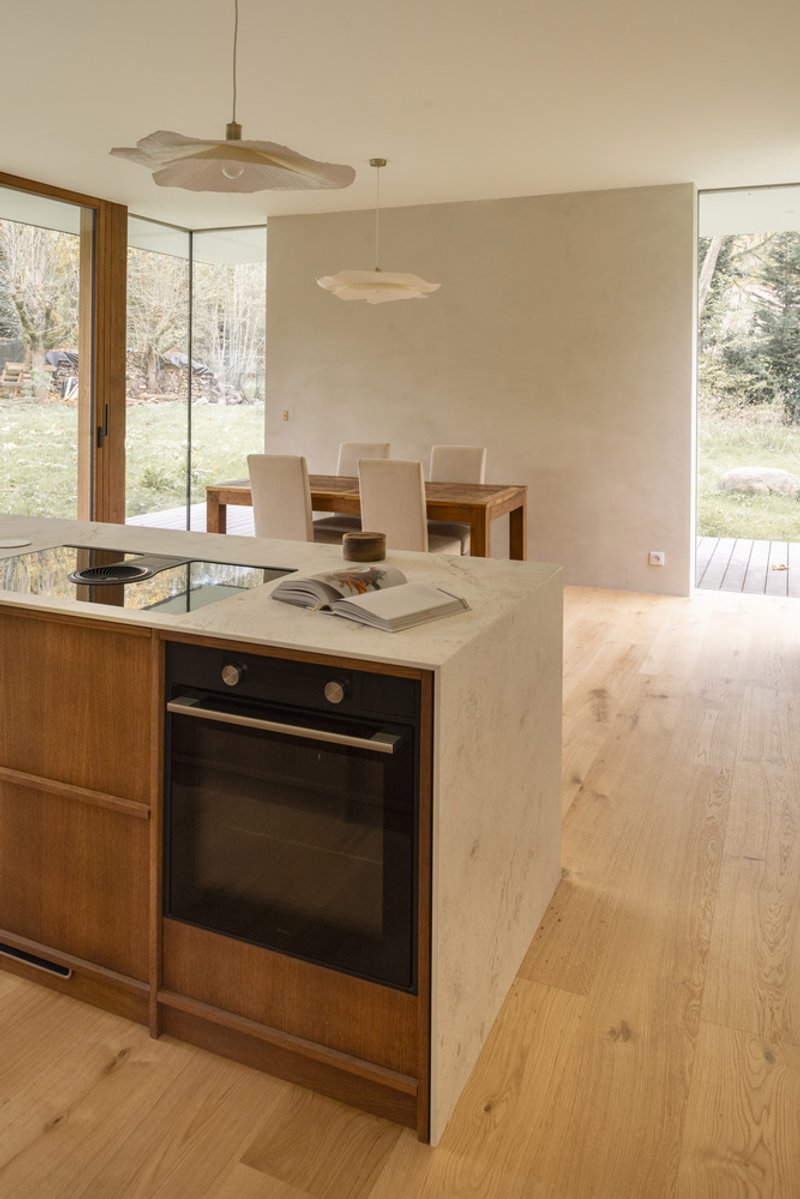
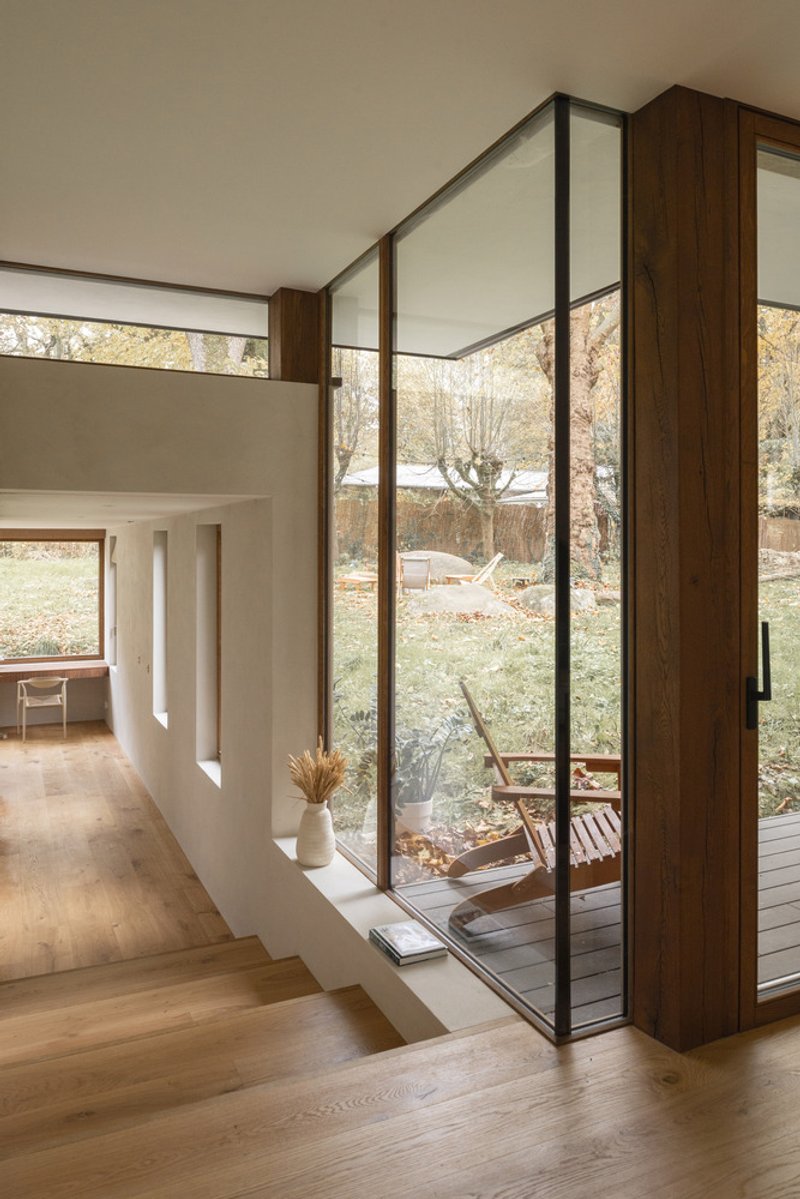
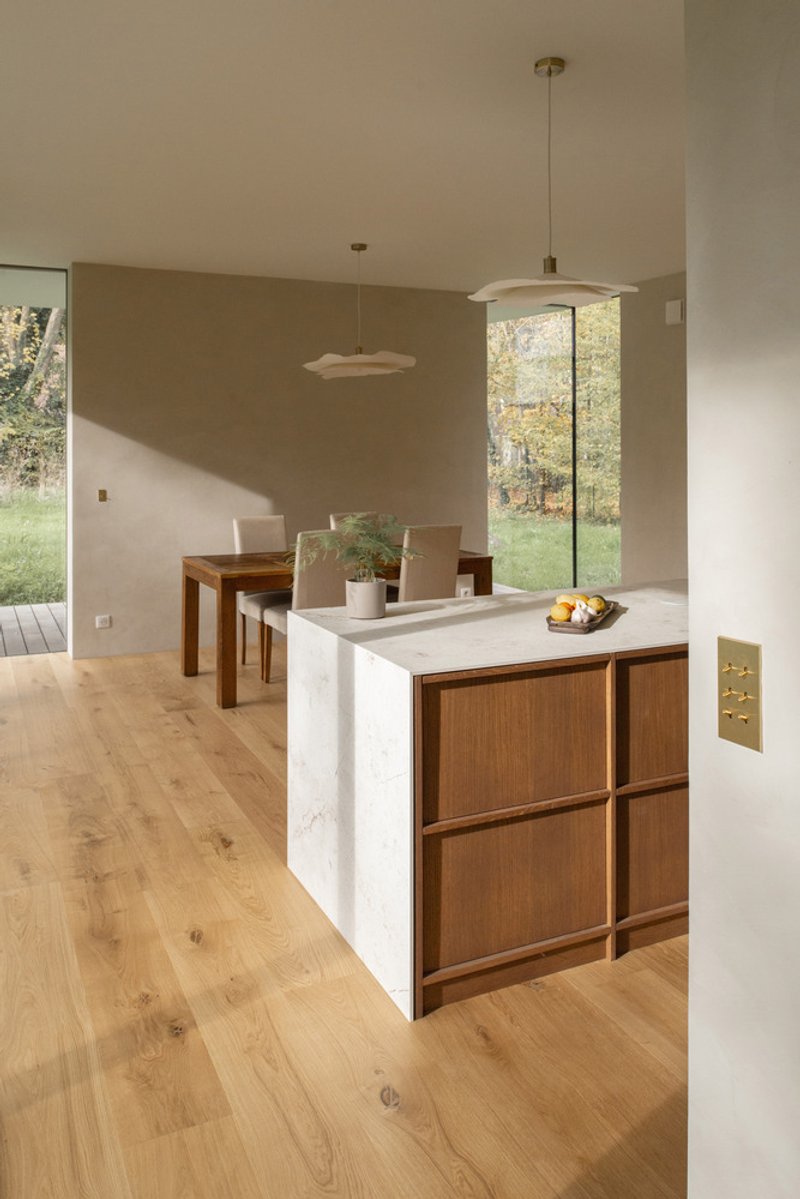
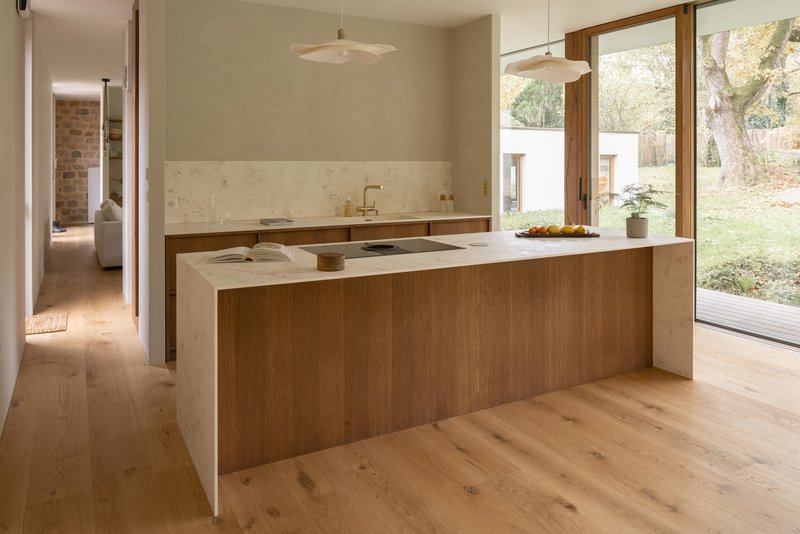
Inside, the space unfolds in three segments: an entrance area, a central living room, and an open kitchen and dining space. The generous ceiling height fosters a sense of openness, while functional partitions ensure spatial organization without compromising fluidity.
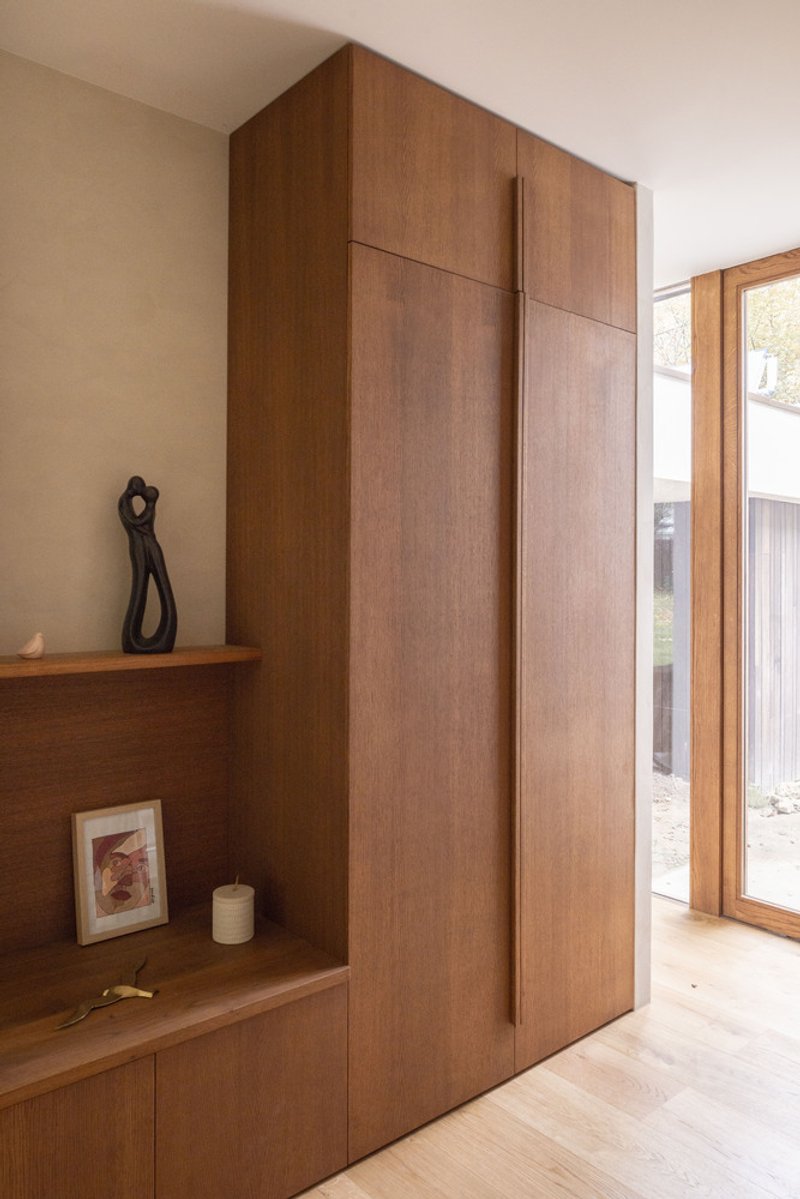
Glazed Facade and Solar Protection
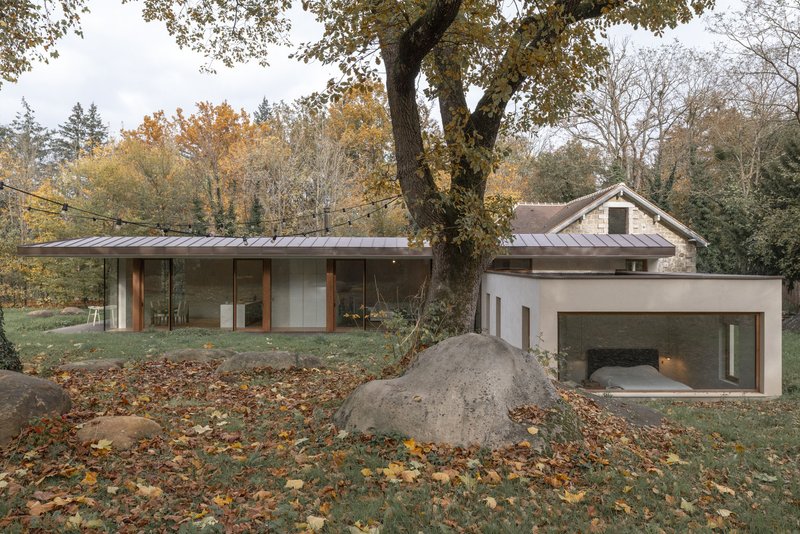
The southern facade, oriented towards the forest rocks, is predominantly glazed. This architectural gesture establishes a profound connection with the natural surroundings while maximizing solar gain during the winter months. A cantilevered roof extends over this glazed elevation, acting as a passive shading device that mitigates heat during the summer.
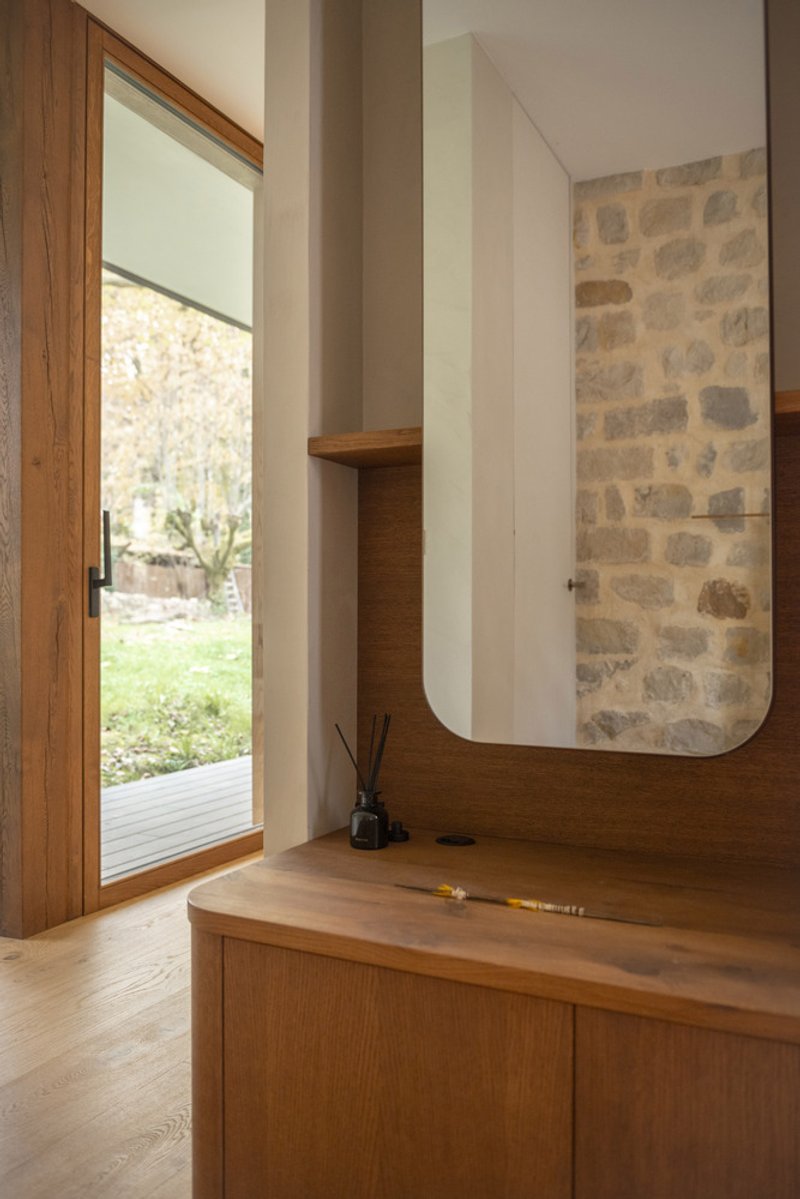
Conversely, the northern facade adopts a more restrained approach, punctuated by smaller openings. This asymmetry is not merely aesthetic but responds to the principles of bioclimatic house design, reducing heat loss while encouraging cross-ventilation.
Sleeping Areas in Symbiosis with Nature
The second volume, dedicated to the sleeping quarters, adopts a more understated architectural language. Constructed entirely from hemp-lime, this structure extends towards the forest rocks, seeking shelter beneath the “wings” of the primary volume.
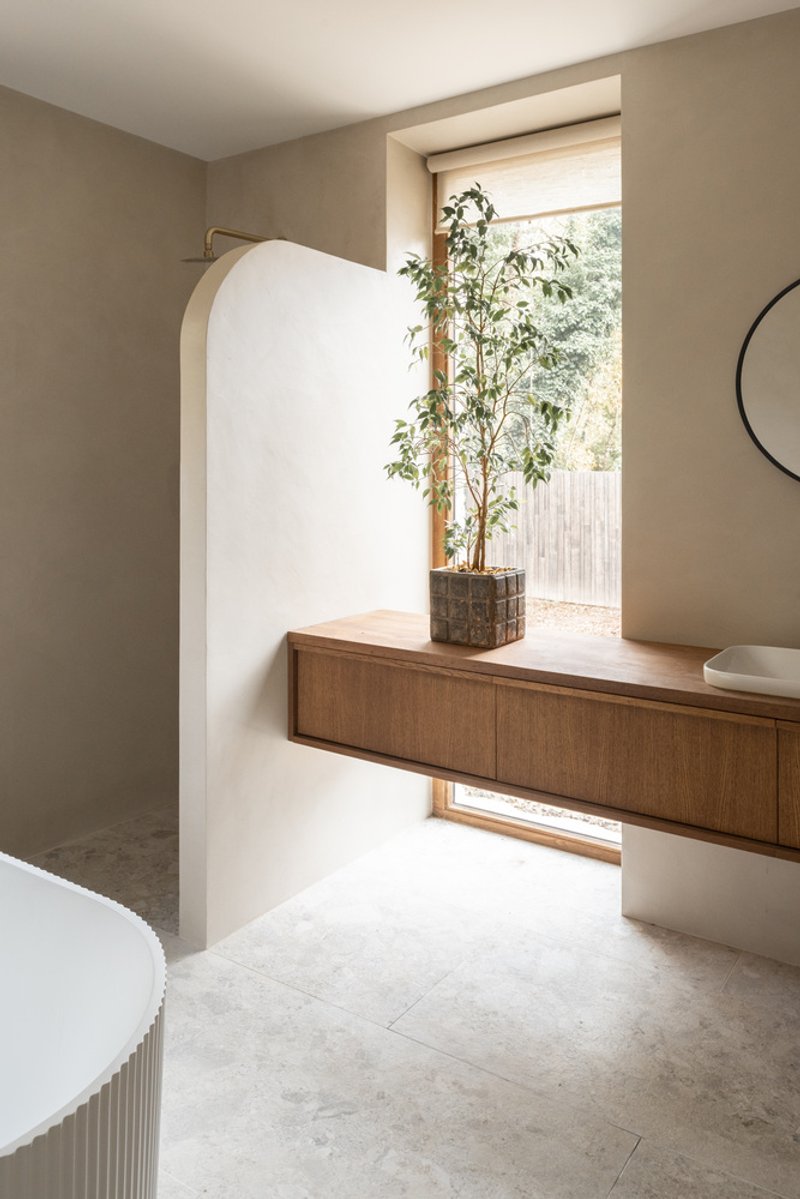
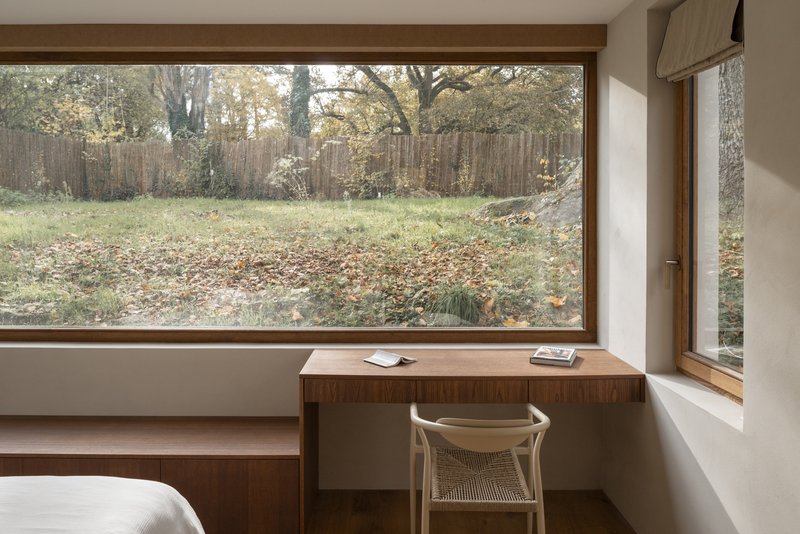
The master bedroom is conceived as a retreat, immersed within the undergrowth. Here, architecture dissolves into nature, offering an intimate sanctuary where residents experience the serenity of the forest.
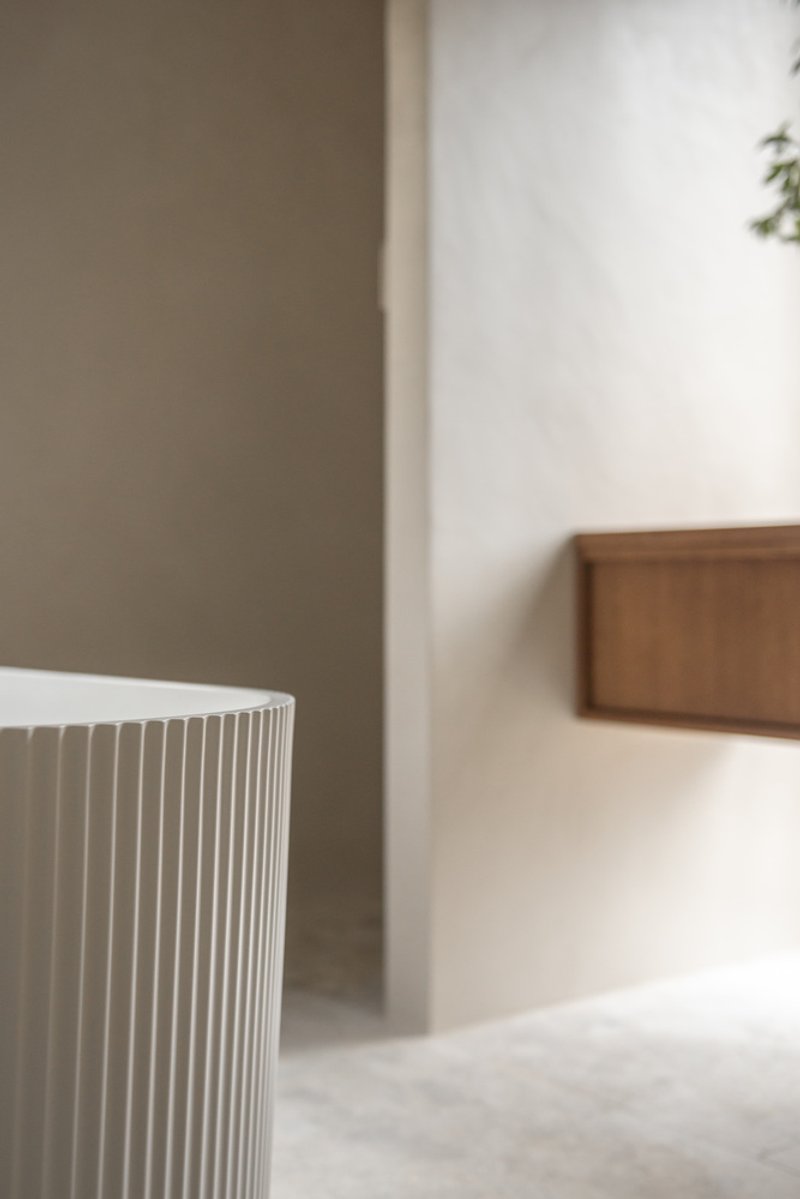
Integration of Garage and Workshop
To the north, the garage and workshop are discreetly integrated into the landscape. These auxiliary spaces are positioned away from the main living areas, ensuring that the core residential experience remains undisturbed. This zoning strategy enhances the overall functionality of the property while preserving its visual coherence.
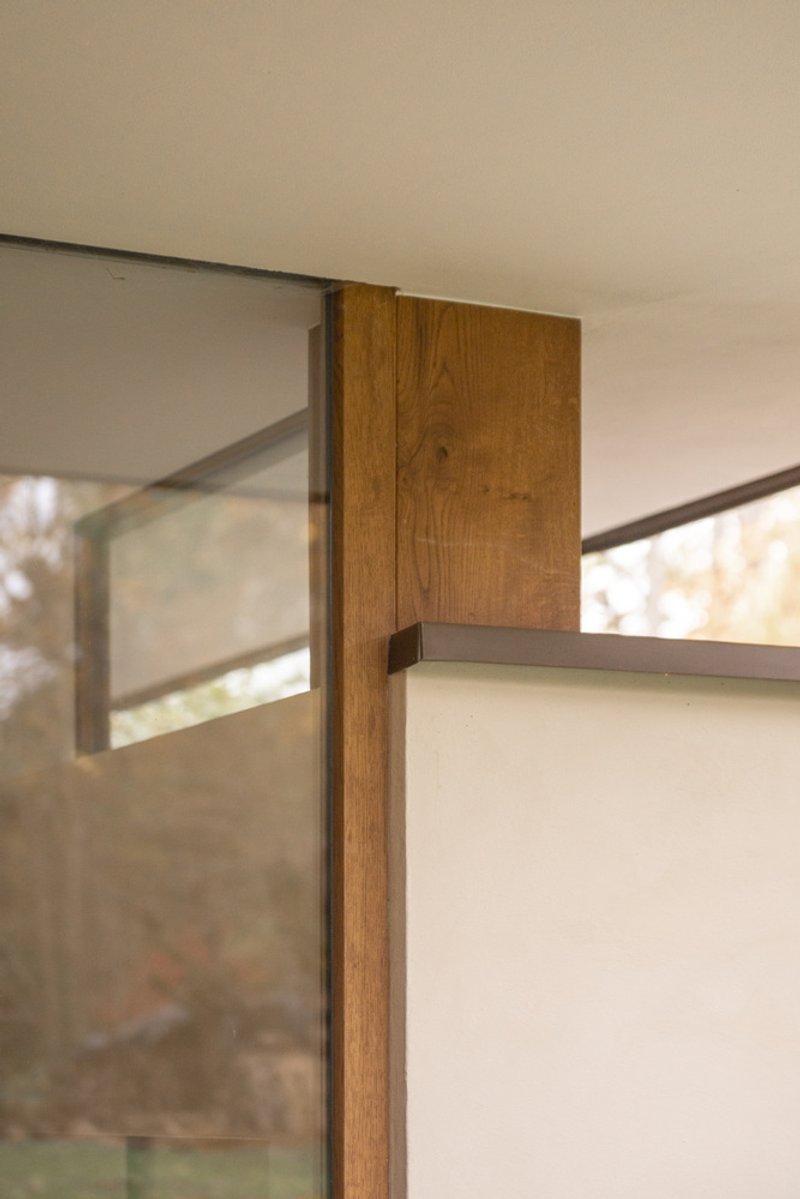
Bio-Sourced Insulation and Energy Efficiency
The renovation of the existing stone building adheres to the same bioclimatic principles. The walls are insulated using sprayed hempcrete, while wood wool insulation blankets the roof. These natural materials not only enhance thermal performance but also regulate humidity, fostering a healthy indoor environment.
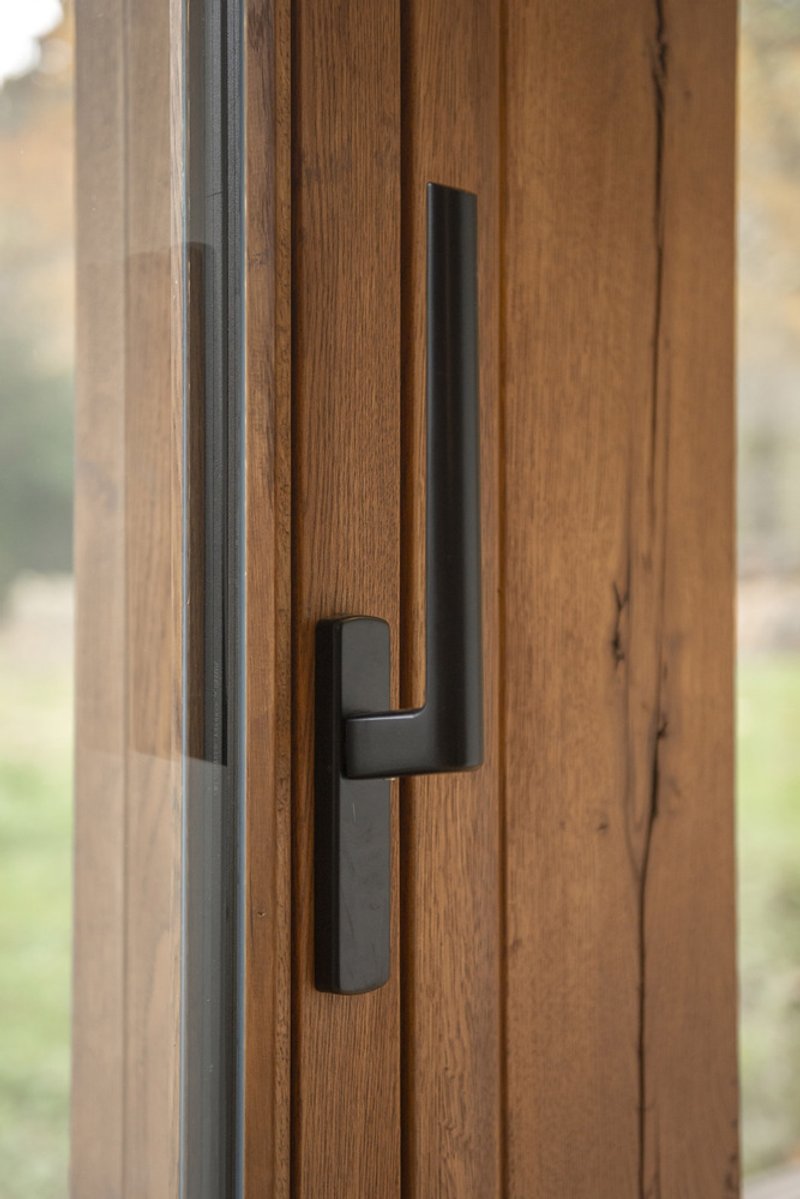
Heating is achieved through a combination of solar thermal panels and a wood stove equipped with a boiler. This hybrid system ensures warmth during the colder months while reducing reliance on non-renewable energy sources.
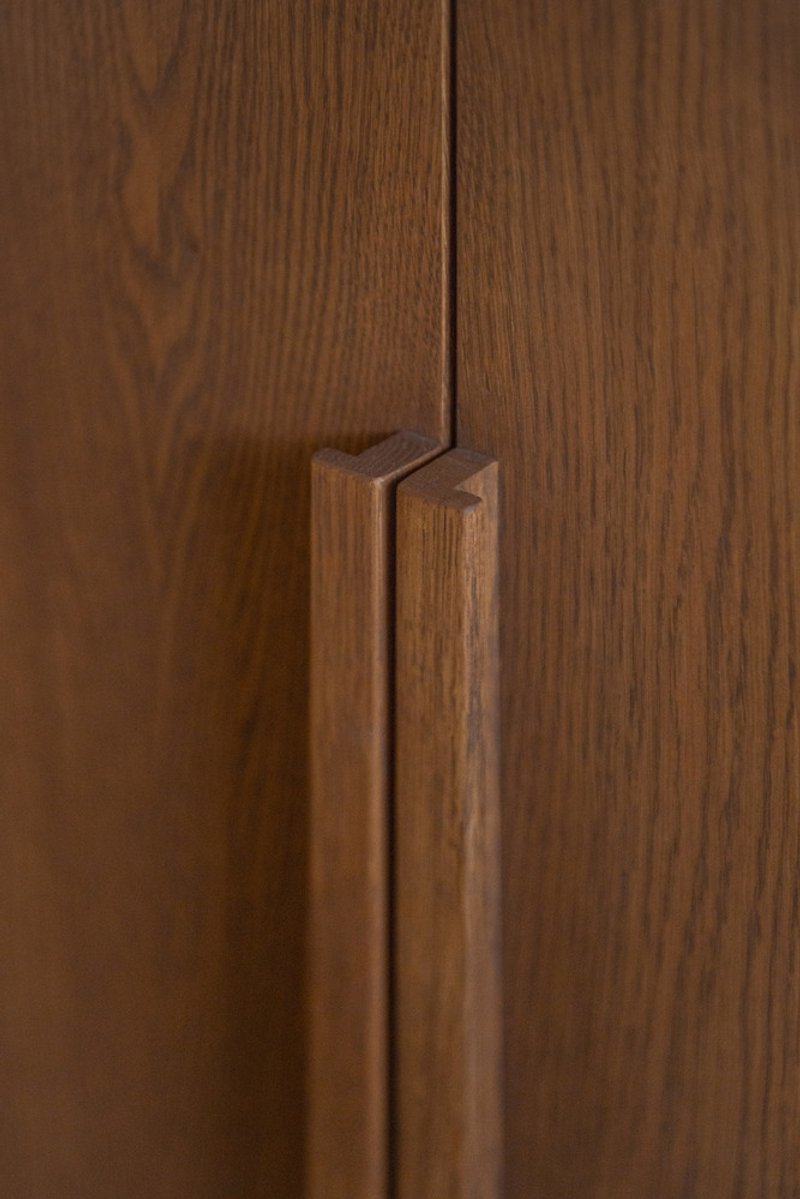
Rainwater harvesting tanks and an on-site treatment system provide water self-sufficiency, reducing the house’s environmental footprint. Ventilation is facilitated by Canadian wells and a decentralized dual-flow system, promoting natural air circulation without compromising energy efficiency.
Interior Aesthetics Rooted in Nature
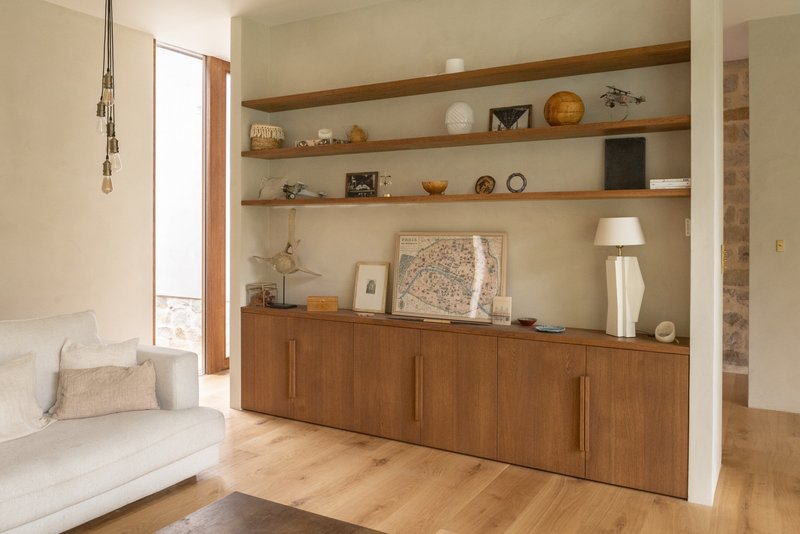
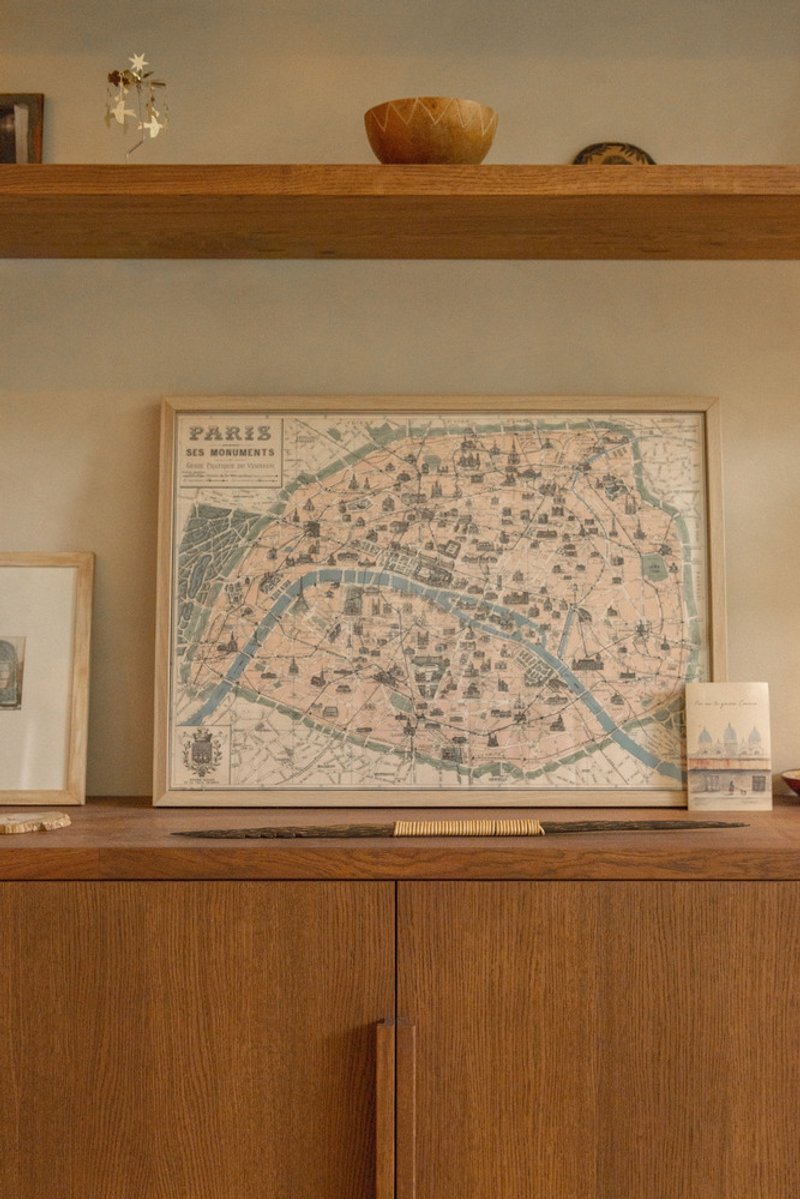
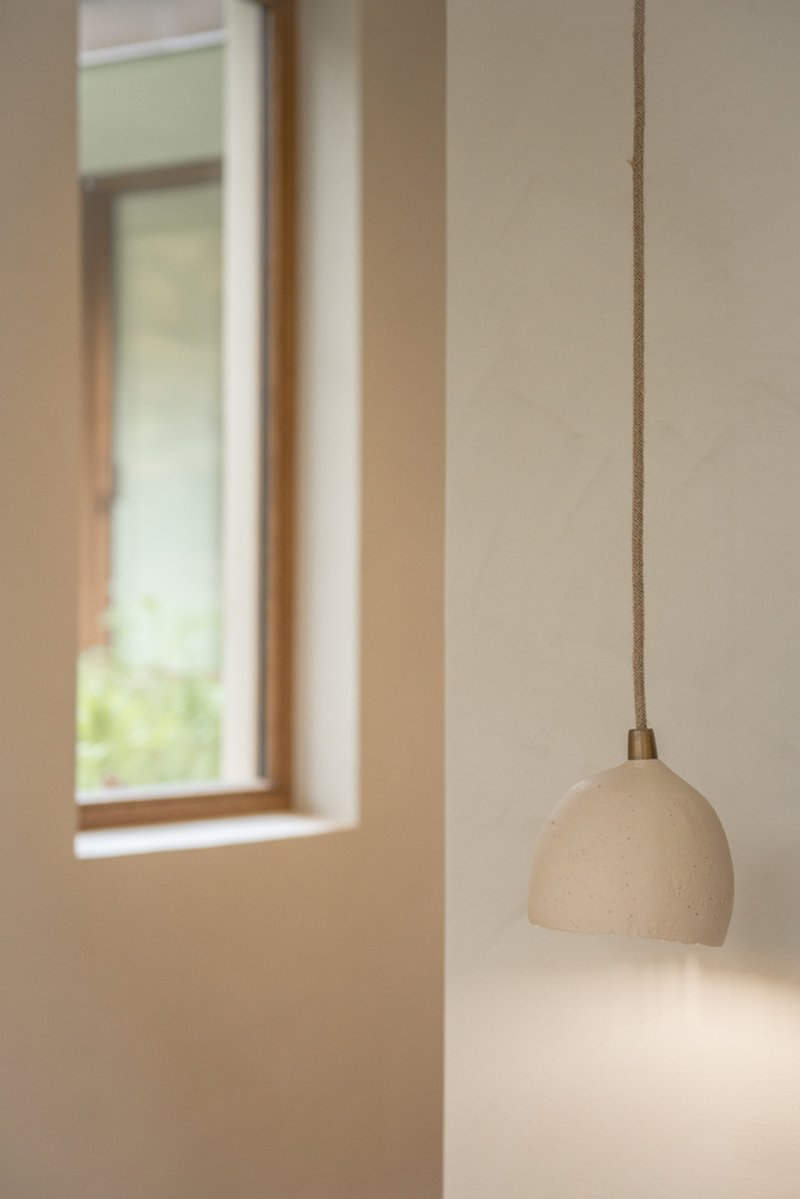
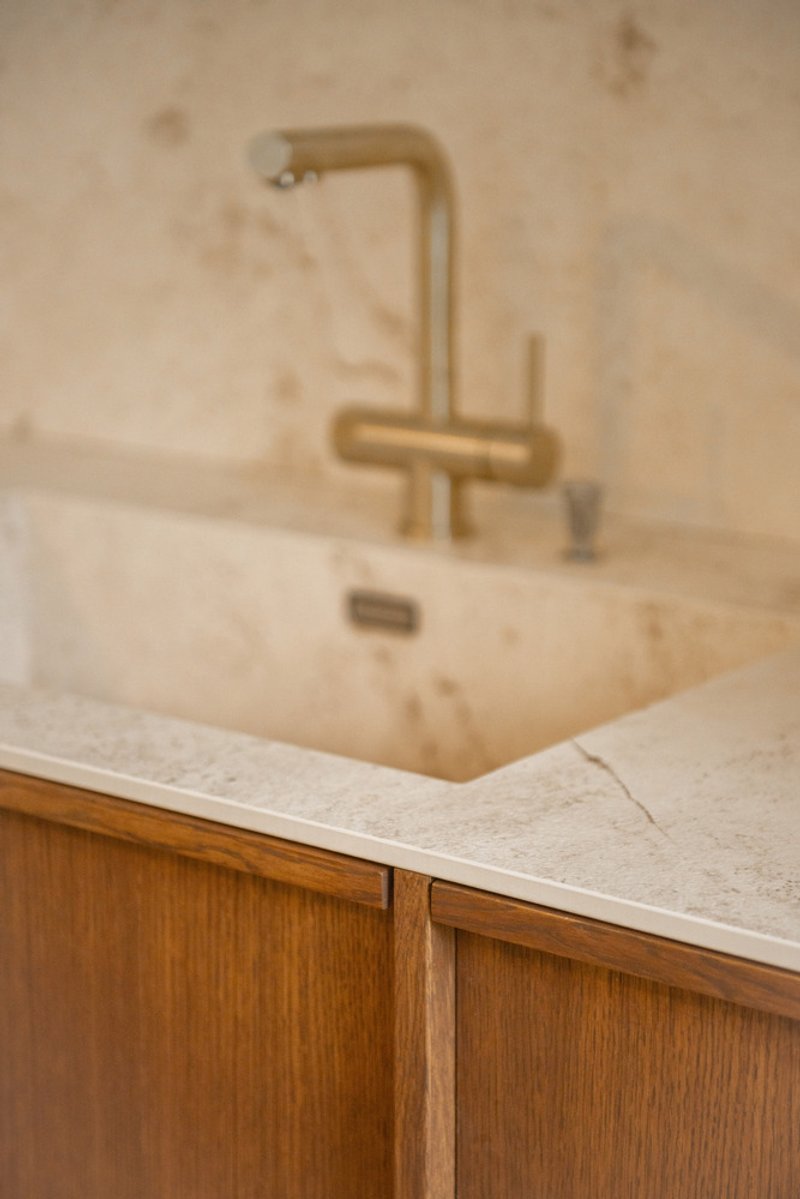
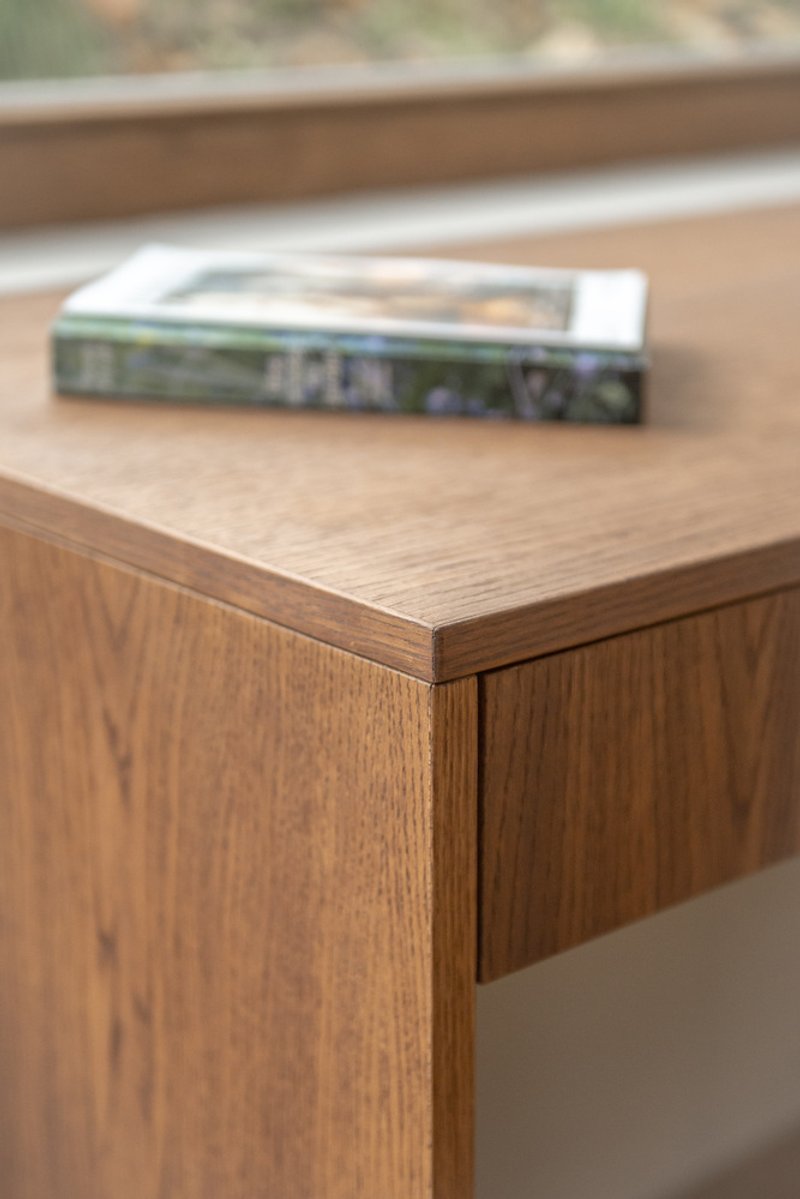
The interior design of Sous les Ailes reflects the ethos of bioclimatic house design in France. Natural wood surfaces dominate, creating a warm and inviting atmosphere. Large windows frame views of the forest, transforming the landscape into a living artwork.
The simplicity of the materials fosters a sense of authenticity. Wood, hemp-lime, and stone coexist harmoniously, emphasizing tactility and craftsmanship. The result is an environment that feels grounded—an architectural expression of balance between human habitation and nature.
Sustainability as a Way of Life
Sous les Ailes transcends the concept of a residence; it is a manifesto for sustainable living. Every architectural decision is guided by ecological responsibility, from material selection to energy management. This bioclimatic approach not only reduces the home’s carbon footprint but also enhances the quality of life for its inhabitants.
The project exemplifies how architecture can respond to environmental challenges without sacrificing beauty or comfort. It serves as a model for future residential developments, showcasing the potential of bioclimatic house design in France to shape resilient, self-sufficient homes.
A Benchmark for Bioclimatic House Design in France
Sous les Ailes by KIDA Architecture & Design stands as a benchmark for bioclimatic house design in France. Situated at the edge of the Fontainebleau forest, this residence demonstrates how architecture can forge a profound connection with nature while achieving environmental sustainability.
Through timber and hemp-lime construction, solar heating, water self-sufficiency, and passive cooling strategies, the house redefines modern living. It invites future architects and homeowners to embrace a more conscious approach—one where architecture not only shelters but also nurtures its surroundings.
All Photographs are works of Alexis Pichot




Popular Articles
Popular articles from the community

On the Brooks House by Monsoon Collective – A Contemporary Kerala Home Rooted in Tradition
Kerala home blending tradition and modernity with water-inspired design, brick architecture, courtyard planning, and sustainable rainwater harvesting strategies.
A Contemporary Take on Iranian Residential Architecture
A modern interior design in Mashhad that reinterprets brick, light, and spatial flow to create a warm, contemporary residential architecture.
Atelier Macri Concept Store Interior Design by CASE-REAL
Atelier Macri store features a "ko" counter, walnut wood details, cork displays, blending retail, gallery, and seamless customer experiences.
Treehouse Apartment: A Warm Timber Interior Blending Craft, Play, and Contemporary Living
Warm timber apartment with integrated treehouse, combining natural materials, craftsmanship, and playful design to create a flexible, family-oriented living environment.


Similar Reads
You might also enjoy these articles


The Ken Roberts Memorial Delineation Competition (Krob)
As the most senior architectural drawing competition currently in operation anywhere in the world, it draws hundreds of entries each year, awarding the very best submissions in a series of medium-based categories.

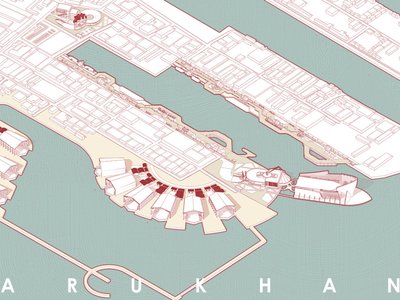
Waterfront Redevelopment and Urban Revitalization in Mumbai: Forging a New Dawn for Darukhana
A transformative waterfront redevelopment project reimagining Darukhana’s shipbreaking heritage into an inclusive urban future.

OUT-OF-MAP: A Call for Postcards on Feminist Narratives of Public Space
Rhizoma Design and Research Lab invites artists, designers, architects, researchers, and students to reflect on how feminist perspectives can reshape public space. Selected works will be exhibited in Barcelona, October 2026. Submissions open until 15 April 2026.


Documentation Work on Buddhist Wooden Temple
Architectural syncretism and cultural hybridity: A comparative study of the Buddhist temples in Chattogram Hill tracks


Explore Architecture Competitions
Discover active competitions in this discipline




The International Standard for Design Portfolios


The Global Benchmark for Architecture Dissertation Awards


The Global Benchmark for Graduation Excellence


Challenge to reimagine the Iron Throne
Comments (0)
Please login or sign up to add comments
No comments yet. Be the first to comment!