
Courtyard Renovation Design: Daipu Architects’ Transformation for the GuanZhong Mangba Art Festival
Daipu Architects’ courtyard renovation design transforms an abandoned space into a dynamic exhibition venue for the GuanZhong Mangba Art Festival.

The Courtyard Renovation for the GuanZhong Mangba Art Festival, designed by Daipu Architects, is an innovative transformation of an abandoned village space into a cultural hub. Located in Caijiapo, Huyi District of Xi'an, this project revitalizes a neglected courtyard into a dynamic exhibition space. As part of the Guanzhong Mangba Art Festival, the renovation not only addresses functional and environmental challenges but also introduces a fresh architectural language that engages visitors and the local community.
Context and Architectural Vision
The Guanzhong Mangba Art Festival has been instrumental in blending art with rural construction since its inception in 2018. Organized by the Guanzhong Art Cooperative, it brings together artists, architects, and designers to create sustainable cultural spaces. For the 2023 edition, architects were invited to participate as exhibitors for the first time, leading to the commission of this courtyard renovation project.
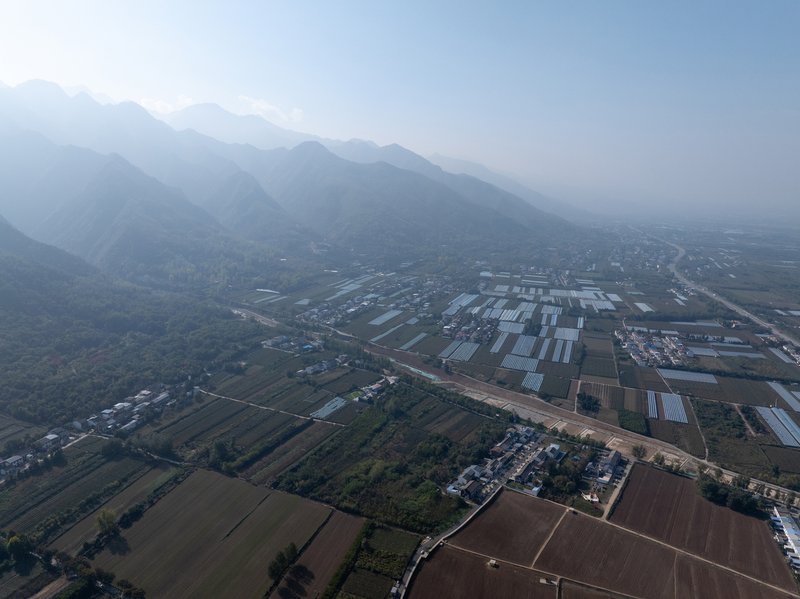
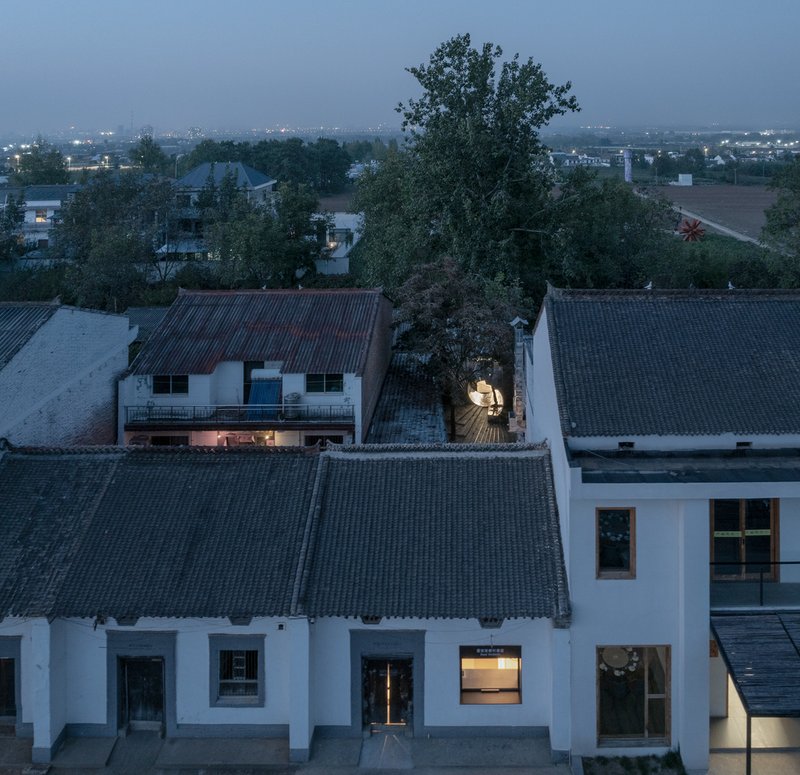
Situated north of the Qinling Mountains, the site originally housed an abandoned kitchen and a deteriorating warehouse. Seasonal heavy rains frequently led to waterlogging, necessitating a design that improved drainage while maintaining the historical essence of the space. The challenge was to merge contemporary architectural elements with traditional aesthetics while ensuring long-term sustainability.
Design Concept: Integrating Tradition with Innovation
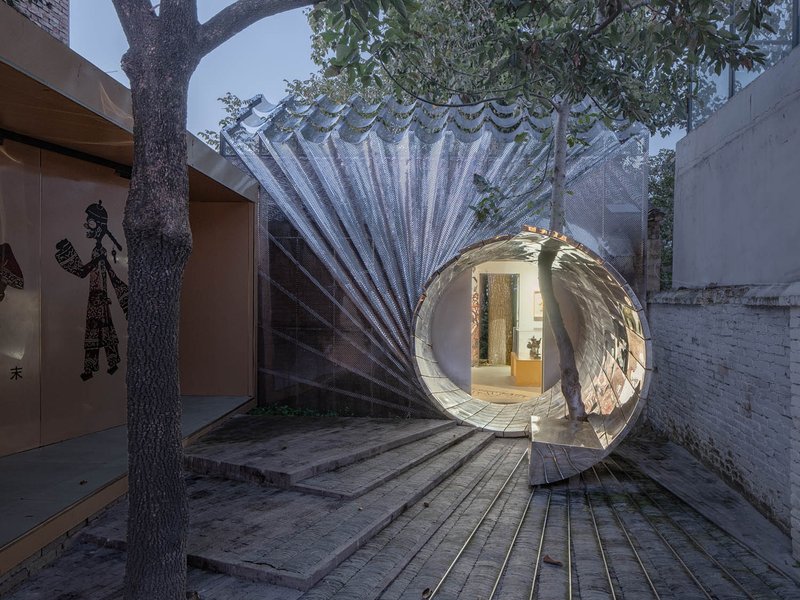
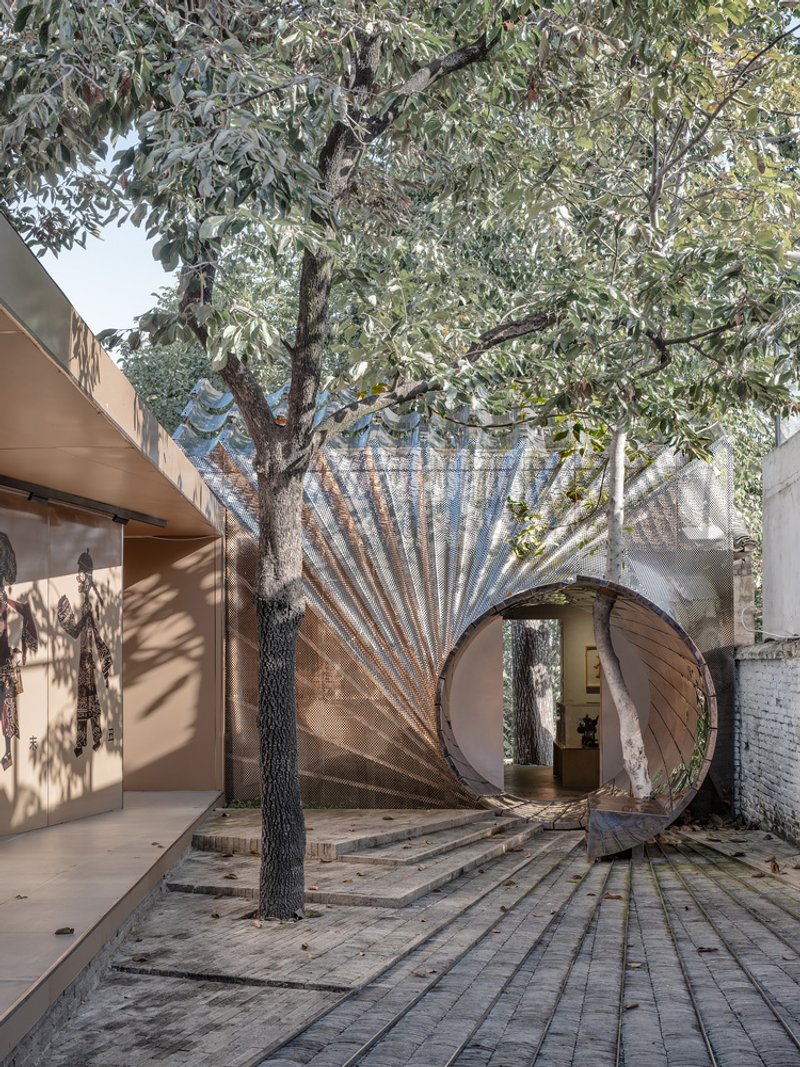
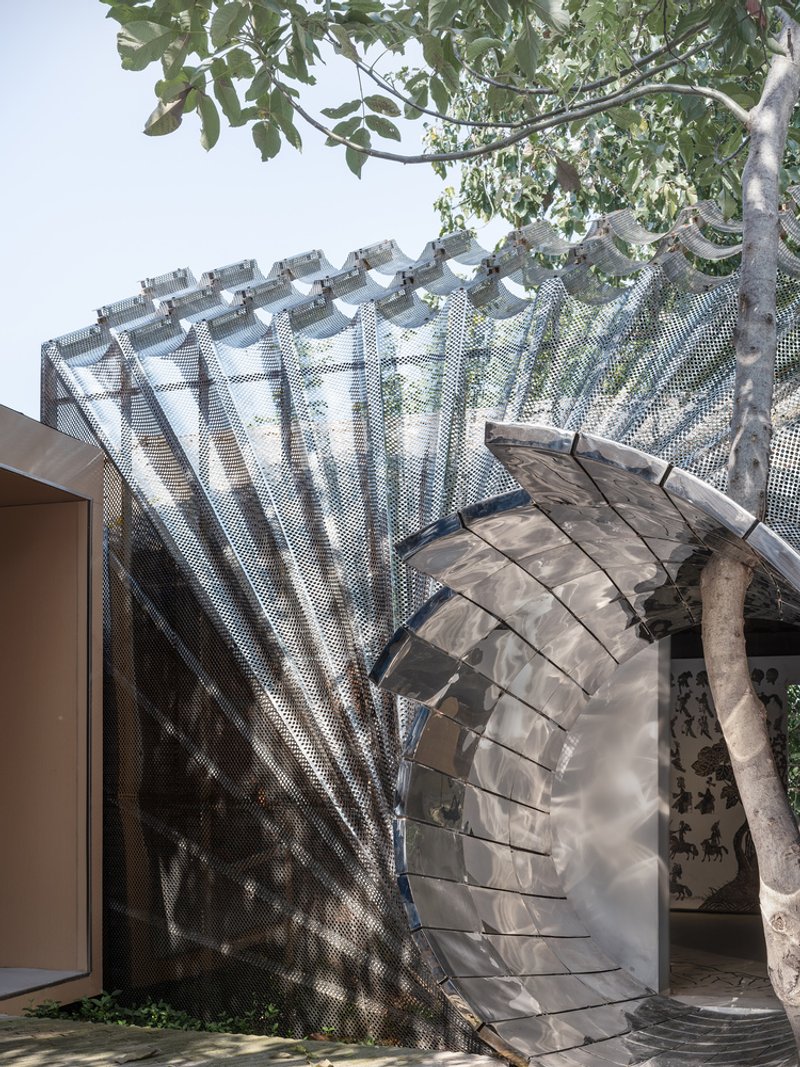
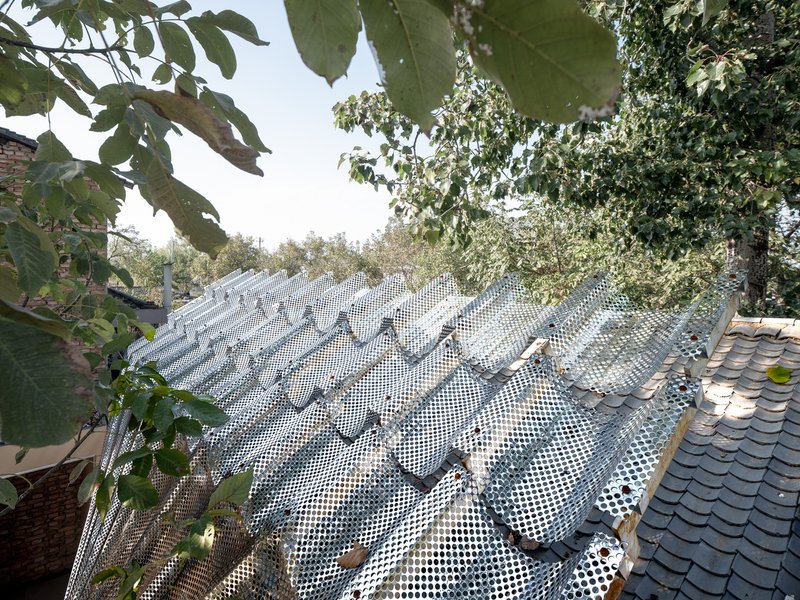
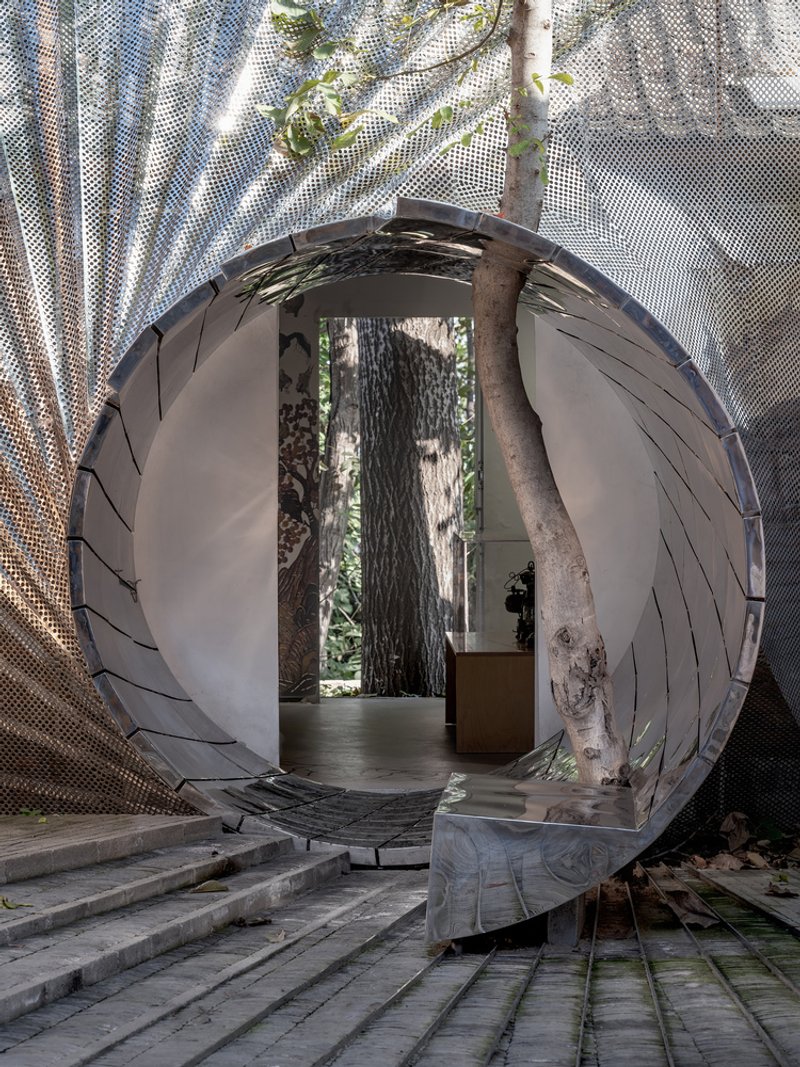
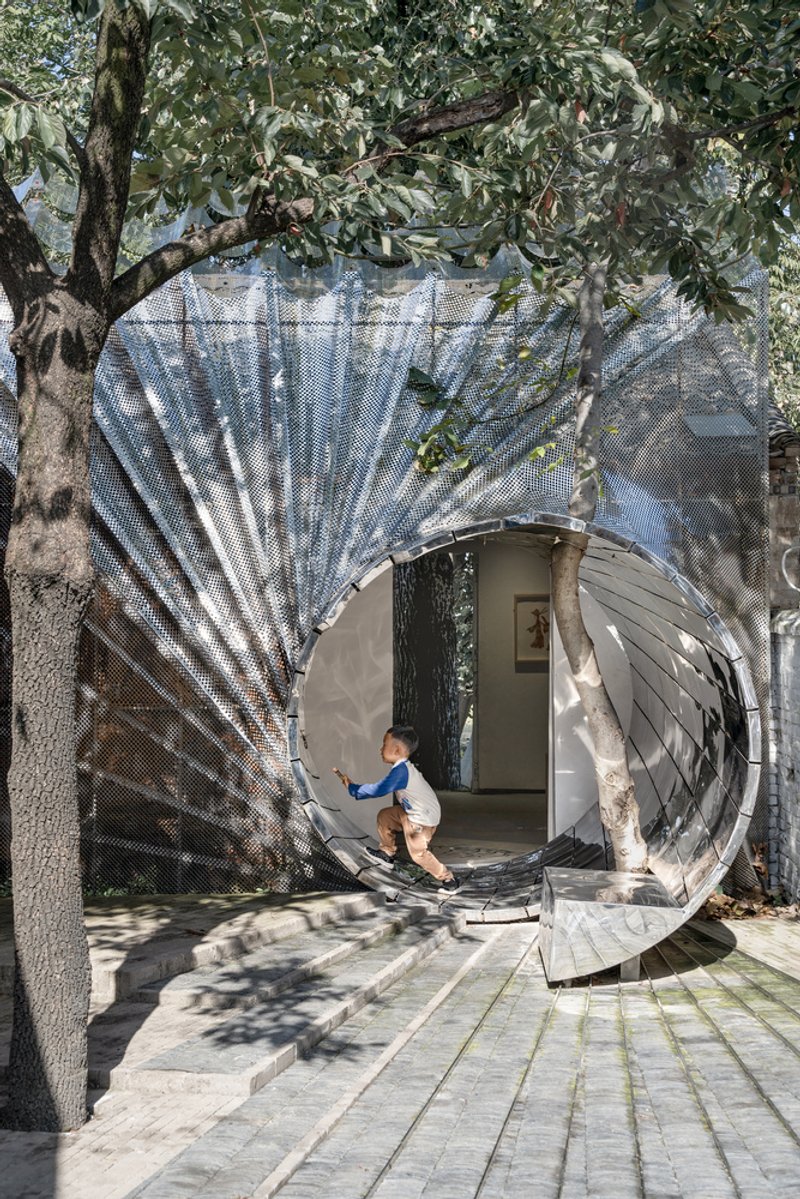
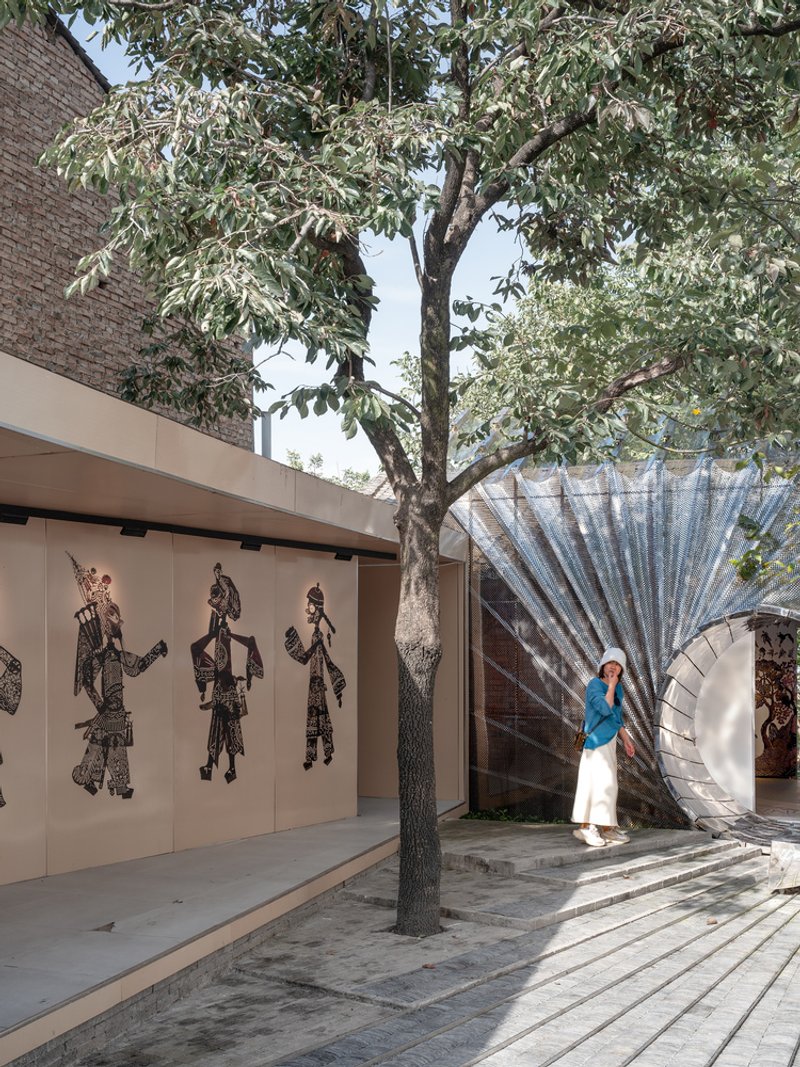
The inspiration for the courtyard renovation design stemmed from the wave-shaped roof tiles commonly found in local residential architecture. By extending these elements into the sloping roof, Daipu Architects created a flowing, curtain-like façade that visually connects the structure to its surroundings. The entrance features a circular passage that not only guides visitors through the space but also activates a rotating metal mesh curtain. This interactive element enhances the spatial experience while integrating a functional rainwater drainage system.
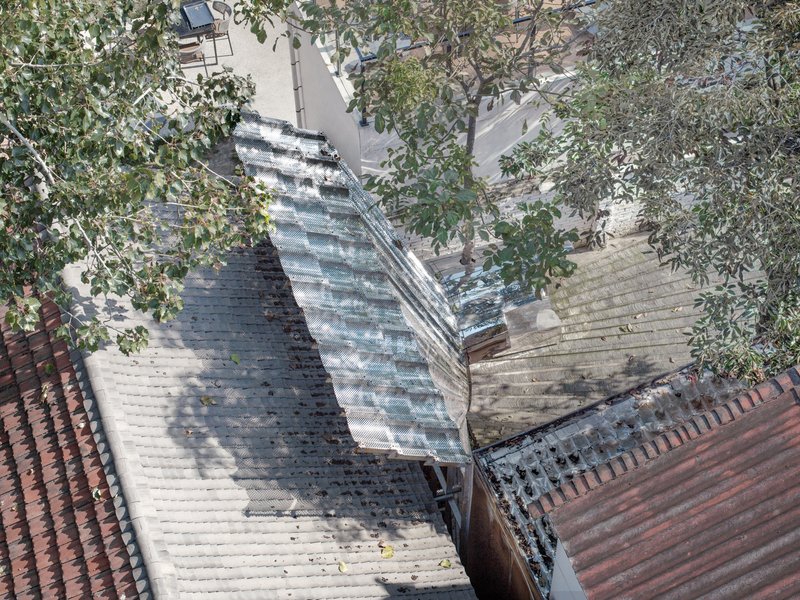
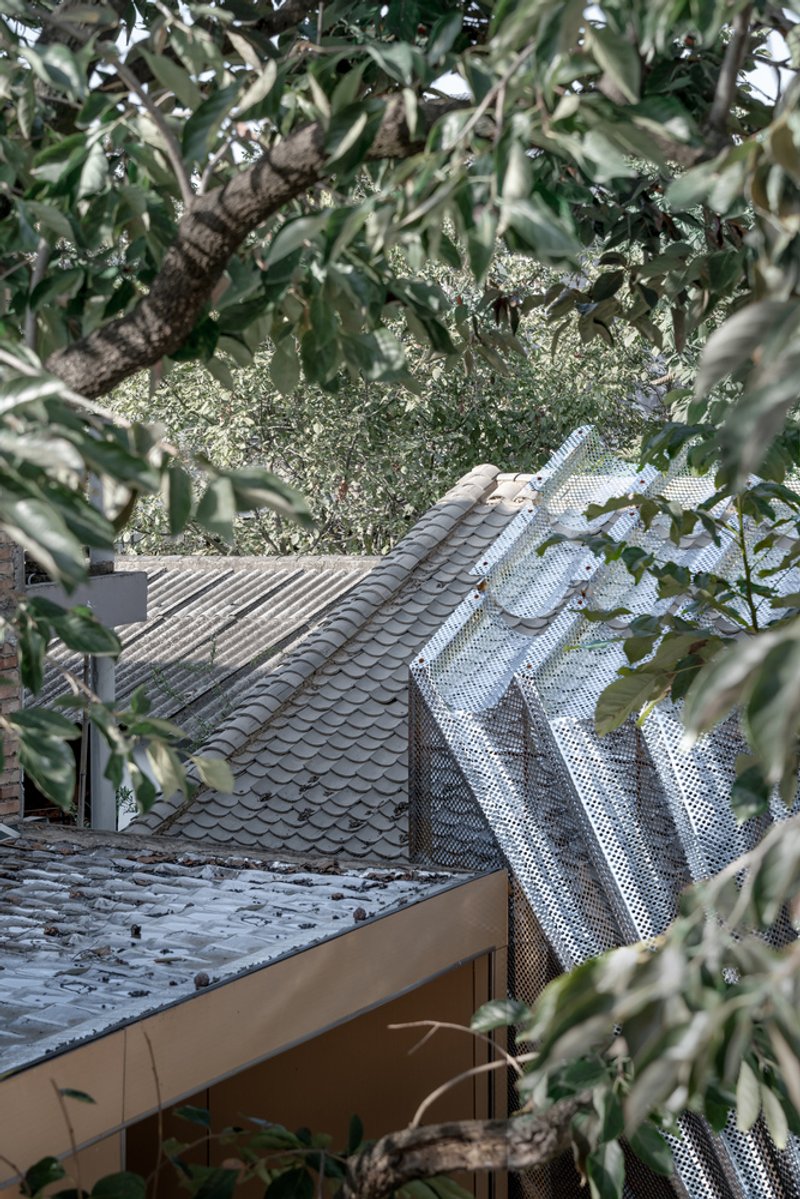
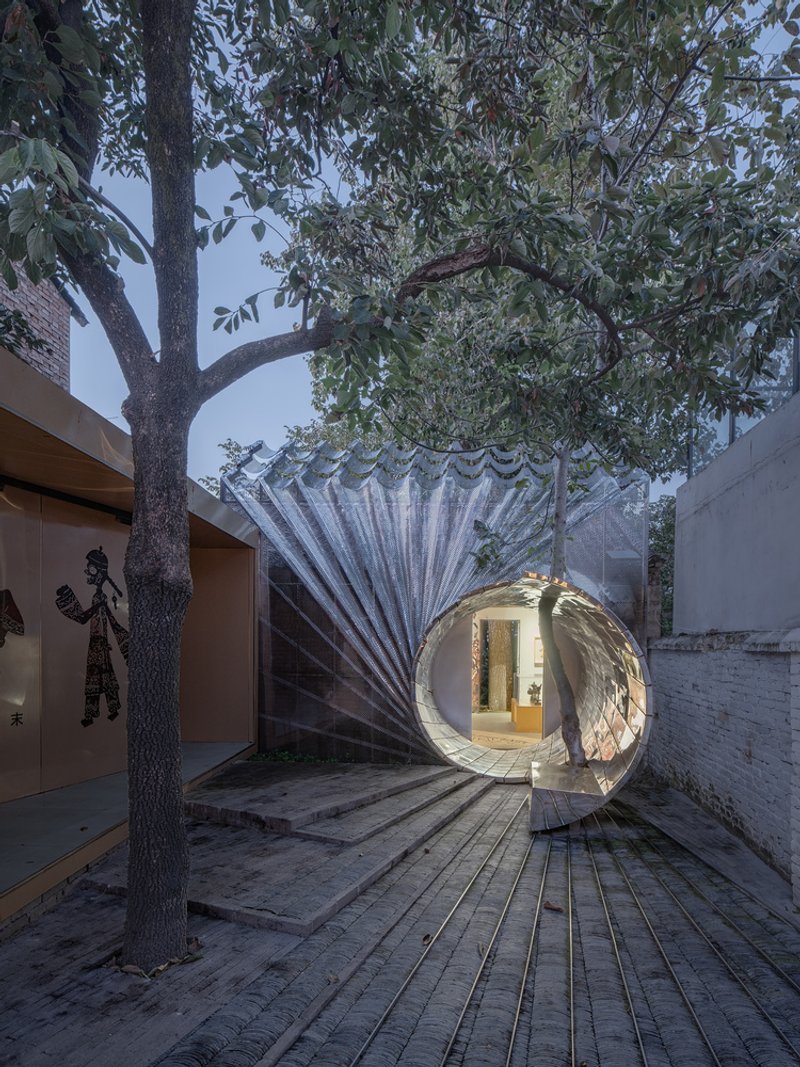
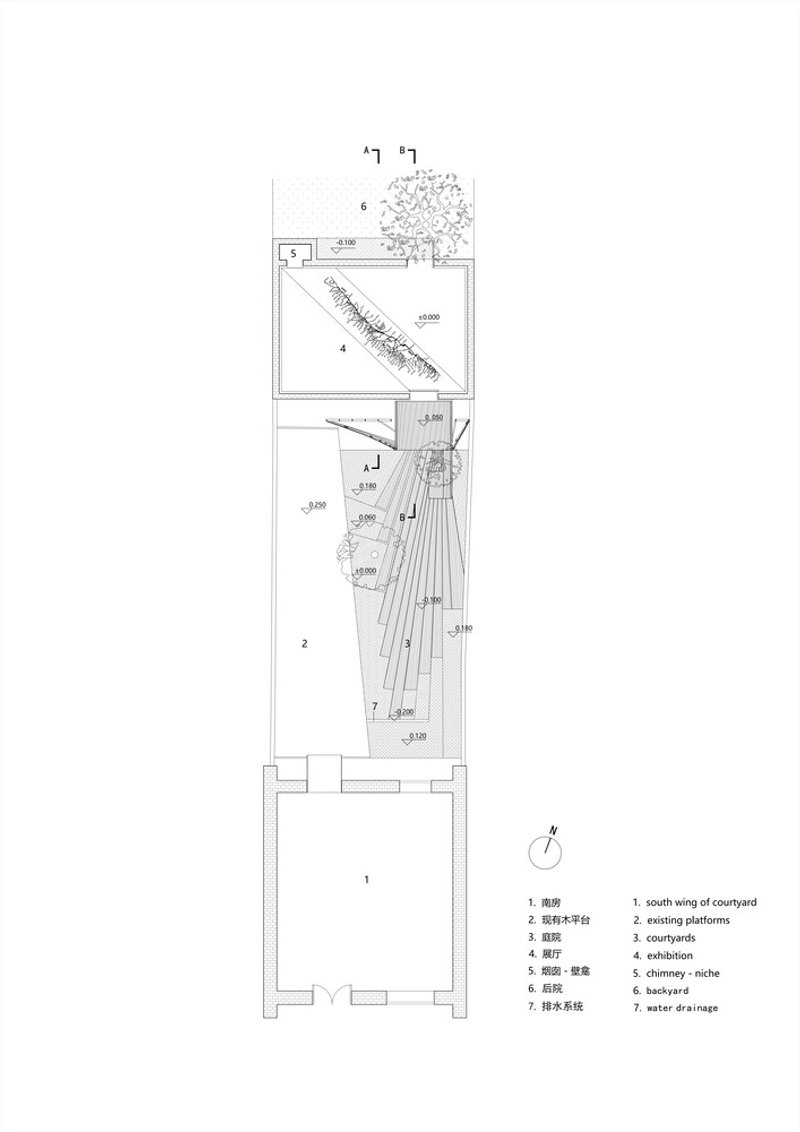
The courtyard is carefully sculpted with varying elevations, channeling water into a linear drainage ditch pre-installed at the southern end. This ensures a dry and comfortable exhibition space throughout the year. The circular pathway seamlessly links two existing fruit trees with a tree behind the house, enhancing the site's natural elements and reinforcing the connection between built structures and the landscape.
Materiality and Construction Techniques
Prefabrication played a crucial role in the rapid transformation of the site. Stainless-steel perforated panels were manufactured in sections at the factory and installed on-site within two days. The varying hole sizes in the metal panels create a dynamic interplay of light, transparency, and reflections. Depending on the time of day and weather conditions, the panels either highlight the historic brick walls behind them or merge with the sky, creating an ever-changing visual experience.
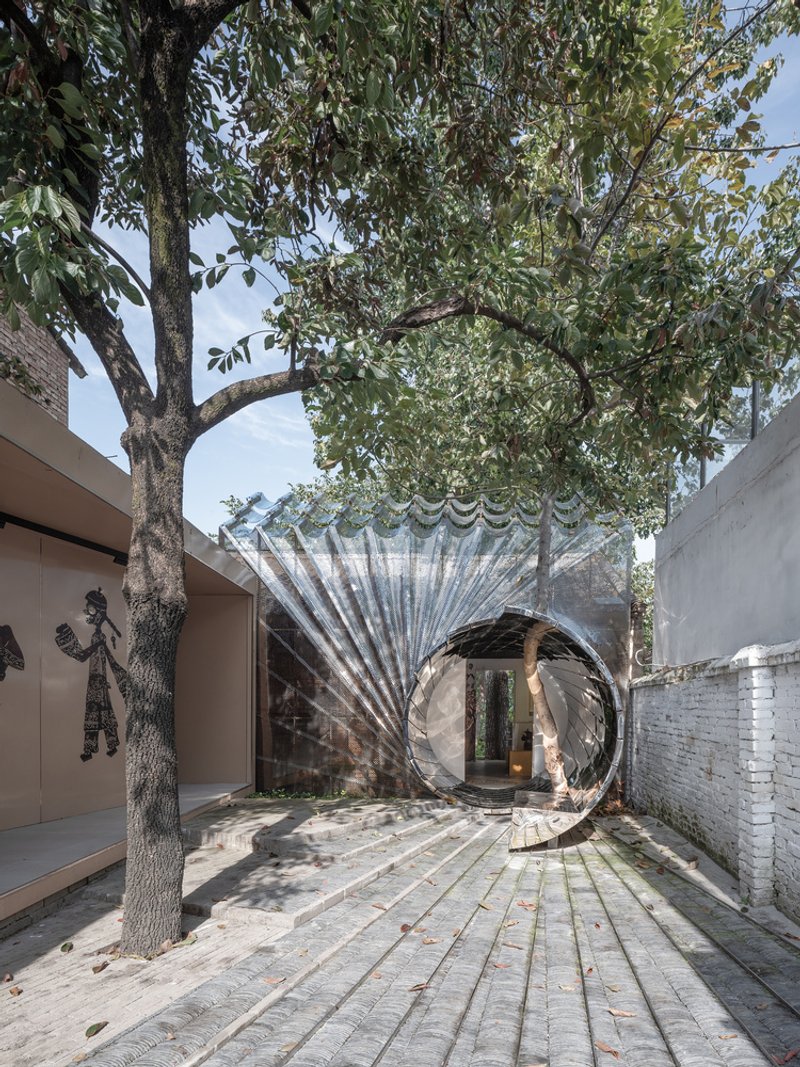
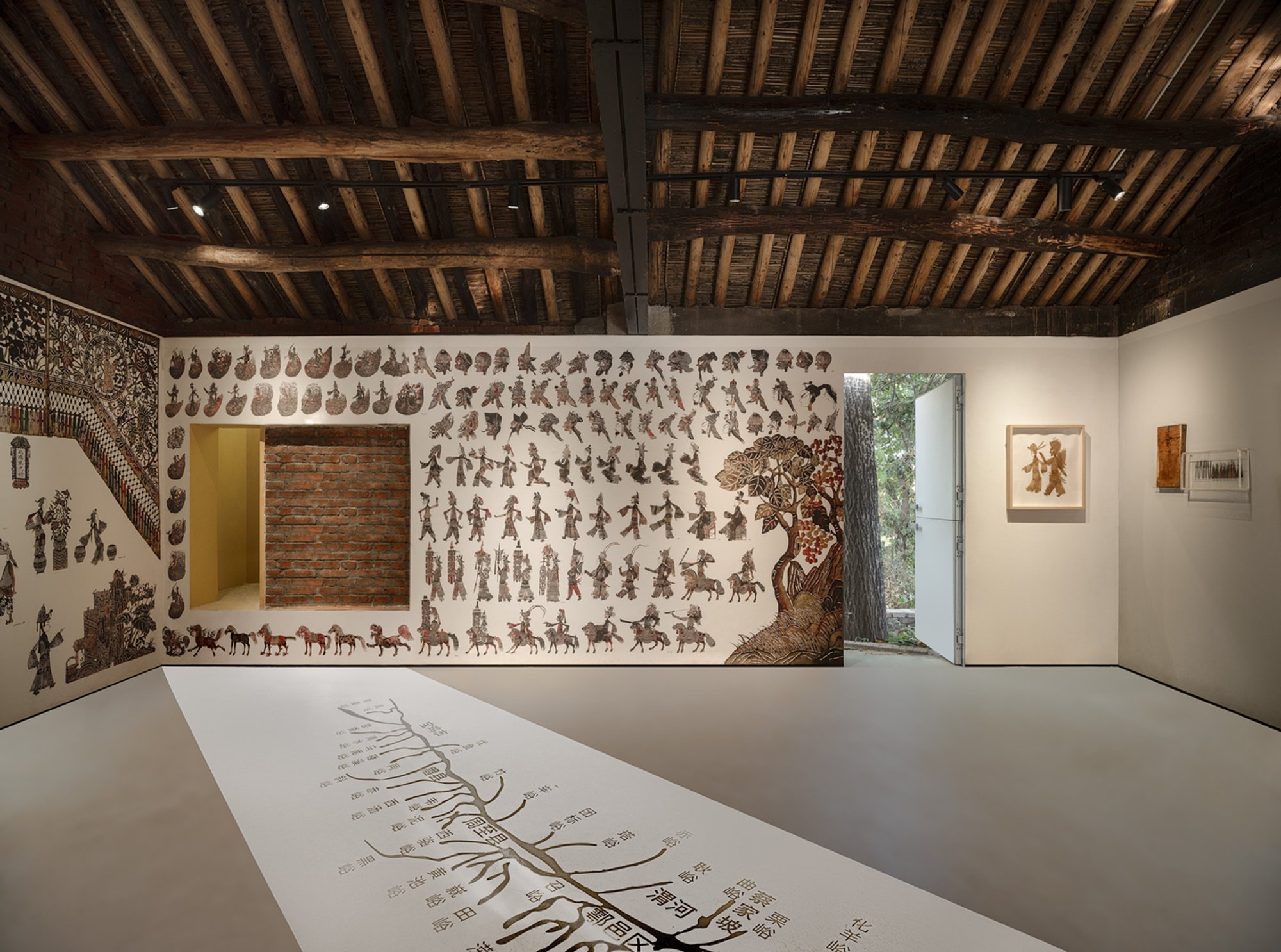
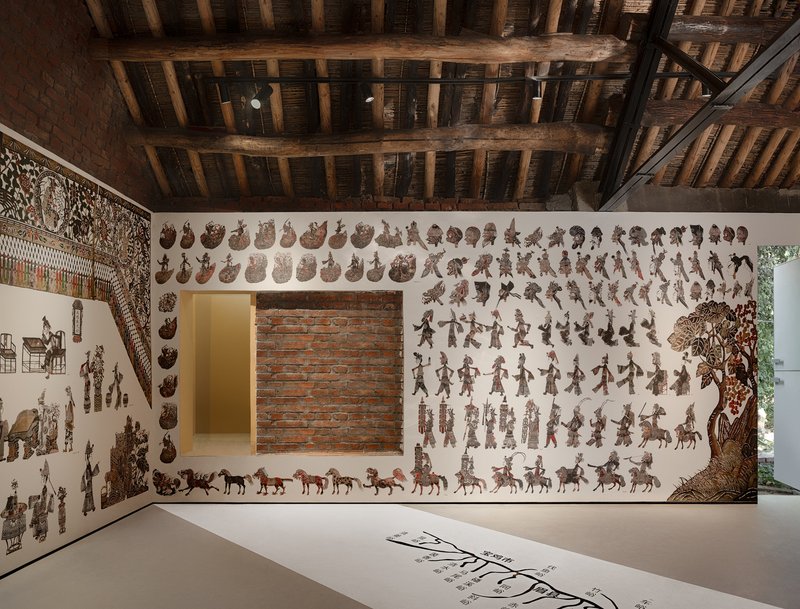
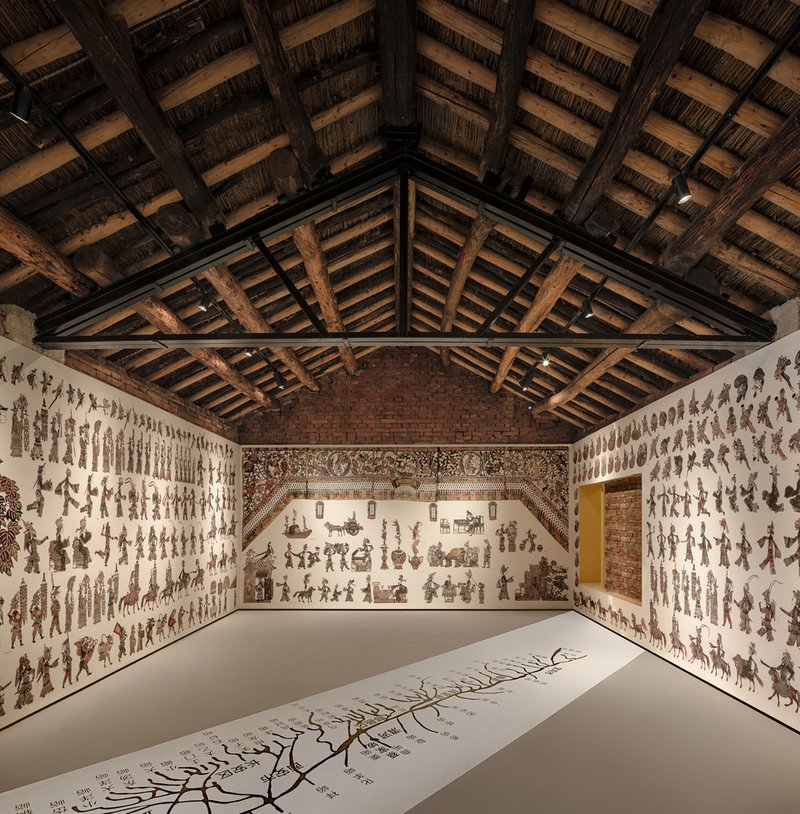
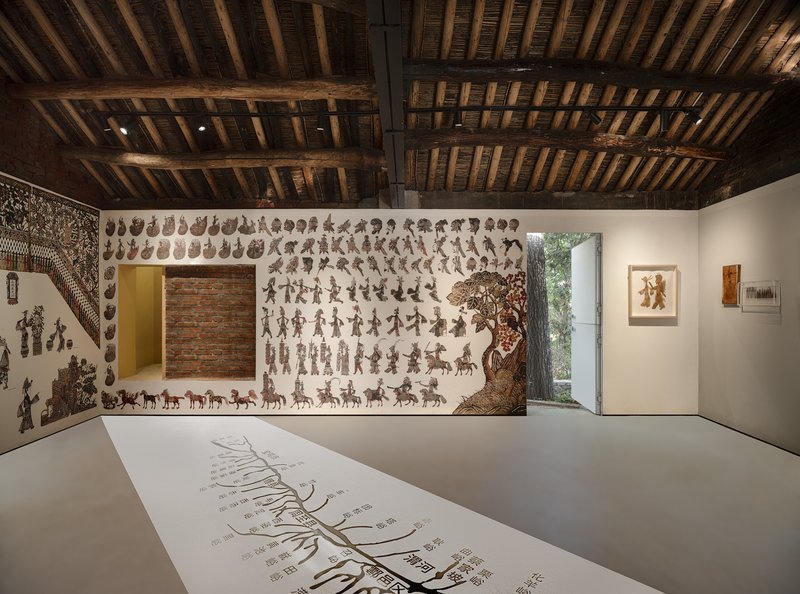
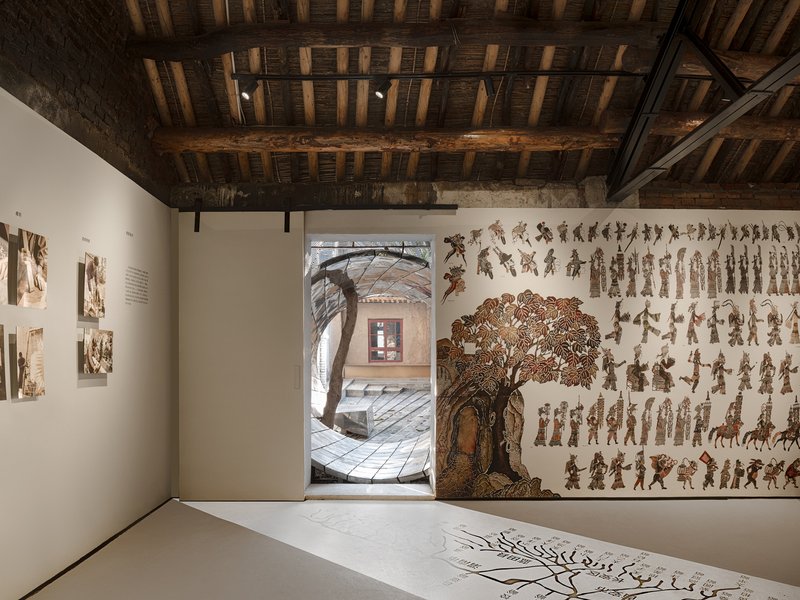
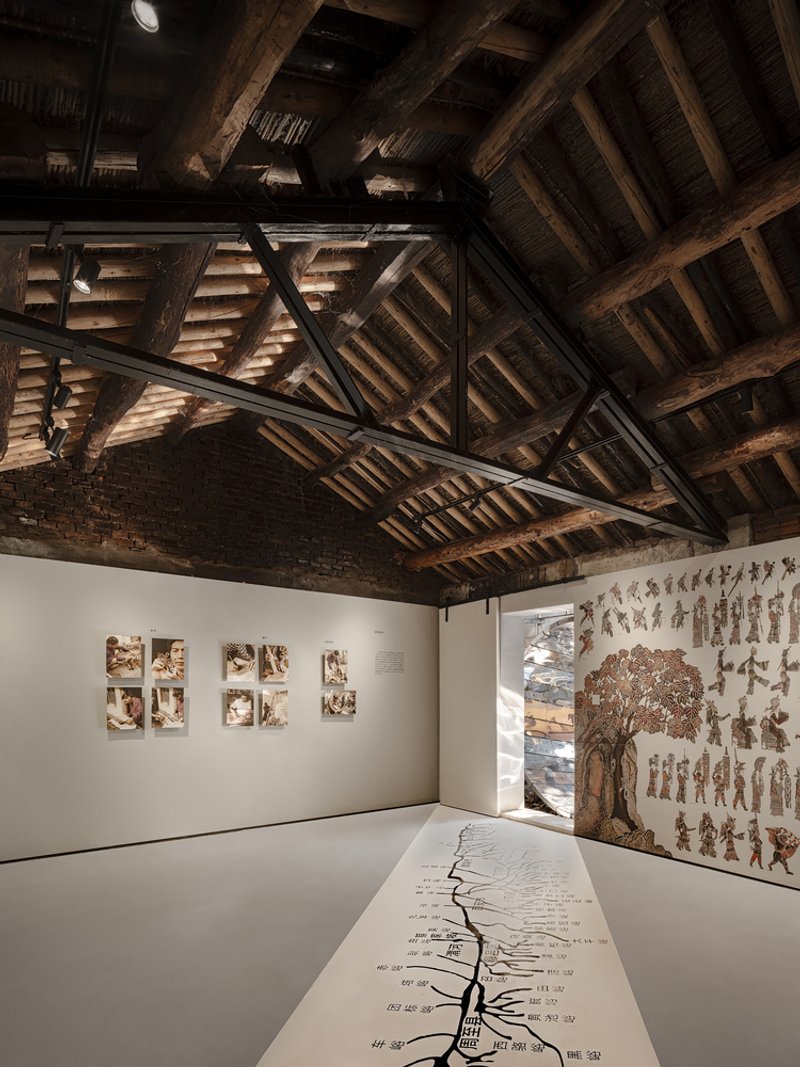
The use of lightweight steel framing ensures structural stability while maintaining an open and flexible interior space. Inside the exhibition hall, a brick wall was removed to create a seamless, open environment. A triangular steel frame reinforces the roof, while the preserved kitchen chimney was repurposed into a skylight niche, doubling as an exhibit space and a resting area for visitors.
Sensory Experience and Spatial Dynamics
The courtyard renovation design captures the essence of movement and transformation. Inspired by the fluidity of water, the architectural elements shift in appearance based on light conditions, visitor movement, and environmental changes. The rotating metal mesh curtain at the entrance enhances the interactive nature of the space, inviting guests to engage with the design on multiple sensory levels.
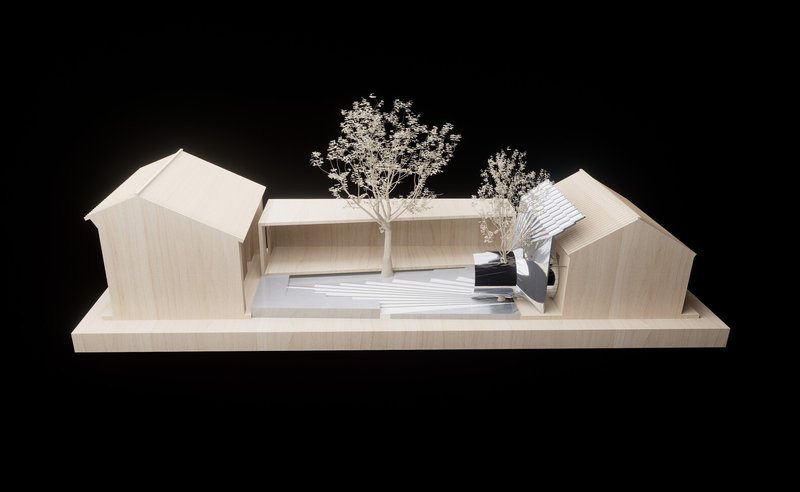
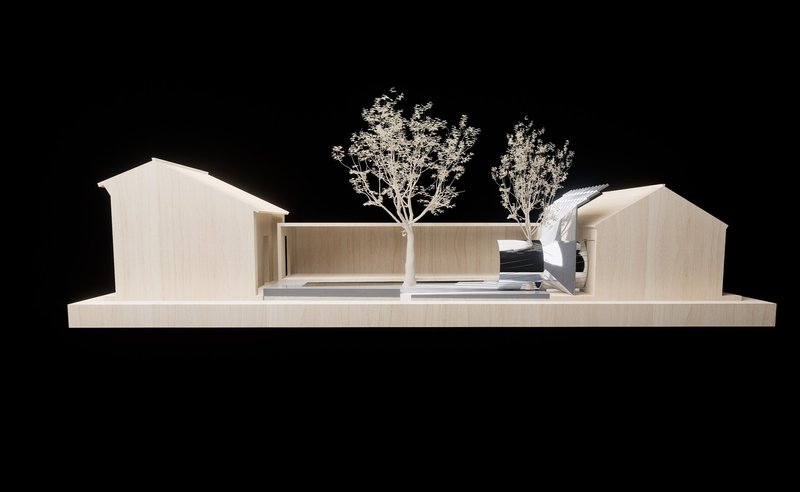
The integration of natural elements within the site ensures a balance between architectural intervention and ecological preservation. By connecting the courtyard’s pathways with existing trees, the renovation respects the original landscape while adding contemporary layers of functionality and aesthetics.
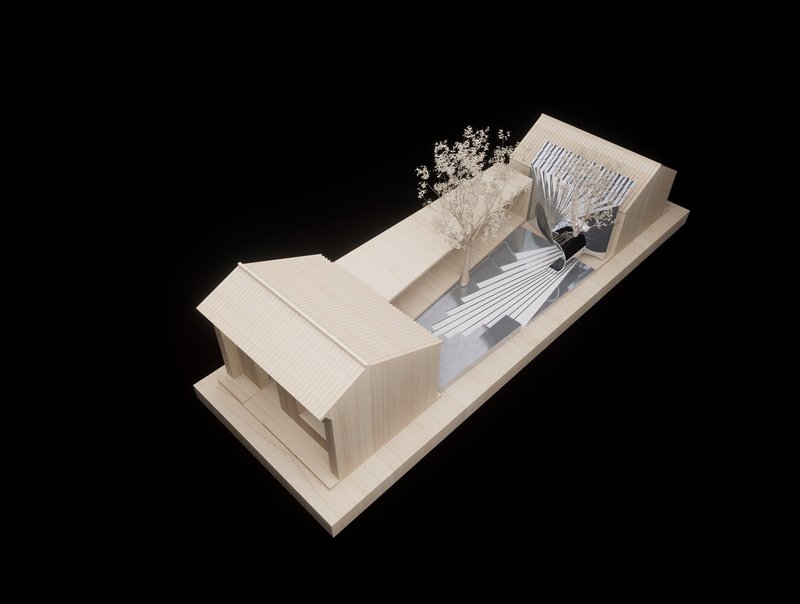
Daipu Architects’ courtyard renovation design for the GuanZhong Mangba Art Festival exemplifies the power of adaptive reuse in contemporary architecture. By transforming a neglected village space into a vibrant cultural destination, the project showcases how innovative material applications and thoughtful spatial planning can revitalize historic sites. The seamless blend of traditional influences with modern techniques ensures that the courtyard remains an evolving space for artistic expression and community engagement.
All Photographs are works of Qingshan Wu




Popular Articles
Popular articles from the community

Atelier Macri Concept Store Interior Design by CASE-REAL
Atelier Macri store features a "ko" counter, walnut wood details, cork displays, blending retail, gallery, and seamless customer experiences.
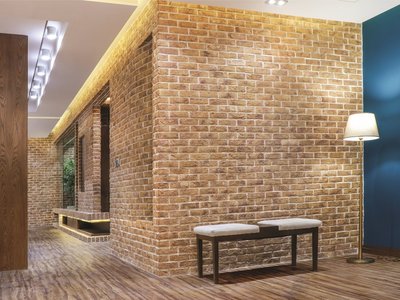
A Contemporary Take on Iranian Residential Architecture
A modern interior design in Mashhad that reinterprets brick, light, and spatial flow to create a warm, contemporary residential architecture.

Solar Steam: A Climate-Responsive Architecture That Redefines the Monument
A climate-responsive memorial architecture that transforms heat, decay, and time into a living system reflecting humanity’s ecological impact.


The Ken Roberts Memorial Delineation Competition (Krob)
As the most senior architectural drawing competition currently in operation anywhere in the world, it draws hundreds of entries each year, awarding the very best submissions in a series of medium-based categories.

Similar Reads
You might also enjoy these articles
The Ken Roberts Memorial Delineation Competition (Krob)
As the most senior architectural drawing competition currently in operation anywhere in the world, it draws hundreds of entries each year, awarding the very best submissions in a series of medium-based categories.


Waterfront Redevelopment and Urban Revitalization in Mumbai: Forging a New Dawn for Darukhana
A transformative waterfront redevelopment project reimagining Darukhana’s shipbreaking heritage into an inclusive urban future.

OUT-OF-MAP: A Call for Postcards on Feminist Narratives of Public Space
Rhizoma Design and Research Lab invites artists, designers, architects, researchers, and students to reflect on how feminist perspectives can reshape public space. Selected works will be exhibited in Barcelona, October 2026. Submissions open until 15 April 2026.


Documentation Work on Buddhist Wooden Temple
Architectural syncretism and cultural hybridity: A comparative study of the Buddhist temples in Chattogram Hill tracks

Explore Architecture Competitions
Discover active competitions in this discipline




The International Standard for Design Portfolios


The Global Benchmark for Architecture Dissertation Awards


The Global Benchmark for Graduation Excellence


Challenge to reimagine the Iron Throne
Comments (0)
Please login or sign up to add comments
No comments yet. Be the first to comment!