
CUBE Workshop Building by Civic Architects — A Dynamic Hub for Innovation and Engineering
Civic Architects’ CUBE Workshop in Enschede redefines engineering education with stacked workshops, transparent design, and sustainable modern architecture.

A New Era for Engineering Technology at the University of Twente
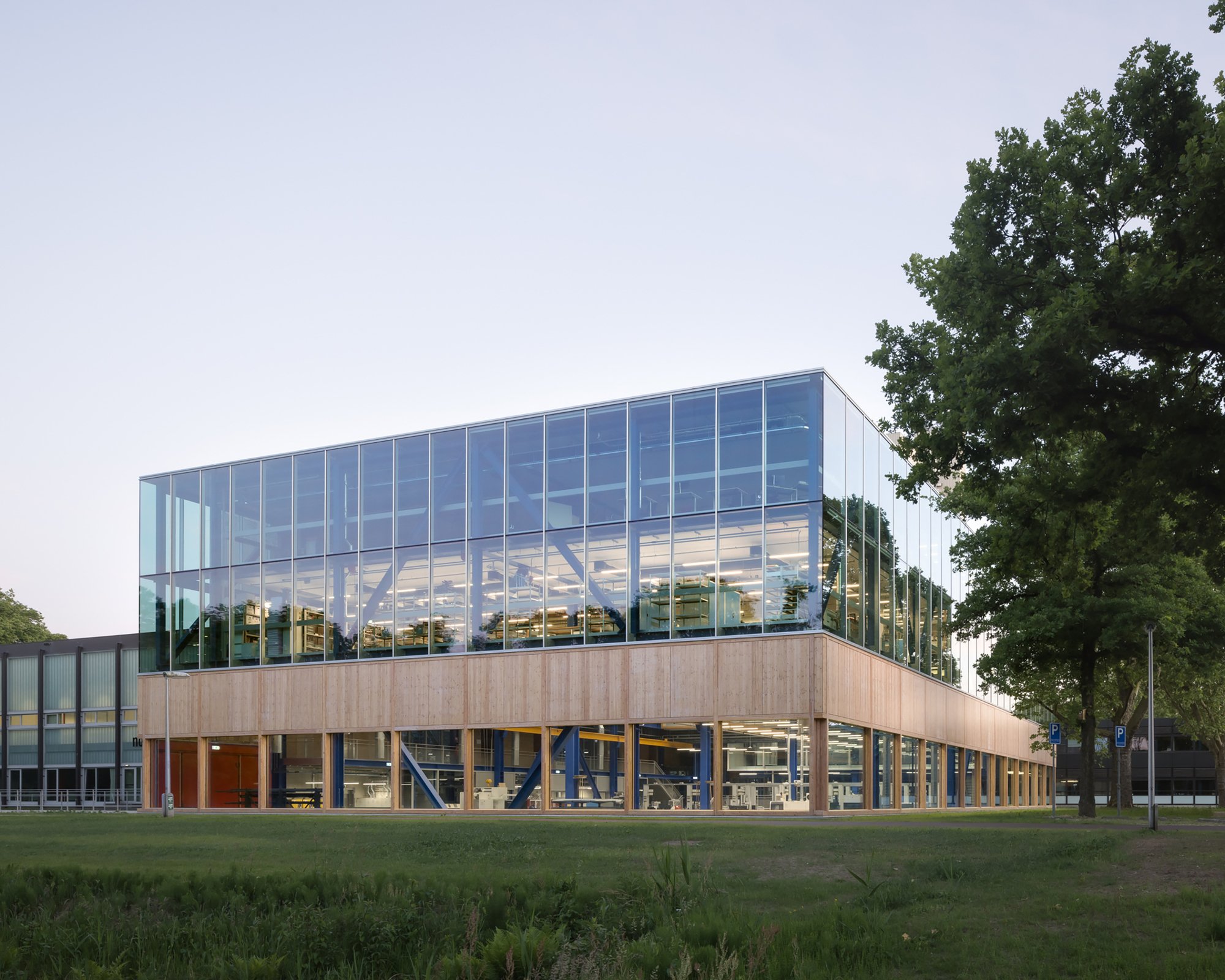
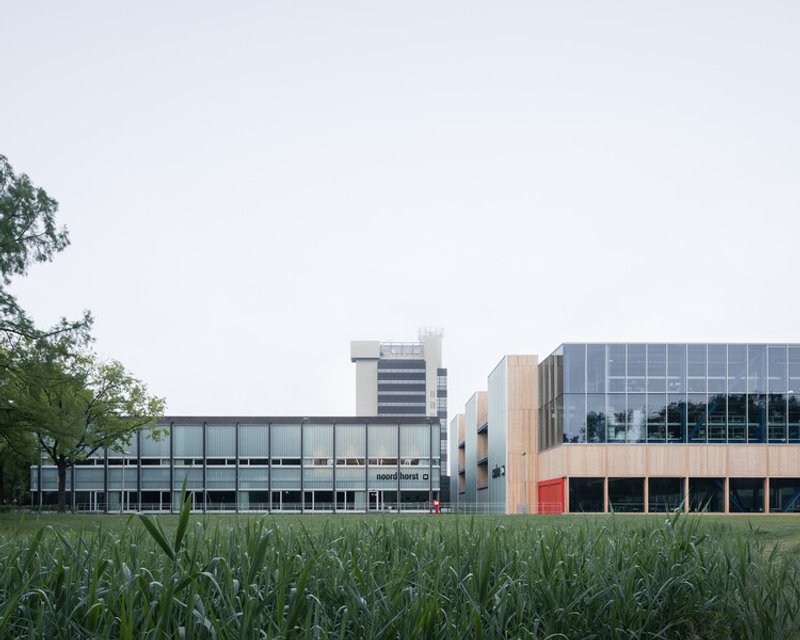
The CUBE Workshop Building, designed by Civic Architects in collaboration with VDNDP and Studio Groen+Schild, redefines the architectural landscape of the University of Twente’s Drienerlo campus. Serving the Faculty of Engineering Technology (ET), this 4,734 m² building is more than just an educational structure—it’s an architectural machine for innovation, collaboration, and experimentation.
Constructed by WAM & Van Duren Bouwgroep and WSi Techniek, CUBE integrates workshops, laboratories, offices, and flexible learning spaces within a stacked, compact, and sustainable structure. It stands as a modern counterpart to the iconic Horst complex, one of the campus’s most celebrated modernist buildings from the 1960s.
Design Concept — Technology in Motion
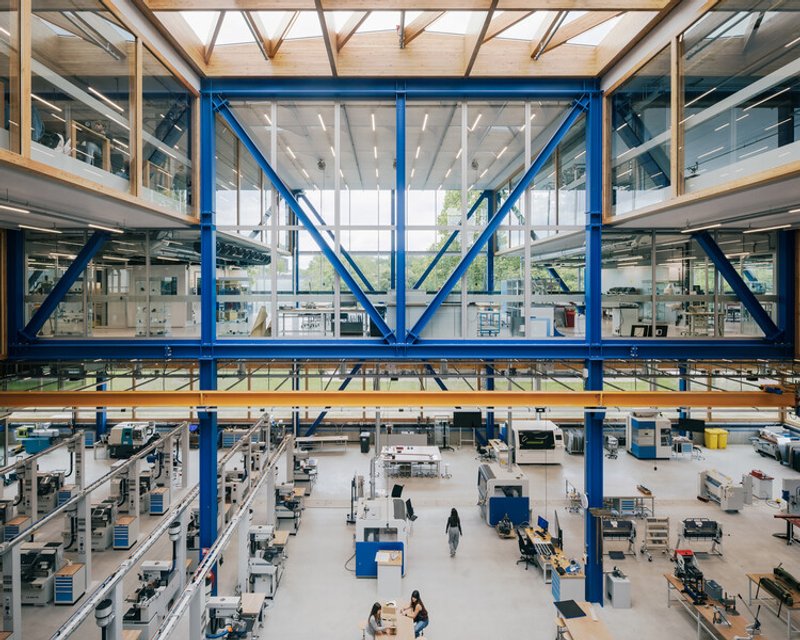
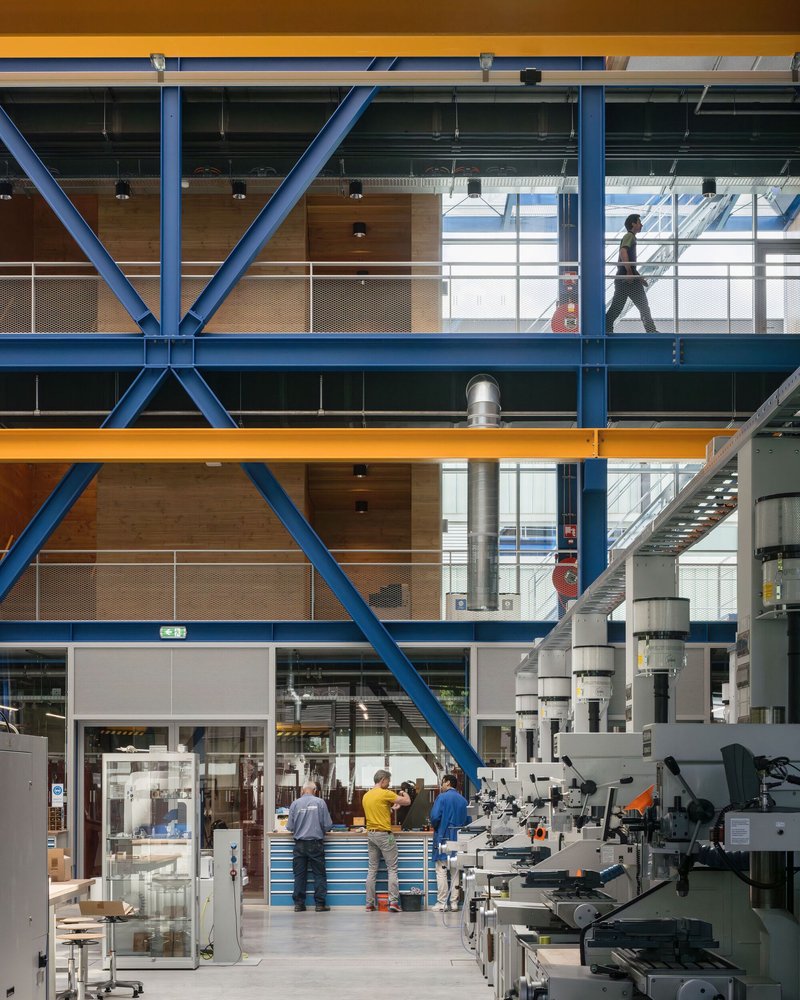
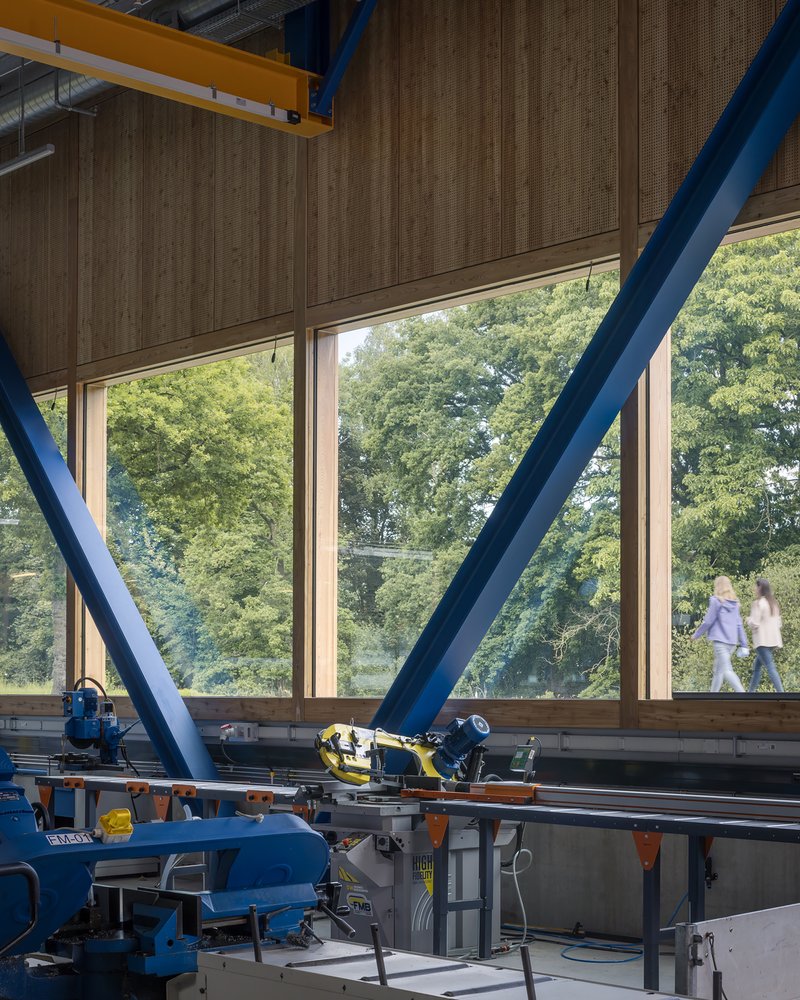
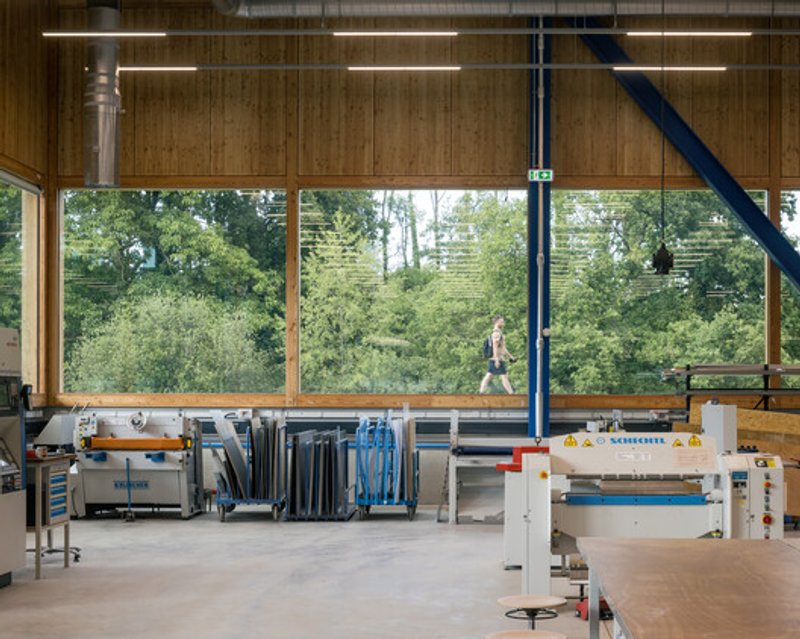
At the heart of CUBE lies a sunken metal and welding workshop—a seven-meter-high space visible immediately upon entry. By lowering the workshop floor 1.4 meters below ground, visitors are offered a panoramic view across the space and into the upper-level labs. This transparency transforms CUBE into a living exhibition of the faculty’s creative and technical processes.
From below-ground manufacturing to upper-level prototyping and testing, every layer of CUBE reveals a different phase of engineering innovation. The building invites visitors to observe, interact, and be inspired by the visible, ongoing work of students and researchers.
Functionality Meets Collaboration
CUBE promotes collaboration over isolation, a key principle in contemporary engineering education. The structure includes:
- Five workshops (welding, metalworking, model building, and assembly)
- 500 m² of laboratories and measuring spaces
- Stacked, flexible floors for optimized space use
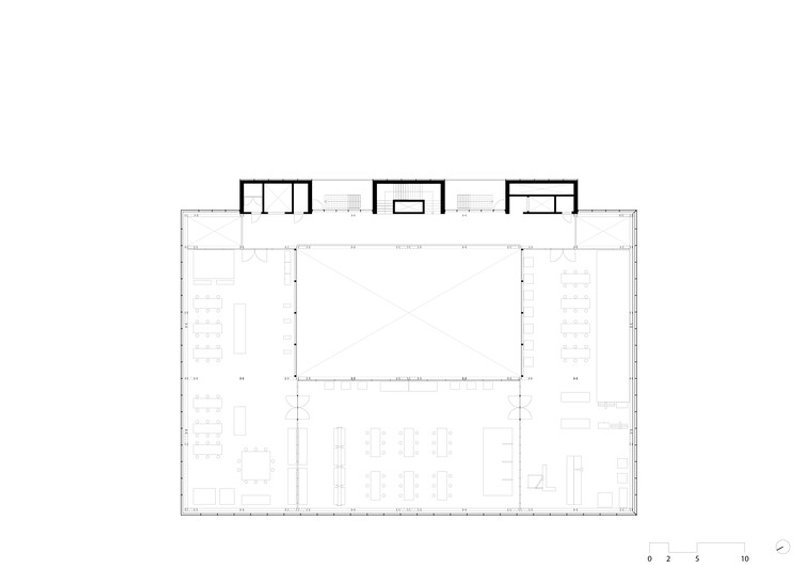
- Central atrium connecting all levels with natural light
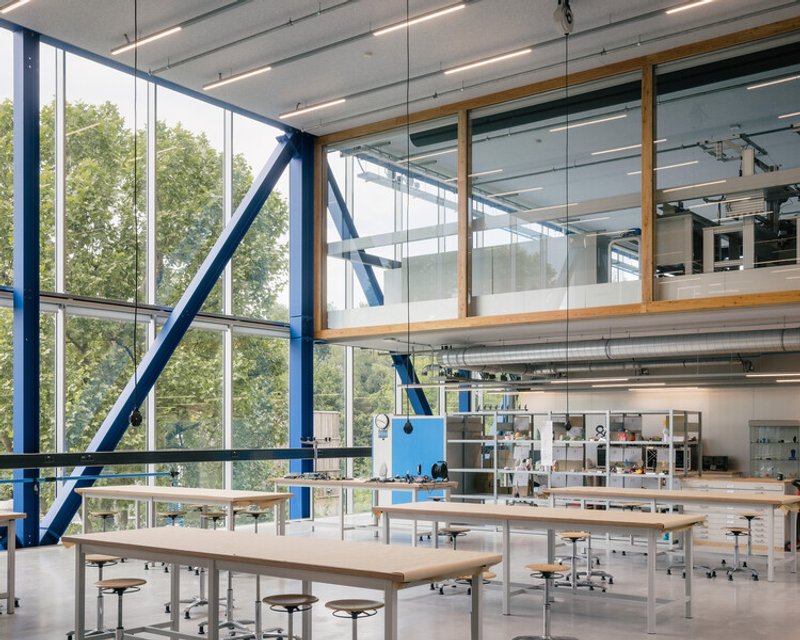
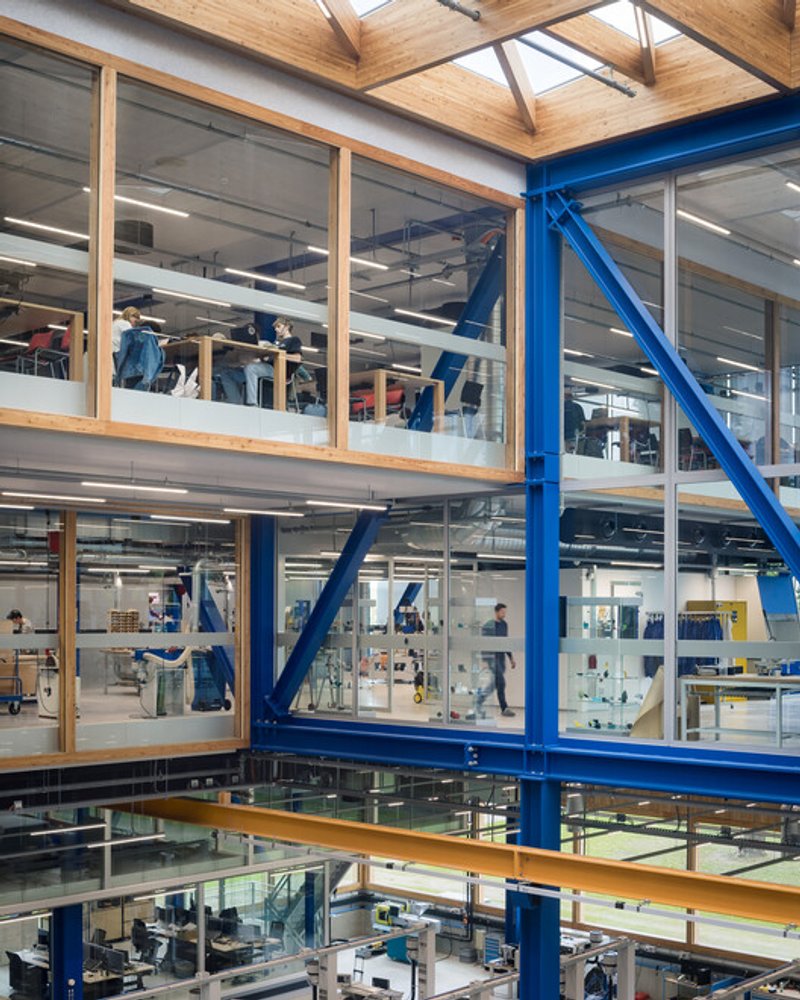
The pyramid-shaped atrium floods the interior with daylight, while glass partitions maintain visual continuity between research, fabrication, and teaching areas. Circulation spaces and service cores line the building’s eastern side, forming a “technical backbone” that organizes and powers every function efficiently.
Structural Brilliance — Architecture as Function
Designed for adaptability, CUBE’s structural system allows reconfiguration every semester. Key elements include:
- Two main bays with 14-meter spans
- Steel trusses that reduce columns and open up the workshop floor
- Cross-Laminated Timber (CLT) cores housing elevators and stairs, adding stability and warmth
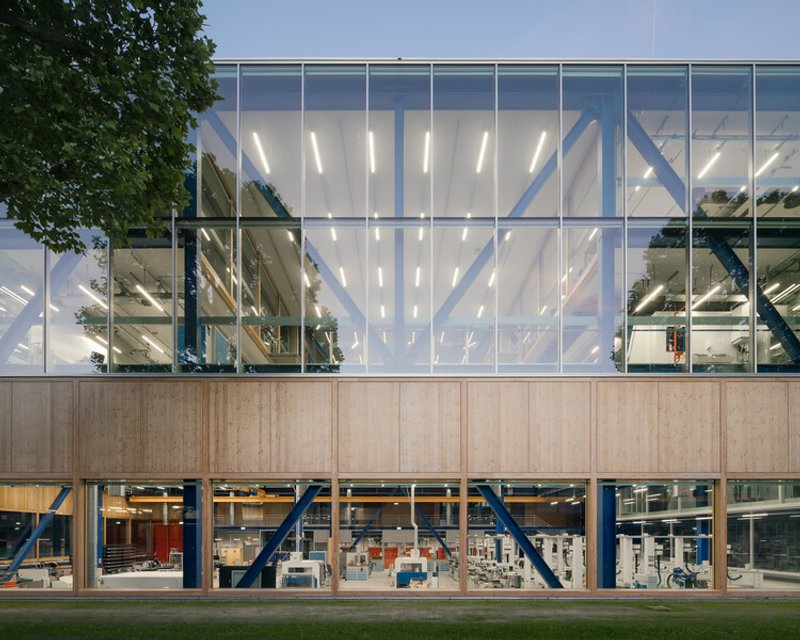
- Triangular façade geometry, giving the building a distinctive, modern identity
The structure is both functional and expressive, celebrating the visible mechanics of architecture much like the visible machinery inside.
Machine in the Landscape — Dialogue with Modernism
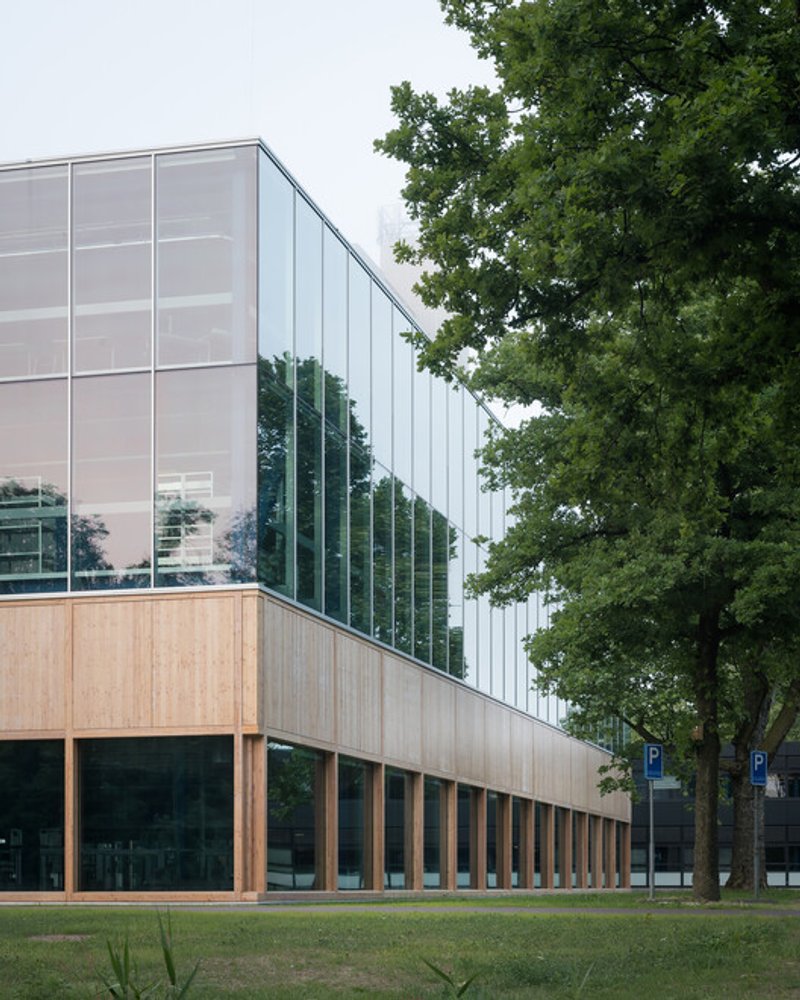
As part of the Horst complex ensemble, CUBE respects the modernist DNA of its surroundings while introducing a sustainable and climate-conscious design. Its sunken ground floor minimizes height, while the three CLT service towers echo the rhythmic verticality of the original Horst structures. Each façade is designed for environmental performance:
- Northwest façades: transparent for light and views
- Southeast façades: shaded and closed to reduce heat gain
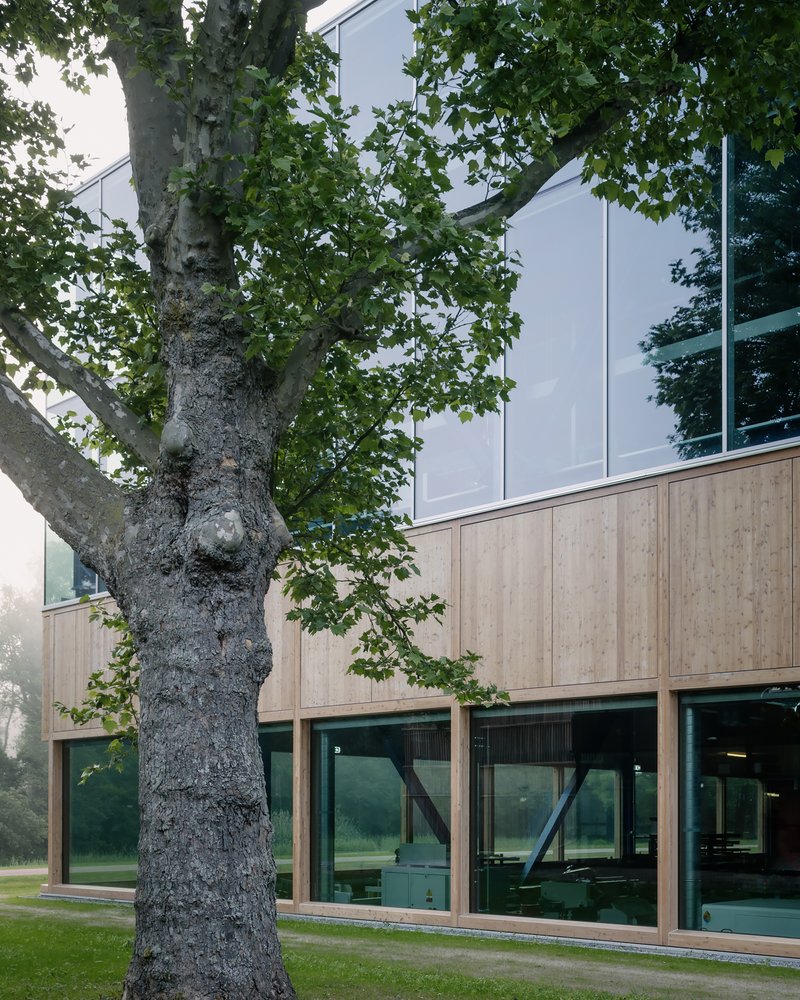
At the base, timber cladding adds human scale and texture, while above, a crisp glass curtain wall reveals the rhythmic steel trusses—melding transparency, engineering, and craftsmanship.
Materiality and Detailing — Beauty of Precision
Every detail in CUBE serves both aesthetic clarity and functional precision.
- Steel trusses, painted fire-resistant blue, emphasize structural rhythm
- Light grey concrete floors and recycled PET acoustic ceilings create a calm, reflective environment
- Larch wood frames and CLT surfaces add warmth and tactility
- Glass partitions maintain transparency and openness
- Exposed installations are neatly integrated, highlighting the technical character of the building
The result is a space that feels both industrial and refined, celebrating the spirit of engineering while maintaining architectural elegance.
CUBE — The Future of Learning and Making
More than a university workshop, CUBE is a manifesto of engineering education and sustainable architecture. It embodies the University of Twente’s mission to merge technical expertise, design thinking, and sustainability. By stacking functions, exposing structure, and blending innovation with openness, CUBE transforms into a living laboratory of modern architecture—a place where design, research, and technology converge.
All the photographs are works of Stijn Bollaert



Popular Articles
Popular articles from the community

An Miên Lumière Cafe by xưởng xép, Ho Chi Minh City, Vietnam
An industrial-inspired café where layered steel and warm light create a dynamic, immersive environment shaped by reflection, depth, and perception.
Atelier Macri Concept Store Interior Design by CASE-REAL
Atelier Macri store features a "ko" counter, walnut wood details, cork displays, blending retail, gallery, and seamless customer experiences.
Louis Malle Cinema: A Limestone Cultural Landmark Revitalizing Community Life in Prayssac
Limestone cinema extension with public forecourt, blending heritage and modern design to create flexible cultural spaces and strengthen community interaction.
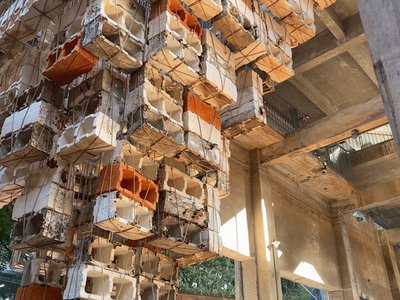
Inverted Architecture Installation by Studio Link-Arc: Exploring the Intersection of Architecture and Living Organisms
Inverted Architecture Installation by Studio Link-Arc blends mycelium, sustainability, inverted design, ecological cycles, and urban adaptive architecture in Shenzhen.

Similar Reads
You might also enjoy these articles


The Ken Roberts Memorial Delineation Competition (Krob)
As the most senior architectural drawing competition currently in operation anywhere in the world, it draws hundreds of entries each year, awarding the very best submissions in a series of medium-based categories.


Waterfront Redevelopment and Urban Revitalization in Mumbai: Forging a New Dawn for Darukhana
A transformative waterfront redevelopment project reimagining Darukhana’s shipbreaking heritage into an inclusive urban future.

OUT-OF-MAP: A Call for Postcards on Feminist Narratives of Public Space
Rhizoma Design and Research Lab invites artists, designers, architects, researchers, and students to reflect on how feminist perspectives can reshape public space. Selected works will be exhibited in Barcelona, October 2026. Submissions open until 15 April 2026.


Documentation Work on Buddhist Wooden Temple
Architectural syncretism and cultural hybridity: A comparative study of the Buddhist temples in Chattogram Hill tracks

Explore Architecture Competitions
Discover active competitions in this discipline




The International Standard for Design Portfolios


The Global Benchmark for Architecture Dissertation Awards


The Global Benchmark for Graduation Excellence


Challenge to design public laboratory
Comments (0)
Please login or sign up to add comments
No comments yet. Be the first to comment!