
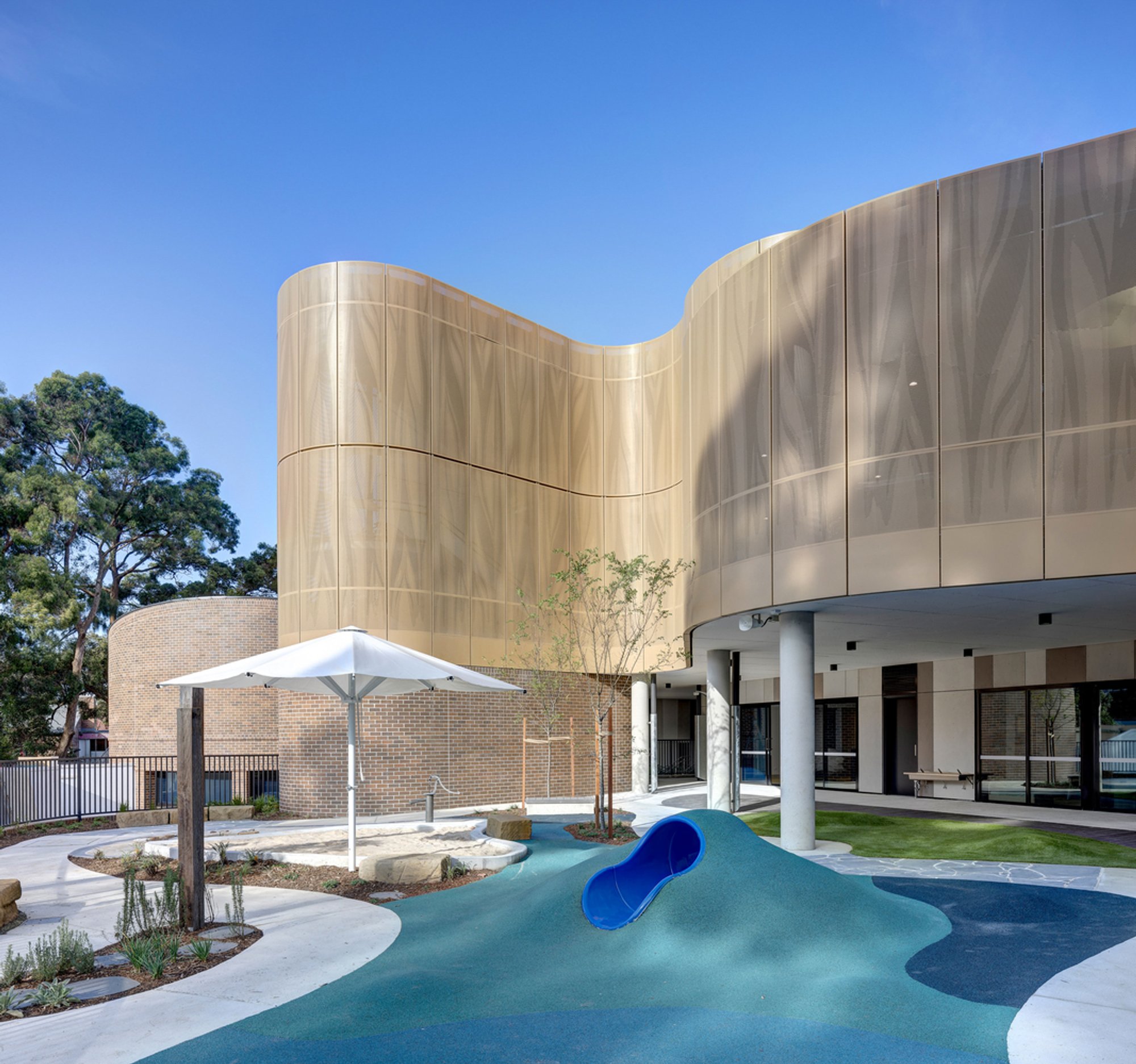
Darlington Public School: A Model of Sustainable School Architecture
Darlington Public School combines sustainable architecture, cultural integration, and innovative learning spaces to create a model educational environment.

Innovative School Design in Sydney
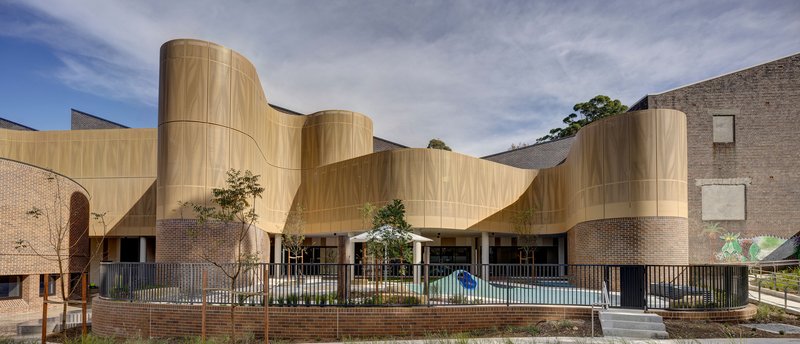
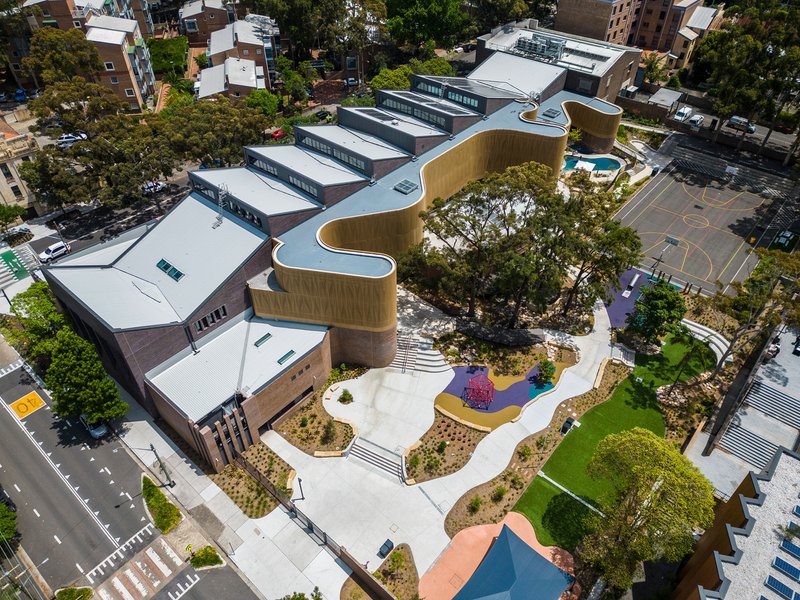
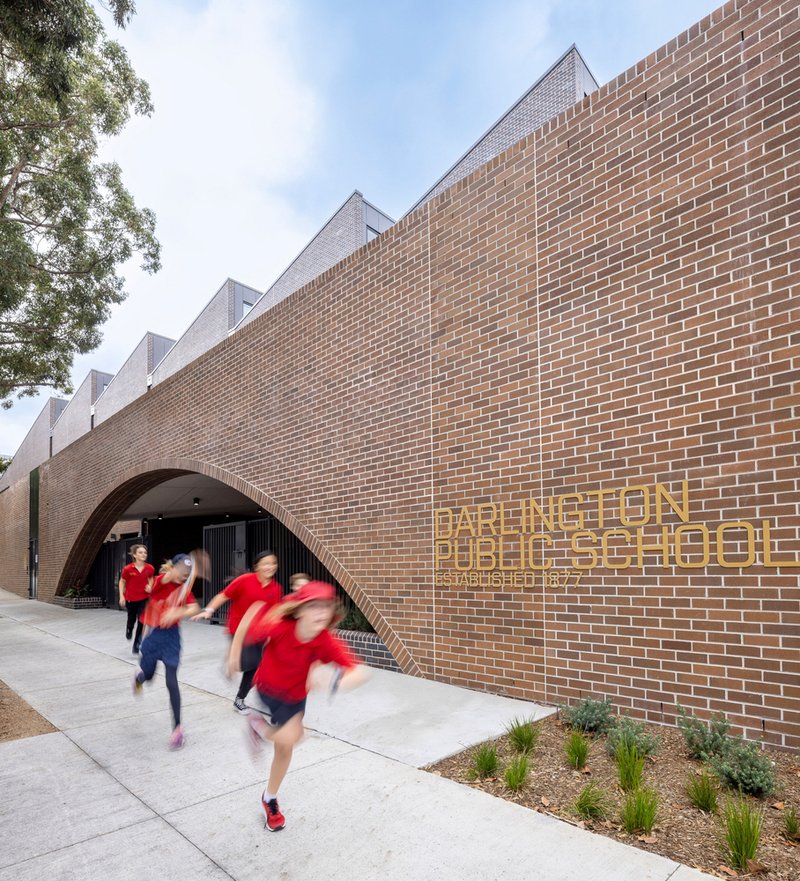
Located in the vibrant inner-city suburb of Darlington, Sydney, Darlington Public School stands as a beacon of sustainable school architecture. Designed by fjcstudio and completed in 2023, the school exemplifies how modern educational facilities can blend cultural sensitivity, environmental sustainability, and innovative design. Emphasizing strong ties to Aboriginal culture and sustainability, this school serves as a transformative space for learning, community engagement, and environmental awareness.
The Concept: Merging Education, Culture, and Sustainability
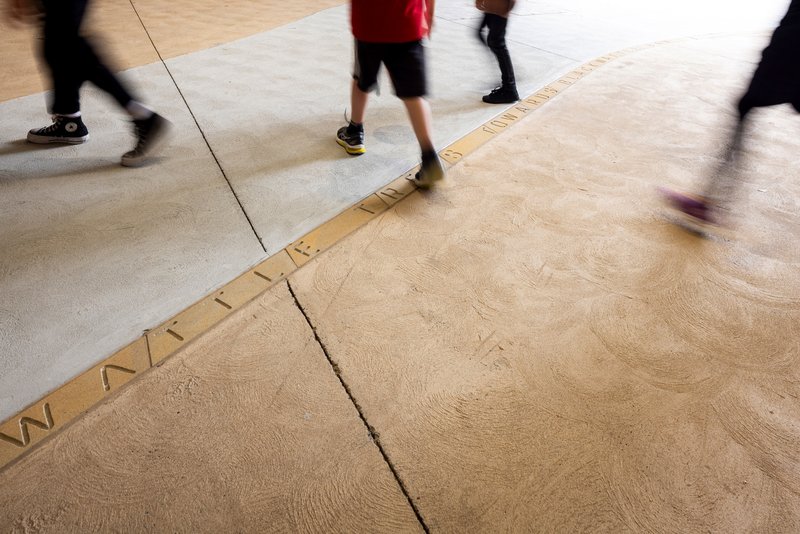
At the heart of the design is the concept of Connecting with the Country, which was developed in collaboration with Aboriginal Elders, artists, and the Aboriginal Art Group. This concept is woven into the very fabric of the school, where Aboriginal culture is honored through the inclusion of Indigenous plants, artwork, and storytelling. QR codes throughout the campus allow students and visitors to explore the rich narratives of the land, connecting them directly to the natural world and local heritage. This integration of culture into the school's design creates a unique, living classroom that promotes place-based learning.
Sustainable Design Features: Architecture for the Future
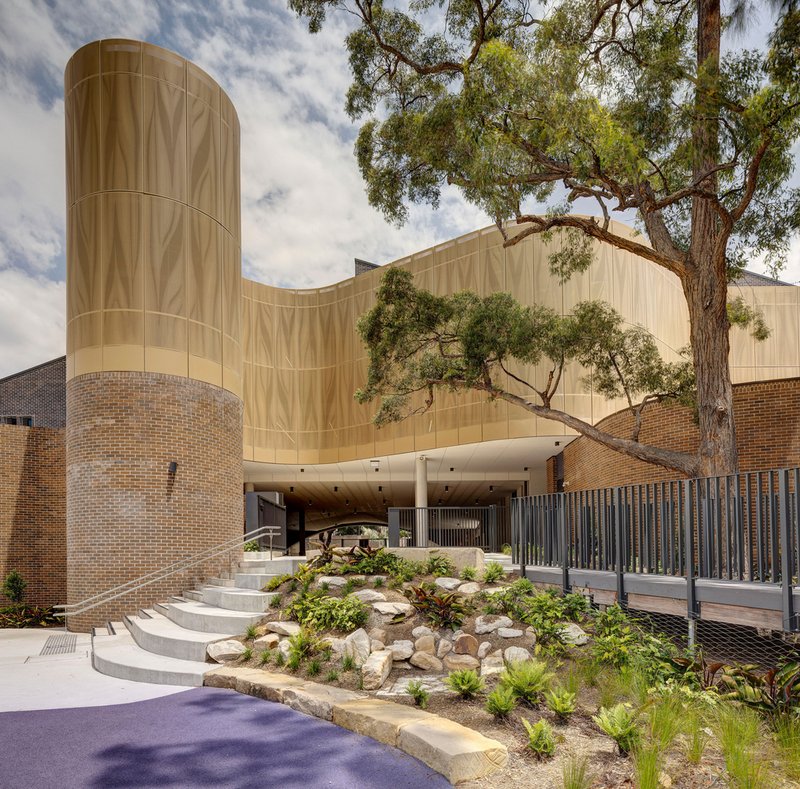
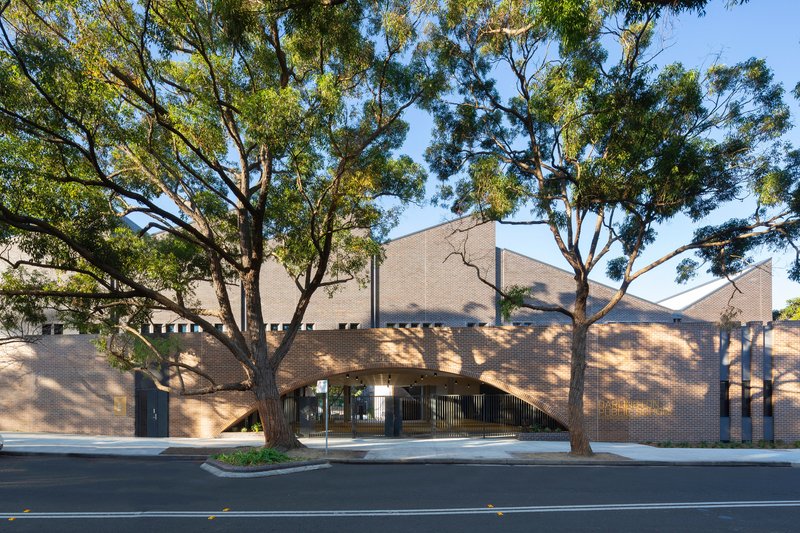
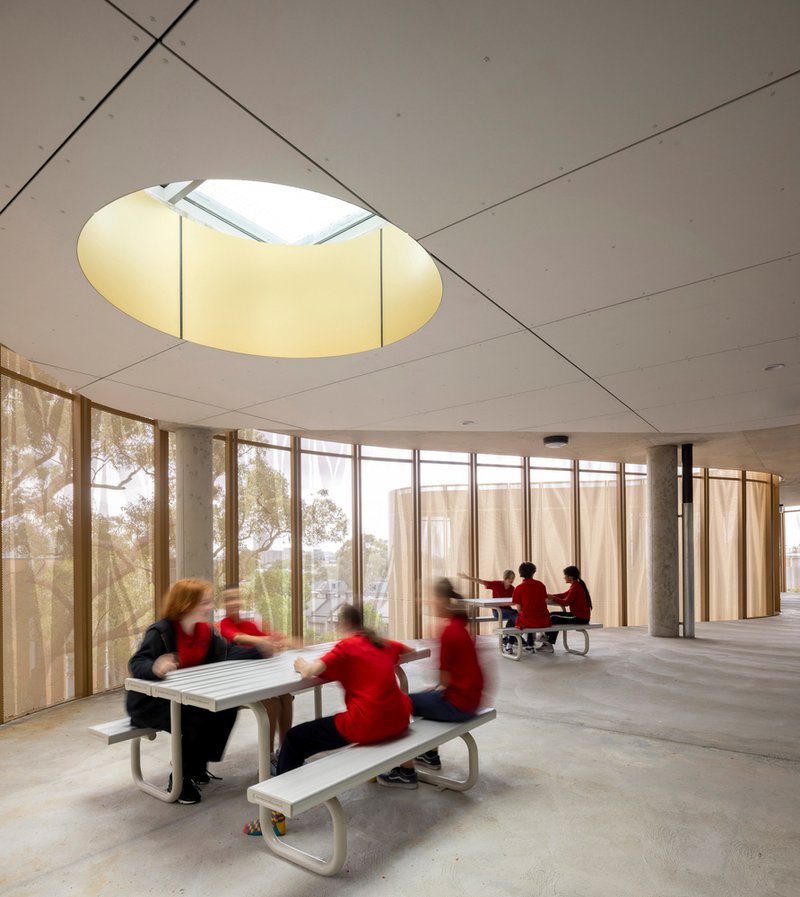
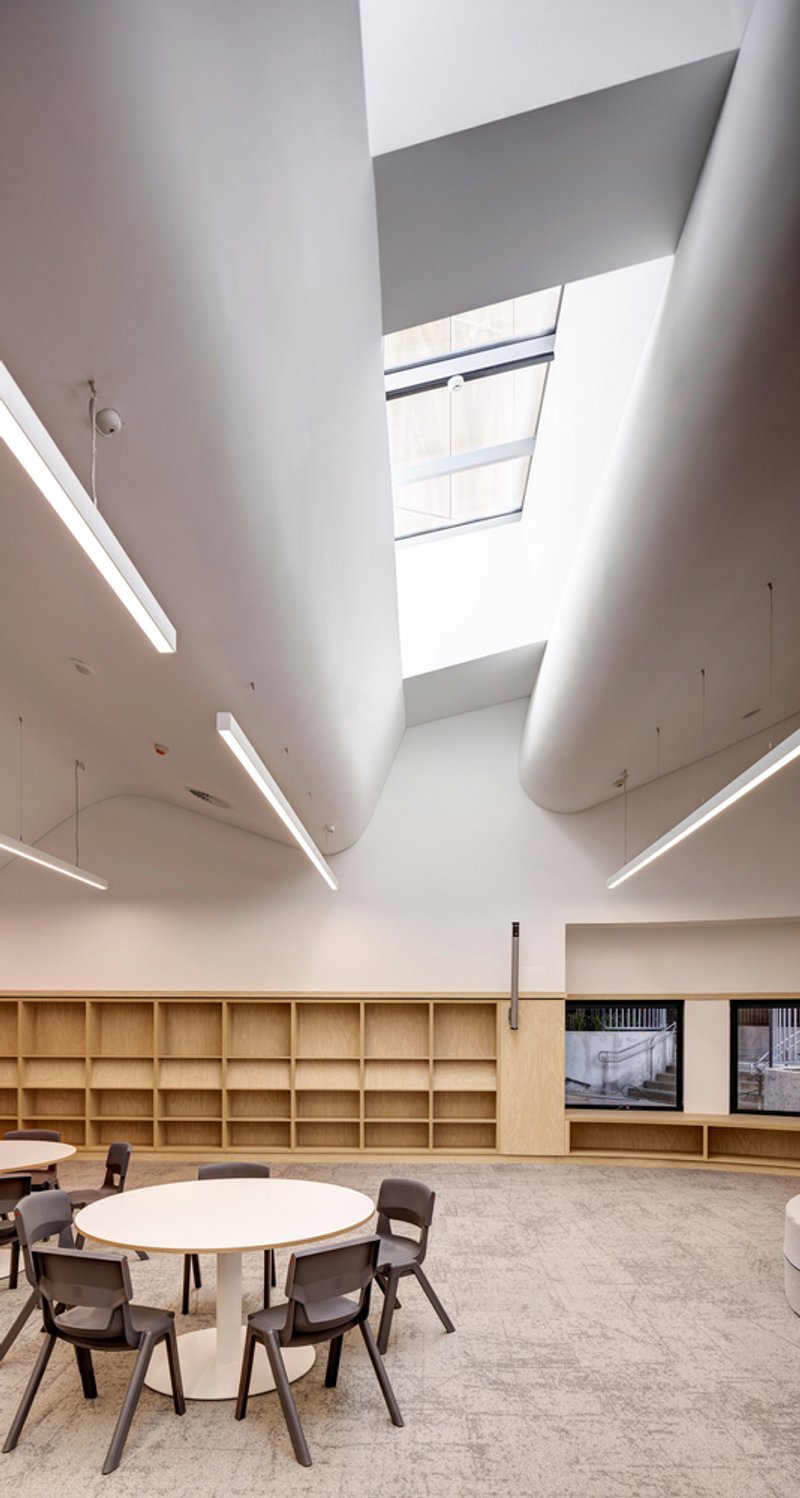
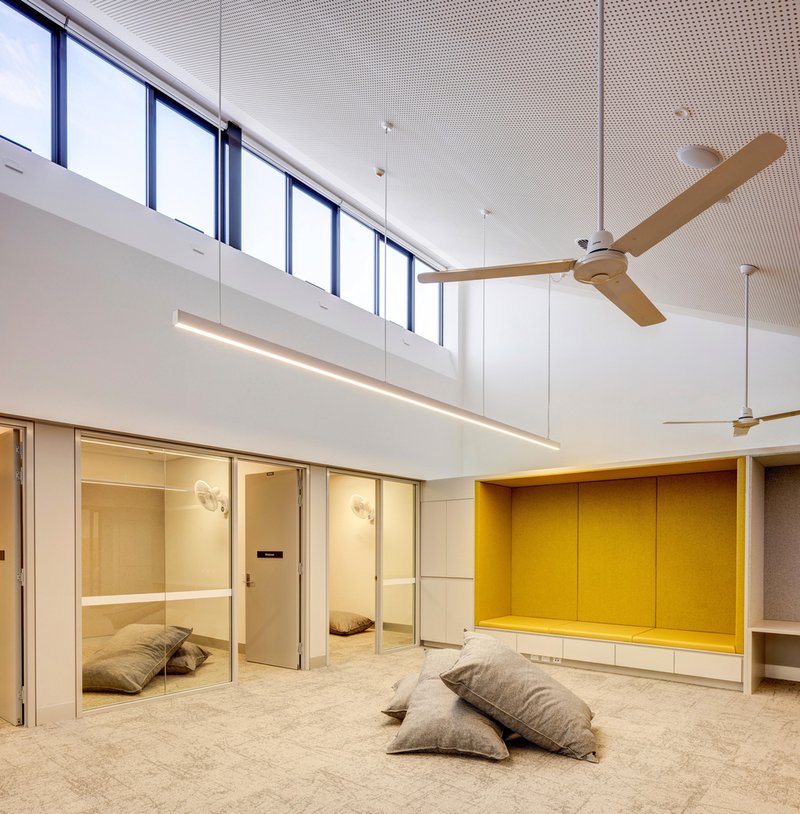
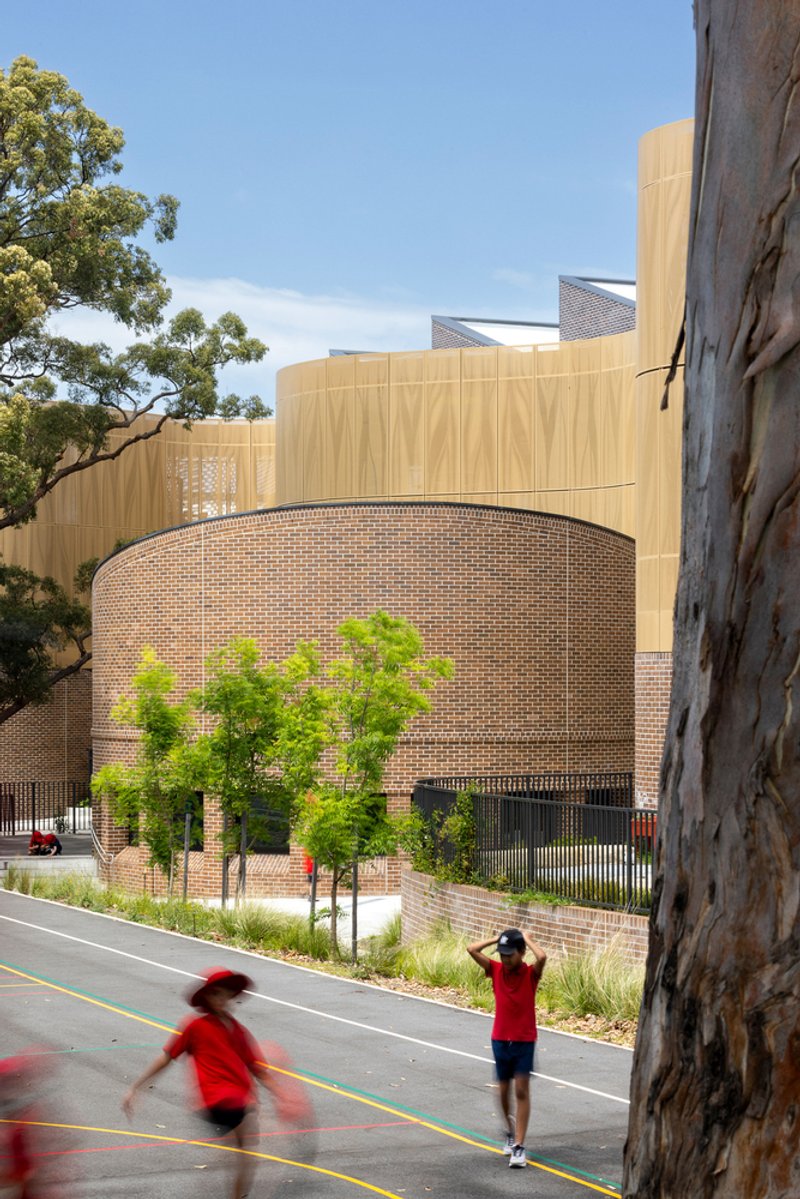
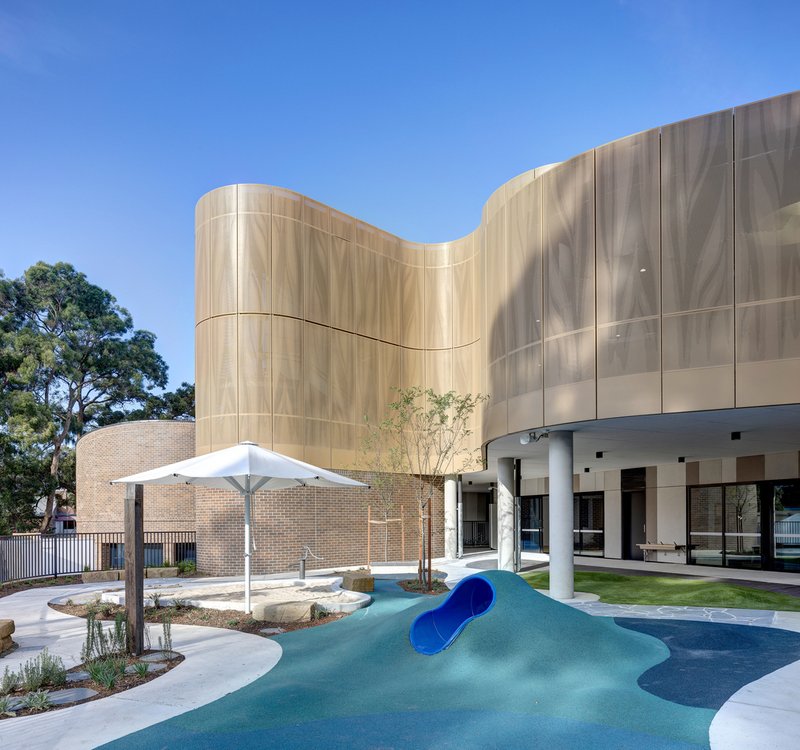
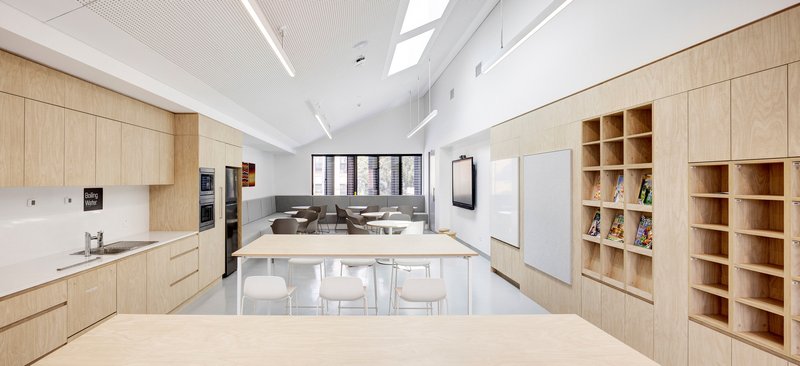
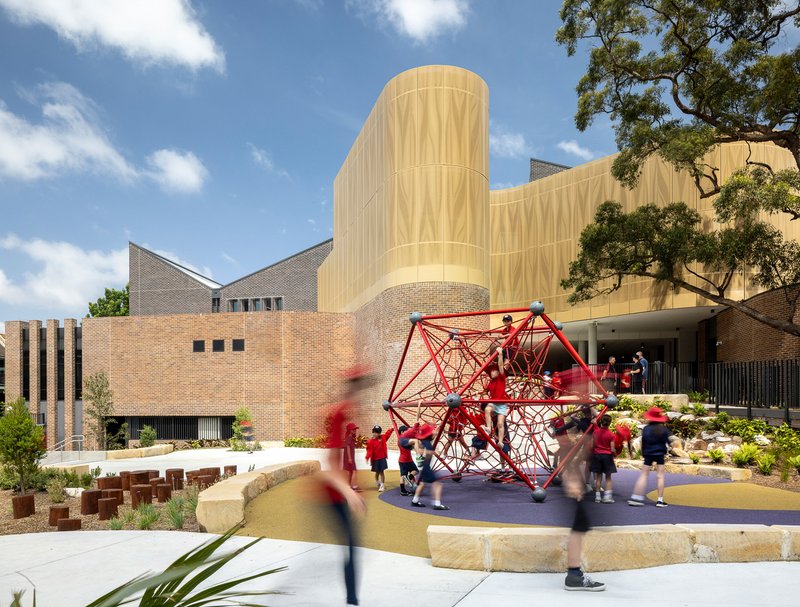
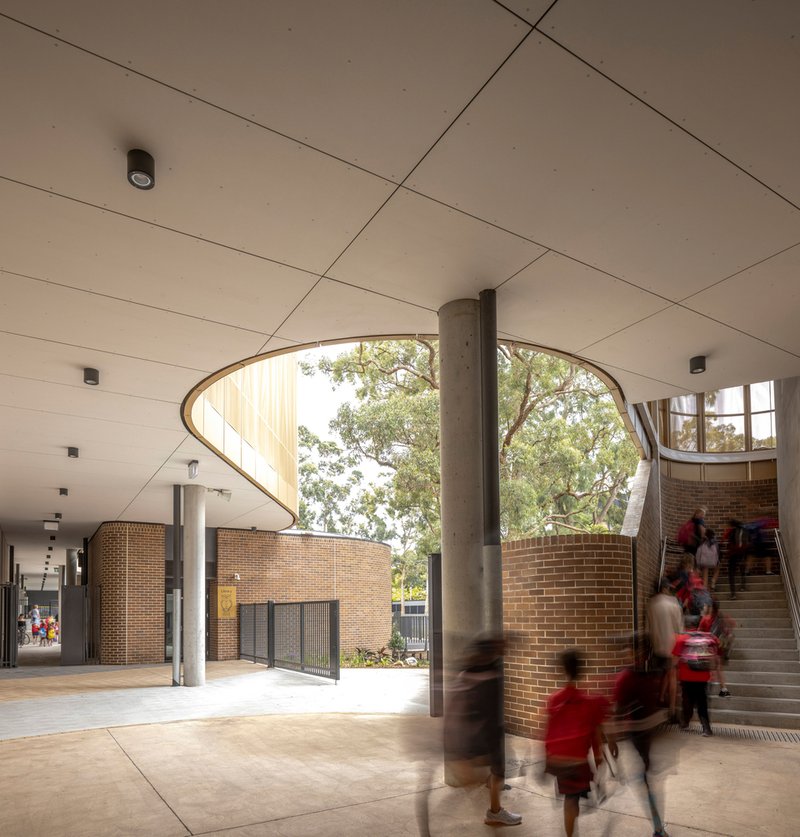
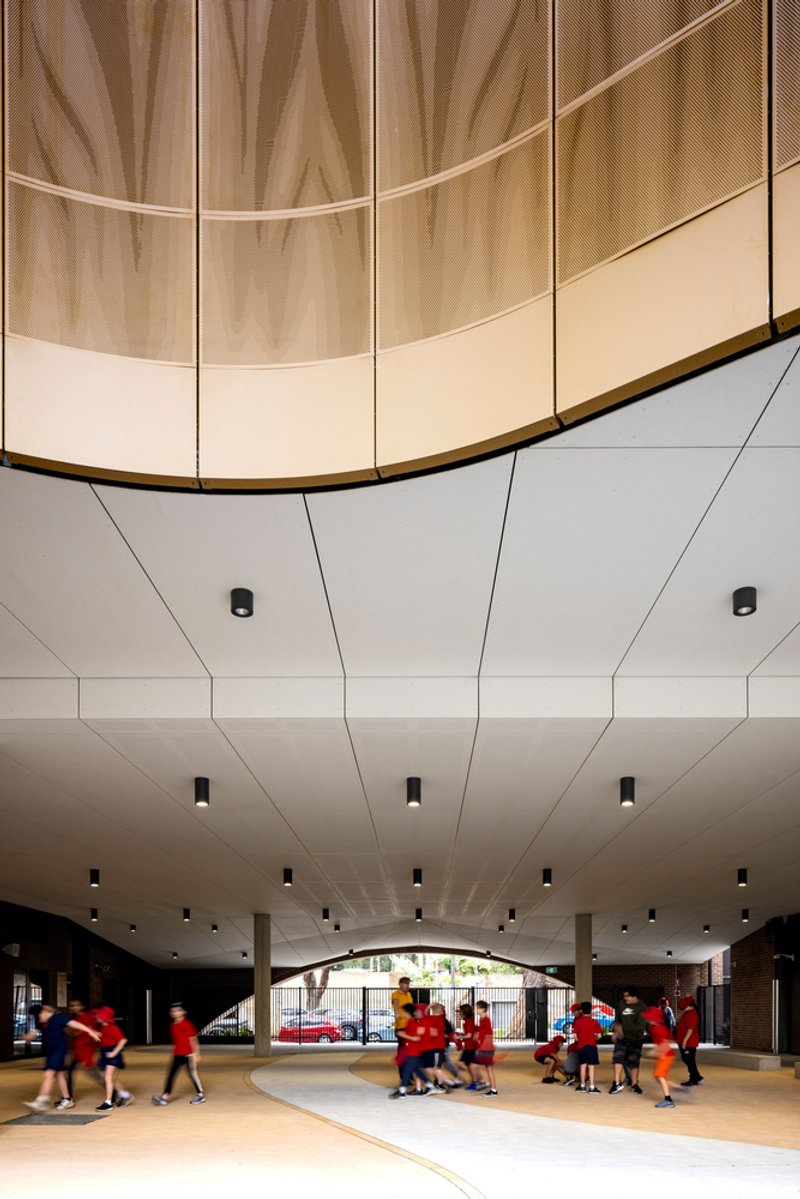
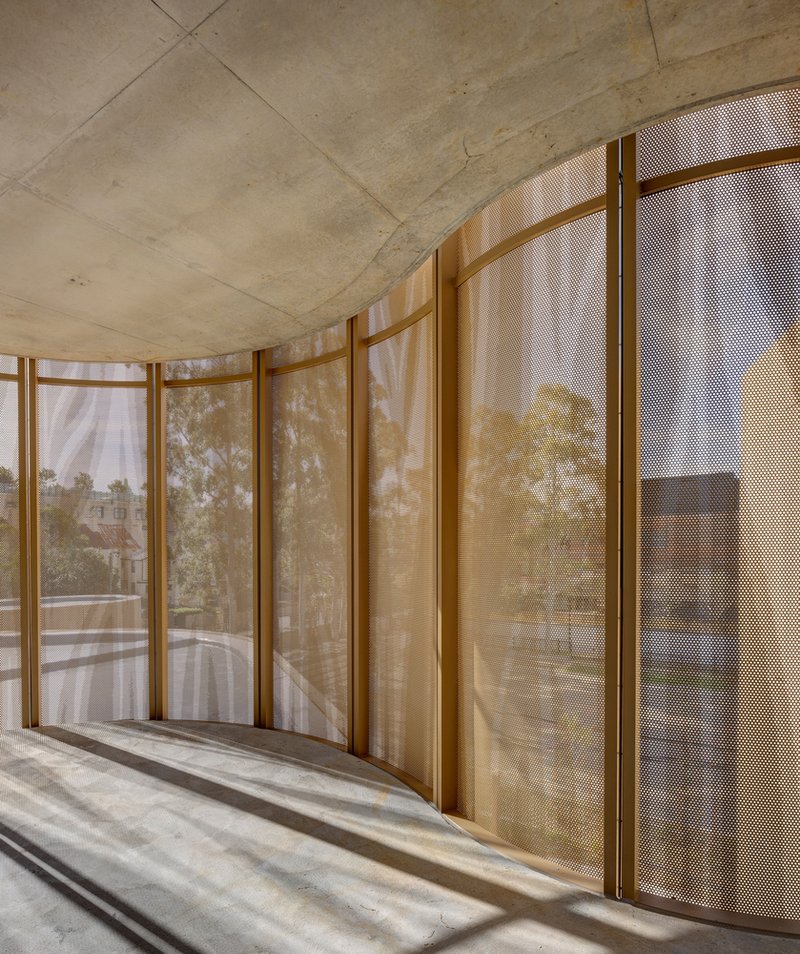
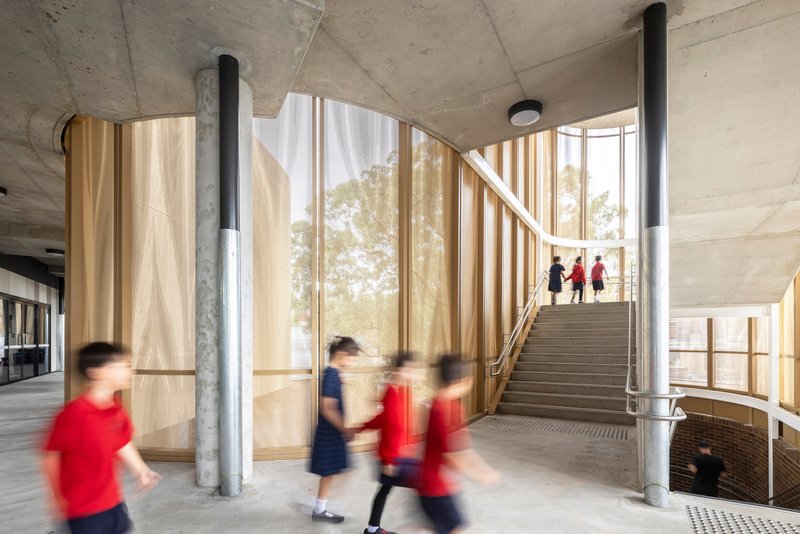
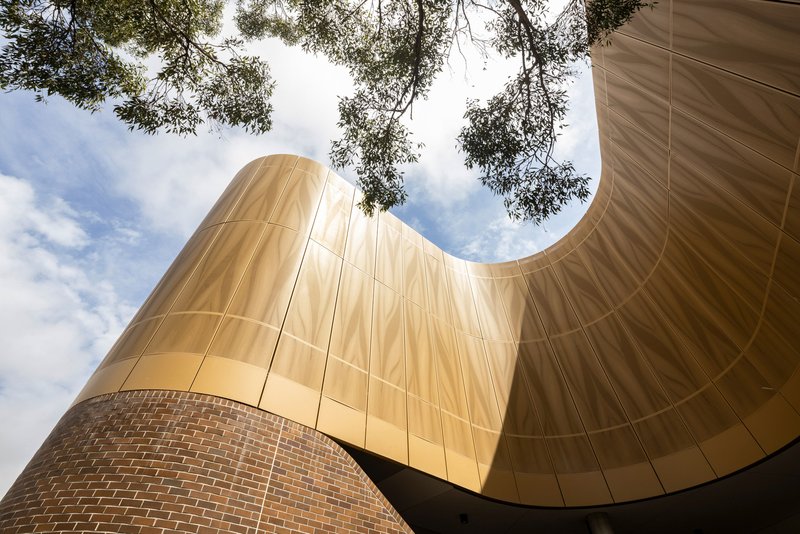
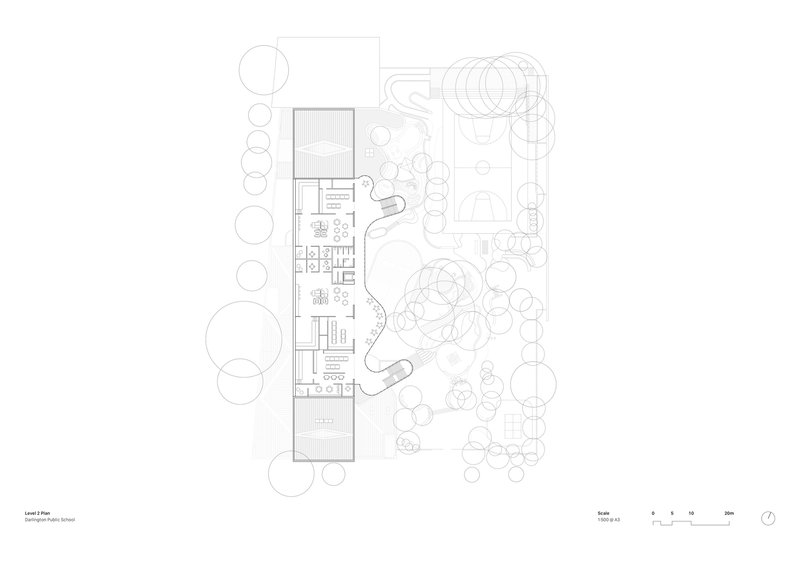
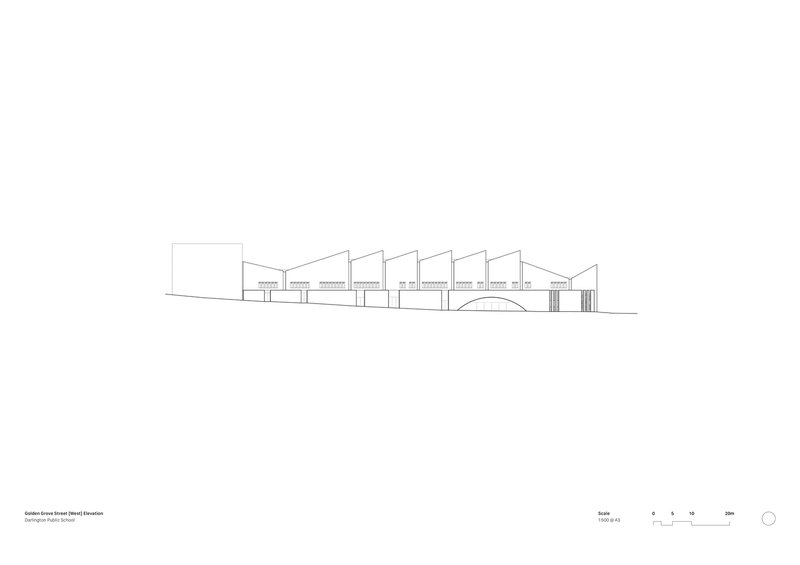
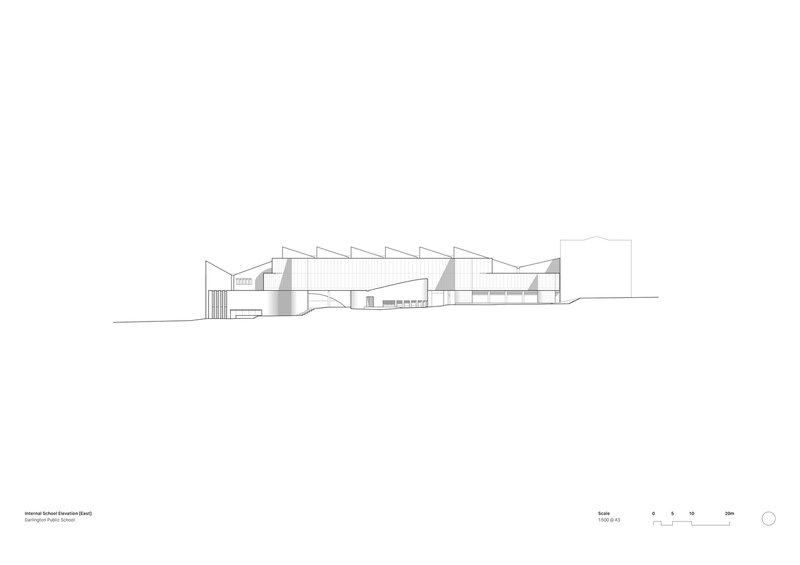
Sustainability is a core pillar of the design at Darlington Public School. The architectural layout prioritizes natural light, ventilation, and energy-efficient systems. The sawtooth roof design ensures maximum sunlight capture, while high-level glazing provides ample indirect daylight. Protective curved screens filter light, optimizing the school’s indoor environmental quality. Additionally, rainwater harvesting and energy-efficient technologies contribute to the school’s commitment to sustainability, demonstrating that innovative school architecture can serve both educational and environmental needs.
Adaptive Learning Spaces: Flexibility and Inclusivity
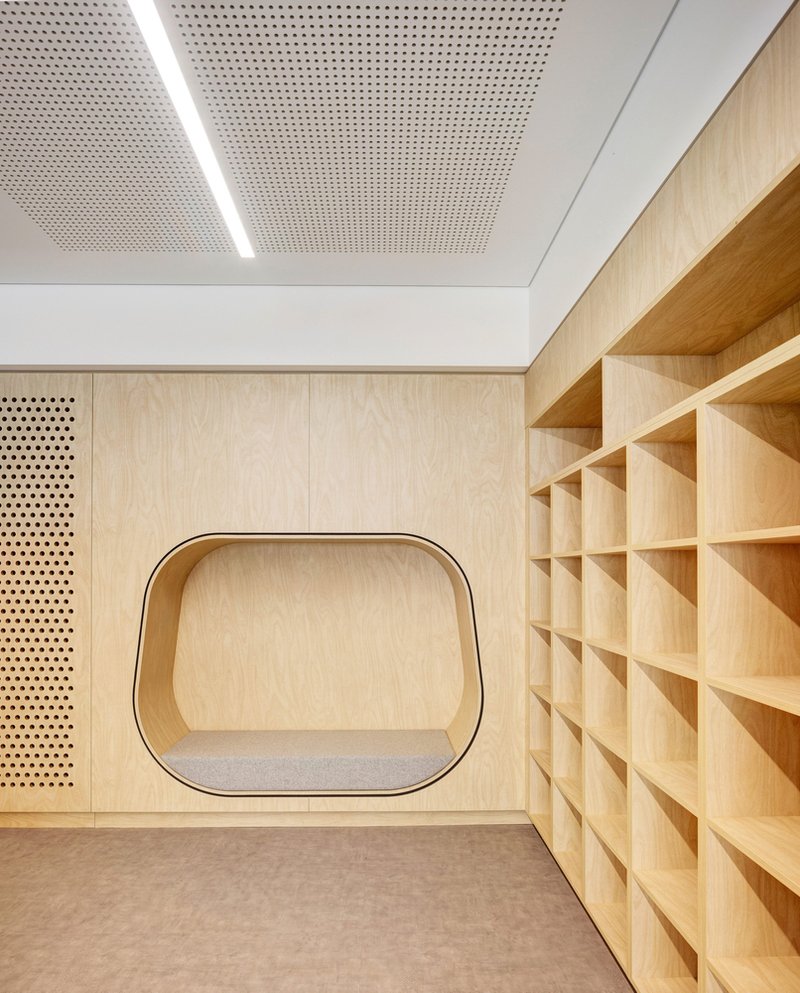
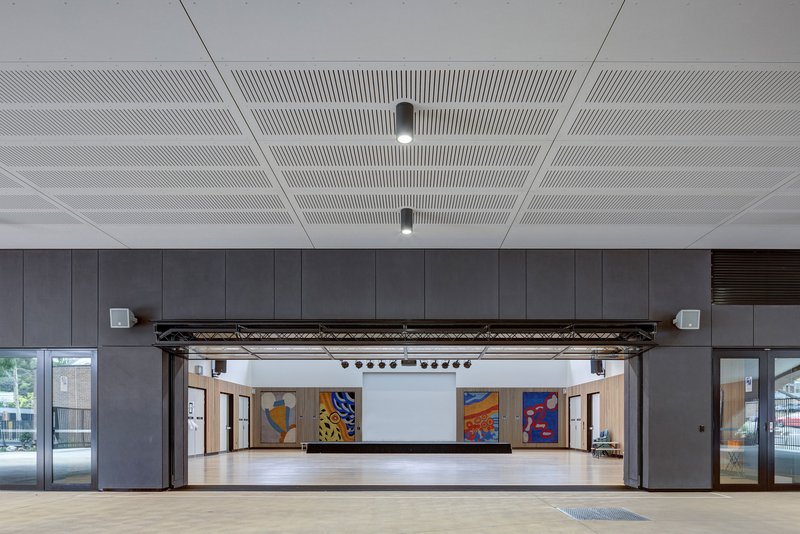
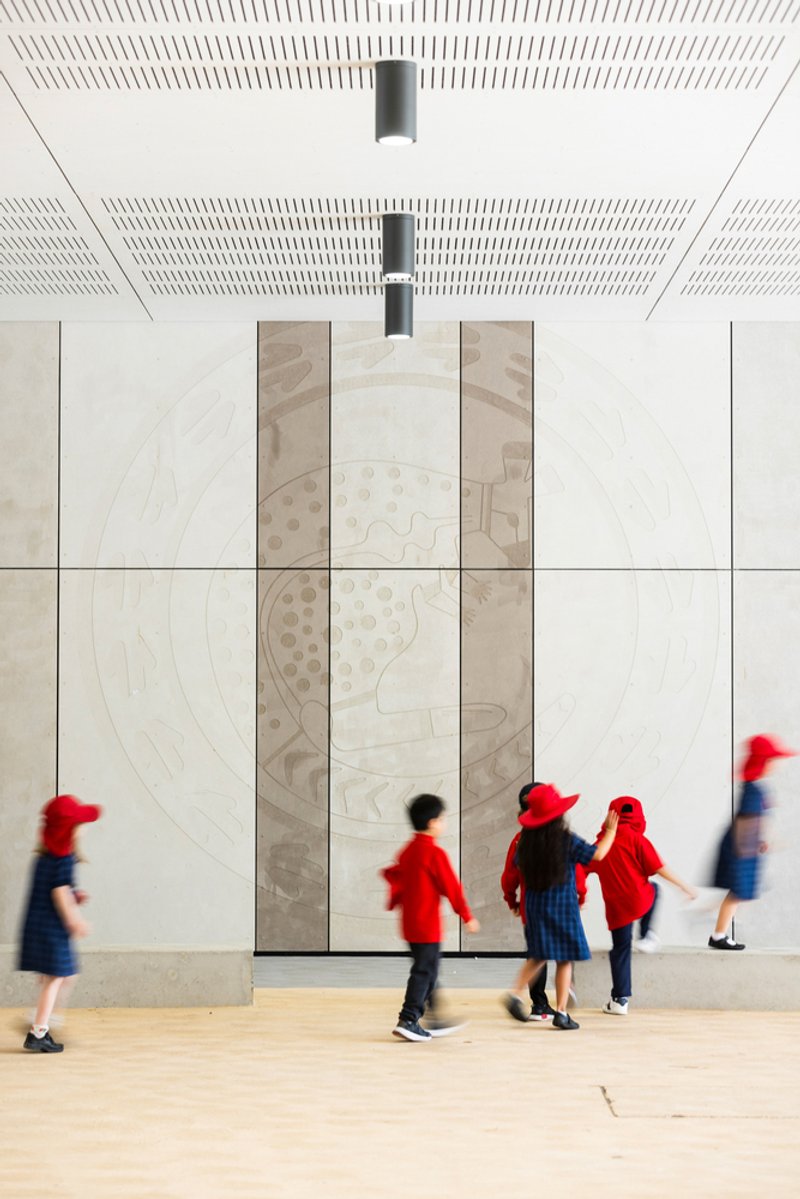
The school features adaptable learning hubs designed to foster collaboration and inclusivity. These spaces support diverse learning styles, accommodating active, quiet, and outdoor learning experiences. The open, flexible design enhances the educational environment, allowing students to thrive in spaces that promote both individual reflection and group interaction. The emphasis on inclusivity ensures that all students feel welcome and supported in their learning journeys.
Cultural Connection: Aboriginal Art and Storytelling
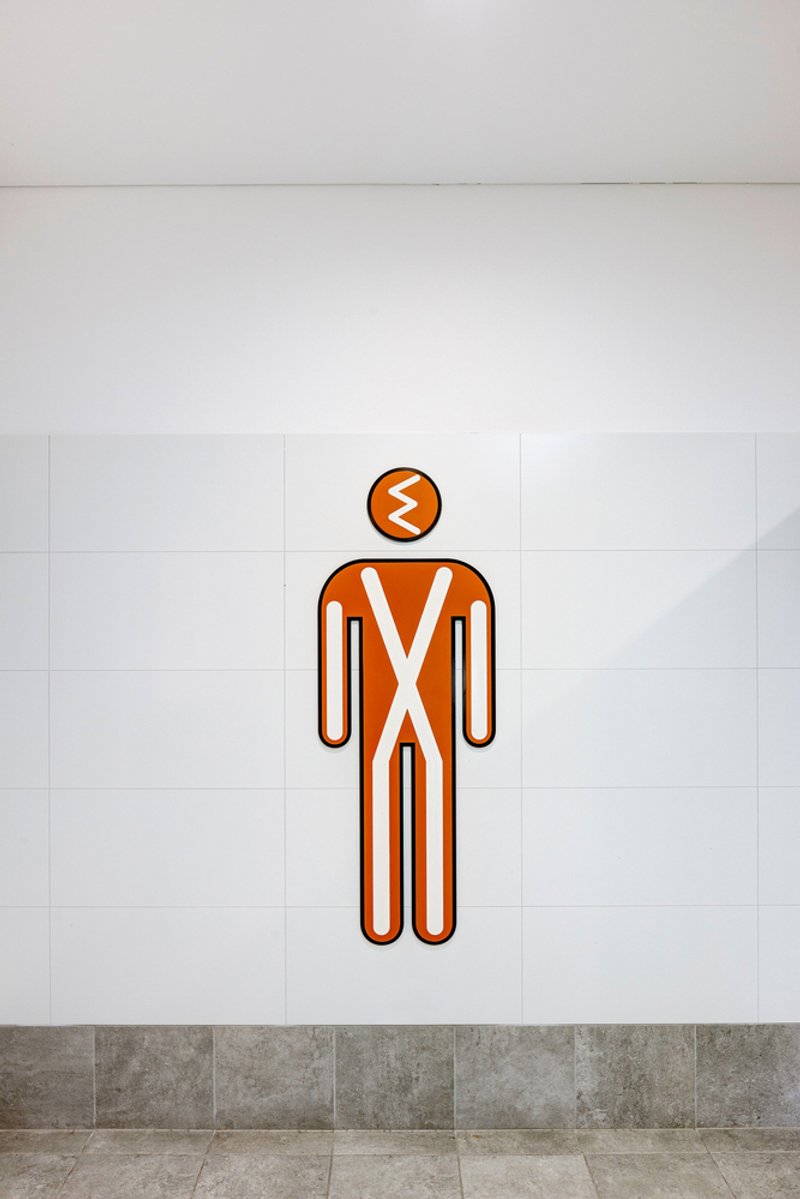
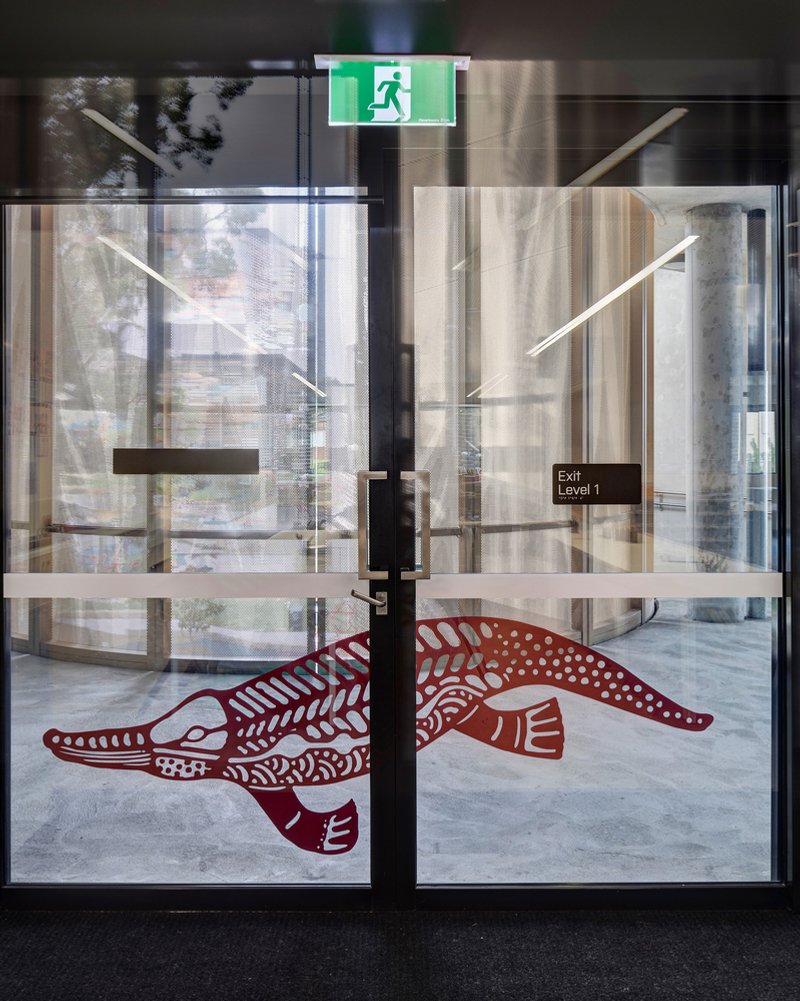
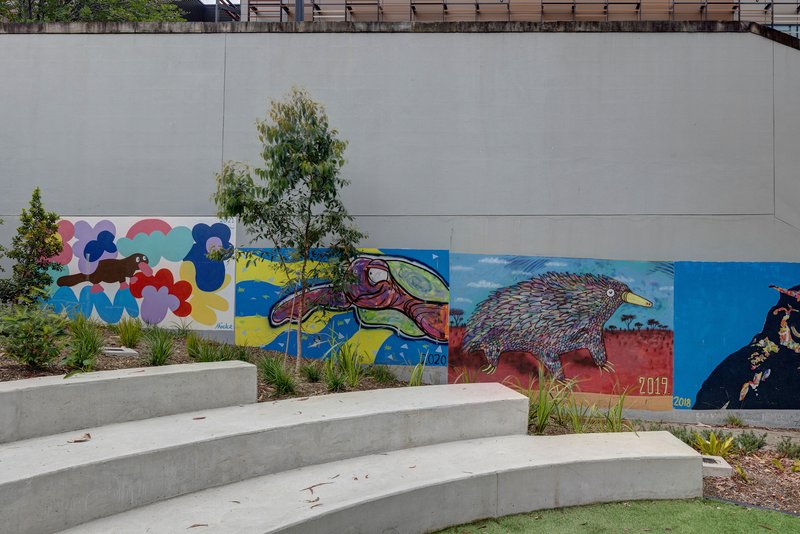
The integration of Aboriginal culture throughout the school is not only symbolic but also functional. Murals by Blak Douglas (Adam Hill) have been recreated in the new facility, preserving the cultural continuity of the school. The totems designed by Uncle Neil (Thorne) serve as cultural markers within the educational spaces, linking classrooms to cultural narratives. This thoughtful incorporation of Aboriginal heritage into the school’s design is a powerful tool for engaging students with their local environment and history.
Outdoor Learning: A Deep Connection to Nature
The design of the school incorporates outdoor learning terraces and garden play areas that promote a seamless connection to nature. These spaces encourage students to engage with the environment in a hands-on way, echoing traditional cultural practices of learning. The outdoor areas act as an extension of the classrooms, offering students a dynamic space where they can explore and learn in natural surroundings.
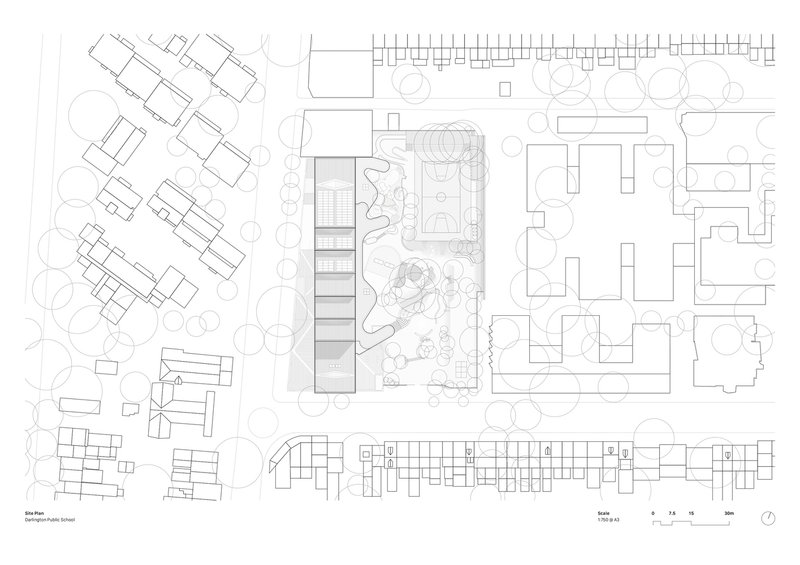
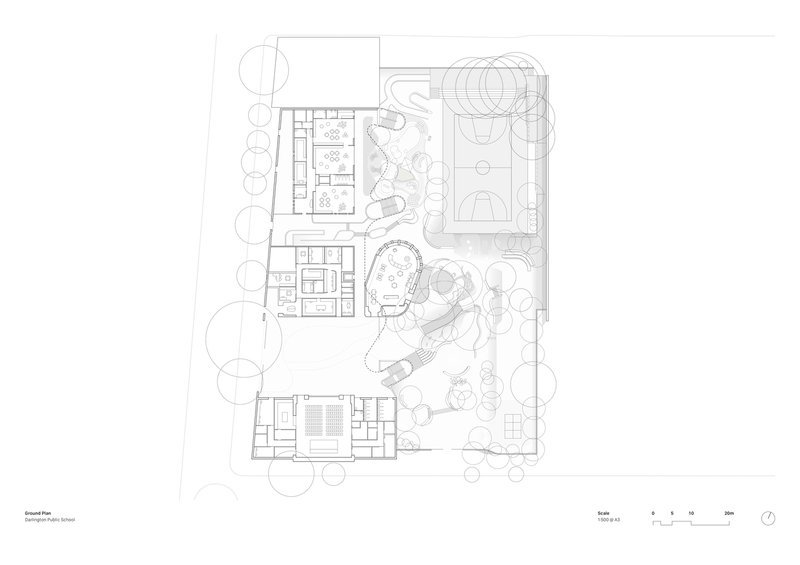
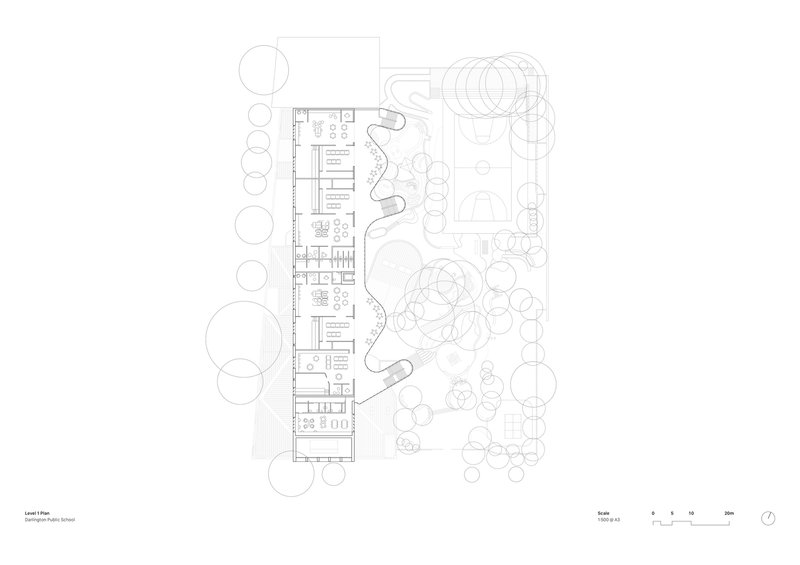
Beyond its educational role, Darlington Public School serves as a community hub, fostering engagement between students, their families, and the broader community. The school’s design encourages social interaction and offers a welcoming environment for all. The integration of cultural elements, combined with sustainable features, makes the school a model for the future of educational architecture, where community, culture, and the environment are equally prioritized.
A Vision for Sustainable Education Spaces
Darlington Public School is more than just a place for learning; it’s a pioneering example of how architecture can support sustainability, cultural integration, and innovative educational practices. Through its thoughtful design, the school fosters an environment that encourages students to connect with their heritage and their surroundings while promoting environmental stewardship. This project sets a new standard for sustainable school architecture, proving that schools can be both functional and deeply rooted in their local context.
All Photographs are works of Brett Boardman / Anthony Fretwell



Popular Articles
Popular articles from the community

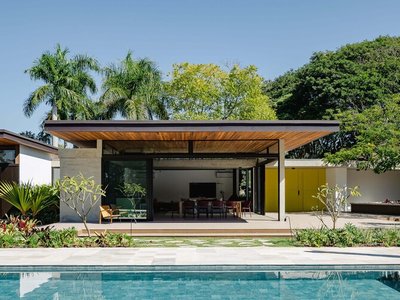
Flamboyant House by Juliana Camargo + Prumo Projetos
Modern Brazilian house integrating existing tree, pool, and volumes with glass, wood, and transitional spaces blending interior, exterior, and landscape seamlessly.
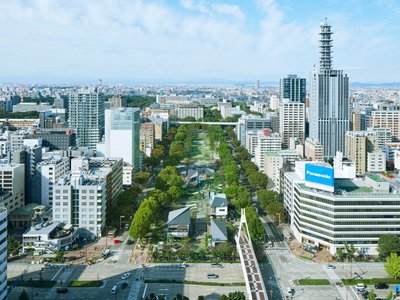
On the Brooks House by Monsoon Collective – A Contemporary Kerala Home Rooted in Tradition
Kerala home blending tradition and modernity with water-inspired design, brick architecture, courtyard planning, and sustainable rainwater harvesting strategies.
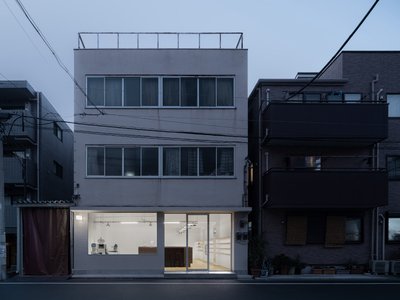
Atelier Macri Concept Store Interior Design by CASE-REAL
Atelier Macri store features a "ko" counter, walnut wood details, cork displays, blending retail, gallery, and seamless customer experiences.


The Ken Roberts Memorial Delineation Competition (Krob)
As the most senior architectural drawing competition currently in operation anywhere in the world, it draws hundreds of entries each year, awarding the very best submissions in a series of medium-based categories.


Similar Reads
You might also enjoy these articles
The Ken Roberts Memorial Delineation Competition (Krob)
As the most senior architectural drawing competition currently in operation anywhere in the world, it draws hundreds of entries each year, awarding the very best submissions in a series of medium-based categories.


Waterfront Redevelopment and Urban Revitalization in Mumbai: Forging a New Dawn for Darukhana
A transformative waterfront redevelopment project reimagining Darukhana’s shipbreaking heritage into an inclusive urban future.

OUT-OF-MAP: A Call for Postcards on Feminist Narratives of Public Space
Rhizoma Design and Research Lab invites artists, designers, architects, researchers, and students to reflect on how feminist perspectives can reshape public space. Selected works will be exhibited in Barcelona, October 2026. Submissions open until 15 April 2026.


Documentation Work on Buddhist Wooden Temple
Architectural syncretism and cultural hybridity: A comparative study of the Buddhist temples in Chattogram Hill tracks

Explore Architecture Competitions
Discover active competitions in this discipline




The International Standard for Design Portfolios


The Global Benchmark for Architecture Dissertation Awards


The Global Benchmark for Graduation Excellence


Challenge to reimagine the Iron Throne
Comments (0)
Please login or sign up to add comments
No comments yet. Be the first to comment!